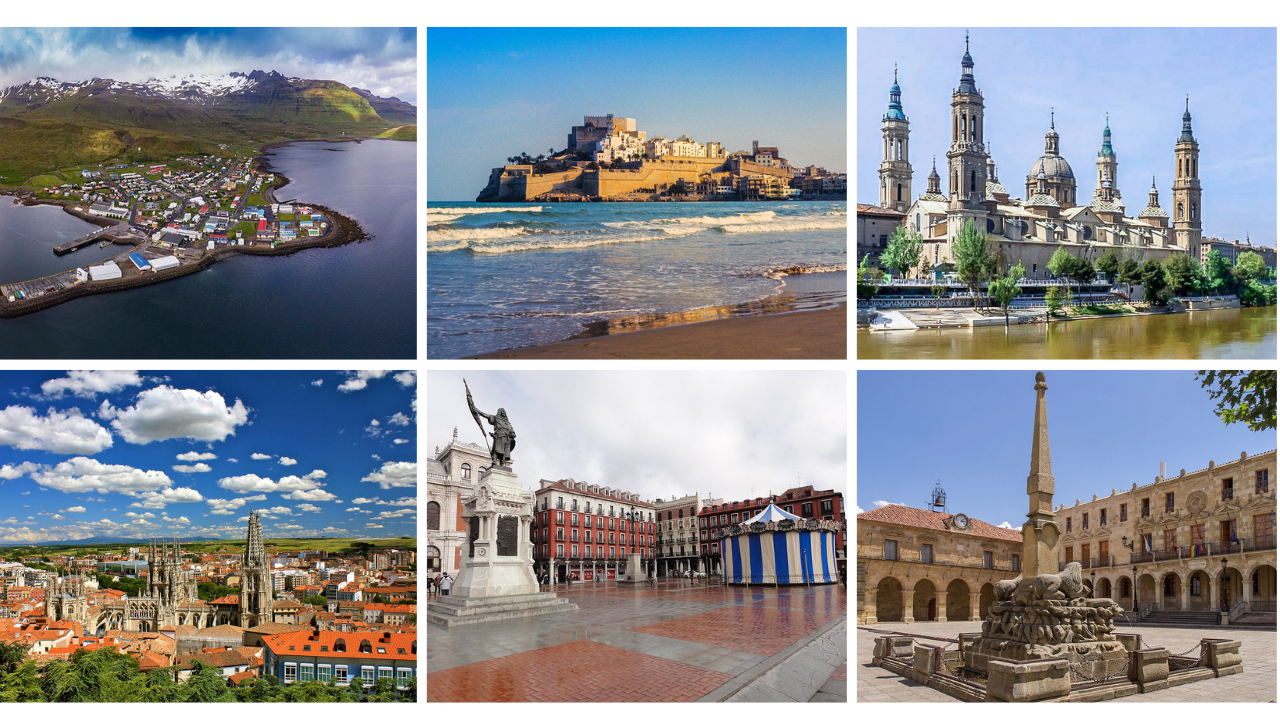
On Aug. 12, 2026, the Moon’s shadow will cut across Greenland, Iceland, a sliver of Portugal, and northern Spain, delivering the first total solar eclipse seen from mainland Europe since 1999. Spain’s tourism authorities are already treating the 2026 to 2028 eclipse run as a major astrotourism moment, and hotel pressure has surfaced in some Spanish corridors well ahead of eclipse day. The smartest plans will lean toward places with clean western horizons, believable logistics, and enough breathing room to still feel magical instead of frantic when the light begins to drain out of the sky and the roads begin to tighten.
Látrabjarg, Westfjords, Iceland
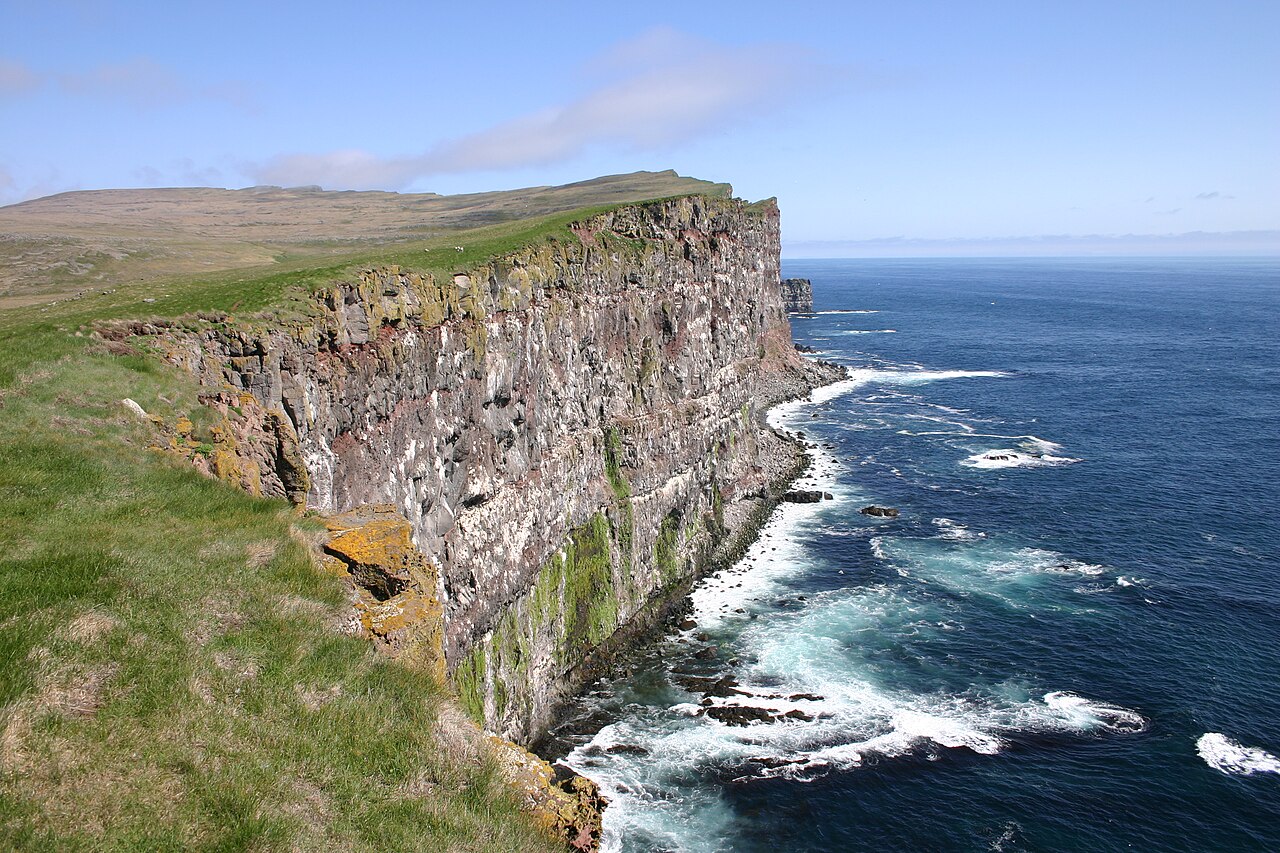
Látrabjarg is the dramatic pick for travelers who want Iceland’s longest mainland totality and do not mind earning it. The headland on the edge of the Westfjords gets about 2 minutes 13 seconds of darkness, with the Atlantic dropping away beneath the cliffs and almost nothing around to dilute the scale of the moment.
It feels wild, stripped back, and emotionally huge, which is exactly the appeal. The trade-off is obvious: this is not a comfort-first stop, and western Iceland’s eclipse prospects remain weather-sensitive, so it rewards travelers who build in time, layers, and flexibility rather than a tight one-night dash from a larger base.
Ísafjörður, Westfjords, Iceland
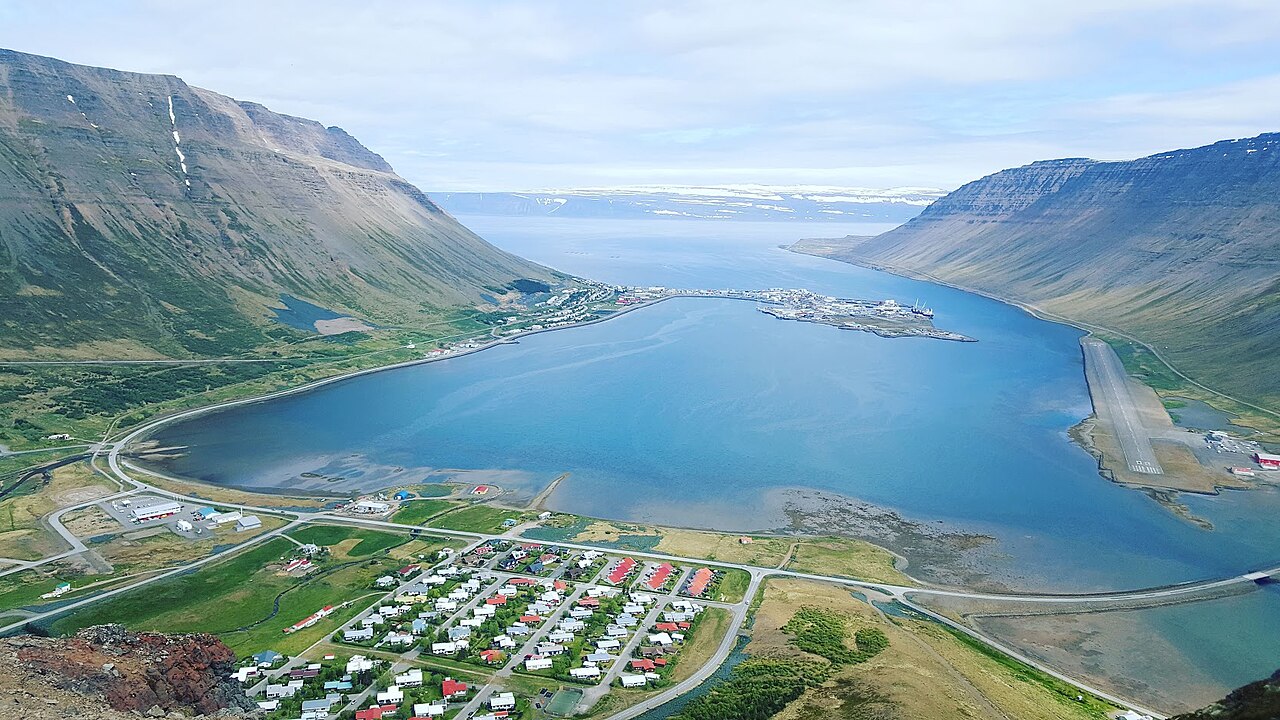
Ísafjörður works for travelers who want the Westfjords without giving up every practical advantage. Iceland’s official eclipse planners call it a highly recommended place to watch the event, and totality there lasts just over 1 minute 31 seconds, long enough to feel substantial without demanding the region’s most remote logistics.
The town has real services, real character, and a setting that feels cinematic even before the sky changes. Because some deep fjords and valley walls can block the lower western sky, the strongest plan here is not simply staying in town, but choosing an open viewing point well before late afternoon and letting weather decide the final move.
Hellissandur, Snæfellsnes, Iceland
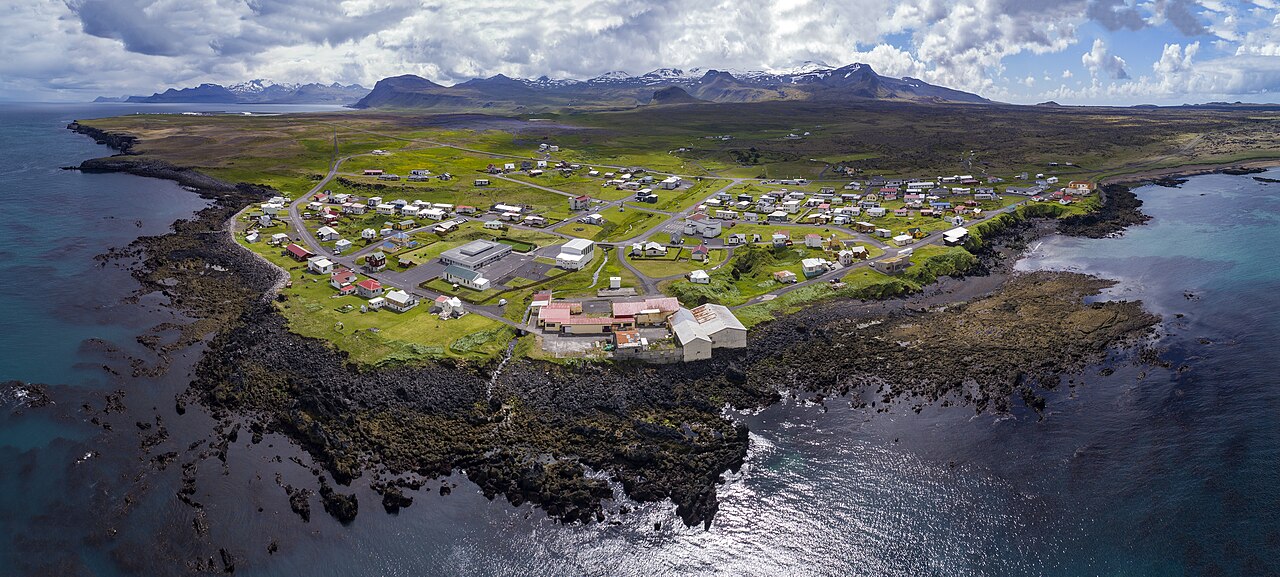
Hellissandur has one of the best balances in Iceland: long totality, striking foregrounds, and a landscape that already looks half lunar. Official Iceland eclipse guidance gives it about 2 minutes 7 seconds of darkness, with nearby Ólafsvík only a breath behind, which makes the western tip of Snæfellsnes unusually strong on pure viewing time.
That edge is only part of the draw. Lava fields, sea cliffs, black-sand textures, and the presence of Snæfellsjökull give the scene a kind of built-in drama, so the trip still feels worth making even if the sky spends the day keeping everyone nervous. It is a rare spot where duration and atmosphere both show up in full.
Grundarfjörður, Snæfellsnes, Iceland
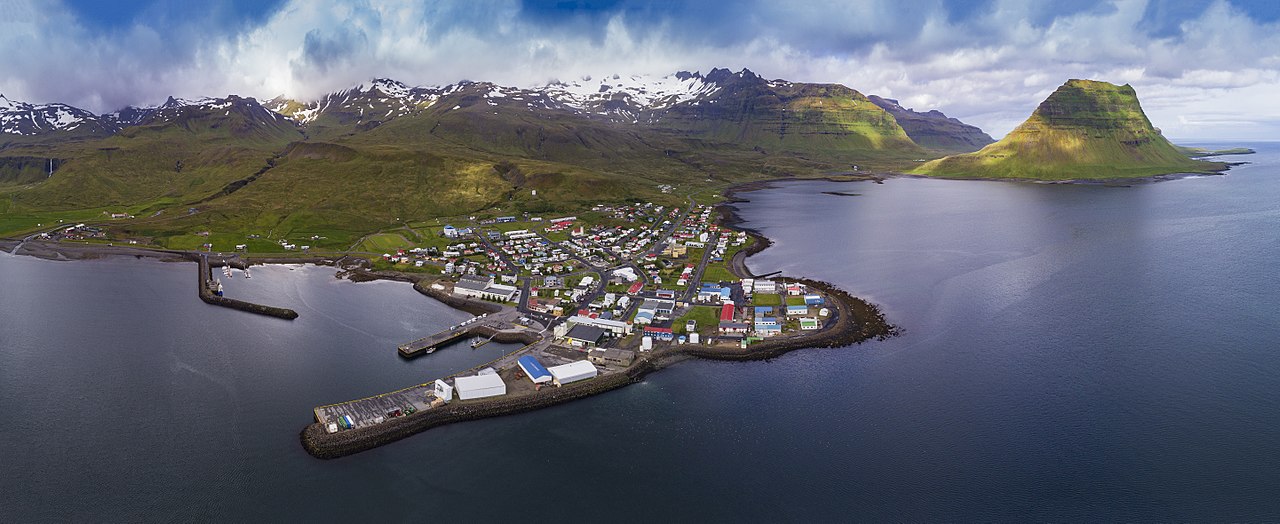
Grundarfjörður is the postcard choice, and that is both the draw and the warning. Time and Date gives it about 1 minute 52 seconds of totality, and Iceland’s eclipse planners note that the eclipse can be framed with Kirkjufell, one of the country’s most recognizable mountains, which instantly makes the place feel almost too perfect.
It is easy to see why photographers will pile in. Iceland’s official guidance has already flagged the area as likely to be crowded, so this is the kind of stop that rewards early lodging, early parking, and a backup pullout rather than a last-minute arrival built on hope. Beautiful places tend to get busy first, and this one already has that look.
Reykjanestá And Garður, Reykjanes, Iceland
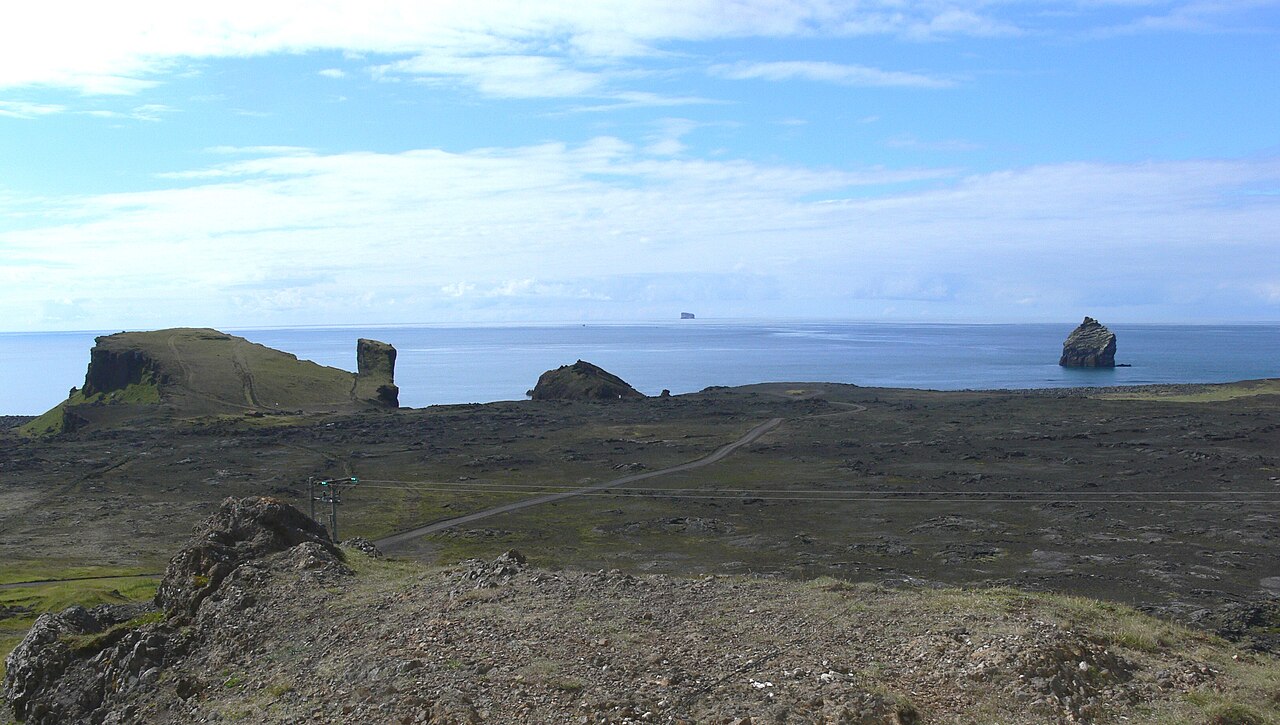
Reykjanes is the practical answer that still feels atmospheric. Official Iceland guidance puts totality at just over 1 minute 40 seconds in Garður and about 1 minute 47 seconds at Reykjanestá, all within easy reach of Keflavík and the capital region, which removes a surprising amount of stress from eclipse planning.
That matters more than it sounds. For travelers landing shortly before the event, or leaving right after it, this peninsula cuts down on friction while still delivering lighthouses, sea cliffs, and a raw Atlantic edge. It is one of the few places on the 2026 route where convenience does not flatten the mood, but actually helps preserve it.
Gijón, Asturias, Spain
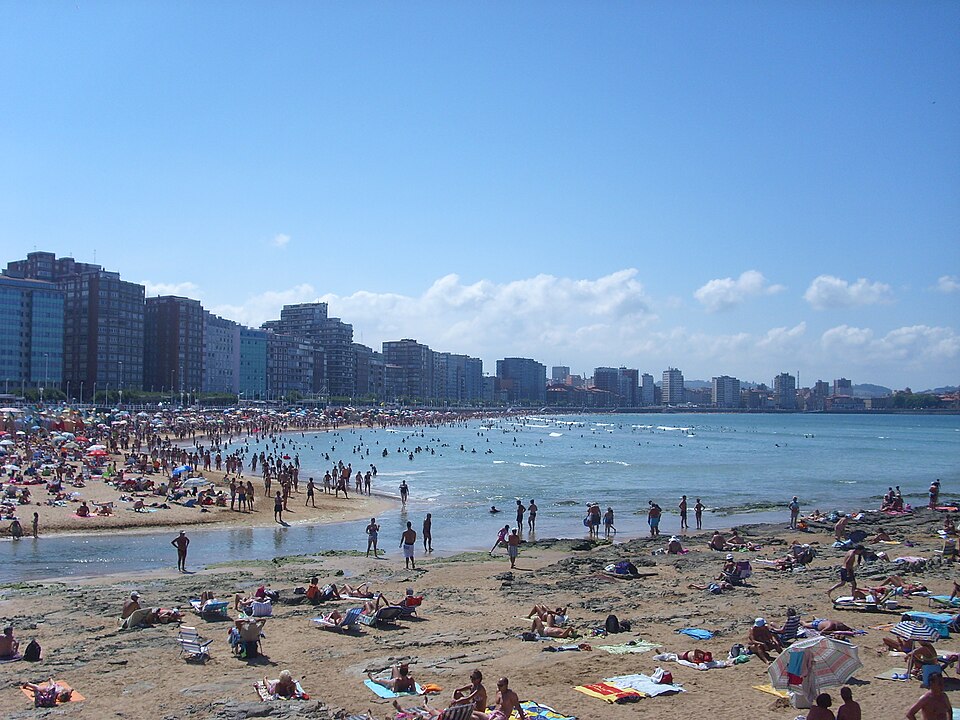
Gijón delivers one of the most stirring urban eclipse setups in Spain, with about 1 minute 45 seconds of totality and the Cantabrian coast glowing toward sunset. Emotionally, it may be one of the most beautiful stops on the route, because the city already leans into sea light, evening color, and a lived-in waterfront energy.
Still, it is a weather gamble. Time and Date’s historical cloud figure for Aug. 12 is 54 percent, and Spain’s official eclipse meteorology notes that the northern coast is more vulnerable to moisture and cloud than the drier interior. Gijón belongs on the shortlist for atmosphere, but not for anyone pretending weather odds do not matter.
Burgos, Castile and León, Spain
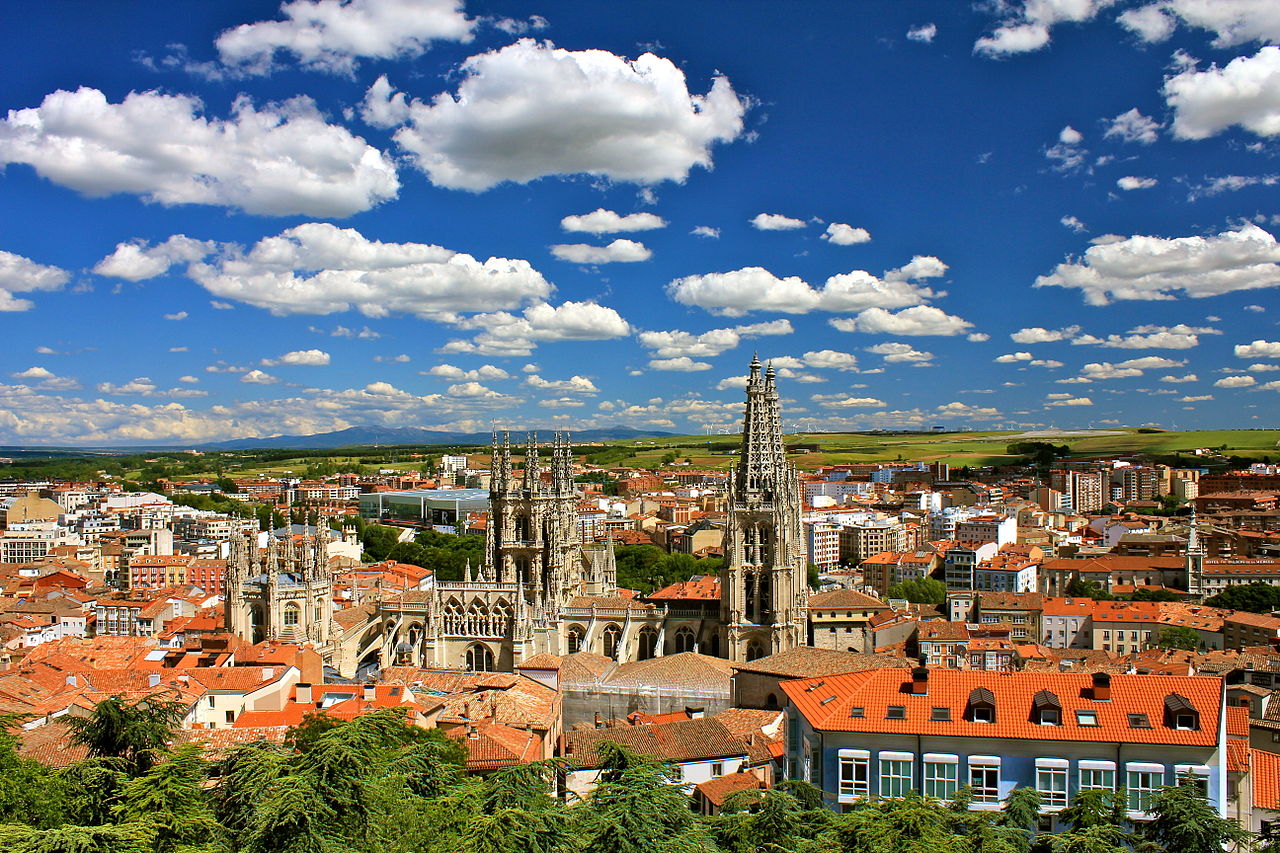
Burgos looks stronger the more the map is studied. It gets about 1 minute 44 seconds of totality, and its Aug. 12 cloud figure on Time and Date sits at 31 percent, a clear step up from Spain’s cloudier northern coast. That alone makes it more serious than some of the prettier first-glance coastal names.
The inland advantage matters, because Spanish eclipse reporting has repeatedly highlighted the rural and interior north as especially well placed for the event. Burgos also feels substantial without feeling overexposed, which gives it a useful middle ground: enough infrastructure to stay easy, enough space to avoid the tense edge that big eclipse bottlenecks create.
Valladolid, Castile and León, Spain
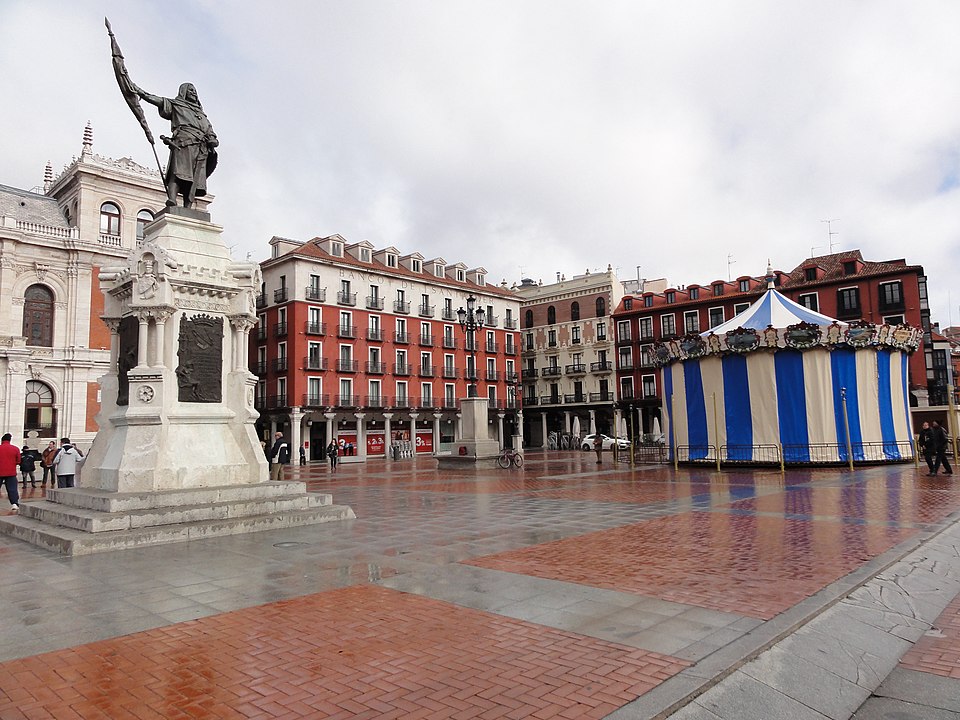
Valladolid is one of the smartest logistics-first choices in Spain. It gets about 1 minute 28 seconds of totality, has a historical cloud figure of 19 percent for Aug. 12 on Time and Date, and sits in a part of inland Spain where wide horizons come more naturally than on the northern coast. For an event this late in the day, that matters almost as much as the sky itself.
The catch is that other travelers have already noticed. Spanish radio reporting has documented hotel price pressure around the province ahead of the eclipse, which makes Valladolid a classic early-booking play. It may not be the moodiest stop on the map, but it is one of the most dependable, and reliability has a quiet beauty of its own on eclipse trips.
Soria, Castile and León, Spain
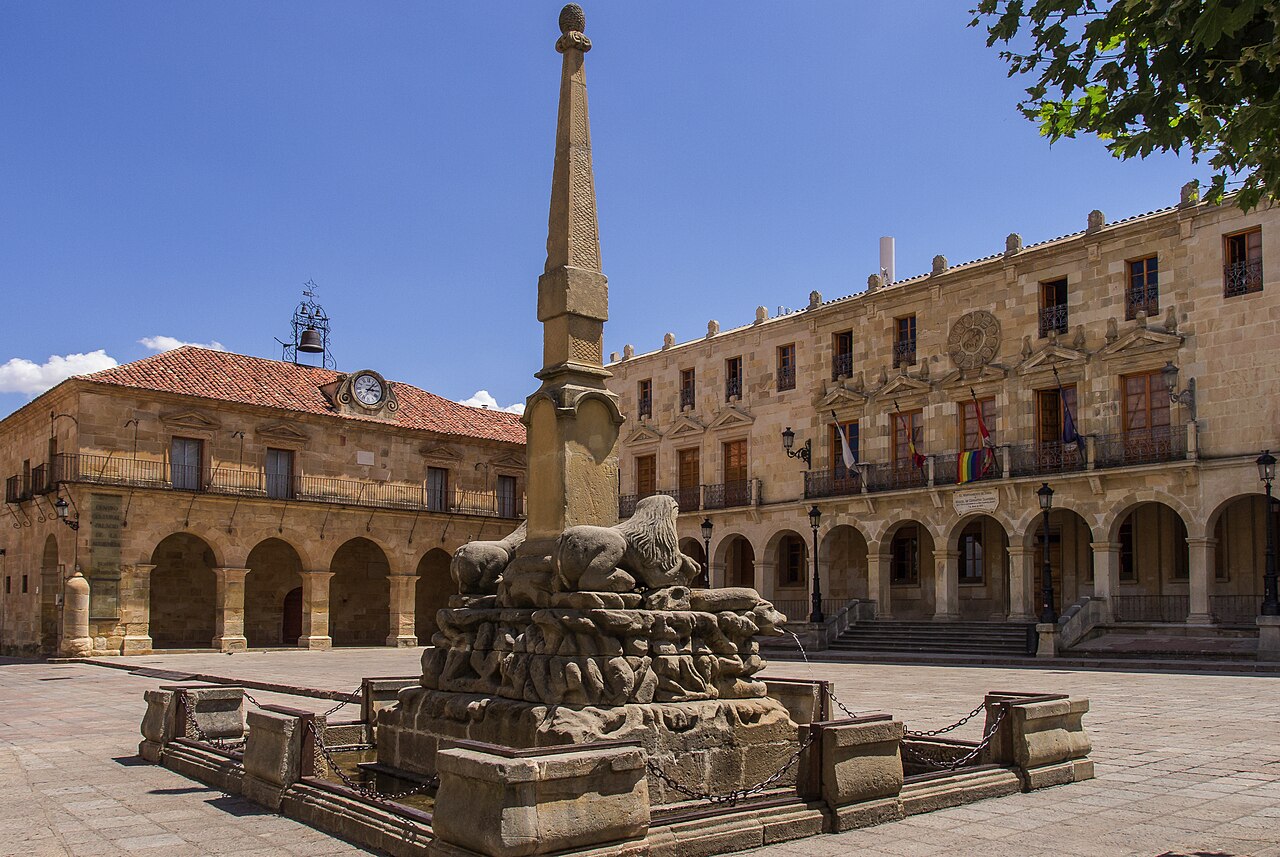
Soria has the feel of a place that may age especially well in hindsight. It gets about 1 minute 42 seconds of totality, and Time and Date’s cloud figure for Aug. 12 lands at 25 percent, keeping it in the more favorable inland tier. That gives it a steadier profile than Spain’s moodier northern shore while preserving a more intimate scale than the bigger transport hubs.
It also sits far enough from Spain’s most obvious tourist magnets to preserve a little calm. That matters on an eclipse evening when late traffic, packed overlooks, and rushed setup can steal half the joy. Soria offers the kind of quieter dignity that lets the sky stay central, which is not a small thing on a day like this.
Zaragoza, Aragón, Spain
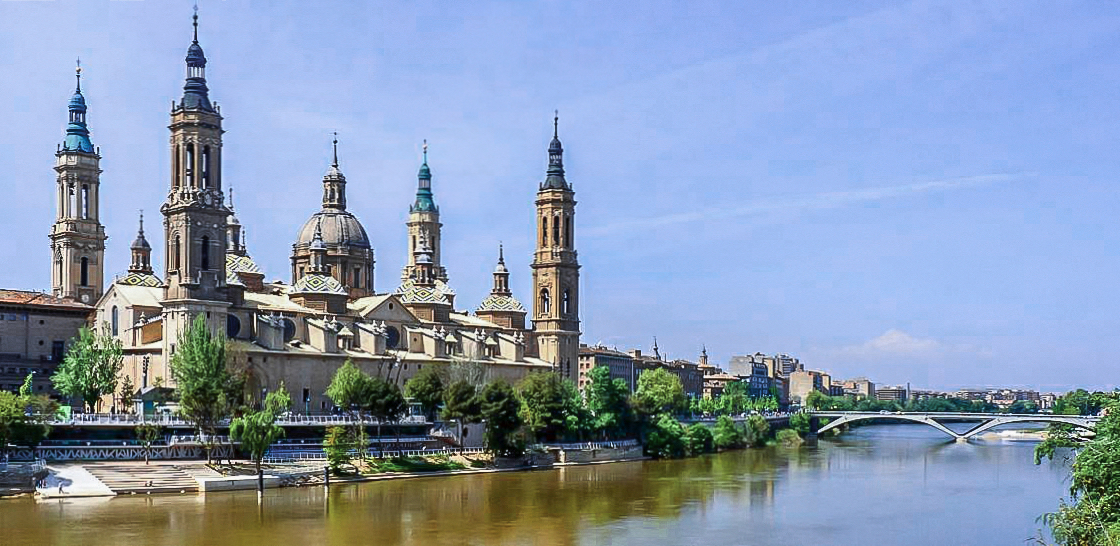
Zaragoza is the strong city option for travelers who want speed, beds, and weather odds in the same place. It gets about 1 minute 24 seconds of totality, and Time and Date pegs its Aug. 12 cloud figure at just 19 percent. For a major city on a high-interest eclipse track, that is a very respectable combination of access and probability.
Spain’s official eclipse meteorology also points to the lower-cloud Ebro Basin as a meaningful advantage once the track moves away from the damp Cantabrian edge. That makes Zaragoza feel unusually balanced: easy to reach, backed by real infrastructure, and still supported by a climatology that does not ask travelers to hand everything over to luck.
Peñíscola, Castellón, Spain
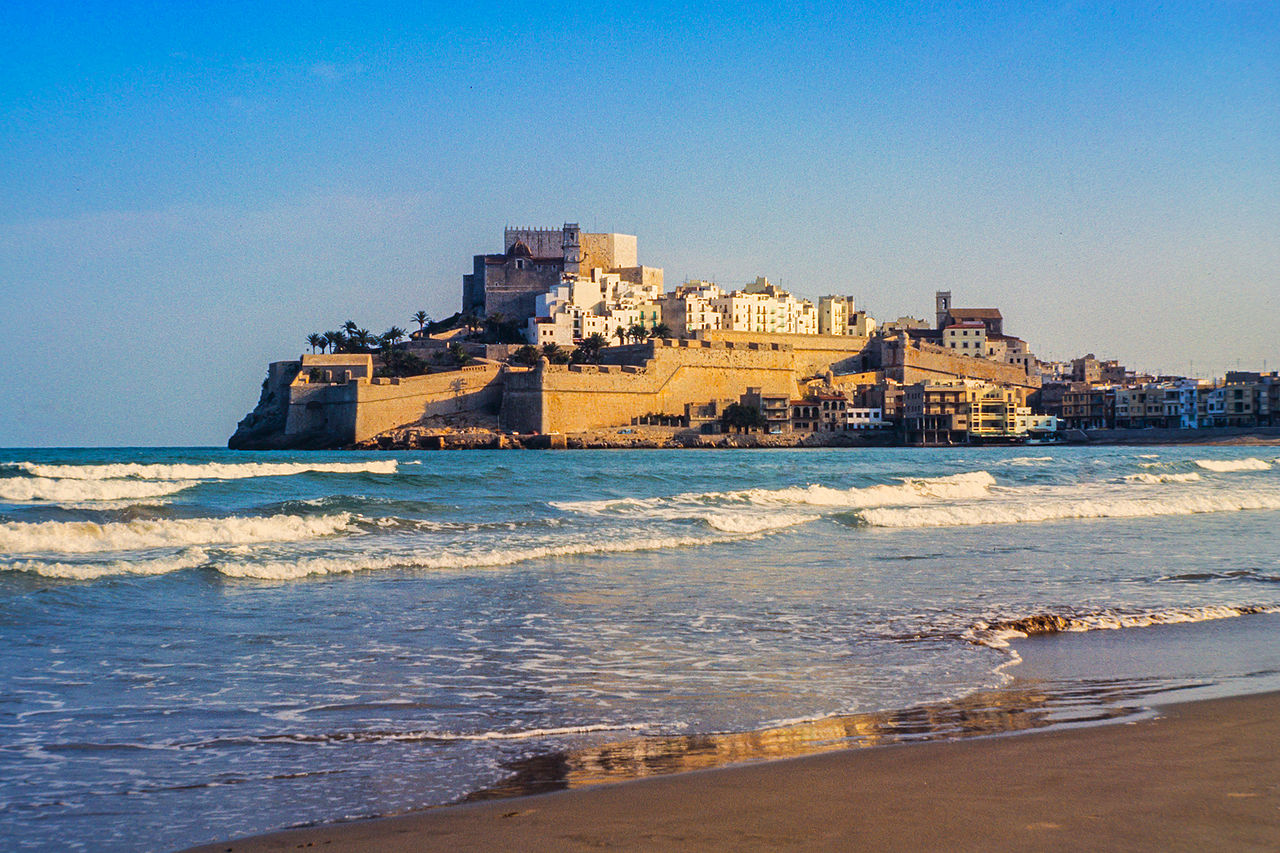
Peñíscola is the romantic Mediterranean choice. Time and Date gives the area about 1 minute 39 seconds of totality, with a historical cloud figure of 35 percent for Aug. 12, and the old town’s fortress profile gives the evening a theatrical shape before the eclipse even begins. It already looks like a place where rare things should happen.
The main caution here is geometry. In eastern Spain and the Balearics, Spain’s official eclipse meteorology stresses how low the Sun will sit near totality, so a clean western view matters as much as the forecast. Peñíscola is at its best when the viewpoint is chosen with the horizon, not just the postcard, in mind.
Tortosa, Tarragona, Spain
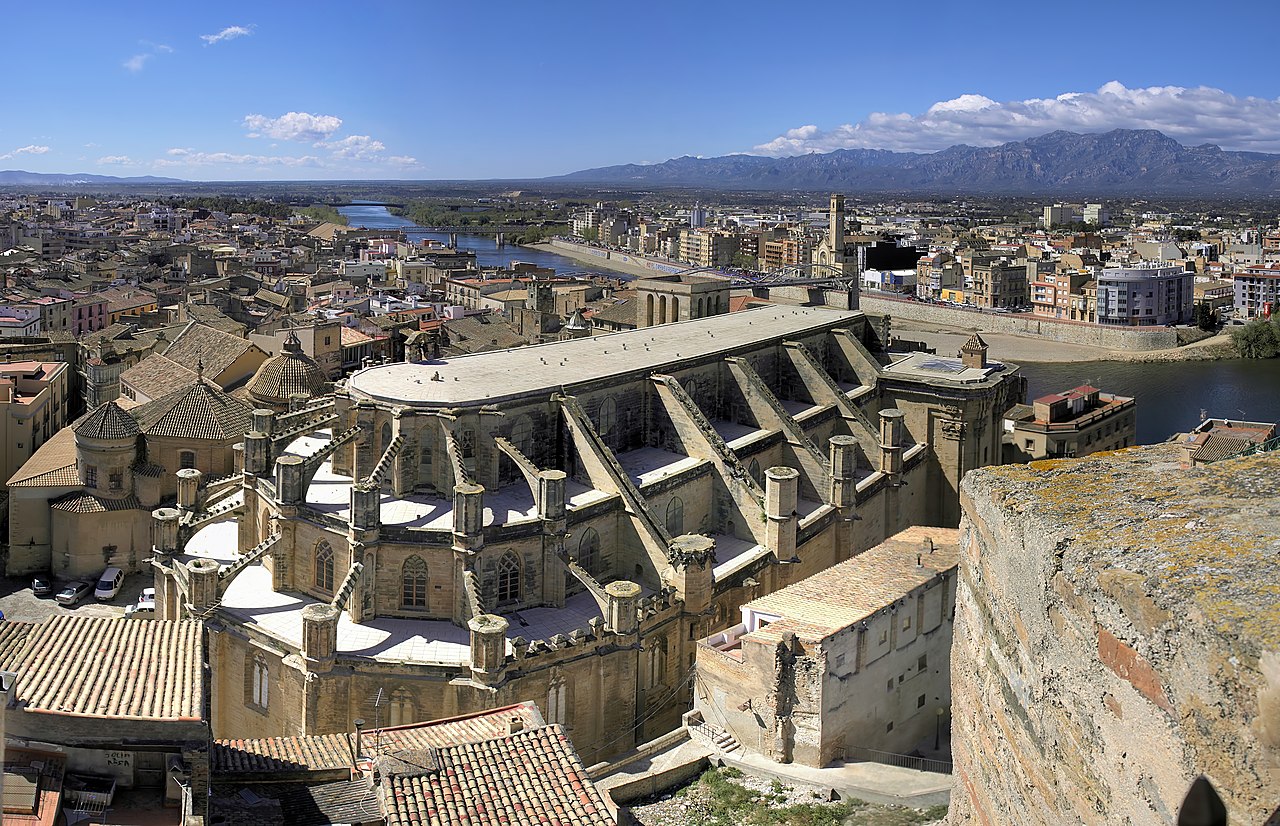
Tortosa sits in a useful sweet spot between drama and practicality. It gets about 1 minute 31 seconds of totality, and Time and Date shows a 31 percent cloud figure for Aug. 12, giving it a more credible weather case than many first-glance coastal picks. That alone makes it worth more attention than it usually gets in broad eclipse roundups.
Its lower Ebro setting also helps the place breathe. There is enough city structure for a comfortable stay, but the surrounding landscape opens quickly into wider horizons, which matters late in the evening when the Sun is already slipping low. It feels like a place that can stay graceful even when eclipse traffic starts to tighten.
Palma de Mallorca, Balearic Islands, Spain
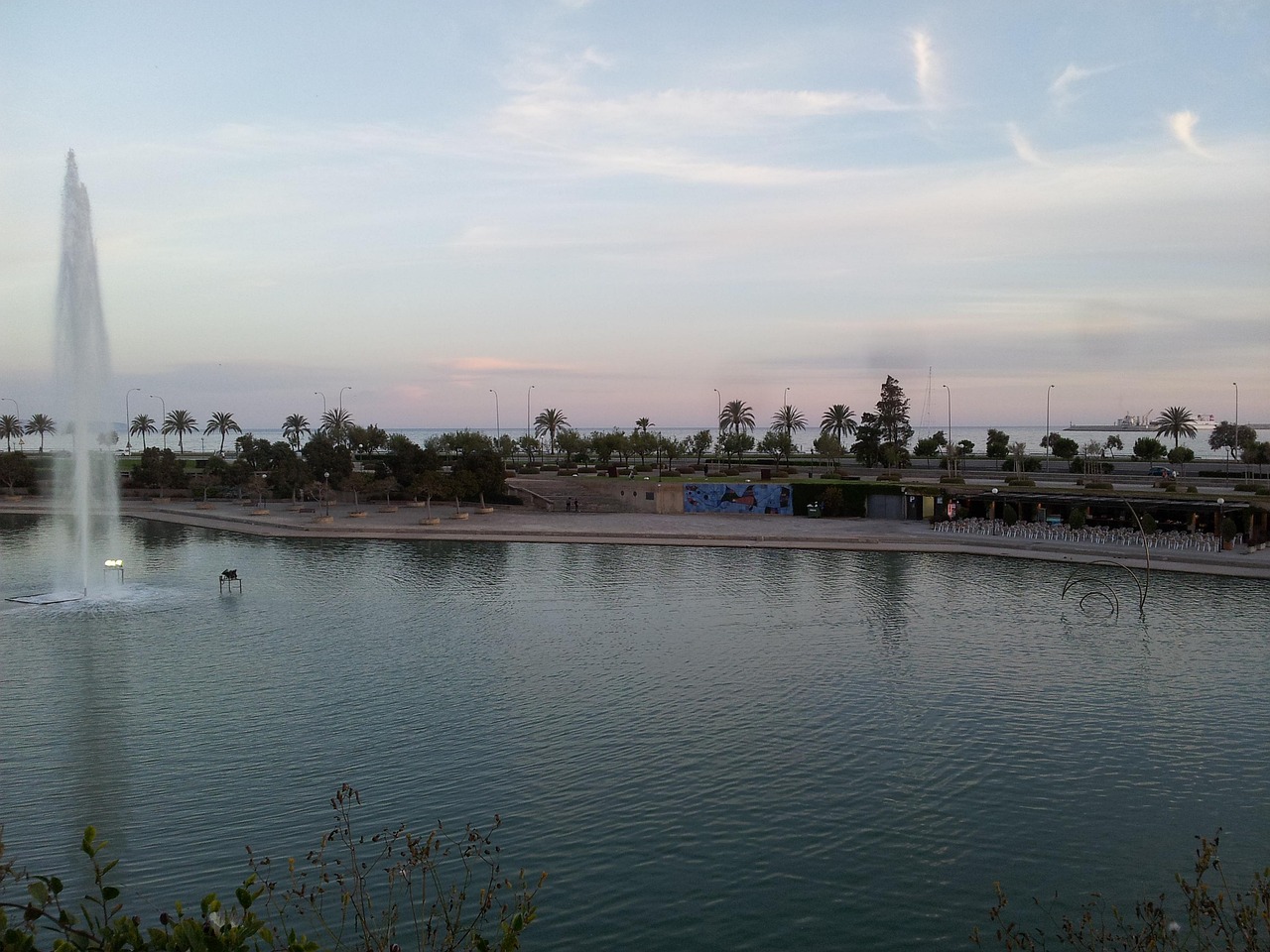
Palma de Mallorca is the elegant high-drama finish. It gets about 1 minute 36 seconds of totality, and Time and Date shows a 37 percent historical cloud figure for Aug. 12, better than some northern coastal contenders even if not as secure as inland Spain. With the waterfront, the cathedral, and the late-summer glow, the city has a natural sense of occasion.
What makes Palma special also makes it exacting. Spain’s official eclipse meteorology says the Sun will be only about 4 degrees above the horizon over the Balearic Sea during totality, so a blocked western view can ruin the moment. With the right seafront or elevated position, though, Palma could turn the eclipse into pure theater.