A jar of honey, a heating pad, and a grandmother’s advice can feel harmless. Trouble starts when care turns into commerce, and a “natural fix” becomes a paid service. Across the United States, many hands-on or invasive alternative treatments are treated as health care, which means the law expects training, oversight, and a credential on the wall. Rules differ by state, but the pattern is consistent: once skin is pierced, joints are manipulated, fluids are infused, or births are attended, regulators step in. People often learn this only after a pop-up clinic, a social media ad, or a friend-of-a-friend promise. The line is less about whether a remedy is old or new, and more about safety, consent, and accountability.
Acupuncture Needling
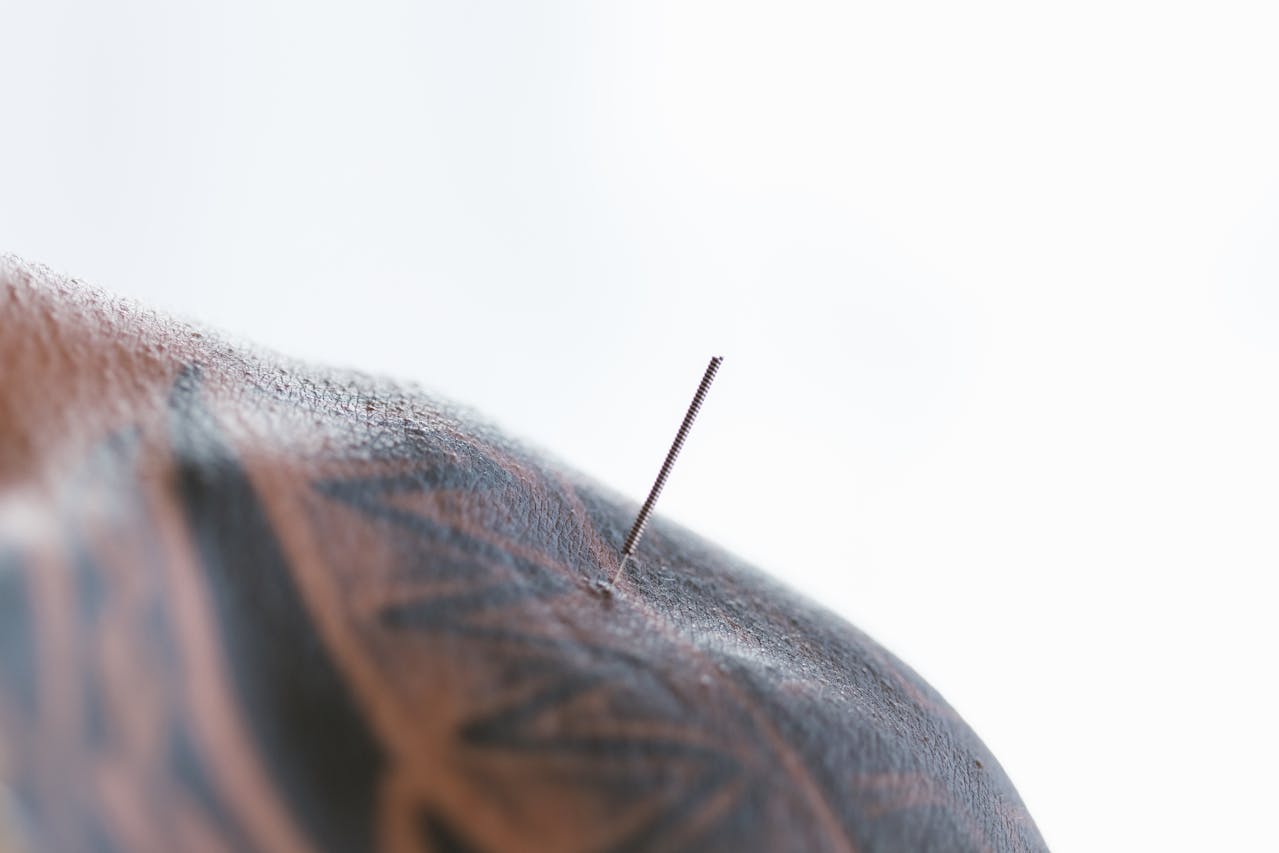
Acupuncture looks simple: thin needles, quiet music, a calm room. In many states it is unlawful to practice or represent oneself as an acupuncturist without a state license because puncturing skin raises infection, nerve, and organ-injury risks when anatomy is guessed at. Physicians are often exempt, but everyone else is expected to meet board standards, keep records, and follow clean-needle rules, which makes pop-up “needle parties” and paid sessions run by unlicensed providers an easy way to cross into illegal practice. Even when intent is stress relief, the legal trigger is the act and title, not the vibe too.
Chiropractic Spinal Adjustments

Chiropractic care is often marketed as “just an adjustment,” but many states explicitly prohibit practicing chiropractic without a license. A high-velocity spinal manipulation can injure arteries, nerves, or discs when done poorly, so regulators treat it as a health profession, not a wellness add-on. Some laws also police the use of chiropractic titles and clinic advertising which makes “back cracking” booths, influencer demos for cash and paid posture fixes risky. In practice, the legal line is crossed when someone offers diagnosis or treatment-like services without the credential that state boards require. Too.
Dry Needling for Trigger Points
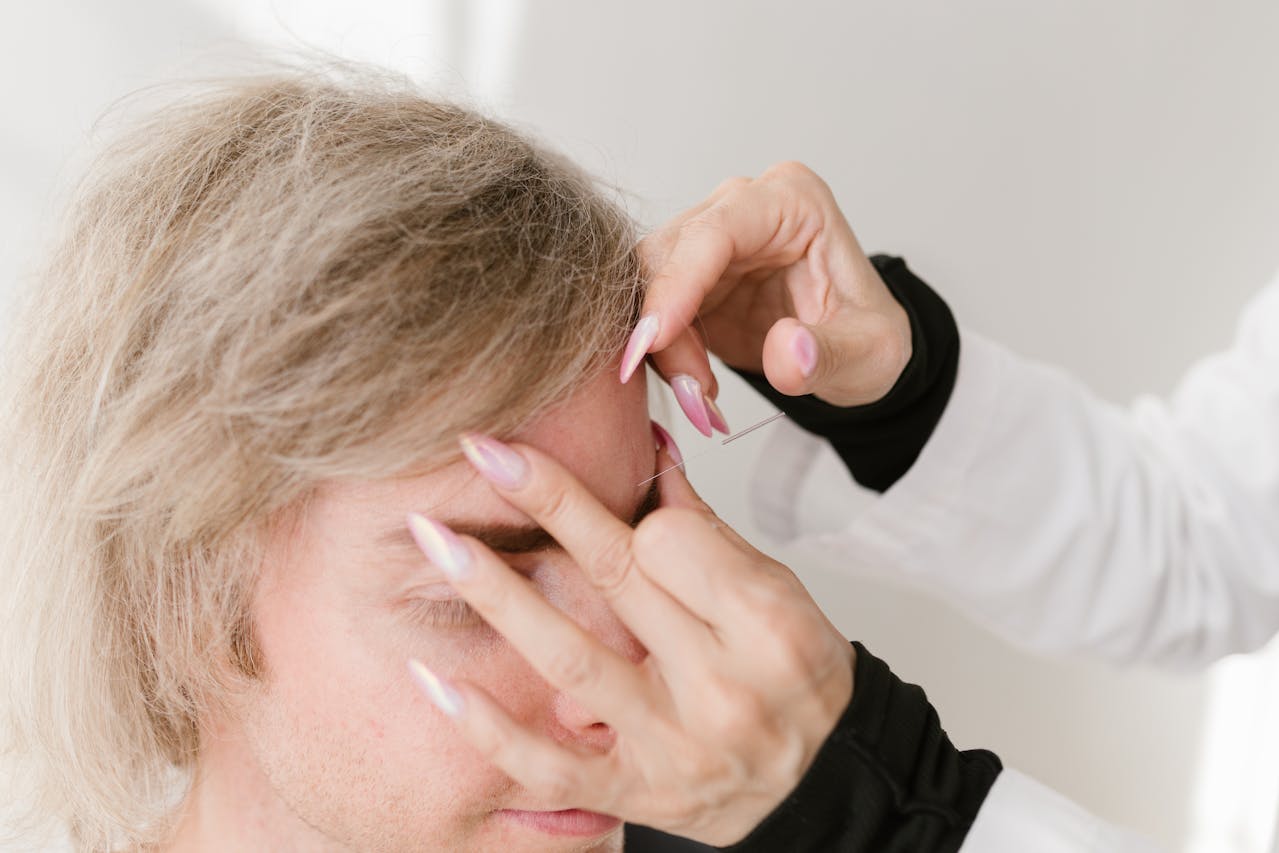
Dry needling sits in a gray zone that changes at state borders. Professional groups map states that allow it, prohibit it, or stay silent, and many boards require specific coursework, supervised hours, and consent. Because it involves skin penetration, some regulators fold it under acupuncture laws, while others treat it as a specialized physical therapy skill. That means a wellness coach or trainer, or a massage therapist offering needle-based trigger-point work for money can be accused of practicing outside scope. The quiet risk is less about muscle soreness and more about who is authorized to hold the needle.
IV Vitamin and Hydration Drips

IV vitamin drips have the aura of a spa upgrade, but they are still intravenous therapy. In several states, guidance and business rules tie these services to licensed clinicians and medical oversight, and they limit who may start lines, choose solutions, or set dosages. Nursing guidance also warns that selecting a medication or solution and determining a dose looks like prescribing, which sits outside an RN’s independent scope in some jurisdictions. When a non-clinician runs an infusion bar, regulators can treat it as unlicensed practice of medicine, even if the menu sounds like hydration, immunity, or recovery!
Colon Hydrotherapy Sessions
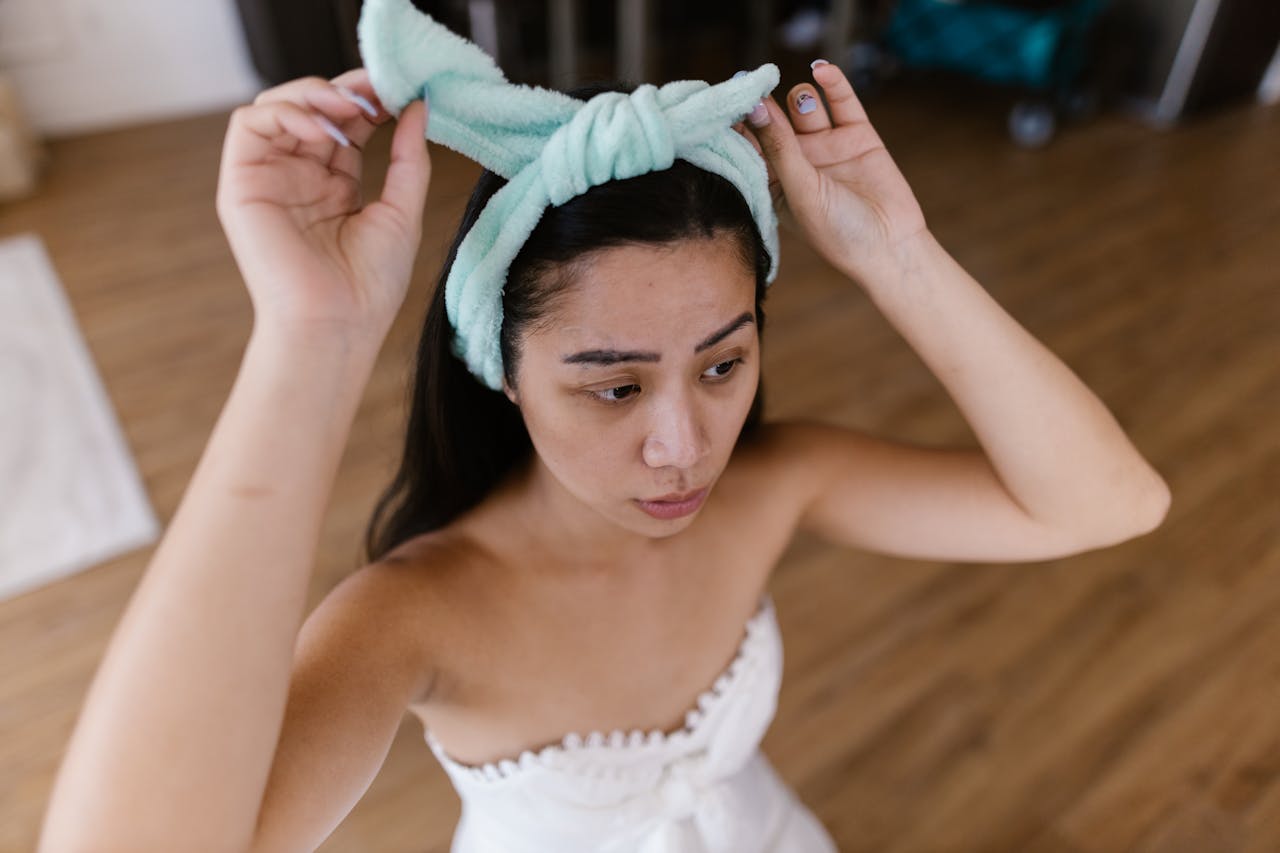
Colon hydrotherapy is sold as cleansing, but it involves inserting equipment into the body and moving water through the colon. Washington State, for example, created a formal certification for colon hydrotherapists, tied to education, testing, and defined standards of practice. That framework highlights why regulators get involved: infection control, equipment sterilization, contraindications, and emergency response are not optional details. In places with similar rules, offering paid-for sessions without the credential can be treated as unlicensed practice, even if it is framed as wellness rather than medicine.
Therapeutic Massage as a Paid Service
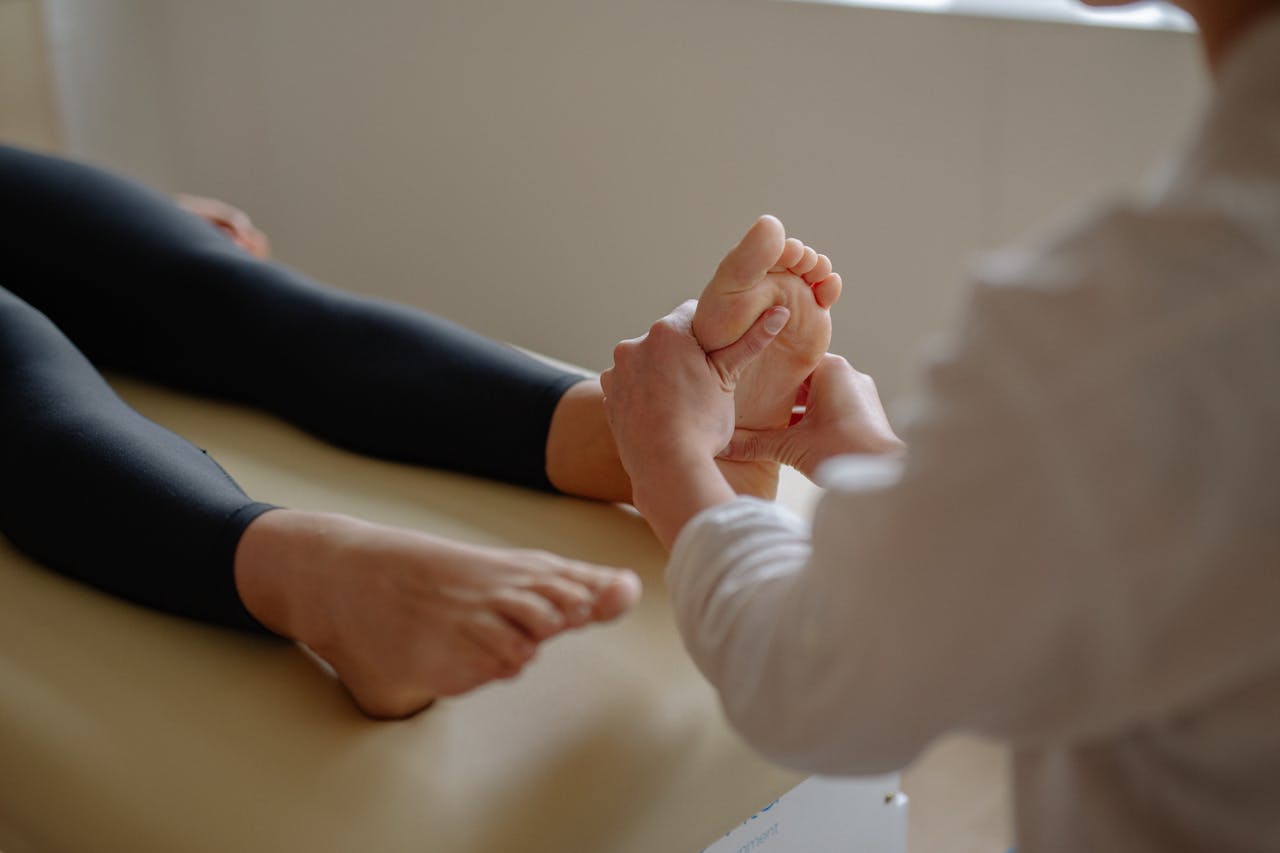
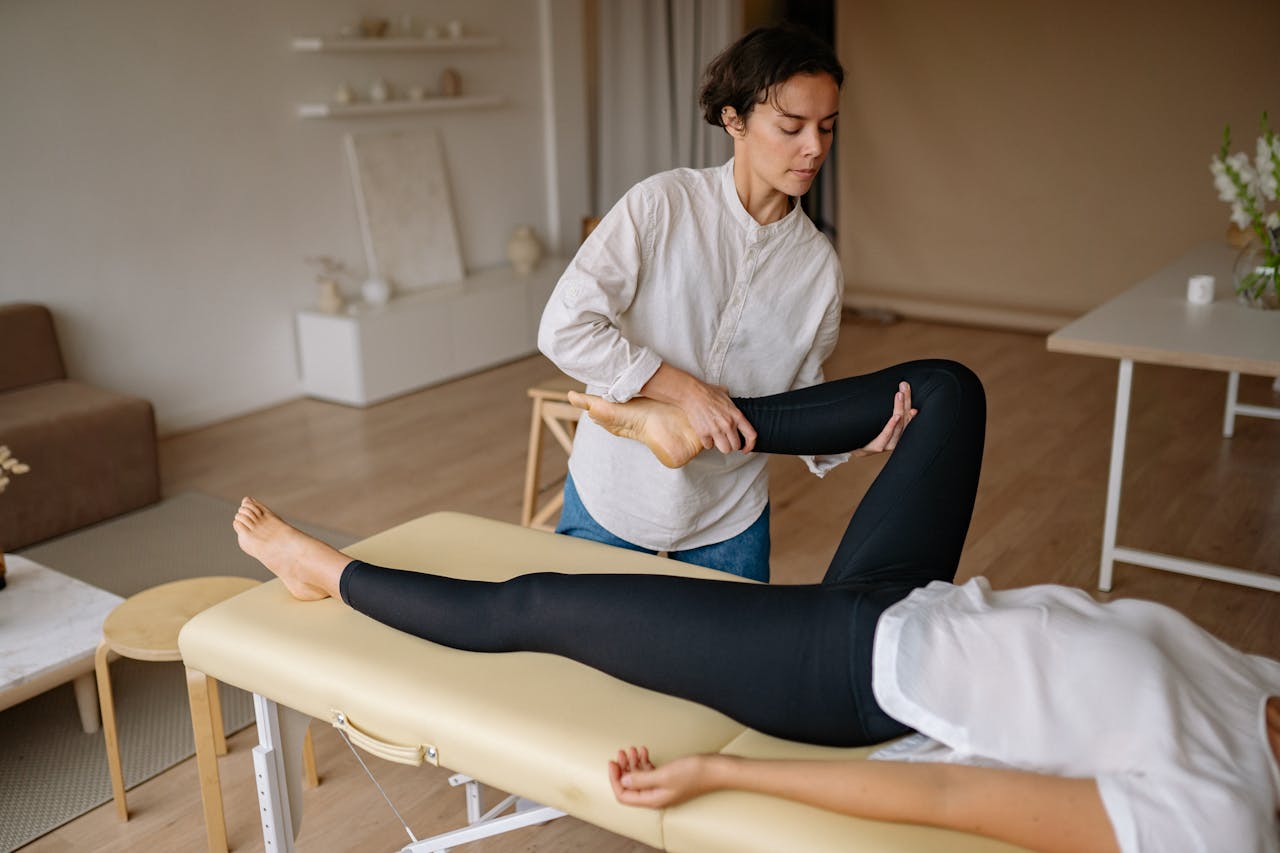
A relaxing massage can be a home remedy in spirit, but “massage therapy” is licensed work in many states. Oregon law, for example, says a person may not engage in or purport to engage in massage without a massage therapist license, and it also regulates facility permits. That is why side-hustle chair massage at markets, hotel-room “mobile massage,” or ads that promise pain relief can draw scrutiny when the provider is unlicensed; the difference is not whether hands can soothe, but whether a business is presenting therapeutic touch as a regulated service with rules on hygiene, consent, and client boundaries. Often.
Midwifery and Birth Attendance for Pay
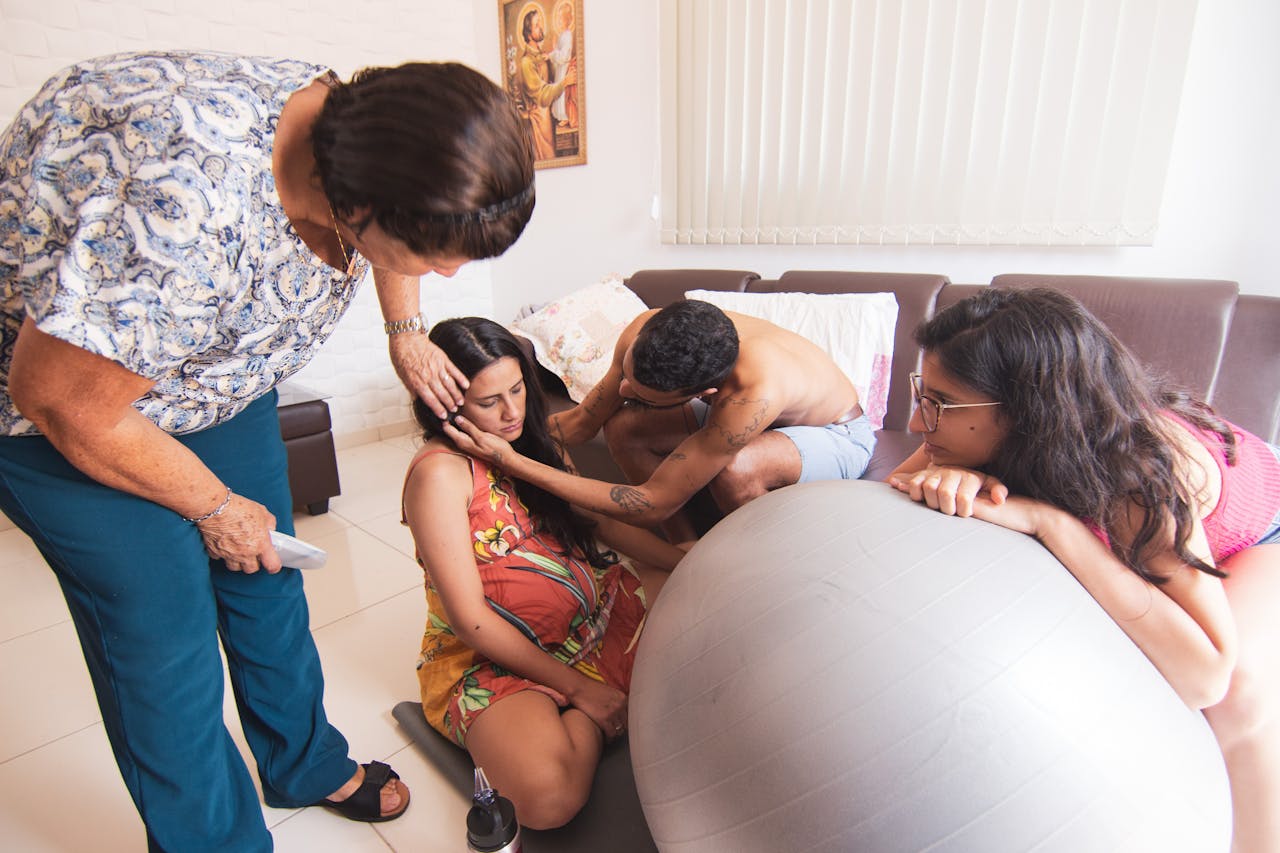
Traditional birth support is deeply personal, which is why disputes over midwifery laws can turn intense. Many states treat attending births for pay as a regulated profession, requiring licensure or registration, while others allow narrower pathways for “direct-entry” midwives. Where unlicensed practice is prohibited, an attendant can face penalties for offering prenatal care, managing labor, or advertising services, and the law may treat it as practicing medicine, because emergencies are unpredictable, transfers can be urgent, and officials want clear accountability when minutes matter in homes, at late hours.
Microneedling and Dermapen Treatments
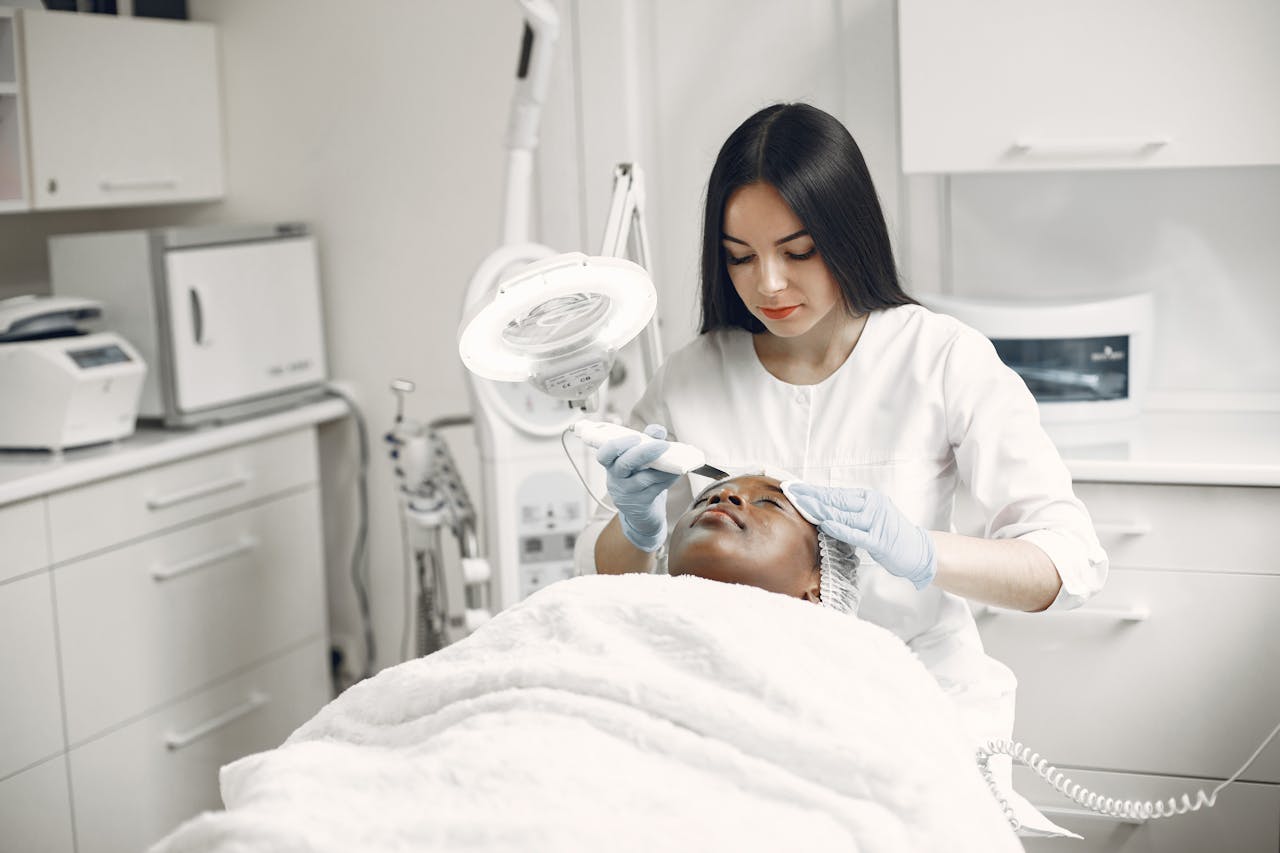
Microneedling is often described as skincare, but it is still a device puncturing the skin to trigger repair. Because it can draw blood and open a path for infection, many states restrict who may perform it, and they may require a licensed medical professional or a properly credentialed esthetic provider working within a narrow scope. That is why at-home “dermapen” businesses, salon add-ons, and pop-up cosmetic parties can become legal problems the moment they charge, advertise results for scars or acne, or use devices that regulators consider medical-grade. Consent forms and sanitation logs are not optional. now