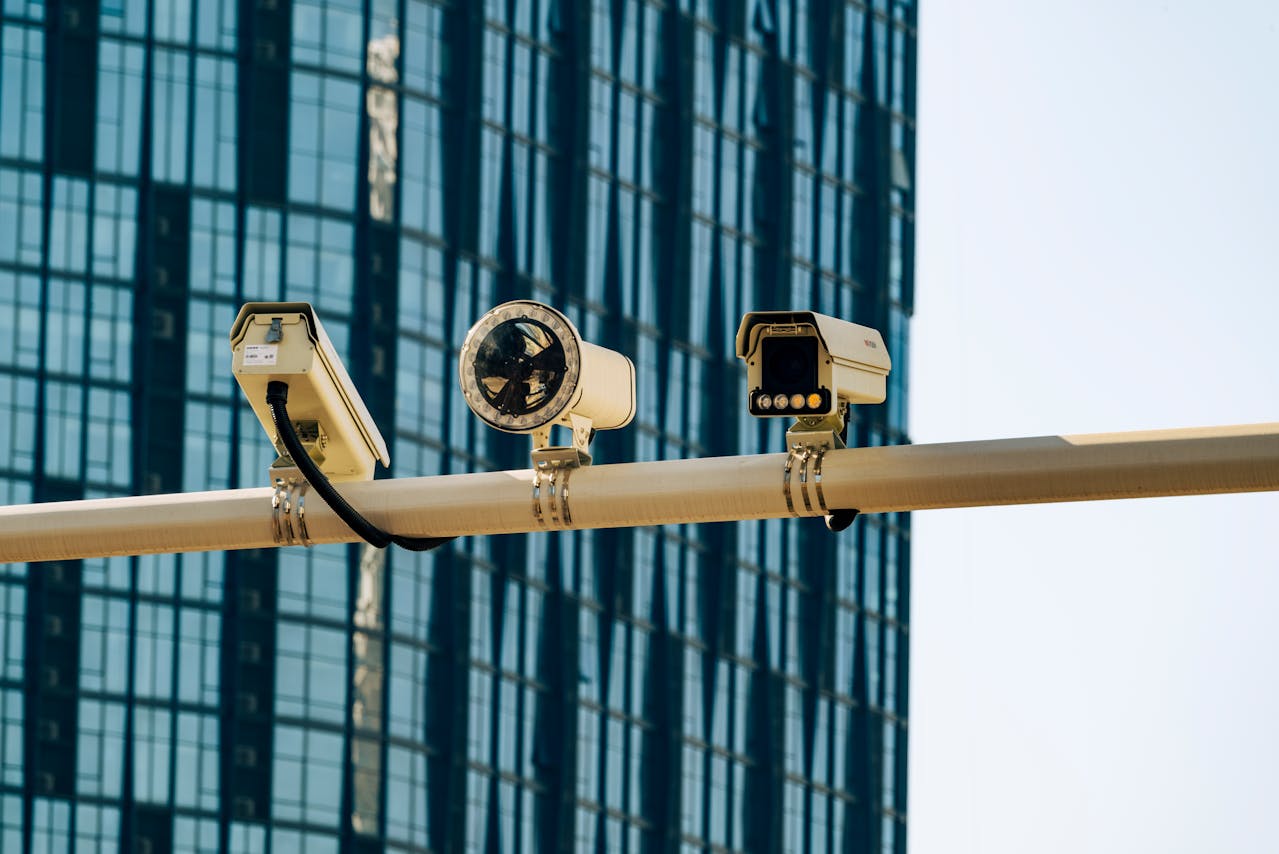
A new year in California often brings small shifts that drivers barely notice until a mailbox proves otherwise. In 2026, some commutes may include automated speed enforcement that can generate a ticket without a traffic stop. Backed by recent state laws, the first wave is aimed at select city streets and, soon, highway work zones where crews share narrow lanes with fast-moving traffic. These systems use radar and laser measurements paired with photos and license plates. The promise is fewer crashes on crowded freeways. The worry is an unseen camera deciding what counts as over the line, every time. No discretion at all.
The Laws That Opened The Door

California’s shift rests on two Assembly bills. AB 645, approved in 2023, authorized automated speed enforcement pilot programs for certain cities on local streets. AB 289, effective in 2026, extends similar authority to temporary highway work zones, with the California Department of Transportation overseeing the rollout. Both laws focus on designated camera locations and posted limits, and both share the big change: a citation can be triggered by sensors and photos, even when no officer is present to stop a car or offer a warning. It echoes wider automated enforcement trends already seen in other states and big cities.
City Streets Come First
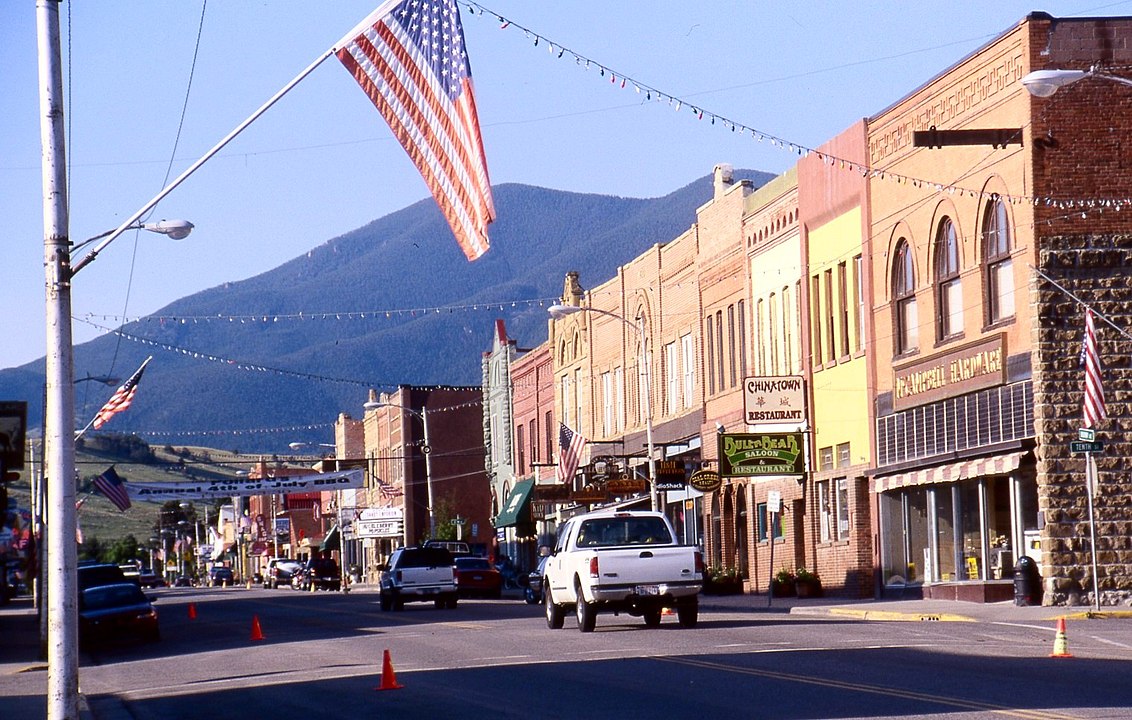
AB 645 does not blanket the entire state at once. It names specific cities, including Los Angeles, San Francisco, San Jose, and Oakland, and allows each to run an automated speed enforcement pilot on its own streets. The point is local control: camera placement, signage, and enforcement priorities can be set by the municipality rather than a statewide mandate. Some places have already begun moving from policy to pavement, making the change feel real in neighborhoods where speeding has long been treated as background noise. Speed cameras are common abroad and in some U.S. states, but they are new to California commutes.
Work Zones Become Camera Zones
AB 289 aims at a different kind of danger: temporary highway work zones, where orange cones and shifted lanes compress traffic into tight corridors. Under the law, California’s transportation department can deploy automated speed enforcement in these zones, turning posted reductions into something more than polite suggestions. The stated goal is protection for road crews, flaggers, and drivers caught in sudden slowdowns. In a state where construction can stretch for miles, enforcement that travels with the work could become a new fixture of the commute. As 2026 begins, the work-zone rollout is still in its earliest stage.
How Radar Cameras Turn Speed Into A Citation
The mechanics are straightforward, which is part of the appeal. In a designated area, the system monitors vehicle speed using radar and laser measurements. When a car is recorded traveling over the limit, the equipment captures images and ties the event to license plate information, creating an automated violation without an officer standing roadside. That lack of discretion cuts both ways: consistent enforcement can deter chronic speeding, but it also removes the human judgment that sometimes accounts for weather, traffic flow, or minor mistakes made in a hurry. A notice may arrive later, long after the moment has passed.
Why California Is Testing Automated Speed Enforcement
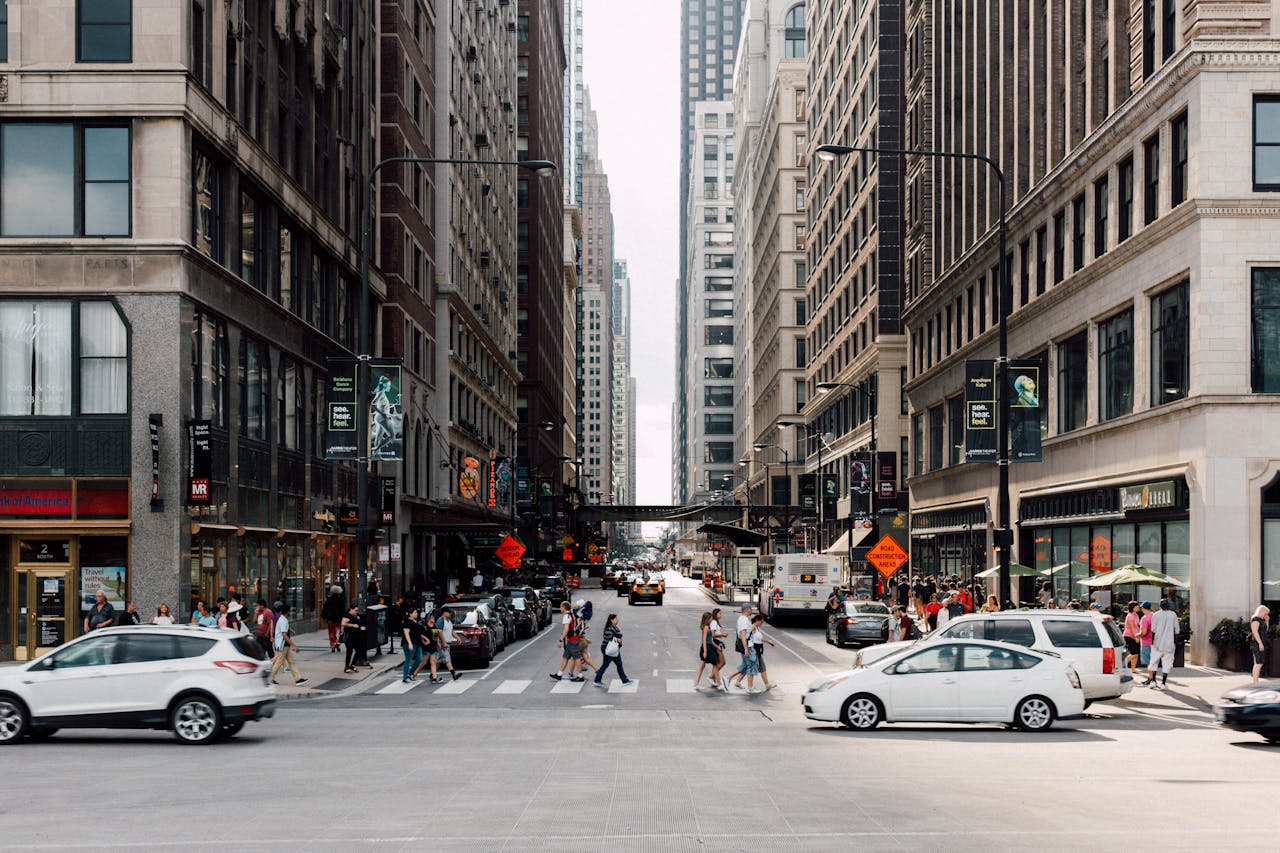
Supporters point to a stubborn reality on California roads: excessive speed remains a leading contributor to crashes, especially on wide arterials where signals feel far apart and on freeways where drivers match the fastest lane. Automated enforcement is pitched as a way to change that baseline behavior, not just catch the occasional outlier. If cameras push more drivers to treat limits as real boundaries, the benefits would show up quietly, as fewer hard stops, fewer near misses, and fewer sirens threading through traffic after dusk. On the surface, the logic is simple: measure speed, document it, and enforce it reliably.
Safety Promise, Surveillance Fear
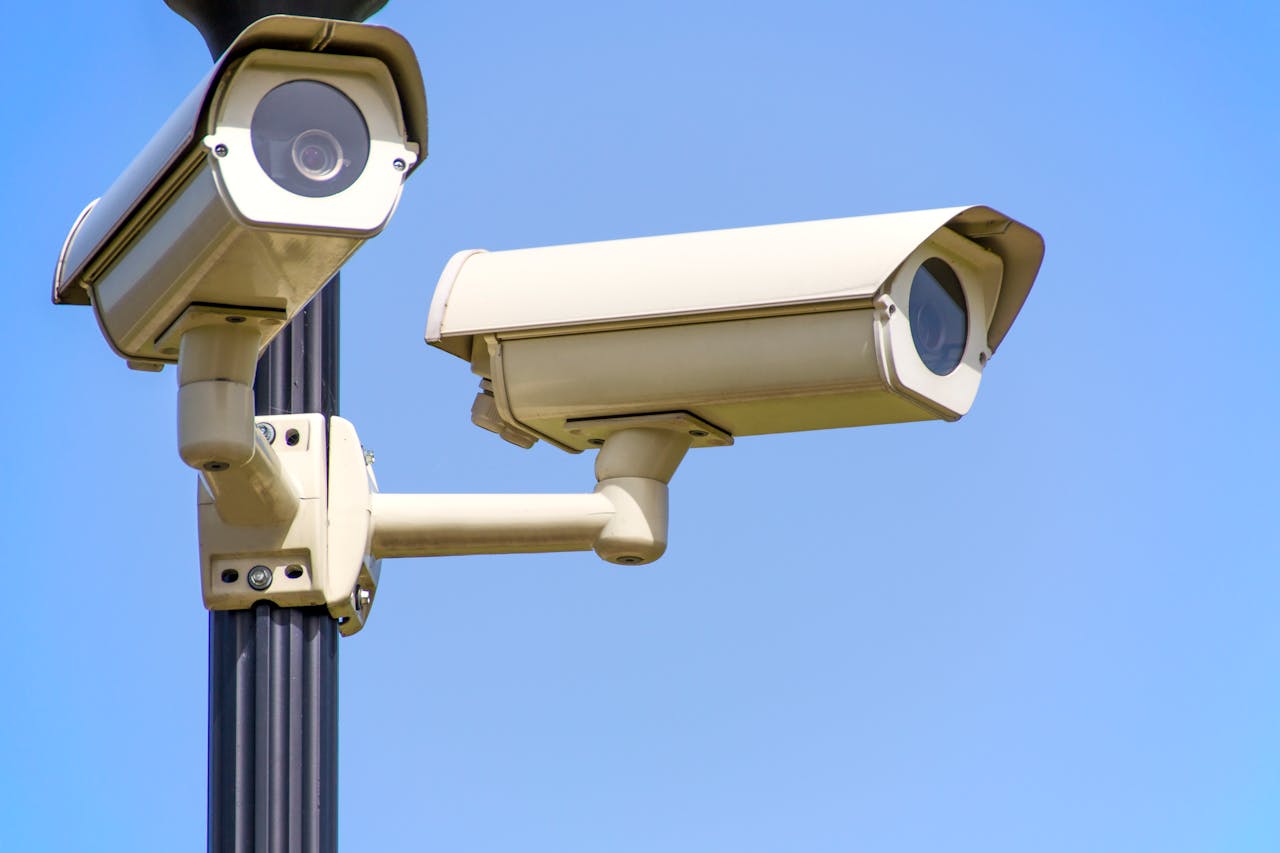
The reaction is unlikely to be uniform. Automated ticketing can feel less like a safety measure and more like surveillance, especially when cameras sit in everyday corridors rather than obvious choke points. Critics also worry about inconsistent or inaccurate enforcement, the kind of friction that turns a public safety program into a political fight. The systems may be designed to apply rules evenly, but trust depends on transparency: where devices are placed, how thresholds are set, and how mistakes are corrected when the camera, or the data behind it, gets something wrong. Experience suggests debate will follow.
Accuracy Questions Will Arrive Fast
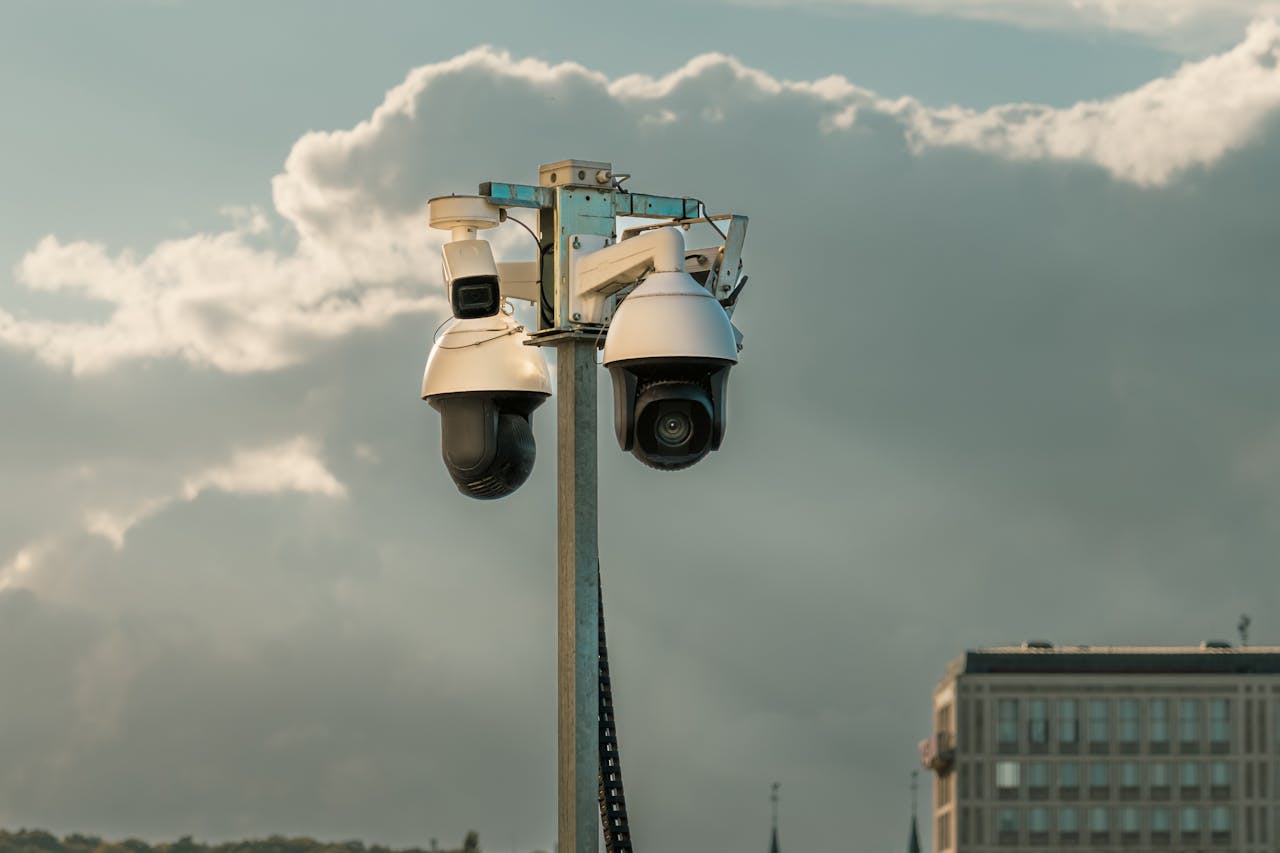
Camera enforcement has not been flawless elsewhere, and California is stepping into that history. In Georgia, some drivers have reported problems with school zone speed cameras, arguing that violations were issued outside the hours when the lower limit should be active. Complaints like that tend to land hard because the evidence feels automated and final. California’s pilots will be watched for the same weak points: timing errors, signage confusion, and systems that struggle with edge cases. Confidence grows only when the rare mistake is easy to find and quick to fix. Without that, the program can feel like a cash grab.
No Stop, No Warning, Just A Notice
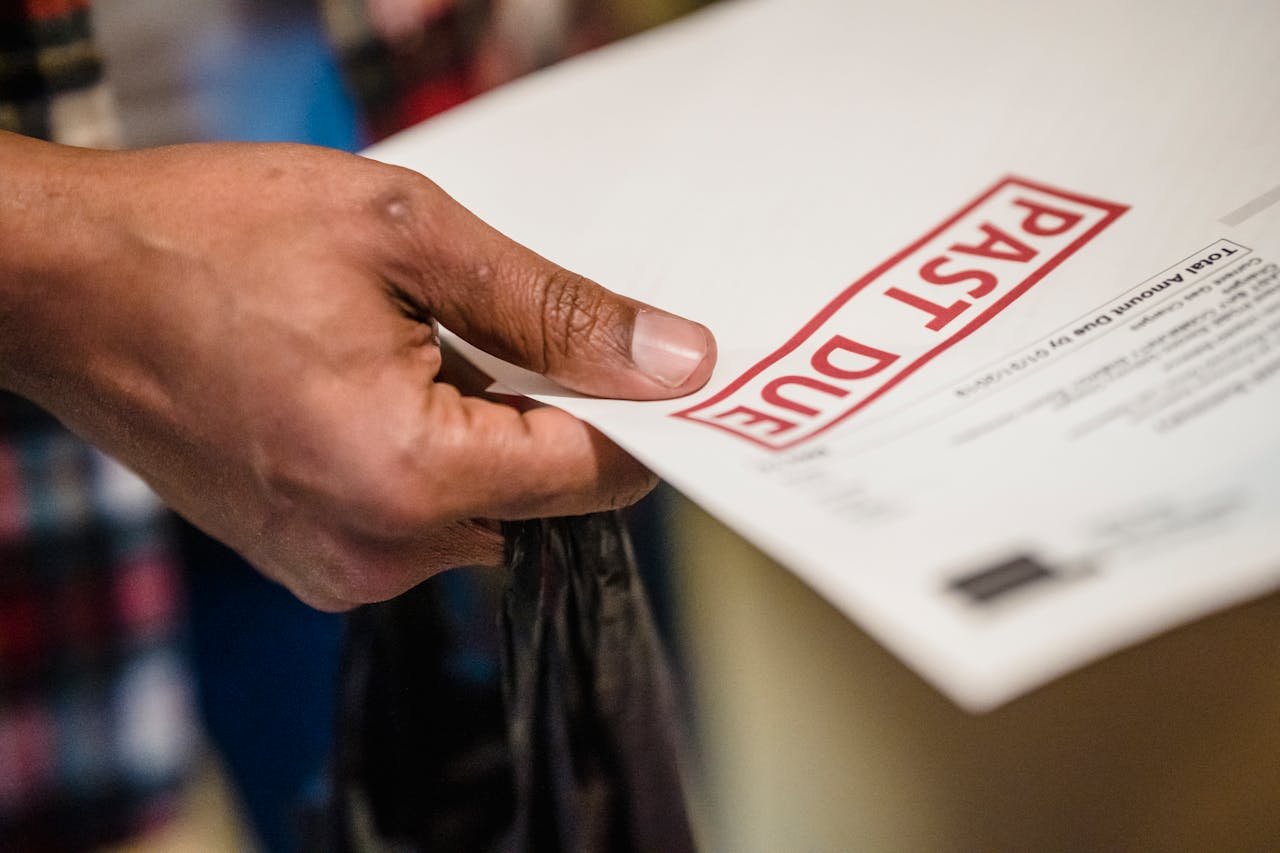
Traditional speeding enforcement is a human interaction, for better or worse. A driver is pulled over, an officer explains the stop, and the outcome can range from a warning to a citation. Automated enforcement removes that moment entirely. If a camera records an over-limit speed in a designated zone, the system can generate a violation tied to the license plate, and the first sign may be a notice received later. That delay changes behavior in a different way: the lesson arrives at home, not at the shoulder of the road, and it leaves no room for a conversation. For some, it feels calmer. For others, it feels colder.