Route 66 did more than connect cities. It trained Americans to trust the road. Stretching from Chicago to California, it rewarded patience with small, human-scaled places that made long drives feel manageable. Diners filled that role better than anything else. They were bright when towns were dark, predictable when the day had gone sideways, and welcoming without asking questions. Families, migrant workers, soldiers, salesmen, and honeymooners all passed through the same doors, often within the same hour. Even after interstates siphoned away traffic, many diners stayed put, anchored by memory and muscle. Their lasting power comes from design, logistics, and the quiet intelligence of meeting travelers exactly where they were, hungry, tired, and still moving.
They Were Built To Be Seen From A Moving Car
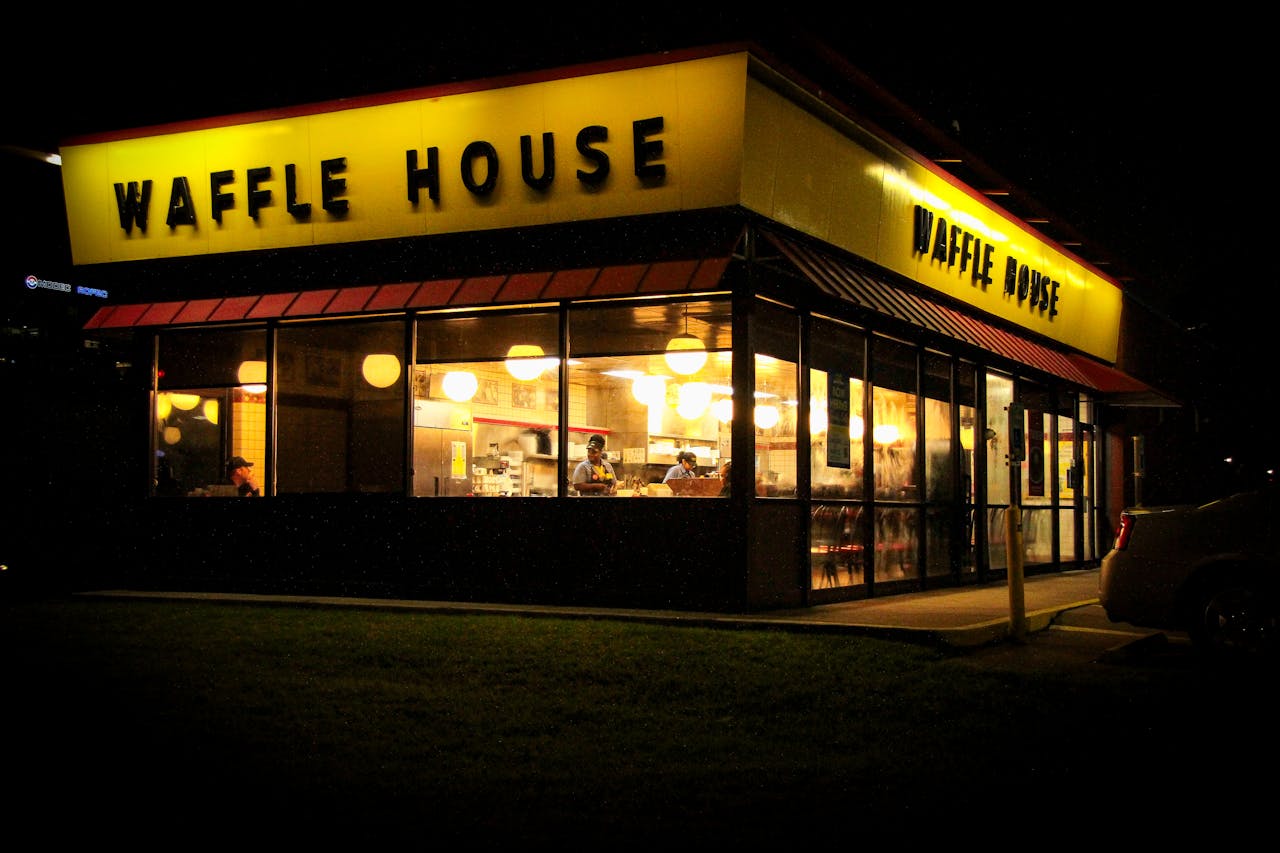
Route 66 diners understood one basic truth early: drivers do not stop if they cannot spot a place in time. Long, low buildings, wide windows, and bold signage worked like visual shorthand, readable at speed and from a distance. Chrome reflected sun and headlights, neon cut through dust and dusk, and parking sat close enough to feel effortless. The message was simple and immediate: food is here, rest is easy, keep it simple. That clarity mattered on a road where missing a turn could mean miles before the next chance. Visibility was not decoration. It was hospitality translated into architecture.
Factory-Made Buildings Made Expansion Fast
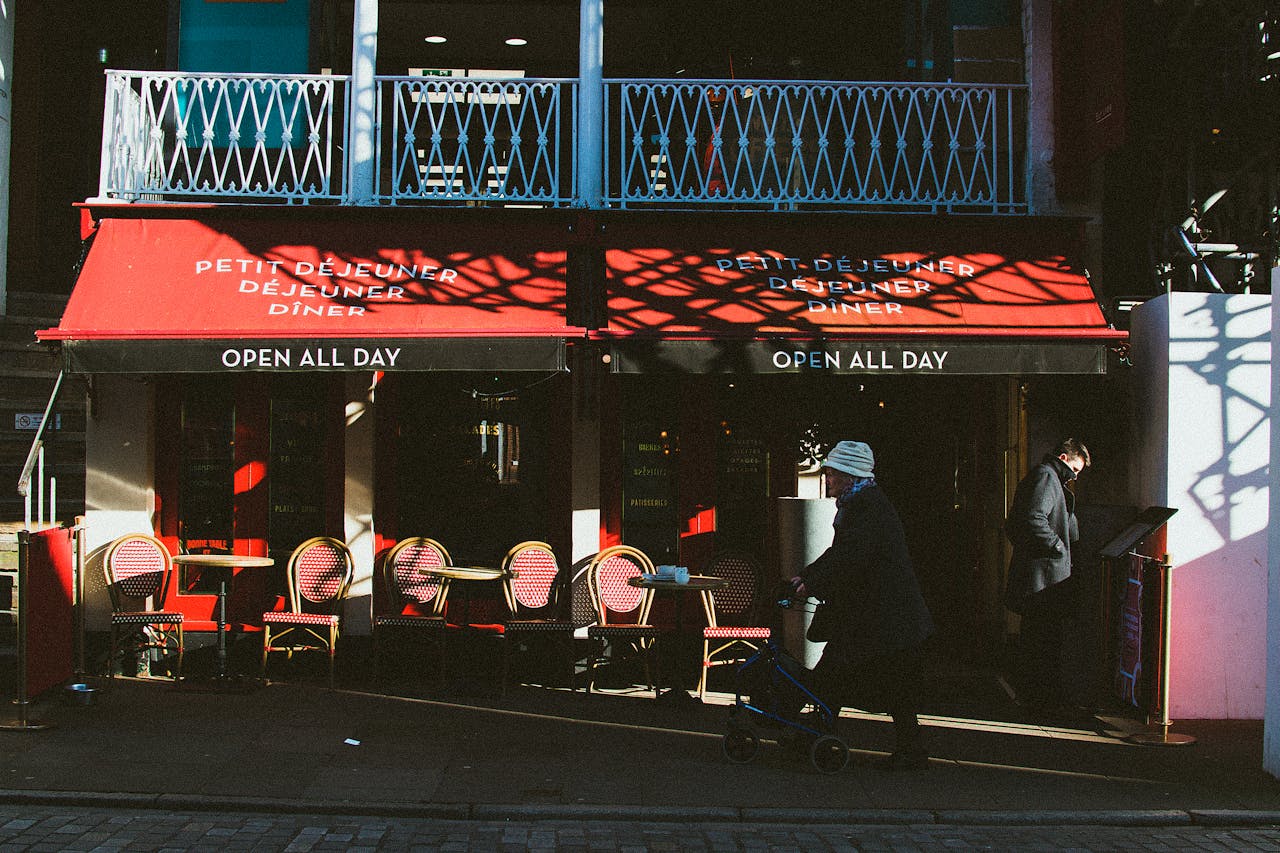
Many Route 66 diners arrived fully formed, prefabricated in factories and delivered by rail or truck, then set in place and opened with minimal delay. This approach kept costs down, reduced construction risks, and allowed small-town owners to compete with speed and polish. The standardized layouts worked because they were efficient: tight kitchens, direct service lines, and counters designed to move people through without rushing them out. Consistency also bred trust. Travelers learned the shape, the flow, and the rhythm almost instinctively. On a long road, knowing how a place works before sitting down is a quiet relief.
Menus Were Predictable In The Best Way
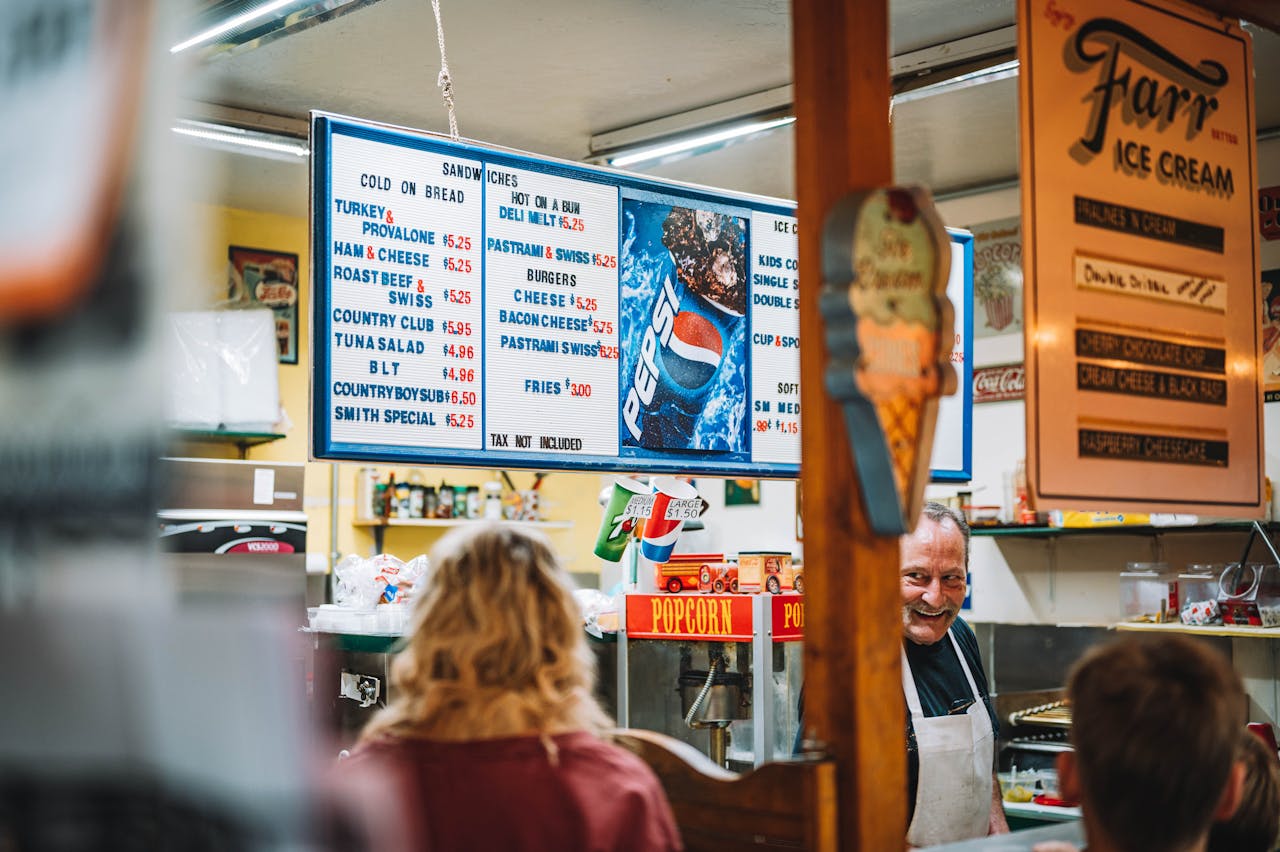
Diner menus did not chase novelty. They solved problems. Coffee that stayed hot, breakfasts that worked at any hour, burgers that did not need explanation, and pie that looked exactly like pie should look. On Route 66, that reliability mattered more than flair. Travelers could plan time, money, and expectations with confidence. Parents avoided battles. Truckers refueled fast. Nothing required a learning curve. Predictability was not laziness; it was respect for people already carrying enough decisions. The menu became a promise that the stop would restore energy, not demand attention, before the road called again.
They Stayed Open When The Road Did
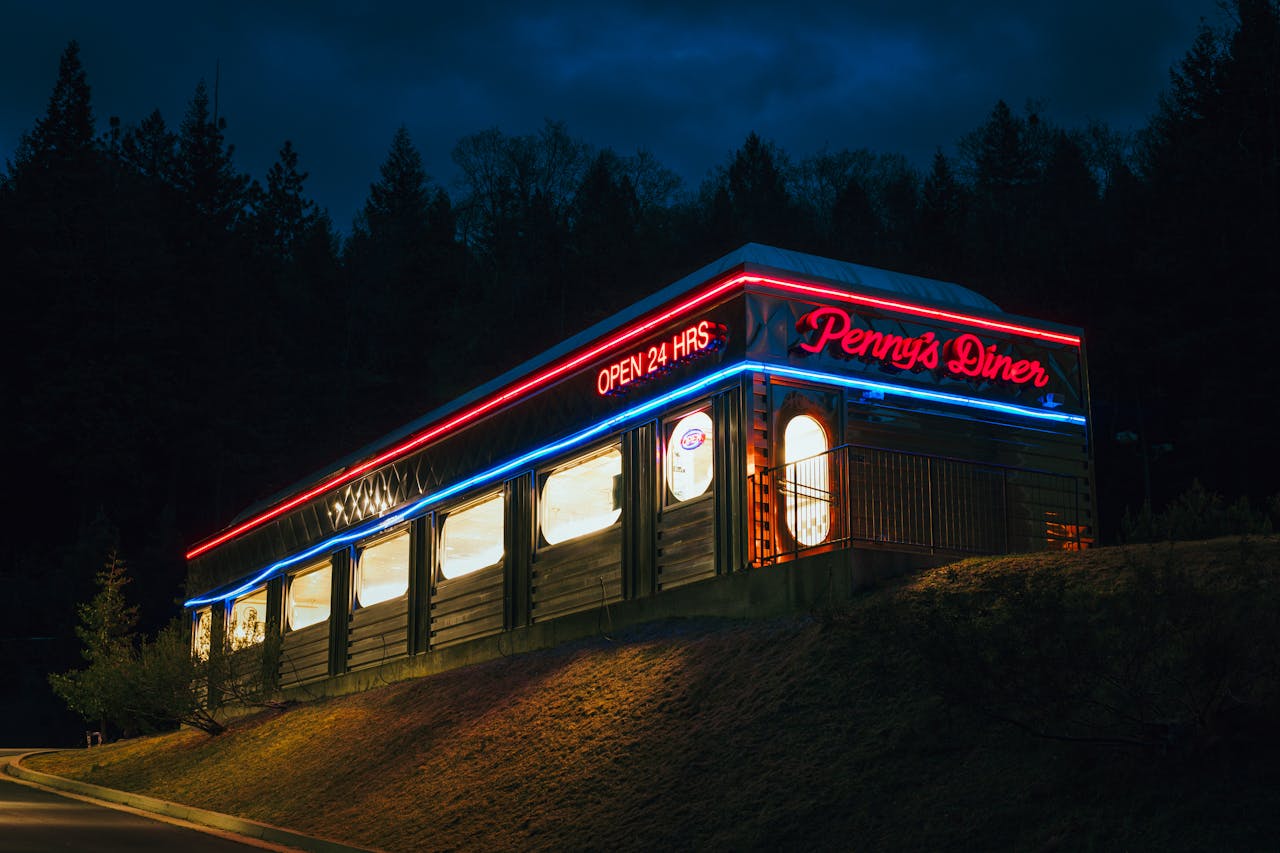
Route 66 never slept, and diners followed suit. Long hours and late lights served drivers who moved on factory schedules, military time, or sheer necessity. When towns went quiet, diners stayed awake, offering warmth, restrooms, and a sense of order at odd hours. The staff learned to read fatigue and keep things moving without making anyone feel rushed. That consistency turned diners into safety nets. A glowing sign at midnight could mean the difference between pushing on exhausted or stopping to reset. Availability became trust, and trust became habit, repeated night after night across thousands of miles.
The Counter Turned Strangers Into Neighbors
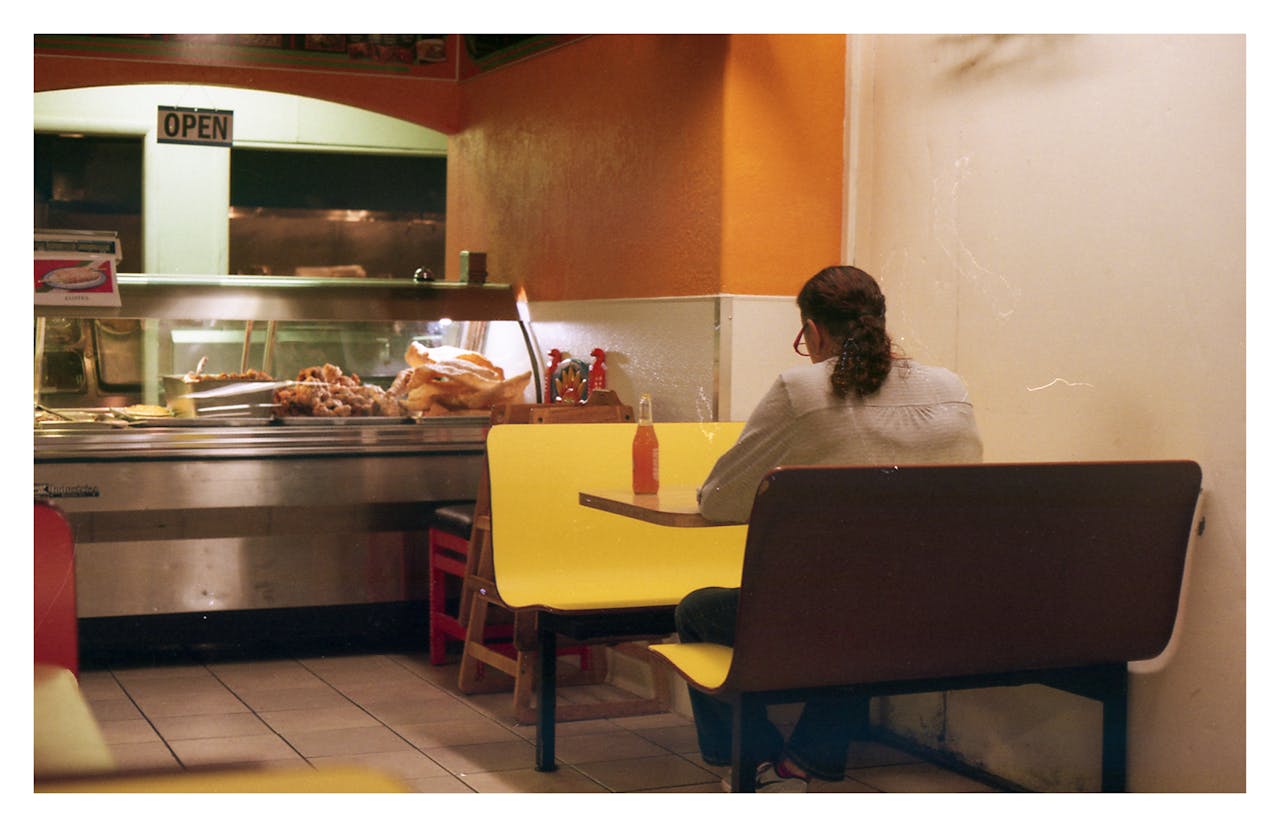
The diner counter is one of the most effective social designs ever built. Sitting shoulder to shoulder removes formality and replaces it with shared focus: the grill, the cook, the steady rhythm of plates landing. On Route 66, counters mixed locals and passersby without ceremony. Conversations started sideways, not face to face, which made them easier. Directions, jokes, and small confessions traveled down the line. Nobody had to belong to join in. For a brief stretch of time, the road stopped feeling anonymous, and the town felt real, even if the connection lasted only as long as a cup of coffee.
Neon And Chrome Became Nighttime Navigation
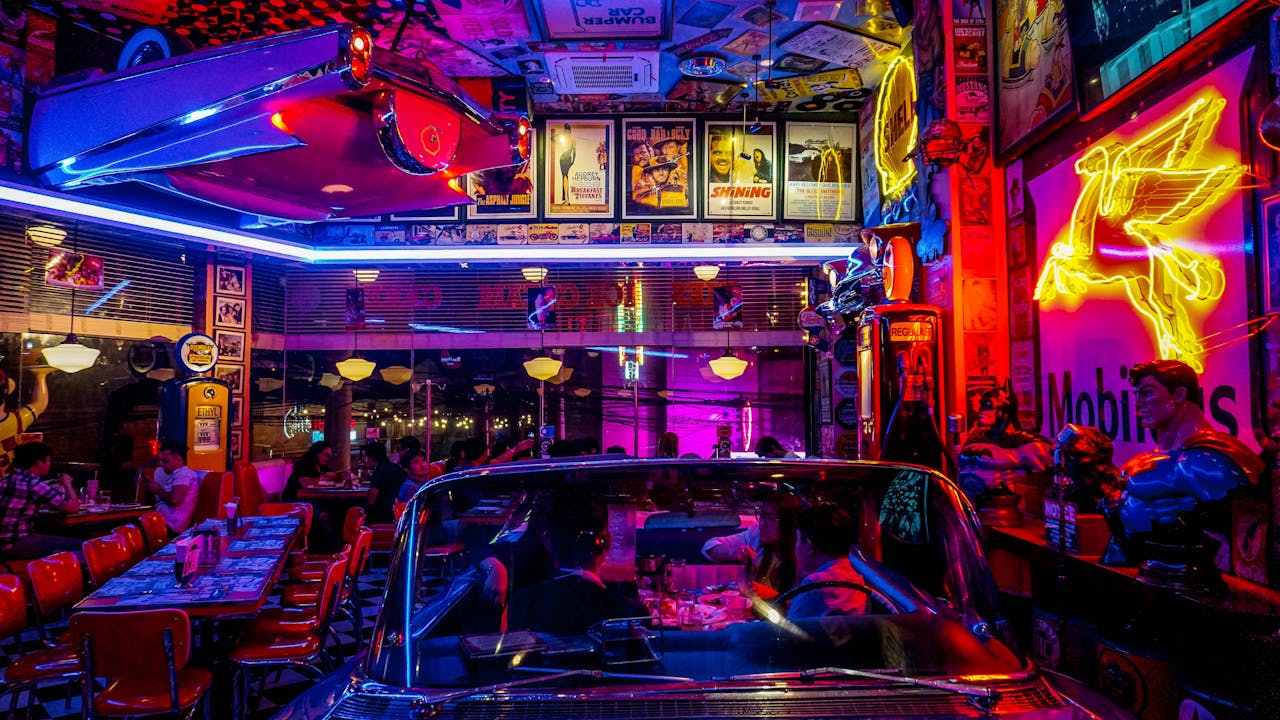
After sunset, Route 66 depended on light more than signs, and diners mastered it. Neon outlines, glowing coffee cups, and polished metal acted like beacons, visible long before details emerged. Chrome multiplied every headlight and star reflection, turning small buildings into landmarks. This was not spectacle for its own sake. It was guidance. In dark stretches where fatigue crept in, light meant safety and choice. A diner’s glow told drivers they could stop, sit, and gather themselves. At night, those lights stitched the road together, one reassuring pause at a time.
They Served Everyone Without A Dress Code
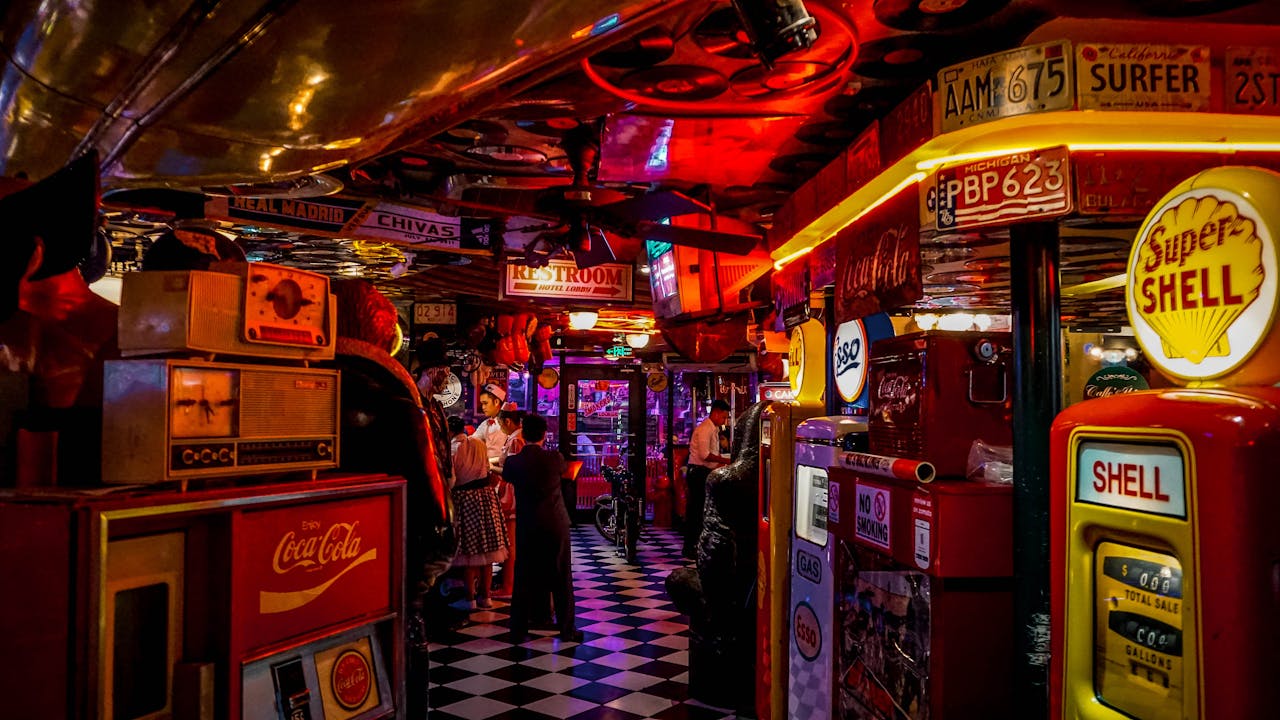
Route 66 diners thrived because they did not sort people. Work clothes, travel wear, Sunday outfits, all belonged at the same counter. The only requirement was hunger. Prices stayed within reach, portions felt fair, and service leaned toward direct kindness rather than performance. That openness mattered on a route shaped by migration and change. People passing through did not want to explain themselves. Diners let them exist as they were, for one meal. In a country built on movement, that kind of neutrality is powerful. It turns a business into common ground.
They Became Landmarks In Pop Culture
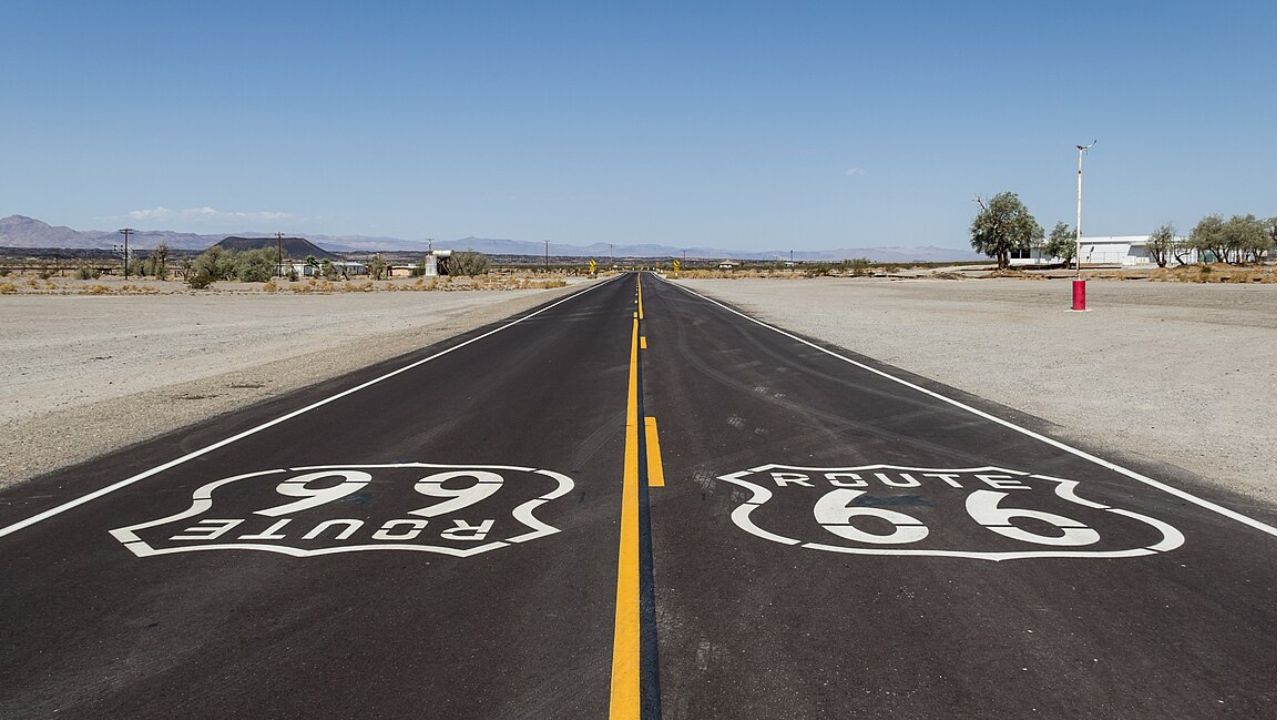
As Route 66 entered songs, postcards, films, and television, diners became visual shorthand for freedom and transition. A booth could signal escape, reunion, or the pause before a decision. That repetition shaped expectations long before travelers arrived. Some diners leaned into the imagery with jukeboxes and signage, others ignored it completely, but both benefited. Visitors came already primed to notice the counter, the stools, the pie case. Pop culture did not invent the diner’s meaning; it amplified what was already there, making ordinary meals feel like part of a larger story worth remembering.
Local Owners Made Each Stop Feel Specific
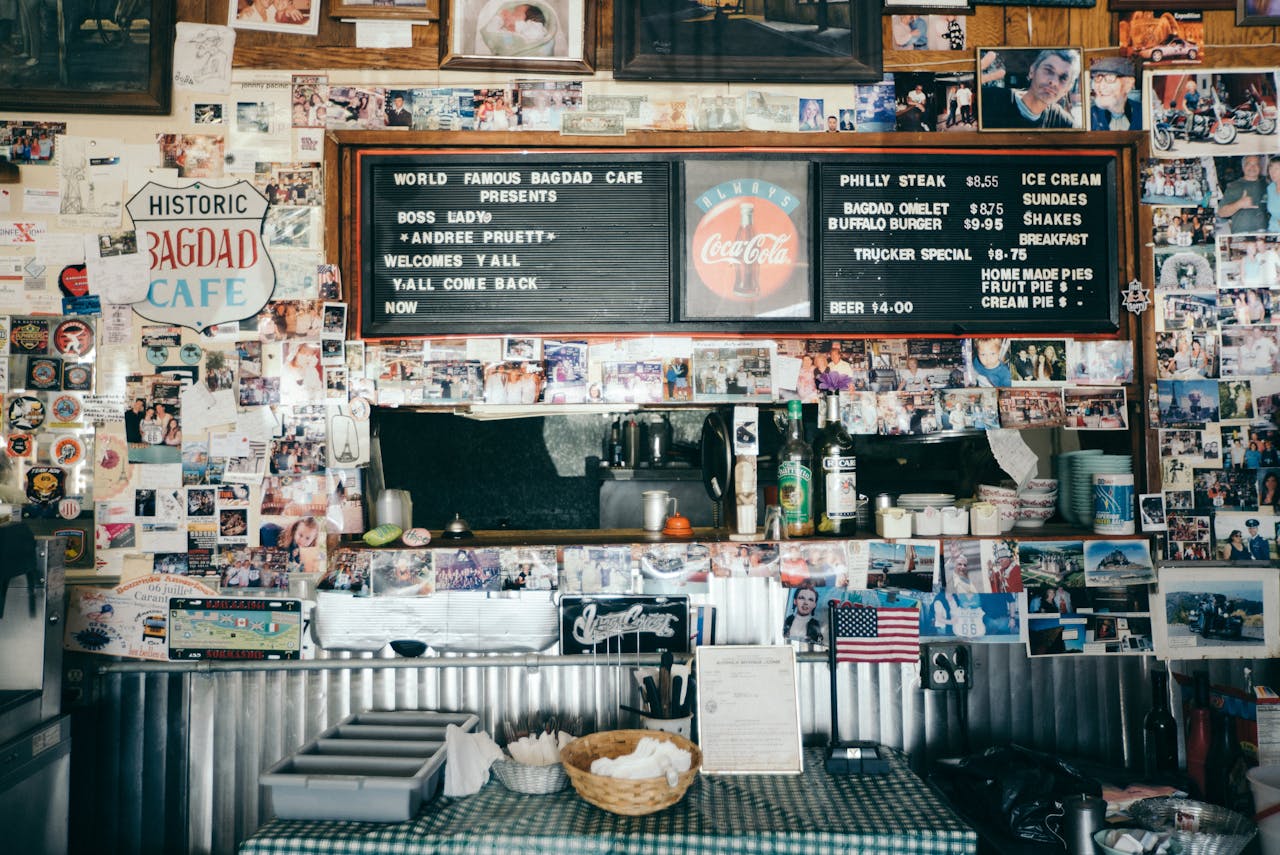
Despite shared designs, no two Route 66 diners felt identical. Owners left marks through recipes, wall photos, music choices, and the tone of conversation. Regulars shaped the atmosphere as much as staff did. Travelers sensed this quickly. One diner might lean spicy, another sweet, another strictly traditional. These differences turned the road into a chain of personalities rather than a blur. A single meal could teach visitors how a town laughed, argued, or fed its own. That specificity kept diners from feeling generic and gave the route texture that no highway exit ever replicated.
Nostalgia And Preservation Kept Them Alive
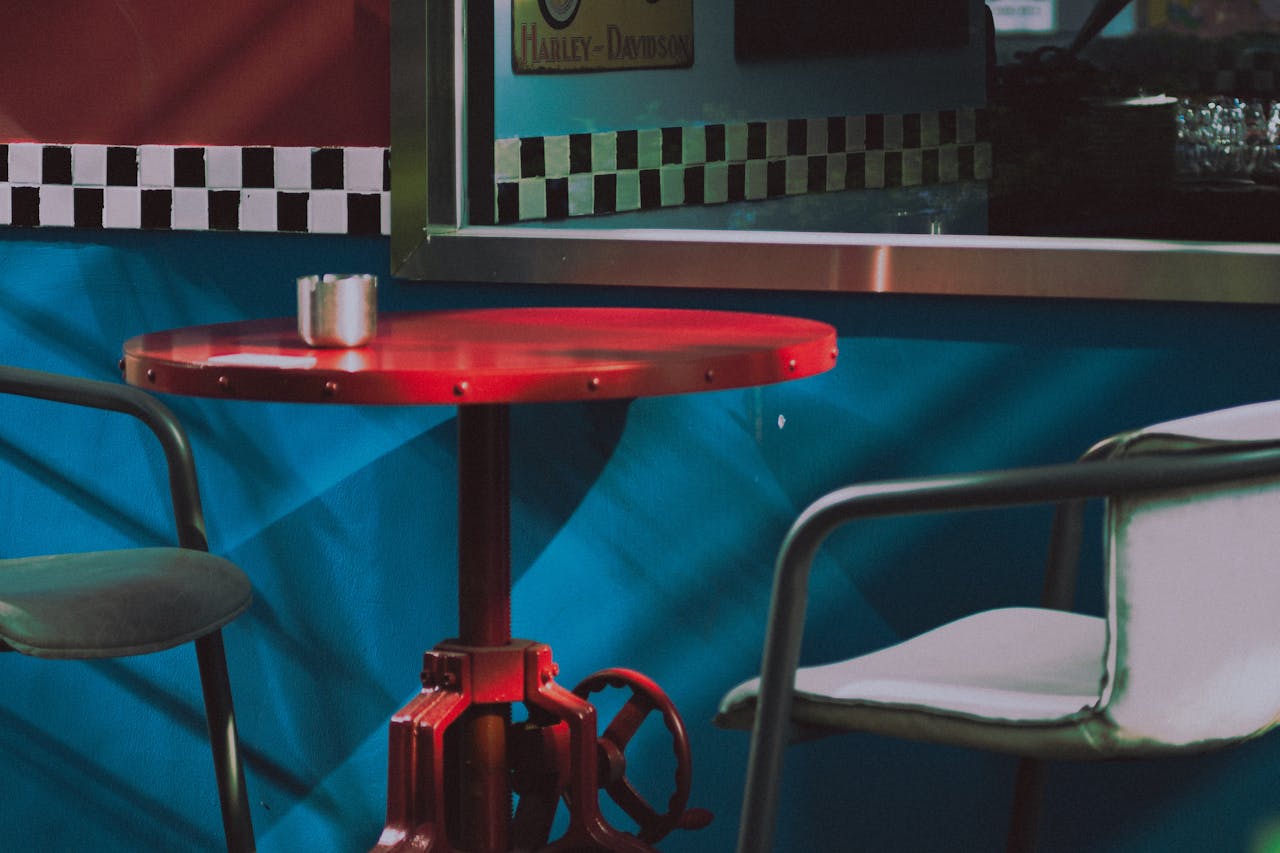
When interstates diverted traffic, many Route 66 diners lost their original lifeline, but memory stepped in where volume disappeared. Preservation efforts, heritage tourism, and the approach of the route’s centennial renewed interest in what survived. Restored neon, original stools, and well-worn counters became assets rather than liabilities. People did not come looking for perfection. They came for continuity. A diner that still felt used carried more weight than a replica. By staying useful instead of frozen, these places proved nostalgia works best when it can still feed you.