Retro toys often glow in memory as simple, carefree fun: lawn games at dusk, plastic gadgets scattered across shag carpet, and science kits spread across kitchen tables. Look closer and some of those favorites resemble hazard reports waiting to happen. Sharp metal tips, brittle plastic, live chemicals, and unchecked mechanisms turned playtime into an experiment on risk tolerance. These toys were not banned overnight. Injuries accumulated, complaints mounted, and regulators slowly responded. Revisiting them shows how painful lessons, not nostalgia, shaped modern toy safety rules and consumer expectations.
Jarts Lawn Darts
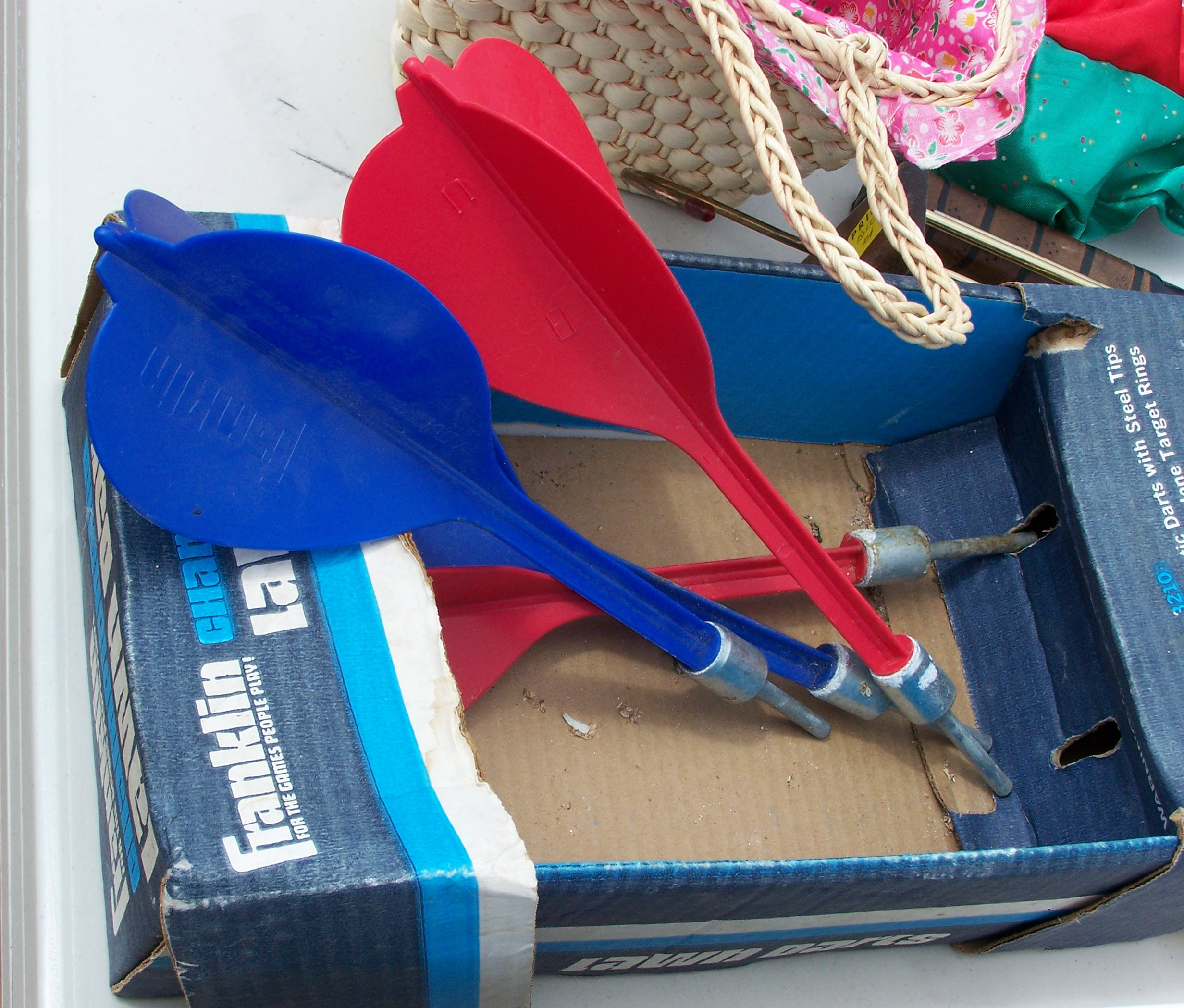
Jarts lawn darts looked like harmless backyard competition, but every throw sent a heavy metal spike sailing through the air toward distracted kids, pets, and neighbors. The darts were designed to land point-first, which meant even a small misstep could turn a game into an emergency. Hospitals logged skull fractures, deep puncture wounds, and multiple fatalities tied directly to Jarts accidents. Growing public outrage and pressure from grieving families pushed regulators to ban the original versions in 1988. What survived afterward were blunted redesigns and a lasting lesson about physics overpowering nostalgia.
Clackers
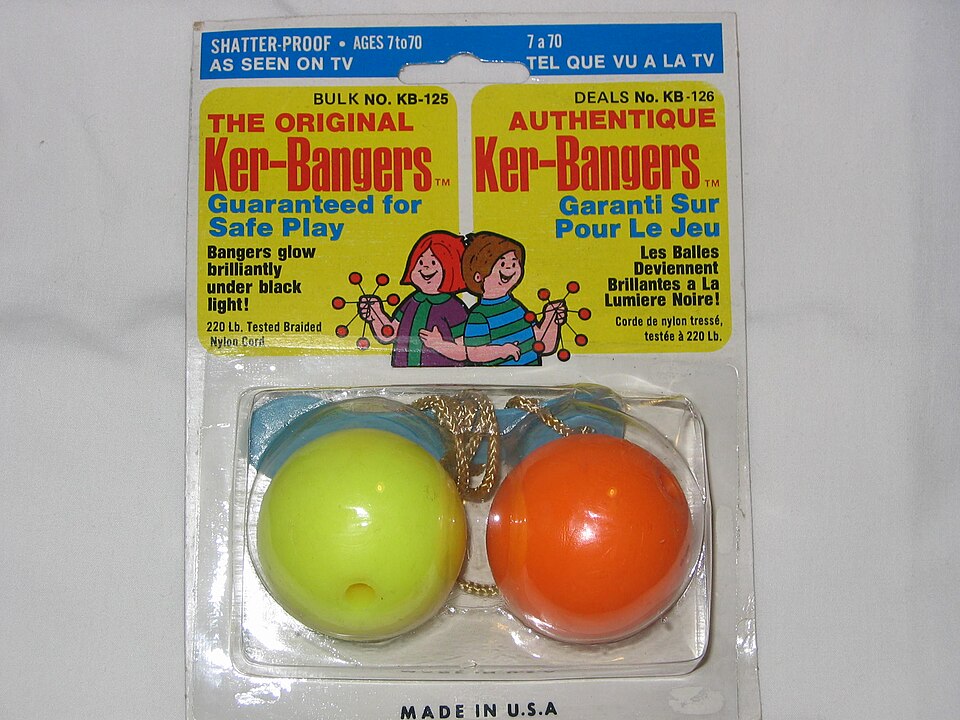
Clackers paired two glossy acrylic balls on a string and challenged kids to smash them together faster and louder. Under ideal conditions they worked fine, but real play involved drops, cold weather, and overstressed plastic. The balls sometimes shattered on impact, sending sharp fragments toward faces, eyes, and hands. Emergency rooms reported cuts, chipped teeth, and eye injuries as the trend spread. Schools banned them first, followed by broader restrictions and redesigned versions using softer materials. Today, Clackers survive mainly as reminders of how quickly a toy can outrun safety testing.
Gilbert U-238 Atomic Energy Lab
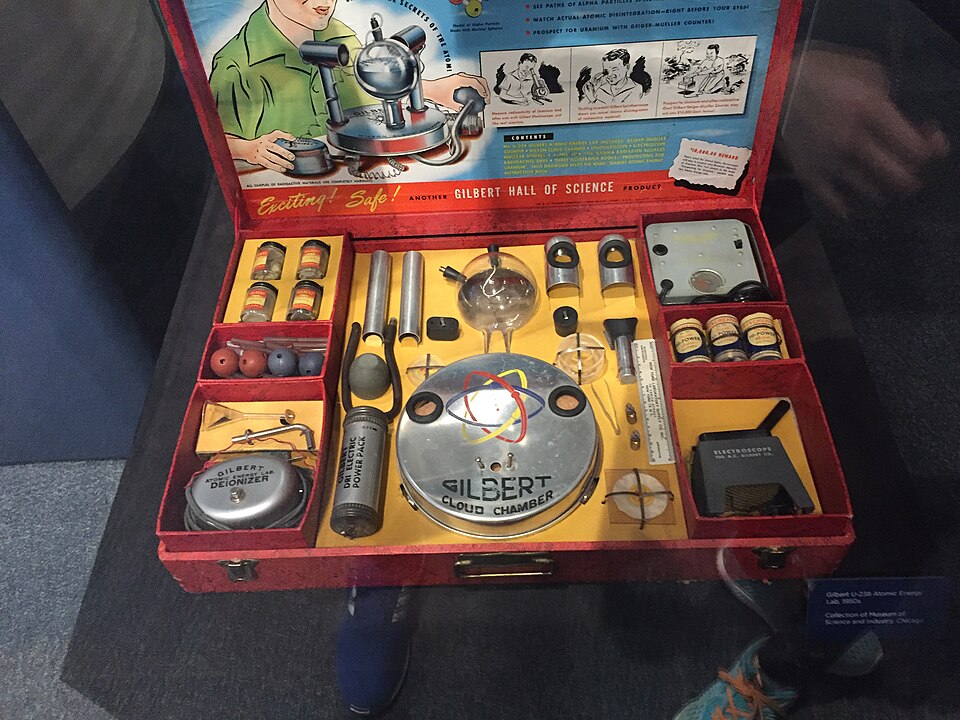
The Gilbert U-238 Atomic Energy Lab turned postwar nuclear curiosity into a children’s science kit, complete with uranium ore, a Geiger counter, and radiation experiments framed as educational fun. The box promised insight into atomic power but underestimated parental concern over radioactive samples handled at home. Even with low exposure levels, unease grew around unsupervised use and cumulative risk. Sales slowed, critics spoke up, and production ended quietly after only a few years. The kit now stands as a snapshot of Cold War optimism colliding with practical health awareness.
Cabbage Patch Kids Snacktime Kids
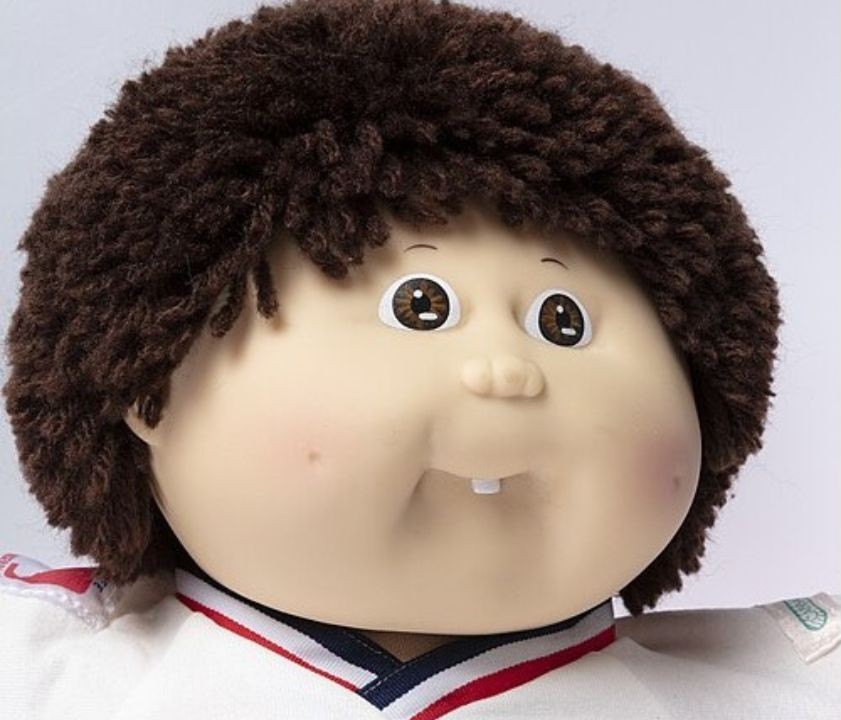
Snacktime Kids dolls attempted realism with battery-powered rollers that pulled plastic snacks into the doll’s mouth. The mechanism lacked an off switch and did not distinguish between toys and real objects. Hair, fingers, sleeves, and accessories were easily caught and painfully dragged inside. Parents reported braids pulled tight to scalps and small hands trapped mid-play. With injuries rising and no safe modification available, the manufacturer halted production and issued refunds. The incident signaled a shift in how interactive toys were evaluated, prioritizing physical safety over novelty.
Sky Dancers Flying Dolls
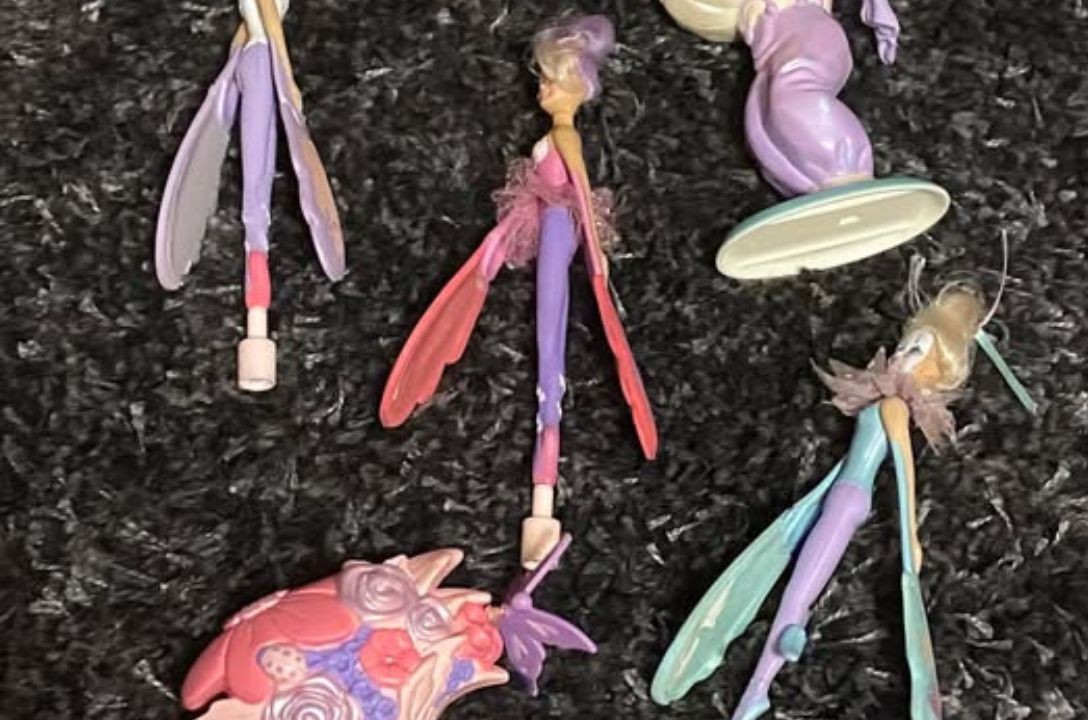
Sky Dancers dolls launched spinning figures into the air using a handheld base, promising graceful flight and magical movement. In reality, the dolls often veered unpredictably, their rigid wings striking eyes, faces, and nearby objects. Injury reports included scratched corneas, facial cuts, broken teeth, and concussions, many involving young children. In 2000, millions were recalled after evidence showed the design posed unavoidable projectile risks. The case became a classic lesson in trajectory testing and the gap between appealing packaging and real-world physics.
Aqua Dots and Bindeez Beads
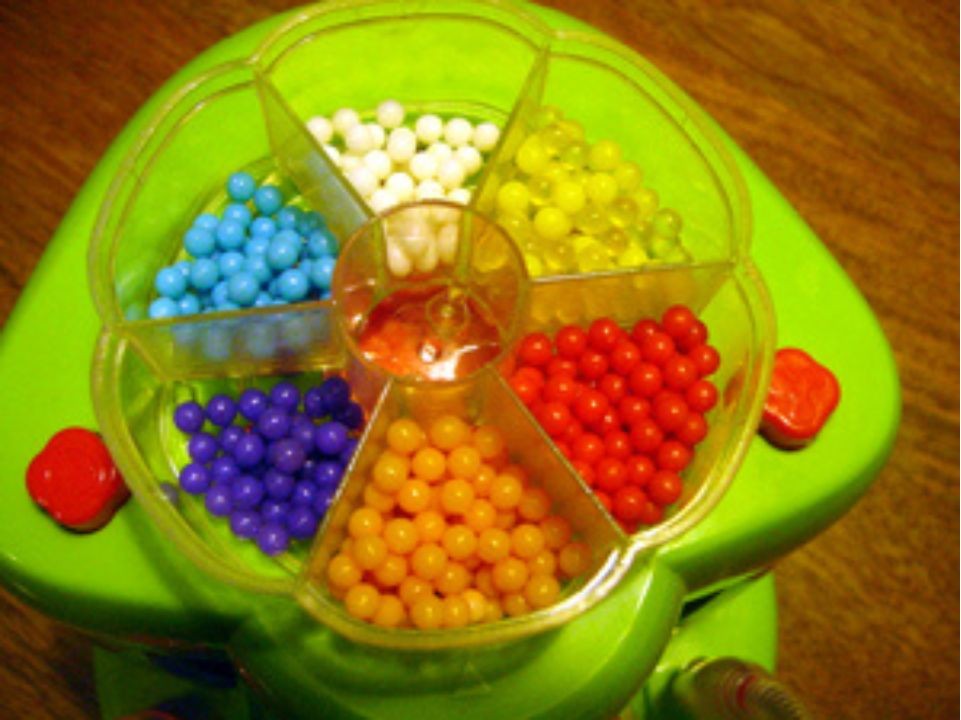
Aqua Dots, sold as Bindeez in some regions, used tiny beads that fused into designs when sprayed with water. In 2007, investigations revealed some beads were coated with a chemical that metabolized into a powerful sedative if swallowed. Children who ingested them suffered vomiting, loss of consciousness, and seizures. Hospitals raised alarms, triggering massive recalls across multiple countries. Manufacturers reformulated the product, and regulators tightened chemical testing standards. The episode reshaped expectations for craft kits and exposed how hidden chemistry can turn play into medical crisis.
CSI Fingerprint Examination Kit
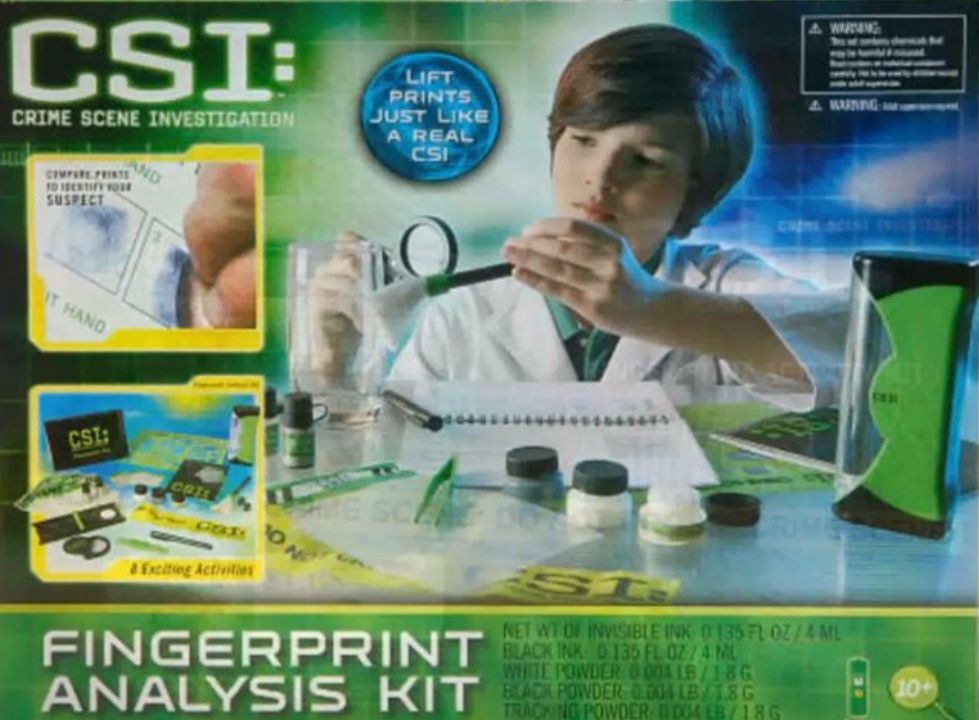
The CSI Fingerprint Examination Kit capitalized on crime television popularity, offering kids fingerprint powder to mimic forensic work at home. Independent testing later found asbestos fibers in certain versions of the powder, raising serious concern over inhalation risks. Retailers quickly pulled the kits, and refunds followed amid public pressure. Parents were stunned that an educational product tied to a trusted brand carried such danger. The incident sharpened scrutiny on science kits and reinforced that branding and learning claims never replace rigorous material safety standards.