Under several American cities, entire rail dreams sit sealed behind locked doors and traffic-heavy streets. Some lines never carried a fare, stalled by politics and money before a single train rolled. Others once thrived with streetcars and commuters, only to be replaced by highways and parking lots. What survives is a shadow network of platforms, ramps, and tiled vaults. Together they trace a century of optimism, hesitation, and sharp turns in how cities chose to move people.
Cincinnati’s Unopened Subway Beneath Central Parkway
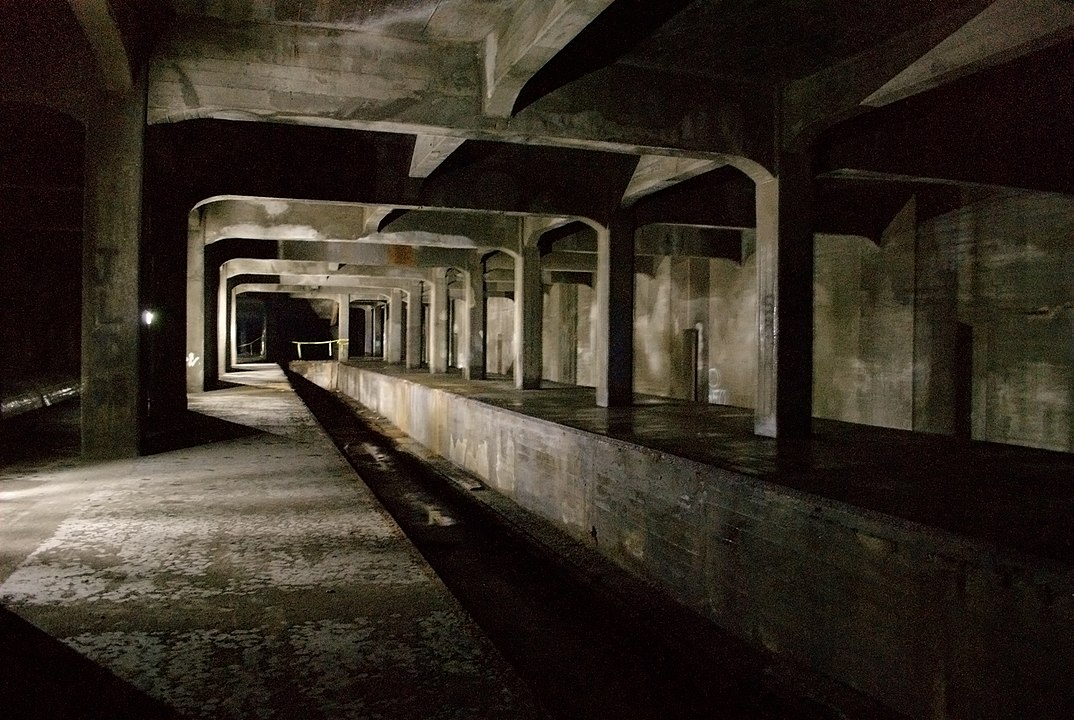
Cincinnati carved a subway under what became Central Parkway, planning a rapid transit loop that was supposed to reshape the city’s future. Construction stalled in the 1920s when costs soared and local priorities shifted, leaving unfinished tunnels, bare platforms, and no track to carry riders. The boulevard opened on top and traffic filled the space above, while the system below faded into rumor and occasional tours before access was mostly sealed off again.
Rochester’s Lost Subway In The Old Erie Canal Bed
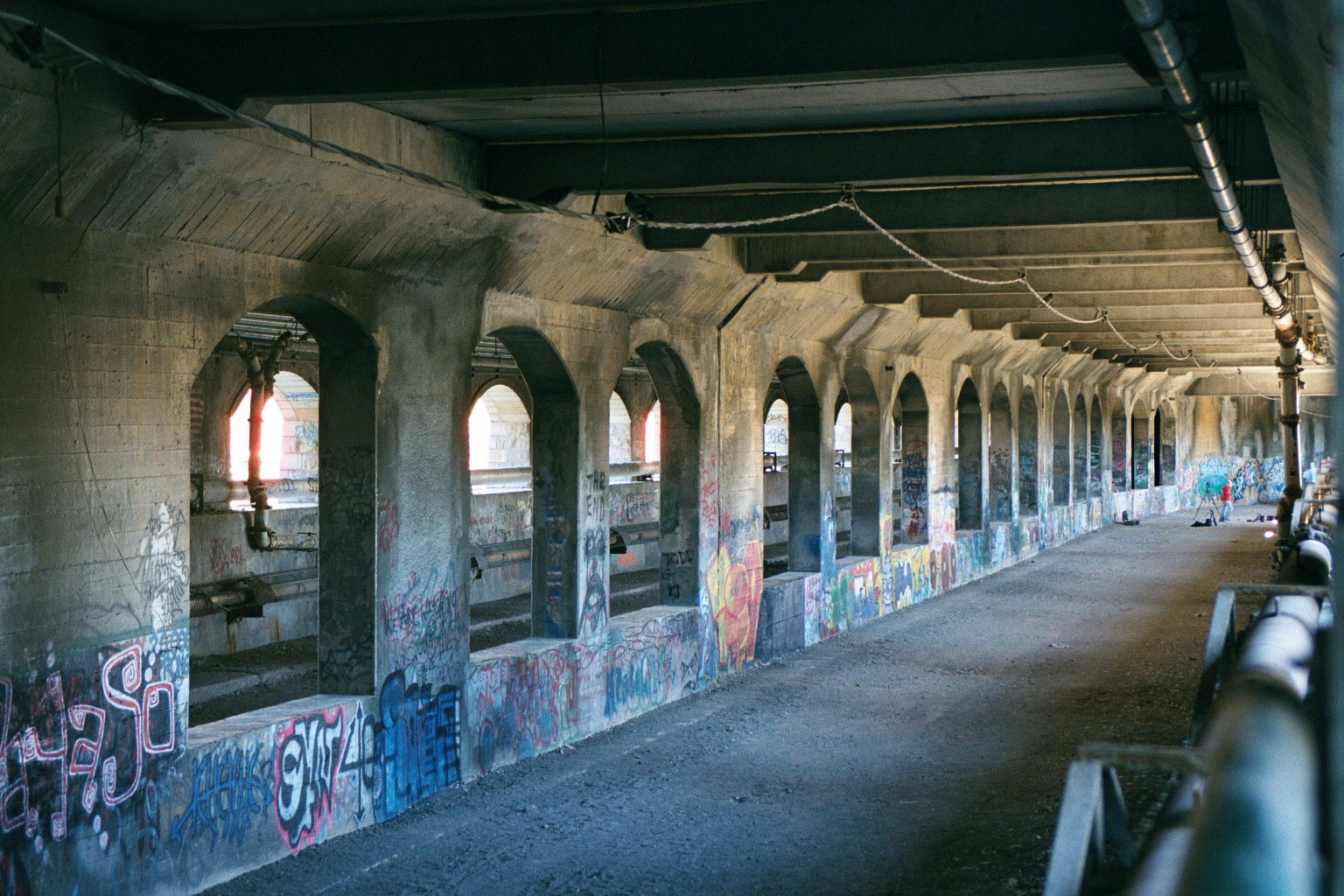
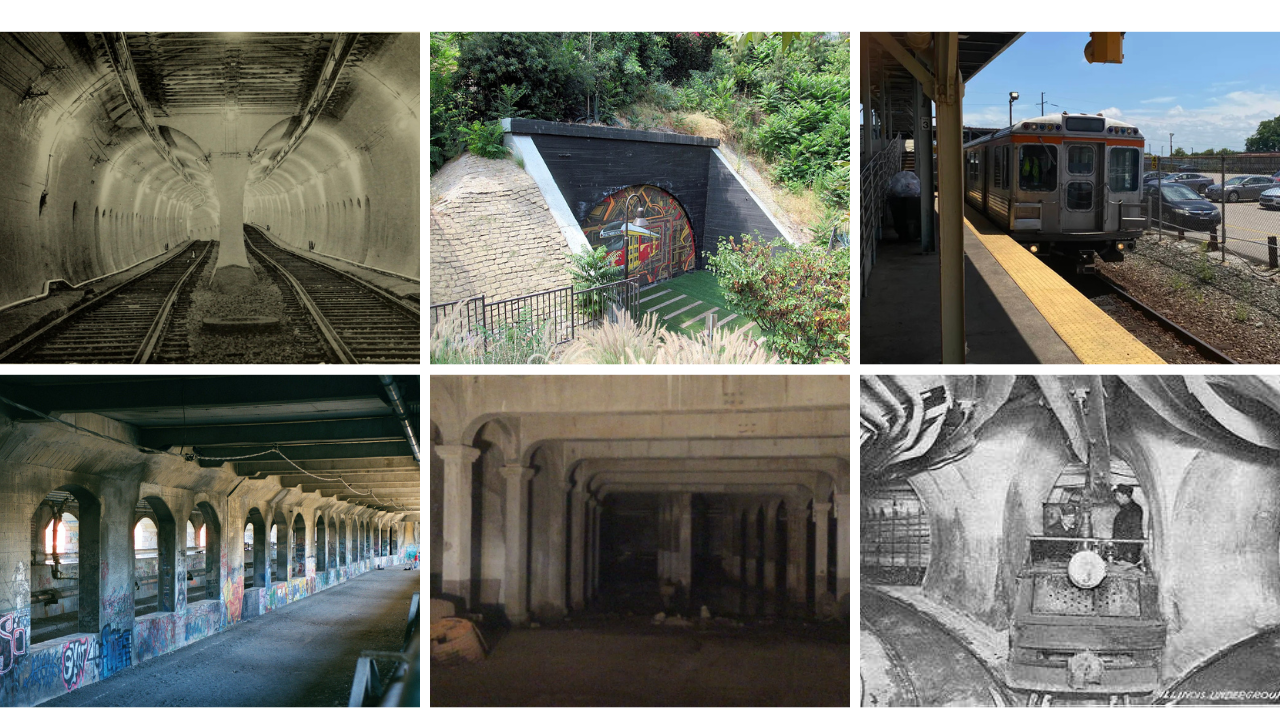
Rochester converted an abandoned Erie Canal bed into an underground rail line that opened in 1927 and ran partly in tunnel beneath Broad Street. It carried workers and shoppers until 1956, when buses and cars took over and much of the corridor became expressway lanes. A remaining tunnel segment now sits quiet and covered in layers of graffiti, a reminder that the city once imagined a future built around rail rather than road.
Cleveland’s Hidden Level Inside The Detroit–Superior Bridge
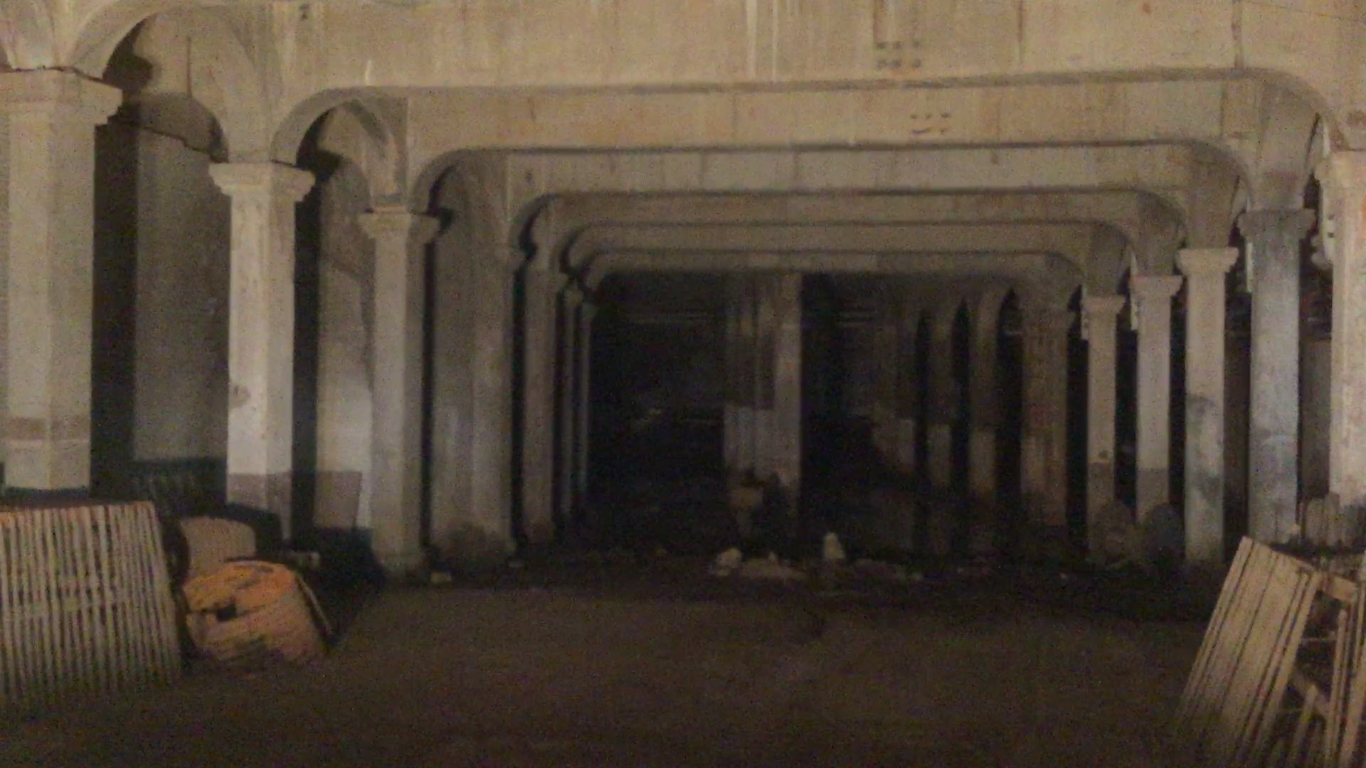
Cleveland built a streetcar subway into the lower deck of the Detroit–Superior Bridge, complete with enclosed stations that let trams slip beneath the river. The line opened in 1917, served busy neighborhoods, and closed in the 1950s when streetcars disappeared from city streets. The lower level has stood dormant ever since. Occasional tours reveal long platforms, tiled passages, and a concrete hallway suspended between river and roadway, hinting at a transit vision that never fully matured.
Chicago’s Freight Tunnel Subway Under The Loop
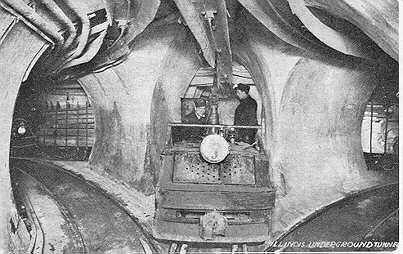
Beneath downtown Chicago, a 60 mile freight tunnel once moved coal, mail, and goods between basements, rail yards, and department stores. Built in the early 1900s, the narrow gauge system kept supplies flowing underground while the streets stayed crowded above. Operations ended in 1959, but the tunnels remained. They briefly grabbed attention in 1992, when a leak under the river helped flood basements and traced the outline of this forgotten network still sitting beneath the Loop.
Los Angeles’s Hollywood Subway And The Sealed Belmont Tunnel
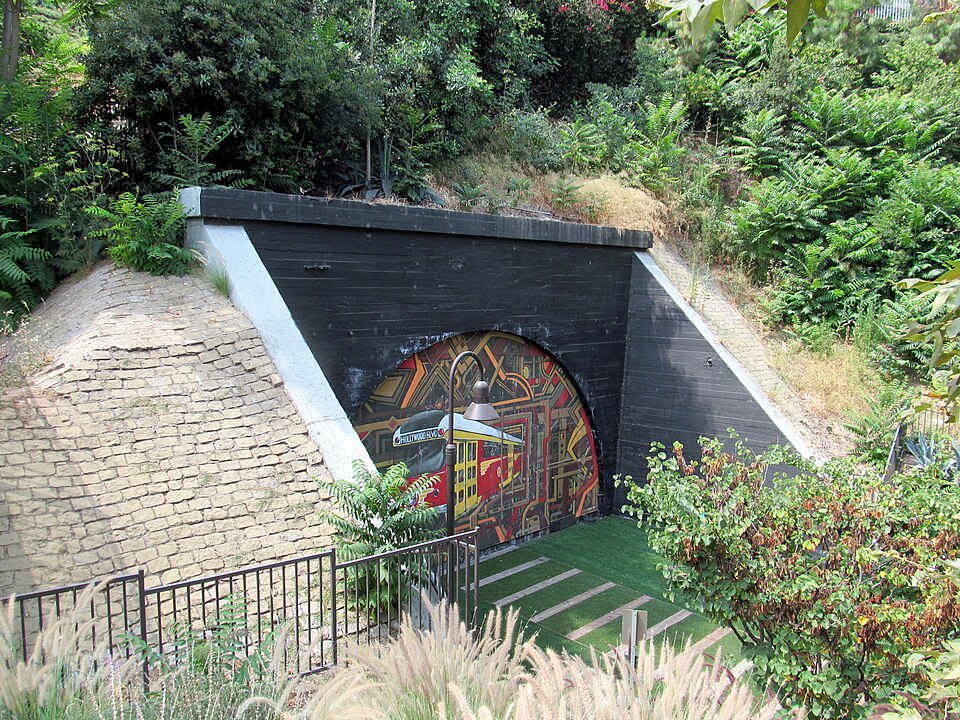
Before modern trains ran in Los Angeles, Pacific Electric Red Cars slipped into the Belmont Tunnel and headed toward a grand downtown terminal. From 1925 to 1955, the Hollywood Subway cut under Bunker Hill and shortened long street runs from nearby communities. When streetcar service ended, tracks were removed, new construction sliced the tunnel into sections, and apartments eventually hid the portal behind a painted wall. Inside, concrete and faint shafts of light suggest a faster, rail-driven Los Angeles that never returned.
Boston’s Tremont Street Branch To The Pleasant Street Incline
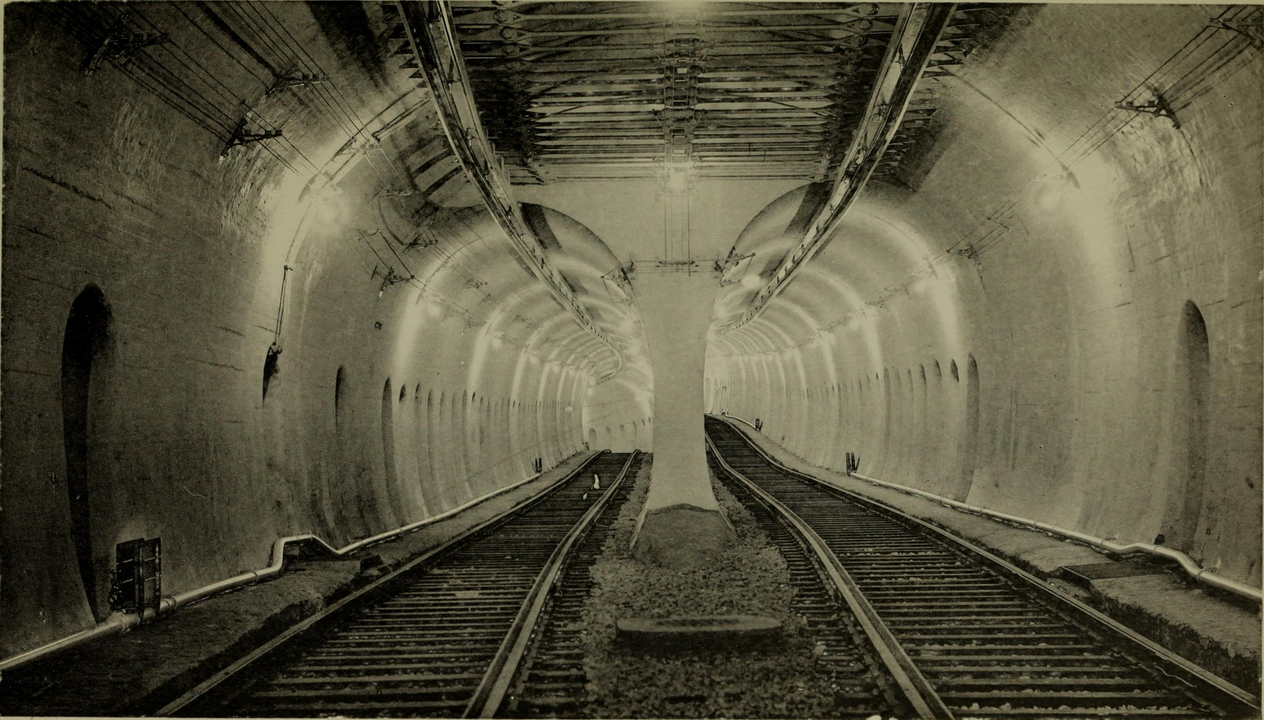
Boston’s Tremont Street subway is the oldest in North America, and one southern branch has been dormant for decades beneath the South End. The Pleasant Street incline once carried streetcars from Roxbury and Dorchester into the tunnel, switching between surface tracks and underground stops. Service ended in 1962, and the portal was buried and later topped by a park. The sealed tunnel south of Boylston still exists, often mentioned in long-range conversations about whether rail might someday return.
Philadelphia’s Ghostly Spring Garden Station On The Broad–Ridge Spur
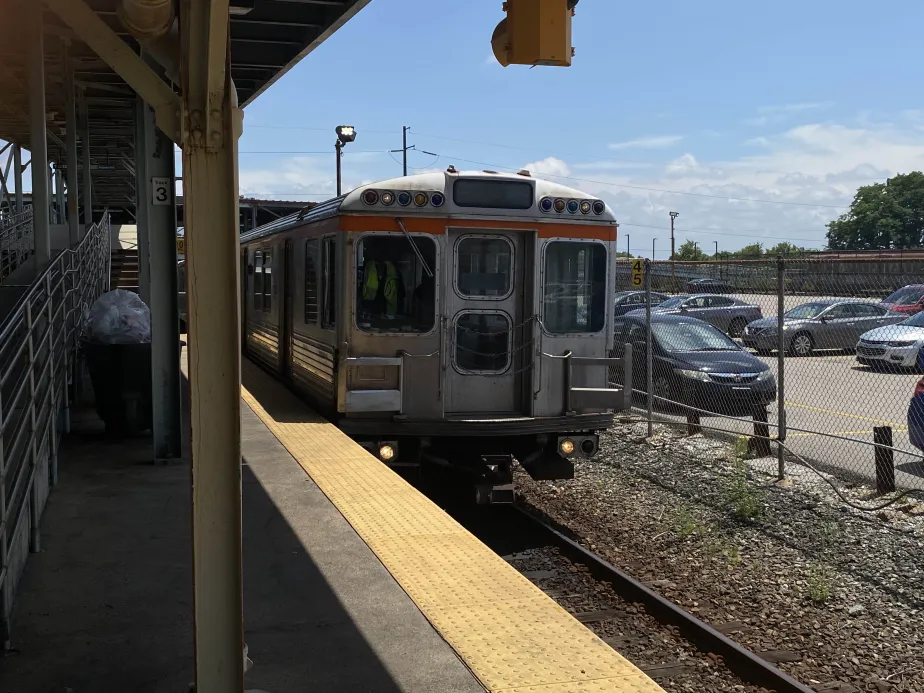
On Philadelphia’s Broad–Ridge Spur, trains continue to roll past a darkened station that officially closed in 1989. Spring Garden opened in 1932, but ridership fell and the space gained a reputation for crime and loitering. The transit agency shut it down and boarded the street-level entrance. Inside, two narrow platforms remain visible from passing trains, covered in dust and graffiti, a small but striking reminder that even modest systems can leave behind abandoned landmarks.
New York City’s Jewel Box City Hall Ghost Station
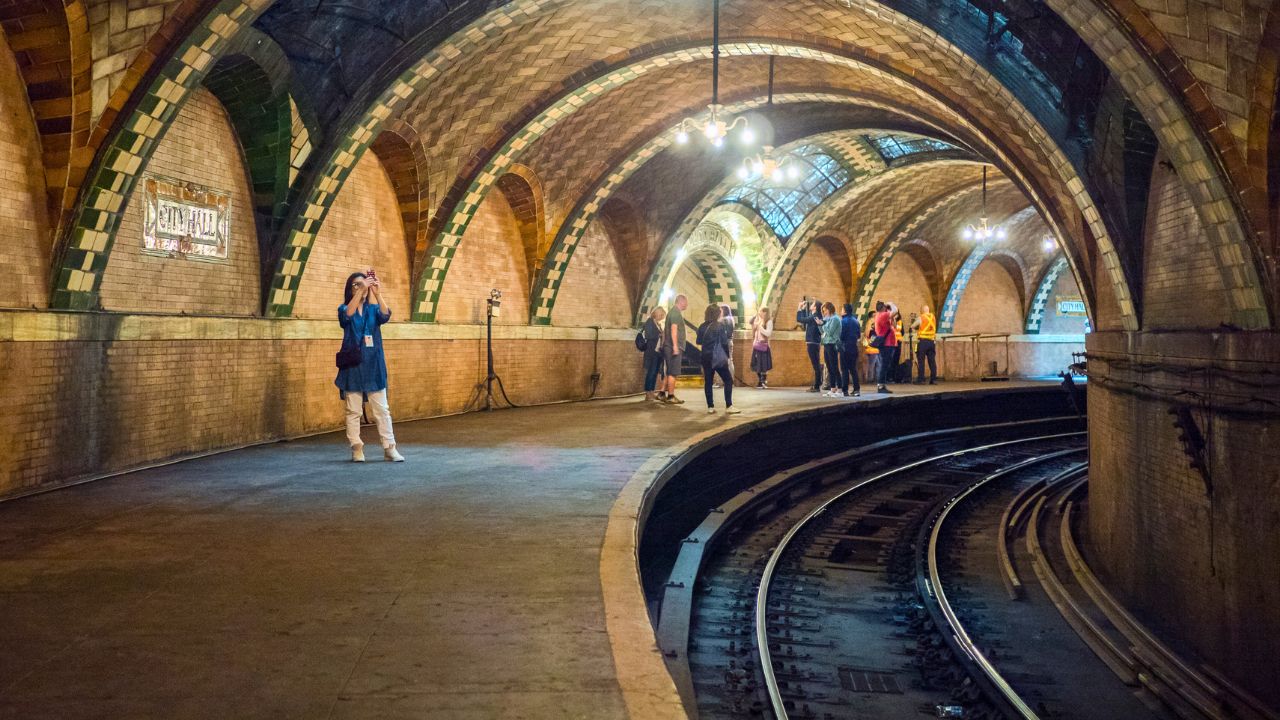
New York City launched its first subway in 1904 with City Hall Station as the ceremonial centerpiece, a curved platform lined with tile arches, skylights, and ornate ironwork. As trains grew longer and crowds shifted toward nearby stops, officials closed the station in 1945. The loop track beneath City Hall Park still turns modern trains each day, but doors no longer open there. Rare glimpses reveal a beautifully preserved time capsule hidden under one of the busiest transit networks in the world.