Inside Mexico’s Tortilla Culture and How It’s Quietly Changing

David Boté Estrada, CC BY-SA 2.0 / Wikimedia Commons
Producers hold prices while costs rise, demand softens, and drought squeezes corn. Survival now depends on logistics, smart policy, and steady habits.

Tortillas are the daily bread of Mexico, a food that holds families together at breakfast, lunch, and late-night taco runs. In border cities like Tijuana, they also fuel a vast web of small restaurants, vendors, and workers whose days begin and end with masa. That ritual still stands. The economics around it do not.

Producers say demand is slipping even when prices hold steady. Some are keeping lights on with thinner margins and smaller crews. Others are asking why lines got shorter if the sticker never moved. The answers sit at the intersection of supply, policy, climate, and changing appetites.

A Border City Feels The Slowdown

A Border City Feels The Slowdown
Alx 91, CC BY / Wikimedia Commons

Tijuana’s tortillerías report softer orders from the places that usually keep them busy. Restaurants stretch deliveries. Taco stands play it safe with smaller daily counts. The volume drop is sharp enough to notice on loading docks and balance sheets.

One owner described a client who once took one hundred kilos a day now taking half. Multiply that across a route and weekly revenue can shrink fast. The product is the same, the work is the same, but the truck leaves with lighter stacks. In a business that runs on scale, that hurts.

Why Sales Dip When Prices Stay Put

Baja California’s average retail price sits near twenty eight pesos per kilo, the highest in Mexico. Even so, many shops say they have not raised posted rates in years. They are absorbing higher costs rather than risk turning away price-sensitive buyers.

If the price did not rise, why the slide. Part of it is the buyer mix. Diners shifted patterns after the pandemic, and weekday foot traffic never fully recovered. Another part is menu engineering at small eateries that swap fresh tortillas for fewer portions or different formats to control waste.

Consumer habits are also evolving. Officials note declines in processed foods that include packaged tortillas. That trend does not erase fresh tortilla demand, but it trims the edges. When every peso is counted, households look hard at quantities.

For a producer, any of these changes alone would be manageable. Together they add up to fewer kilos out the door, even with the same sticker.

The Real Cost Sits Behind The Counter
The Real Cost Sits Behind The Counter
HunterProducciones/Pixabay

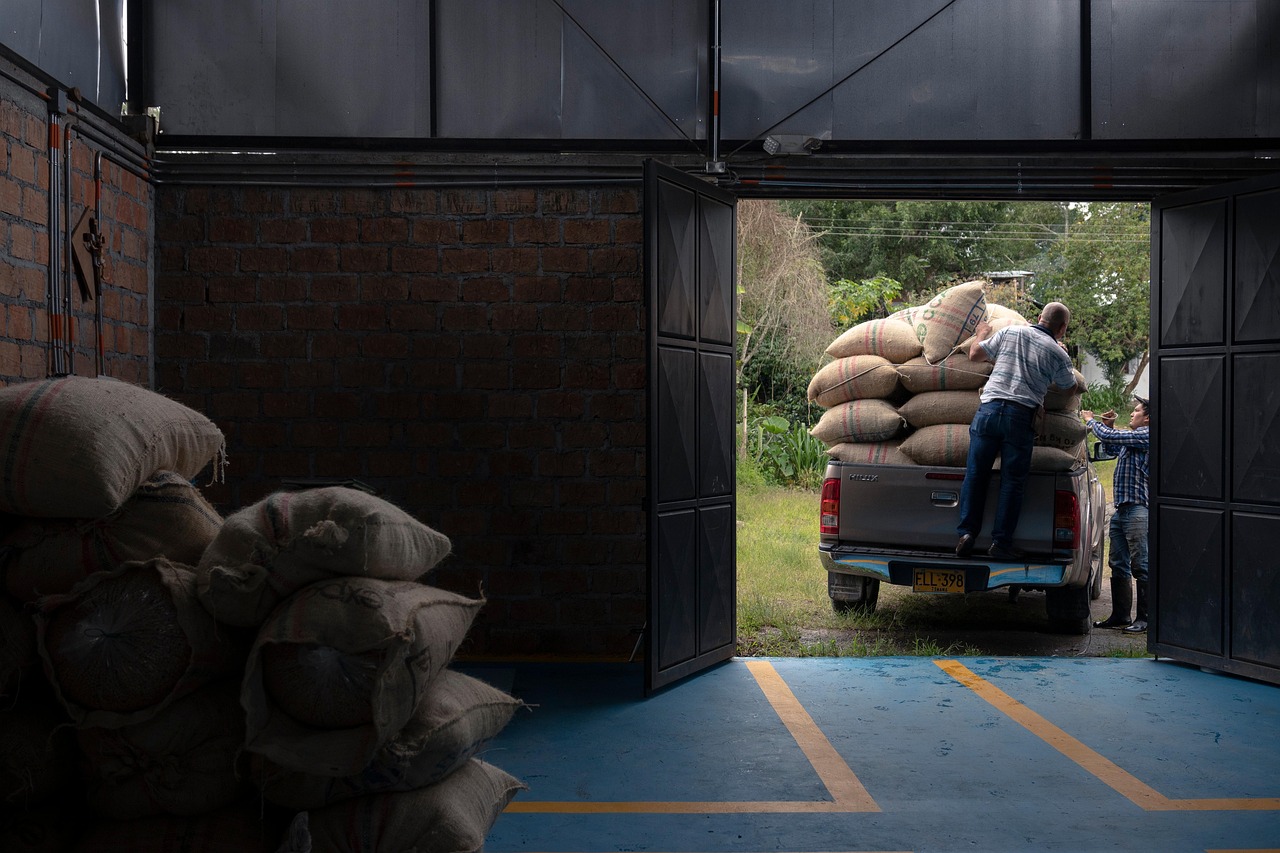
Border location is a blessing for trade and a curse for inputs. Much of the corn that feeds Baja’s mills is trucked from other states. Freight, fuel, and time push the delivered price up before a single kernel becomes masa.

Tortillerías cannot pay drivers in promises. They pay at the pump. When transport costs climb, the squeeze arrives quietly through invoices, not shelf tags. That is why a stable retail price can mask a storm behind the counter.

Cutting Hours To Keep Doors Open
Cutting Hours To Keep Doors Open
Anna Tarazevich/Pexels

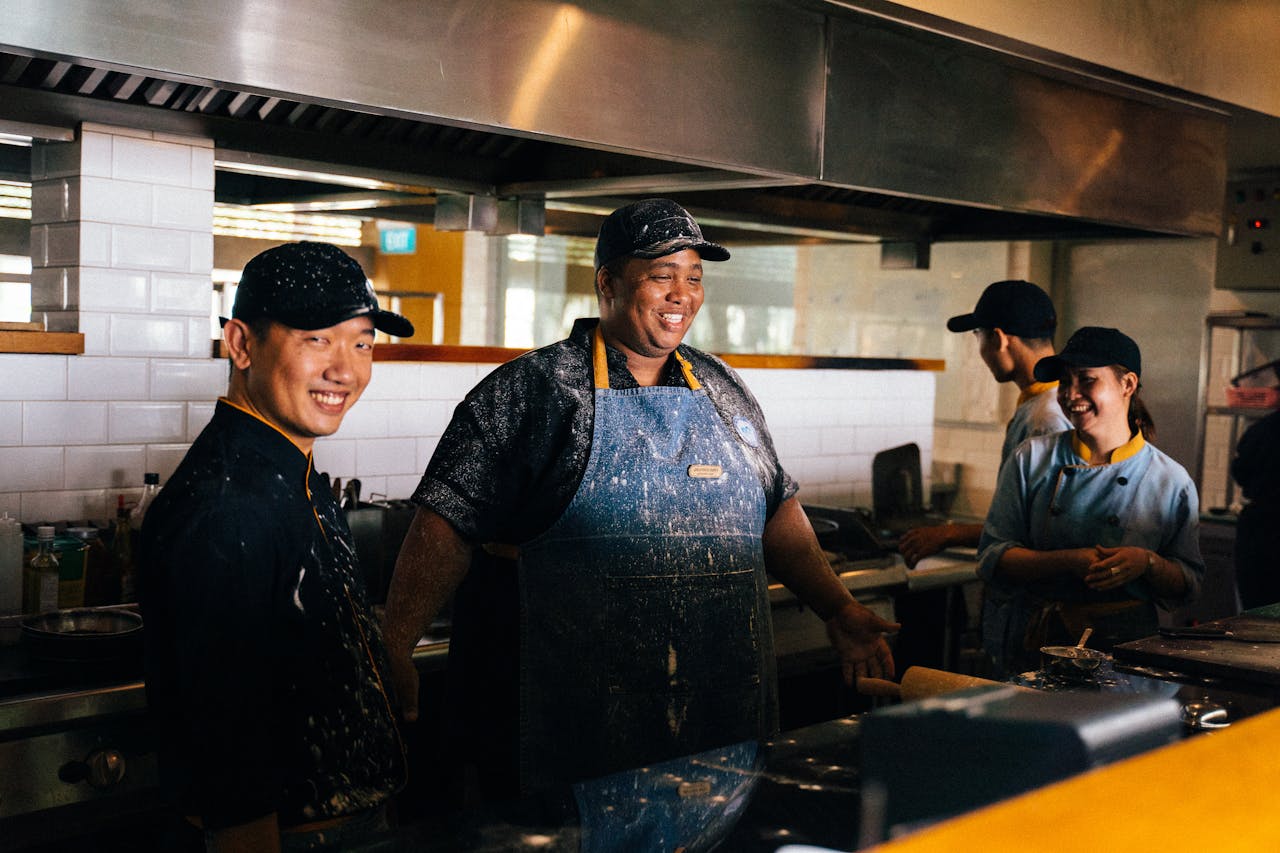
When orders fall, labor becomes the lever. Some shops reduce shifts or compress schedules to match slower demand. It keeps core staff employed and machines maintained without burning cash on idle time.

The choice is grim but rational. You keep skilled workers close, service accounts that still order, and wait for a turn. The alternative is layoffs that are hard to reverse when business returns. Payroll flexibility becomes the difference between survival and a shuttered storefront.

There is also the human side. Fewer days on the clock means tighter household budgets for the very people who make and deliver daily staples. The strain ripples outward to vendors, drivers, and the small suppliers that serve them.

In a city where food work supports so many, a quieter tortilla line is more than a business metric. It is a neighborhood problem.

Price Controls Without A Safety Net
Price Controls Without A Safety Net
Anastasiya Badun/Pexels

Tortillas are classified as a staple, and governments often keep a hand on retail prices to protect consumers. That guardrail can stabilize household budgets, especially for low-income families that depend on daily purchases.

But restraint at the register does not erase the cost curve for producers. Without targeted support for inputs like corn, energy, and transport, the gap between controlled prices and real expenses widens. Requests for subsidies or relief have not translated into new programs. Owners are told to hold the line and find savings elsewhere.

Climate Stress On The Maize Supply

Years of drought across parts of Mexico have weighed on harvests. Lower yields tighten supply and nudge wholesale prices higher before grain ever reaches the mill. Variability turns planning into guesswork. One season’s shortfall can ripple through contracts and credit.

Producers cannot control the weather. They can only hedge with inventory, diversify sources where possible, and hope for better rains. In lean years, every kilogram of quality corn costs more attention and more pesos.

Culture, Convenience, And Changing Plates

Tortillas remain central at the table, but the way people buy them is shifting. Some families choose smaller stacks bought more often to reduce waste. Others swap fresh rounds for packaged alternatives, or fold more rice and vegetables into weekly menus to stretch protein costs.

It is not a rejection of tradition. It is an adjustment to budgets and schedules. Street vendors feel the micro decisions first. A few fewer tacos per lunch rush. A slower Tuesday after a busy weekend. Sellers recalibrate hours and batches to meet the new pace.

When a food is both culture and commodity, even mild changes in habit can move markets. The story in Tijuana shows how quickly that balance can tilt.

What A Path Forward Could Look Like

Producers do not need miracles. They need predictability. Better logistics on inbound corn could shave real costs. Smarter, targeted support tied to inputs rather than retail caps would help small shops hold quality without bleeding cash.

On the demand side, outreach that reinforces the value of fresh, nixtamalized tortillas could steady volumes. Partnerships with eateries to plan orders and reduce waste would keep kilos consistent through midweek lulls. None of this is flashy. All of it is practical.

Stability is the goal. Keep tortillas affordable for households and viable for the people who make them. If policy, supply, and habit can meet in the middle, the line outside the tortillería will lengthen again.

Sources

0 Shares:
You May Also Like
Read More

8 Natural Sites Closing to Protect Fragile Ecosystems

# 8 Natural Sites Closing to Protect Fragile Ecosystems Across the world, some of the most photographed coves, canyons, and beaches are quietly stepping out of the spotlight. Park managers, tribal leaders, and scientists are choosing tide charts and nesting maps over ticket sales, and that shift can feel jarring at first. Yet every locked gate and seasonal rope line carries the same message: fragile places need room to breathe. These closures show how travel is changing, and how saying not now can be the only way to keep a landscape alive for the long haul. ## Komodo National Park, Indonesia Komodo National Park spans volcanic islands, dry hills, and coral reefs that attract photographers from every continent. Heavy footfall on Padar Island and crowded bays have pushed Indonesia to cap daily visitors and restrict access to the steepest viewpoints. Fewer boats and bodies mean less erosion, less trash in the sea, and quieter feeding grounds for manta rays and reef fish. Stricter permits also send a clear signal that this dragon kingdom is not an amusement park but a living laboratory for evolution and resilience. For local guides and boat crews, smaller groups mean slower days yet better odds that work will still exist for their children. for decades. ([The Times of India][1]) ## Maya Bay, Thailand Maya Bay on Koh Phi Phi Leh became a global obsession after a famous film, and the tiny cove nearly collapsed under its own fame. Thailand shut the beach for years to let coral and seagrass recover, and now enforces an annual closure from August to October. Boats must stay outside the bay, swimmers are tightly managed, and daily visitor counts are capped. Blacktip reef sharks have returned in greater numbers, a living reward for treating a postcard view as a patient, not a prop. Closure weeks hand the bay to rangers who measure water clarity and fish counts instead of ticket lines, proof that firm limits keep the reef breathing and local work steady for longer. ([5 Star Marine Phuket][2]) ## Fjadrargljufur Canyon, Iceland Fjadrargljufur Canyon looks like something carved for a fantasy novel, with pale water twisting below moss covered cliffs. Viral music videos turned it into a must see stop, and fragile vegetation quickly gave way under thousands of careless footsteps. Iceland’s environment agency began closing the area during wet months so trails and plants could heal. Rangers add fencing, reroute paths, and keep cars back from the softest ground. Each temporary closure trades a few missed photos for the long slow return of moss, lichen, and calm. Each closure notice becomes a quiet lesson in patience, a reminder that the canyon sits on a narrow edge between fame and loss yet. ([Iceland Review][3]) ## South Stack Cliffs, Wales On Anglesey’s rugged coast near South Stack, a 1.8 mile strip of cliffs has been placed off limits for six months of the year. Unregulated coasteering, rope routes, and sea cliff traverses were scouring soil from ledges where seabirds and rare butterflies rely on thin coastal turf. The new exclusion zone still allows walkers on the main coast path above, while banning high impact adventure lines below. It gives choughs, peregrine falcons, seals, and tiny insects a full breeding season with far fewer surprises from above. Many locals admit the quiet cliffs feel more like a sanctuary, proof that a coastline can stay beautiful without serving as a stage for sports. ([Natural Resources Wales][4]) ## Parker River National Wildlife Refuge, USA On Massachusetts Plum Island, the broad Atlantic beach at Parker River looks like a simple place for summer picnics, yet large sections close each spring. From April into August, most of the sand is reserved for piping plovers and terns that nest just above the tide line. Their eggs and chicks are the color of pebbles and nearly impossible to see, which makes them easy to crush. Roped corridors, closure signs, and volunteer wardens turn a noisy shore into a rare safe nursery for a threatened bird. Human routines bend a little, with picnics shifting to open stretches and boardwalks while the plovers hold the sand for a season. That pause helps broader migration! ([fws.gov][5]) ## Olive Ridley Nesting Beaches, India Along the Odisha coast, nights from November to April belong to Olive Ridley sea turtles that arrive in synchronized waves. To protect these mass nesting events, state authorities have banned visitors from key beaches, including Rushikulya and Gahirmatha, during peak season. Bonfires, loud music, and phone flashes can disorient nesting females and new hatchlings, pushing them inland instead of toward the surf. Quiet, dark sand gives rangers space to count tracks, relocate at risk nests, and shepherd thousands of hatchlings down the glittering tide line. Patrol boats offshore and bamboo barriers on land turn the sand into a maternity ward rather than noisy beach. ([The New Indian Express][6]) ## Bhitarkanika Mangrove Estuaries, India Bhitarkanika National Park, India second largest mangrove forest after the Sundarbans, closes to tourists from May through July each year. The estuary becomes a guarded nursery for saltwater crocodiles that lay dozens of eggs in mounded nests along muddy banks. Boats are banned so females can defend clutches without chasing propellers and camera shutters. Forest teams use the quiet months to count nests, repair boardwalks, and enforce strict rules on plastic waste. When visitors return in August, they step into creeks that have just had time to reset. The pause also lowers risk for visitors and gives staff time to check nests, repair paths, and count crocodiles. ([Bhitarkanika Mangrove Homestay][7]) ## Gros Morne Mountain, Canada High above western Newfoundland, the summit trail on Gros Morne Mountain offers sweeping views of fjords and tundra like barrens, but it shuts from May to late June. Parks staff close the eight kilometer loop to give Arctic hares, ptarmigan, and caribou space to birth and raise young on lingering snowfields. Without steady lines of hikers, animals can move between feeding patches without stress. When the trail reopens, fresh tracks and cropped plants quietly reveal how much life depends on a brief window of undisturbed time. Closure can annoy some hikers. It protects calving grounds from becoming a shortcut to photos and gives wildlife first use of the slopes. ([Facebook][8]) Taken together, these closures sketch a different kind of travel story, one that values what cannot be rebuilt on a construction schedule. A quiet beach, a resting cliff, a snowfield crossed only by hooves say as much about a place as any lively market. When communities choose to pause access so dunes, reefs, and nesting grounds can repair themselves, they are voting for a future in which wild beauty is still something that exists, not only something that can be remembered. Beloved bays, cliffs, and beaches close their gates so reefs, turtles, birds, and quiet shorelines have a real chance to recover. [1]: https://timesofindia.indiatimes.com/life-style/travel/destinations/why-this-famous-national-park-in-indonesia-has-restricted-tourist-entry-suddenly/articleshow/124502268.cms?utm_source=chatgpt.com "Why this famous National Park in Indonesia has restricted ..." [2]: https://5starmarinephuket.com/2025/05/12/maya-bay-is-now-closed-august-1st-2025/?utm_source=chatgpt.com "Maya Bay is Now Closed: August 1st, 2025" [3]: https://www.icelandreview.com/news/fjadrargljufur-canyon-closed-due-to-damaged-vegetation/?srsltid=AfmBOoqoemAqL6uwTwYosjqbDxFJh0k20CjN4fdXFI-5QxPodyn5Somo&utm_source=chatgpt.com "Fjaðrárgljúfur Canyon Closed Due to Damaged Vegetation" [4]: https://naturalresources.wales/about-us/news-and-blogs/news/exclusion-zone-to-prevent-damage-at-protected-site/?lang=en&utm_source=chatgpt.com "Exclusion zone to prevent damage at protected site" [5]: https://www.fws.gov/refuge/parker-river/visit-us/activities/beach-combing?utm_source=chatgpt.com "Beach combing at Parker River National Wildlife Refuge" [6]: https://www.newindianexpress.com/states/odisha/2024/Mar/14/odisha-bans-visitors-from-olive-ridley-nesting-sites?utm_source=chatgpt.com "Odisha bans visitors from Olive Ridley nesting sites" [7]: https://www.bhitarkanikamangroveshomestay.com/2025/09/12/wildlife-season-calendar-crocodile-nesting-park-closure-dates-stay-at-the-best-hotel-in-bhitarkanika/?utm_source=chatgpt.com "Wildlife Season Calendar: Crocodile Nesting, Park Closure ..." [8]: https://www.facebook.com/GrosMorneNP/posts/-annual-gros-morne-mountain-closure-may-1-to-june-27-2025-to-protect-wildlife-du/1103226128508581/?utm_source=chatgpt.com "ANNUAL GROS MORNE MOUNTAIN CLOSURE – MAY 1 ..."