
Home is where manners become muscle memory. A guest steps over a threshold and suddenly the smallest acts carry meaning: where shoes land, how hands move, what gets offered, and what stays unspoken. Across cultures, household etiquette often protects something fragile, clean floors, shared water, elders’ comfort, or the dignity of privacy. These customs can look quirky from the outside, but they usually solve a real problem: dirt, humidity, hierarchy, or harmony. Many are shaped by climate or family life lived close to the floor. When outsiders meet those rules with curiosity instead of judgment, the house relaxes. A living room turns into welcome, a kitchen becomes conversation, and everyone leaves feeling more connected to the people inside.
Shoes, Slippers, And The Genkan Line
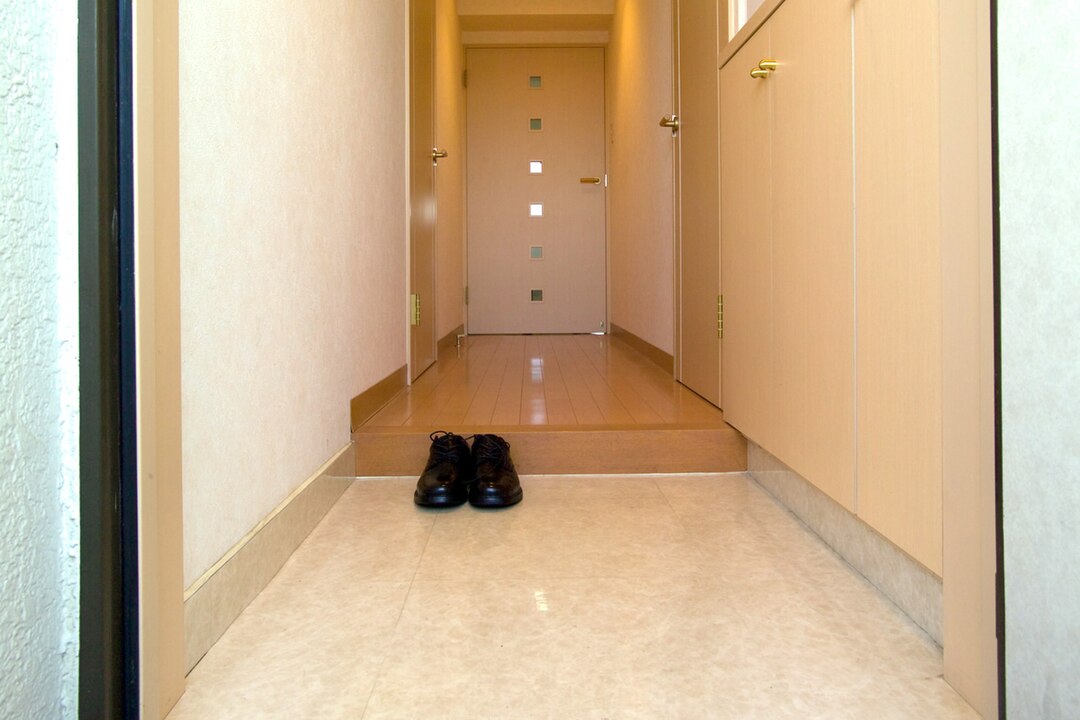
In Japan, the genkan entryway is a small stage for respect: shoes come off, get lined up, and face the door as if the home expects quiet order from the first step. Many guests pause on the raised edge while slippers appear, and the ritual signals that the street stays outside, even on rainy days. Indoors, slippers take over, yet bathrooms have their own, and tatami rooms often call for socks or bare feet because floors double as seating and sleeping space. Mixing those zones, especially padding back into the hallway in toilet slippers, reads as dragging grime into a place meant to stay clean, calm, and protected for everyone.
The Bath That Starts Outside The Tub
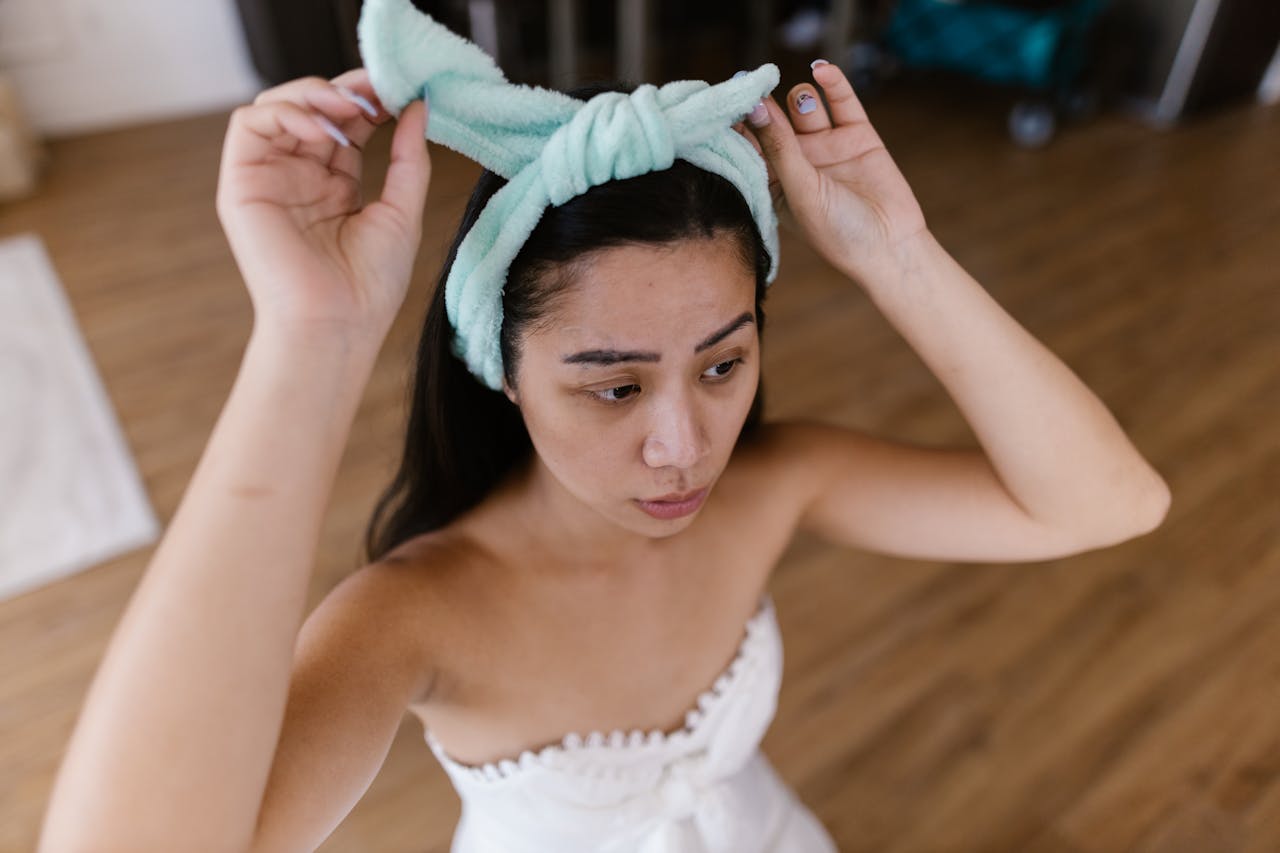
In many Japanese homes, bathing works like a reset button, but the order matters more than the temperature. The wash happens first on a small stool, with soap and shampoo rinsed away completely, because the tub is for soaking, not scrubbing. The ofuro water is meant to stay clean and is often shared by the household, sometimes reheated or covered between turns, so towels stay out of the water, hair gets tied up, and the area is left neat. Skipping the rinse or leaving suds behind breaks the logic of the whole system: one person’s shortcuts become everyone else’s murky soak later that night, and hosts notice quickly, even in silence.
Korea’s Entryway Checkpoint And Warm Floors

In South Korea, the entryway acts like a cleanliness checkpoint: shoes stop at the door, and socks or indoor slippers take over before anyone steps deeper inside. Umbrellas and street dust get trapped at that border, keeping living areas calmer. The habit is tied to ondol underfloor heating and a floor-centered rhythm, where families eat at low tables, lounge on cushions, and sometimes sleep on mats. Because the whole room is a warm surface, street grit feels like crumbs on bedding, so spare slippers are often kept for visitors and repair workers alike. Shoes often get lined up to keep the doorway clear. Then the home feels settled.
Finland’s Sauna: Shower First, Calm Always
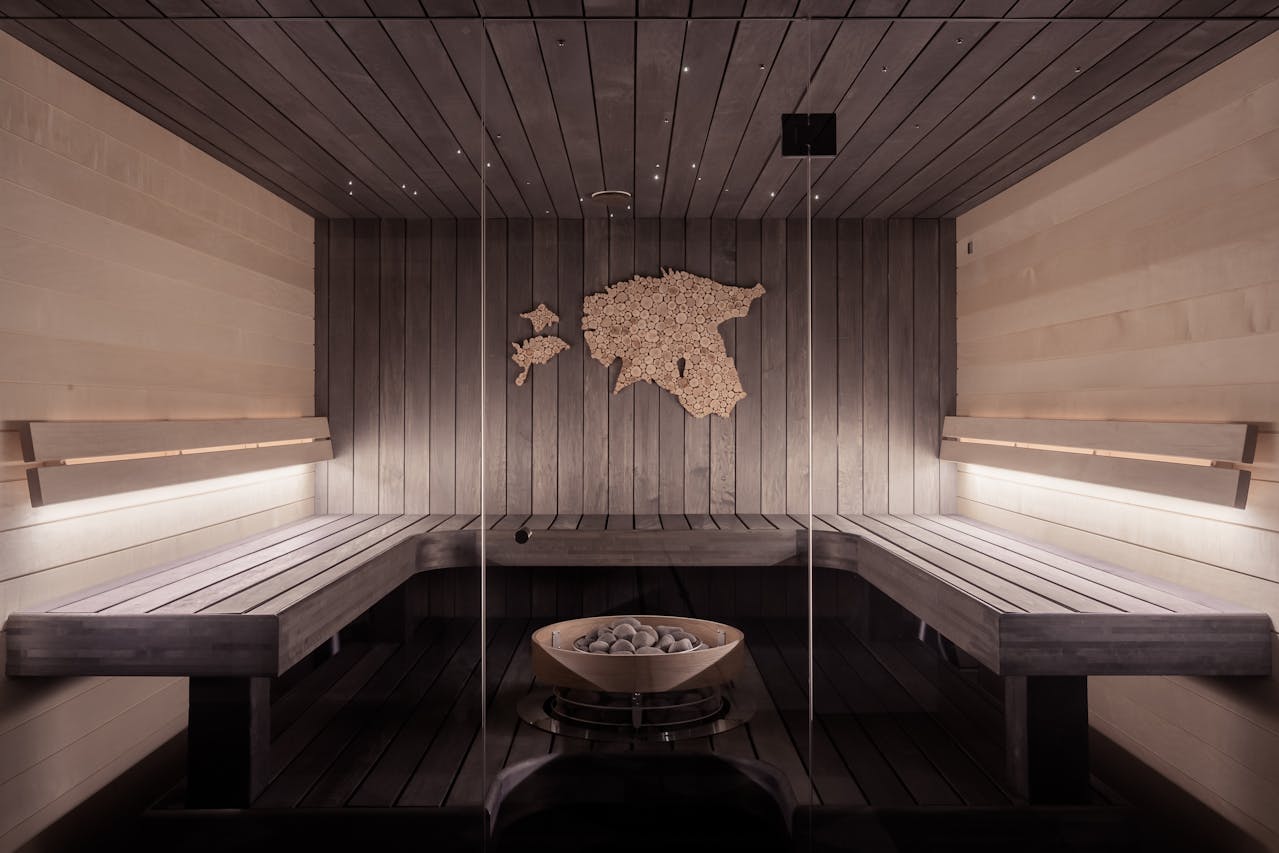
In Finland, a home sauna invitation carries real trust, and the etiquette is mostly about hygiene and calm, not performance. A quick shower comes first, then a seat towel on the wooden bench, because the heat pulls sweat fast and the room stays cleaner for everyone who follows. People may be nude in private settings, but the bigger rule is simple: give space, keep voices low, and ask before throwing water on the stones for a stronger wave of steam. The point is not chatter or posing; it is shared quiet, steady breathing, and a rhythm of heat and cool air that leaves the house softer afterward for everyone inside. Often at night.
Sweden’s Shoes-Off Pause At The Door
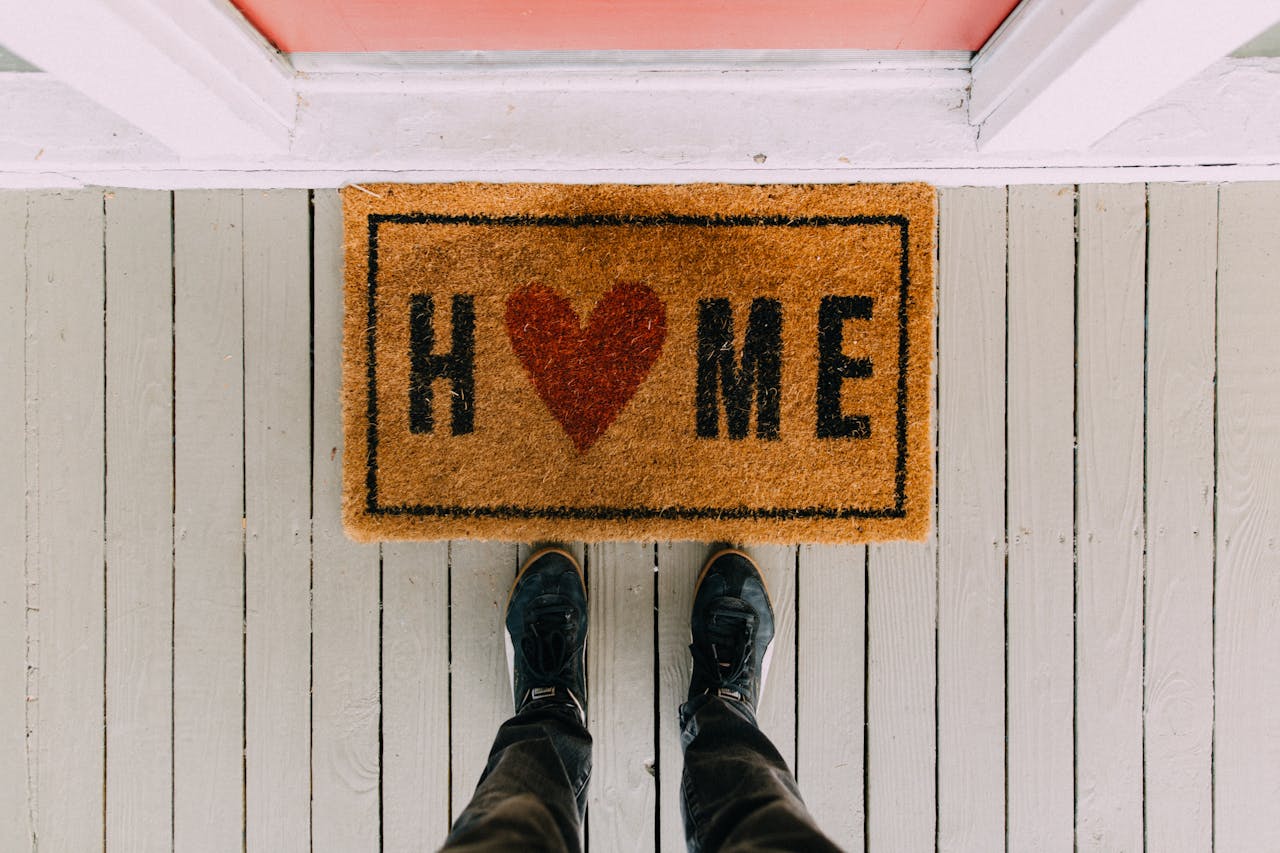
In Sweden, the politest move at the door is often a brief pause while everyone reads the house rule. In many homes, shoes come off, get lined up near the entry, and guest slippers or thick socks appear, especially during wet winters when grit and slush cling to soles. It is less about fussiness than about keeping shared spaces calm, since kids play on the floor and coffee breaks can stretch for hours. For bigger dinners, guests sometimes bring separate indoor shoes, so the hallway stays clean without anyone feeling awkward or underdressed. Even in city apartments, that ritual sets a modest, practical tone. It starts the visit soft.
China’s Guest Slippers And The Respectful Threshold
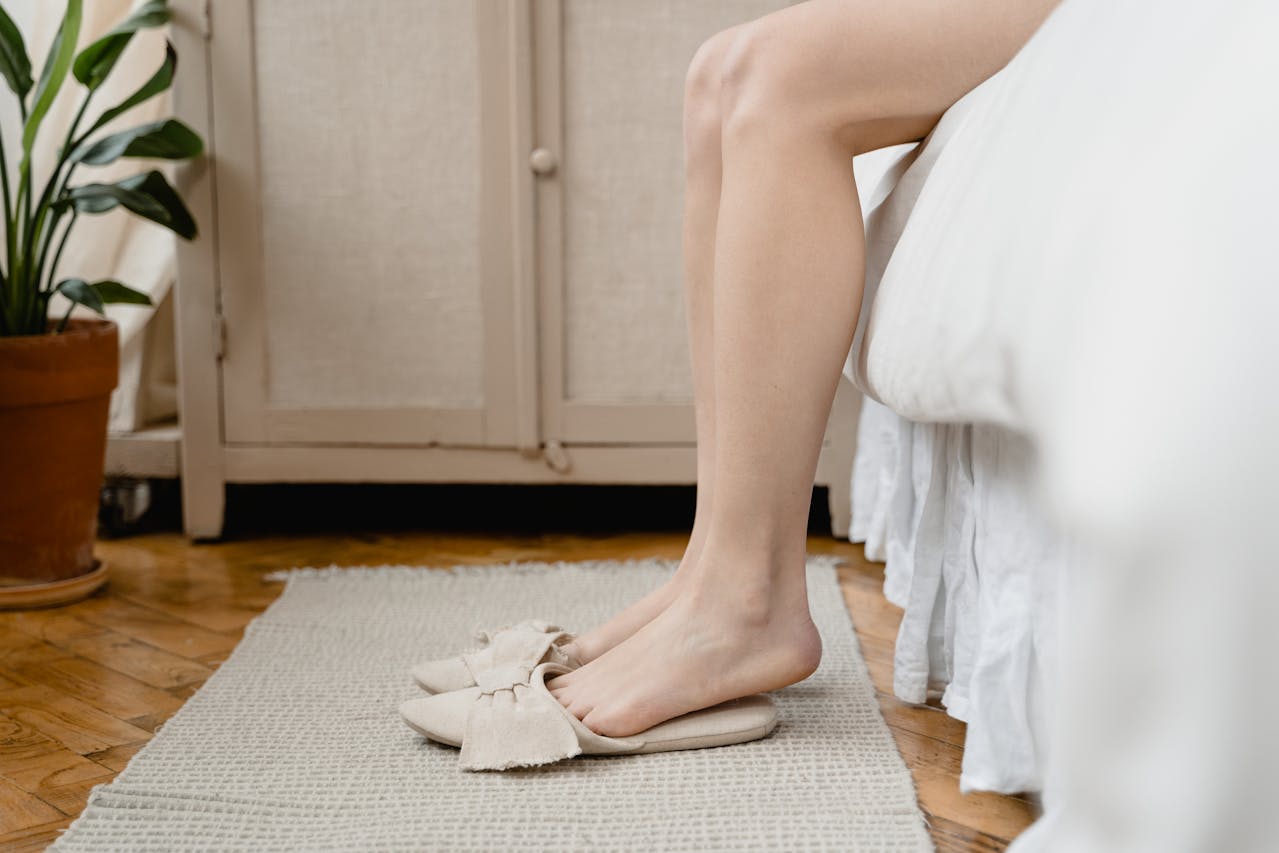
In many Chinese households, hospitality starts at the doorway with a practical offer: house slippers, and accepting them is an easy way to show respect. Shoes come off to protect clean floors, so refusing slippers can read as stubborn or unhygienic, and many keep spare pairs for guests and quick visits. A brief compliment about the home lands well because the space reflects care and effort, not just decor. Then tea arrives, fruit follows, and conversation settles into the living room while the doorway stays clear for elders moving through the house. In some homes, even delivery workers get slippers, keeping the rule consistent.
Mongolia’s Ger: Never Step On The Threshold
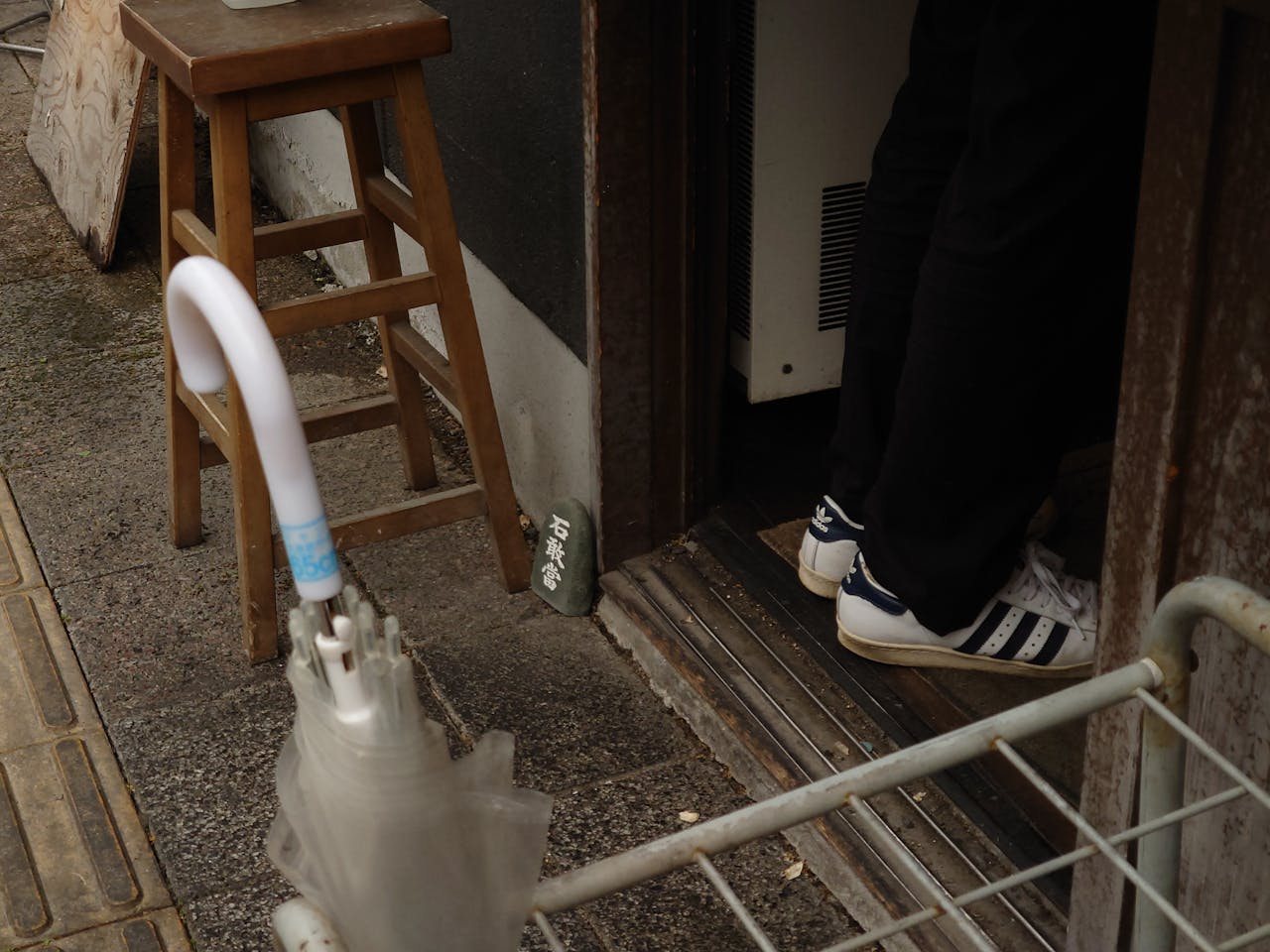
In a Mongolian ger, the doorway is treated like a living border, not just a frame of wood, so stepping on the threshold is avoided and even talking across it can feel wrong. Guests enter cleanly, often with the right foot first, then move clockwise, which keeps traffic smooth inside a round, shared space where the door traditionally faces south. The clockwise flow also matches an invisible map: central supports are left alone, the hearth is respected, and certain sides hold family items or gear. Following the pattern prevents awkward bumping and keeps the home’s quiet order intact during long, cold nights. Respect made practical.
Turkey’s Polite No That Means Maybe
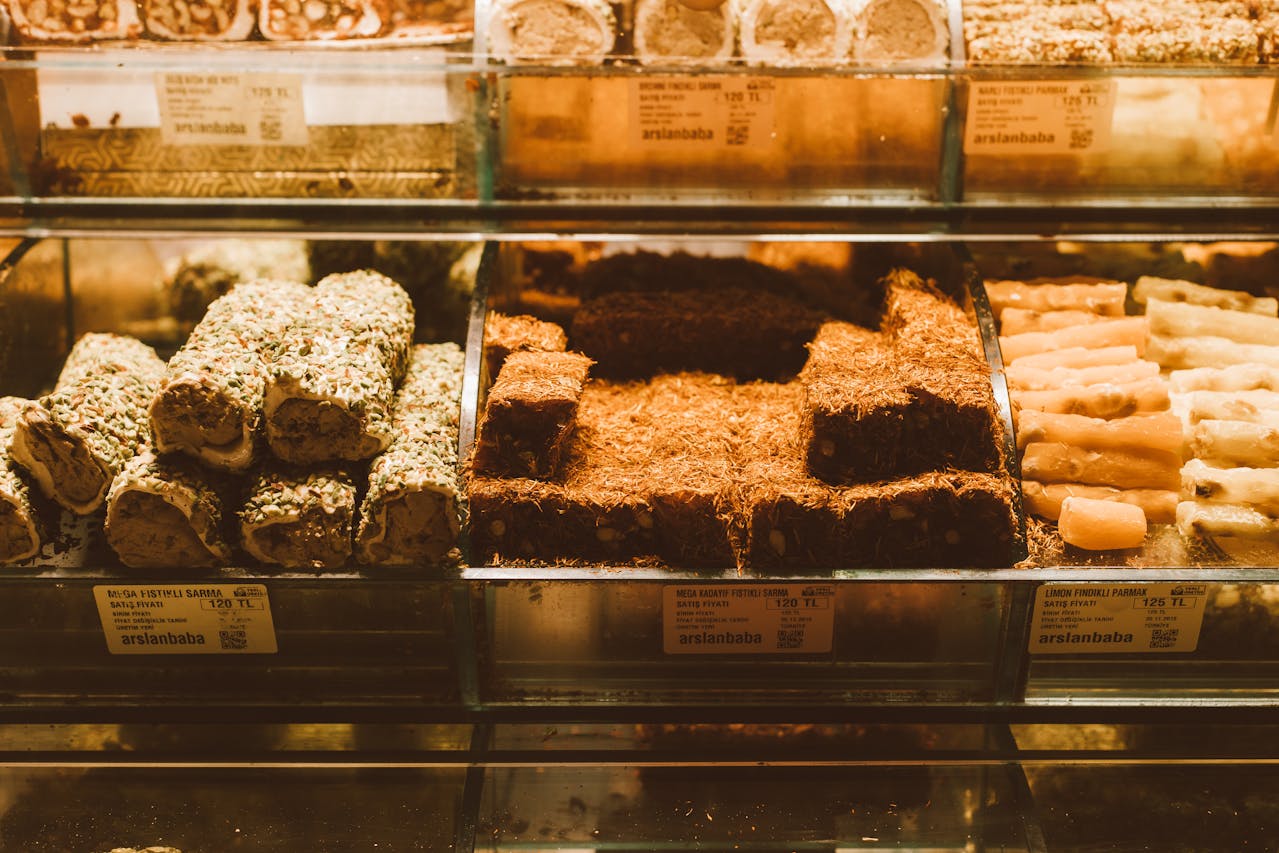
In many Turkish homes, hospitality arrives with a gentle loop of insisting: tea, fruit, or sweets may be offered, refused, and offered again. A first decline can signal modesty, while a second offer proves sincerity, so both sides stay gracious without rushing. Once tea is poured, refills can keep coming as long as the glass stays open, so a covered cup or a clear thank-you marks a stopping point. Guests may also offer help more than once, because generosity is treated as a shared mood, not a single line said once and forgotten. That small tug-of-war, host refusing, guest insisting, is part of the warmth, until both are smiling.
An Arab Home’s Shoes-Off Welcome And Meaningful Seating
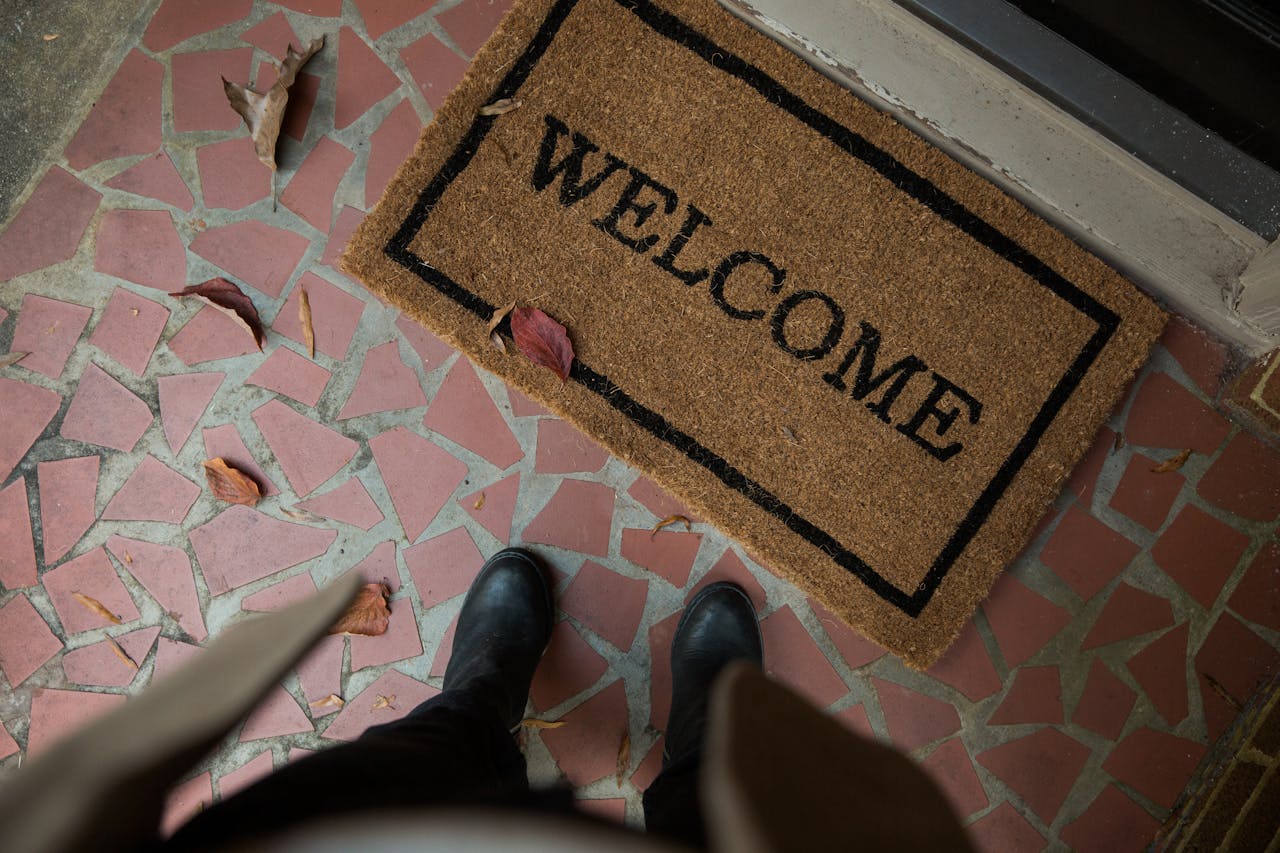
In many Arab homes, the doorway marks a clear shift from public to private, and leaving shoes at the door signals respect as well as cleanliness. Hospitality arrives quickly, coffee or tea, dates, sweets, and the expectation that a guest will taste what is offered, because welcome is expressed through sharing. In majlis-style rooms, seating can carry meaning, so people often wait for a cue before settling in, keeping elders comfortable and pathways open. Coffee may be poured in small rounds, and a tiny gesture at the cup can politely signal that enough has been accepted without breaking the warmth. Order holds, and welcome flows.
India’s Shoes At The Door And Chai On Arrival
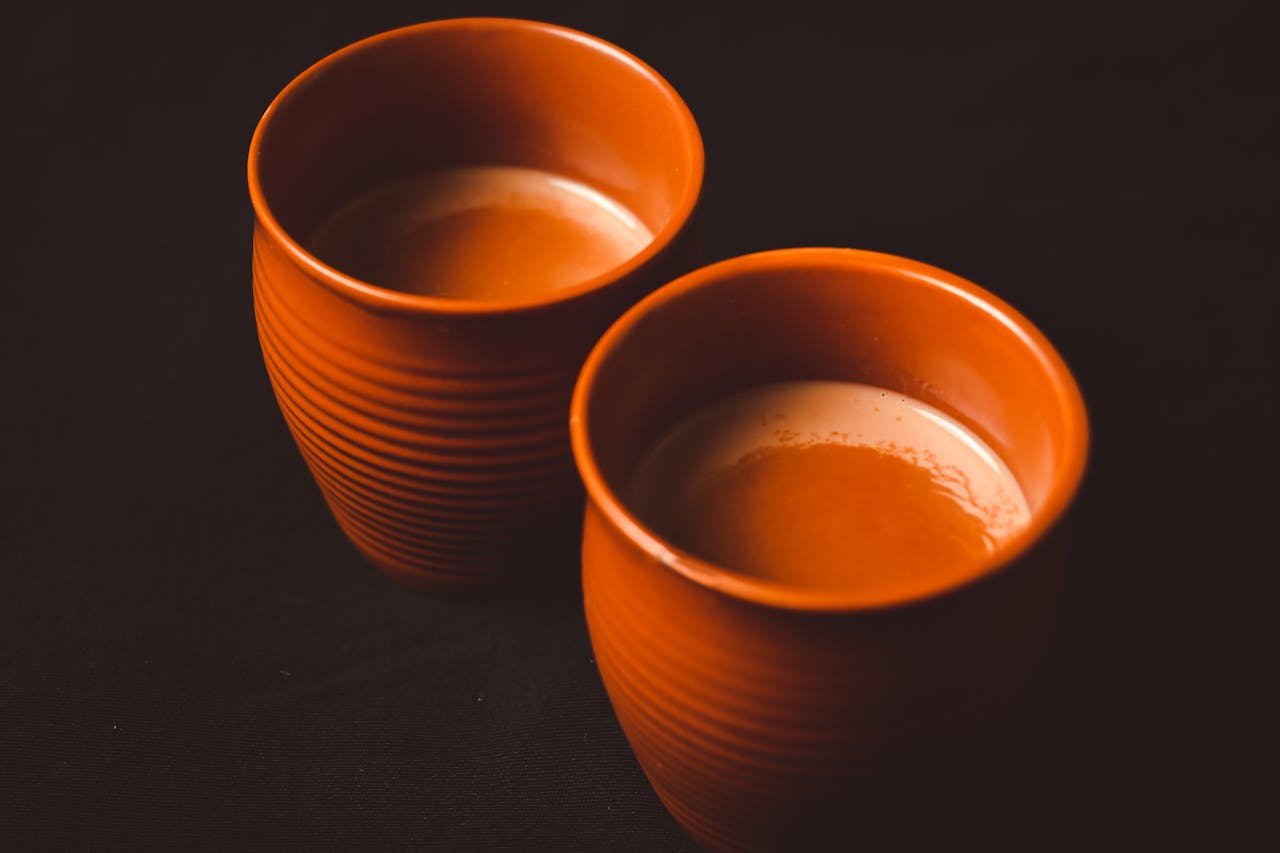
In many Indian homes, shoes are left at the door, a practical habit that also signals respect for a space where people may sit on the floor or keep rooms freshly swept. Hospitality often appears as chai and snacks soon after arrival, and accepting at least a few sips honors the host’s effort even when appetite is low. Refusal can sound like distrust, so a polite, partial acceptance keeps the moment warm without forcing anyone to overeat. Social timing can be more elastic than in a business setting, with small delays treated as normal when visits are meant to unfold slowly and conversation matters more than the clock. It settles in.