Baby boomer childhood was built on routines that now read like folklore: phones with cords, milk on the step, encyclopedias on a shelf, and television ruled by antenna weather. These were not quirky side notes. They trained memory, patience, thrift, and social habits in ways digital life rarely asks for.
What looks sentimental at first glance often reveals class patterns, neighborhood trust, and household discipline from postwar America. The signs below mark more than fond recollection. They map the daily mechanics of a generation raised before convenience became invisible and before screens absorbed every idle minute.
Rotary Dial Calls Built a Memory Muscle

A family phone with a rotary dial turned every call into a small act of concentration. One wrong digit meant starting again, so children and adults learned to hold strings of numbers in working memory. Even emergency numbers and relatives’ lines were kept in mind. That habit was not nostalgic flair. It was survival in a one-line household where speed dial did not exist.
The ritual enforced social timing. Calls were placed at polite hours, updates happened in sequence, and private conversations were rare when the handset sat near the hall. A generation learned that communication had friction, and friction shaped manners.
Rabbit-Ear Television Taught Technical Improvisation
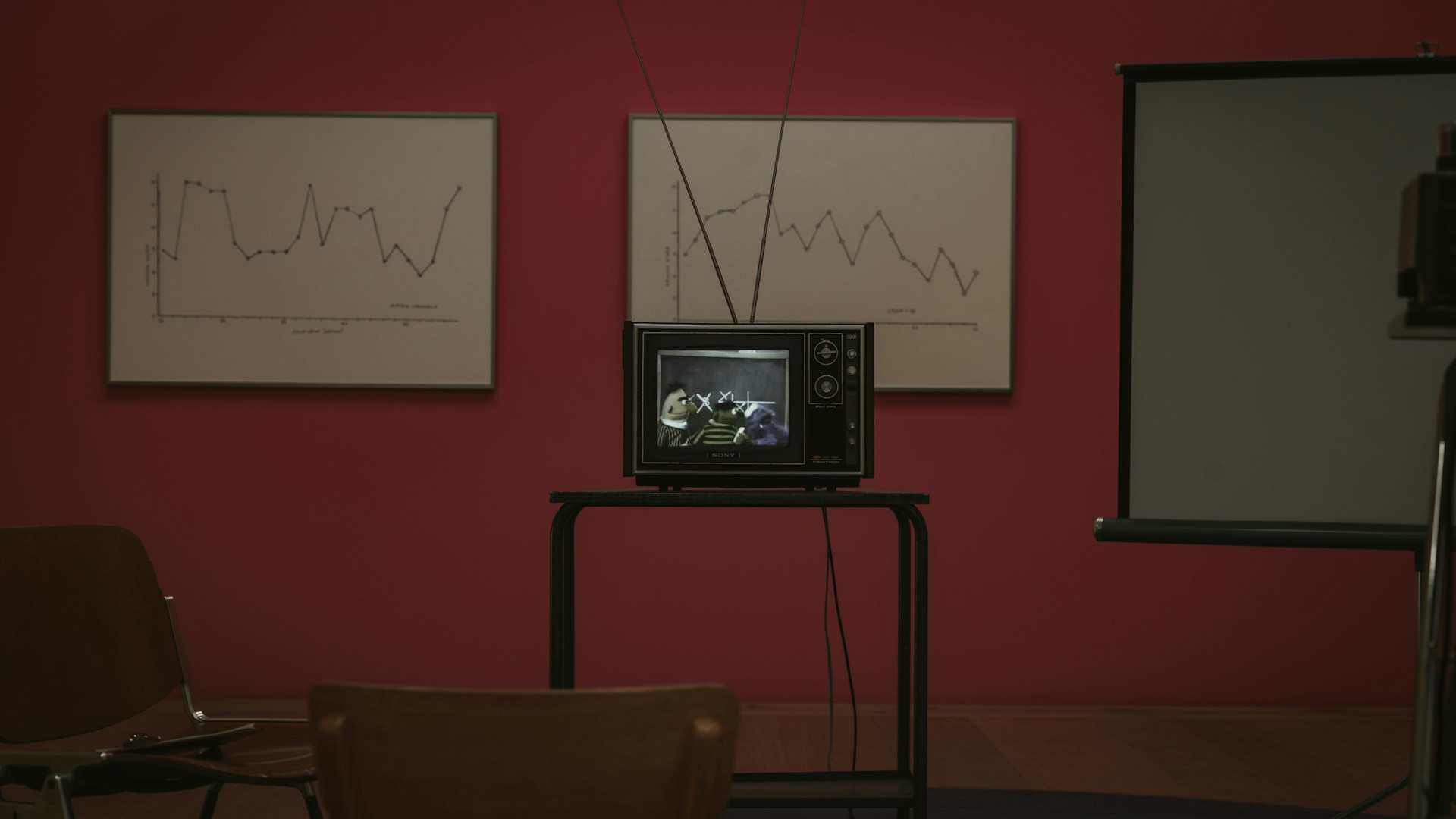
Television once depended on rabbit-ear antennas, local signal strength, and patience. A clear picture could require tiny angle changes, aluminum foil, or a sibling standing still beside the set. When static rolled in, households adjusted hardware before blaming content, because reception was a daily variable, not a guarantee.
Channel changes were physical, programming was scarce, and missing airtime had real consequences. Families built evenings around schedules announced by broadcasters, then discussed episodes the next day as shared events. That environment rewarded attention and made viewing less passive than it seems in memory.
Metal Lunchboxes Mixed Style With Fragility
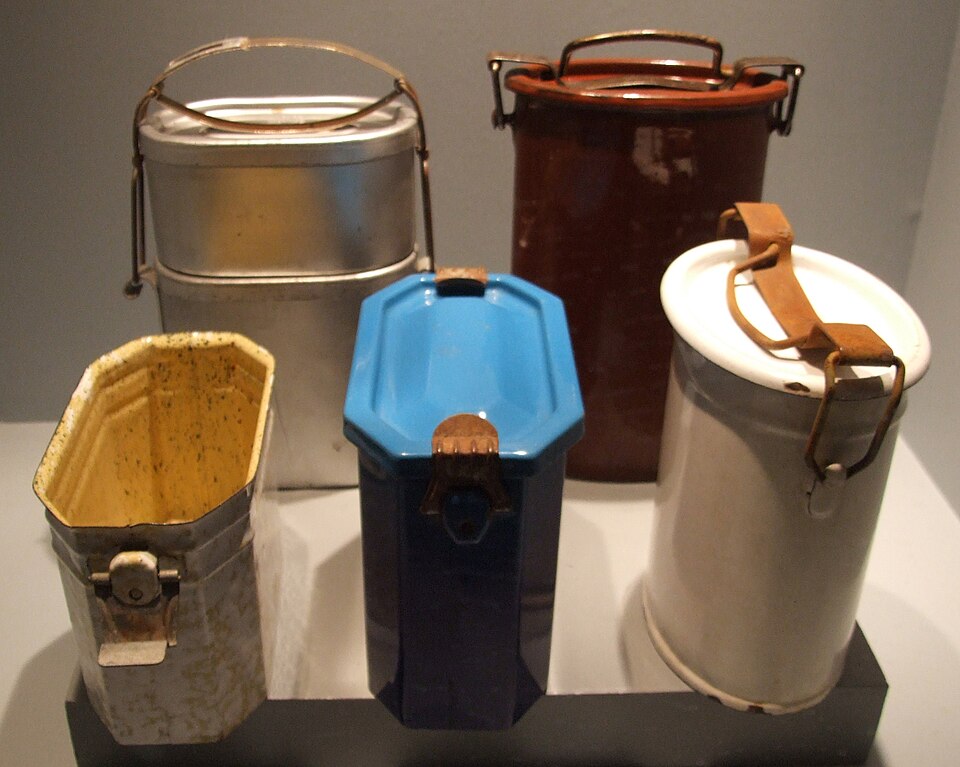
A metal lunchbox signaled identity in school hallways, often printed with characters from popular shows or sports teams. Inside sat a glass-lined Thermos that kept soup warm, until one drop cracked it and ended that confidence for weeks. Practical design and fragile parts coexisted, and children learned quickly which items needed care.
Lunch itself reflected household planning. Leftovers were repacked, sandwiches were wrapped tightly, and portion control was built in by container size. The object was playful on the outside, but it quietly taught thrift and routine responsibility long before apps began tracking those habits.
Vinyl Records Rewarded Careful Listening
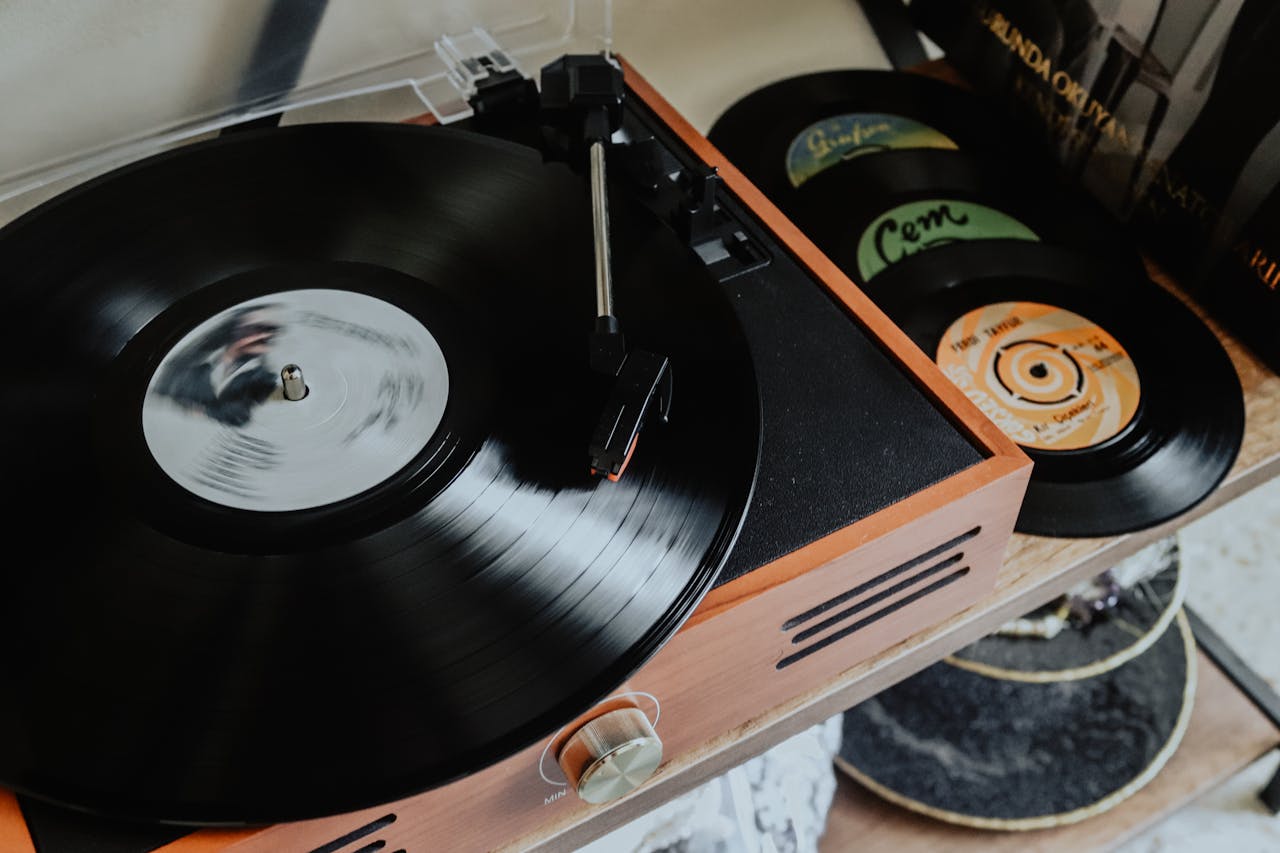
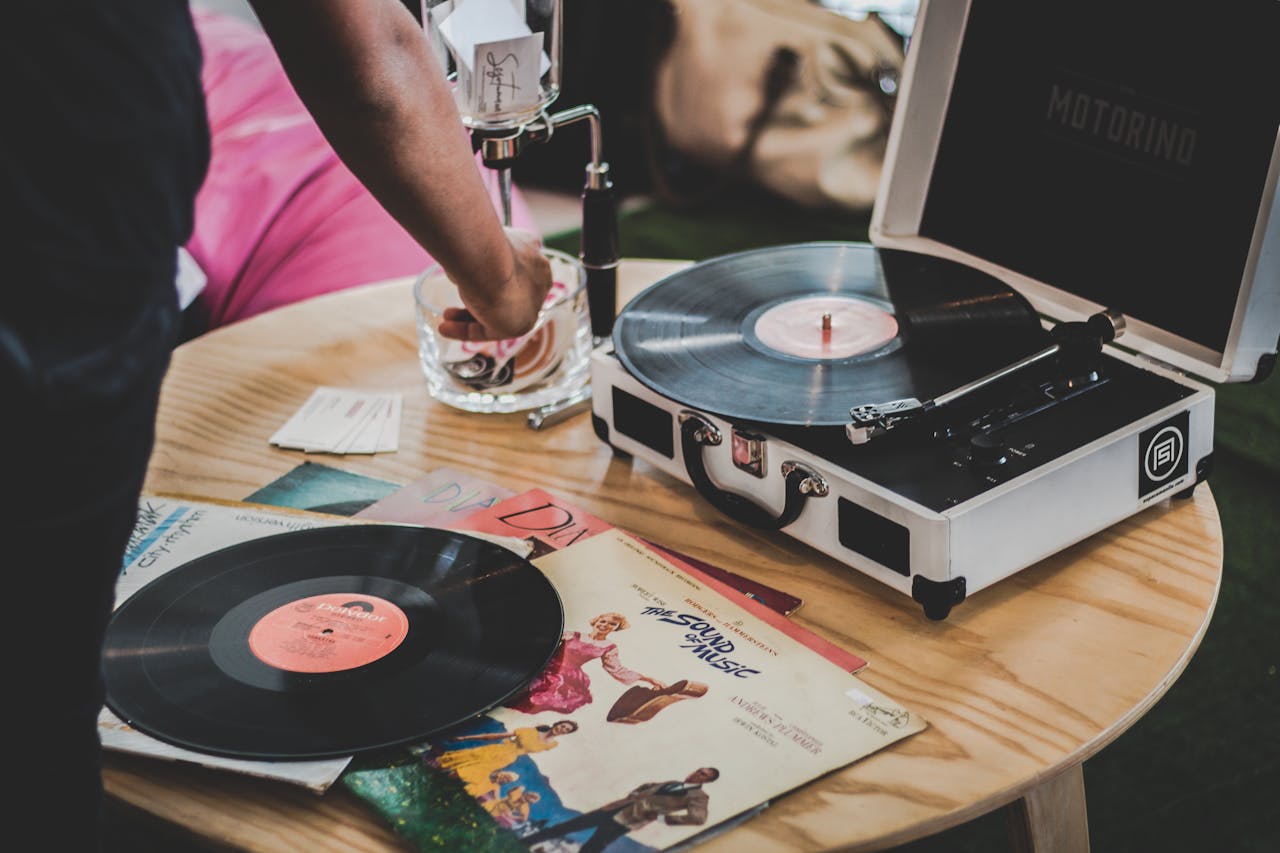
Records demanded deliberate movement: hold the edge, lower the needle gently, and keep dust away from grooves. A scratch was not an abstract risk but a permanent change in sound, so listening carried responsibility. Music became tactile, and care for physical media was part of everyday culture in bedrooms and living rooms.
Replay had effort. Finding a favorite chorus meant manual placement, attentive ears, and occasional trial and error. That slowed consumption in a useful way, giving albums narrative weight from track one to track last. The crackle at the start was not a flaw to remove. It was part of the listening ritual.
Encyclopedia Homework Built Research Discipline
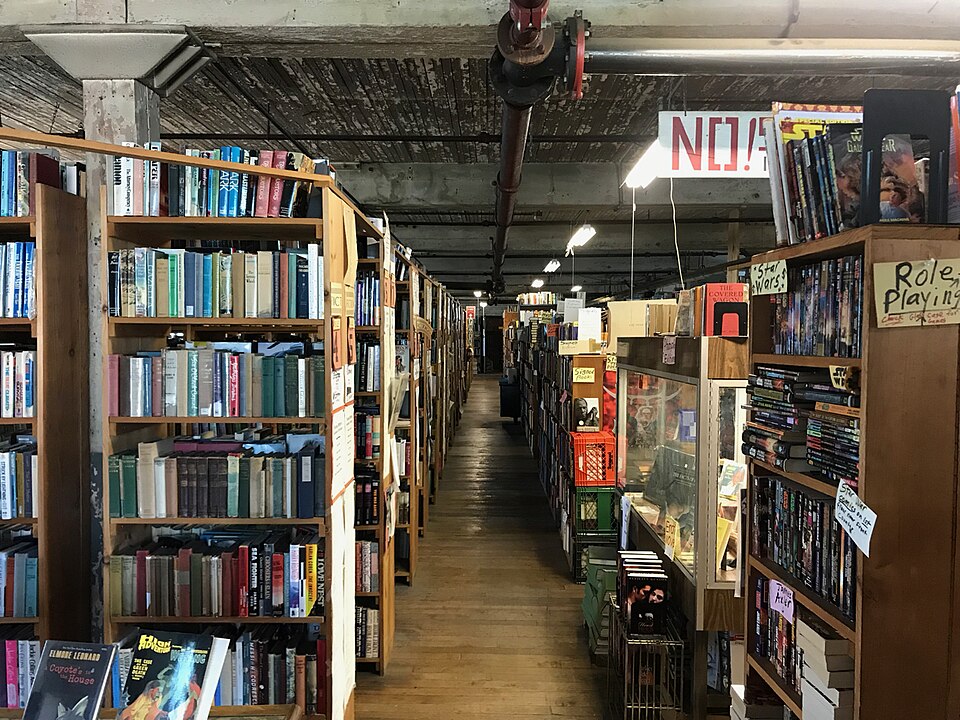
Homework began with encyclopedias, not a search bar. Students navigated volumes alphabetically, cross-checked entries, and copied notes by hand before reports. The process took longer, yet source limits were visible: publication dates mattered, gaps were obvious, and library visits filled what home sets missed.
That method trained research discipline. Children learned to frame sharper questions, sort summary from evidence, and organize facts before writing. Classmates compared notes from different books, which reduced copycat answers and rewarded preparation. Knowledge felt earned because retrieval required judgment and time.
Ice Cube Trays Made Convenience a Chore

Before automatic dispensers became common, kitchens relied on refillable trays that demanded timing and hand strength. Metal versions used a lever that could stick, while plastic trays needed twisting that often launched cubes across the floor. Even a cold drink carried small chores that could not be skipped.
That routine reveals more than an appliance gap. It shows how postwar households normalized minor physical effort as part of daily comfort. Children helped fill trays, checked freezer space, and reset things for the next person. Convenience was shared labor, not background automation, and that expectation shaped family rhythm.
Striped Tube Socks Became a Generational Uniform

Striped tube socks rising toward the knee were both sportswear and social signal. In schoolyards and gyms, they communicated team culture, budget choices, and trend awareness without a word. Their tight elastic left marks by evening, yet they stayed popular because visibility mattered in youth fashion of the period.
The detail may seem minor, but clothing often archives class and era better than slogans do. Affordable pieces repeated across neighborhoods create shared visual memory that outlasts brand names. These socks became shorthand for a generation shaped by practical fabrics, school athletics, and peer-coded style.
Live TV Schedules Shaped Family Time
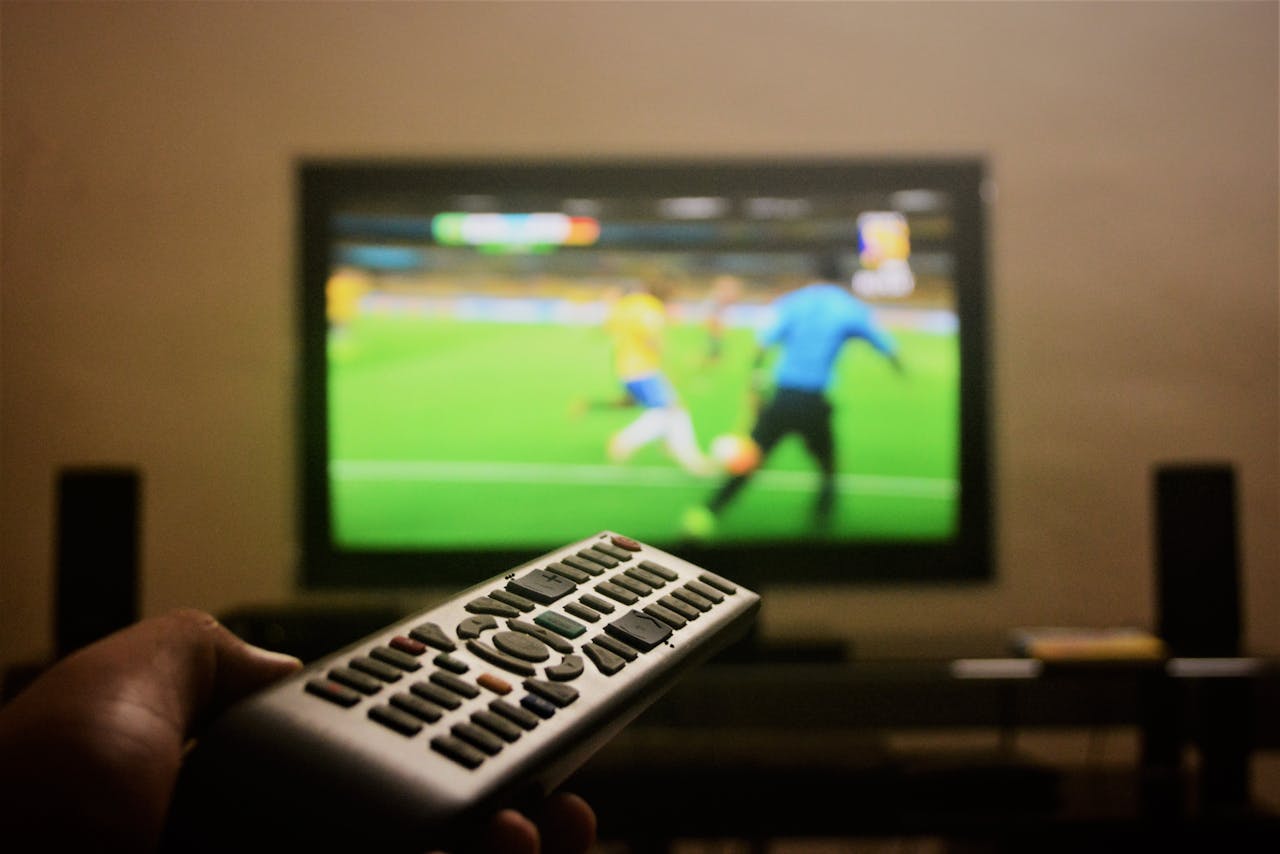
Before on-demand libraries, television was appointment-based. If a program aired at 8 p.m., households planned around that hour or missed it. Reruns were uncertain, and recording options were limited for years. Spoilers traveled by school hallways or office break rooms the next morning.
That structure produced collective timing rarely seen. Large audiences watched the same scenes on the same night, then carried those moments into conversation as shared reference points. Entertainment behaved like public timekeeping, not scrolling. Boomer childhood absorbed that cadence early, learning anticipation and patience in media use.
Garden Hose Water Marked Outdoor Childhood Freedom

On hot afternoons, many children drank from garden hoses without ceremony. Water first ran warm from sun-heated rubber, then cooled enough for quick relief before games resumed. The habit reflected outdoor routines, looser risk perception, and the expectation that children spent long hours outside.
The memory is often framed as toughness, yet it also shows trust in municipal water and neighborhood life centered outdoors. Few households carried bottled alternatives, and convenience was immediate rather than branded. That small act, repeated across summers, marks a generation shaped by physical freedom and fewer packaged defaults.
Green Stamps Turned Shopping Into Delayed Rewards

S&H Green Stamps turned routine shopping into a paper reward economy. Families received stamps at checkout, pasted them into booklets, and saved enough pages to redeem goods from catalog centers. The system demanded patience, organization, and effort across weeks of grocery runs.
Beyond novelty, it taught delayed gratification in concrete form. Children watched small units accumulate into usable value, then debated whether to redeem early or hold for larger items. Loyalty programs existed before apps, only slower and more visible. That ritual tied consumer habits to family planning and left memory of earning rather than tapping.
Film Rolls Forced Patience Before Every Photo
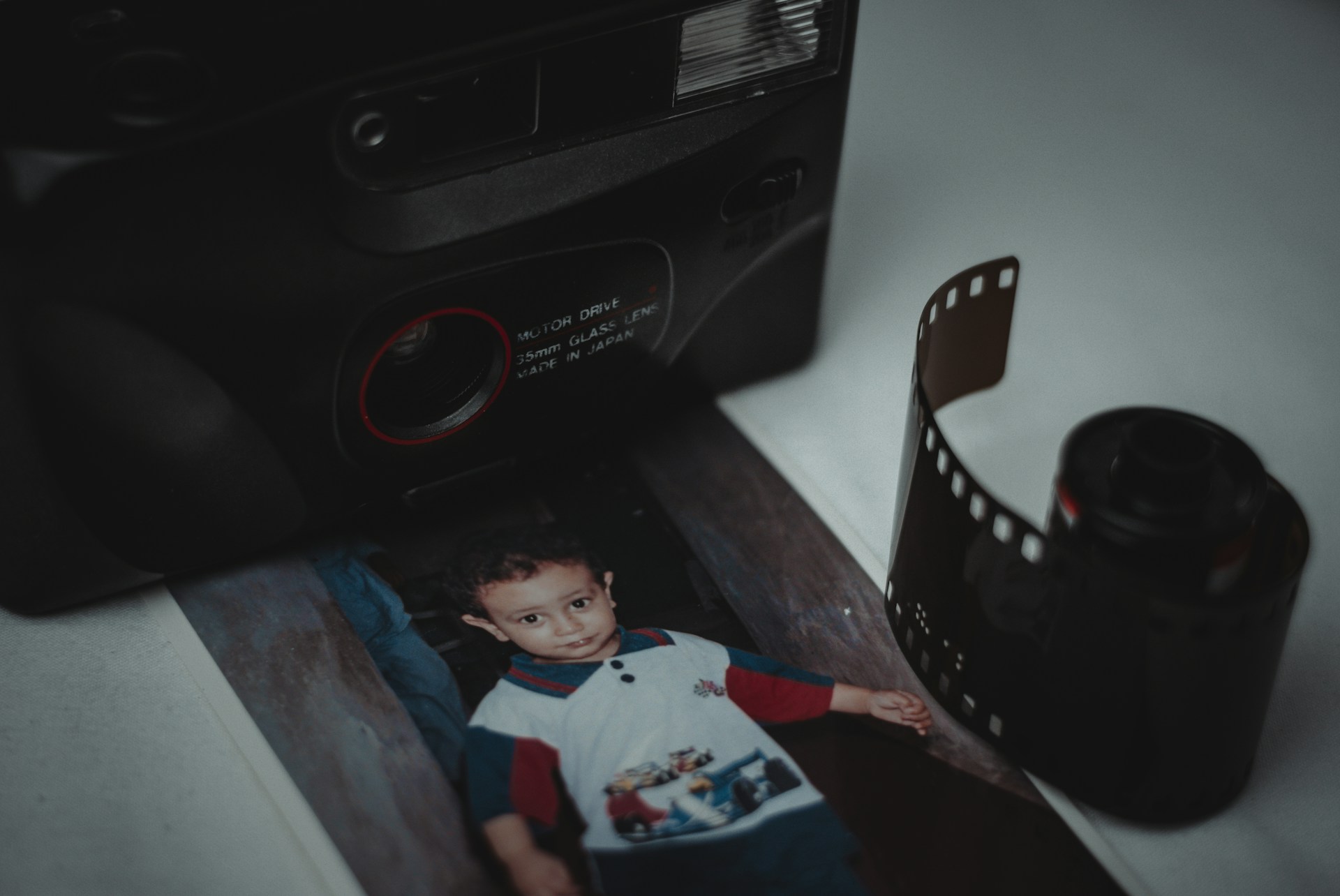
Film cameras imposed limits that changed behavior before the shutter clicked. A roll usually offered 24 or 36 exposures, so each frame carried cost, and overshooting was rare. After drop-off at a lab or pharmacy, families waited days to see results, unsure whether focus, lighting, or framing had worked.
That delay created suspense and editing instincts. People staged group photos carefully, conserved shots for milestones, and accepted imperfections as part of the medium. The printed stack became an archive that could be held, shared at tables, and stored for years. Boomer memory is preserved because the format demanded intention.
Milk Delivery Reflected a Trust-Based Neighborhood Economy

Milk delivery in glass bottles reflected a service model once common in many U.S. communities. The milkman dropped fresh bottles, collected empties for reuse, and sometimes supplied eggs or butter on a route. It linked food distribution to face-to-face trust rather than one large supermarket run.
The bottle itself mattered. Thick glass kept milk cold, deposit systems encouraged returns, and regular doorstep exchange reduced packaging waste. Later retail abundance changed that rhythm, but the older routine left an imprint. Boomer childhood remembers not just the taste, but the cadence of a neighborhood economy built on consistency.