Before phones became boarding passes, travel ran on paper, pay phones, and patience. Plans lived in folders and a good day depended on office hours, legible notes, and who picked up first. People wrote down gate changes, circled exits, and carried cash for surprises. That slower rhythm could be annoying, but it also made trips sturdier.
These seven pre-internet hacks still work when Wi-Fi drops, batteries fail, or apps glitch. They just take longer now: fewer counters, more call menus, and less slack in schedules. Used well, they trade speed for control, and that bargain still pays off. They also make decision-making calmer when plans shift.
Call Hotels and Airlines Directly

Calling a hotel front desk or an airline line still fixes things apps miss, like confirming a late arrival, requesting a quieter room, noting accessibility needs, or correcting a name before check-in. A human can also explain local rules that never appear in a booking screen.
It runs slower now. Phone trees add steps, time zones shrink windows, and hold times can stretch past 30 minutes. The win comes from preparation: dates, confirmation numbers, and one clear request. A short email recap after the call locks the details into writing. Early calls reach staff before the rush. For flights, asking for fare rules, and adding a note helps today.
Carry a Paper Map and Written Notes

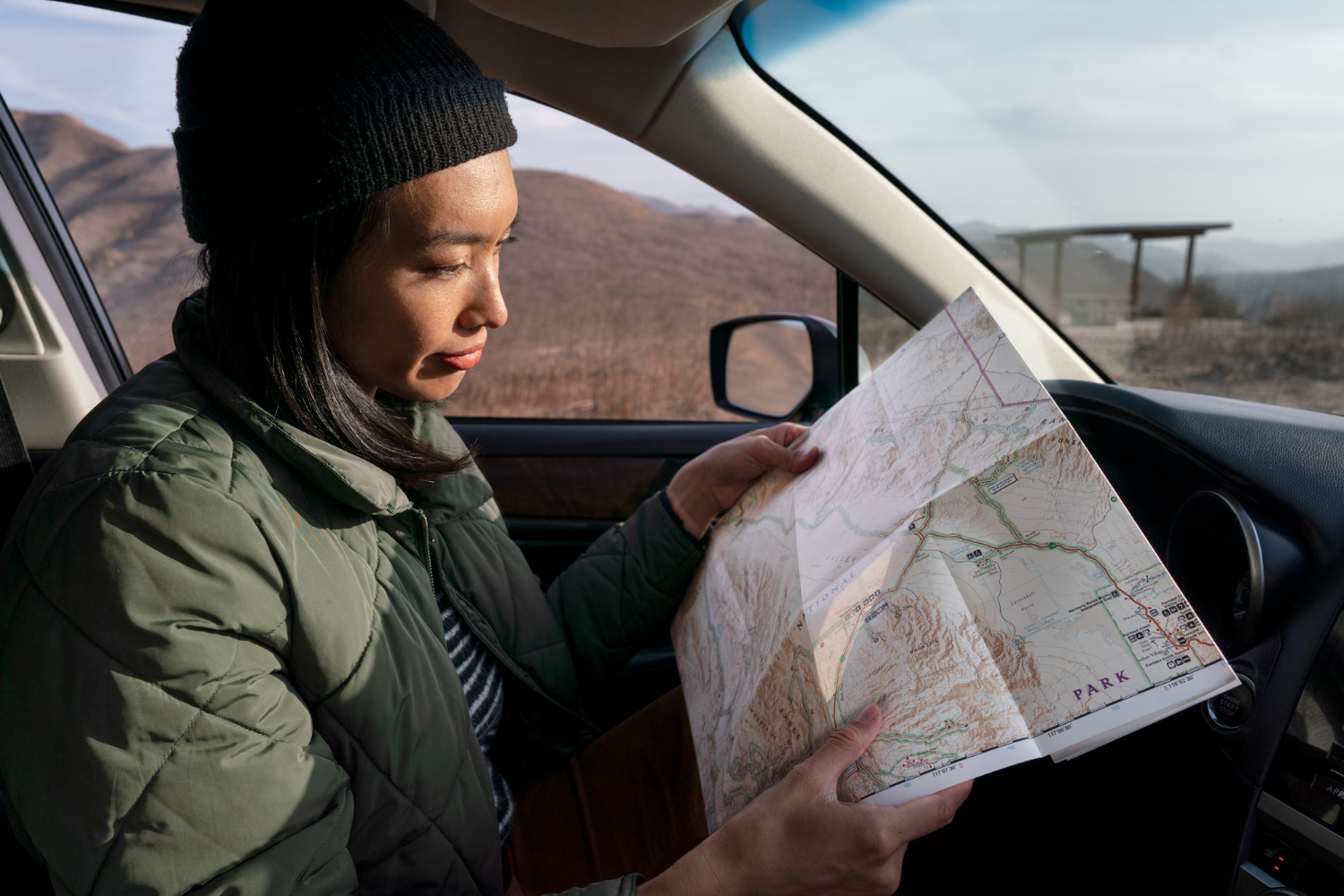
A paper map still earns its keep when a phone loses power, a rental-car screen freezes, or a mountain highway loses signal. Seeing the whole area at once makes detours easier, and written notes prevent a wrong exit from becoming an hour-long loop.
The slowdown is real. Street names take time, one-way grids punish guesswork, and signage assumes GPS. The best approach is old-fashioned: circle lodging, fuel, and transit hubs, then jot key turns on a card. In unfamiliar cities, a simple landmark note beats a blurry screenshot when stress is high. Hotel staff can mark routes in pen in under a minute, and that ink does not crash. It works in rain.
Use Visitor Centers for Local Intel
Visitor centers and tourism offices still provide the kind of real-time detail algorithms miss, like trail closures, ferry delays, wildfire smoke, and which scenic road is worth the extra miles when weather turns. They also hand out maps that show restrooms, pullouts, and safer routes for winter driving.
The tradeoff is time. Hours can be limited, counters get busy, and some small offices close midweek. A short stop can still save a whole afternoon, because staff know what is crowded, what is calm, and what is quietly closed. Many also share local etiquette tips, which helps a visit feel respectful, not rushed. That guidance is hard to fake.
Book Through a Travel Agent for Complex Trips

A travel agent can still be the calm center of a complicated trip, especially with multi-city flights, cruises with transfers or family plans where one missed connection could ripple through the whole week. Agents also spot fee traps and can suggest routings that protect tight connections.
It is slower than clicking a bundle online. Quotes take back-and-forth, inventory changes mid-call, and suppliers respond on their own clock. The payoff shows up when something breaks: an agent can hold seats, rebook hotels, and explain options while the traveler keeps moving. That advocacy can be worth more than a discount. It is old help that works well.
Show Up Early and Ask for Standby or Rebooking

Arriving early and speaking to an agent can still open doors during flight chaos. Desks can see inventory that apps hide, offer standby on earlier flights, or reroute a traveler through a different hub before seats vanish. A calm request can also protect a connection when weather starts to stack delays.
It moves slower now because fewer counters are staffed and many airlines push help into kiosks and chat windows. Lines can take 45 minutes, and policies vary by carrier and fare type. The method works best with flexibility, a short explanation, and a willingness to accept an aisle seat or a later arrival. Being present beats refreshing today.
Rely on Guidebooks for Neighborhood-Level Planning

Guidebooks still excel at neighborhood-level planning because they explain why a block matters, how streets connect, and which sights cluster well on foot. Their maps help spot patterns, like museum corridors, market mornings, and easy loops that save transit time.
They are slower because details age. Hours change, ticket systems shift, and favorite cafés close without notice, so a quick call or door check is still needed. The smart use is as a framework: pick two anchors, note opening days, and let the rest stay flexible. That structure reduces decision fatigue when a phone screen starts to blur. Paper pages also work in bright sun all day.
Carry Cash, Small Bills, and a Backup Payment Plan

Cash still solves quiet problems in markets, small cafés, taxis, tips, and rural areas where card readers lose network. Small bills speed transactions and a separate stash can soften the moment a wallet is misplaced or a bank flags fraud. It is also handy when a tap-to-pay phone runs out of battery.
The slowdown comes from fees and limits. ATMs may cap withdrawals, exchange counters keep short hours, and some places now run card-only. Traveler’s checks still exist, but many businesses will not take them. A modern update is splitting cash across two spots and knowing the nearest ATM before it becomes urgent. That simple prep keeps nerves low.