Island life depends on routines that feel permanent: boats on a timetable, schools in the same buildings, graves tended on the same ridge. When disaster breaks that rhythm, evacuation can begin as a temporary safety step and quietly harden into policy, health guidance, or an irreversible reality. Some islands were emptied by eruptions that reshaped coastlines overnight. Others were set aside after contamination tied to testing or industrial use lingered far longer than expected. What remains are places marked on maps but missing daily life, where return became impractical rather than impossible.
Bikini Atoll, Marshall Islands
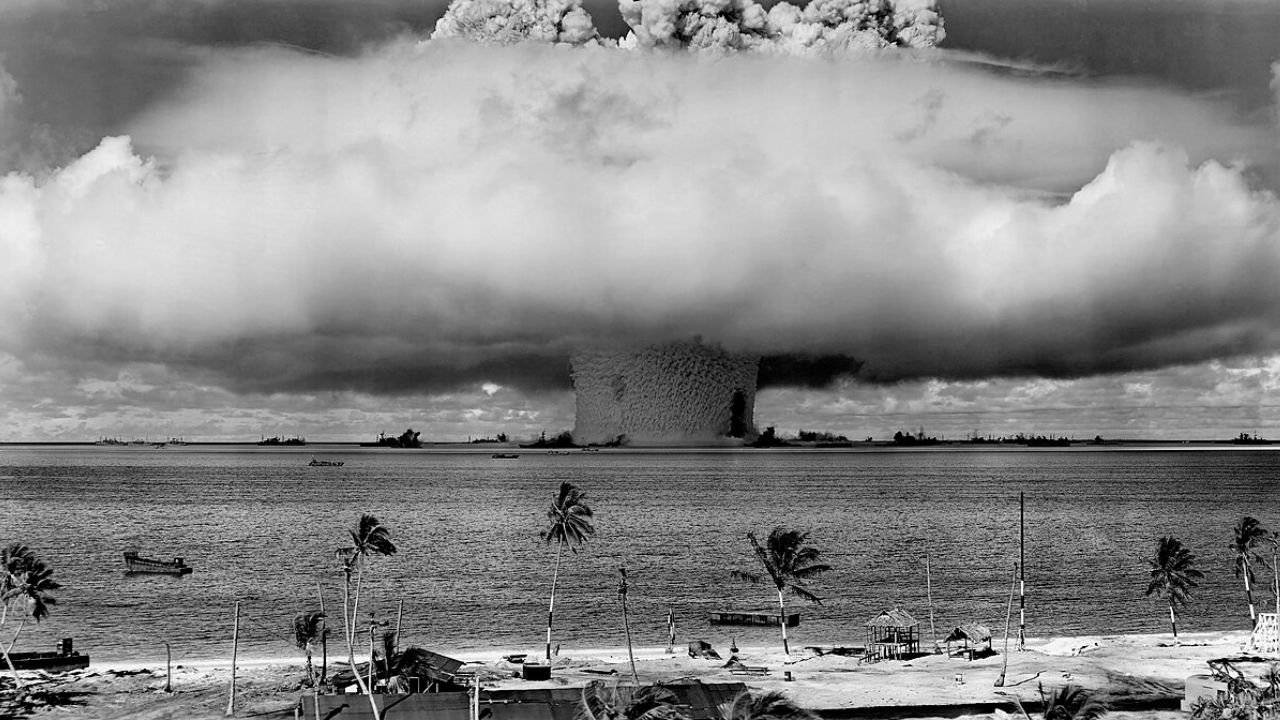
In 1946, Bikini’s community was relocated so nuclear tests could proceed, with officials framing it as a short absence and promising a safe return. A limited resettlement in the early 1970s collapsed when monitoring showed residents taking in unsafe radiation through local foods like coconut and breadfruit, triggering another evacuation in Sept. 1978. Today the lagoon draws divers and caretakers rather than families rebuilding schools, gardens, and church life, and the lesson stays blunt: on a small atoll, land, diet, and health are one system, so displacement can quietly extend for generations.
Rongelap Atoll, Marshall Islands
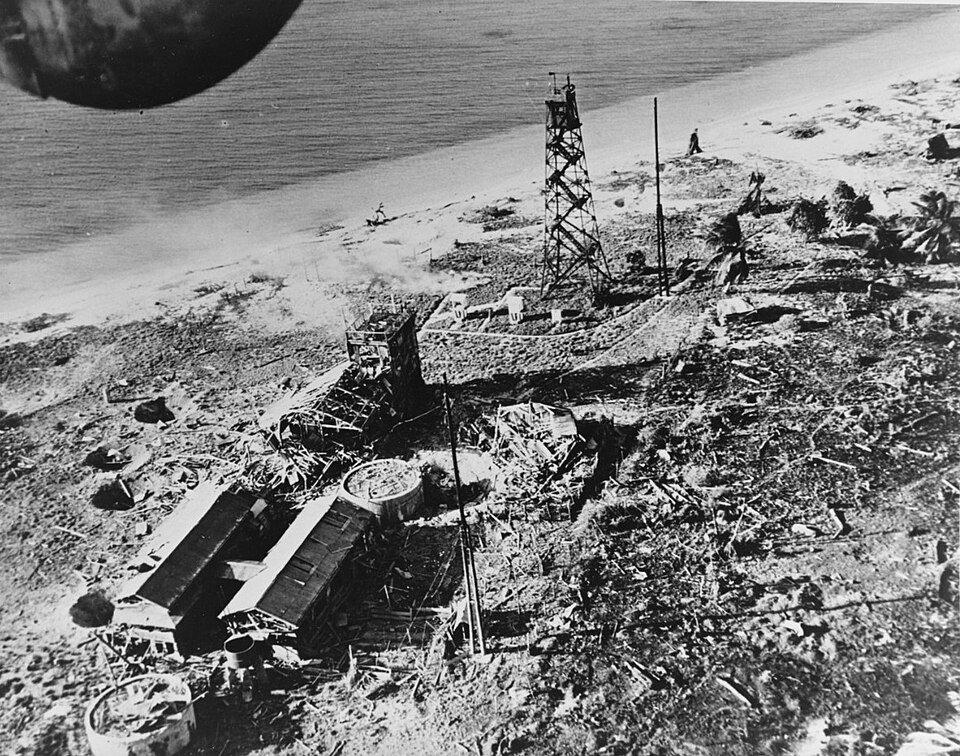
Rongelap’s rupture came from fallout exposure that turned an ordinary lagoon into a long medical question, followed by years of mixed messages about safety. In 1985, the community chose to leave together, relocating rather than waiting for another round of measurements to settle the fear, and many never returned to rebuild schools, gardens, and clinics. The atoll still looks almost intact, with palms, foundations, and clearings that seem ready for routine, yet its emptiness shows how uncertainty can evacuate a place as effectively as a sudden event, because trust is part of infrastructure, too.
Runit Island, Marshall Islands
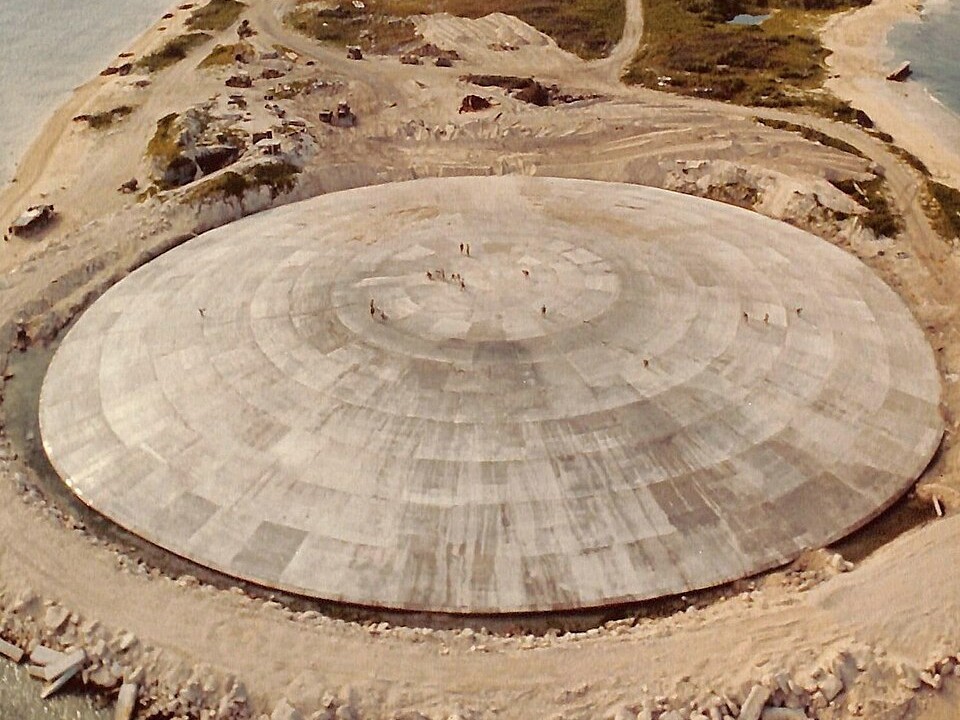
Runit’s disaster is stored rather than repaired. A blast crater was filled with contaminated soil and debris gathered from across Enewetak and sealed under a concrete cap, turning the island into a containment site instead of a neighborhood. Nearby islands support a resident community, but Runit itself has no civilian life, and attention stays on monitoring, weathering, and what stronger storms and rising seas mean for the cap’s integrity. It is a place where the absence of homes is intentional, and where the future is written in inspection schedules, not in birthdays, harvests, or new construction.
Johnston Atoll, U.S. Pacific
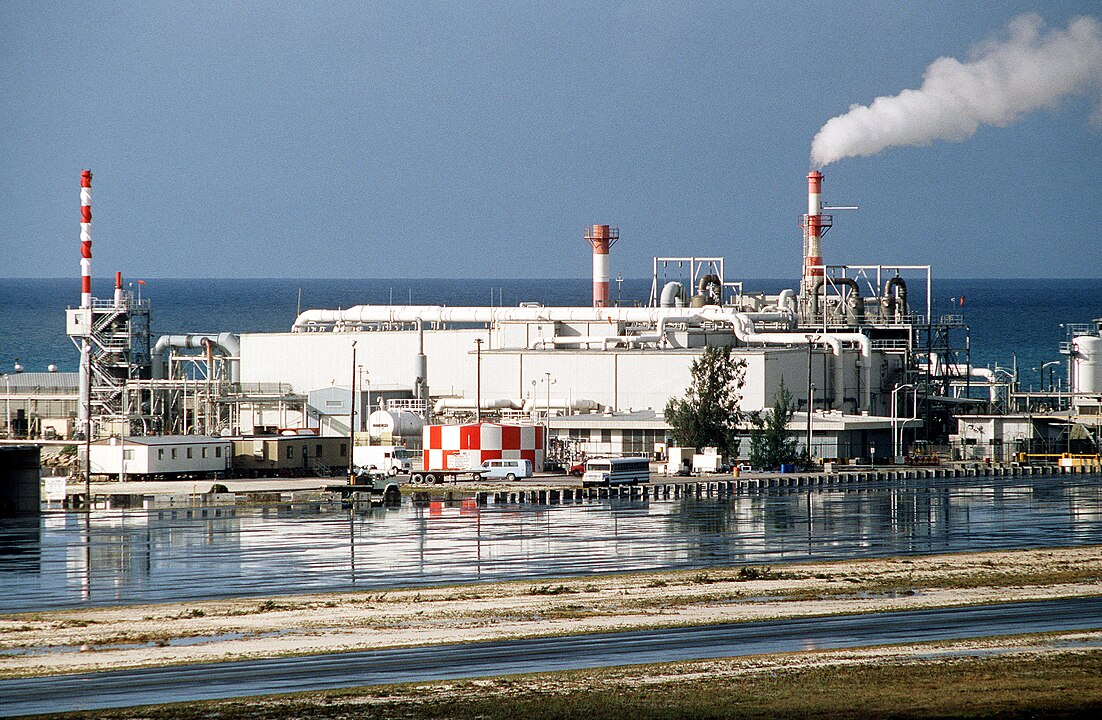
Johnston Atoll’s isolation made it useful for military programs that most communities would never accept nearby, including testing and the handling of hazardous materials. Cleanup work eventually reduced immediate risks, but the atoll did not return to open civilian life; access remains restricted, and management priorities focus on controlled entry and wildlife protection rather than resettlement. The runway reads like a reminder of what it once supported, yet it now functions more like a gate than an invitation, showing how policy can keep a place empty long after the busiest era has ended for good.
Moruroa, French Polynesia
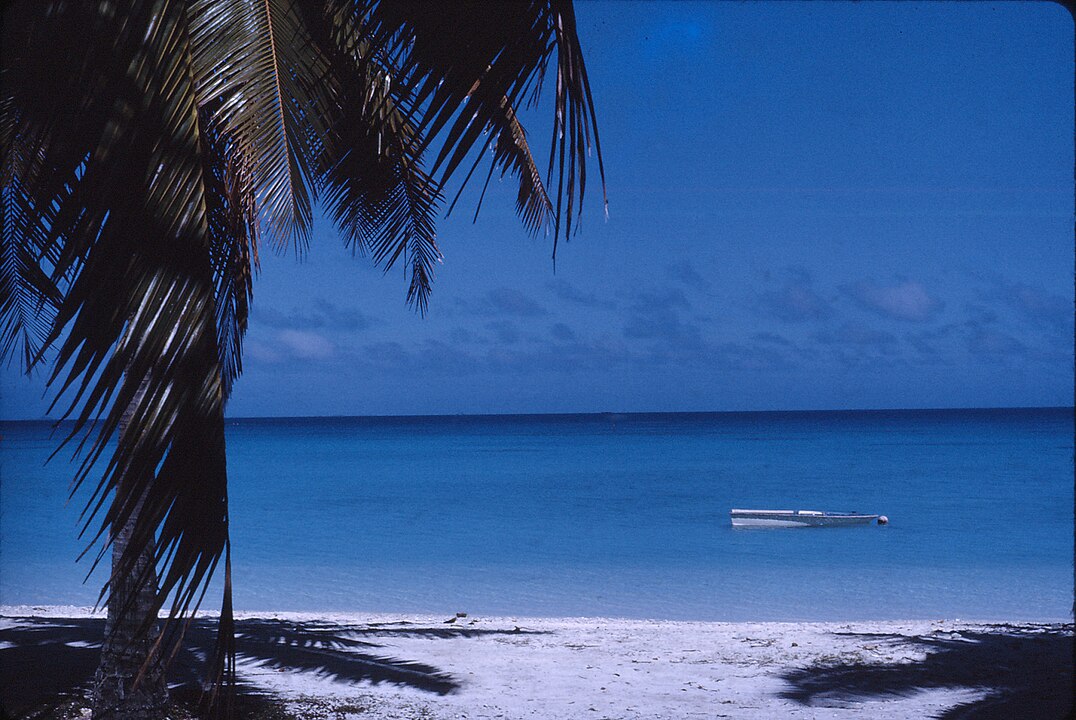
Moruroa was pulled out of ordinary island life when nuclear testing began in the 1960s and continued into the 1990s, leaving the atoll defined by restriction rather than community. Even after testing stopped, access stayed tightly controlled and shaped by monitoring and long-running debate about lasting environmental effects, so the atoll never shifted into normal settlement patterns. It is not a village abandoned in a single night, but the result feels similar: logistics and measurement replaced schools and markets, and a place of coral and lagoon became a managed coordinate on the edge of public access.
Fangataufa, French Polynesia
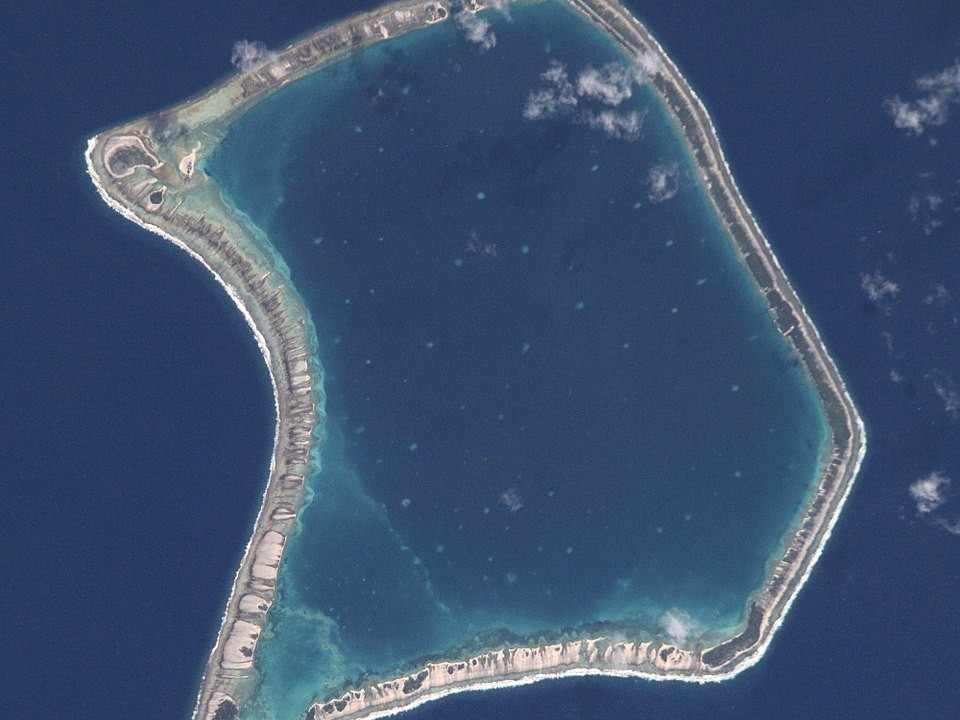
Fangataufa’s modern identity is permanent exclusion. After underground testing, it remained uninhabited and tightly regulated, sometimes described in the same breath as a restricted military zone and a protected natural area. That combination explains the silence: preservation exists, but it is preservation without village life, where entry requires authorization and routine flights, if any, serve monitoring rather than neighbors. On maps it looks like any other Pacific atoll, yet the reality is a shoreline defined by oversight, not welcome, and by the idea that keeping it empty is the safest form of normal.
Montserrat’s Southern Exclusion Zone
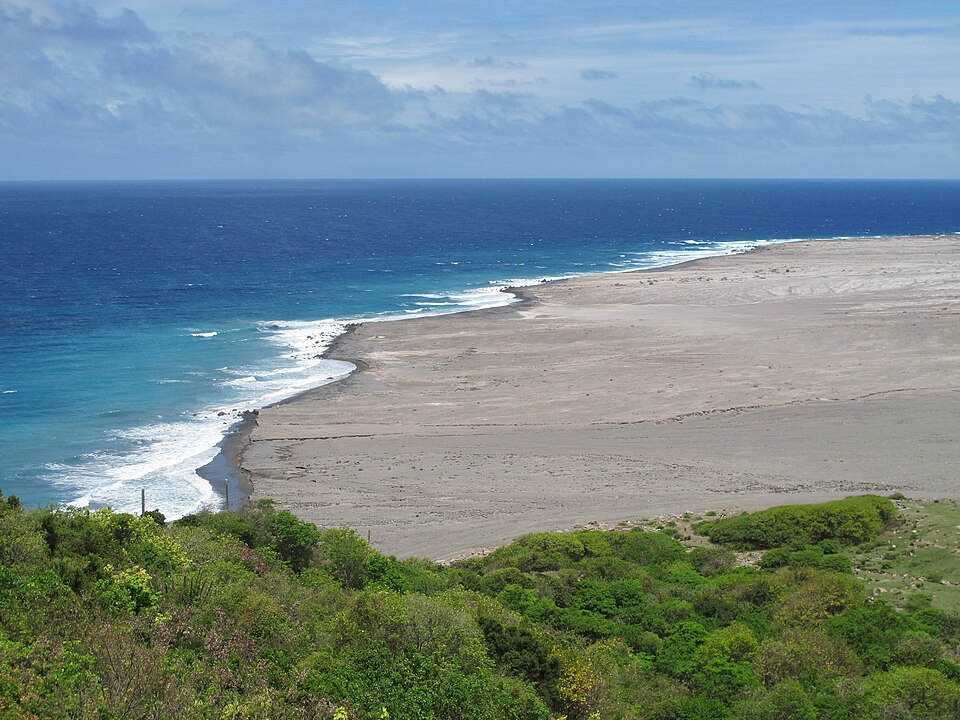
When Soufrière Hills awakened in 1995, Montserrat’s life split in two: the north held on, while the south became an exclusion zone as eruptions, ashfall, and mudflows made large areas unsafe. Plymouth, the capital, was evacuated and later buried, government functions shifted north, and many residents relocated abroad, turning the island into a diaspora with a shared point of origin. From offshore, empty streets and rooflines still read clearly in daylight, but the boundary is real and enforced, showing how an island can keep living while its historic center becomes a closed chapter for the long term.
Malden Island, Kiribati
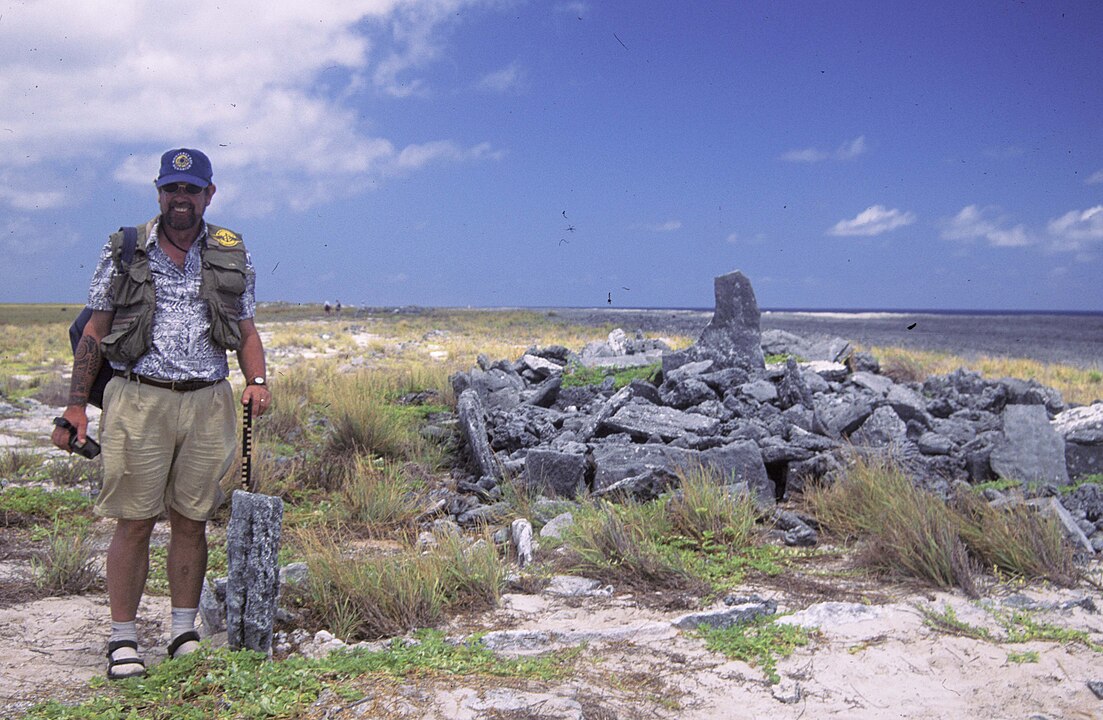
Malden Island’s story is unusual because evacuation was never needed; its emptiness made it attractive for risky work, and that role helped ensure it stayed empty afterward. In 1957, it was used in British nuclear test operations, with aircraft, crews, and safety zones organized around distance, turning the island into a coordinate rather than a community. Malden shows a quiet logic that still shapes remote places: when planners pick an uninhabited shore, absence becomes part of the safety plan, and the future stays defined by records, warnings, and long memory instead of schools, gardens, and ordinary growth.
Montebello Islands, Western Australia
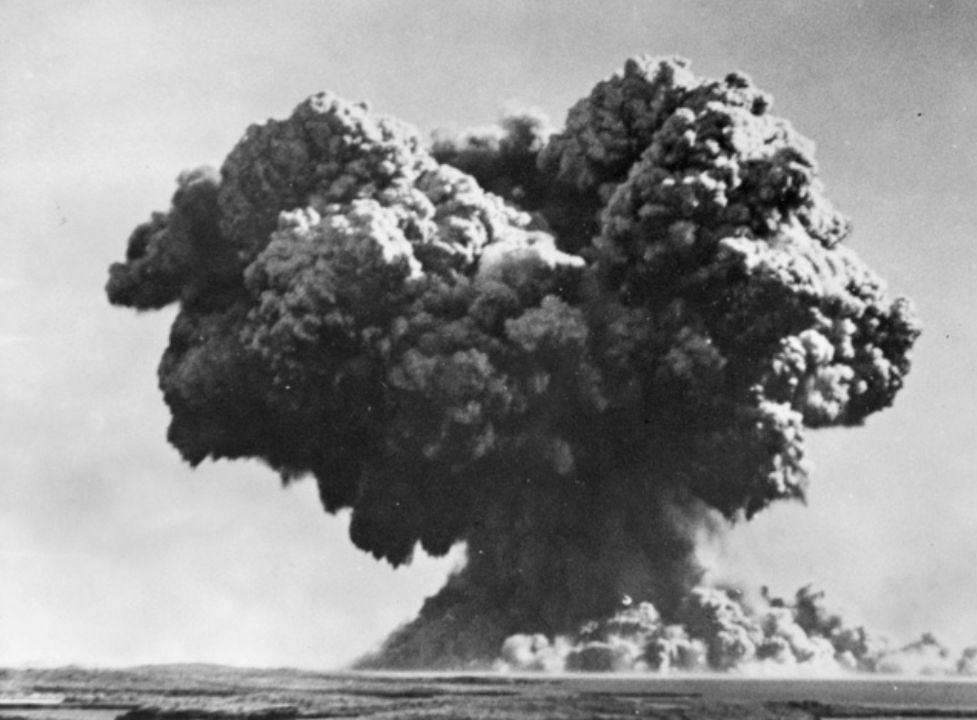
The Montebello Islands off Western Australia hosted nuclear tests in the 1950s, and the archipelago has carried the aftereffects in policy and public caution ever since. Over time the area became a protected marine park, wildlife returned, and limited visitation became possible, but guidance has continued to discourage lingering at certain sites or collecting debris that could carry contamination. The islands sit in a middle state: beautiful, open in parts, yet never fully ordinary, where recreation shares the coastline with restraint and where the sea keeps evidence longer than most headlines do.
Gruinard Island, Scotland
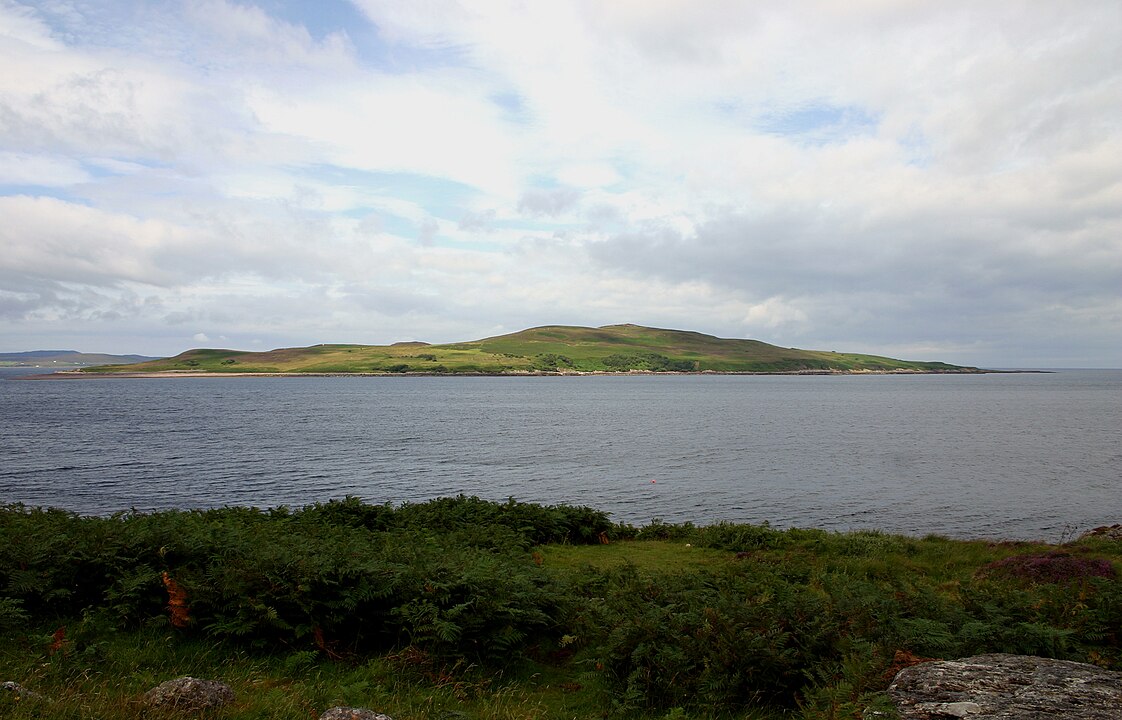
Gruinard Island was quarantined for decades after wartime biological research trials left the land unsafe, turning a small Scottish island into a warning sign visible from the mainland and avoided by fishermen. Decontamination work in the late 1980s led to official clearance in 1990, yet no resident community returned, and the name kept its uneasy reputation in local memory. Gruinard shows how evacuation can persist culturally even after legal barriers drop away: clearance does not rebuild trust on its own, and some places remain uninhabited because people remember the risk long after the measurements improve.