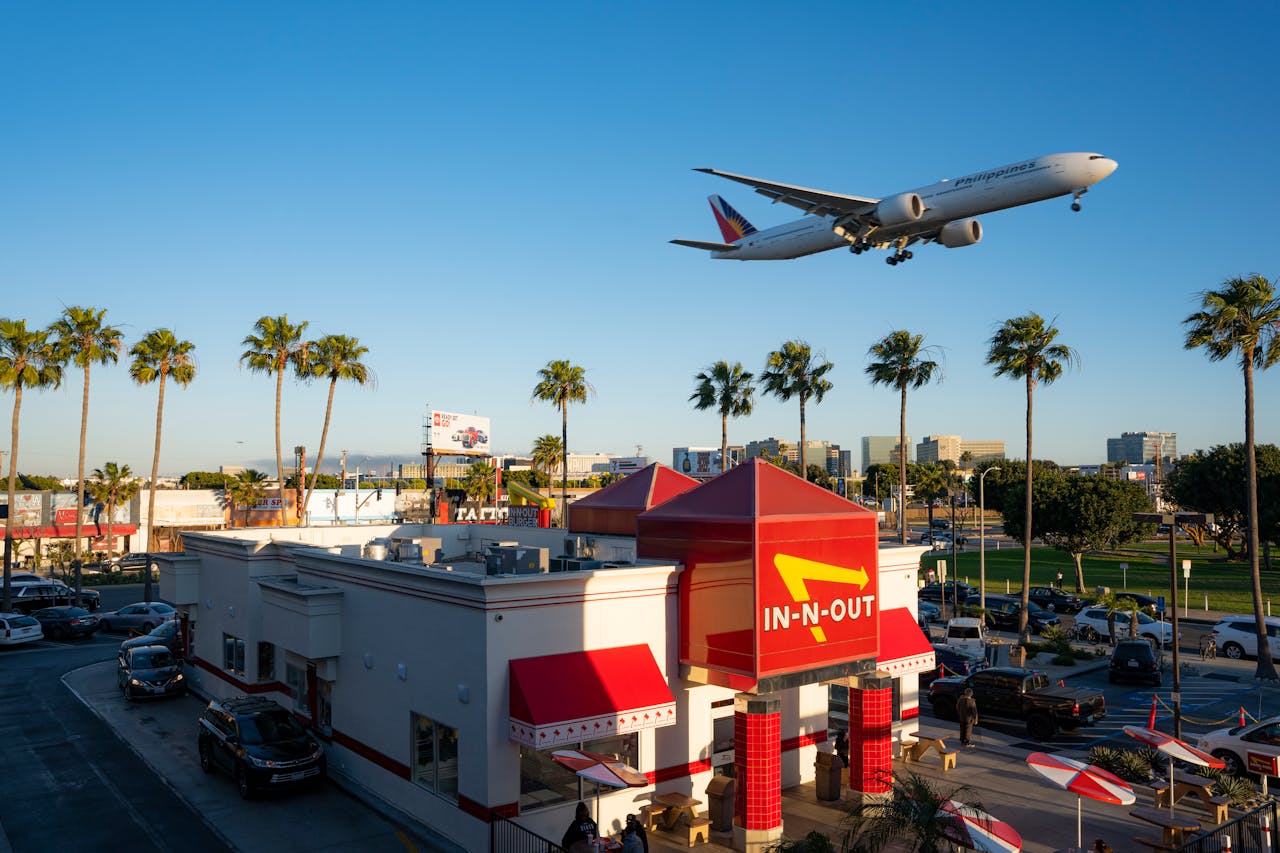
A drive-in at dusk once felt like a small-town stage, lit by neon and headlights and carried on warm air. Families rolled in after ball games, teens compared playlists, and shift workers treated a parked car like a private booth. Carhops moved between bumpers with practiced balance, remembering who wanted extra napkins and who liked a shake thick enough to stand a straw. Speakers crackled, engines idled, and the menu read like comfort in a paper sack. It was never only the food. It was a pause before the night ended, easy laughter through open windows, and the feeling that an ordinary order could turn into an occasion. Even the parking lot had its own gentle rules and small rituals.
The Roller-Skate Choreography
Carhops on skates turned service into choreography, weaving between bumpers with trays held level, coins counted fast, and paper tickets pinched in one hand while headlights swept the rows. Wheels clicked on concrete, knees stayed loose for balance, and even a sudden stop landed clean under neon while radios murmured, grills hissed, and milkshakes sweated in the heat. Behind the charm was real craft: cracked asphalt, side mirrors at odd angles, sudden car doors, wind that grabbed napkins, spot numbers memorized, and the steady pride of delivering fries, burgers, and floats without a wobble even when the line backed up after games.
Ordering Through a Crackling Speaker
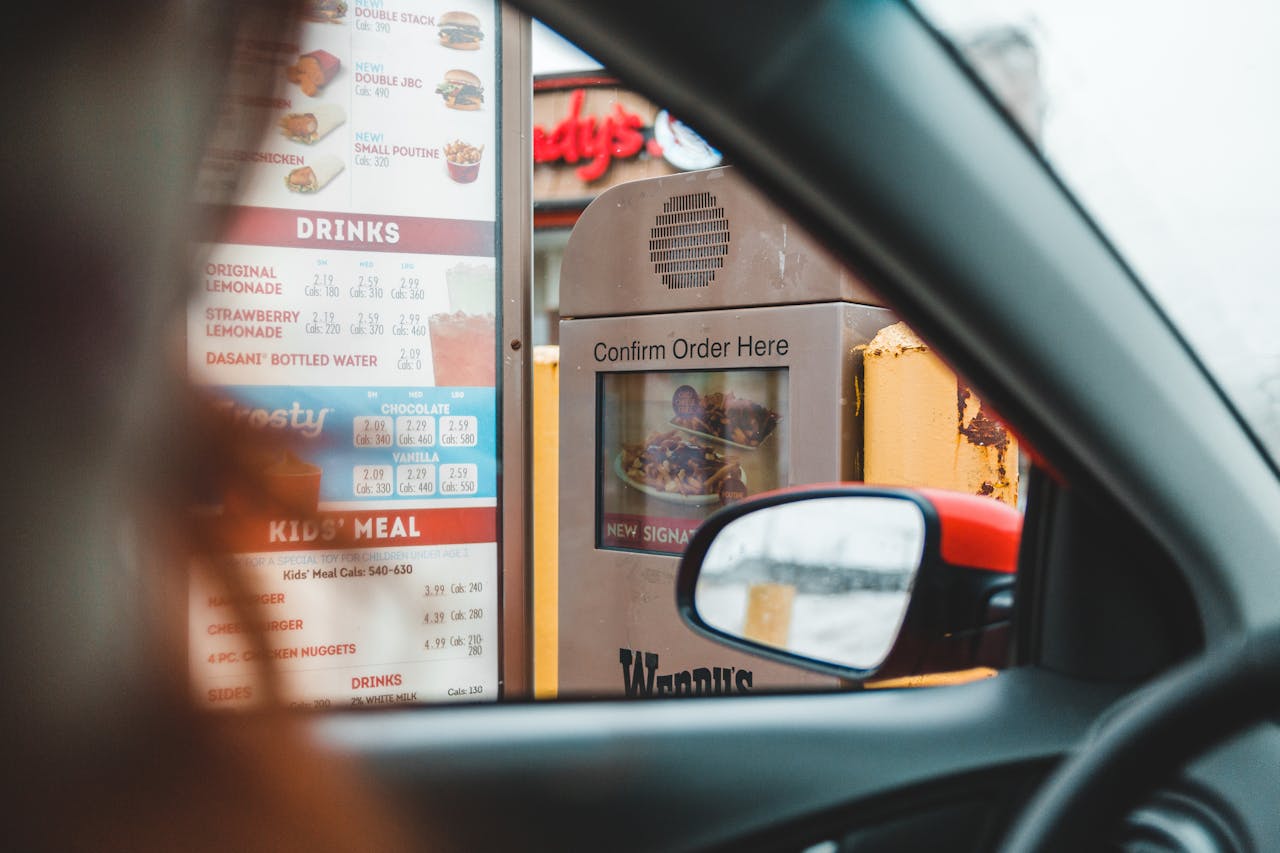
Before touchscreens, a metal speaker box did the introductions, and the first hello traveled through static that made every voice sound a little mysterious, like late-night radio. The pause after the button click mattered, as if the parking spot itself was listening, while engines idled, wipers squeaked, menu lights glowed, and kids rehearsed the order in whispers. Carhops learned to decode half-heard requests, confirm the extras, repeat the total, and end with a friendly ok that felt personal, not scripted, even when a Friday rush kept the microphone busy and the final click meant help was already on the way. To spot 12, no fuss.
Food Served on a Window Tray
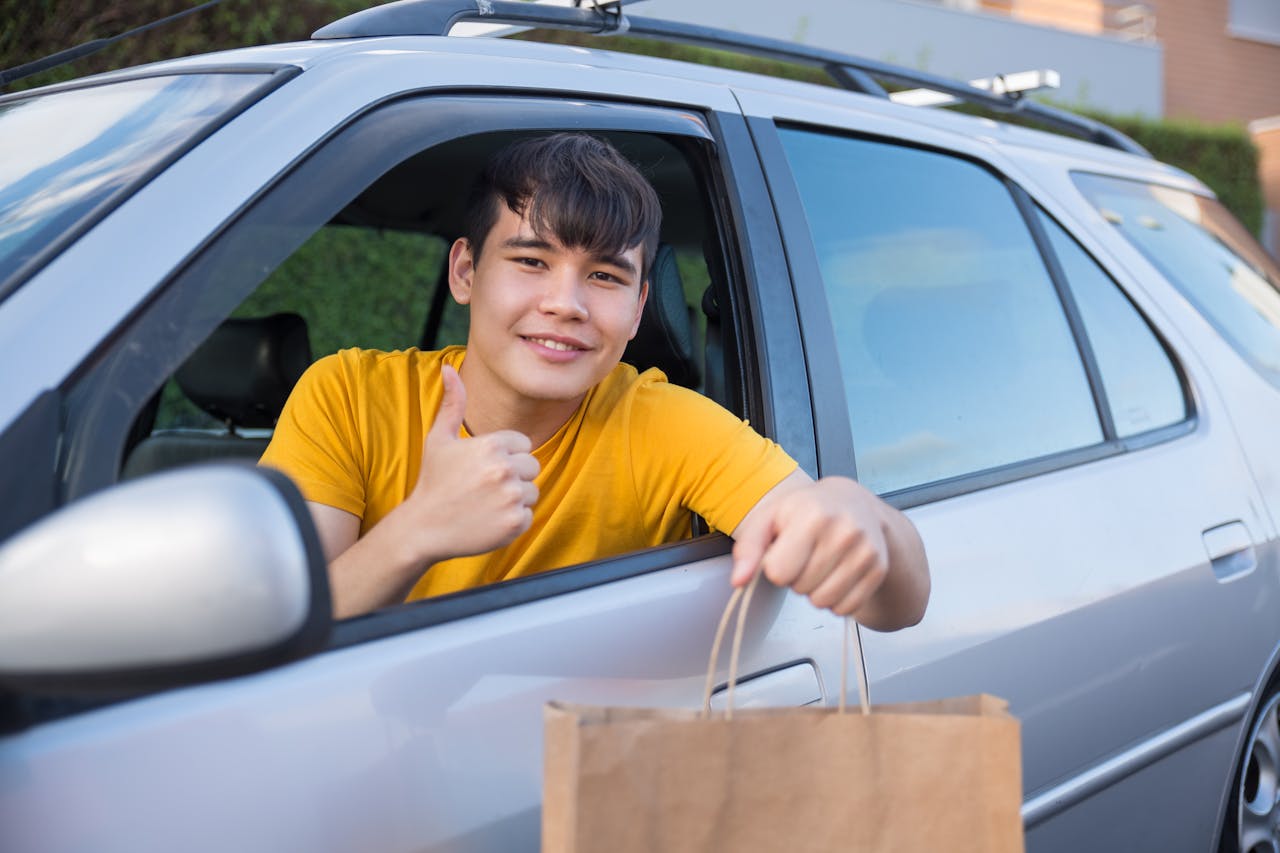
A clipped-on window tray made a parked car feel like a booth with its own table, and the arrival of food came with a practiced little ceremony at the glass. Carhops hooked the tray to the window seam, steadied it with a thumb, and set down paper sacks, fries, and frosty cups that left clean rings of condensation on metal and vinyl. With the tray in place, the door edge became a home for ketchup cups, receipts, and the shared onion ring, turning the lot into a place to linger, people-watch, and stay put until the radio finished the good part even as headlights came and went and the night cooled. Wrappers rustled in the dark. Too.
Neon That Made Night Feel Special
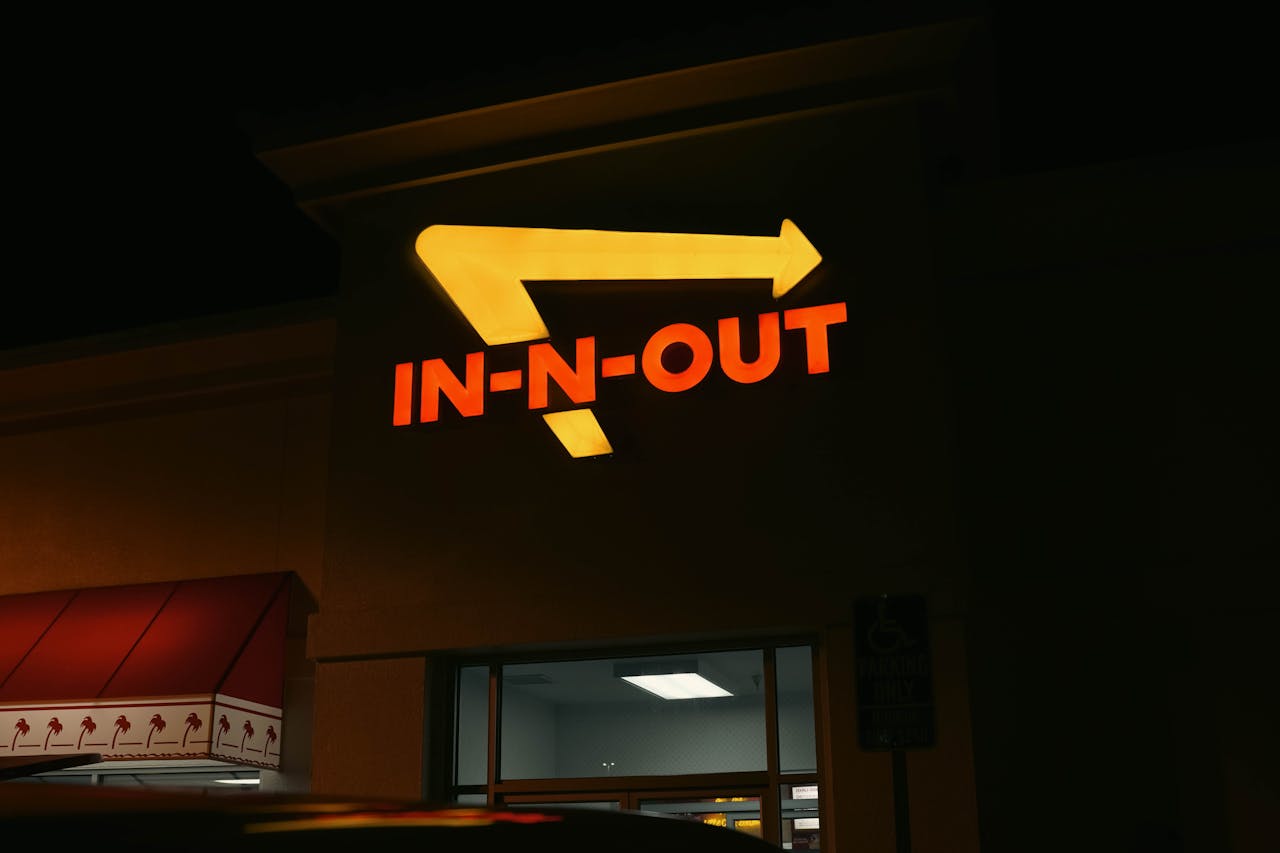
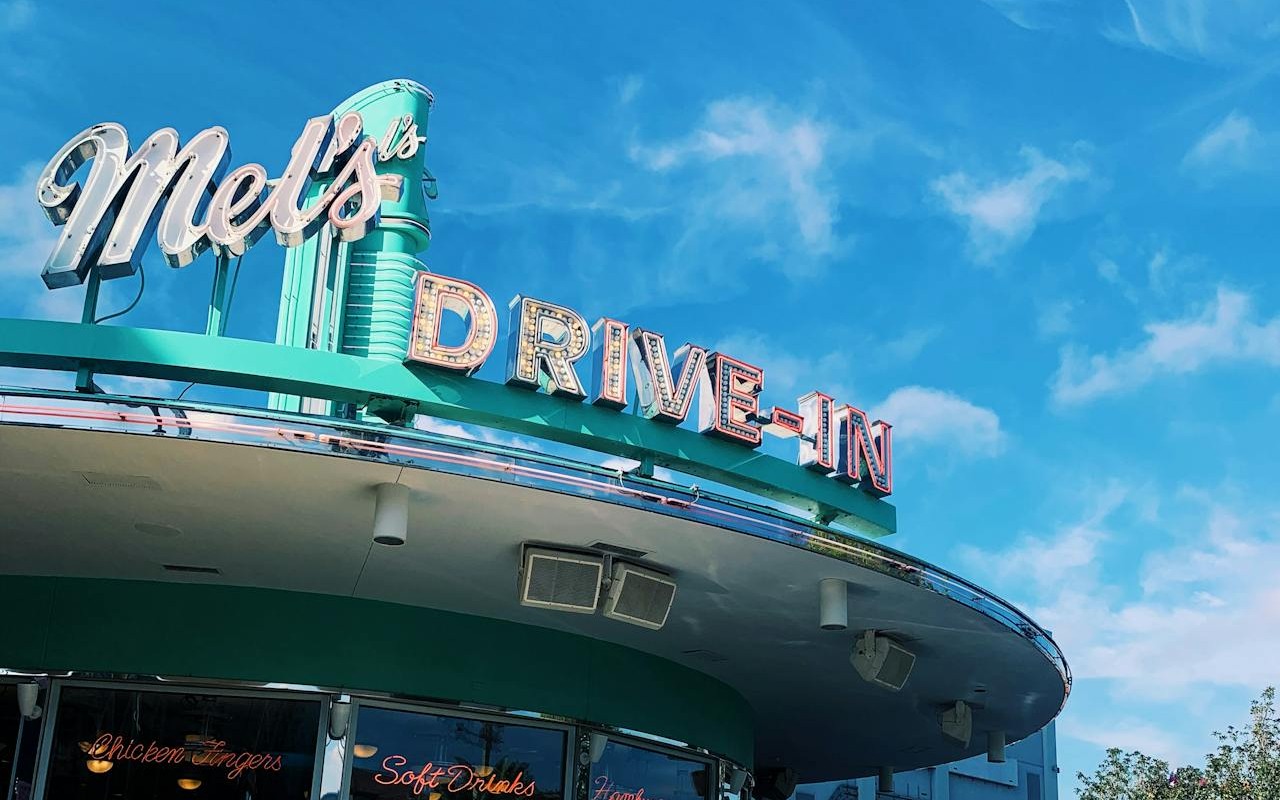
Drive-ins knew how to light a night, using neon that softened asphalt, bounced off chrome, and made even an ordinary sedan look briefly cinematic in its own windshield. Canopy bulbs drew halos over each row, moths circled the menu glow, and the steady buzz of the sign felt like a promise that the easy part of the day had begun, whether it followed practice, a shift, or a long drive. On humid evenings or after quick rain, the colors stretched into puddle reflections, and that gentle blur stayed vivid in memory long after the last cup was tossed, the windows rolled up, and the taillights thinned into dark. Like a photo that stuck.
Carhops Who Remembered Regulars
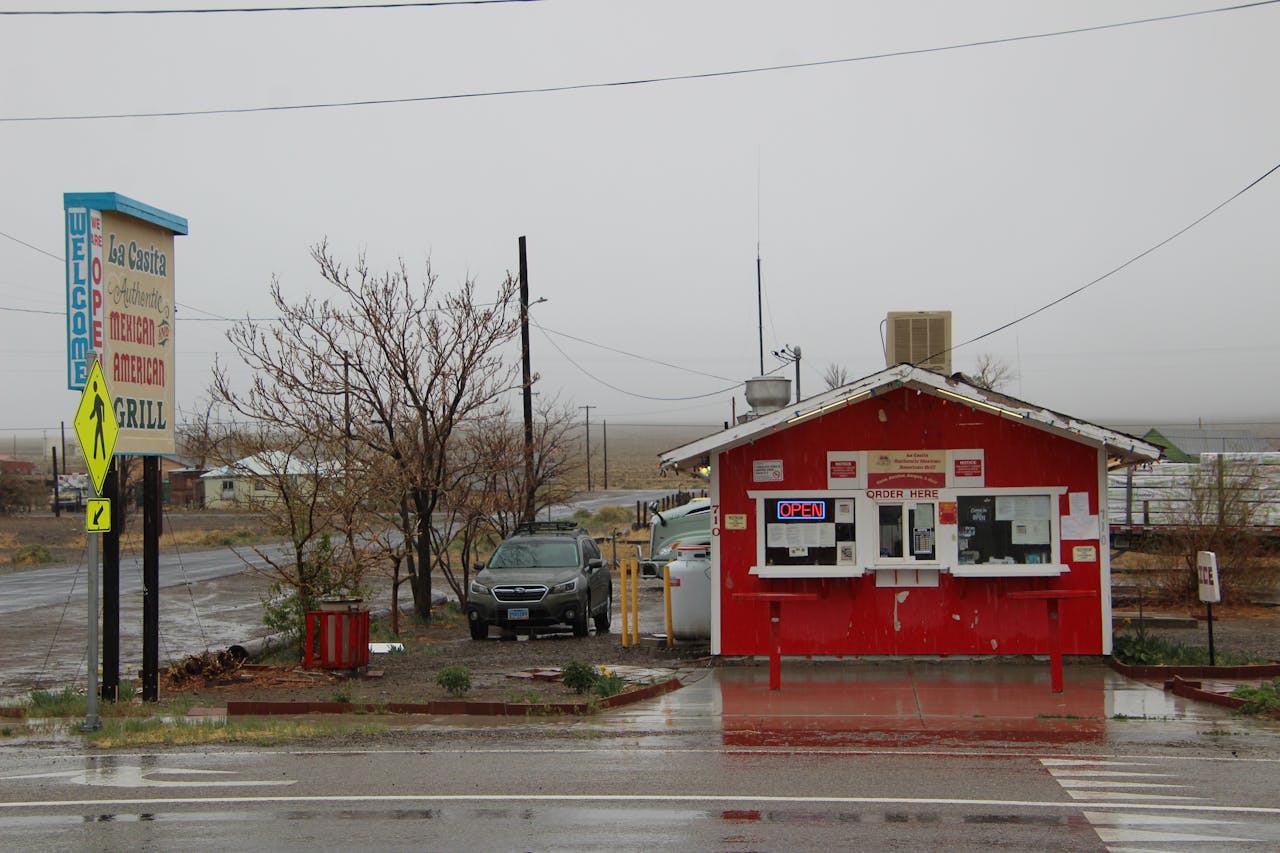
The best carhops offered recognition in small, exact ways: fries salted light, the extra cherry on a shake, or a stack of napkins tucked in as if it was a favor. They remembered faces, cars, and routines, spotting the late-shift regular by the uniform sleeve, the family by the backseat chatter, and the teen date by the nervous pause at the speaker. Tickets came back with neat handwriting, change returned without fuss, and a simple hey felt sincere, turning a quick stop into a familiar ritual, even when every stall was full and the kitchen bell would not quit and rain made the lot shine like glass, all thanks and tips. At once, too.
Parking-Lot Community Without Small Talk
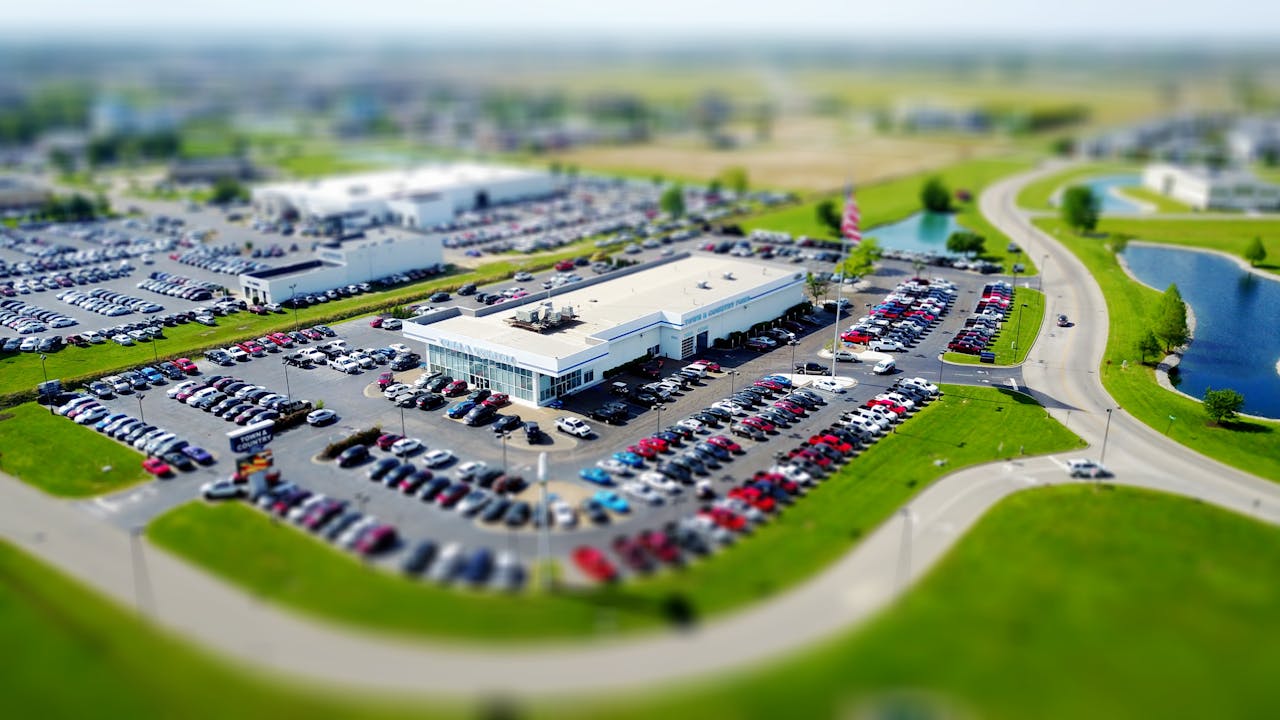
Cars parked close enough for shared laughter, yet far enough for privacy, and that balance created a kind of community without obligations or forced conversation. Kids waved across rows, teens compared stereo choices, and older couples watched arrivals like calm theater while fries perfumed the air and headlights swept the pavement like stage lights. A nod replaced small talk, ketchup was shared without asking for names, someone always had jumper cables, and the unspoken etiquette held: keep music reasonable, tip the carhop, and let the night stay easy even after games, even when cold air pushed windows up at closing. No drama ever.
The Joy of Eating in the Car
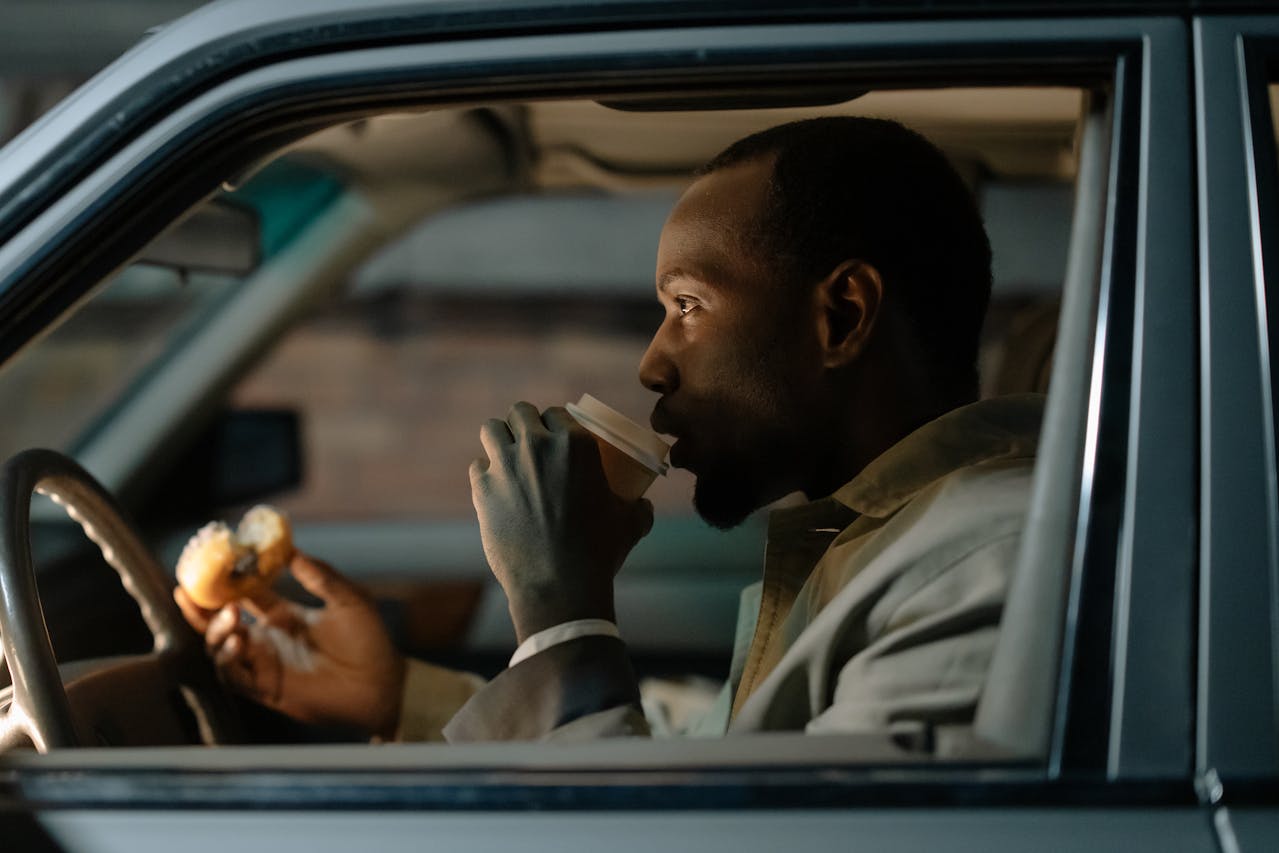
Eating in the car came with permission to relax, because table manners mattered less than comfort, music, and a warm bag balanced on a lap like a trusted tray. The steering wheel became a plate, the dashboard held change and mints, and the dome light snapped on for ketchup while windows stayed down in summer and the heater fogged glass in winter. It felt like a private picnic that could stretch as long as conversation did, no server hovering and no bill dropped with a hint, just engine purr, fries between friends, and the odd sense that the parked car was the best seat in town until the last sip went flat and the wrappers cooled.
A Menu Built for Sharing
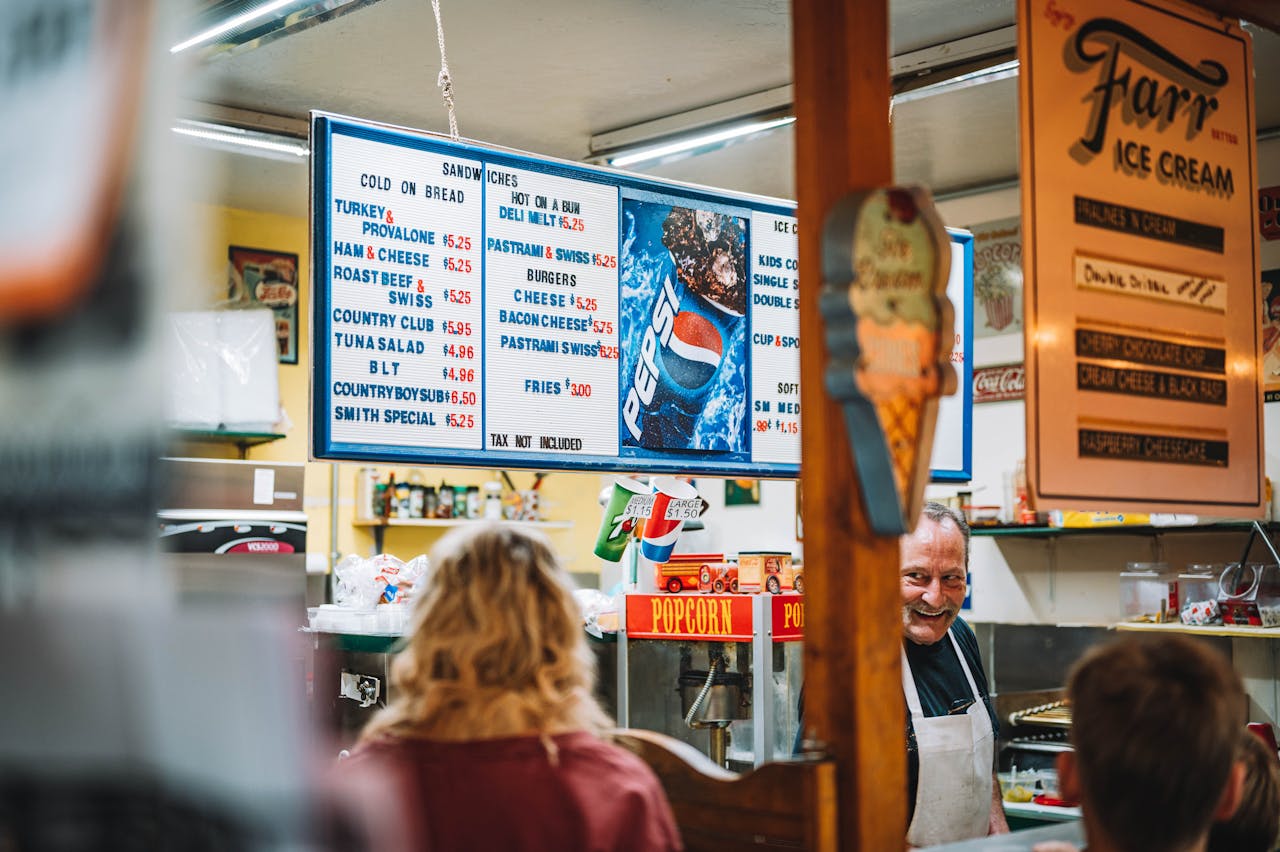
Drive-in menus were built for sharing, with tots, rings, and shakes that arrived ready for two straws, plus burgers wrapped to travel without collapsing in a lap. Orders came in clusters because someone always wanted a bite, a sip, or the last fry, and nobody pretended to be above it when the paper bag rustled open and ketchup cups appeared like little red lanterns. Shared food turned the car into a table of trades and opinions, from who got the extra pickle to whether the chili was better tonight, stretching a simple order into something generous right down to the last cold sip of root beer. Plus the last crunchy onion ring. Too.
Summer Nights, Rainy Nights, Late Nights
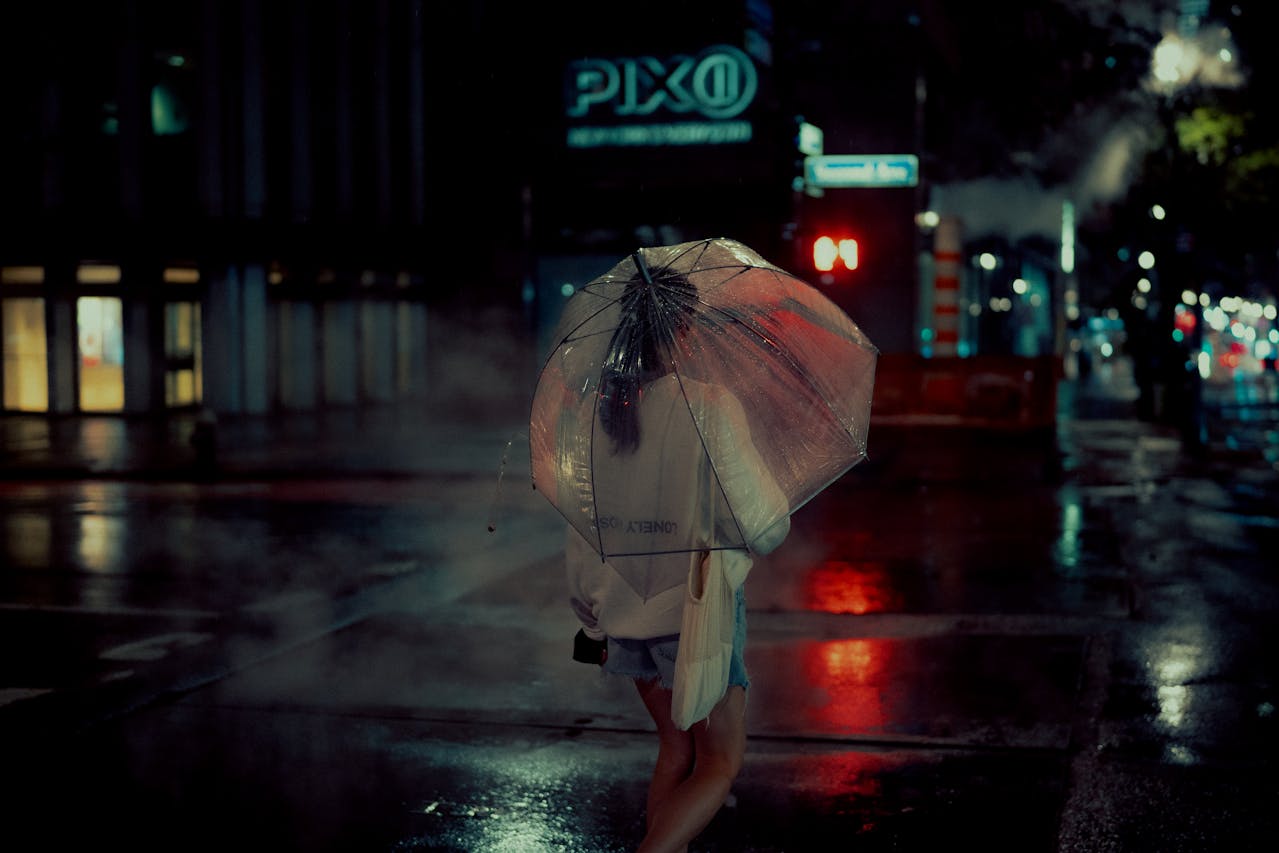
Weather shaped the ritual, from July heat that fogged cups and drew bugs to the lights, to sudden rain that drummed on roofs while hot bags stayed sheltered on the seat. After 9 p.m., the brightest bulbs made the lot feel safe, and carhops moved with calm confidence through puddles and headlights, jackets zipped, hair pinned back, taking orders like the storm was just background noise. Late hours held a gentle thrill, the sense that a hard day could still end with sweetness instead of silence, whether it was a cone melting fast, a heater running full blast, or a song that made everyone wait one more minute before turning the key.
A Little Bit of Americana on the Road
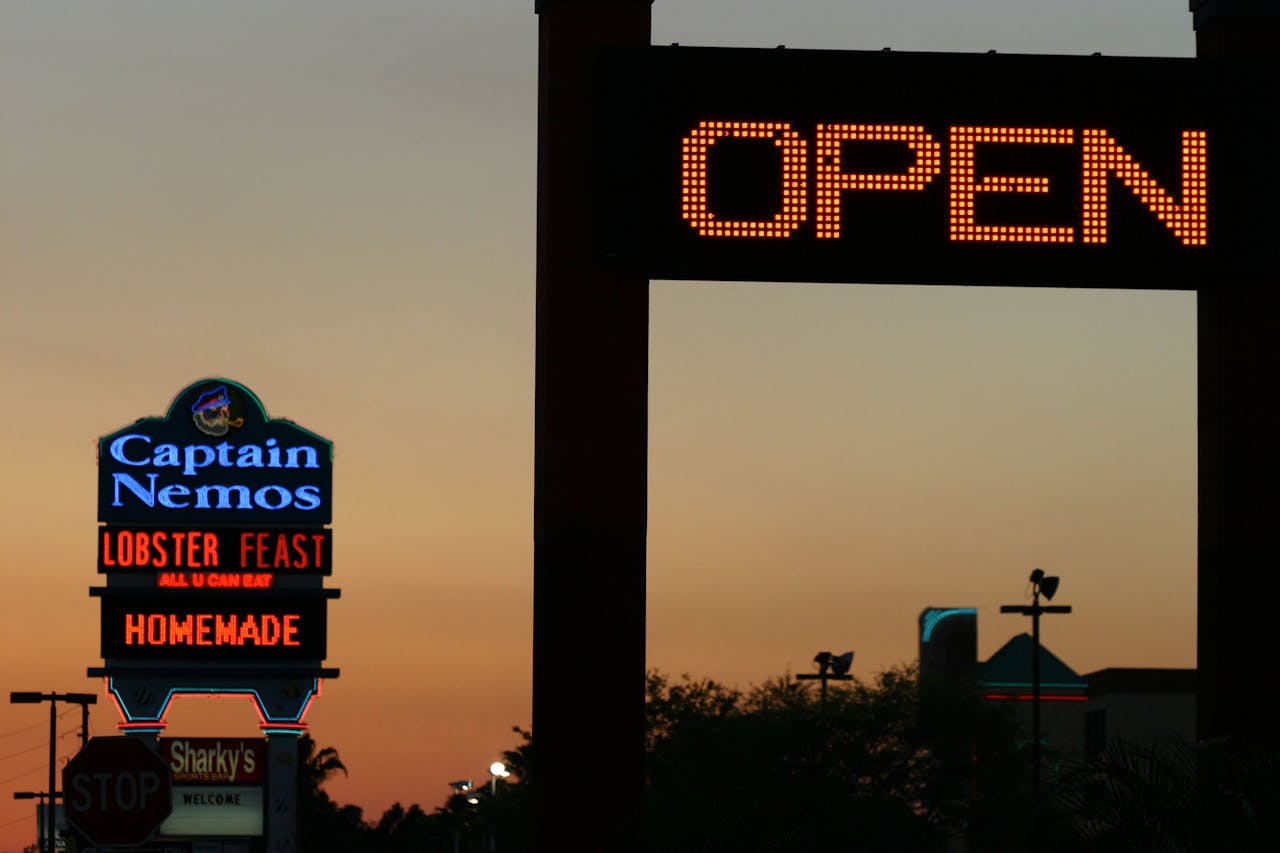
For travelers, a drive-in was a bright landmark, promising hot food and cold soda without unloading luggage, finding a booth, or waking a backseat full of kids. For locals, it became part of growing up, where first jobs, first dates, and small celebrations overlapped under the same glow, and the sign by the highway meant home was close, or at least familiar. That mix of motion and stillness stays tied to roads and radios, with maps on the dash, dust on the bumper, and a quick stop that somehow felt like a tradition, not just a meal, especially on long summer drives when the neon looked like mercy. After miles of dark road. Still.