
Some home problems look small at first: a flickering light, a slow drain, or a stain that grows after rain. DIY can feel satisfying, but certain repairs depend on training, permits, and tools that most households do not keep. Pros bring code knowledge, diagnostic habits, and accountability that holds up when something needs rechecking later. They also know how to protect finishes, document work, and spot related issues before they become expensive. When a fix touches hidden wiring, pressurized plumbing, structure, or the roofline, hiring help often keeps the home calmer.
Electrical Panel And Breaker Work
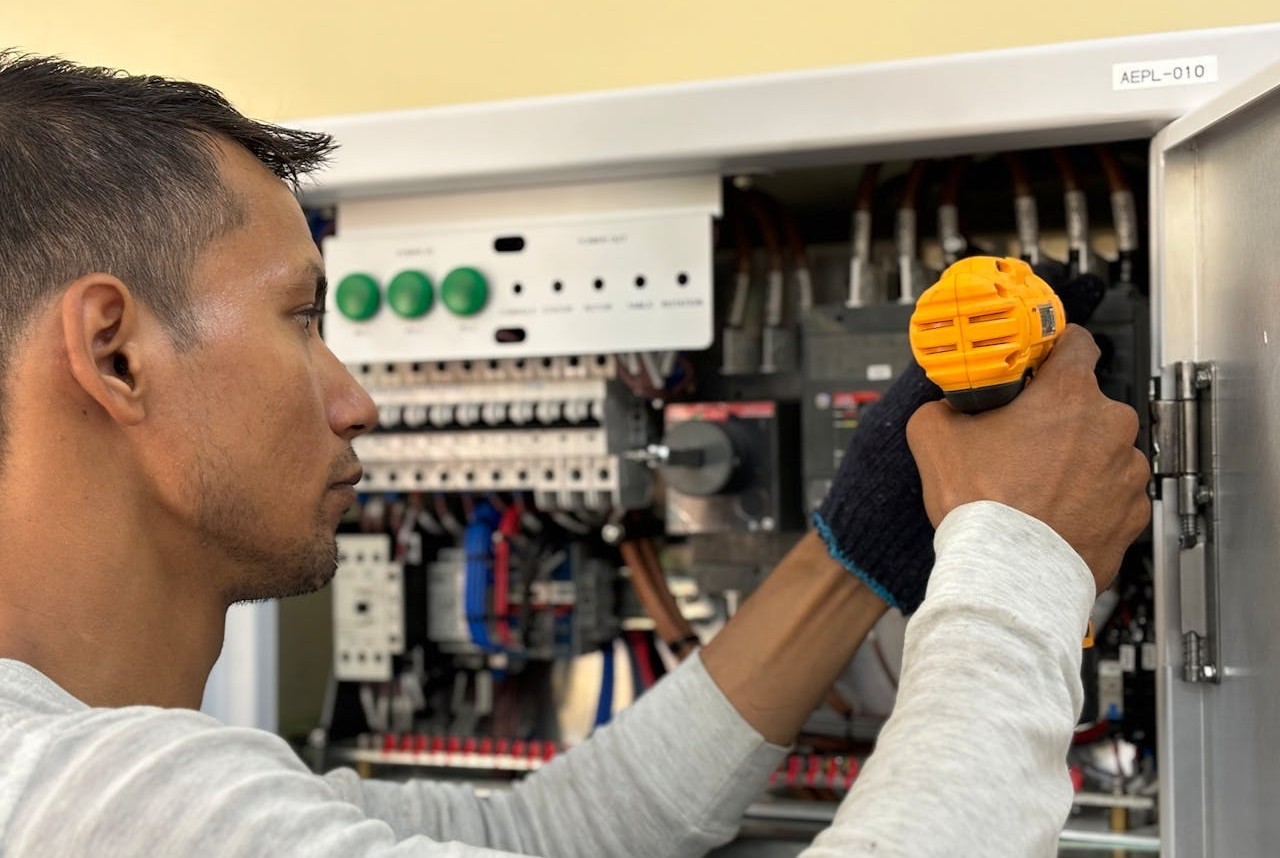
Electrical panel work is less about swapping a breaker and more about tracing the real cause behind trips, heat, or flicker. An electrician can test loads during peak use, check for loose neutrals, confirm bonding and grounding, torque lugs to spec, and spot corrosion on bus bars or water staining before it turns into a pattern of odd problems. They can also verify GFCI and AFCI placement, balance circuits so kitchens and HVAC do not fight each other, and leave clear labeling and permit notes that keep future upgrades simple, without mystery resets on stormy nights or busy weekends at home. Too.
Gas Line Repairs And Appliance Hookups
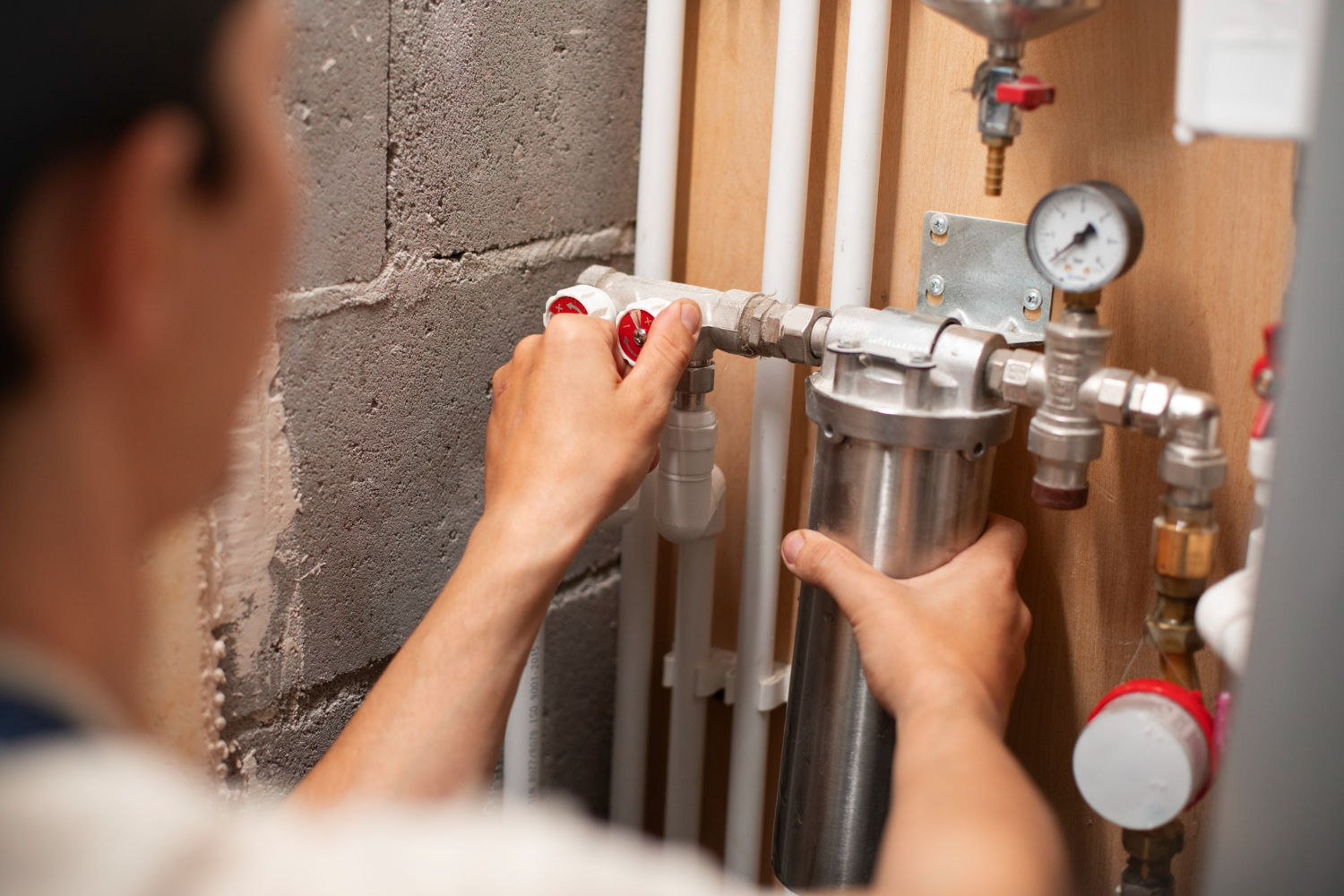
Gas work looks simple until a fitting is slightly off, a vent is undersized, or an appliance is not matched to the right regulator and connector. A licensed tech can pressure-test the line, use approved leak-detection methods, confirm shutoff placement, and verify venting and draft so equipment runs cleanly and predictably in real day-to-day use. They can also check manifold pressure, confirm the right flexible connector and sediment trap where required, document the setup for permits and warranties, and tune burners for steady performance through cold snaps and busy cooking nights. No guesswork.
Main Water Line And Shutoff Valve Replacement
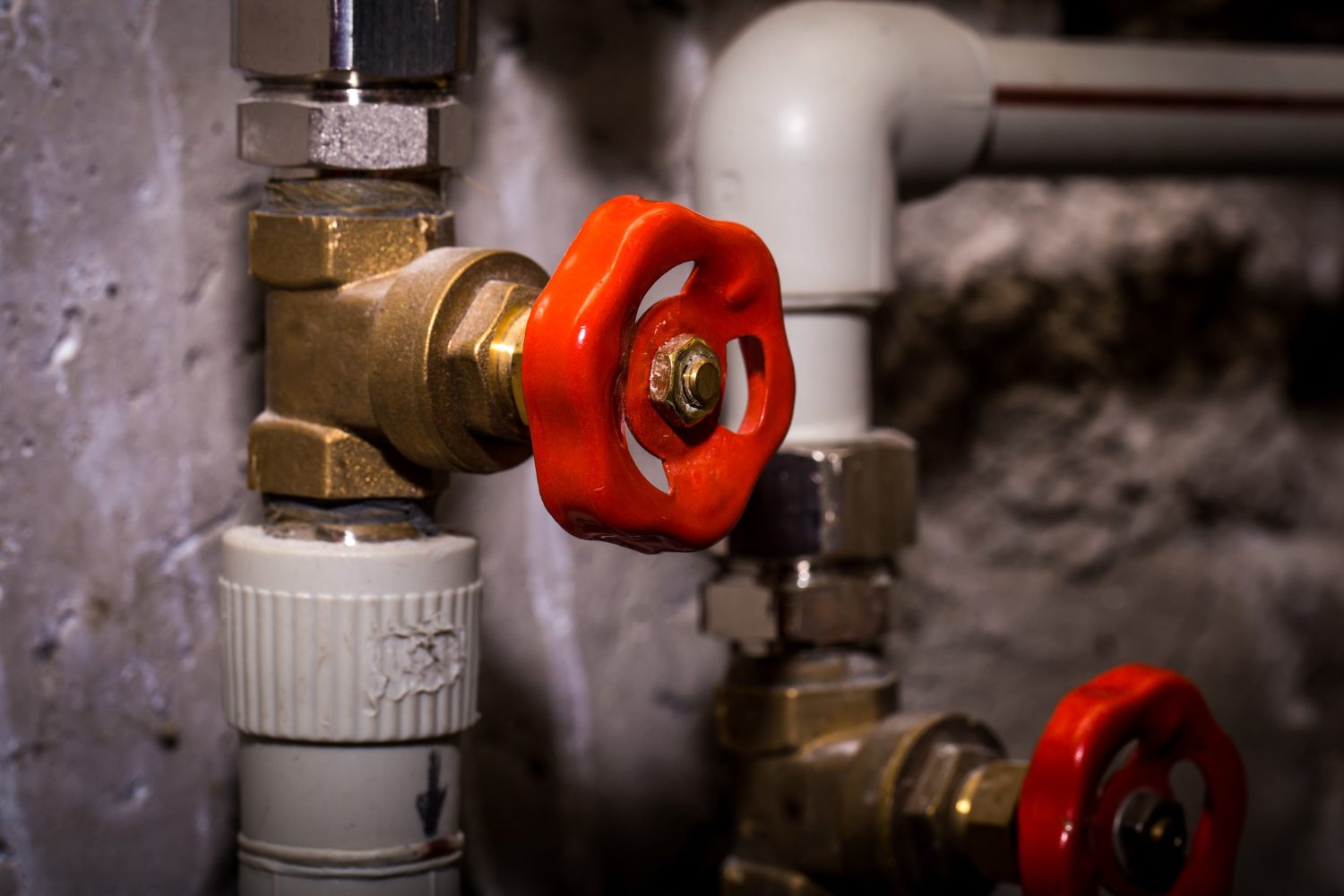
A tired main shutoff can turn a small plumbing job into a stressful scramble, especially in tight utility spaces where older pipe does not tolerate twisting. A plumber can choose the right valve and fittings for the pipe material, support brittle runs, restore pressure without stressing joints, and check for seepage after the system settles, not just in the first minute. Pros also spot related issues like a failing pressure regulator, noisy hammering, or a corroded meter connection, and they can add accessible shutoffs and clean unions so the next repair stays quick and controlled. At any hour.
Sewer Line Problems And Drain Rebuilding

When several drains slow down, gurgle, or smell off, the cause is often deeper than a trap or a quick snake can reach, and guessing can waste time and money. Pros run a camera to map roots, bellies, grease buildup, and failed joints, then choose jetting, lining, or targeted replacement based on slope, pipe material, and access points. They also know when the issue is on a private lateral versus a municipal connection, handle permits when needed, add cleanouts in smart locations, and restore venting details so flow stays steady through showers, dishes, laundry, and rainy weeks. Without repeat visits.
Roof Leaks And Flashing Repairs

Roof leaks rarely show their true entry point, because water can travel along fasteners and framing before it appears indoors, turning one ceiling mark into a misleading clue. A roofer traces the path, rebuilds flashing around valleys, vents, skylights, and chimneys, and ties new materials into the existing system with the right underlayment, nails, and seal details for that roof type. They also check attic airflow, drip edges, and hidden soft decking, then align courses and colors so the repair looks intentional and holds through gusty rain, heat, and seasonal change. Quietly, for years. Ahead.
Structural Wall Changes And Beam Work
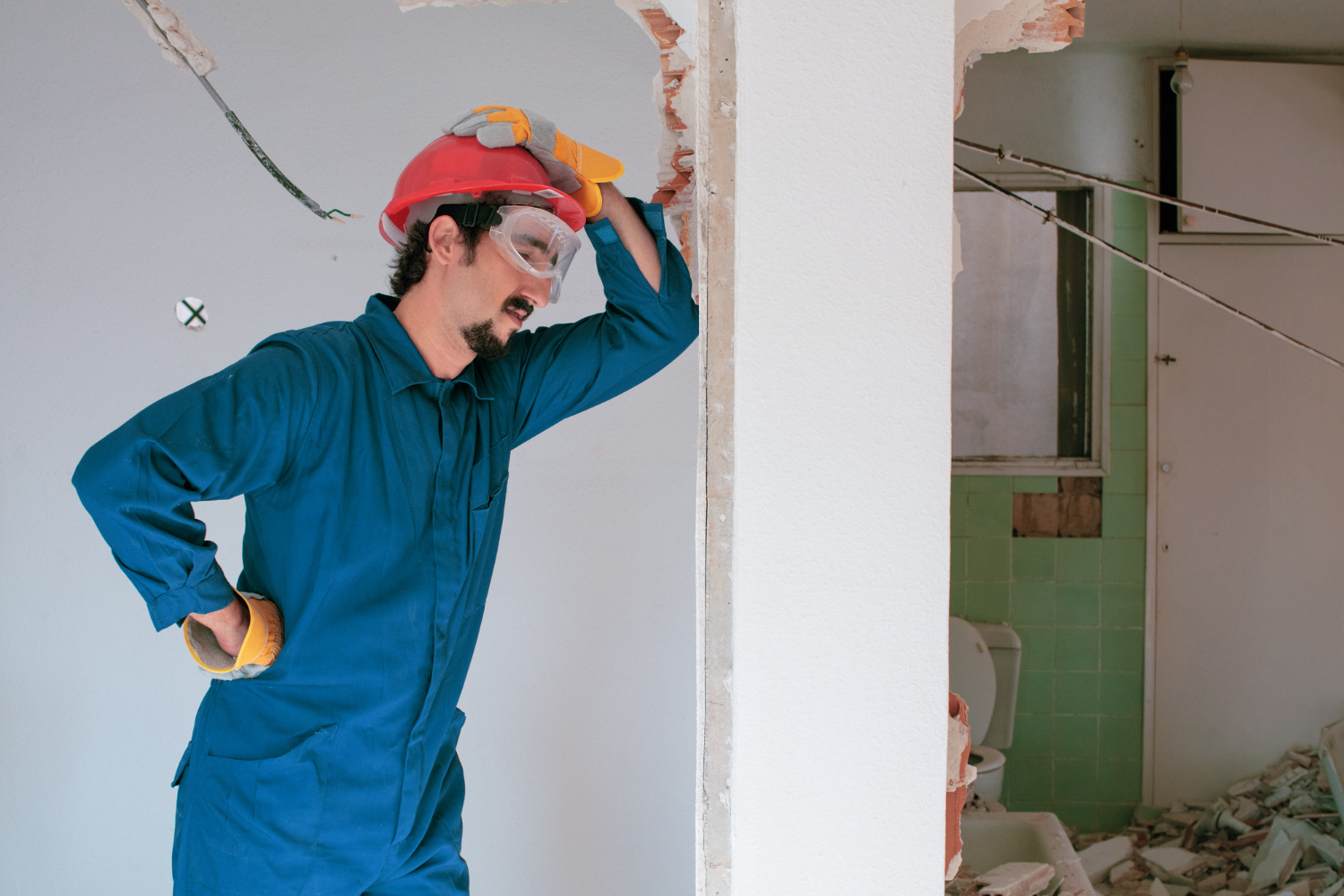
Opening a wall changes how weight moves through a home, and small errors can show up later as sagging lines, sticky doors, or floors that never feel quite level. A contractor or engineer can confirm whether a wall carries load, size headers and beams correctly, place temporary supports safely, and transfer forces to posts and footings meant to carry them long term. They also coordinate permits, inspections, and hidden reroutes for wiring, ducts, and plumbing, so the finished space feels brighter while the home stays square and calm, without surprise cracks returning after the first season. Too.
HVAC Refrigerant And Major System Repairs
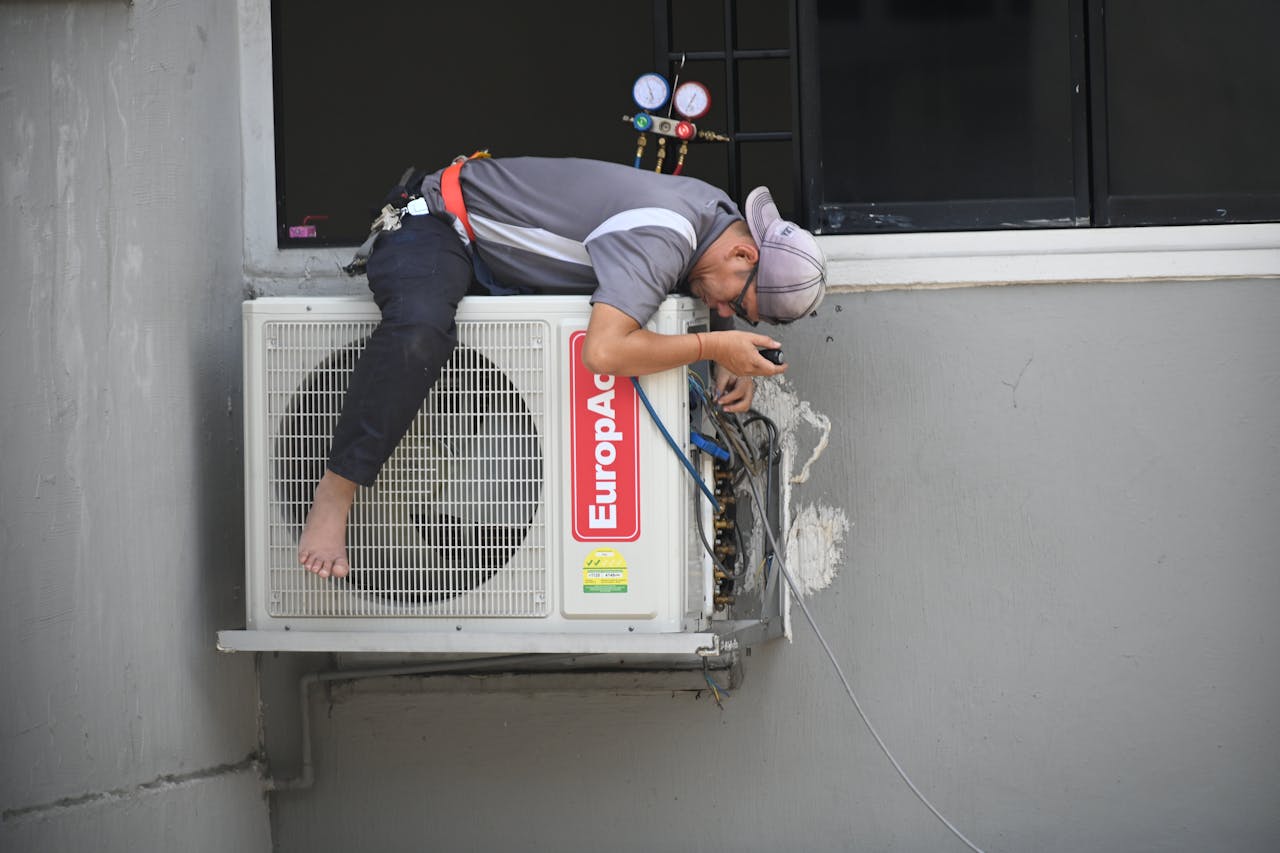
Heating and cooling issues often hide behind symptoms like short cycling, weak airflow, or rooms that never match the thermostat, which makes quick swaps tempting and often wrong. HVAC techs measure static pressure, check duct leakage, test controls and capacitors, clean coils, confirm drainage, and set refrigerant charge with certified gauges so the system runs as designed. They also flag return-air problems and undersized ducts that quietly strain equipment, leading to steadier comfort, better humidity control, and fewer surprise shutdowns during peak summer and winter weeks. In plain terms.
Water Heater Replacement And Venting
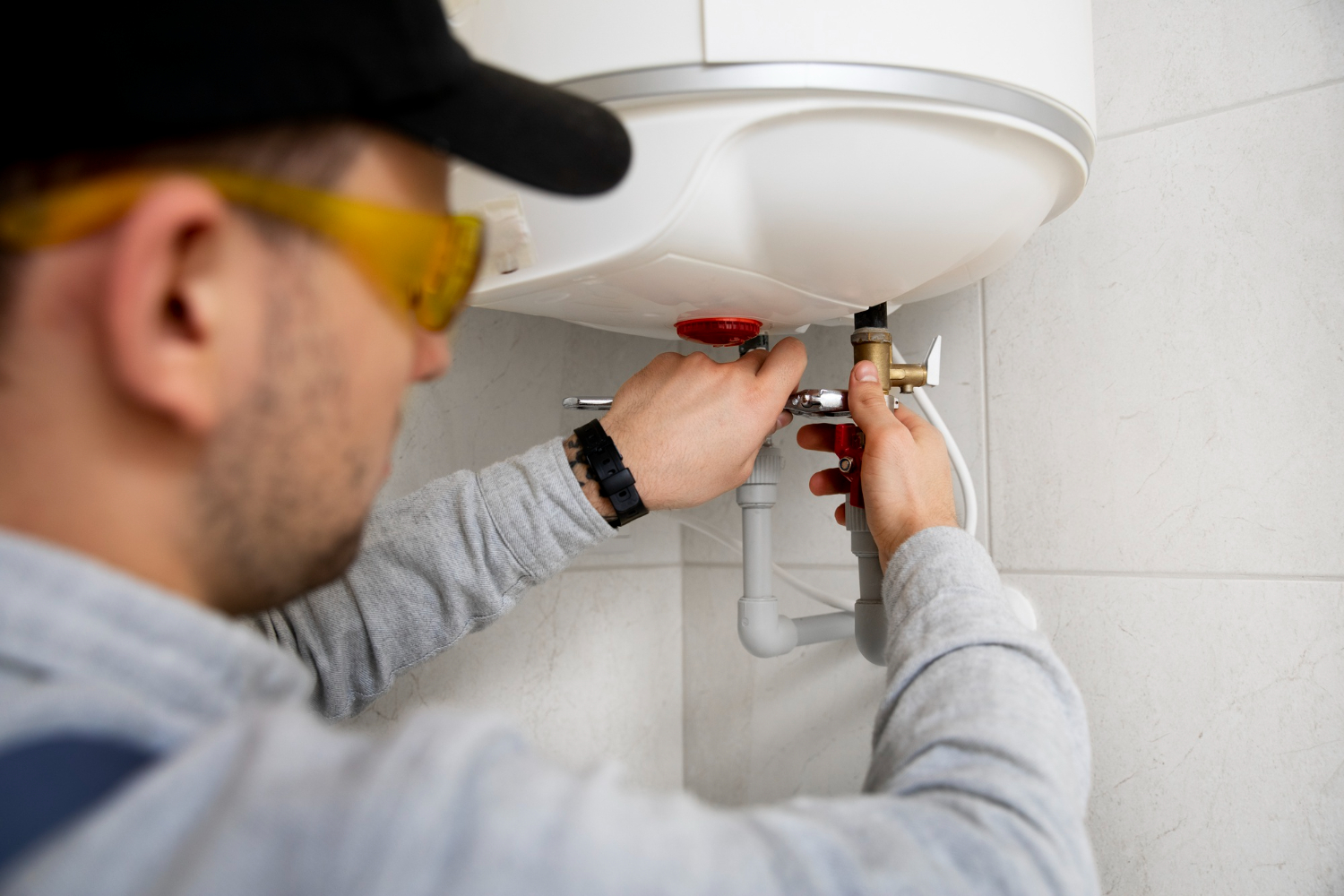
Water heaters seem straightforward, but a good install hinges on venting, draft, temperature settings, and pressure relief routing, plus details that prevent leaks later. A pro sizes the unit to household demand, updates shutoffs, adds pans and drains where needed, verifies gas or electrical connections to code, and checks expansion tank requirements before signing off. They run a full cycle test, confirm stable recovery, and document settings for warranty service, so hot water stays consistent on cold mornings, busy laundry days, and when guests arrive without warning at 7 p.m. And showers stack up.
Tile Waterproofing And Shower Rebuilds
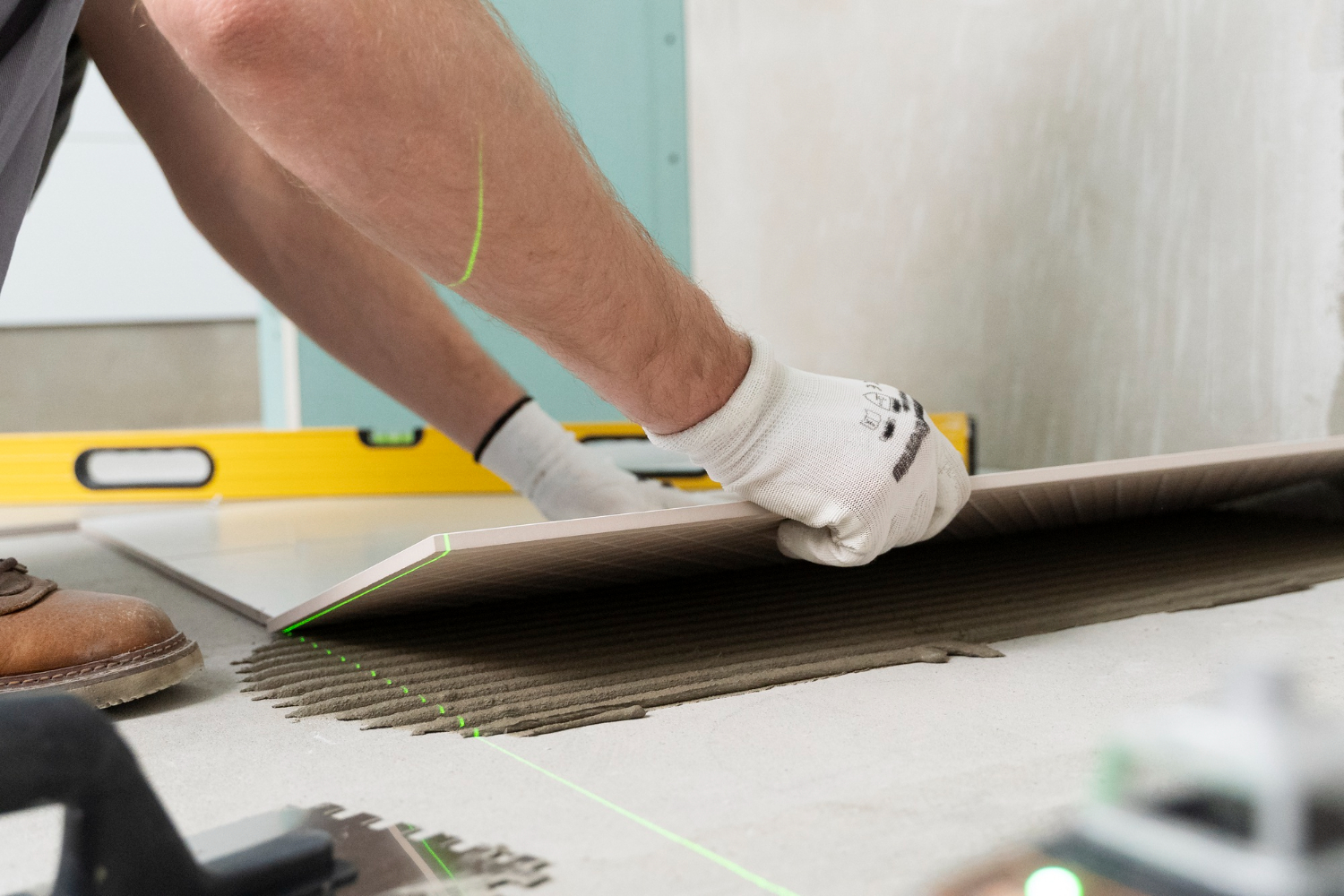
A shower can look perfect while moisture slips behind tile, so a proper rebuild starts with waterproofing, slope, and drain details, not the surface finish or grout color. Pros treat the area as one system, building sealed corners, membranes, and transitions that work together, then setting tile with materials meant for wet zones and planning movement joints. They protect drain details and weep paths, seal niches, curbs, and benches correctly, and test the pan before tile goes up, leaving a bathroom that stays dry where it matters, cleans easily, and still looks sharp years later. With less upkeep.
Garage Door Springs And Track Alignment
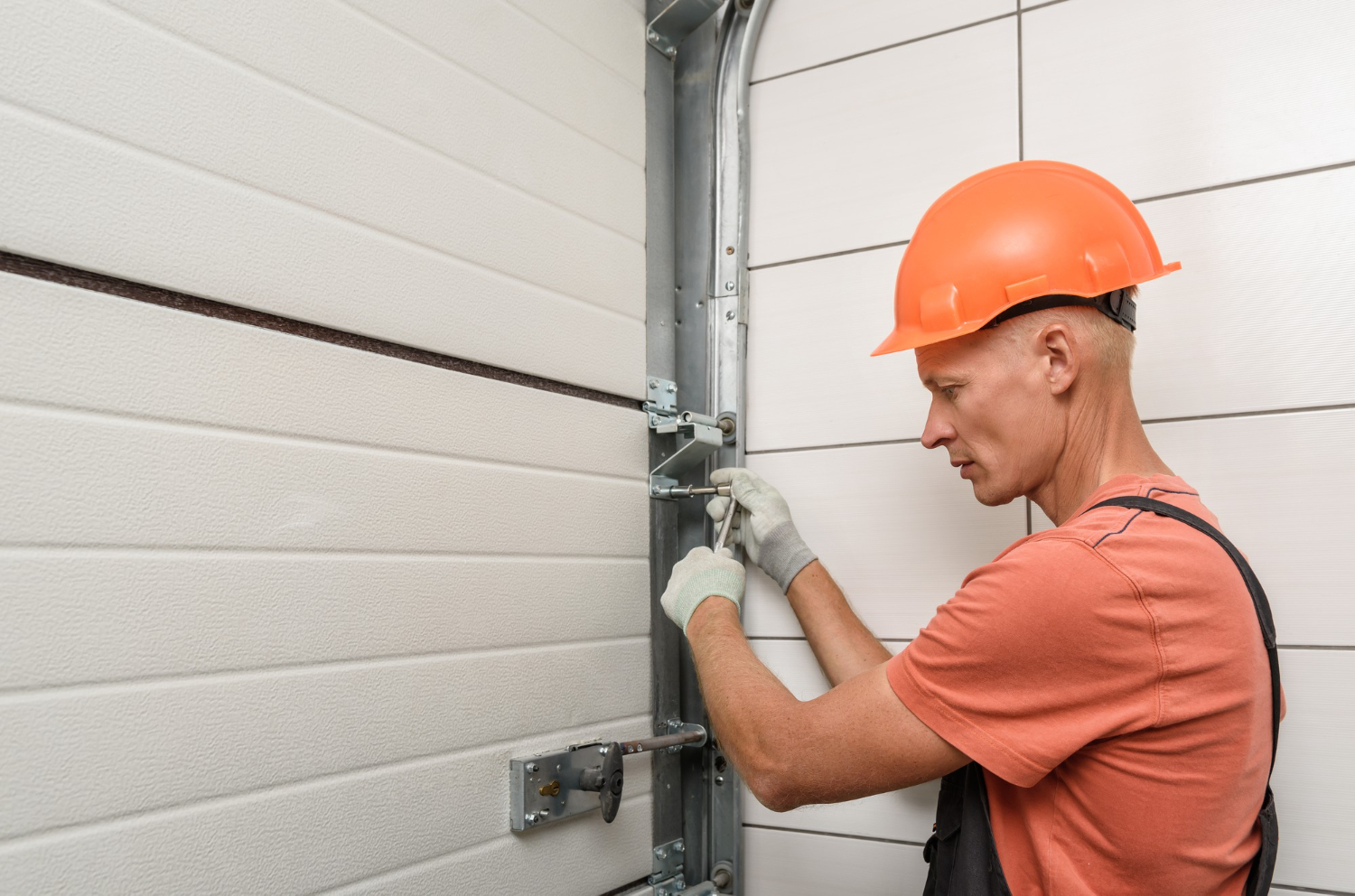
Garage doors carry heavy tension, and spring work depends on correct tools, precise measurements, and controlled technique, not improvised bars or quick guesses. A door tech can confirm spring sizing, balance the door, align tracks, set opener limits, test safety sensors, and check cables, drums, and rollers so the opener is not fighting friction every day. They can also replace worn hinges and weather seals, leaving the door running smoother and quieter, sealing better against dust and rain, and reducing strain on the motor during daily arrivals, departures, and late-night returns. For years.