Every town holds a second map, drawn in small comforts instead of street names: a bench that catches the last orange light, a counter where the cook learns regulars by name, a hallway of quiet that resets a busy mind. These places rarely advertise. They get passed along in half-whispered recommendations, discovered on a wrong turn after a late meeting, or noticed only after years of walking past the same doorway. Once found, routines soften. Weeknights feel less rushed, weekends feel fuller, and the familiar streets start offering surprises again, season after season. Belonging arrives, as if the town has been waiting.
Independent Bookstore With a Real Reading Nook
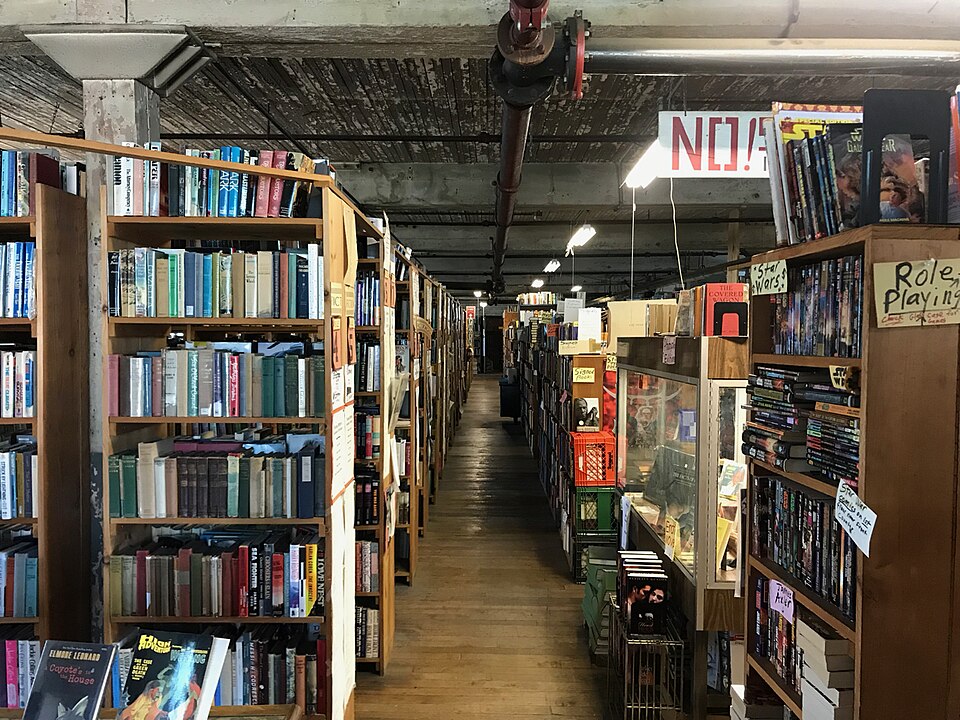
A good indie bookstore feels like permission to slow down. The best ones keep a small shelf of local authors, a handwritten staff-picks wall, and a chair tucked near a sunny window where pages turn without interruption. There might be a bargain cart of gently used hardcovers, a corner for kids’ story hour, and a corkboard layered with flyers for pottery classes and neighborhood concerts. On rainy afternoons, the doorbell chime becomes a soft soundtrack, and the whole place smells faintly of paper, coffee, and patience. A quick chat at the counter can end with a handwritten recommendation, and a nearby café starts calling.
Corner Café That Still Bakes in Small Batches

Some cafés win loyalty with latte art; the memorable ones win it with rhythm. The lights come on early, pastries rotate through the case in small batches, and the barista greets delivery drivers, students, and night-shift workers like neighbors, not customers. A chalkboard lists beans from a regional roaster, a soup made from whatever looks best at the market, and a pastry that sells out by 10 a.m. There is usually one window seat that becomes a local landmark, plus a tip jar quietly funding a school band trip or mutual-aid pantry. From there, the rest of the day can start on purpose. It pairs well with a walk to a park.
Pocket Park With a Hidden Path
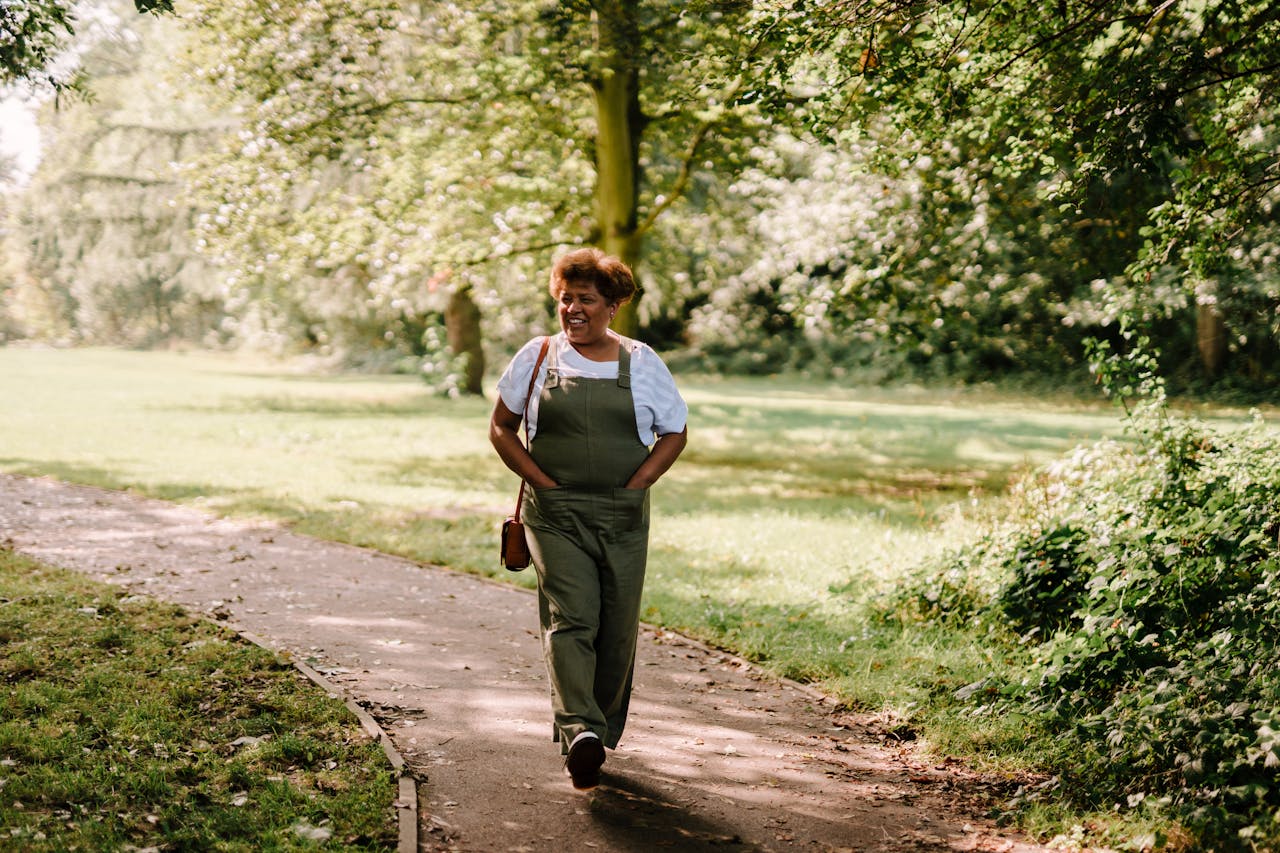
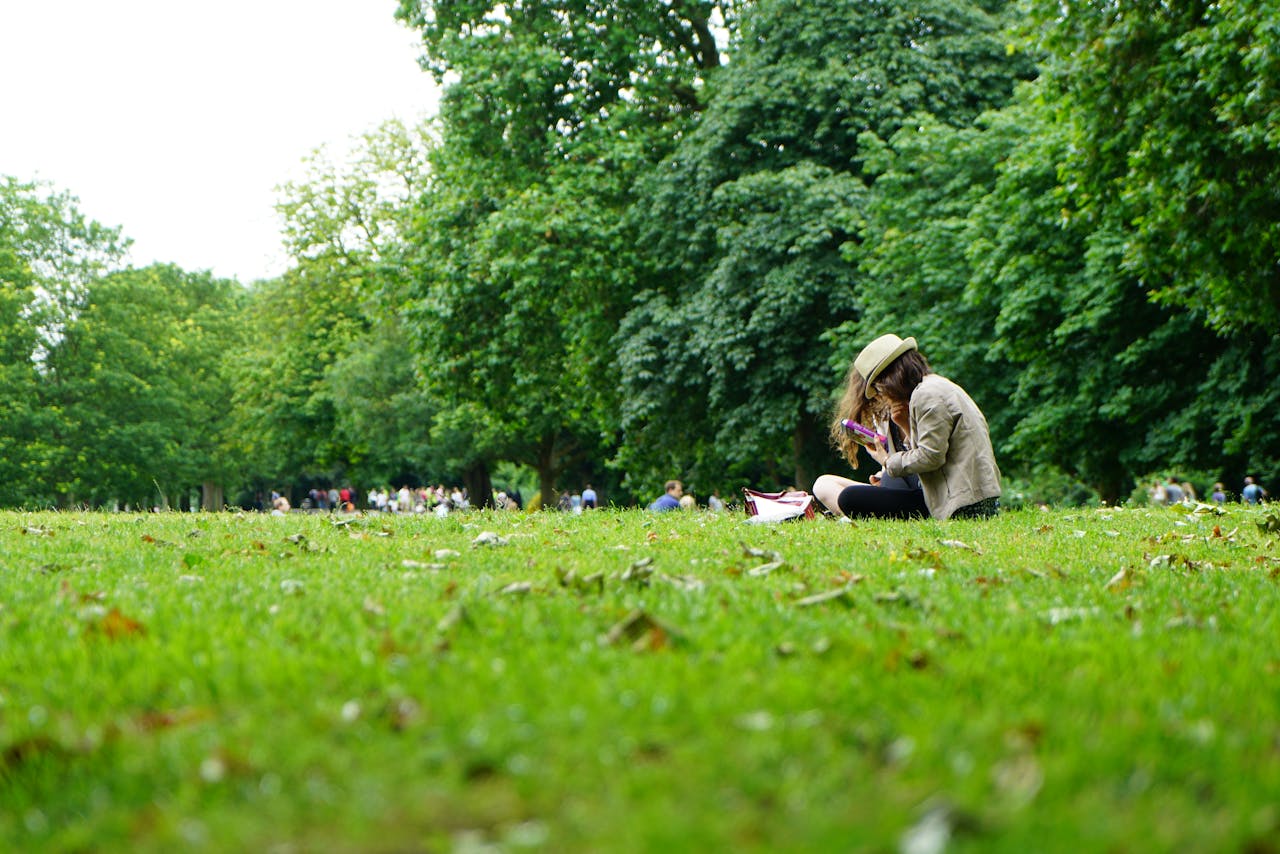
In many towns, the most restorative park is not the famous one. It is the pocket green behind the post office or the thin strip of trees along a creek, where a worn footpath slips past native grasses and the traffic noise drops a notch. Benches are spaced for privacy, and a small sign explains which birds migrate through in spring. Dog walkers trade polite nods, office workers eat lunch under the same old maple, and a volunteer group keeps trash bags by the trailhead after storms. After a few loops, shoulders unclench, and errands feel lighter. Close by, local history waits on a plaque or a brick wall at street level.
Small History Museum That Gets the Details Right
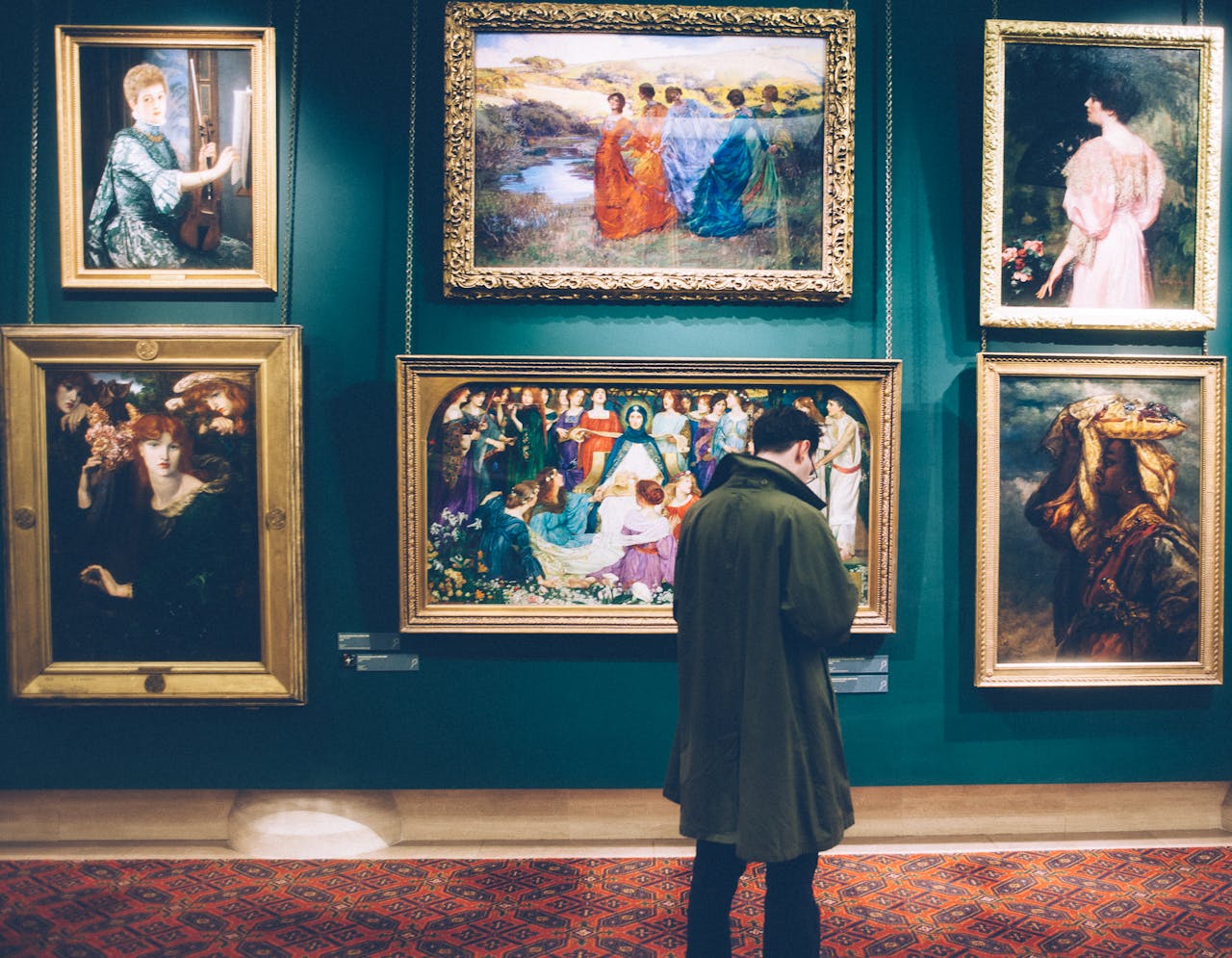
A small local museum can feel humble from the sidewalk, but inside it often holds the town’s best storytelling. Volunteer docents point out the strange, specific artifacts: a factory time card from 1947, a theater poster, a hand-drawn flood map, a wedding dress repaired three times. The exhibits explain who built the place, who was left out, and how neighborhoods changed after a new highway or railroad line arrived. Many museums run free days once a month and record oral histories that would otherwise disappear. Leaving turns ordinary streets into stories, and an old movie house nearby suddenly feels like a time machine.
Revived Single-Screen Cinema With a Marquee
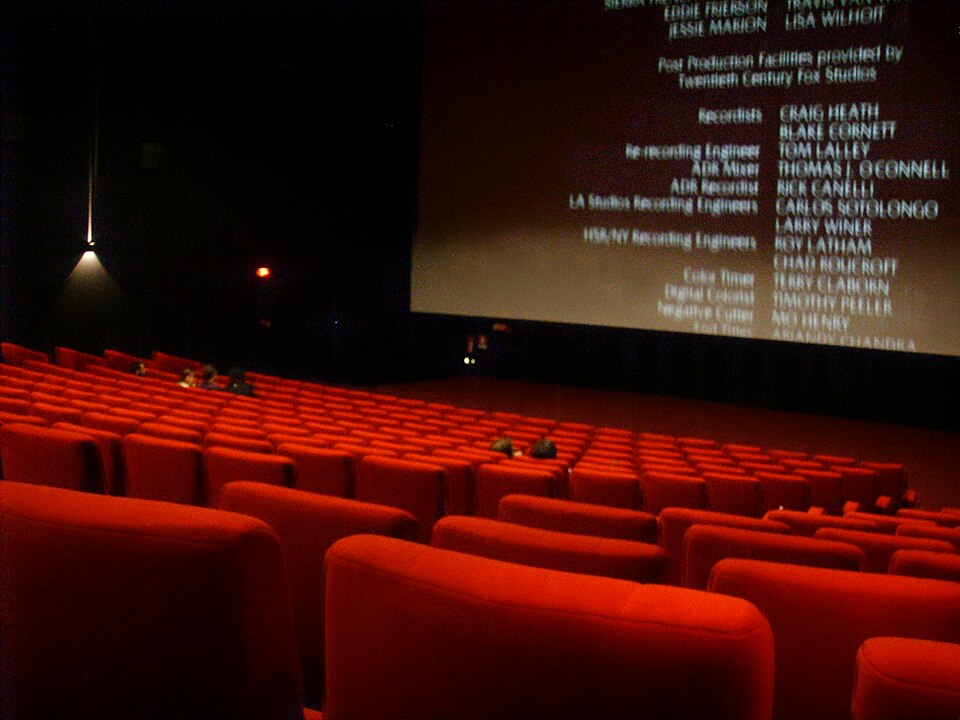
A restored single-screen cinema is part entertainment, part civic pride. The seats may be newer, but the marquee still glows, and the lobby keeps framed photos from decades of opening nights. Programming is the secret weapon: a classic on Fri. 7 p.m., a family matinee, a documentary with a director Q&A, and a local film fest that fills the sidewalk. Some nights include captioned screenings or themed double features that sell out fast. Between reels, the staff remembers regular popcorn orders and the best place to park. After the credits, the crowd drifts toward a late-night spot that never stopped serving comfort food.
Family-Run Diner Open Past Midnight
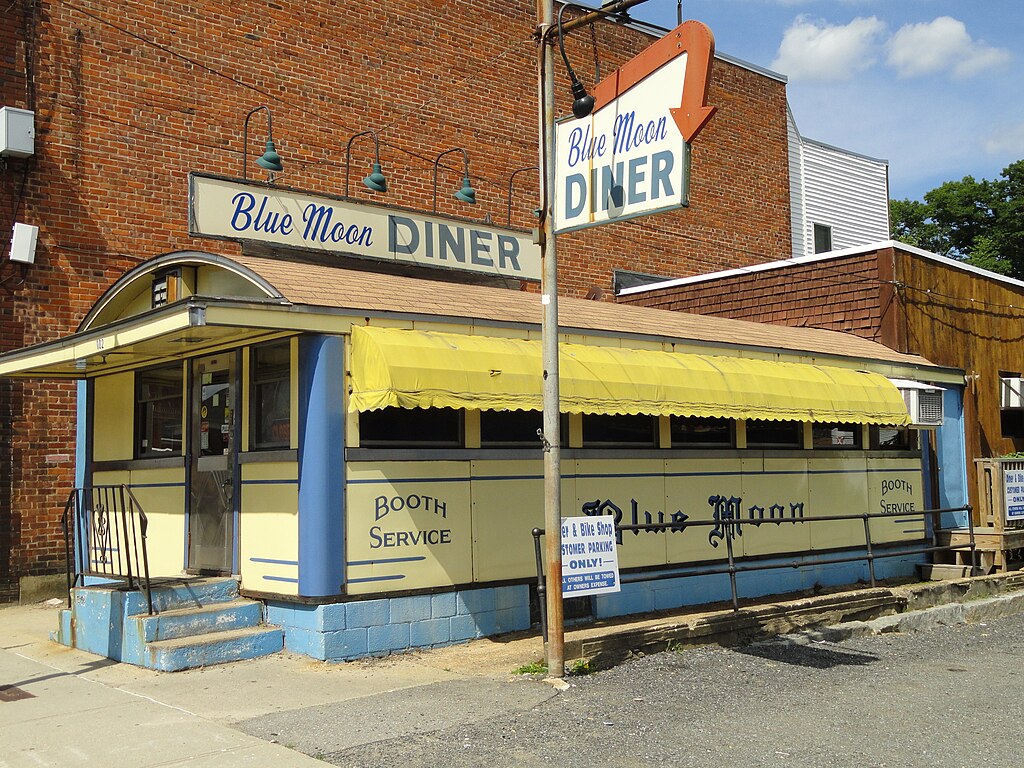
A late-night diner is where a town relaxes its mask. Nurses finishing a shift sit beside musicians packing up, and the cook moves with practiced speed, sliding plates under heat lamps like clockwork. The menu is familiar, but the small details stand out: homemade hot sauce, a rotating pie, a special named after a neighbor who ate it every Sunday. Some places are still cash-only, and the neon sign flickers like a promise when the streets empty. Conversations stay low, friendly, and unforced. In a corner booth, a bulletin board points toward classes, gigs, and the weekend farmers market. It feels like a town exhale.
Saturday Farmers Market Under an Old Pavilion
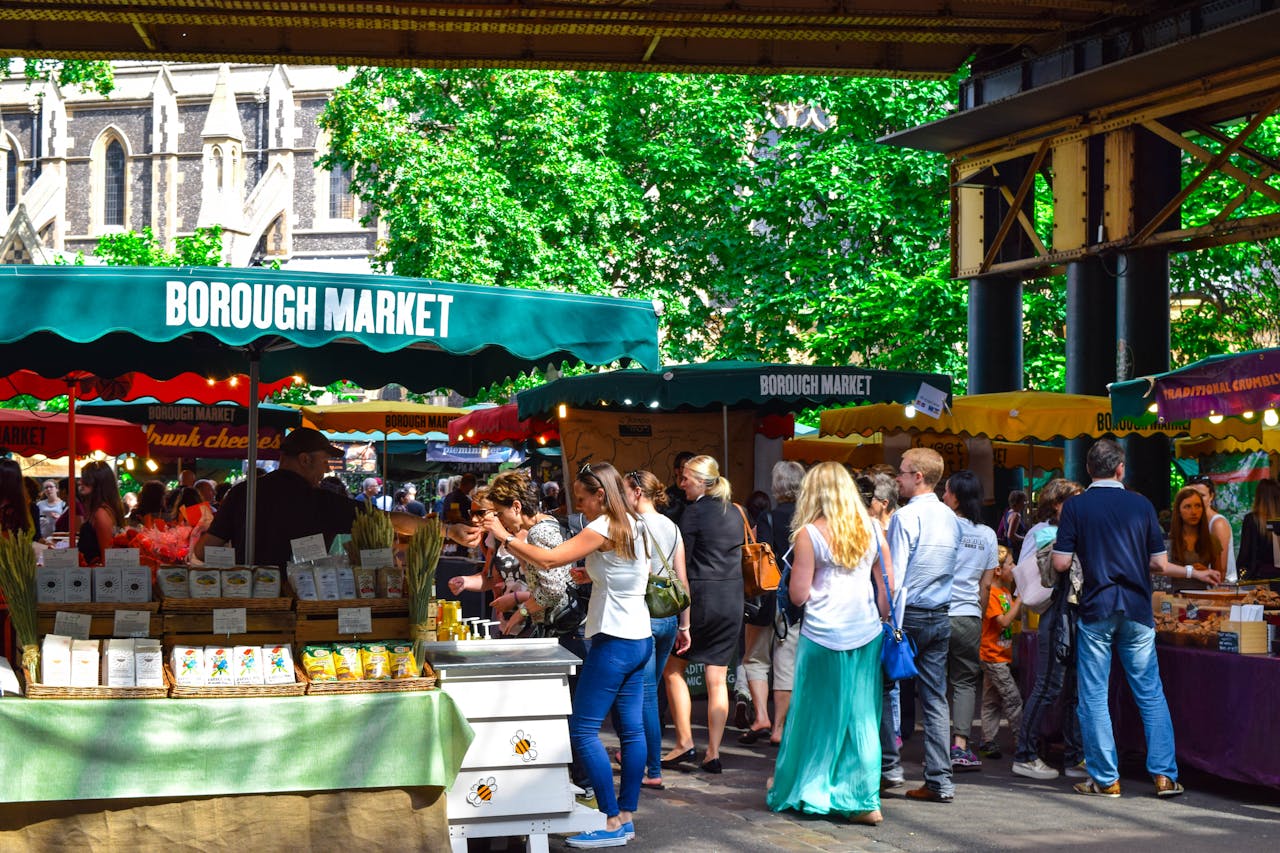
A farmers market is less about shopping and more about listening. Growers explain which greens survive a cold snap, bakers trade tips on sourdough starter, and a honey seller talks about what blooms when the weather shifts. The regulars arrive early, musicians set up by the entrance, and kids hover near the fruit samples. Some markets even run token programs for SNAP shoppers, widening the circle of who gets to eat well. Prices vary, but the value is steady: food with a face behind it, plus a quick lesson in what the surrounding land can do. Afterward, a nearby public library often feels like the perfect next stop.
Public Library With a Makerspace and Quiet Corners
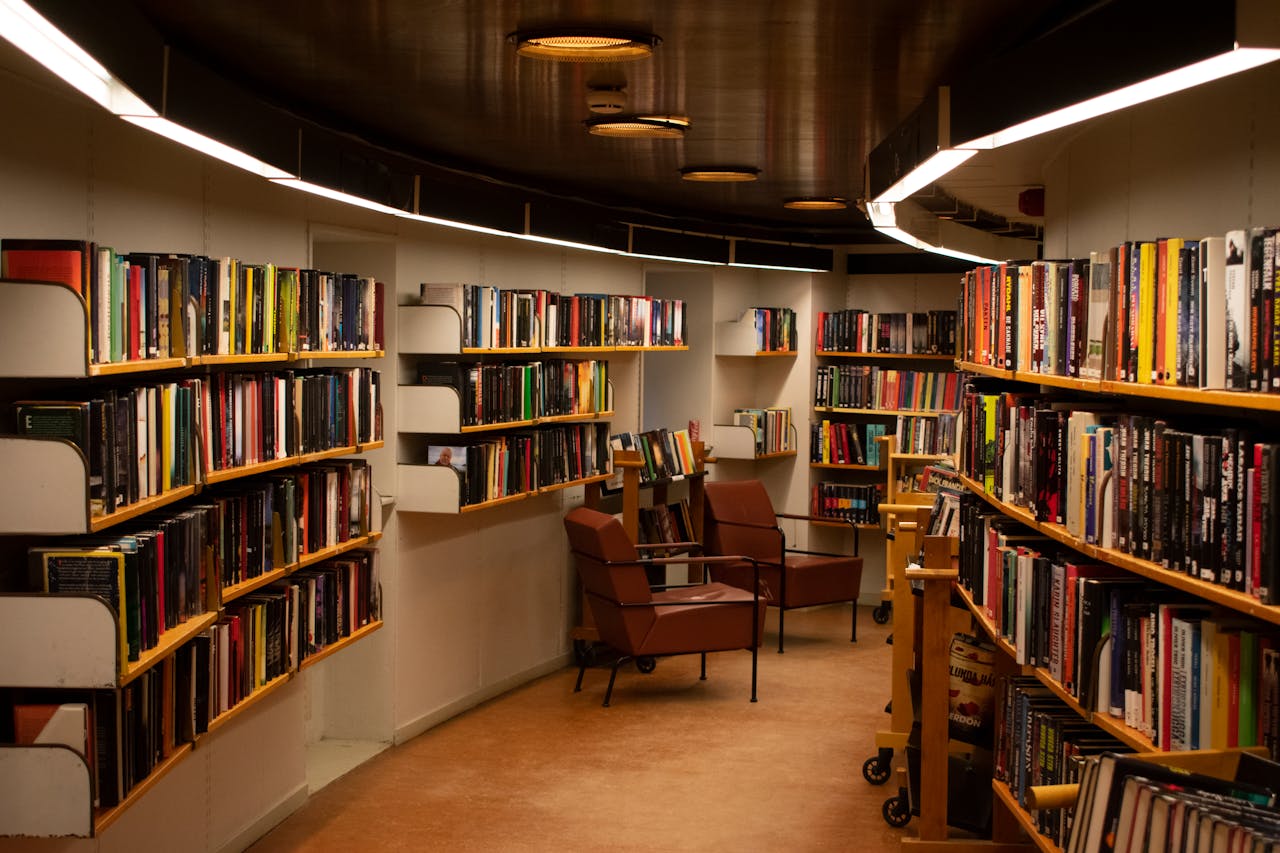
Many libraries have quietly become the town’s most useful building. Beyond shelves, there are free workshops, career help, language classes, and meeting rooms where local groups plan everything from blood drives to poetry nights. Some branches lend tools, museum passes, or seed packets, and a makerspace may offer a 3D printer or recording booth. Study rooms fill after school, story time draws grandparents, and the Wi-Fi reaches the steps outside on warm evenings. The atmosphere stays gentle, even when it is busy, and the staff guides without hovering. After that kind of calm, a riverwalk or rail trail feels inevitable.
Riverwalk or Rail Trail With Little Viewing Decks
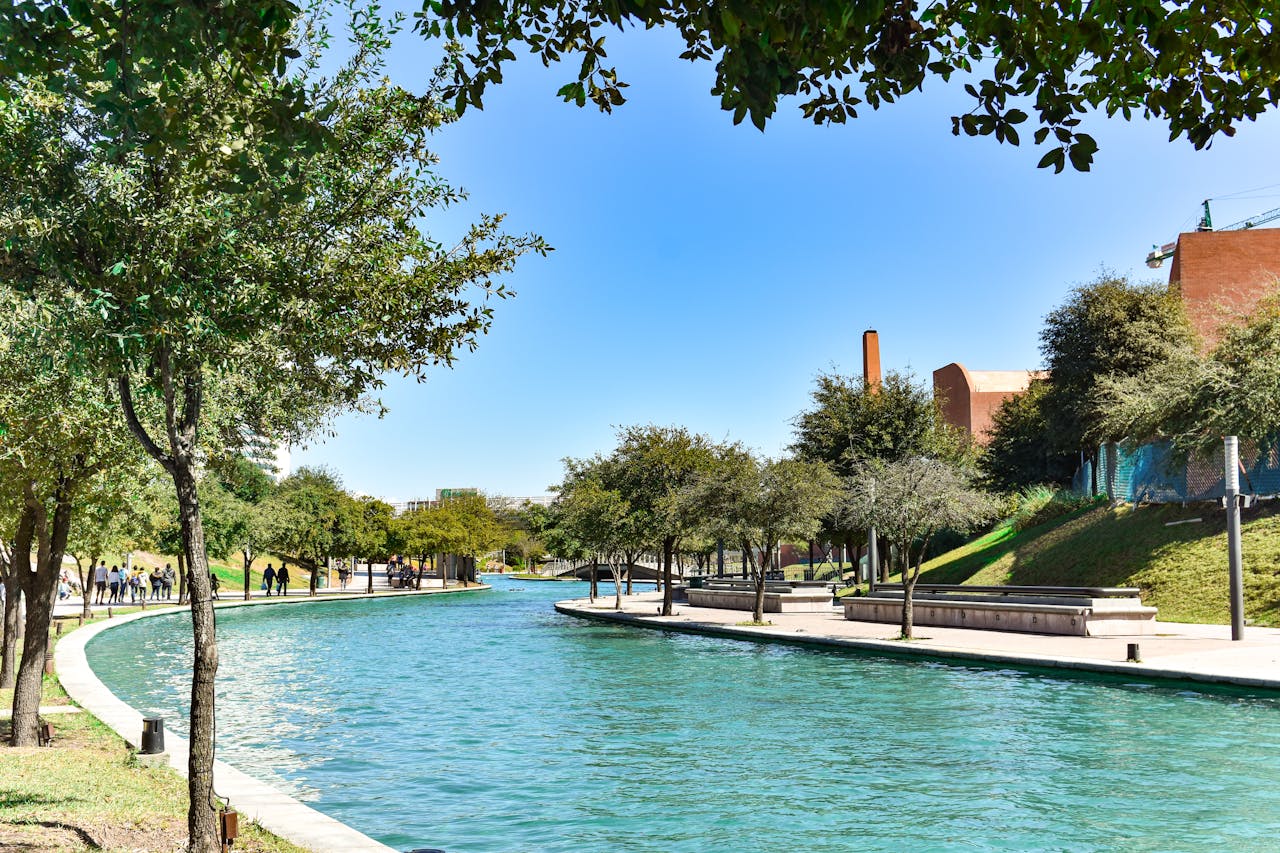
A riverwalk or rail trail offers a town in motion without the pressure to buy anything. Cyclists ring bells, parents push strollers, and runners loop past the same couples holding hands, all of it paced by water or an old right-of-way. The best stretches include small viewing decks, footbridges, public art, and plaques explaining what the land used to be before it was reclaimed for people. Birders pause, and volunteers plant native shrubs after floods. At dusk, the light turns storefront windows into mirrors, and the city feels softer. That mood pairs well with a small gallery that stays open late on First Fridays.
Artist Co-Op Gallery That Rotates Work Monthly
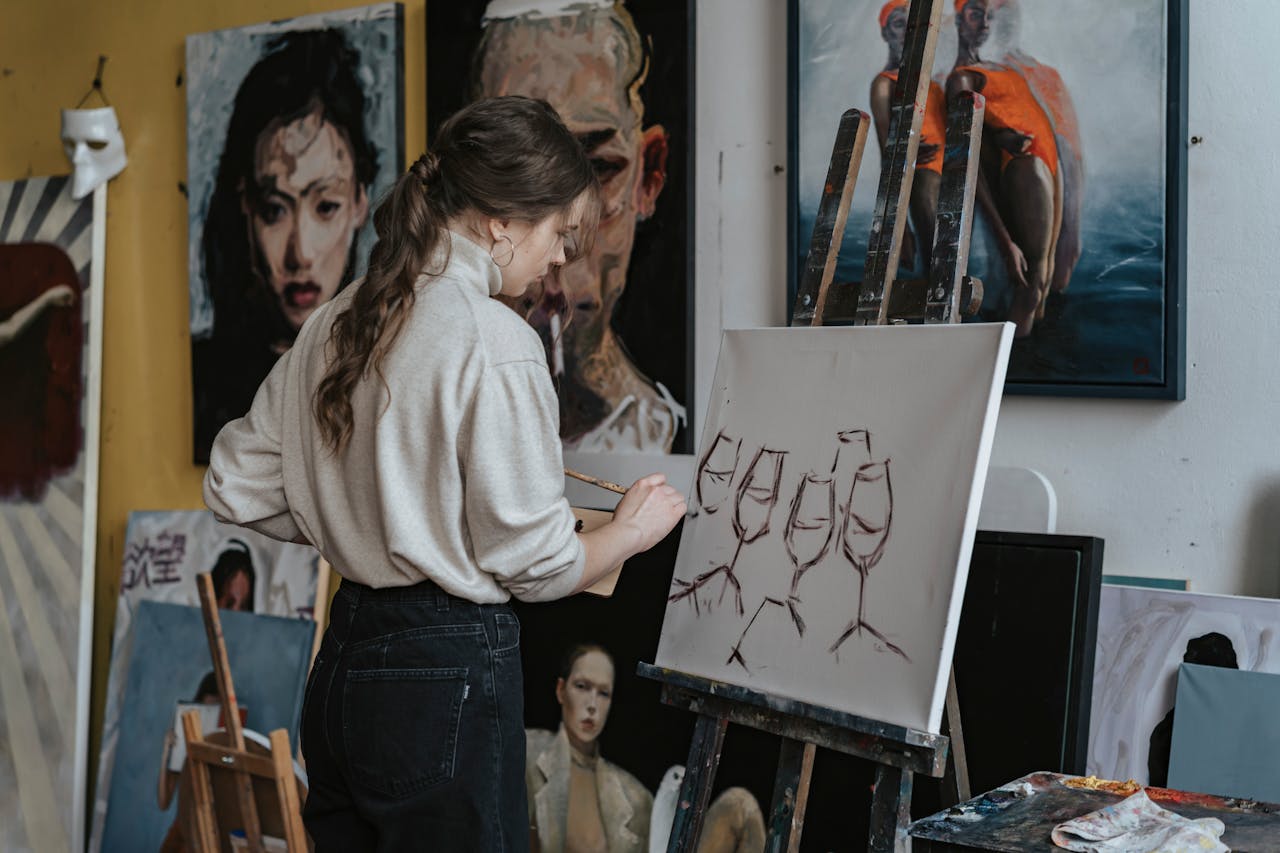
An artist co-op gallery is where a town shows its inner life. The work rotates fast, so a brief visit can reveal new ceramics, photographs, or paintings of streets that look familiar but somehow more honest. Prices stay approachable, and the artists are often on site, ready to talk process without pretense. A back room may host figure-drawing nights or weekend printmaking classes, and openings feel like informal reunions with snacks, wine, and conversation spilling into the hallway. After that, hunger tends to point toward a tiny place with one flawless dish. Sales keep the lights on, and small prints feel like keepsakes.
Tiny Restaurant With One Dish Done Perfectly
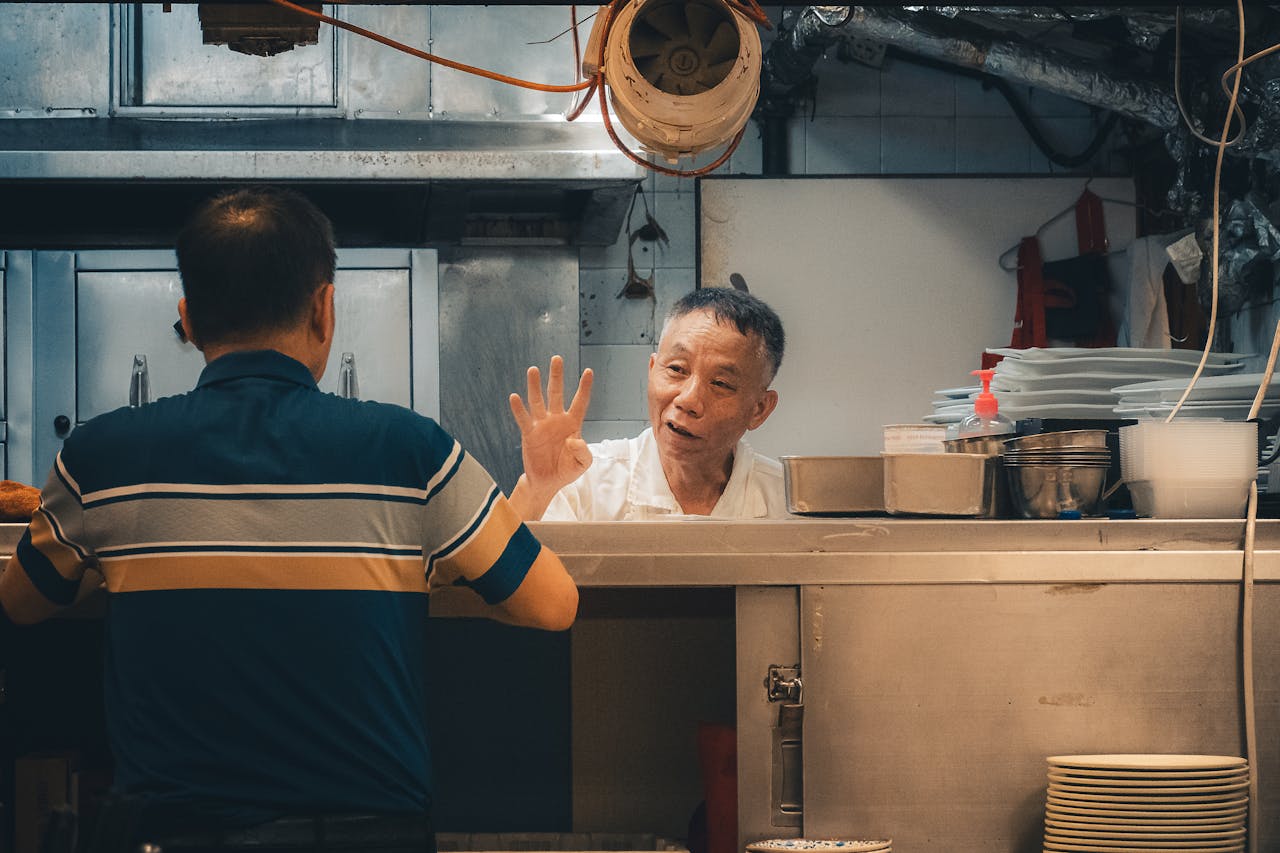
Every town has a place that refuses to be trendy, and that is the point. The menu is short, the hours are specific, and the signature dish arrives the same way every time: balanced, hot, and made with practiced care. It might be a bowl of noodles, roast chicken, or a sandwich built on bread from a nearby baker. A handwritten sign may note a family recipe, while the sides shift with what is in season. Regulars order early and linger kindly, because the room is small and the staff never rushes anyone. Leaving feels like a good conversation. On the walk home, familiar blocks look newly claimed, lit by dependable pleasures.