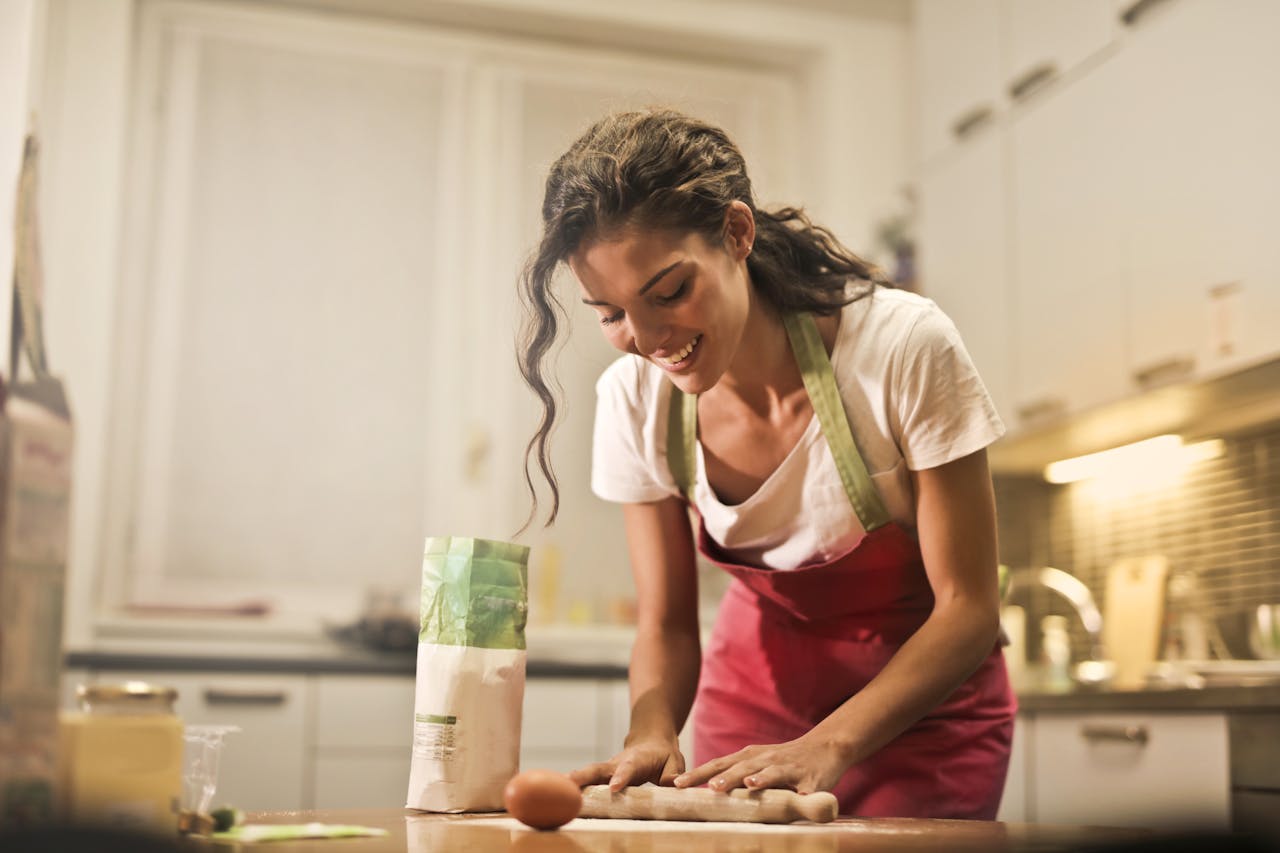
Meal prep rarely fails for lack of effort; it fails when the plan ignores real life. Busy weeks need food that holds up, reheats well, and does not demand nightly decisions.
The best prep is quiet and practical: a few flexible components, a clear fridge layout, and routines that protect flavor and time. In cooler months, soups and roasted vegetables do heavy lifting; in warmer weather, grains, proteins, and crisp toppings keep meals light and fresh.
With small setup moves on one calm day, weekday meals become less of a scramble and more of a steady rhythm, with fewer runs for missing ingredients and less food wasted.
Start With a Fridge Map
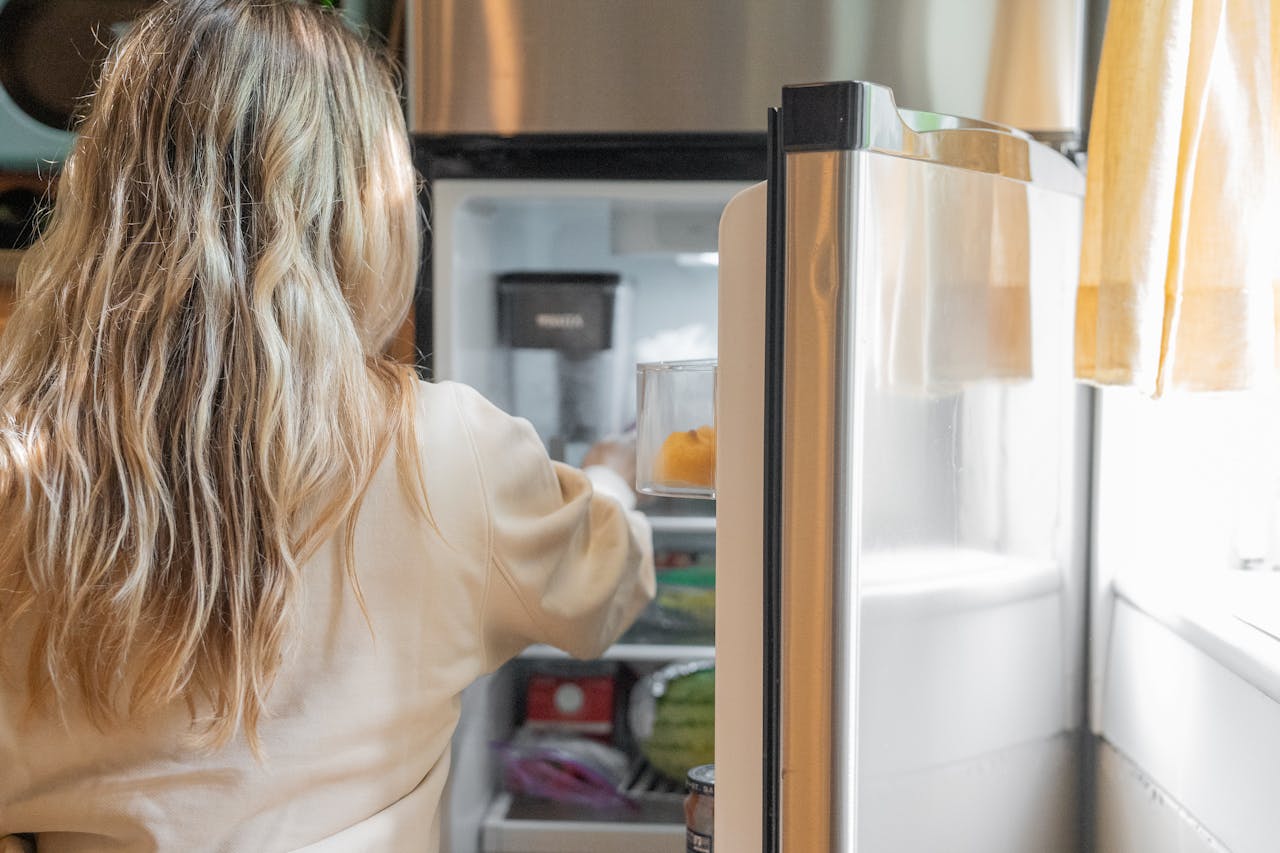
Meal prep gets easier when the refrigerator has roles: sauces on one shelf, ready vegetables in one bin, proteins together, and lunches at eye level.
Clear, lidded containers act like drawers, and tape labels can mark the cook day plus a quick note like lunch or dinner. A small spot for grab-and-go snacks cuts random grazing.
A use-first basket keeps fragile produce from disappearing behind jars, and a dedicated leftovers row prevents mystery containers. When everything has a home, shopping gets simpler, food waste drops, and weeknights start with a fast scan after work, not a scavenger hunt.
Cook One Base Grain, Then Season Later
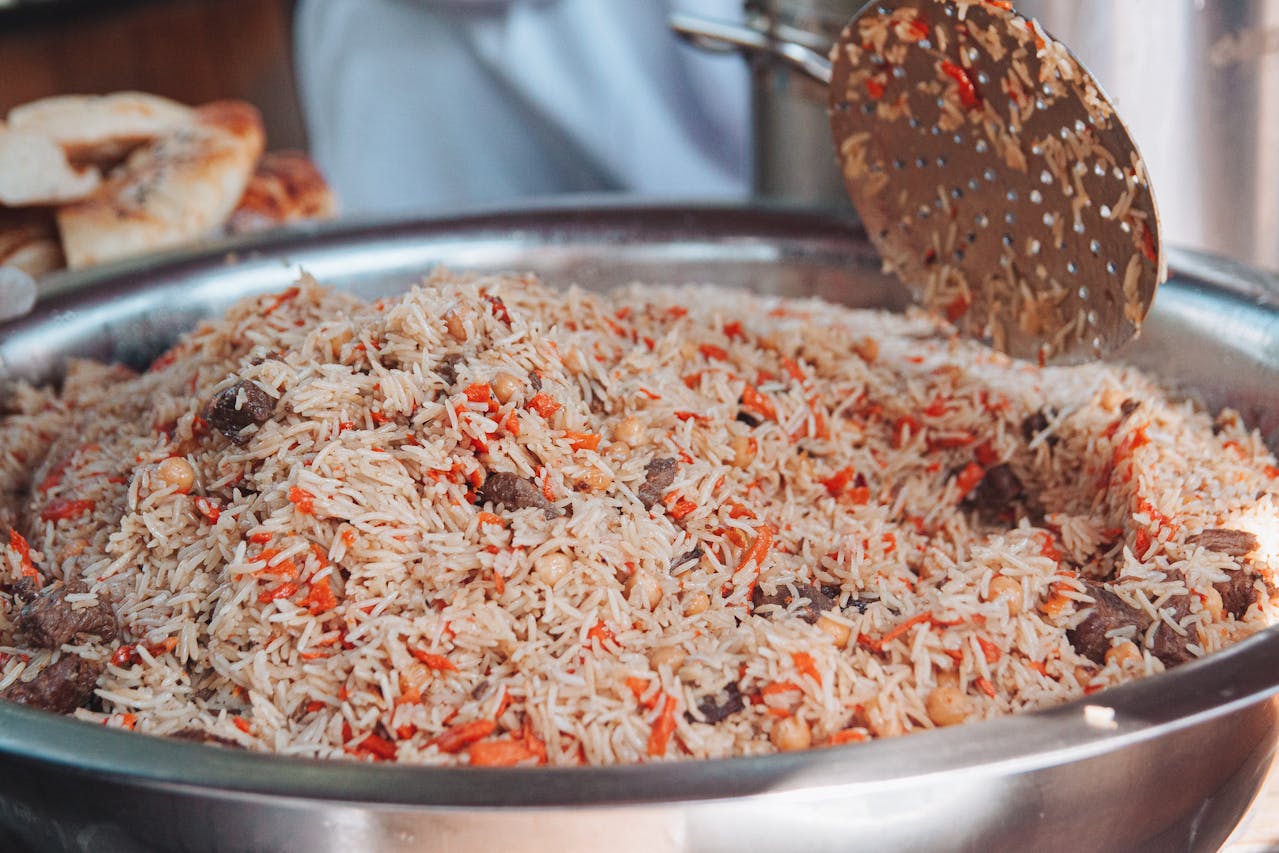
One pot of rice, quinoa, or farro gives the week structure, but seasoning the whole batch can trap meals in one flavor by Tuesday.
Keeping grains plain, cooling them in a shallow container, and refrigerating promptly helps them reheat without turning sticky. Fluffing before sealing prevents clumps, and a small splash of water restores steam.
Portioning into lunch-sized containers prevents over-scooping, and seasoning happens at the moment of eating: lemon and herbs for bowls, cumin and salsa for tacos, or curry sauce for a quick comfort meal. Extra portions can be frozen flat for fast weeknight backups.
Roast a Tray of Vegetables, Not a Recipe
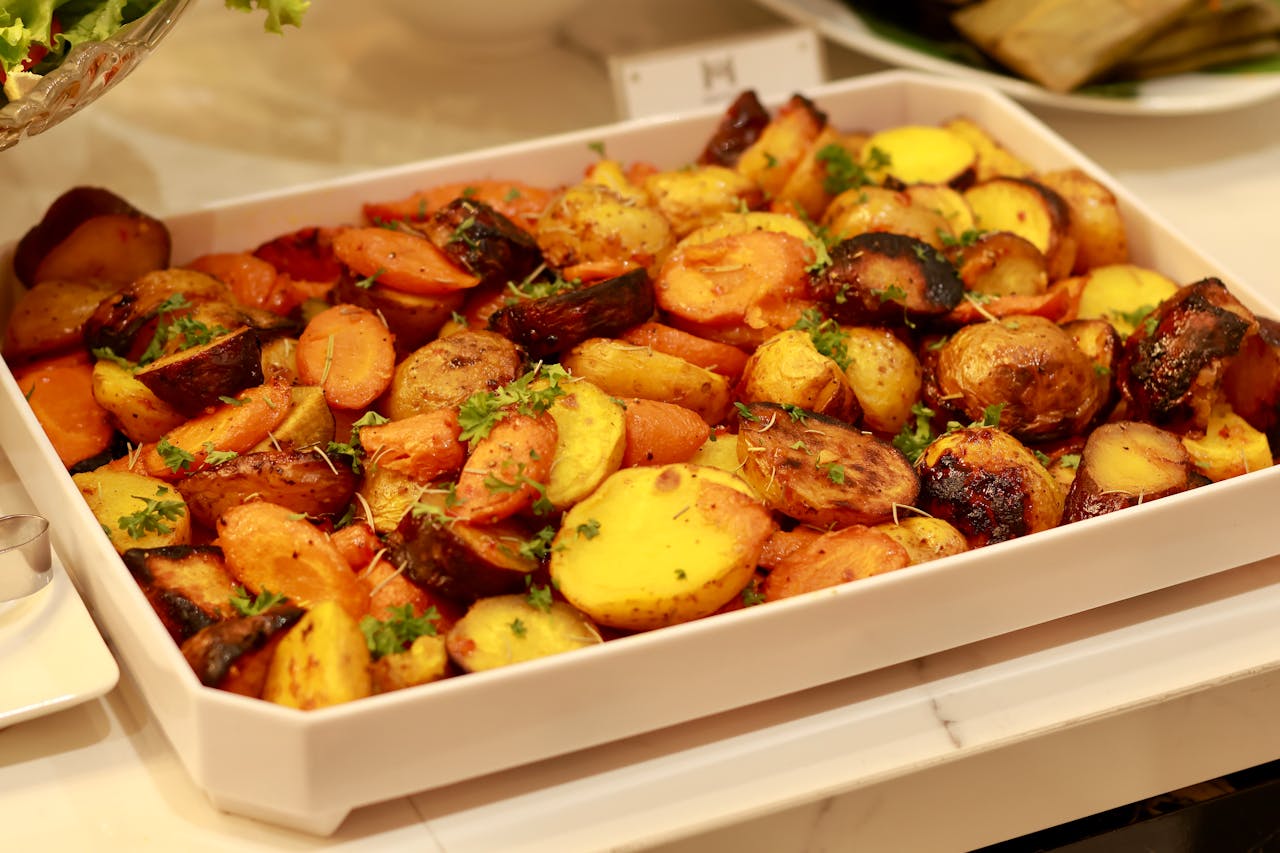
A single sheet pan of vegetables becomes a flexible pile that slides into salads, omelets, tacos, and pasta without a new recipe every night.
Cut size matters more than matching types, and spacing matters more than squeezing everything in, since crowded pans steam instead of brown. Watery vegetables can roast on one side, sturdier roots on the other.
A simple salt-and-oil roast keeps options open, and roasting a few lemon halves or whole garlic cloves adds easy aroma. During the week, a finish of herbs, citrus, or vinegar brings back brightness after reheating, so day three still tastes like real food, not a tired rerun.
Pick Two Proteins With Different Uses
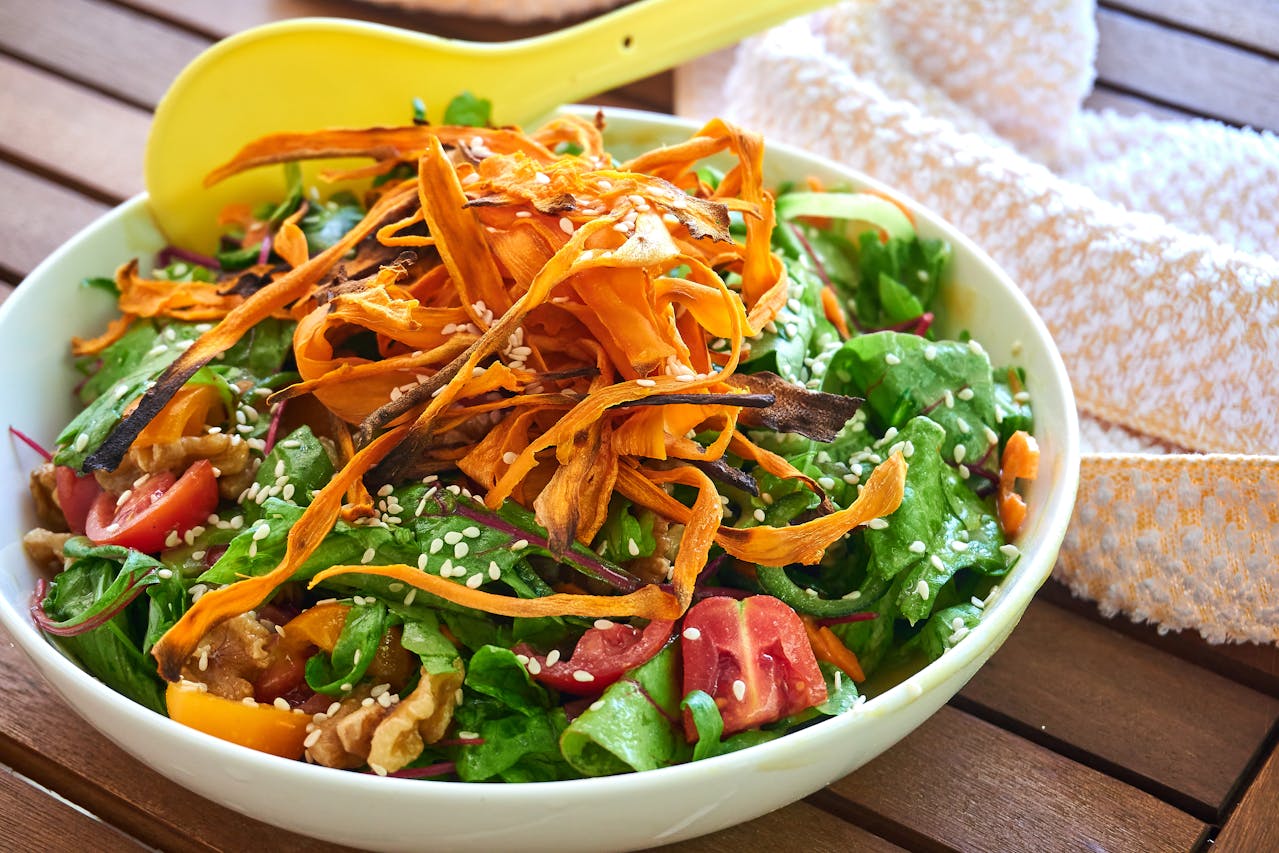
Two proteins with different personalities cover more meals with less effort: one that shreds for wraps and soups, and one that holds shape for bowls and salads.
Keeping one batch neutral and the other boldly seasoned prevents the week from tasting like one long repeat, and sauces stored separately keep texture from going soft.
Shredded chicken, pulled pork, or lentils work well for quick fillings, while baked tofu, chickpeas, or meatballs handle reheating without falling apart. With two anchors ready, adding vegetables and a sauce becomes dinner, not a decision marathon on a busy midweek night.
Make a Sauce Trio That Plays Nice Together
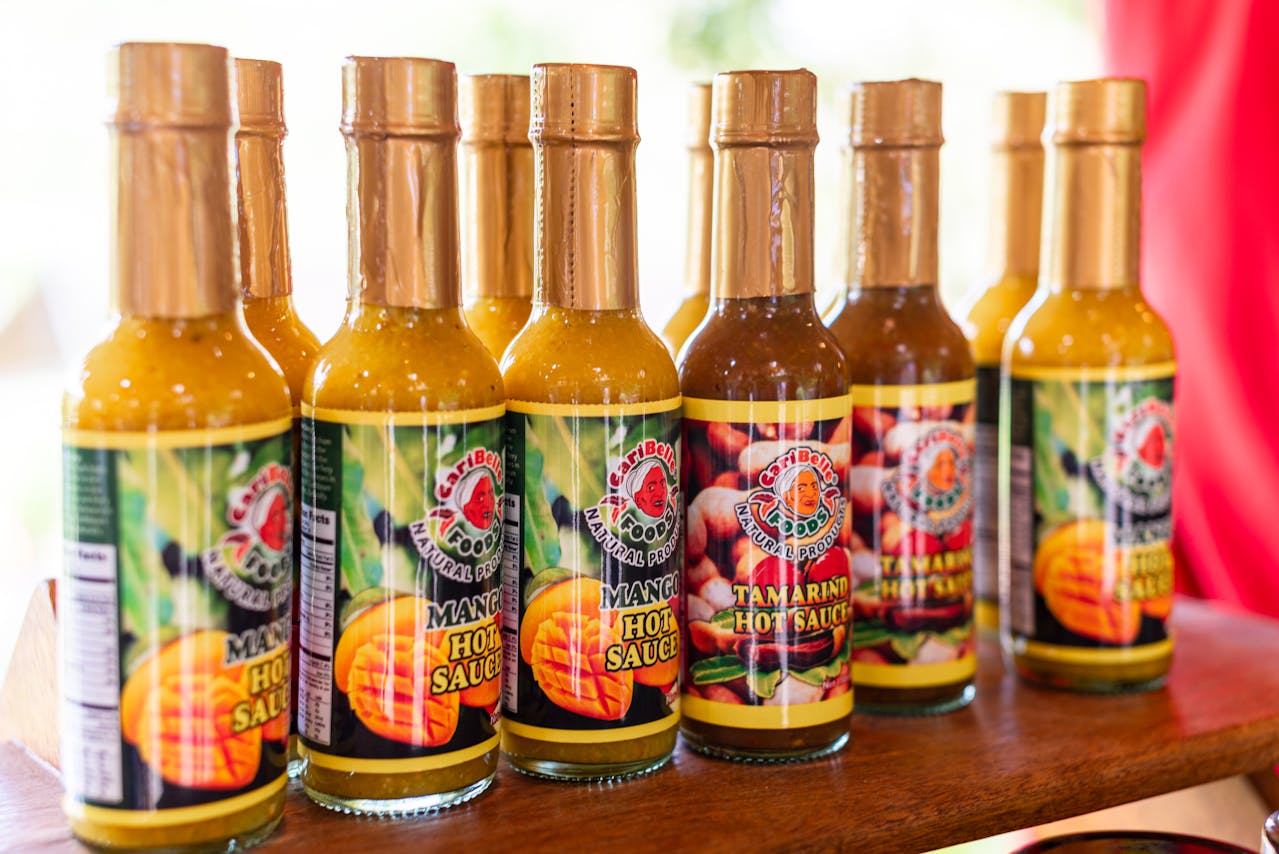
Three sauces can carry an entire week: one creamy, one tangy, and one spicy, each designed to match the same core ingredients without clashing.
Yogurt-herb dressing, a quick lemon vinaigrette, and salsa or chili sauce wake up roasted vegetables, grains, and proteins on repeat. Keeping them in squeeze bottles makes portioning clean, and a small label with the date prevents forgotten jars.
One sweet-salty option, like peanut-lime or miso-honey, covers noodles and stir-fries. When sauces stay separate until serving, texture holds, salt is easier to control, and meals feel new even when the base components stay the same.
Prep Crunch and Freshness Separately
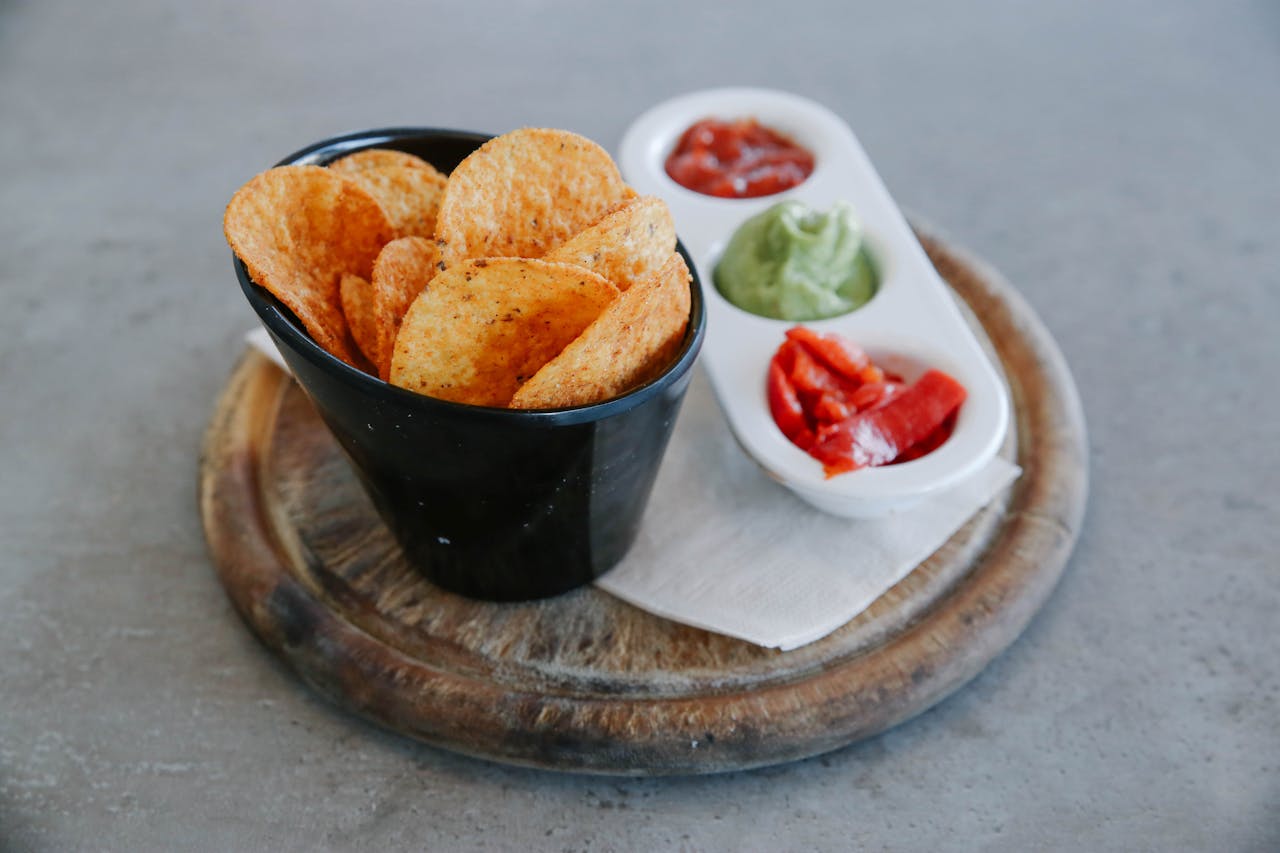
Prep falls apart when crisp things sit in moisture, so wet and dry components need separate storage from the start.
Greens last longer in paper towel-lined containers, and chopped cucumbers or radishes stay snappy when kept away from salt, tomatoes, and dressings. Herbs can be wrapped loosely and stored high, away from strong odors.
Crunch belongs in a dry jar: nuts, roasted seeds, croutons, or fried onions. Bright add-ons like quick pickles, kimchi, or shredded cabbage can wait in their own container, then get folded in at the last minute so lunches still taste lively on Thursday, not tired.
Use Sheet Pans for Cleanup, Not Just Cooking
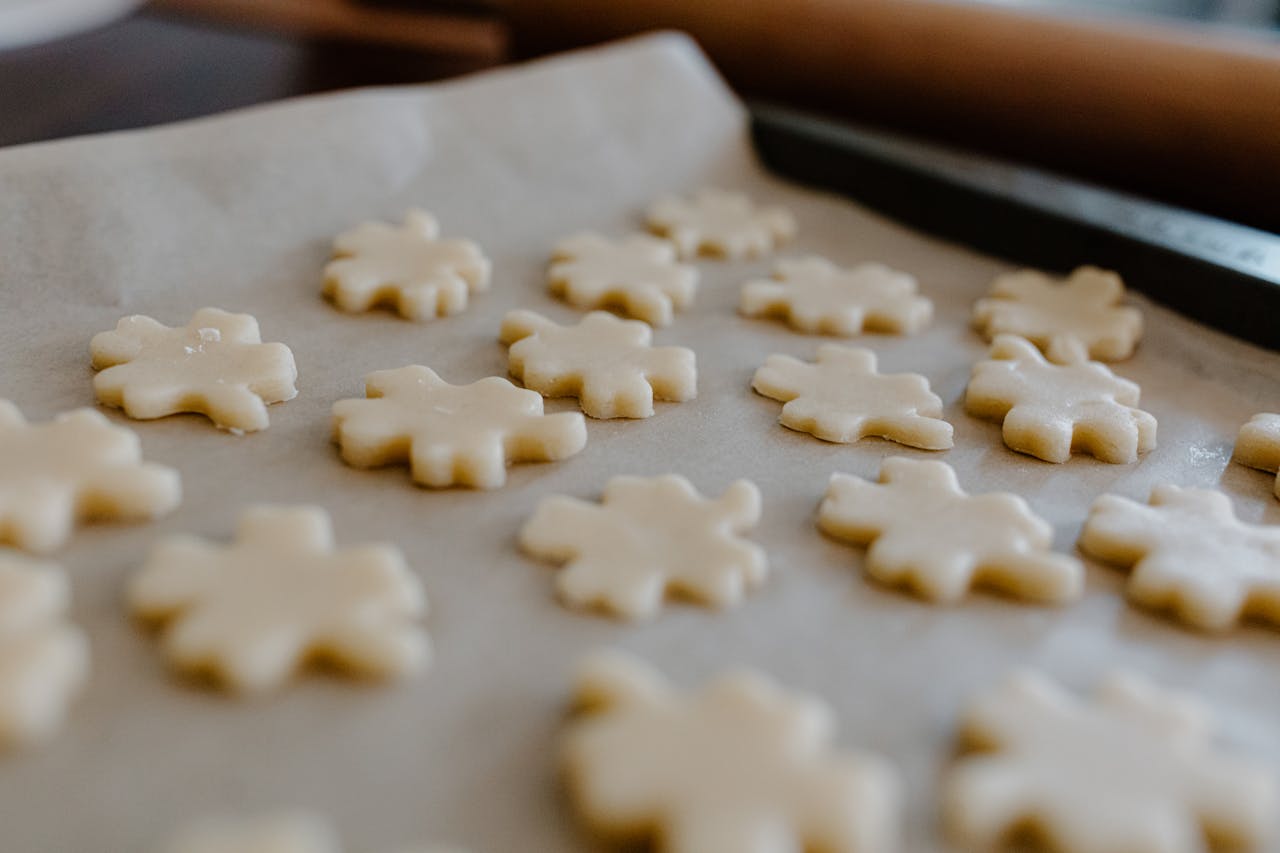
Sheet pans save time because they handle prep and cleanup at once, lined with parchment to avoid scrubbing baked-on oil.
Grouping foods by cook time creates a simple rhythm: long-roast vegetables first, then quick items like shrimp, sausage, or halloumi near the end, with a brief broil for color. Patting ingredients dry helps browning and keeps splatter down.
Using two pans prevents steaming and keeps textures crisp, and pan juices can be whisked into a quick drizzle. Once cooled, everything portions into containers with one spatula, which means fewer bowls, fewer utensils, and a kitchen that feels manageable after prep.
Freeze in Single Portions, Not Family Blocks
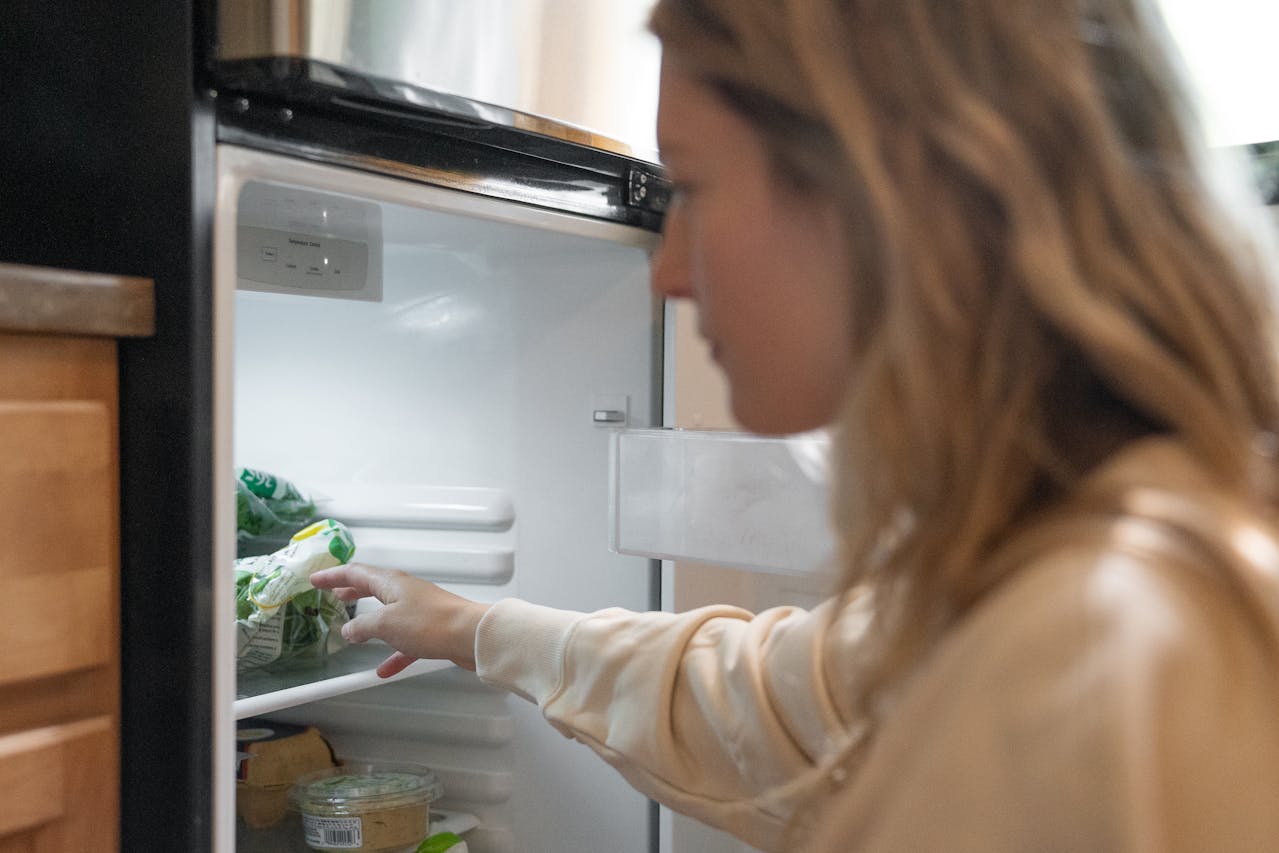
Freezing only helps when food thaws at the speed of a weeknight, not when it becomes a solid brick that demands planning.
Soups, stews, cooked beans, and sauces freeze best in single portions labeled with the date and a note like add rice. Cooling food fully before freezing limits icy crystals and keeps texture smoother later. Flat freezer bags stack like files and thaw faster than round tubs.
For sauces, ice cube trays create quick flavor blocks that drop into a pan. For rice or grains, freezing in thin layers helps them reheat evenly and stay fluffy, turning the freezer into a real backup plan instead of a forgotten corner.
Build a Snack Box That Prevents Panic
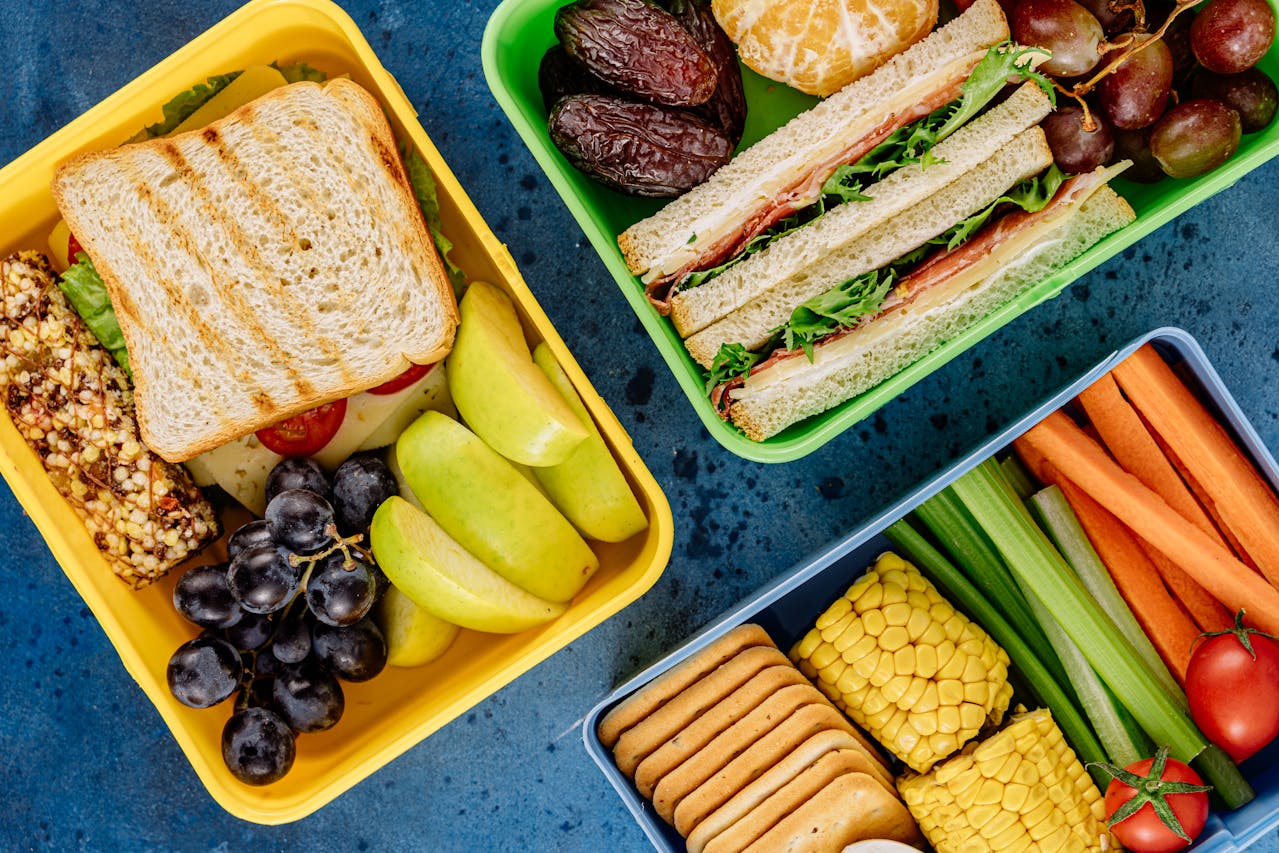
Many midweek takeout runs begin with low energy and no plan, so a snack box acts like calm insurance that keeps evenings on track.
Stock it with washed fruit, cheese, hummus, hard-boiled eggs, and crunchy vegetables, plus one sweet option that feels satisfying. A small label with a use-by reminder keeps items rotating. Pre-portioning nuts, yogurt, or trail mix keeps portions steady and portable.
Keeping the box visible reduces rummaging through chips and cookies while dinner is still a question mark. It also protects prep time, because a quick snack buys patience, and patience makes simple cooking feel easy instead of exhausting.
Batch Chop Aromatics Once
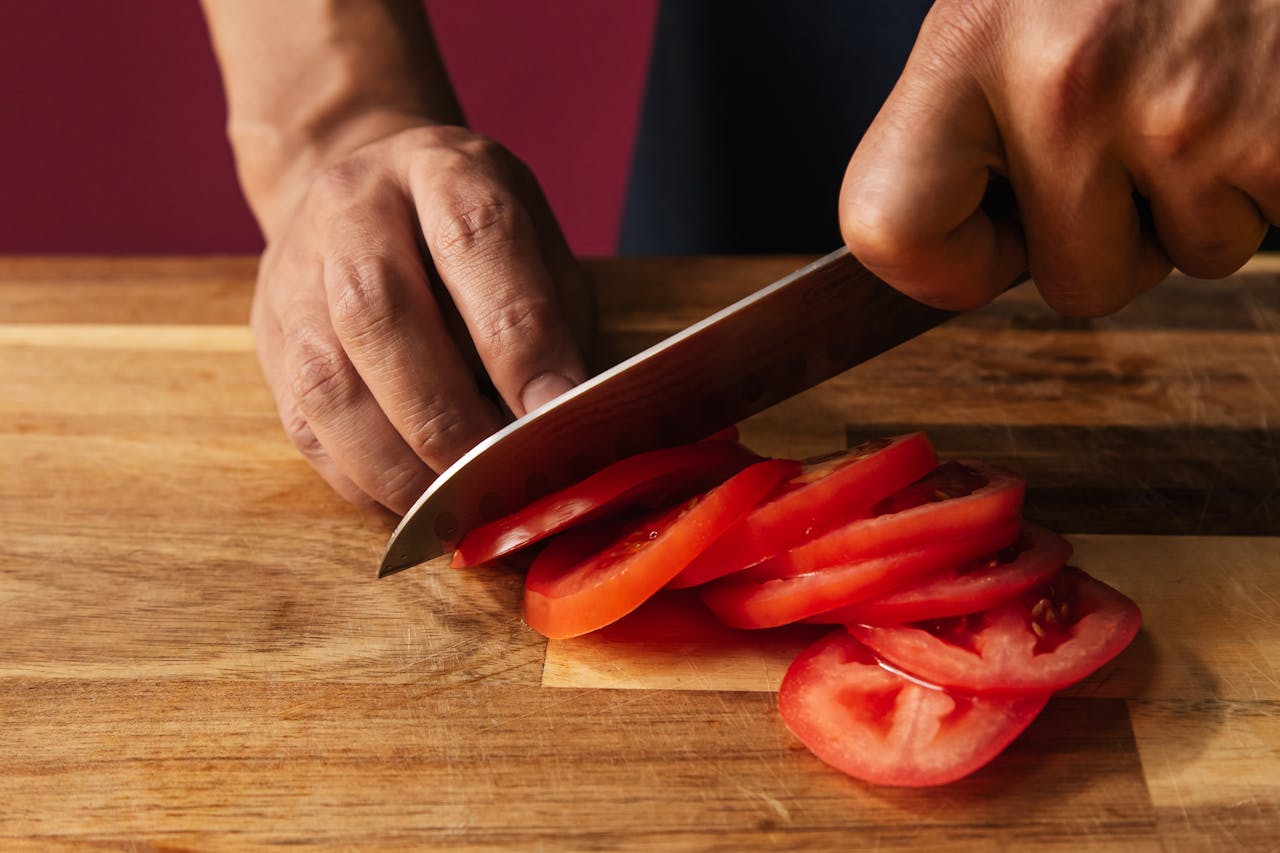
Onions, garlic, ginger, scallions, and peppers show up everywhere, but chopping them nightly turns quick cooking into a long project.
Batching a modest amount and storing it in airtight jars creates fast starts for soups, eggs, sauces, and stir-fries. Keeping each aromatic separate preserves cleaner flavors, since onion, garlic, and ginger behave differently in heat.
For longer storage, chopped aromatics can be frozen in small portions, including in ice cube trays with a little water or oil. When the base is ready, weeknight cooking feels more like assembling than starting from zero, every time.
Plan for One No-Cook Dinner

An easier week has at least one dinner that needs no heat, no timing, and almost no dishes, especially after late workdays.
Rotisserie chicken, canned fish, or marinated beans paired with a big salad, sliced vegetables, and good bread can feel generous, closer to a pantry picnic than a compromise. Olives, a simple dip, or fruit rounds it out, and nothing needs perfect plating.
A small shelf-stable kit of tinned protein, crackers, and pickles makes this option reliable even when the refrigerator is low. That reliability protects the rest of the plan, because one calm night can stop the week from unraveling.
Keep a Leftover Rule, Then Stick to It
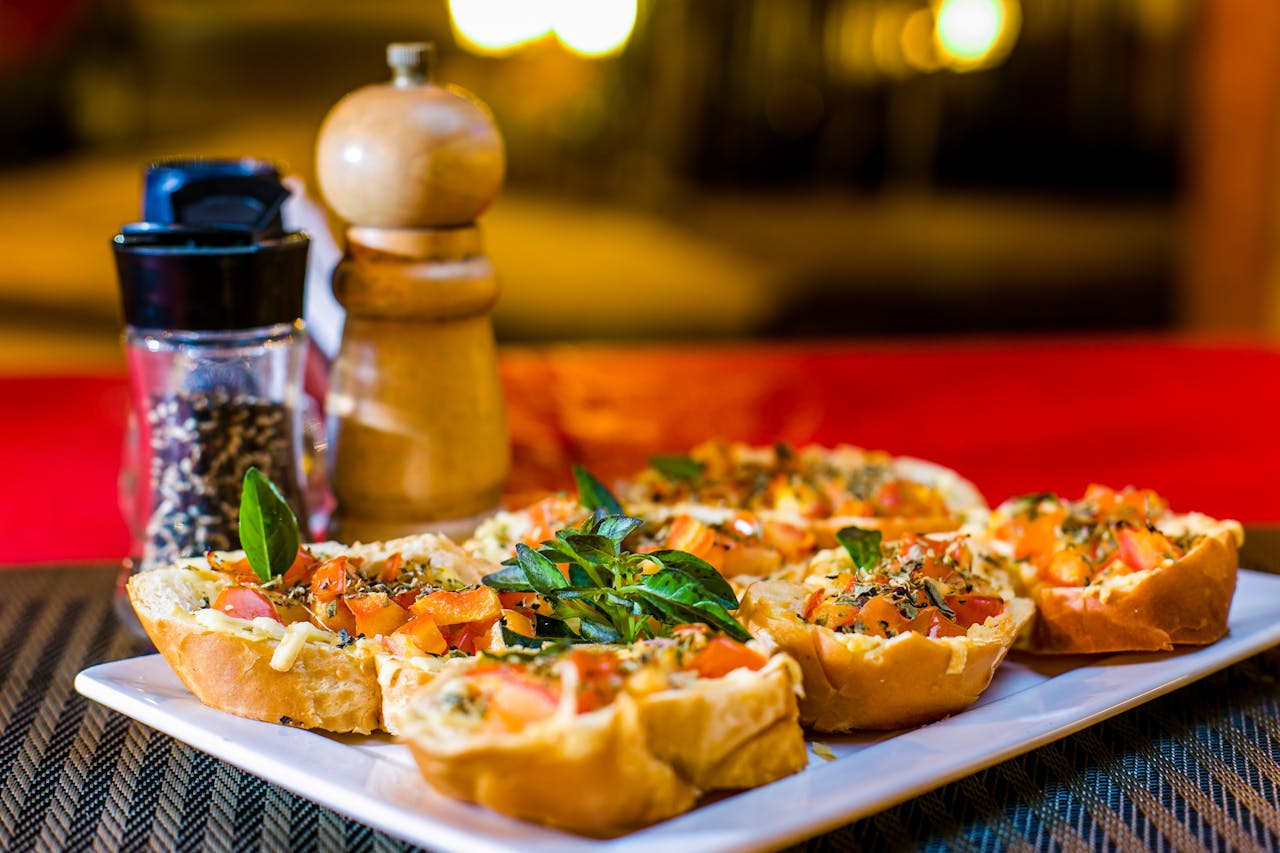
Leftovers become clutter when no rule guides them, and clutter quietly defeats meal prep by making the refrigerator feel stressful.
One simple system works: cooked food gets eaten within three to four days, and anything older gets frozen or tossed without debate. Labels with the cook day turn containers into a calendar.
A weekly fridge check makes one cleanout meal easy to plan, helps households use the oldest items first, and prevents duplicate shopping. The payoff is small but real: fewer mystery boxes, more confidence, and a fridge that supports good choices instead of pushing toward takeout.
End Prep Day With 10 Minutes of Reset
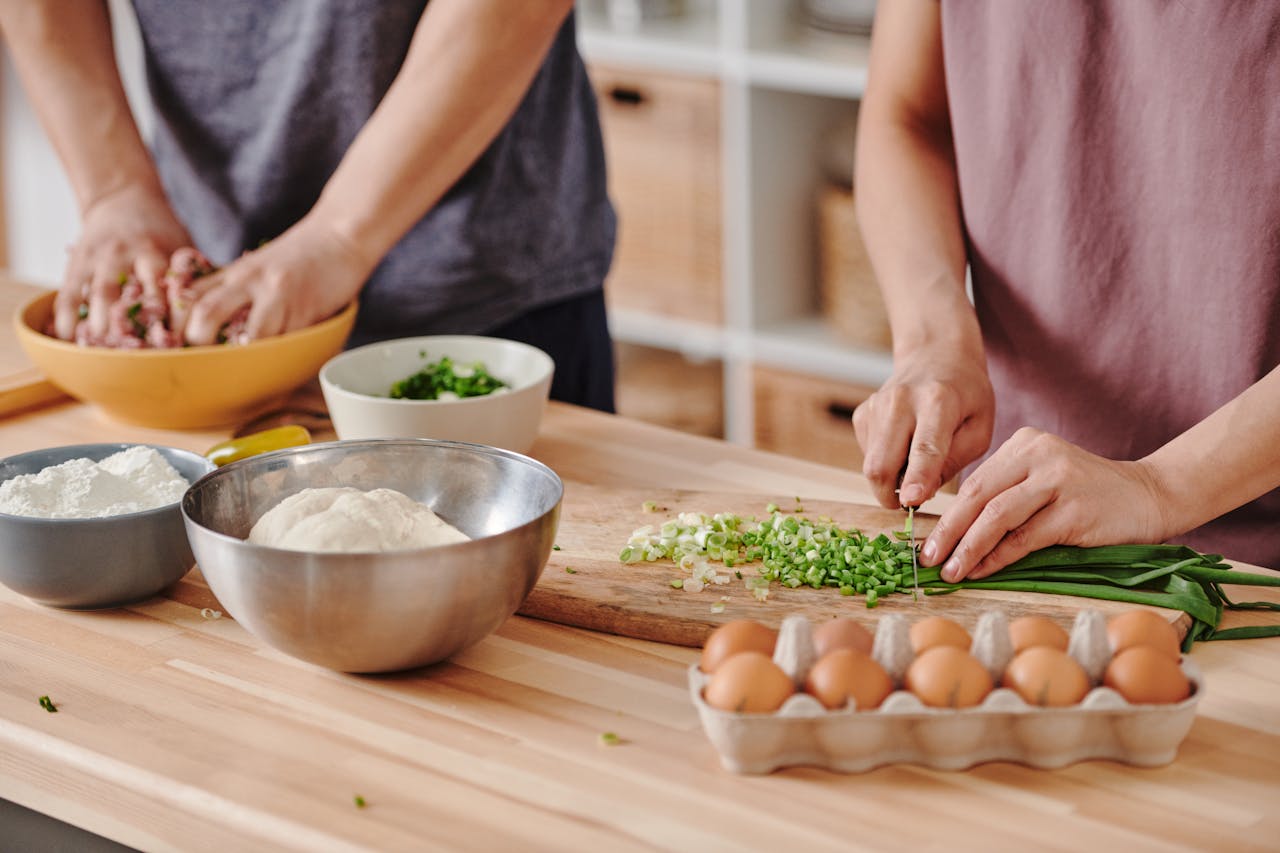
The final trick happens after cooking: a 10-minute reset that clears counters, rinses tools, wipes the stove, and sets tomorrow’s lunch at the front of the fridge.
That small finish line protects the habit, because future prep days feel lighter, not like a chore waiting in the sink. A quick dishwasher load, a refilled water bottle, and a wiped cutting board keep odors and clutter from building.
Adding one note about what is ready to eat can guide busy mornings, and pre-setting breakfast basics, like oats or fruit, keeps momentum through Friday. The week feels steadier when the kitchen closes clean.