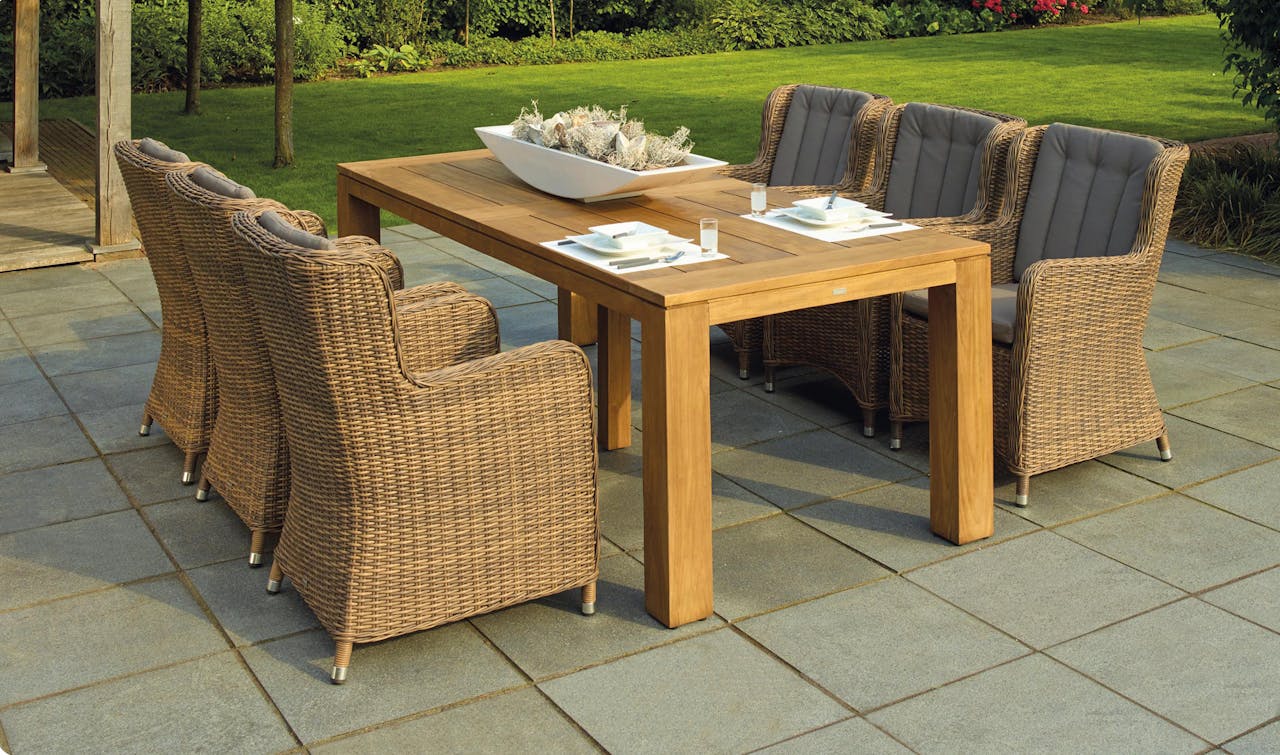
Some furniture feels fresh for decades, not because it chases trends, but because the material ages with grace. The most enduring pieces share an honesty: wood that shows its grain, stone that cools a room, textiles that soften with use. These surfaces take daily life seriously, resisting dents, pills, and fading while staying easy on the eye. In winter light they look calm, and in summer they never feel heavy. Patina, not perfection, becomes the design language, and marks read like character, not damage. When color palettes swing and silhouettes change, a few materials keep rooms grounded familiar, and confidently modern.
Solid Hardwood (Oak, Walnut, Teak)

Solid hardwood earns its staying power the slow way, through dense fibers, real weight, and surfaces that can be renewed rather than babied. White oak, especially when quarter-sawn, resists dents and shows a calm grain; walnut reads tailored and darkens beautifully; teak handles humidity and sun with less drama when a finish is maintained. Scratches can be sanded, edges can be re-oiled, joints can be tightened, and a tired sheen can be refreshed, so a table or dresser survives moves, new rugs, and shifting trends, pairing with brass, black, or chrome hardware without looking like a time capsule or relying on thin veneers.
Top-Grain Leather

After wood, leather is the material that often looks more confident with time, because wear shows up as depth instead of decay. Top-grain or full-grain hides develop a gentle patina, and small scuffs melt into the surface; semi-aniline finishes balance softness with practicality, while heavily corrected leather can look flat and crack sooner. Kept out of harsh sun and conditioned a few times a year, a well-made leather chair or sofa holds its shape, resists pilling, and stays visually clean, often hiding lint and pet hair, in classic tones like saddle, cognac, or black that suit vintage silhouettes and clean modern frames.
Wool Upholstery (Including Bouclé and Tweed)
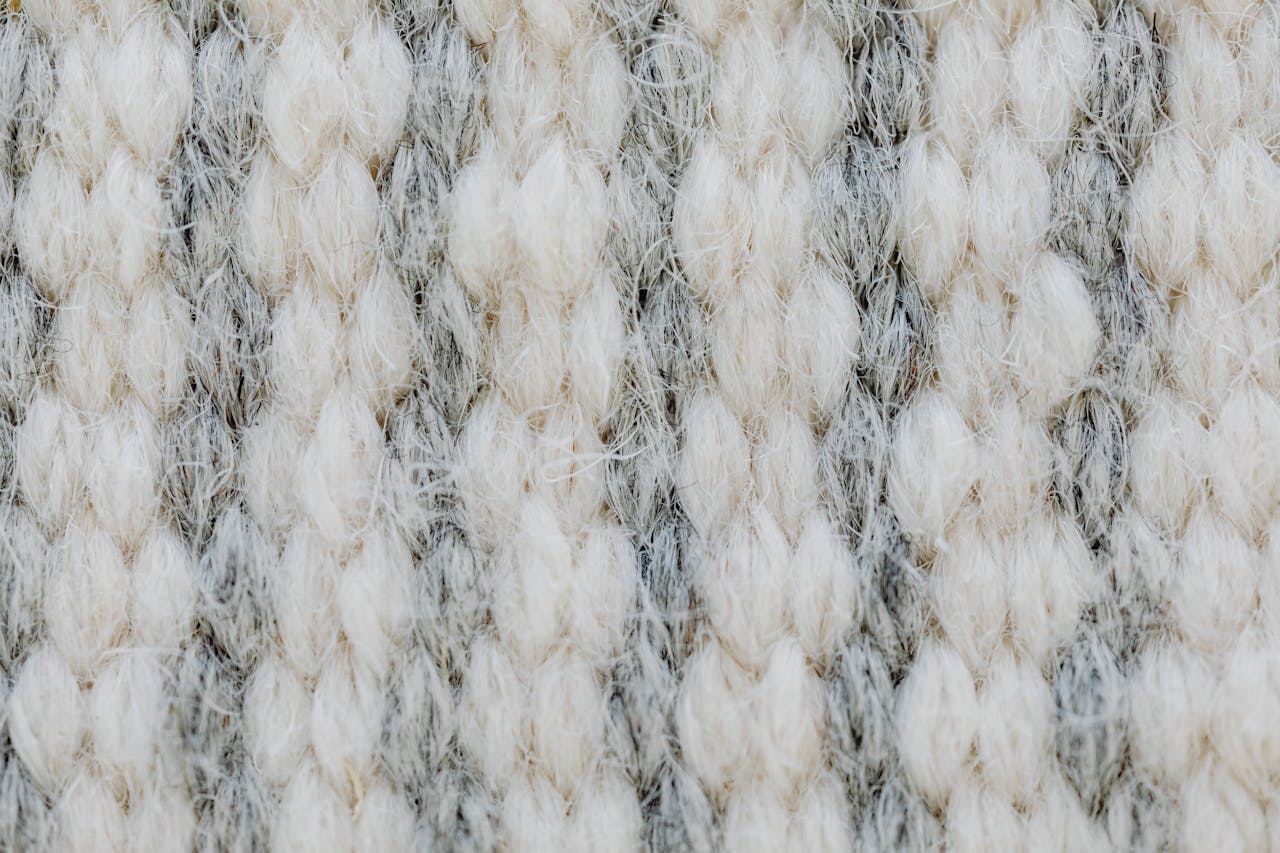
Wool brings a quiet, tailored texture that rarely reads dated, even when the weave is bold, because it echoes classic suiting rather than a seasonal print. With springy fibers and natural lanolin, wool tends to shed dirt, bounce back from compression, and resist pilling better than many synthetics, while staying breathable through heating season and humid months. A tight tweed, a felted wool blend, or a refined bouclé can disguise everyday crumbs and minor marks; paired with a good vacuum routine and a prompt blot, the fabric keeps its depth, looking richer in low winter light and softer in bright summer rooms too.
Linen and Linen Blends
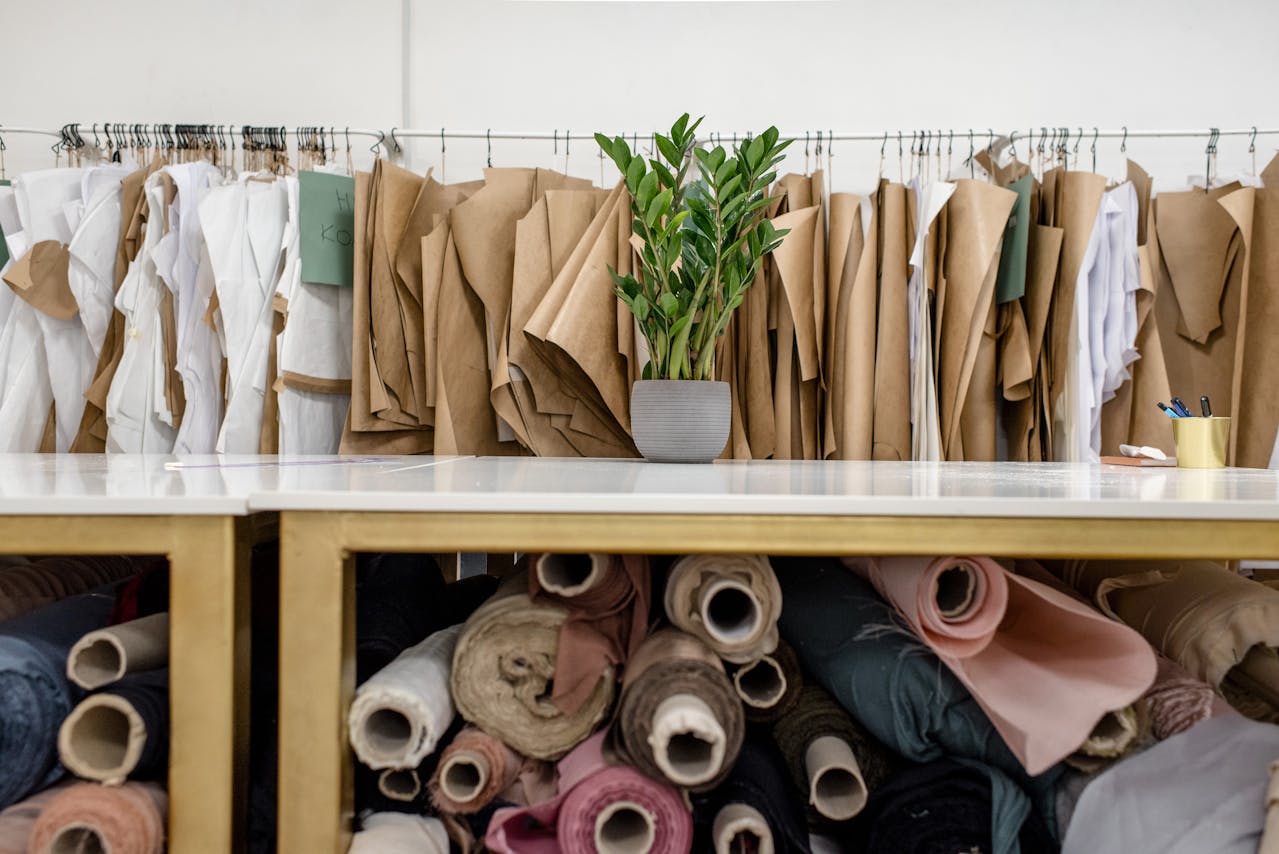
Linen reads timeless because it refuses to pretend: the weave is a little irregular, the hand is cool, and the wrinkles look lived-in instead of messy. Made from flax, linen fibers are strong, and in a heavier weight or a linen-cotton blend they hold up well on chairs, headboards, and slipcovered sofas, especially when the cover can be laundered or professionally cleaned; a tight weave matters more than a trendy color. Neutral linens take dye in a way that feels sun-washed rather than flat, so white, oat, stone, and soft gray stay relevant as paint colors change and decor swings from coastal to modern to traditional.
Natural Stone (Marble, Travertine, Soapstone)

Stone furniture feels permanent in the best way, adding weight and temperature to a room that trends cannot fake. Honed marble, travertine, and soapstone age with a soft haze rather than a shiny scratch, and a good sealer helps daily spills buy time before they settle in; the matte finish also keeps fingerprints and swirl marks from stealing attention. On a coffee table or console, subtle veining acts like visual texture, pairing with wood, leather, and linen; even when a surface etches or takes a small chip along an edge, the wear often reads like old-world character instead of a flaw that demands replacement later.
Metal (Brass, Bronze, Stainless Steel)
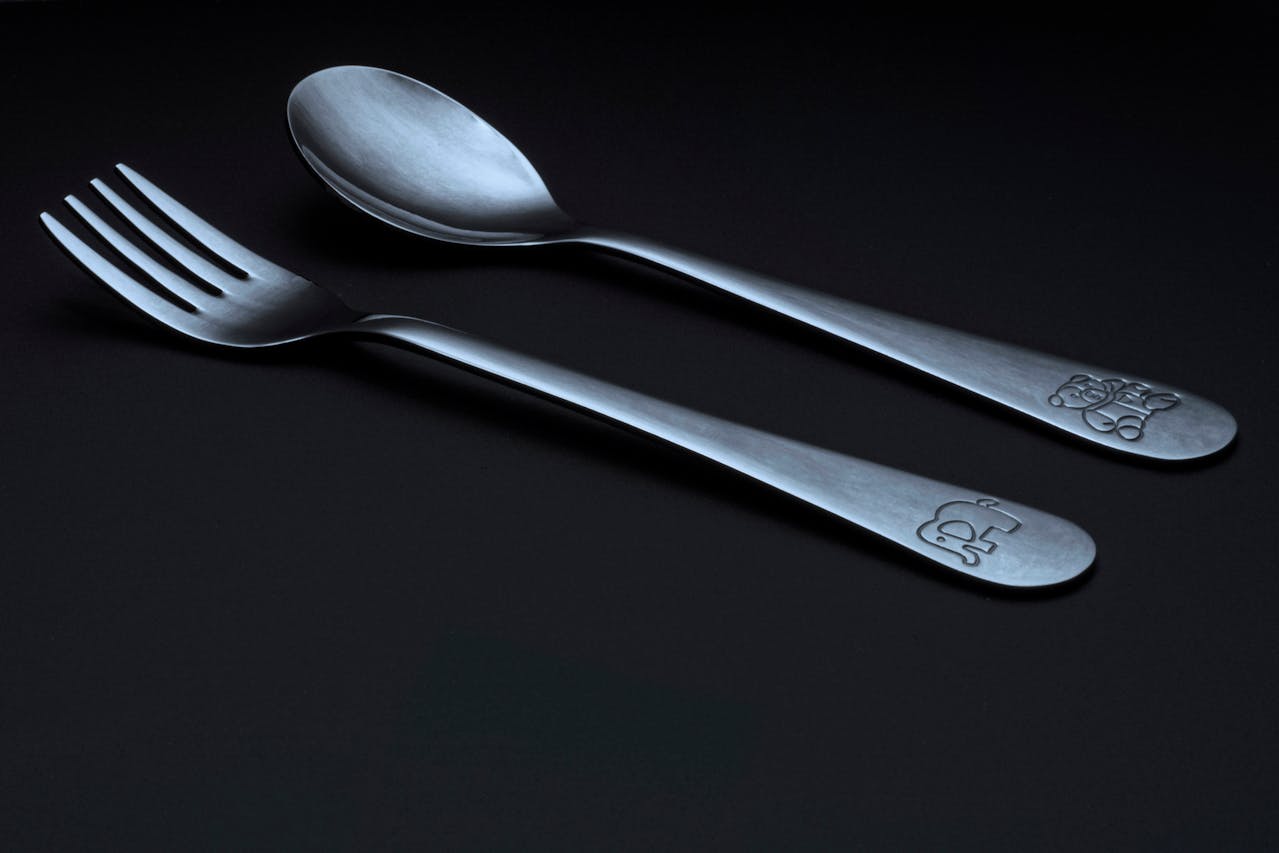
Metal shows up as legs, frames, pulls, and trim, and the best versions feel architectural rather than trendy, with thick gauge parts that do not wobble. Brass and bronze warm over time, picking up a mellow patina that pairs well with both dark woods and pale fabrics, while brushed stainless steel stays crisp and resists corrosion in kitchens, entryways, and humid climates. Powder-coated steel in black or soft white shrugs off chips better than paint, and a satin or brushed finish hides fingerprints, so metal details keep a room looking finished even as upholstery and accessories rotate season to season, without fuss.
Cane and Rattan

Cane and rattan bring an airy, handcrafted look that has cycled through design eras without ever disappearing, partly because the texture reads as craft, not trend. Rattan frames are light but strong, and woven cane panels add breathability to chair backs, cabinet doors, and headboards, while the pattern pairs naturally with wood, leather, or metal. Natural tones work with nearly any palette, and a vacuum keeps dust from settling in the grid; when weaving loosens it can be re-caned rather than trashed, and kept away from soaking moisture and direct heat, these pieces keep their charm from beachy spaces to city apartments.