Historic downtowns can feel like time machines when the street grid, storefront lines, and marquee lights stay close to their first big moment. In the 1920s, towns and cities poured money into theaters, banks, hotels, and shopping streets designed to impress arriving motorists and weekend crowds. Some places kept those bones intact through careful preservation and steady local pride. The result is downtown cores where brick, tile, and neon still suggest jazz-age evenings, even as daily life keeps moving forward.
Tulsa’s Deco District, Oklahoma
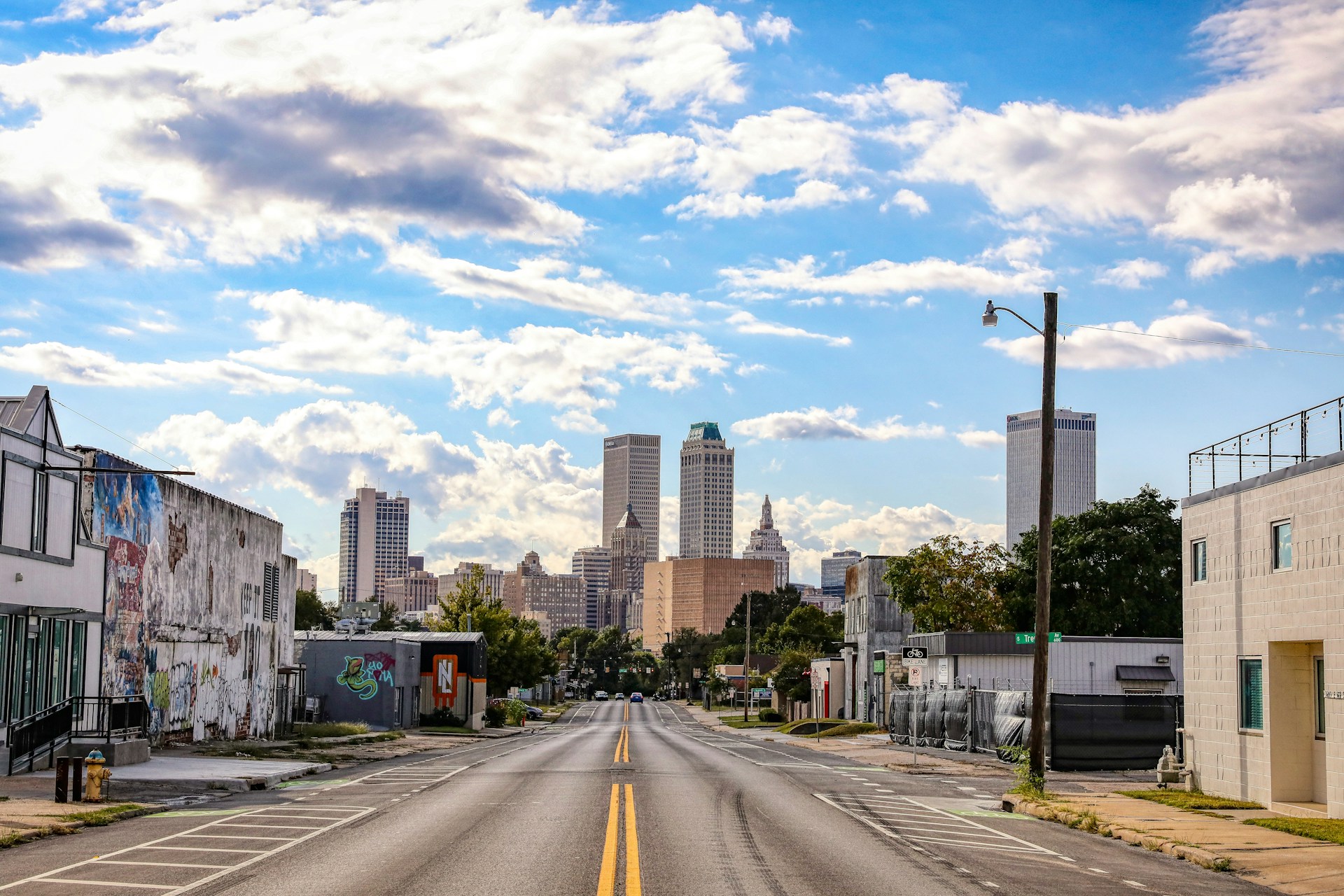
Tulsa’s downtown carries the swagger of an oil-boom city that spent freely on design. Art Deco towers and lobbies from the late 1920s still sit close enough to feel like one continuous streetscape, with zigzags, sunbursts, chevrons, and strong vertical lines repeating in limestone, metalwork, and glazed terra-cotta, right down to patterned thresholds and gridded transom windows. The best part is how usable it remains: coffee counters tucked into old banking halls, lobby mosaics and brass details preserved at eye level, and restored theaters and supper spots that keep nights bright without turning the district into a theme.
Country Club Plaza, Kansas City, Missouri
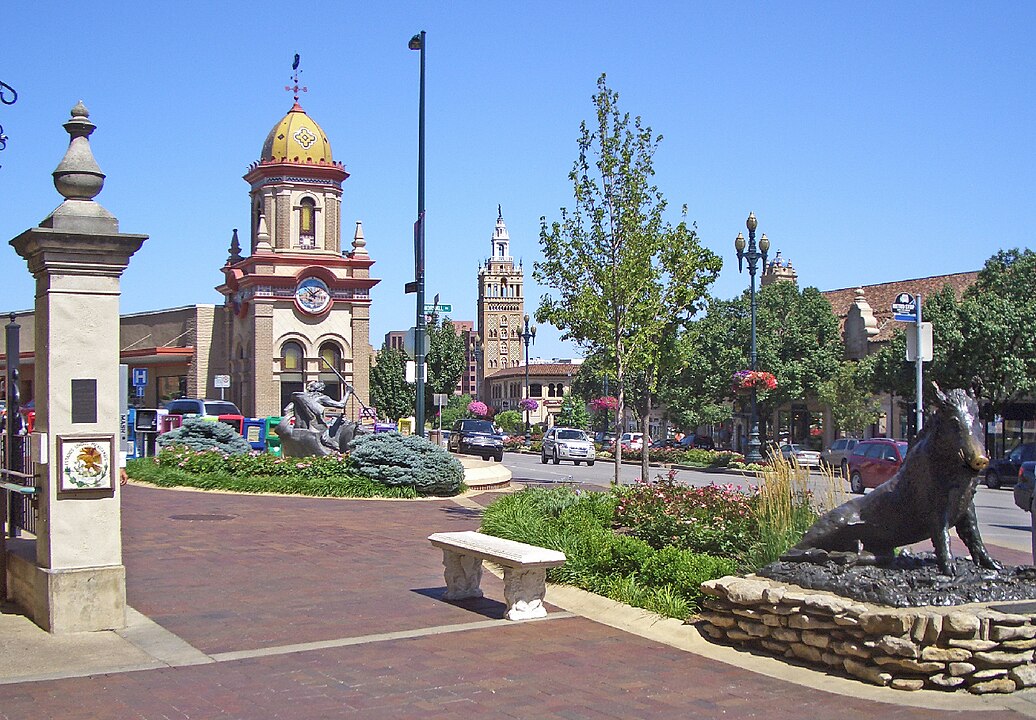
Country Club Plaza opened in 1923 as a planned retail district, and its order is exactly why it still reads as a 1920s idea rather than a patchwork. Spanish-inspired towers, arcades, tiled roofs, and courtyards repeat in a steady rhythm, so modern storefronts slide into the same frame, while iron balconies, ceramic trim, and carved stone accents keep surfaces interesting up close, especially where passages open to fountains. Designed for cars as well as strolling, circulation feels intentional, yet the real charm is on foot, where shade, benches, and shopfront lighting make commerce feel social, not frantic.
Downtown Asheville, North Carolina
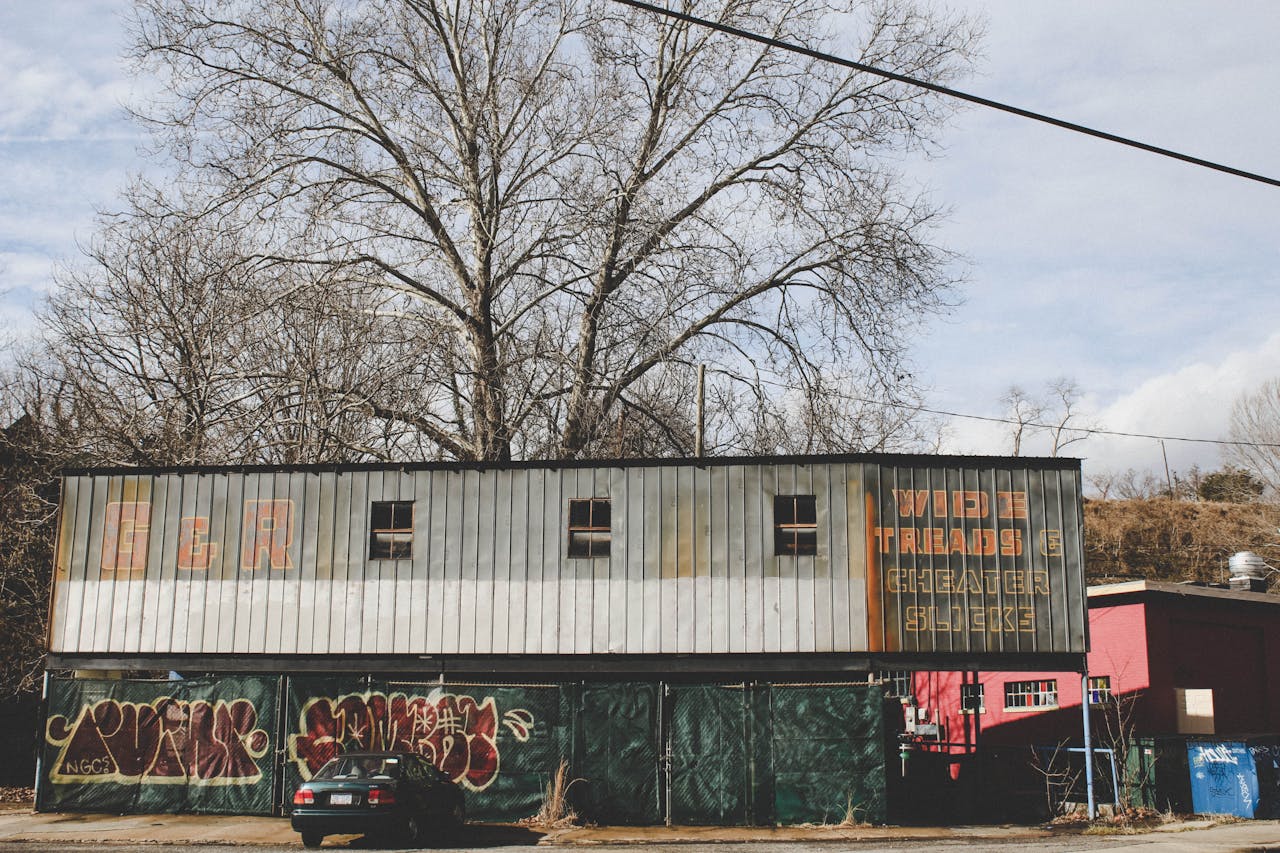
Asheville’s center kept a 1920s profile because so many landmark buildings rose just before the Great Depression and then held their ground through changing decades. The Grove Arcade, completed in 1929, anchors the mood with thick arches, carved details, and indoor passages that still hold small shops and bakeries, so a quick errand turns into a slow lap past display windows, old stair rails, and warm stone. Around it, brick facades, early towers, and compact corners keep the streetscape tight and walkable, especially near Pack Square, where civic steps, café tables, and older storefronts meet in a clean, confident grid.
Miracle Mile, Coral Gables, Florida
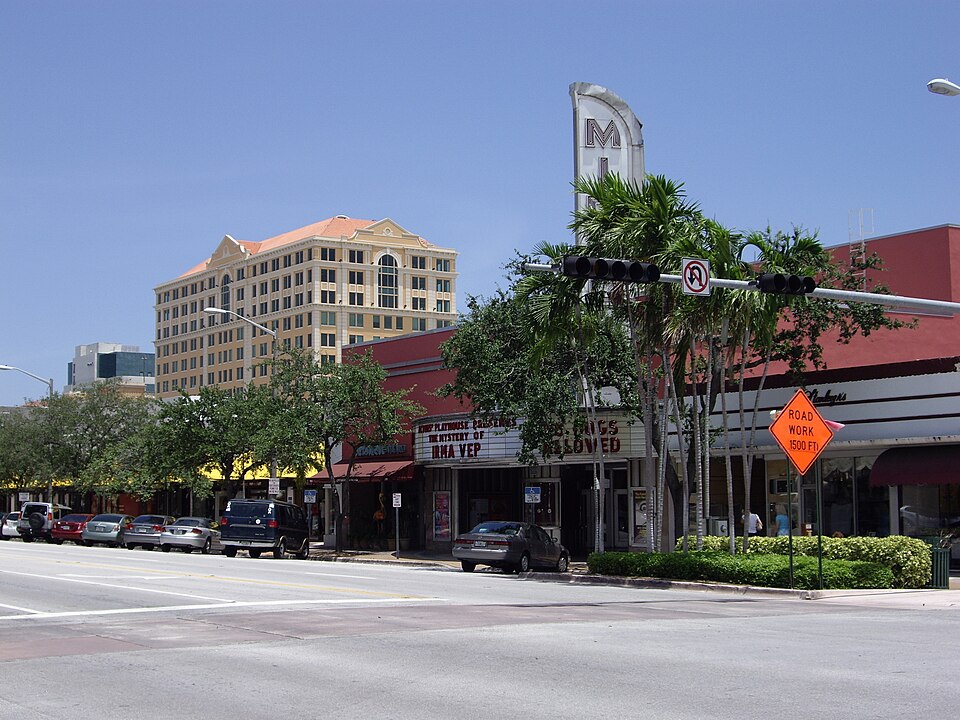
Miracle Mile holds the spirit of a 1920s planned city, where Mediterranean Revival was not a theme, but a rulebook that shaped everything from height to sidewalk shade. Arcades, stucco walls, red-tile accents, and arched openings keep the scale calm, even when traffic picks up, and pocket courtyards soften the edge between shops and street with palms, low walls, and tile underfoot. Storefronts sit back just enough to create outdoor rooms, and newer businesses fit because the proportions still guide windows, entrances, and sign size, keeping the corridor poised in bright Florida light from morning through late dinner hours.
El Pueblo Viejo, Santa Barbara, California
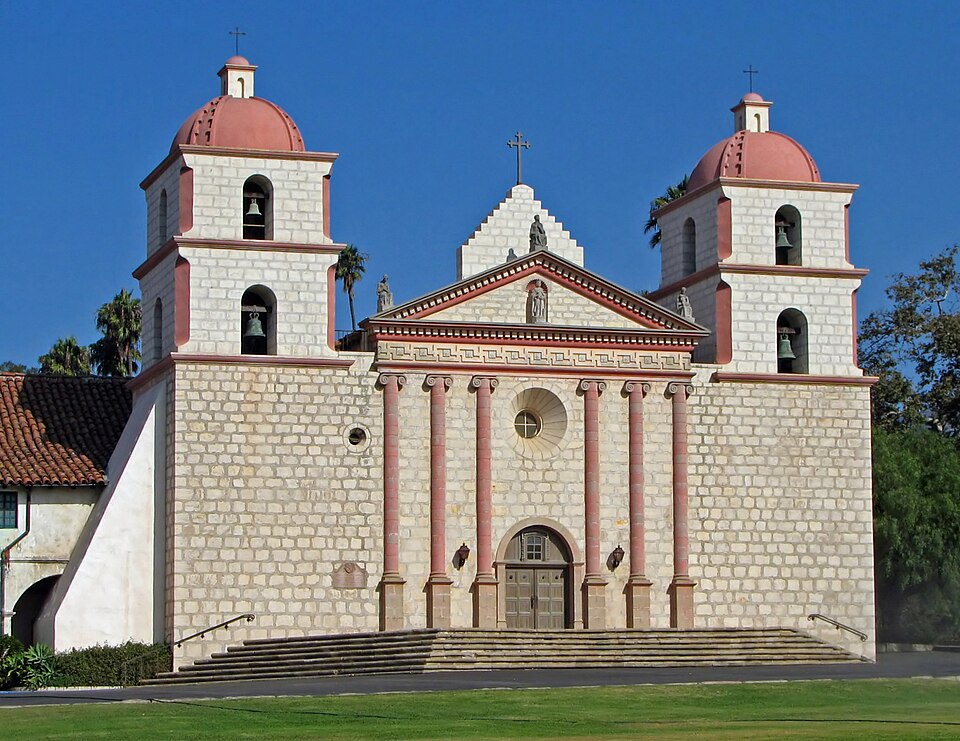
Santa Barbara’s El Pueblo Viejo district preserves a coordinated look that grew out of the city’s 1920s rebuilding era and still sets the tone for downtown blocks. White stucco, red-tile roofs, wrought-iron balconies, and tiled stairways show up again and again, tying streets together the way a shared palette ties a neighborhood, with covered walkways and courtyards offering relief from sun and wind. Because the style also works as climate design, deep storefront thresholds and shaded passages keep the commercial core comfortable year-round, so the 1920s atmosphere persists even when weekends bring a steady flow of shoppers and strollers.
Worth Avenue, Palm Beach, Florida
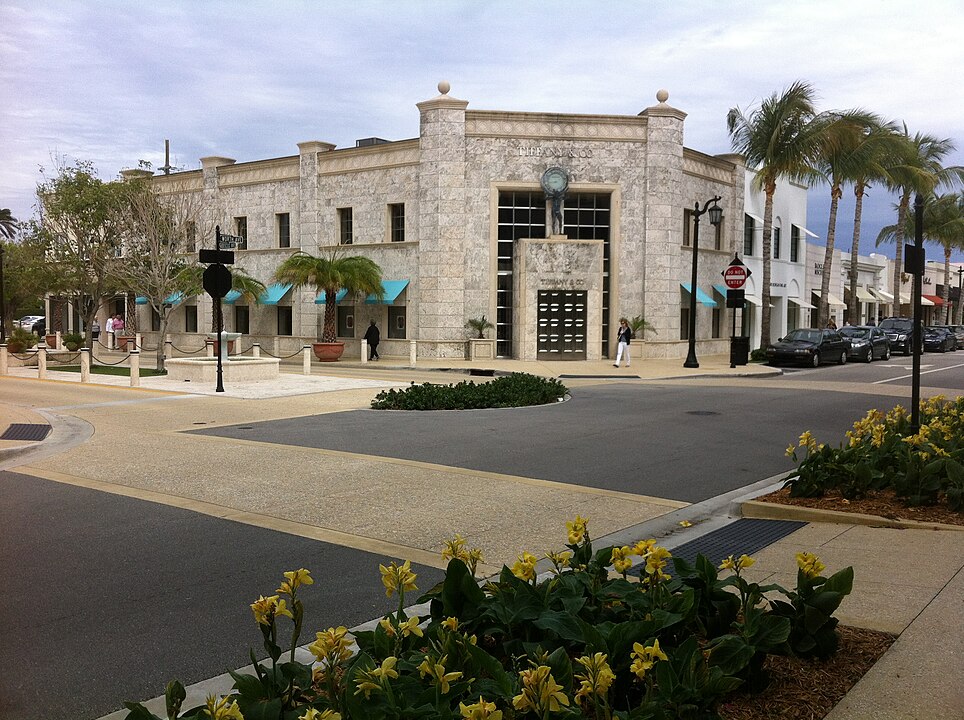
Worth Avenue’s 1920s identity still shows in the way it stages arrival, then rewards anyone who slows down and looks into the side passages. Mediterranean details, arched entrances, and intimate vias create a sequence of small courtyards that feel private even when the avenue is active, with lanes like Via Mizner and Via Parigi offering clipped hedges, stucco walls, and quiet storefront doors that sit just off the main pulse. Luxury tenants change, but the bones stay steady: warm textures, low-slung facades, and a walkable scale that keeps the street refined rather than showy, especially in the softer light near sunset.
Old Pasadena, California
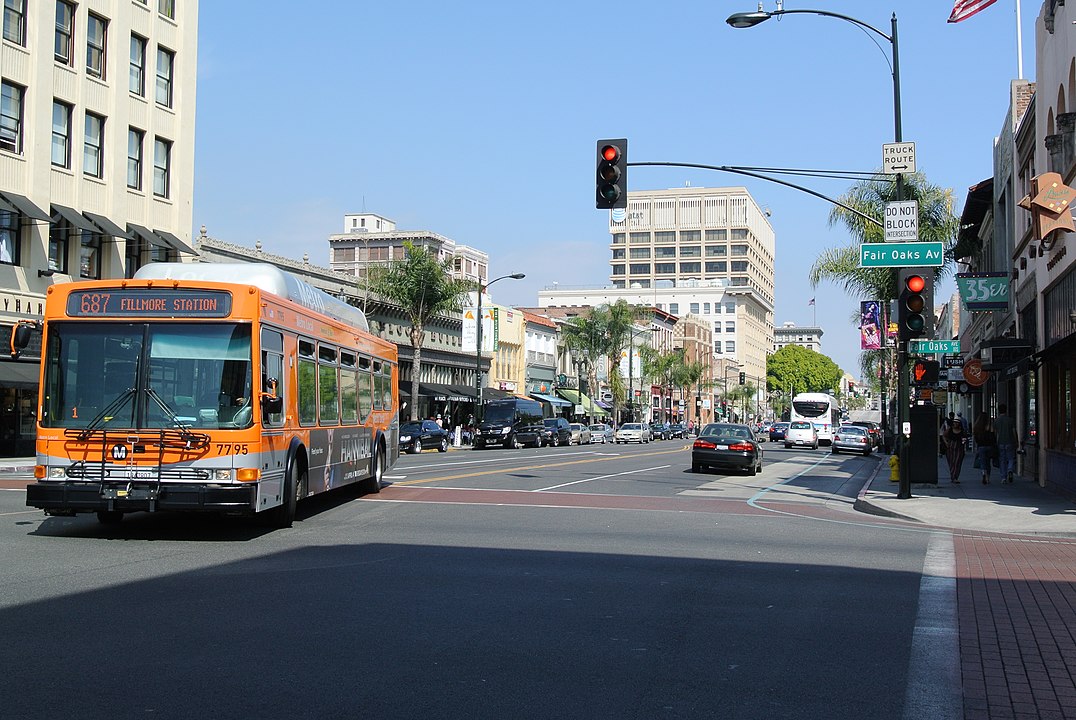
Old Pasadena feels convincing because much of its commercial fabric, already mature by the 1920s, stayed intact and was restored with restraint. Brick storefronts, recessed entries, and long display windows line compact blocks built for streetcars, theaters, and browsing, especially along Colorado Boulevard, and the street wall stays continuous, with older sign bands above shops and alleys repurposed into patios and pocket courtyards. Restoration kept the texture, so stamped ceilings, old transoms, and worn masonry stay visible at eye level, and after dark the window glow and modest marquees turn errands into gentle night-out energy.
Carmel-By-The-Sea, California

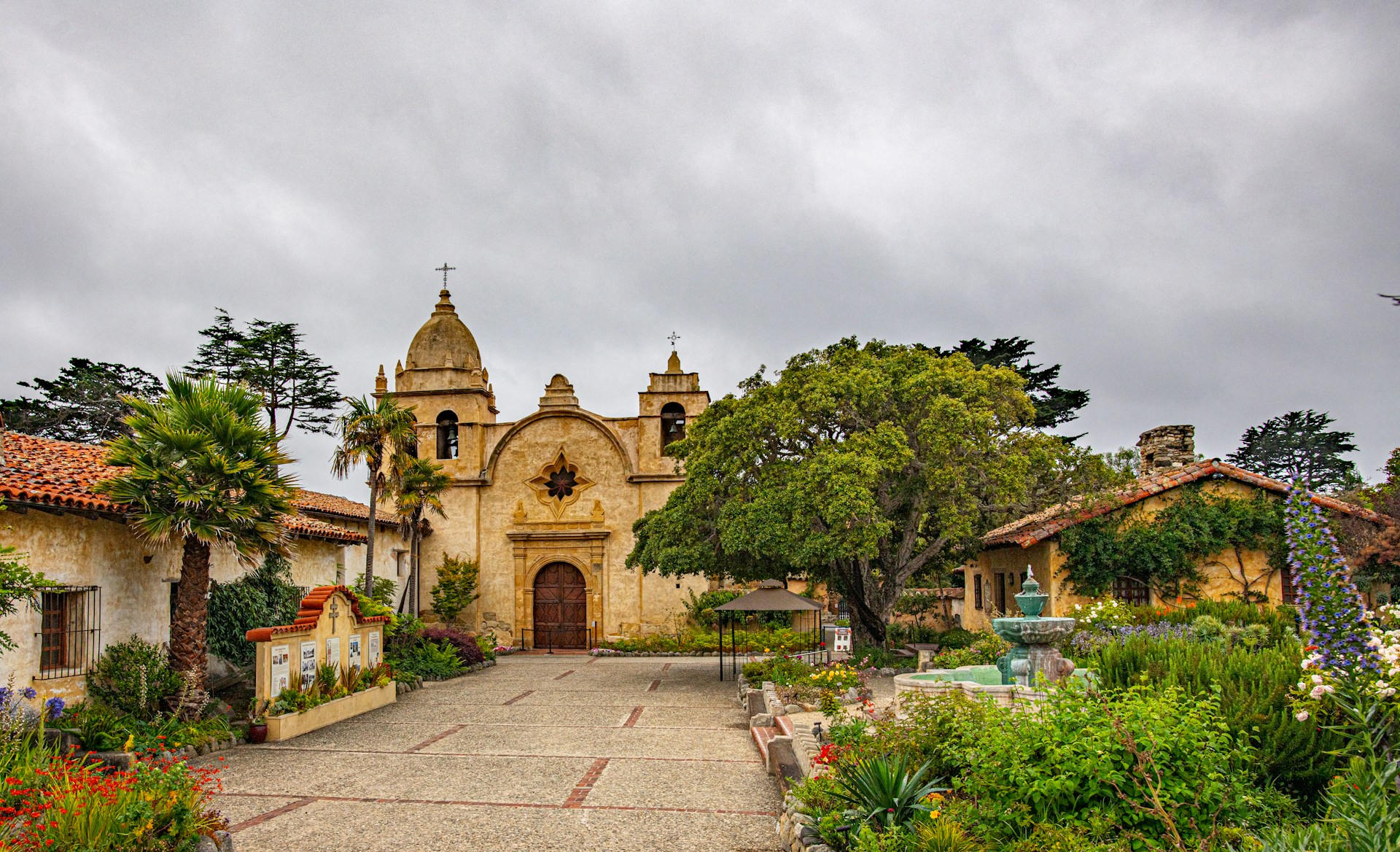
Carmel’s downtown keeps a 1920s storybook mood because it never chased big-box scale or tall street walls that flatten personality. Hugh Comstock’s cottage designs from that era set a tone of hand-crafted texture, low roofs, and whimsical angles, and nearby commercial streets follow the same human proportions, with passageways that open into hidden courtyards where signs, lanterns, and ivy stay close. Because the village is compact and the details are small, shopfronts feel personal, greenery stays present, and the whole place reads as lived-in consistency, not performance, even on busy afternoons.
Downtown Hollywood, Florida
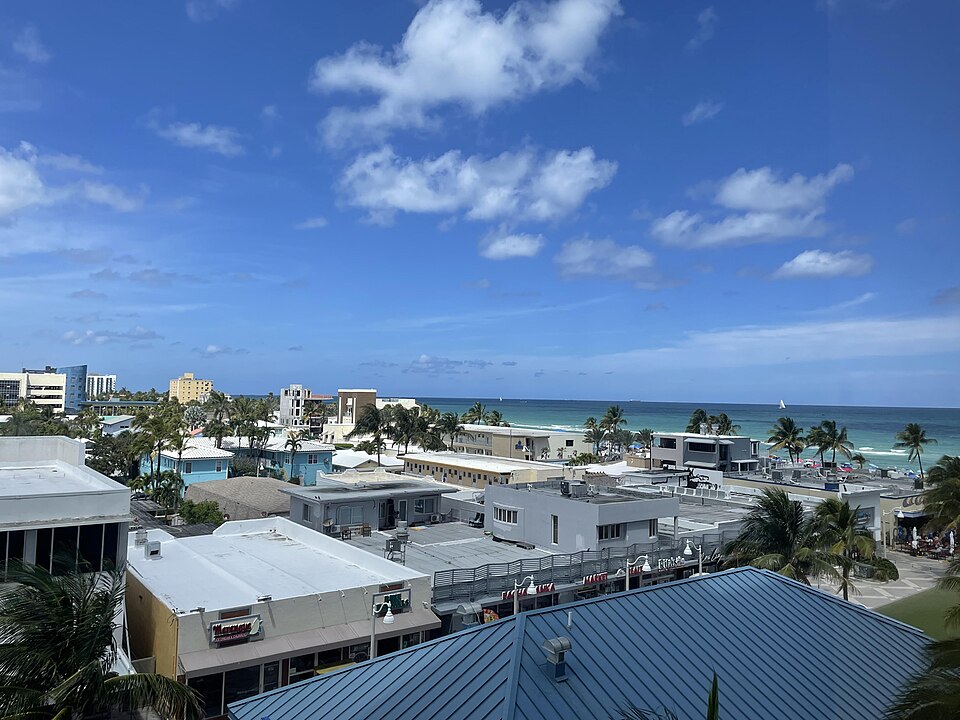
Downtown Hollywood, Florida, grew out of a 1920s resort-city vision, and the core still reflects that early confidence in its scale and ornament. Mediterranean Revival and early modern facades line Hollywood Boulevard in a tight commercial strip, with decorative relief, parapets, and older hotel fronts that keep the street from feeling generic, plus window bands that still suit strolling and browsing. Because the district is easy to cover on foot, the details matter: shaded sidewalks, modest canopies, and storefront proportions that favor window-shopping, café pauses, and unhurried evening walks under warm streetlights.
Park Avenue, Winter Park, Florida
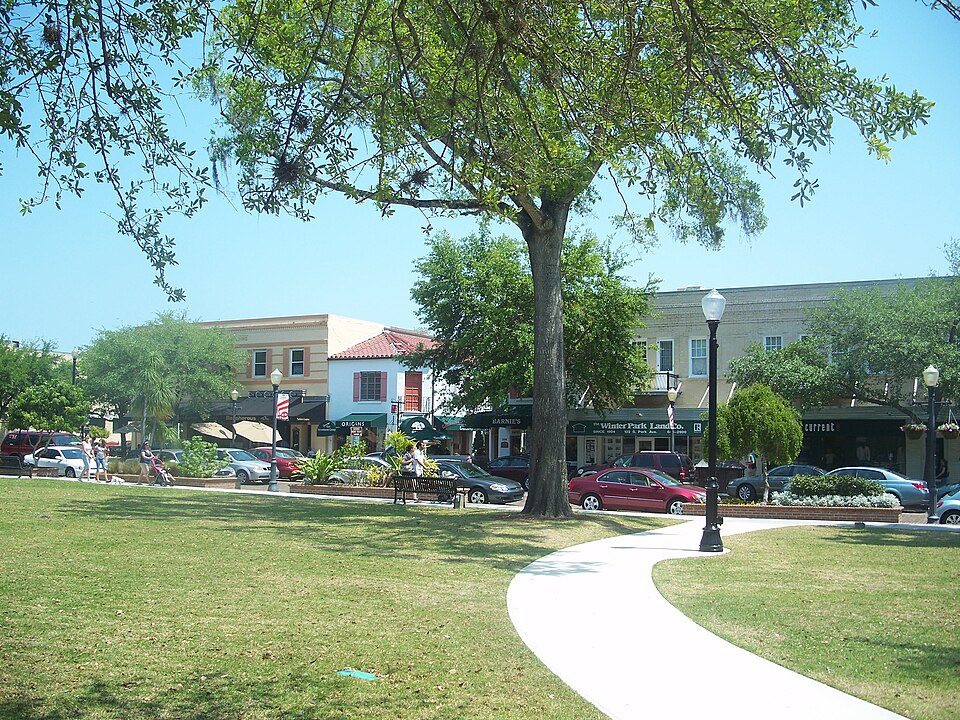
Park Avenue in Winter Park holds onto a 1920s sensibility through scale, restraint, and a downtown layout that rewards walking instead of rushing past. Brick storefronts, shaded sidewalks, and civic anchors close to the rail line keep the corridor feeling like a small resort town that once marketed calm as luxury, with café patios, shop windows, and tidy landscaping doing the social work. Modern tenants fit because facades still take priority over loud signage, and trees, courtyards, and consistent building heights do more work than billboards ever could, keeping the street polished without feeling stiff.