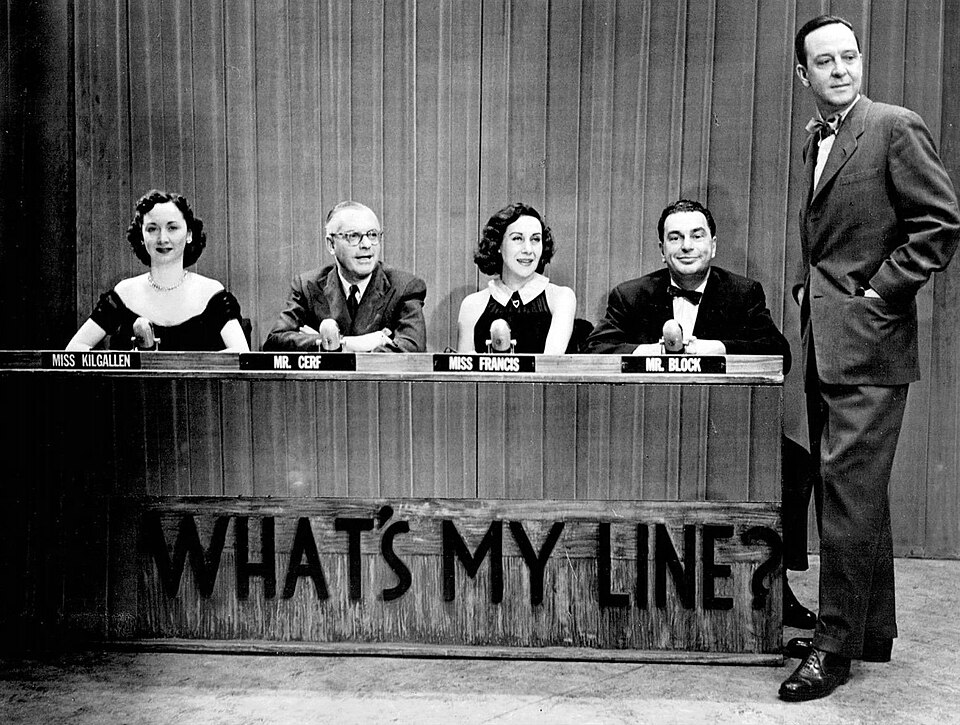
Before reality TV had a name, game shows were already learning what cameras love: decision points, awkward pauses, and emotion that lands in real time. Producers built formats where ordinary people had to wager, flirt, confess, or keep composure while a crowd reacted inches away. Some series looked gentle on the surface, yet the mechanics were sharp, turning personality into the main variable. Many of these titles faded from rerun culture, but their fingerprints remain on modern competitions, dating franchises, and talent stages that still chase the same quick, honest spark.
“Queen for a Day”
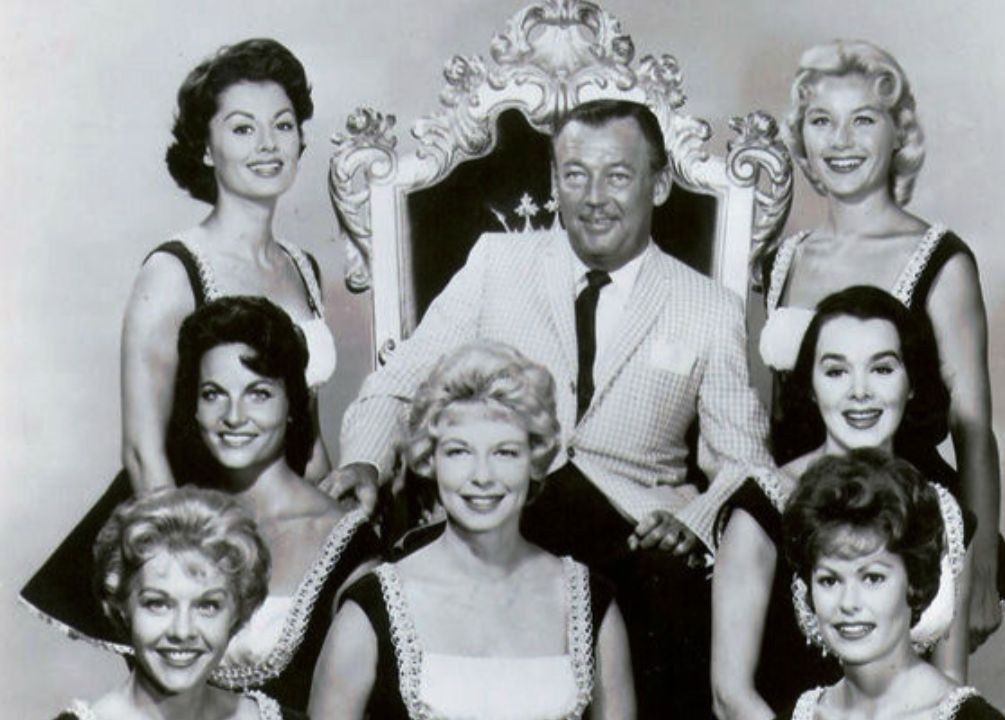
Airing from 1956 to 1964, “Queen for a Day” treated personal need as the engine of suspense, with contestants explaining a request and the studio choosing a winner by applause meter. The crown, robe, and sponsor prizes turned empathy into a scoreboard, then into a staged payoff, while the host guided each story toward a clear climax and even the runners-up often received smaller gifts to keep the room warm. That blend of casting-by-backstory and crowd judgment still powers modern reality competitions, where emotion, voting, and reaction shots help decide who earns the spotlight, and a winner’s gratitude becomes part of the final scene.
“Strike It Rich”
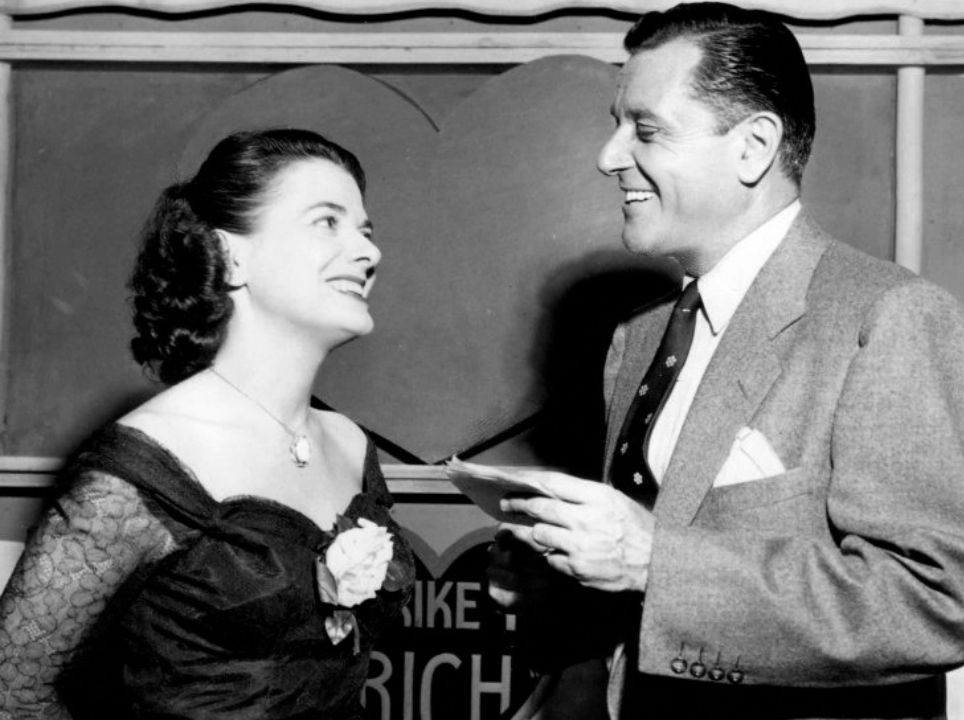
“Strike It Rich” (1951 to 1958) paired a simple quiz format with openly stated stakes, so tension came from choices, not trick questions. Contestants started with a bankroll and wagered across four questions, and the host’s calm pacing made every bet feel personal, especially when a miss wiped out hard-won cash and the studio fell quiet for a beat. The Heart Line, which invited viewers to donate for contestants who left with little, foreshadowed reality TV’s habit of turning audience feeling into real consequences, mixing entertainment with public generosity beyond the set, and making empathy part of the format.
“Truth or Consequences”
“Truth or Consequences” built suspense by making time the real opponent, giving contestants only a blink, about two seconds, to answer before the buzzer sent them into consequences. Because the setup made a miss likely, the real drama was the reaction: surprise, quick improvisation, and the attempt to stay confident while silly stunts unfolded and the studio watched every facial twitch. That beat of deadline, stumble, and recovery is a straight line to modern challenge reality, where pressure is designed to reveal personality faster than any interview and create stories from reflexes, small risks, and quick laughs.
“Beat the Clock”
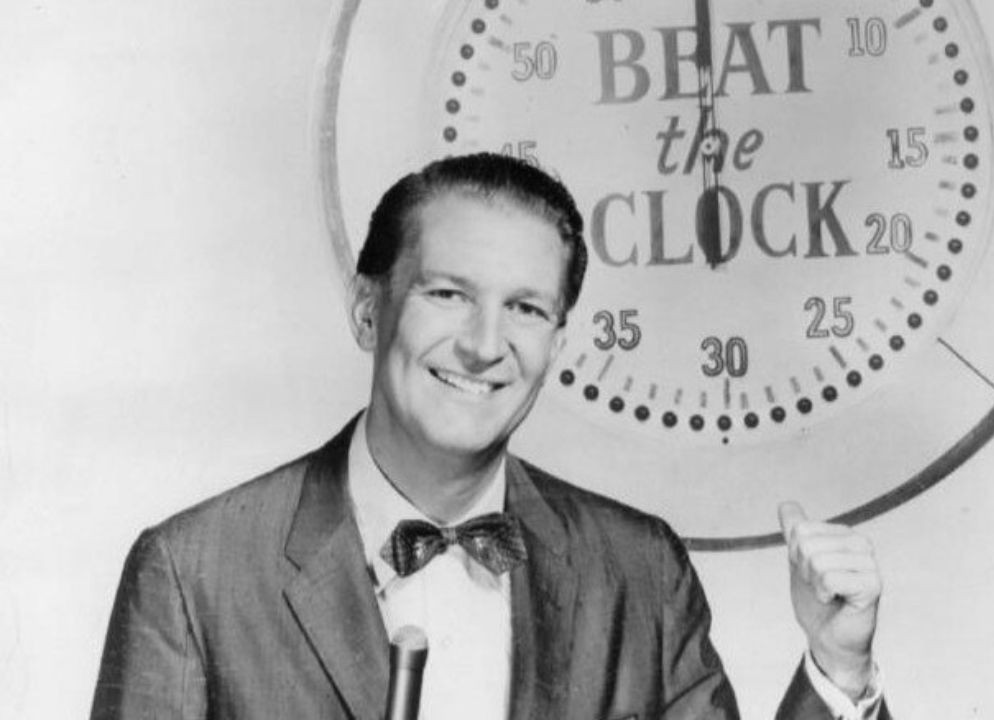
“Beat the Clock” (1950 to 1961) turned everyday props into high drama by timing couples through practical stunts built from balloons, string, pans, paper, and tape. A giant onstage clock made the stakes visible, and the tasks were repeatable enough that viewers could compare teamwork, calm thinking, and quick fixes across different pairs, almost like early highlight reels, with time always visible in the frame. The show’s core idea, simple rules plus tight time, became a reality-TV workhorse, because it produces clear winners, chaotic mistakes, and real relief, all in a tight, watchable burst.
“The Dating Game”
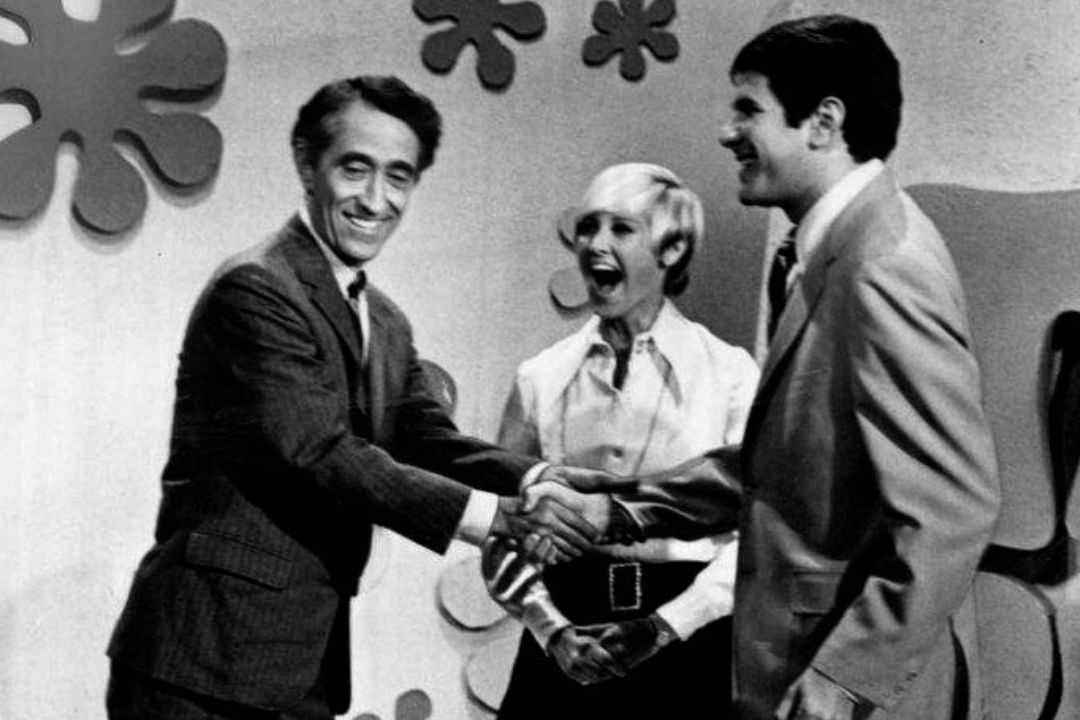
“The Dating Game” (premiered 1965) showed that romance could be formatted like a contest with one screen, a host, and sharp questions that rewarded quick charm. One chooser interviewed three unseen candidates, judging humor and confidence without faces, then the reveal flipped the mood from playful banter to real-world stakes under studio lights, complete with nervous laughter and sudden silence. Modern dating reality keeps recycling that structure, curated casting and witty interrogation followed by a make-or-break moment when talk turns into an actual pairing and compatibility is tested in public.
“The Newlywed Game”
“The Newlywed Game” (debuted 1966) made married life into points by separating spouses, asking personal questions, then scoring how closely answers matched. A mismatch landed in public and demanded an immediate response, which is why the laughs often carried a little tension, even when the couples tried to play it cool and the host kept the pace breezy. That format proved intimacy could be suspense, and it paved the way for reality shows that treat relationships as competition, complete with reveals, reactions, and quick attempts at repair that viewers remember more than the prizes, because the reactions feel unfiltered.
“I’ve Got a Secret”
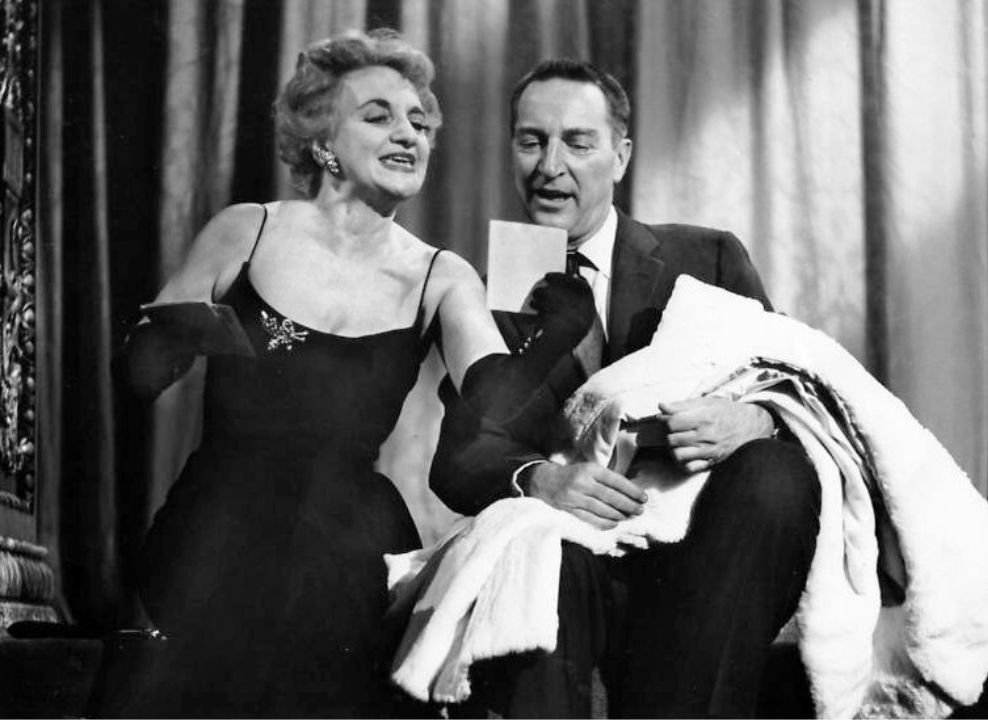
“I’ve Got a Secret” (1952 to 1967) gave the audience the advantage by showing the secret on-screen while a celebrity panel tried to guess it through careful questioning. Suspense came from composure, watching a contestant hold steady as near-misses piled up, the panel joked, and the clock ticked toward the moment when the secret could no longer be contained. By turning everyday life into a tight, timed reveal, it previewed a reality-TV staple: viewers know more than the cast, and the fun is tracking how long that gap can hold before the truth becomes the payoff, and the room’s relief reads plainly on faces.
“To Tell the Truth”
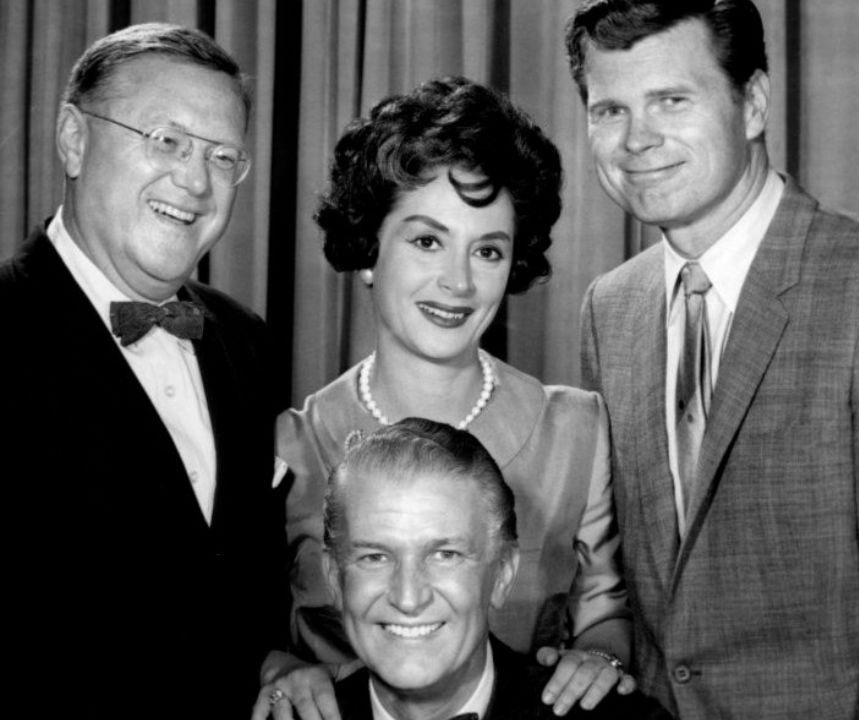
First airing in 1956, “To Tell the Truth” built an identity puzzle: three people claimed the same story, but only one was genuine, and two were free to perform it. Panelists hunted for tiny inconsistencies in tone, detail, and timing, while the audience played along, deciding who sounded credible before the reveal landed and the impostors dropped the act with a grin. That focus on social perception as a skill lives on in reality strategy shows, where reading people matters as much as winning challenges, and confidence can reshape the room long before a final vote, because doubt is entertaining when it has rules.
“What’s My Line?”
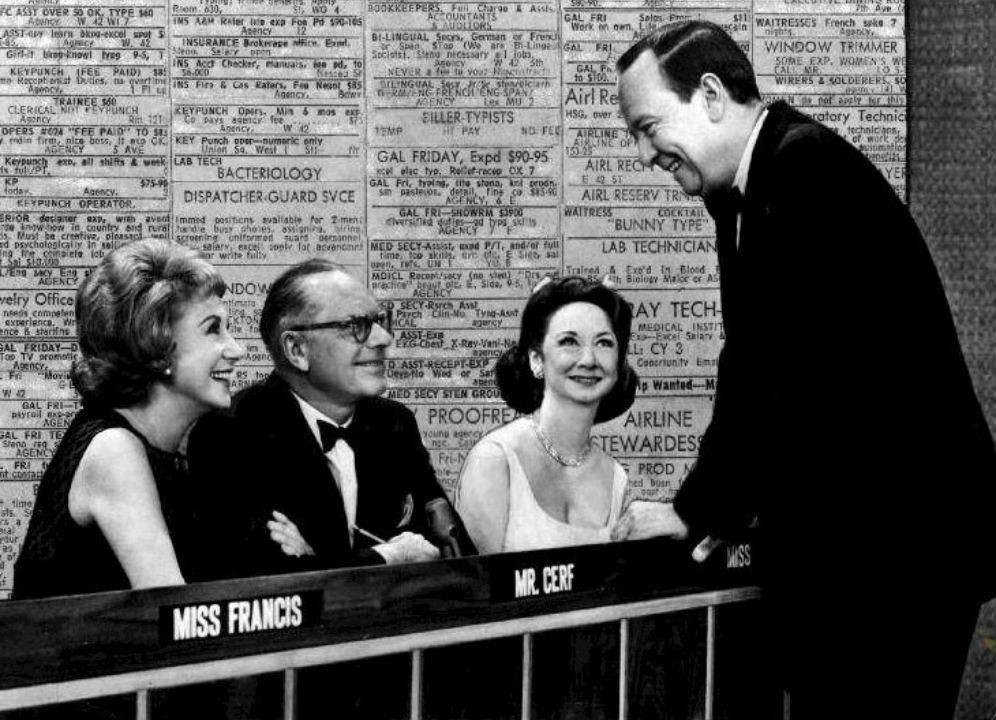
“What’s My Line?” (1950 to 1967) turned polite conversation into a structured hunt, with panelists asking yes-or-no questions to guess a contestant’s occupation. The pleasure was in narrowing possibilities with logic and wit, while the guest stayed composed and the studio tracked each deduction like a small mystery, building tension from manners instead of shouting, with every “yes” or “no” narrowing the story. With everyday workers and a blindfolded mystery-guest round, the show trained audiences to listen for tells and enjoy reveals, a habit that reality TV still relies on for casting twists, secret roles, and big entrances.
“The Gong Show”
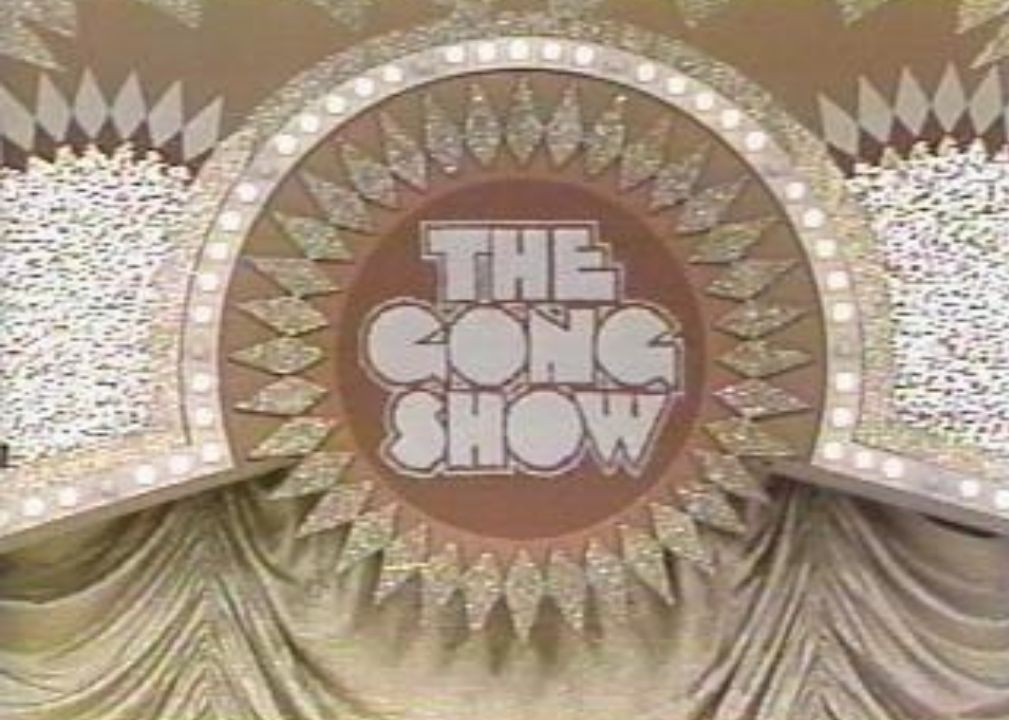
“The Gong Show” (1976 to 1980) made judgment immediate by letting celebrity judges end an act with a gong, turning every performance into visible risk. Because the stage welcomed oddball talent and big personalities, reaction often mattered more than polish, and the room’s mood could flip in seconds, from cheering to laughter to stunned quiet, all under a tight studio spotlight. Later talent reality borrowed the same mechanics, fast eliminations, loud feedback, and contestants who feel memorable even in short screen time, because spectacle plus quick scoring creates instant story, even when the act lasts seconds.