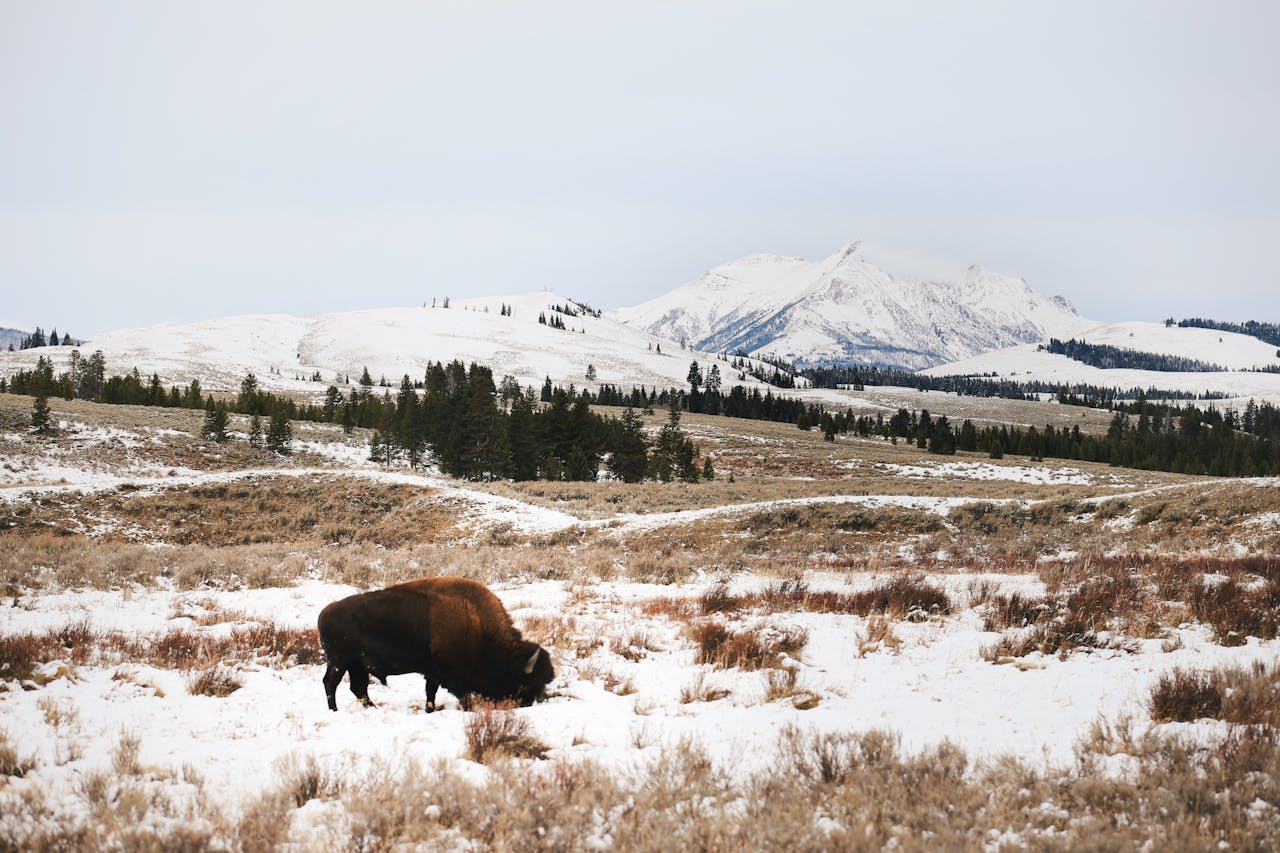
Winter in Yellowstone reveals beauty and danger in equal measure. Steam rises from frozen ground, snow settles in quiet layers, and temperatures shift so sharply that even experienced travelers hesitate before stepping outside. The National Park Service has begun urging visitors to think more carefully about what they pack, especially when it comes to the fabric closest to their skin. Cotton, a staple for everyday life, becomes a liability in this environment. The warning is not about comfort alone. It reflects a hard truth about travel in a place where weather moves quickly and assistance may not arrive soon.
Why Cotton Becomes Dangerous In Yellowstone Winter

Cotton feels soft and familiar, yet in cold weather it behaves in ways that can surprise even seasoned hikers. Once cotton absorbs sweat or snowfall, it holds moisture against the skin and draws heat away at an alarming pace. Yellowstone’s winter temperatures often shift from mild daylight to intense cold with little warning, and damp cotton becomes a steady drain on body warmth. A short walk followed by a pause can allow cold to set in before the wearer realizes what is happening. The National Park Service has seen this pattern repeat across seasons. Their warning is a direct response to the risks created when cotton refuses to dry.
Why Wool And Synthetics Offer Real Protection
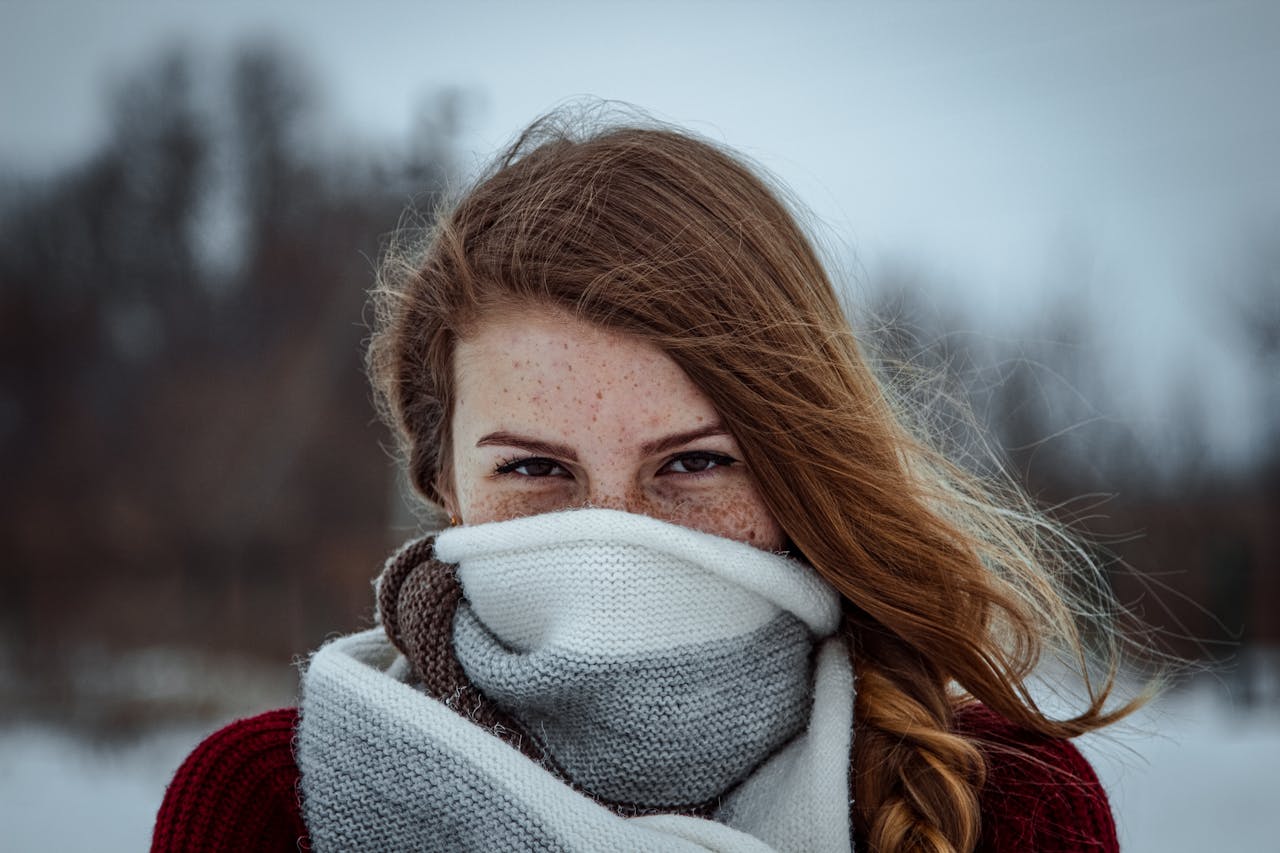
Wool and synthetic fabrics succeed in this environment because they manage moisture instead of trapping it. Merino wool absorbs sweat and disperses it across the fibers so evaporation can occur, preserving warmth even when slightly damp. Synthetic base layers move moisture outward quickly and keep the skin dry during activity. Yellowstone’s winter often requires a shift between intense movement and long moments of stillness, and these fabrics help maintain a stable body temperature during both. Their reliability is why the park recommends them. They work with the body rather than forcing it to fight off cold created by poor fabric choices.
A Layering System That Adjusts As Conditions Change

Effective layering in Yellowstone follows a simple structure shaped by long experience. A moisture friendly base layer sits next to the skin. An insulating middle layer traps heat while allowing limited airflow. A wind resistant outer shell protects against sharp gusts and swirling snow. Winter visitors often move through cycles of exertion and rest, which can cause dramatic changes in heat production. Without proper layers, the body cools too quickly during stillness. With the right approach, warmth becomes predictable rather than fragile. Layering transforms the cold from a threat into something manageable, even when conditions shift in moments.
Protecting Extremities And Safeguarding Overall Warmth
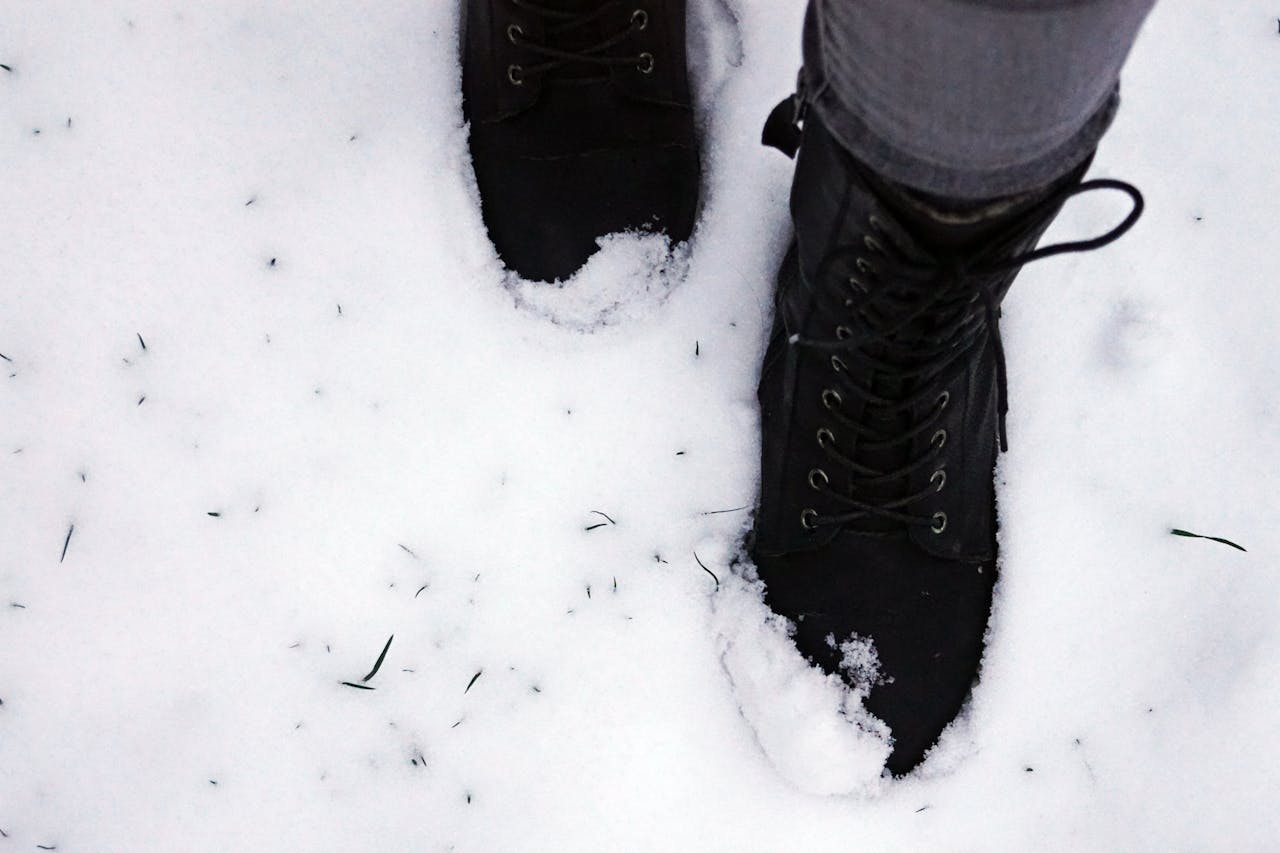
Hands and feet lose heat quickly, which is why socks, boots, and gloves deserve the same attention as jackets. Wool socks stay warm even when moisture appears. Insulated boots help maintain circulation across icy terrain. Gloves that wick moisture prevent fingers from stiffening during long exposure to the cold. These pieces do not replace core layers. They reinforce them by protecting the body’s most vulnerable areas. Keeping extremities warm preserves overall comfort and makes long hours outdoors safer. Yellowstone’s guidance reflects the simple truth that warmth is never a single choice. It is the sum of many well considered decisions.
Sunscreen And Sunglasses In Subzero Temperatures
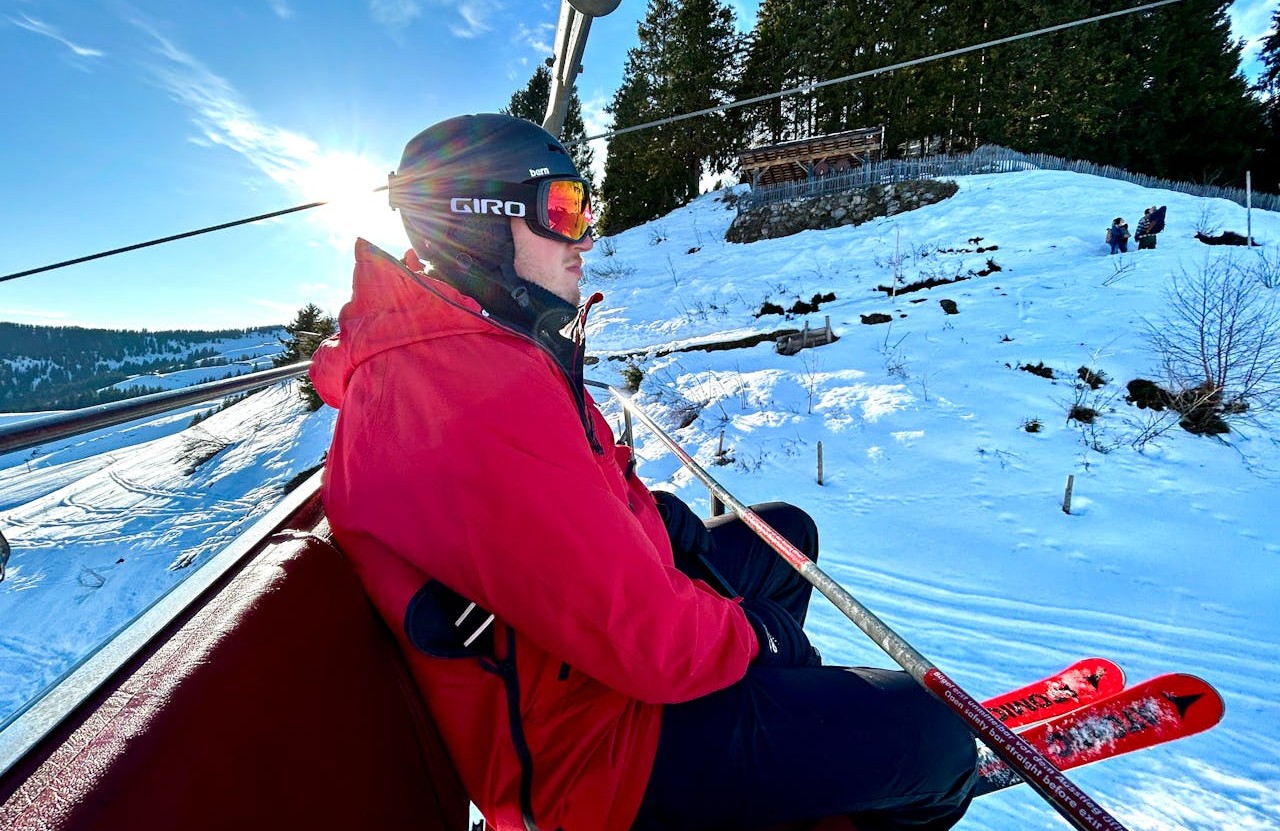
Sunscreen may seem unnecessary in winter, yet Yellowstone’s altitude and bright snowfields create intense sunlight that reflects from nearly every angle. Exposure builds slowly until skin burns and eyes strain against the glare. Sunburn at subzero temperatures feels strange but occurs often in high elevation parks. Sunglasses protect vision by reducing glare that makes snowy terrain difficult to read. These items become functional safety tools rather than accessories. They allow people to move comfortably through open valleys where light intensifies, even when the air remains bitterly cold.
Packing Efficiently For A Demanding Environment
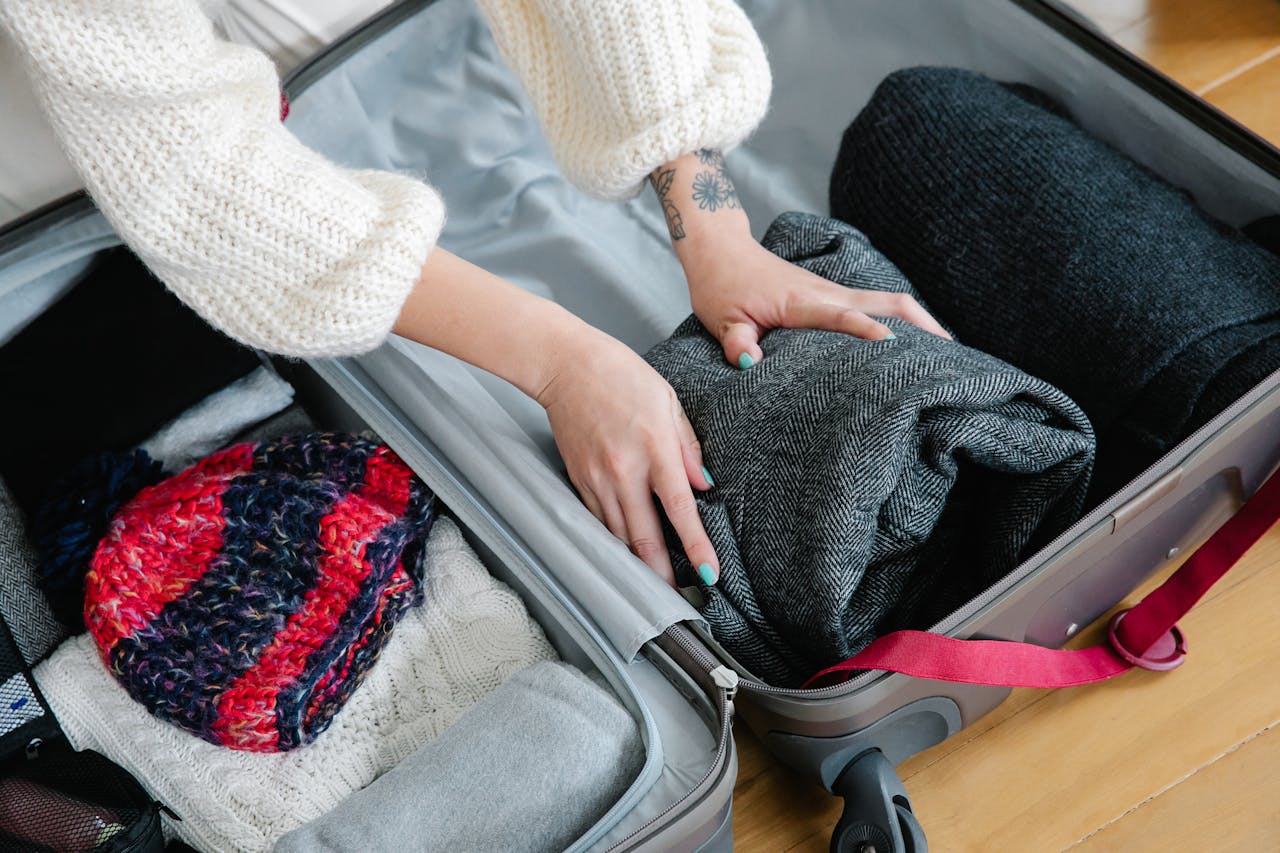
Packing for Yellowstone in winter does not require bulky bags. Modern fabrics compress easily while offering performance that surpasses thick cotton layers. A few merino base tops, a synthetic layer, an insulating fleece, and a wind resistant shell form a complete system capable of handling most winter conditions. Wool socks, gloves, and hats take little room yet add significant comfort. Smart packing creates flexibility without weight. Yellowstone’s climate rewards those who think about function rather than volume. Effective clothing choices shape the experience long before a visitor steps onto a snowy trail.
Winter Access And The Context Behind The Warning
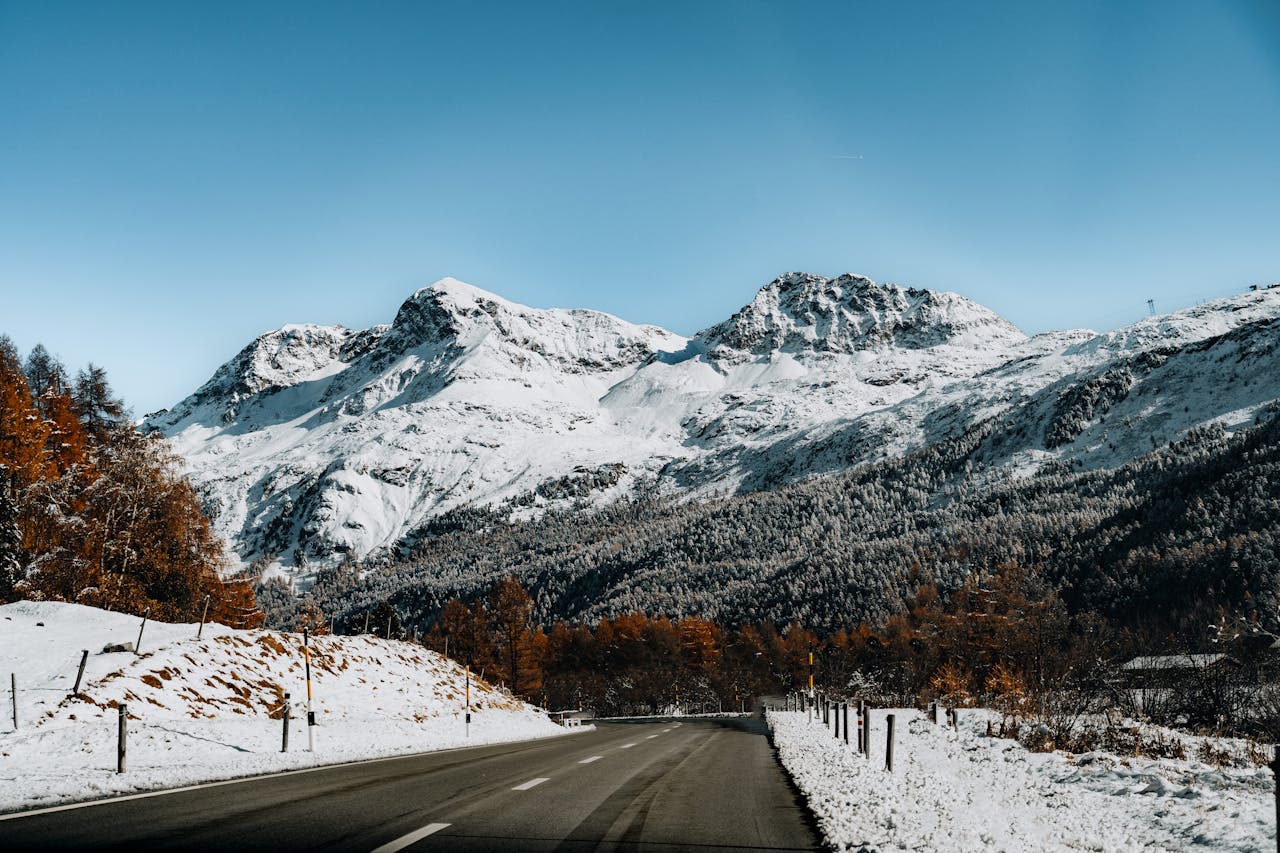
Much of Yellowstone closes during winter because deep snow alters the landscape and limits travel. Only the road between the North and Northeast entrances remains open to regular vehicles. This corridor leads to Lamar Valley, a remarkable wildlife viewing area with conditions that can shift suddenly. Visitors often step out of vehicles for long stretches, making proper clothing essential to avoid rapid heat loss. Cold air settles in low areas, and wind can sweep across open ground without warning. Yellowstone’s warning about cotton becomes part of a larger safety framework designed for a season that is both rewarding and unforgiving.