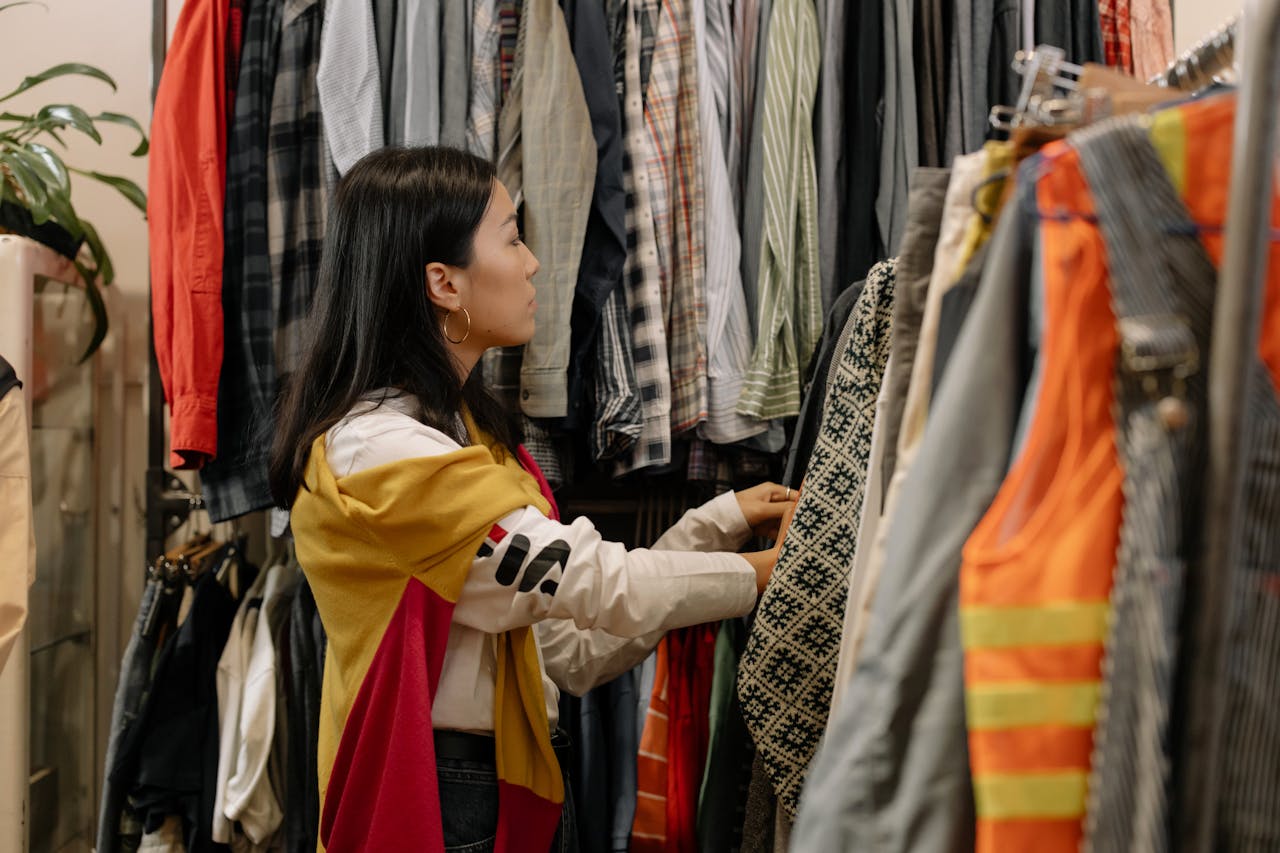
Thrifting used to be a rainy-afternoon detour, but it has become a planned stop between museums and meals. Secondhand shops and flea markets offer a kind of travel intimacy: racks that reflect local taste, prices that calm the budget, and objects with lives that predate the camera roll. The hunt slows the day down and rewards curiosity, not checklists. As resale goes mainstream and sustainability matters more, vintage shopping slips naturally into itineraries. It is part souvenir run, part neighborhood tour, and part small thrill, especially when a city’s style shows up in unexpected corners. Unlike glossy shopping streets, thrift stops feel informal and human, shaped by what locals donate, mend, and resell each week.
Souvenirs With Real History
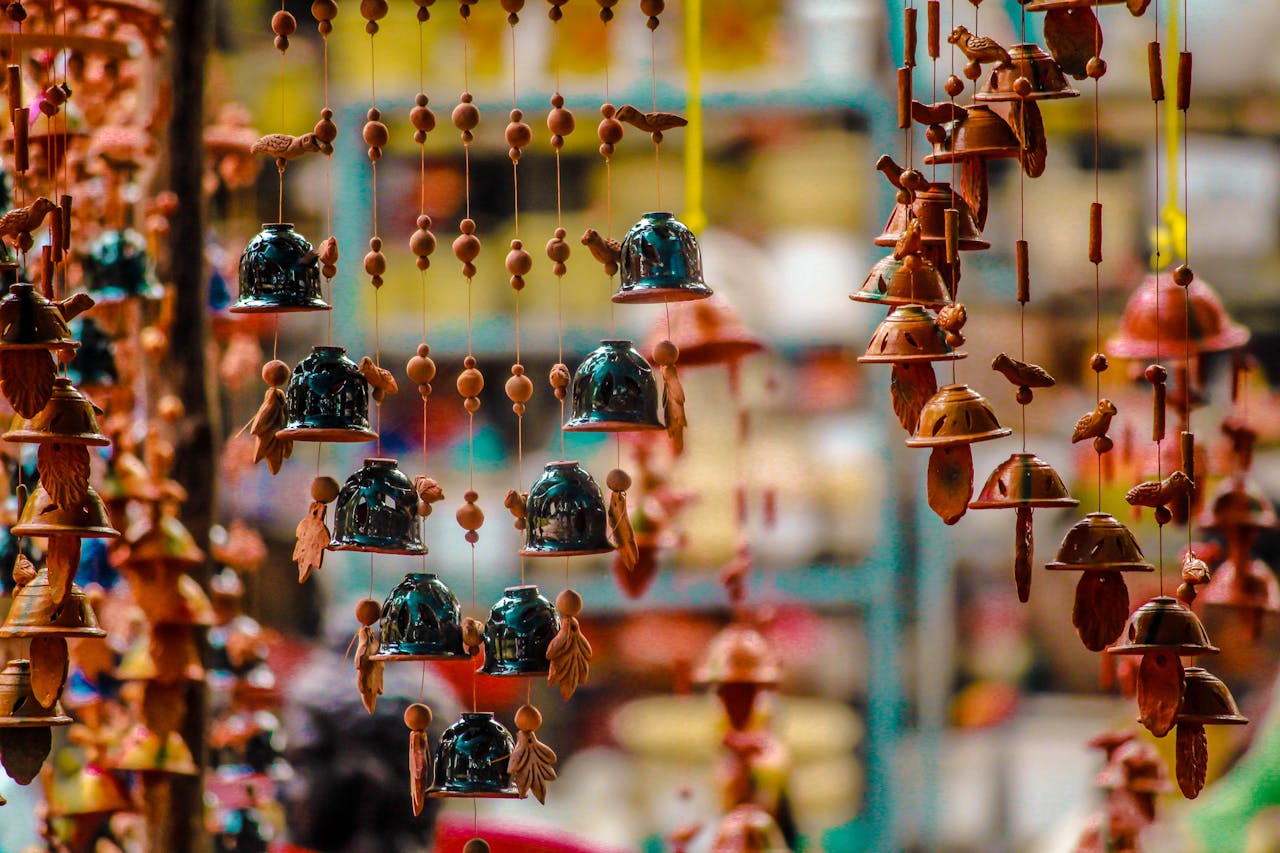
Instead of mass-produced magnets, secondhand finds arrive with time baked in: a concert tee from a long-closed venue, a scarf stitched by hand, a paperback stamped by a neighborhood library, a keychain from an old hotel, a framed map with penciled notes. That prior life turns a purchase into a keepsake that feels earned, and small wear marks read like proof of place, not a flaw. Sellers often add context, explaining local brands, old street names, and why a certain style mattered, so the souvenir carries a story that stays readable years later, feels personal after the flight home, and saves shelf space at a single glance.
Budget-Friendly Style Without Feeling Cheap
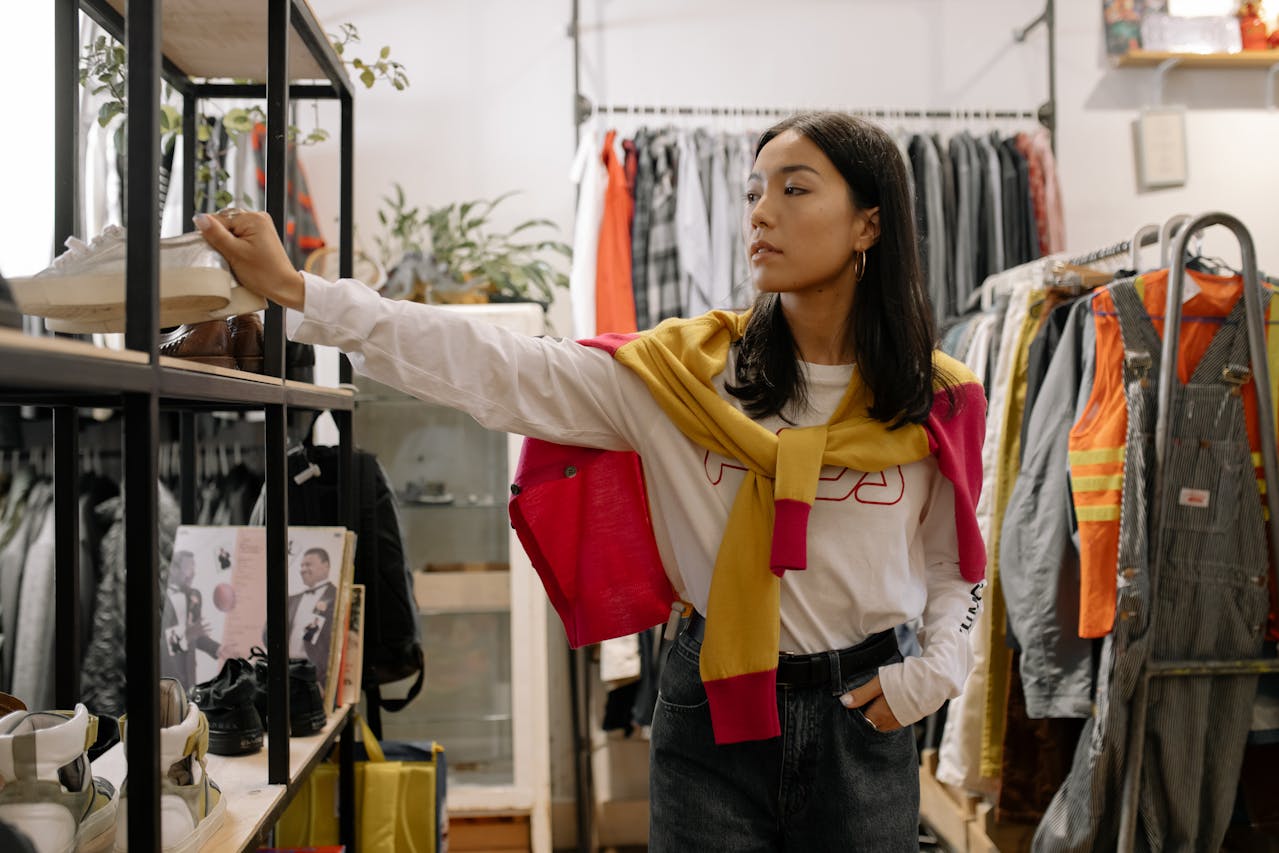
Flights, hotels, and museum tickets can squeeze spending fast, especially in cities where lunch feels pricey and shopping streets lean luxury. Thrift stores keep style enjoyable by offering wool coats, denim, and accessories for the cost of a single new item, with construction that often outlasts trend-driven basics, plus fabrics that drape better and age with character. Many travelers thrift early, then build outfits around the find, turning one purchase into several looks while keeping room in the budget for local food, transit, and a few paid attractions that feel unforgettable, not optional, and leaving space in the suitcase.
Neighborhoods Reveal Themselves Through Racks
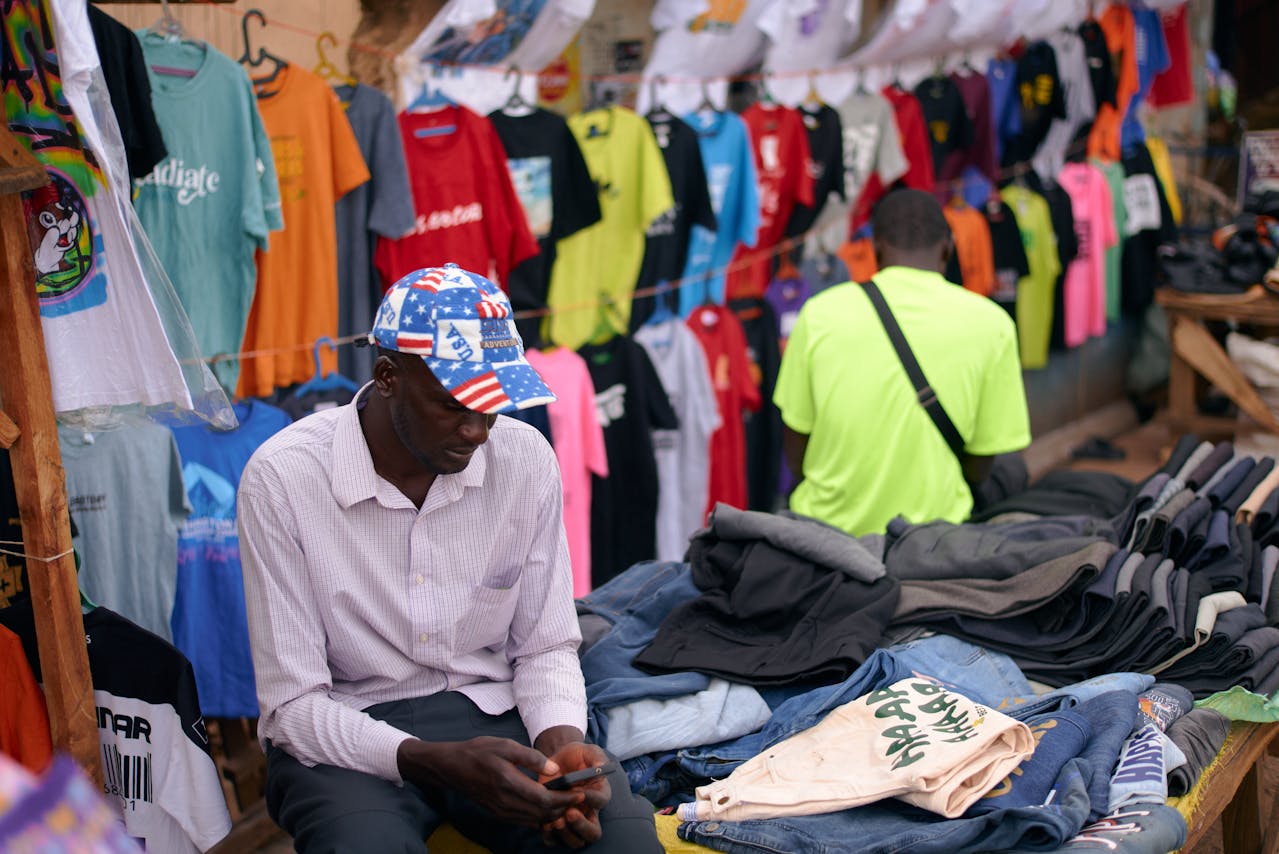
Tourist corridors blur into the same brands, but secondhand shopping pulls visitors into side streets where a city’s personality shows up in signage, music, and small talk at the counter. A charity shop stacked with winter knits, a tidy designer-resale boutique, and a weekend flea market can sketch local subcultures in an hour, from students to office workers to retirees clearing closets. Browsing becomes a gentle form of orientation: what gets donated, what gets repaired, what sells fast, and which colors, fabrics, and silhouettes locals actually live in day to day.
Sustainability Becomes A Tangible Choice

Eco-friendly travel can feel abstract until a small choice has a clear, suitcase-sized impact. Buying pre-owned keeps textiles and objects in circulation longer and cuts demand for new production, where much of the water use, chemical load, and waste begin, and where cheap items are often designed to fail quickly and get tossed. The appeal stays practical, not preachy: one jacket rescued from a rack can replace a rushed retail purchase, and it feels better to take home something already made than to create fresh demand just for a photo and a weekend, then leave it in a closet untouched and forgotten months later.
The Thrill Of The Hunt Adds A Game To The Day
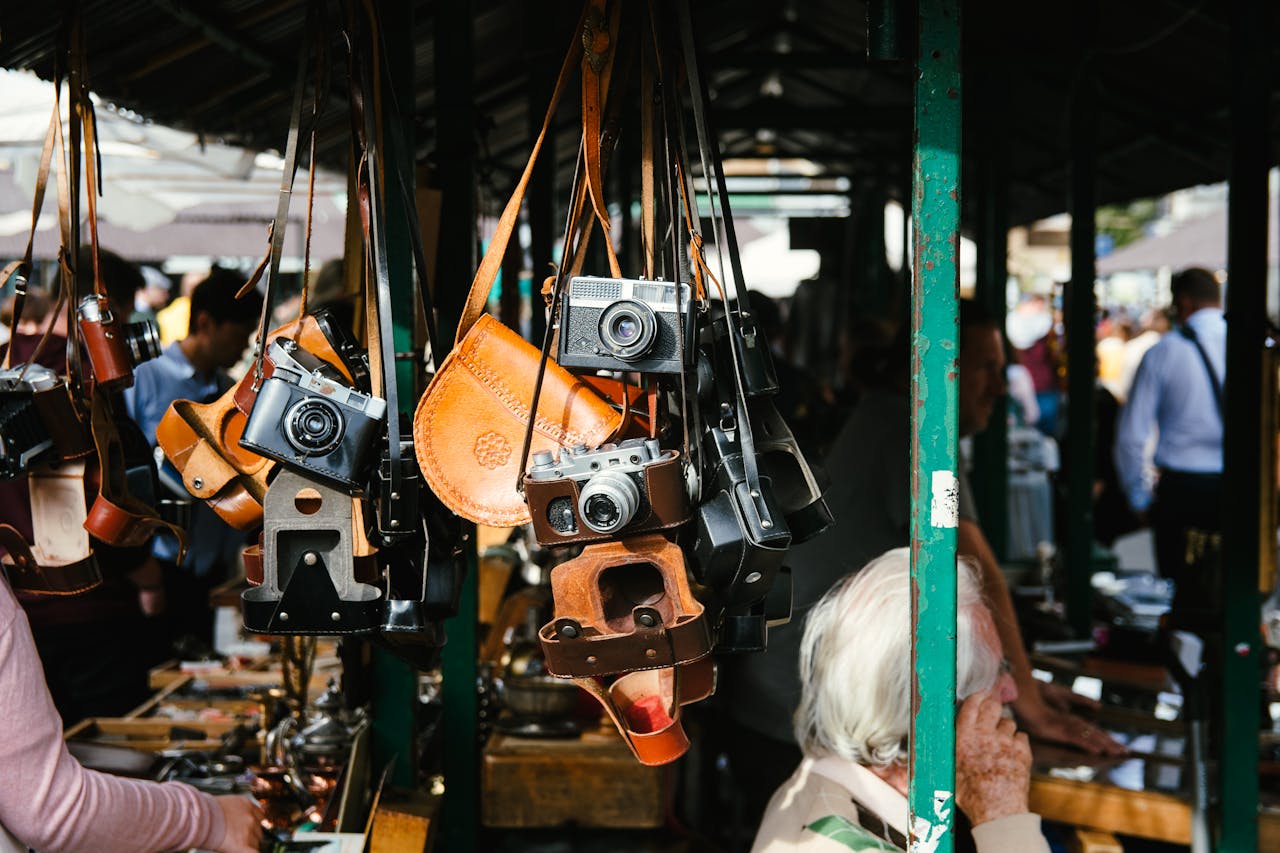
Thrifting turns shopping into a scavenger hunt, a welcome counterweight to timed reservations and rigid routes. Even a short stop can produce a clean win: the perfect belt, a quirky ceramic, a jacket that fits like it was waiting, a record with a familiar scratch, or a postcard that feels oddly personal. The searching becomes the point, with bargaining, laughter, and that jolt of luck when the right object appears at the bottom of a bin. It is also quietly competitive, because the city offers only one of each treasure, and timing decides who finds it, then who tells the story later, with the item in hand as proof.
Social Media Made Thrift Maps Easy To Follow
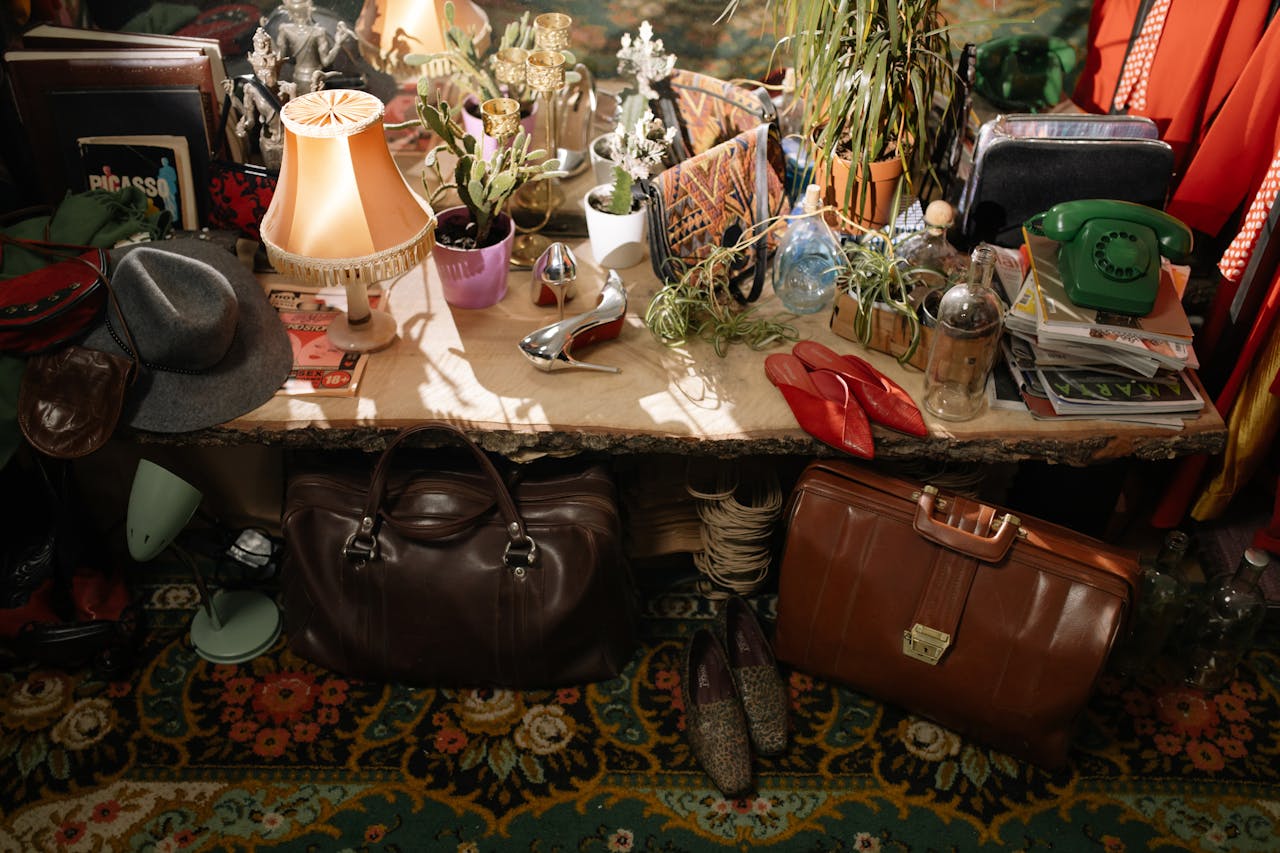
A decade ago, visitors relied on word of mouth and luck to find the good spots, and many never ventured beyond souvenir streets. Now, saved-map pins, short videos, and local lists point straight to the right neighborhoods, market days, and resale shops, with notes on cash rules, fitting rooms, and the best arrival times, plus warnings about holiday closures, long lines, and which stalls open only on Sundays. That ease turns thrifting into a planned stop, not a gamble, and it helps travelers match the hunt to the trip’s mood, whether the goal is streetwear, home goods, a practical rain jacket, or one great vintage coat.
Resale Brings Luxury Within Reach Abroad
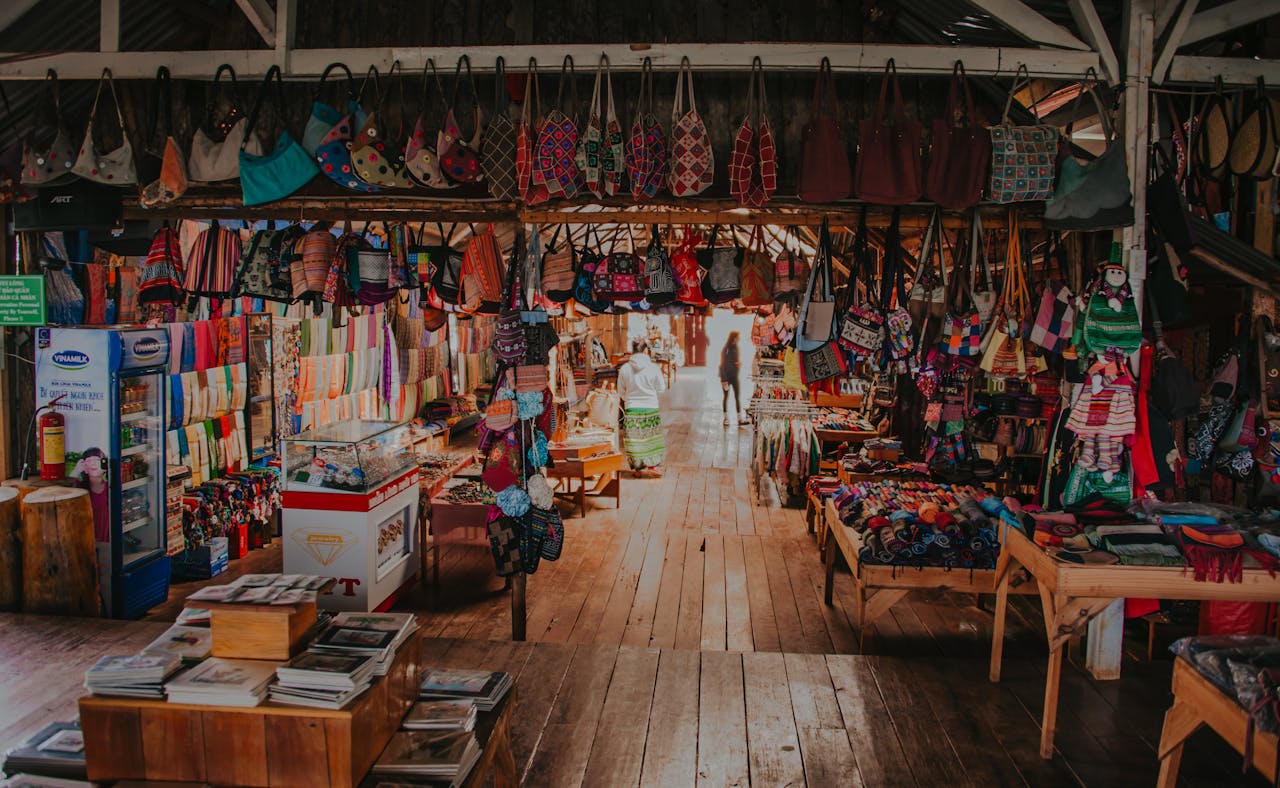
Some travelers chase vintage for craftsmanship and labels rather than bargains, especially in cities known for tailoring, leather goods, or careful textile care. Curated resale shops can offer rare designer pieces and well-made basics at prices that still beat new retail, and the selection reflects what locals wore years ago, not what ads push today, with details like linings, buttons, and stitching that reward a close look. A single great coat, bag, or pair of shoes can anchor a travel wardrobe, photograph beautifully, and keep paying off back home because it is built to last and simple to maintain with small repairs.
It Supports Local Charities And Small Sellers

Many thrift stores fund community programs, and flea markets keep small sellers afloat in a way chain shopping rarely does, especially outside peak season when tourism drops. Spending there can feel like investing in a neighborhood’s ecosystem, where donations, repairs, and resale circulate value locally instead of exporting it to far-off headquarters, and where pricing often reflects real life rather than branding. Staff share tips on nearby cafés or transit lines, and vendors remember regulars, so the stop carries a social warmth that is hard to find in a department store, even on a busy travel day, and it can spark repeat visits.
The Find Becomes A Story That Travels Home
A secondhand item tends to come with a narrative: the rainy morning it was found, the shopkeeper who explained the label, the stall where bargaining finally worked, and the snack stop that followed. That story lasts longer than a standard souvenir because it is tied to an unrepeatable moment and a specific street corner, not a generic storefront, and because the object gets used again and again in ordinary life. Years later, the coat, teacup, or record still sparks the same memory, and the trip feels present again for a minute, even on a random weeknight when the calendar looks plain and the weather turns familiar.