Crowds are not new, but in 2026 the biggest sights can feel like a timed obstacle course. Travelers describe the same pattern: a famous name, then ropes, screenings, and a steady push to move on.
The letdown is rarely the landmark itself. It is the bottleneck that turns wonder into logistics, plus prices that rise as patience drops. Even a perfect photo can feel like work when every angle is contested.
Many trips improve when the icon becomes a quick stop and the saved hours go to calmer streets, small museums, and a meal that lets a place breathe. Quiet is the luxury for many travelers, and it changes everything about the day.
1. Trevi Fountain Steps, Rome
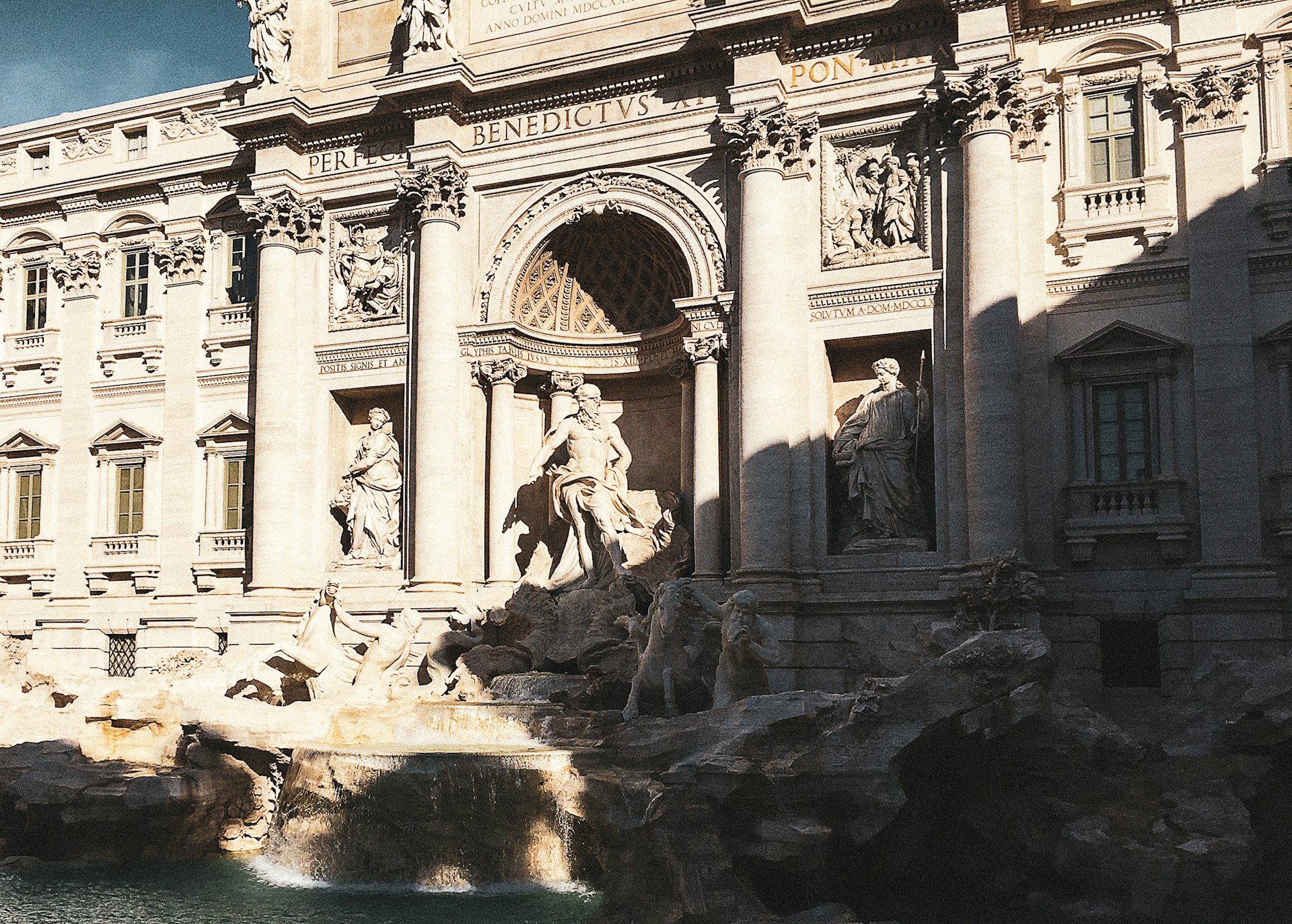
At peak hours, the Trevi Fountain plaza becomes a slow shuffle of tour groups and phones held high. The water still thunders, yet the scene can feel compressed, with crowd rails, whistle cues, and no clean place to stand. Even tossing a coin turns into a negotiation for space.
Travelers often describe leaving sooner than expected because there is nowhere to linger without blocking traffic. A quick glance works better than a long wait. The calmer Rome mood shows up early in the morning, or in nearby streets around the Pantheon and Campo de’ Fiori, where stone alleys, small churches, and espresso bars offer the same drama without the squeeze.
2. St. Mark’s Square And Rialto Corridor, Venice
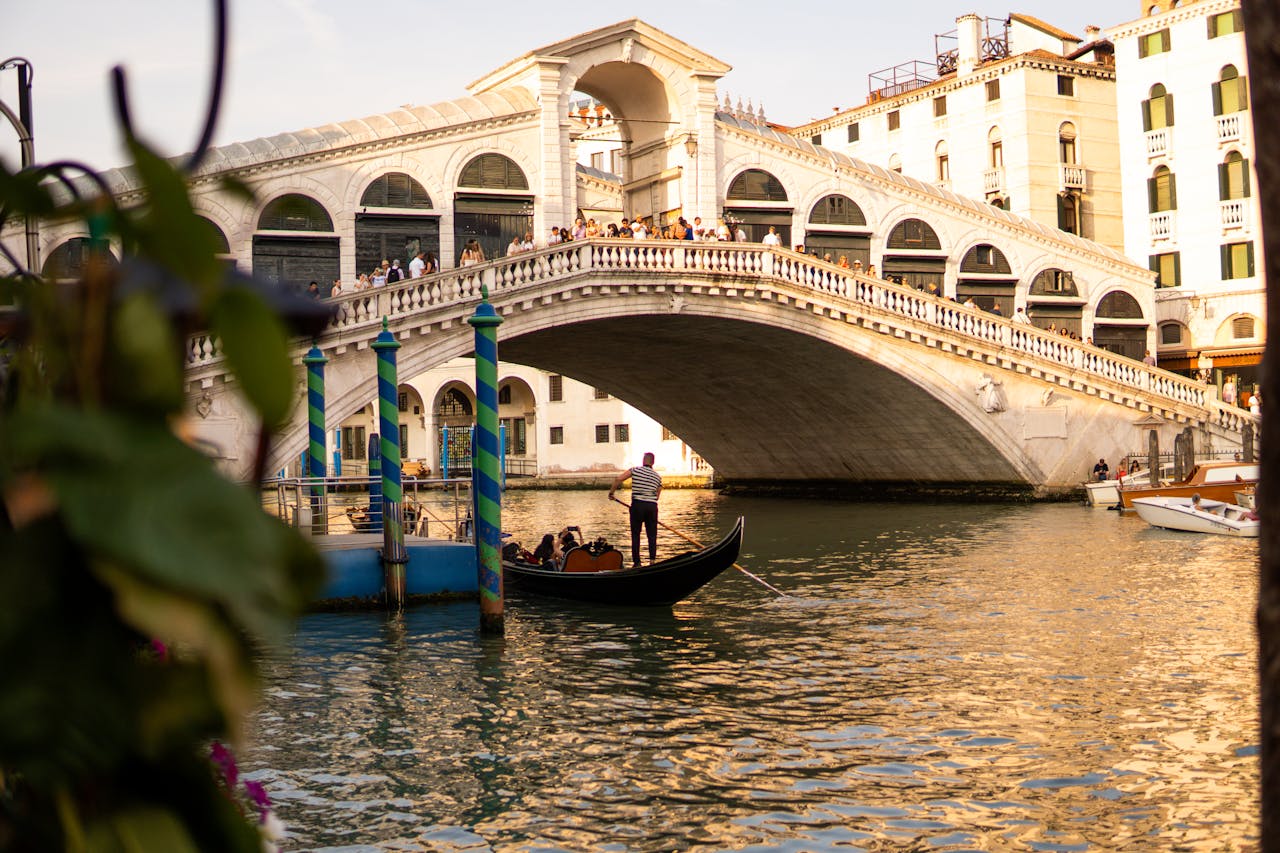
Venice’s headline route, from St. Mark’s Square toward the Rialto, can feel like a human conveyor belt in warm months. Beauty sits in every direction, but the pace is dictated by congestion, and small pauses become instant blockages. By late morning, the crowd can turn a short stroll into a slow crawl.
Travelers say the romance dissolves into crowd noise and pricey menus, with lines stacking for the basilica, the campanile, and the vaporetto. The city returns one bridge away, in back canals at morning tide and quiet campos with neighborhood bars, where footsteps replace megaphones and the light on water can finally be noticed.
3. The Mona Lisa Room, The Louvre, Paris
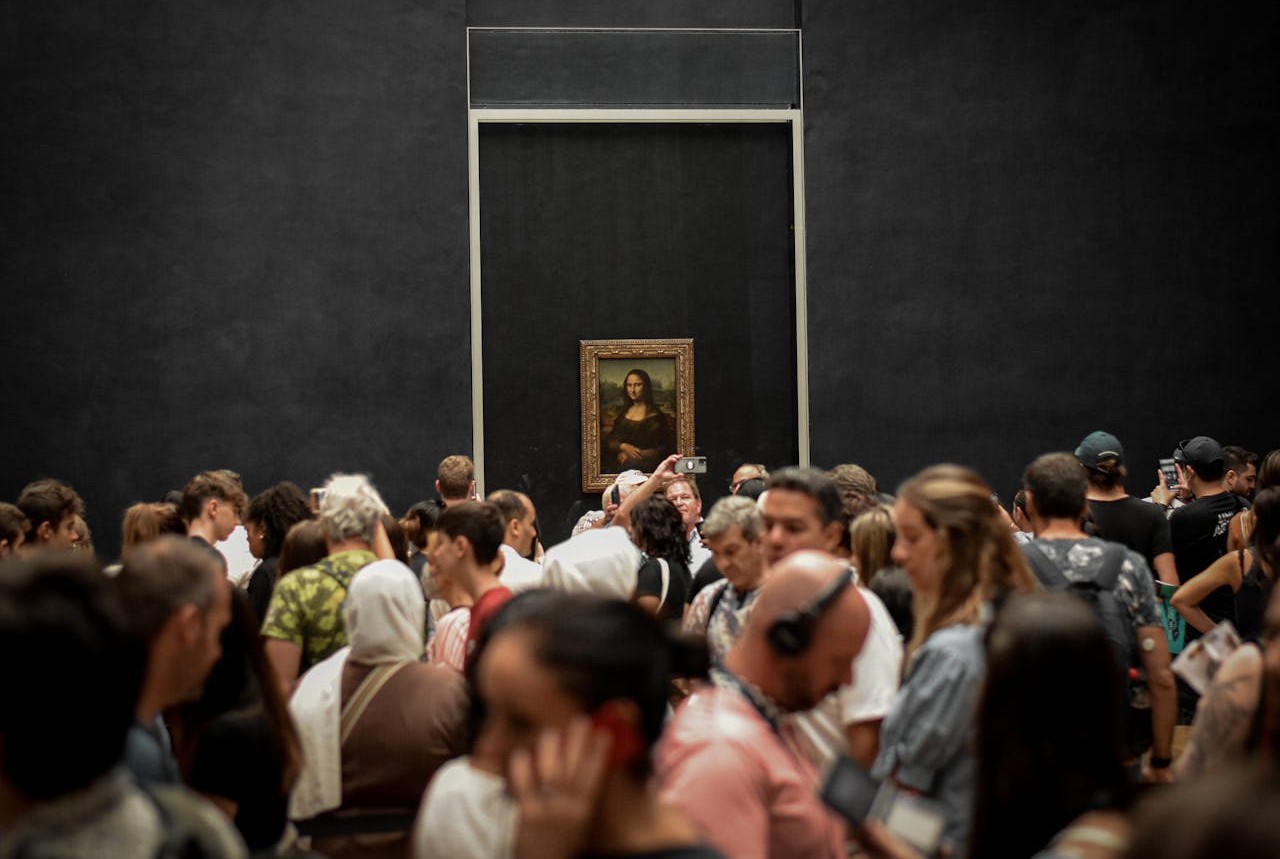
The Mona Lisa is small, and the crowd around it is not. Visitors often meet a dense arc of raised phones, security cues, and a brief glance through shoulders, all under bright lights that flatten the mood. The approach corridor can feel jammed, so the wait begins before the painting is visible.
Travelers say the squeeze turns art into a contest, then steals time from the rest of the Louvre. Timed entry helps, but one doorway cannot absorb the excitement.
A calmer visit comes from choosing a wing and moving slowly through quieter rooms, where Delacroix, Vermeer, and sculpture galleries offer space to notice brushwork, faces, and silence.
4. Eiffel Tower Summit, Paris
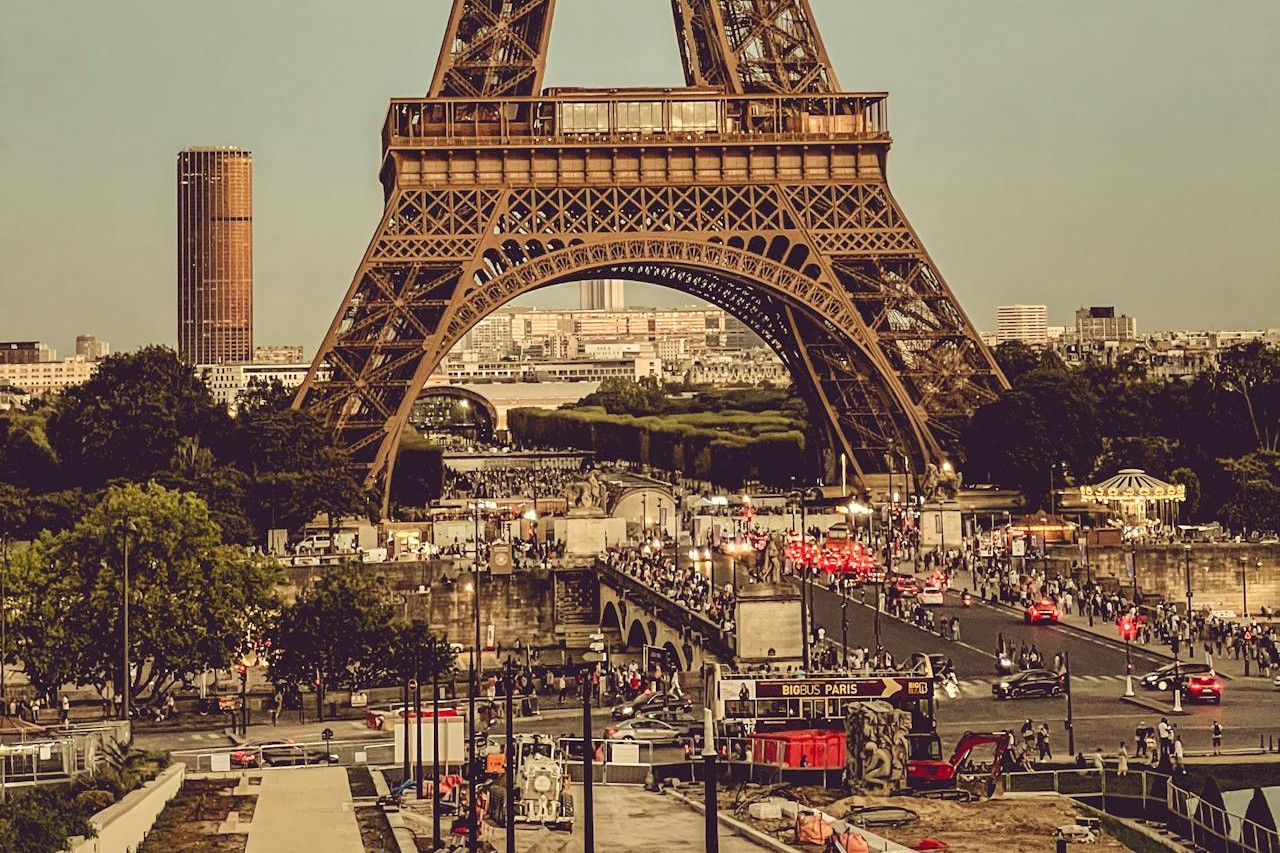
The Eiffel Tower remains a marvel, but the summit experience is often defined by security lines, timed entry windows, and elevator bottlenecks. Screening and lift capacity turn minutes into waiting. On busy days, the best light fades while the queue inches forward, and the top feels crowded the moment the doors open.
Travelers report that the payoff can feel brief, with staff directing the flow and little room to linger at the rail. Weather and maintenance can also change access. Many prefer Paris from viewpoints with breathing room, like the Arc de Triomphe terrace or Montmartre steps, where the skyline unfolds without the long wait.
5. Times Square, New York City
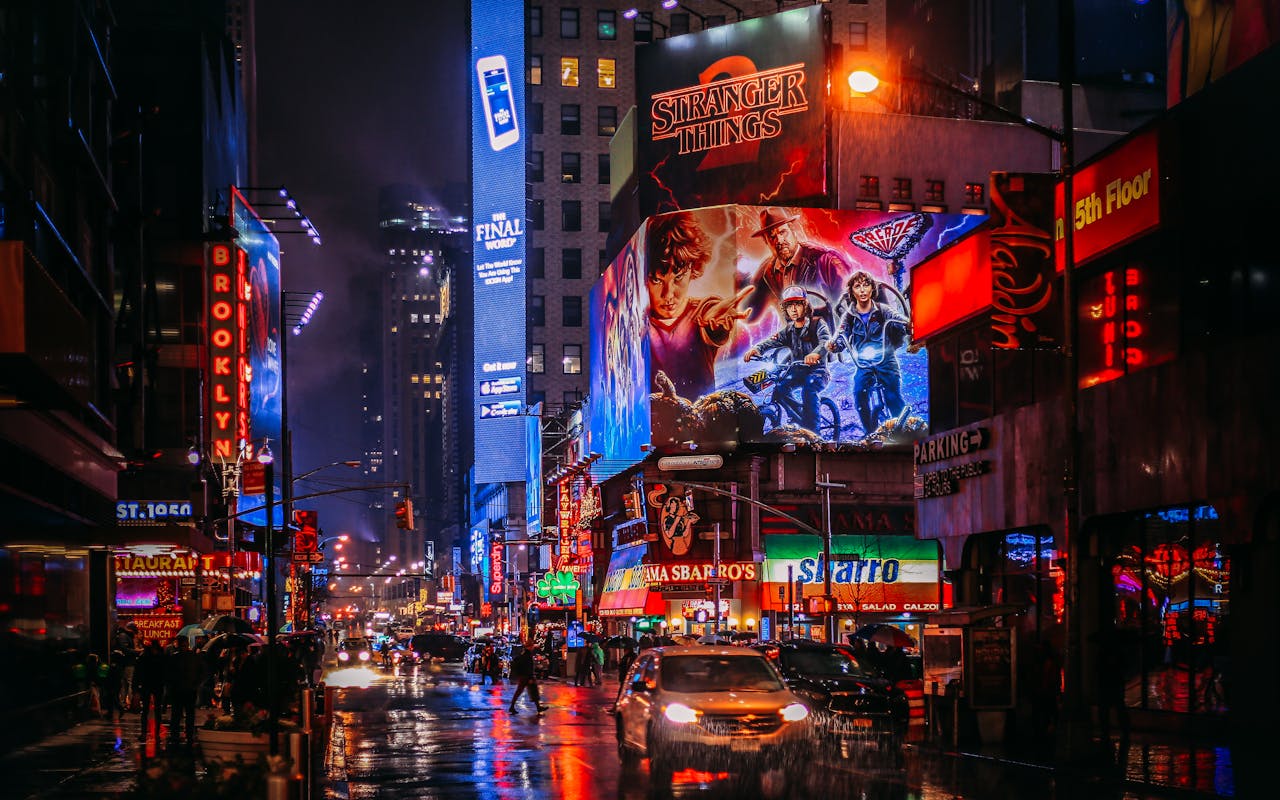
Times Square delivers neon, but travelers often call it draining: packed sidewalks, stop-and-go clusters, and a constant buzz of screens and sales pitches. Costumed characters and street sellers compete for attention, and the space can feel like a bright concourse, not a place to settle.
Many visitors leave with a photo and little else, surprised by how quickly the noise wears on the mind, especially after dark. The ads can feel louder than the city itself. New York’s energy lands better nearby, on a Broadway block that ends in Hell’s Kitchen, a Museum Mile stop, or a Hudson walk where the skyline breathes and conversations return.
6. Hollywood Walk Of Fame, Los Angeles
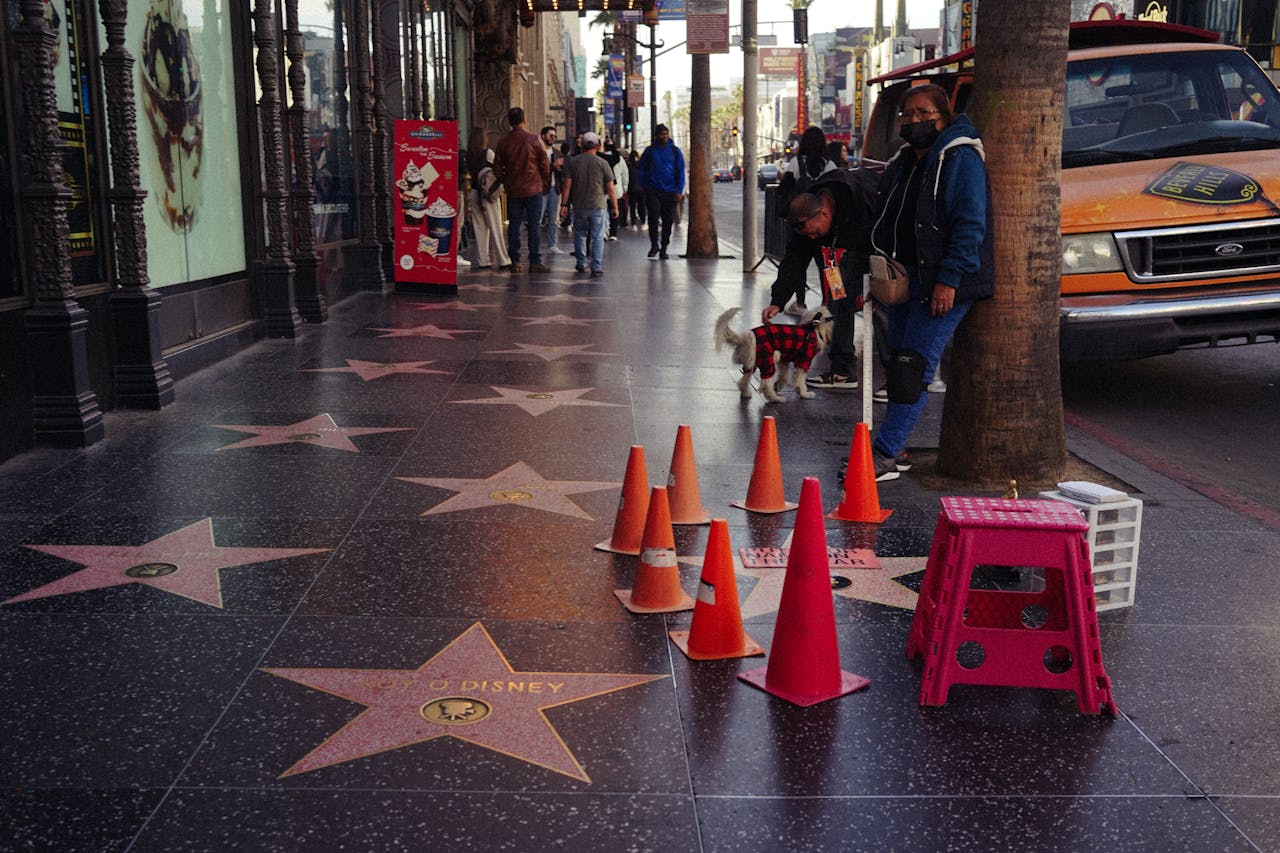
The Walk of Fame sounds glamorous, yet travelers often describe a letdown: stars underfoot, traffic noise, and souvenir storefronts that blur together. The photo moment is quick, then the street feels like any busy corridor, with crowds circling the same few names and performers competing for space.
Many visitors say the stop becomes a checkbox because the surroundings do not match the myth. For a stronger Hollywood story, travelers tend to choose a studio tour, the Academy Museum, or an evening at Griffith Observatory. At sunset, the basin glows, and the city finally looks like the movie in people’s heads. That shift matters.
7. Oia Sunset Viewpoints, Santorini
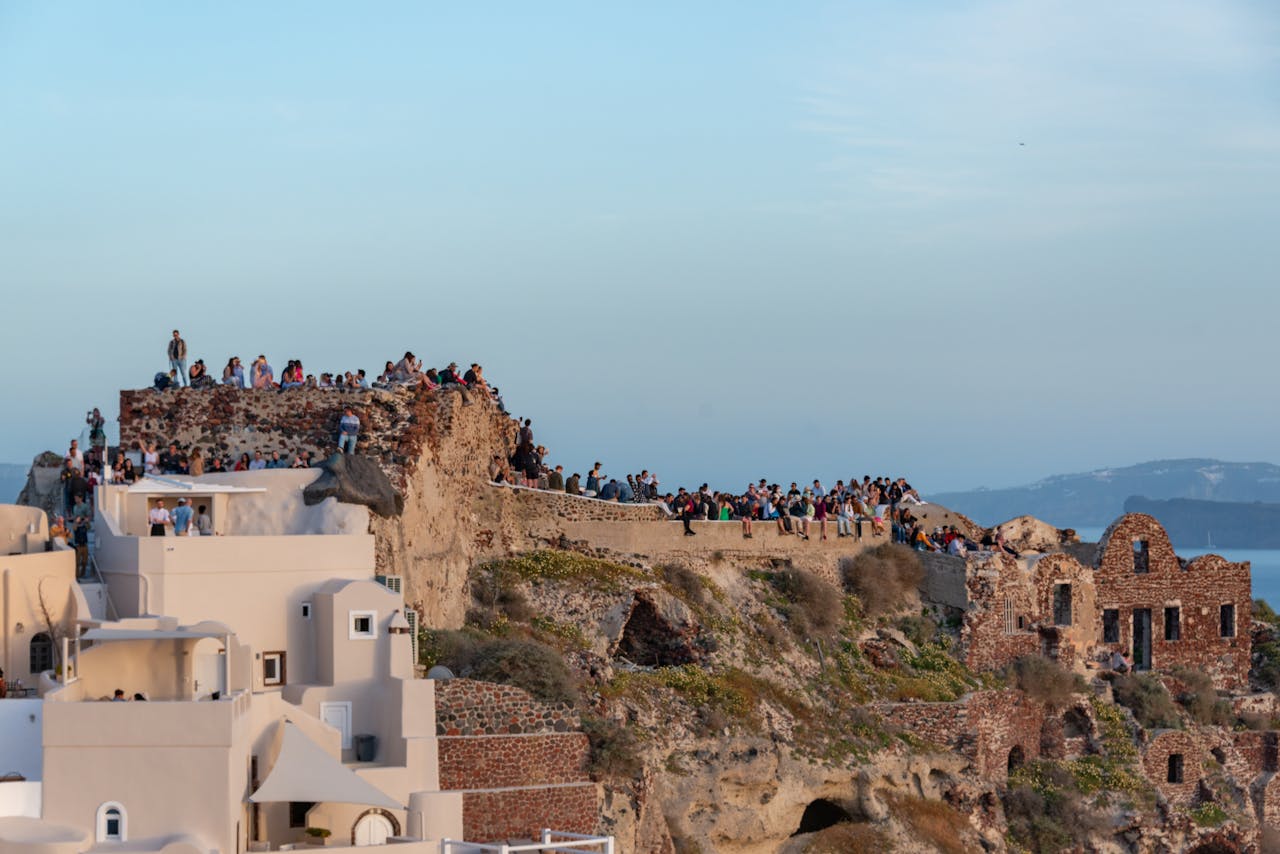
Oia’s sunset is legendary, which is why the lanes can jam with tour buses and cruise-day surges. Viewpoints fill early, railings turn into contested territory, and the glow is often watched through a wall of phones. Restaurants book out, pathways clog, and the air can feel impatient. Leaving afterward becomes a slow shuffle down narrow steps.
Travelers say the moment turns into crowd management instead of awe, especially in peak summer weeks. Santorini feels softer away from the bottleneck, in inland villages like Pyrgos, quieter beaches, or a short boat ride at dusk, where the cliffs catch the last light and the air stays calm.
8. Dubai Mall And Fountain Front, Dubai
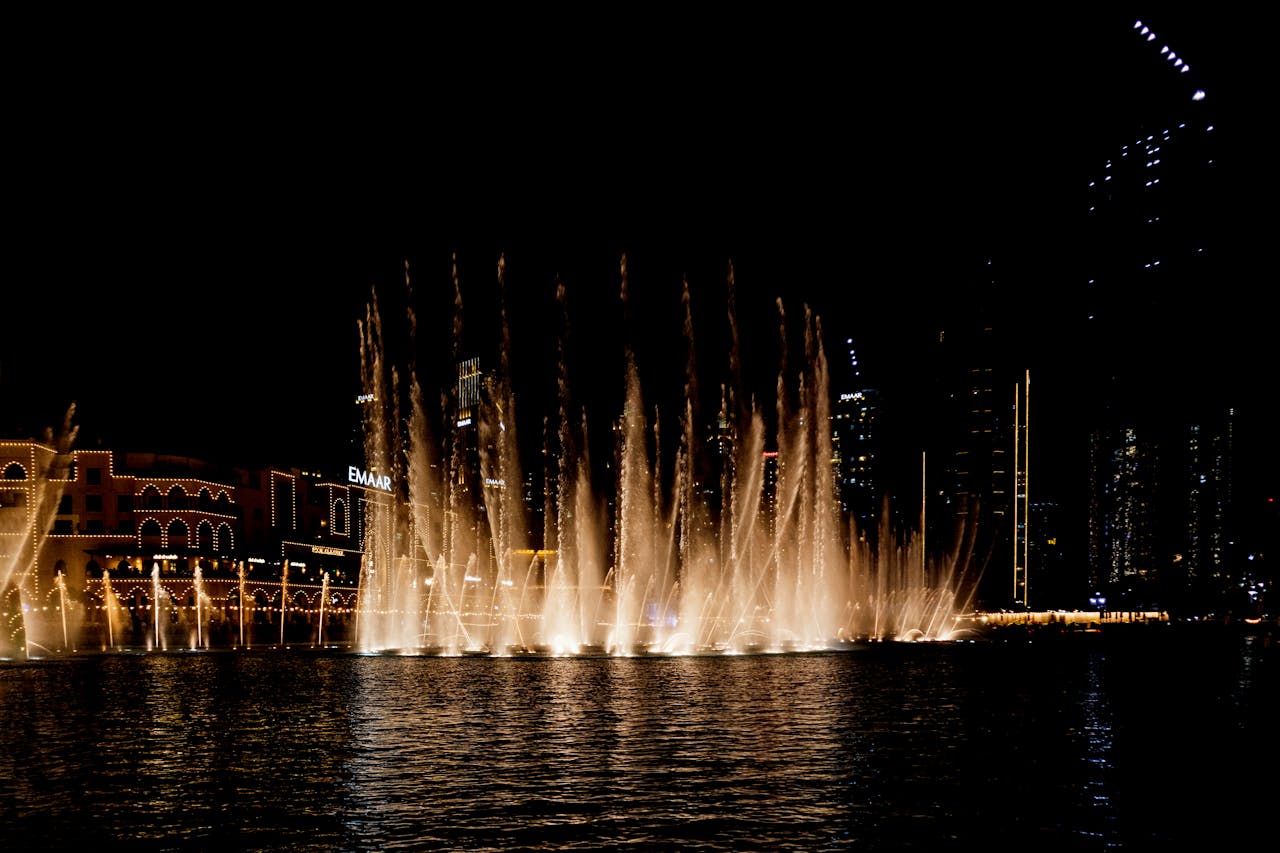
The Dubai Mall and fountain promenade are built to impress, yet travelers often describe a dense circuit of queues, photo stops, and repeated vantage points. On weekend nights, the crowd can feel less like celebration and more like traffic, with music, screens, and strollers all competing for space.
Between restaurant waits and slow elevator lines in the surrounding district, the evening can turn into a schedule. Dubai’s contrast lands better elsewhere, along the creek in older neighborhoods or on a desert drive at golden hour, where the skyline still looks grand, but the pace finally loosens and details have room to register.
9. La Rambla, Barcelona
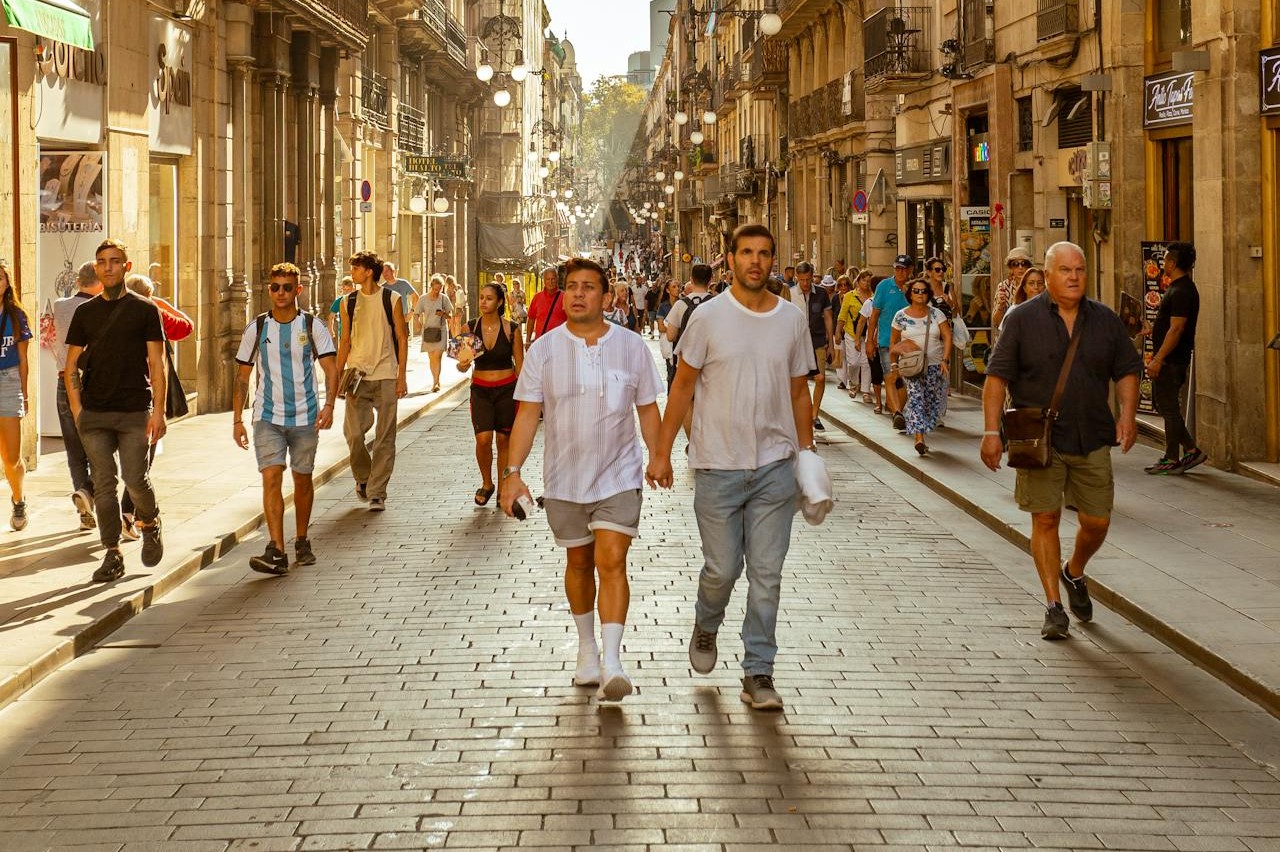
La Rambla is famous, yet travelers often describe it as pure throughput: crowds, street sellers, and a constant push from one end to the other. The boulevard can feel like a corridor instead of a place, and small moments, like stopping for a look, quickly turn into a traffic jam all day.
Many visitors say it delivers a quick photo but little Barcelona soul, since the city’s best textures live just off the main strip. The richer version of that energy shows up in markets, side streets, and plazas where locals linger. Neighborhoods like Gràcia and the Eixample grid often restore the slow, lived-in rhythm that the center can lose.
10. Leaning Tower Photo Zone, Pisa
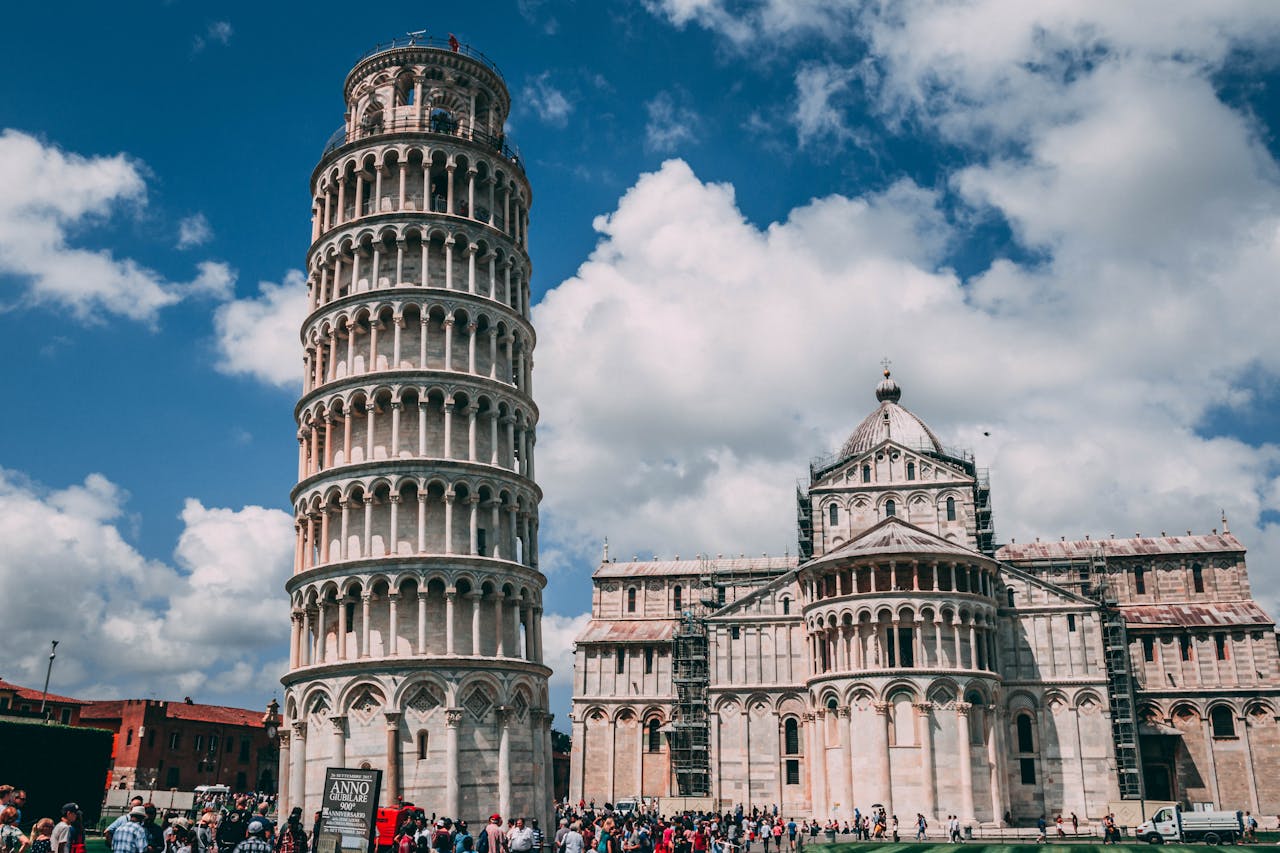
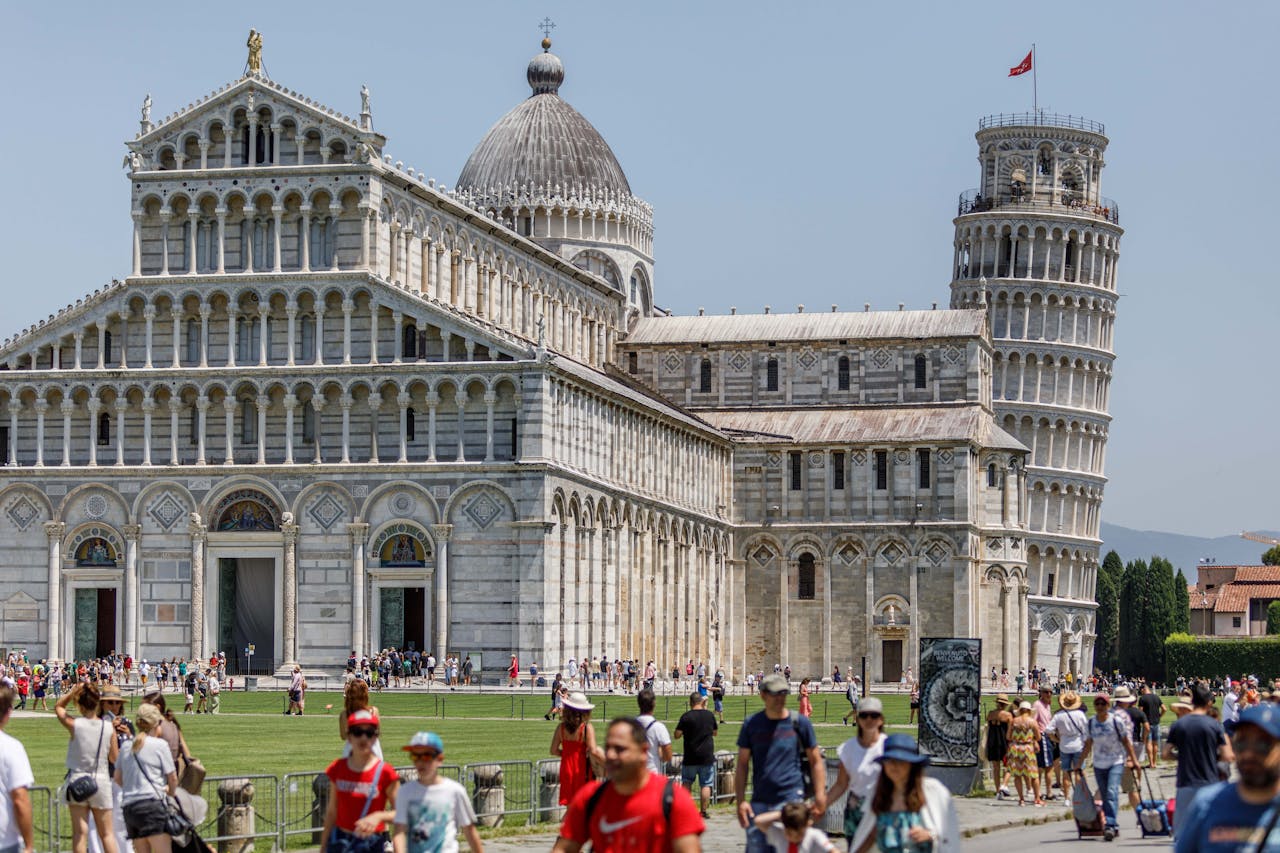
Pisa’s leaning tower is real, but the experience many travelers remember is the pose zone: tour buses cycling in, crowds clustering on the lawn, and a fast exit back to the coach. The wonder becomes a backdrop, and the square can feel like a stage built for identical photos.
Visitors often report that the stop feels timed and performative, with little room to notice cathedral carvings or the geometry of the piazza. Tuscany rewards slower choices, so travelers trade the crush for nearby towns, long lunches, and evening walks. Places like Lucca deliver honey-colored streets and calm views without the pressure to perform. It lingers.