
Stadiums across the United States are already being marketed as the bright stage for the 2026 FIFA World Cup, but a darker logistics story is taking shape in the background. New U.S. travel restrictions and visa slowdowns mean some supporters may never make it past the consulate window, even with match tickets in hand. For fans in countries caught by bans, the tournament can feel split in two: teams and officials are cleared to travel, while ordinary people who follow them everywhere are left waiting, hoping for waivers before June. The tournament runs June 11 to July 19. The U.S. co-hosts with Canada and Mexico.
A Ban That Hits Supporters, Not Squads

The rules draw a sharp line between who counts as essential and who counts as optional. Current travel bans include exemptions for athletes, coaches, necessary support staff, and in some cases immediate relatives traveling for major sporting events, which keeps qualified teams able to compete. The same carve-outs do not automatically extend to fans, so a lifelong supporter can be denied even as the jersey they wear is welcomed onto the field. That gap is the source of the current anxiety around U.S.-hosted matches. Iran, Haiti, Côte d’Ivoire, and Senegal are among qualified nations whose supporters could be blocked.
When Tickets Are Not a Passport

Ticket sales can move faster than visa systems. FIFA and the White House announced a FIFA PASS program in Nov. 2025 that prioritizes visa interview appointments for World Cup ticket holders, aiming to reduce last-minute chaos. But a faster appointment is not the same as an approval, especially for applicants from countries under heightened screening or outright bans. For many supporters, the paperwork becomes its own tournament: gathering bank records, proving ties to home, and hoping a waiver appears before kickoff. Even where tourist visas stay available, refusals can rise on vetting or public-charge concerns. quickly.
Senegal’s Traveling Choir, Now Stuck
Senegal’s supporters are famous for turning away sections into drumlines and color, which is why the possibility of empty seats feels personal. Fans quoted by the AP describe following the team across continents, including the 2022 World Cup in Qatar, and still feeling unsure whether the U.S. will let them in. Djibril Gueye argued that a host country should provide the conditions for qualified nations to be supported. Another supporter, Sheikh Sy, said he is determined to find a way. Others, like fan-group leader Fatou Diedhiou, are simply waiting. Senegal opens vs France June 16, yet the stands may miss familiar faces.
Côte d’Ivoire’s Reminder From Morocco

Côte d’Ivoire’s camp has tried to keep the story from becoming purely political by pointing to precedent. Coach Emerse Faé told reporters it would be a shame to deny supporters, but he also recalled a recent case when Ivorian fans faced similar hurdles traveling to Morocco for the Africa Cup. In that episode, access reportedly improved once match tickets were treated as proof of purpose, and things eventually ran smoothly. The hope is that the World Cup, with its global scrutiny, forces a practical solution that lets lawful fans attend without weakening security standards. Côte d’Ivoire starts June 14 against Ecuador.
Haiti’s First World Cup Moment, Complicated

For Haiti, qualifying is more than sport; it is a moment many fans have waited their whole lives to witness in person. The team is scheduled to play Scotland on June 13, and Haitian supporters in the diaspora hoped the U.S. matches would be the easiest place to gather. Instead, travel restrictions and tougher screening can turn the trip into an impossible puzzle for relatives back home. Even when teams are exempted, the wider community feels the sting when celebration becomes something watched on a screen, not shared in the stadium. Qatar 2022 drew over 3.4 million spectators, showing how the World Cup depends on travel.
Iran’s Fans, Facing a Yes-Or-No Wall

Iran’s fans are used to planning around complications, but the 2026 calendar raises a new kind of uncertainty. Iran is scheduled to face New Zealand on June 15, and supporters who normally build trips months ahead now have to ask a blunt question first: can a visa even be issued. Broad restrictions can stop applications at the front door, while tighter screening can create long delays that outlast the group stage. The result is a quiet sadness that sits beside the hype, because a World Cup match is supposed to be a shared national moment, not an invitation only some citizens can accept. Often justified as vetting gaps.
Co-Hosting Helps, But It Does Not Solve It
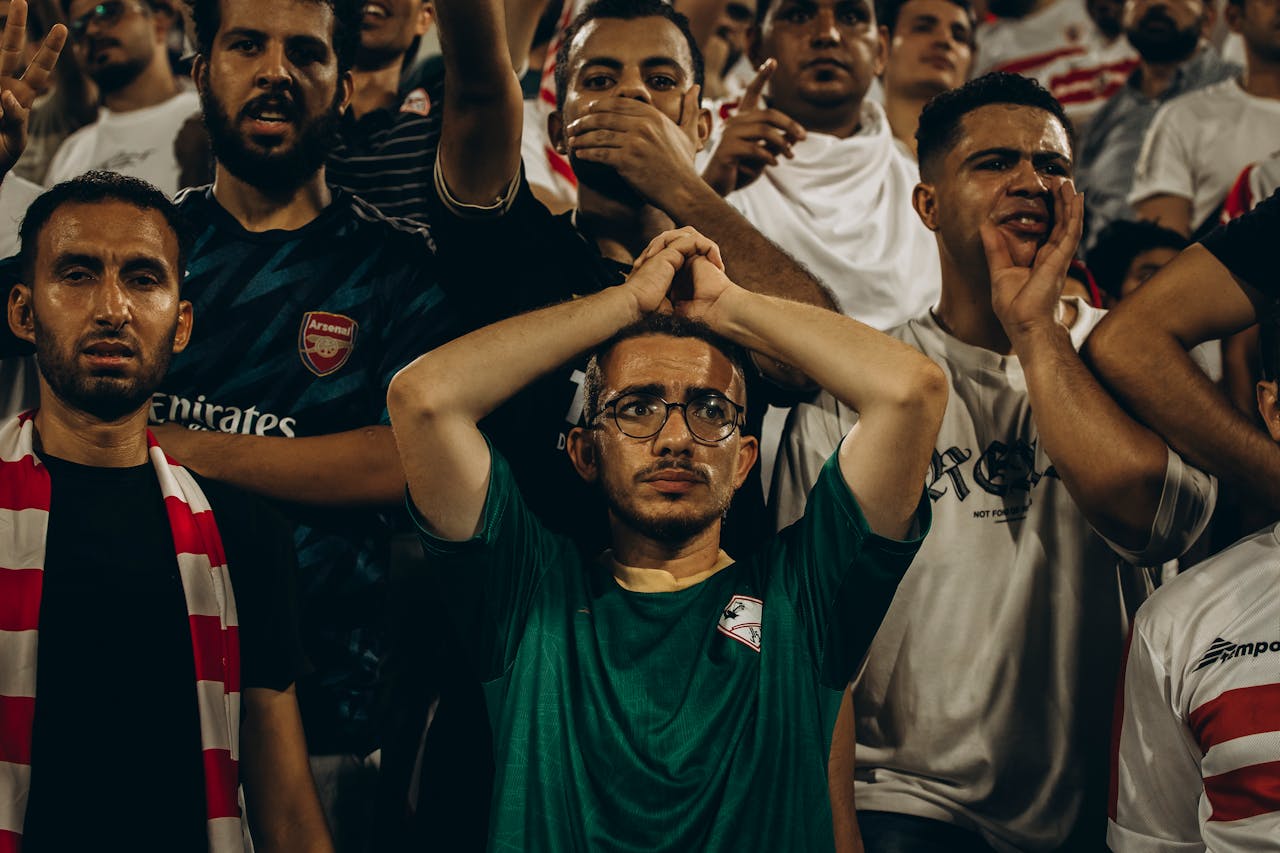
Because the tournament is shared with Canada and Mexico, some supporters are eyeing a workaround: follow the team only where entry is possible. In theory, a fan barred from the United States could still chase matches in Toronto or Mexico City. But the bracket does not respect borders. Key group pairings, knockout rounds, and many headline fixtures sit in U.S. stadiums, so a travel ban can erase the most coveted moments. A split-host World Cup can soften the blow, yet it cannot replace the experience of seeing a team play on the biggest nights. With 48 teams and 104 matches, travel plans are complex before barriers appear.
What a Fix Could Look Like Before June

A workable compromise is not impossible, but it has to be explicit. One option is a narrow waiver pathway tied to verified match tickets, fixed travel dates, and clear financial requirements. Another is expanding FIFA PASS beyond scheduling to include standardized documentation that reduces uncertainty for consular officers. Even small changes, like publishing timelines and key rejection reasons in plain language, could help families plan without false hope. The World Cup thrives on movement and reunion. If the doors stay half closed, the tournament risks feeling smaller than its own promises. Teams are already exempt.