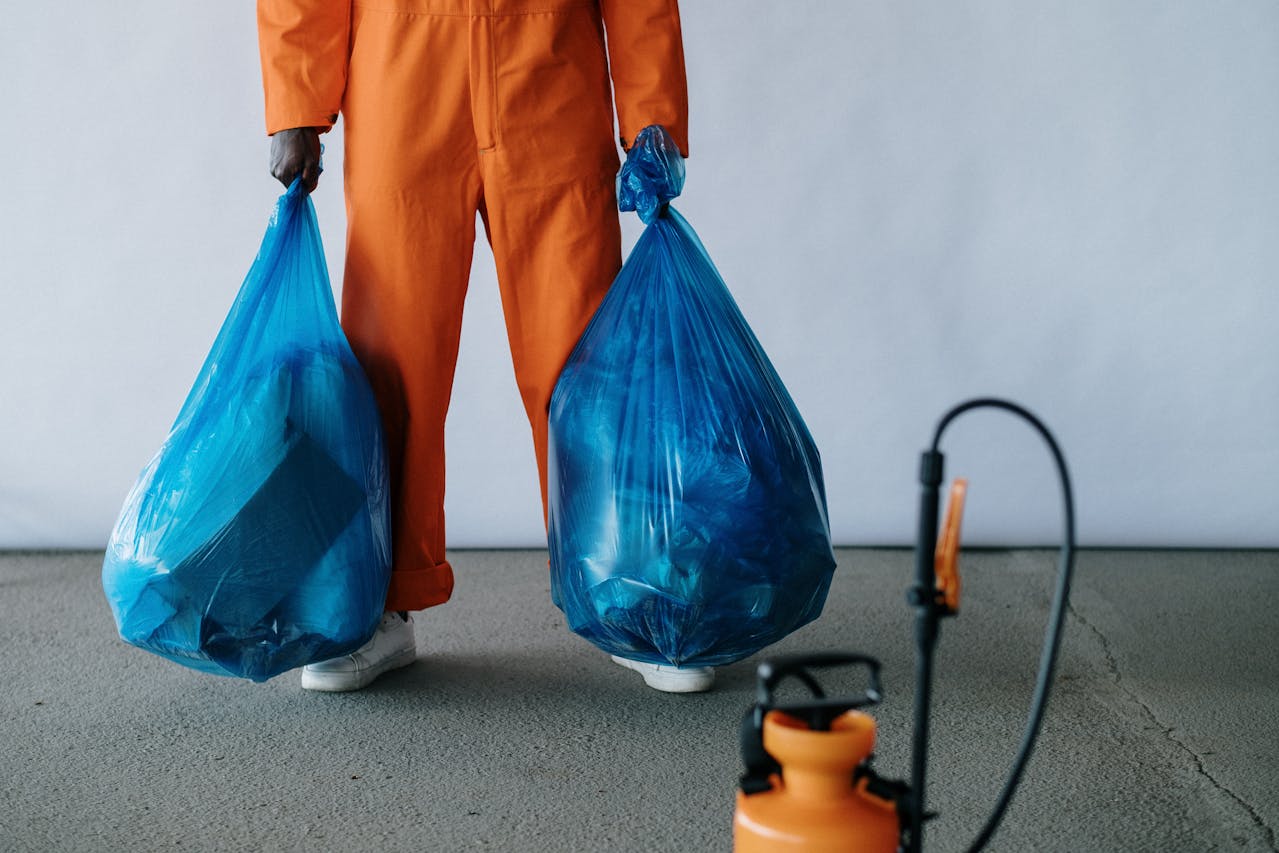
A cleanout can feel like a reset: shelves clear, floors show up again, and the house gets its breath back. Still, not everything belongs in a regular trash bag. Some items stay pressurized, some can spark facility fires, and others jam landfill equipment or leak into soil and water.
Rules also vary by city and county, so the best habit is a short pause before the toss. Set questionable items aside, check local guidance, and use a transfer station, recycling center, or household hazardous waste day. Small detours keep routines tidy and communities safer. It is the kind of care that stays invisible, but it lasts after bins go out.
Aerosol Cans
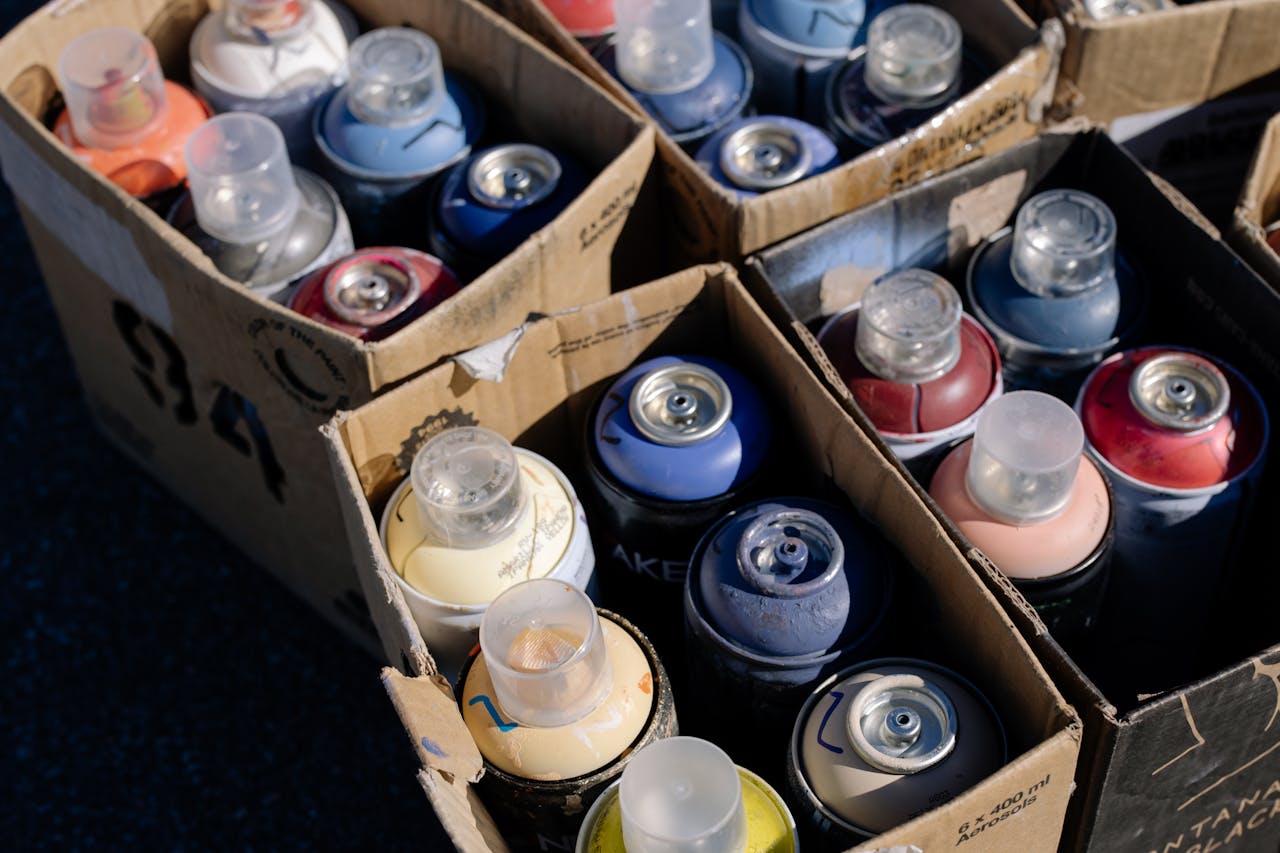
Aerosol cans look like ordinary packaging, but they are built to stay pressurized, even when they feel empty. Inside a truck or compactor, that pressure can turn into a sudden rupture, scattering contents and slowing the whole route. Sanitation leadership in Savannah, Ga., advises keeping aerosol cans out of household trash.
Instead, set them aside with other special items and bring them to a landfill or local waste transfer station. Keep the cap on and avoid puncturing the can at home. Spray paint, hairspray, and cooking spray all count, so a small box near the cleaning supplies keeps the decision simple on busy weekends.
Aluminum Cans
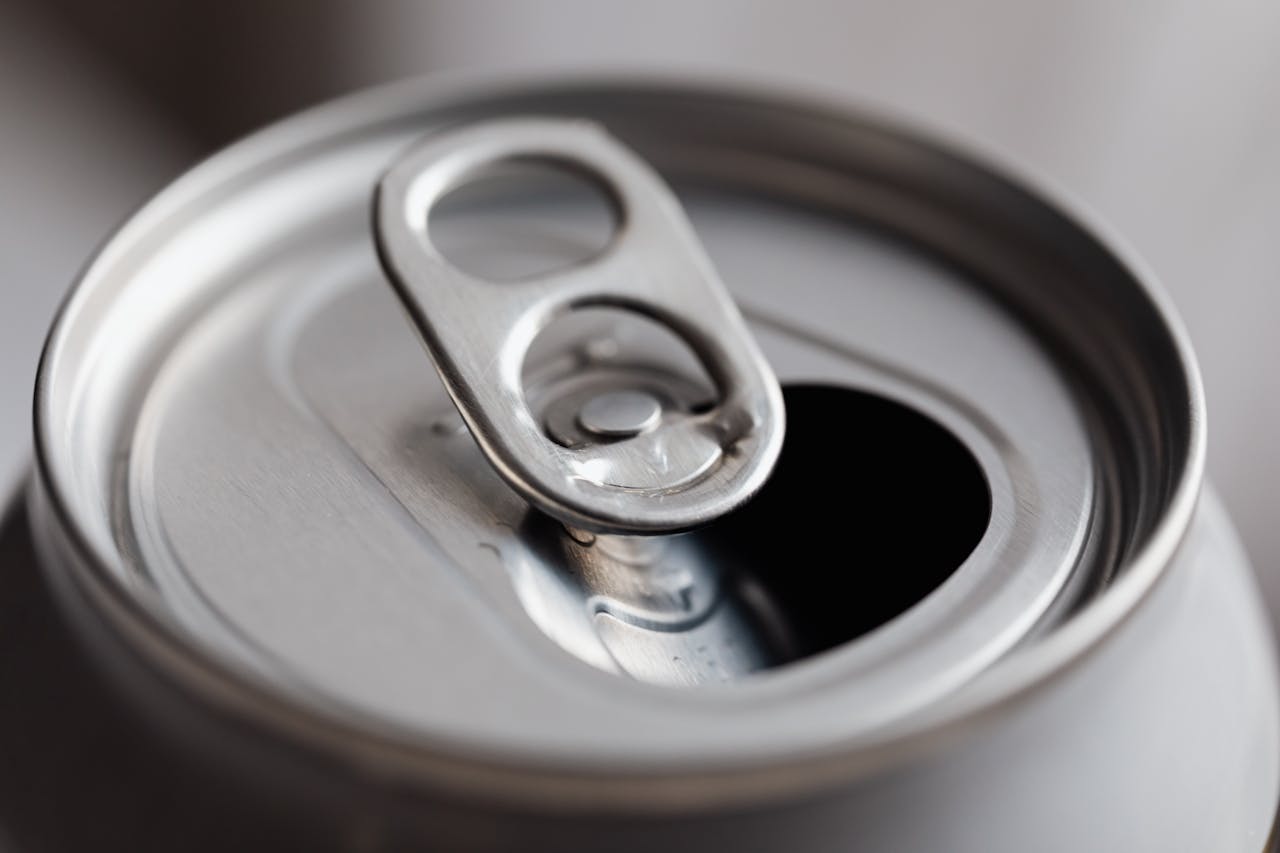
Aluminum cans are one of the clearest wins in a household recycle bin, yet they still get tossed after quick meals and gatherings. Earth911 notes Americans use more than 80 billion aluminum cans a year, but recycle only about 52% of them. That gap matters because making new aluminum from ore takes far more energy.
Recycling a can saves about 95% of the energy required to produce it from raw material and reduces the need for bauxite mining. Most programs accept them, and clean aluminum is valuable enough that it gets used. A quick rinse prevents odors, and if curbside service is limited, depots often take cans by the bag.
Tires
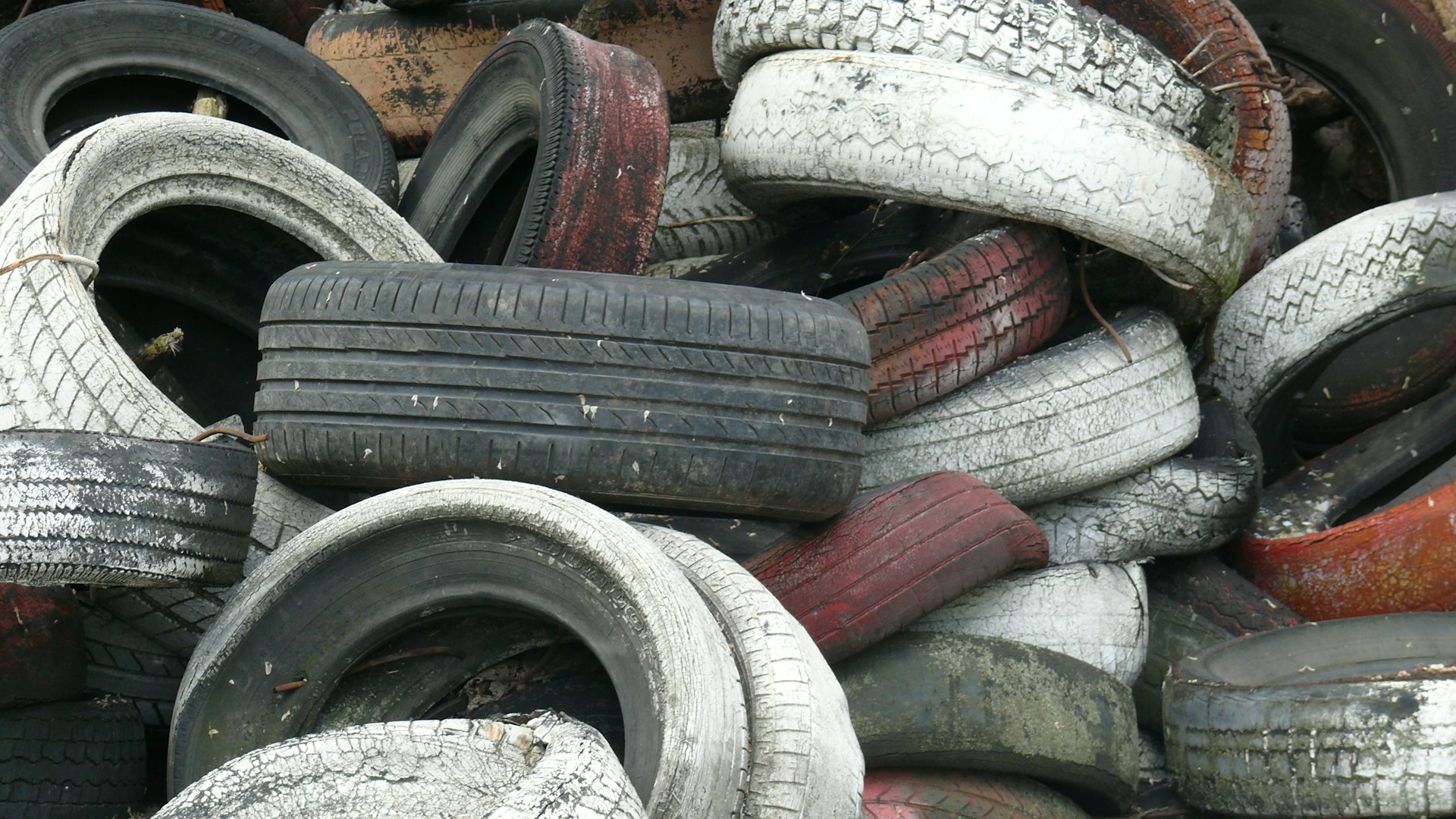
Old tires feel like pure bulk, but many places treat them as a regulated material because they do not break down like typical trash. In Georgia, it is illegal to landfill tires, and recycling staff in Athens-Clarke County notes they must be recycled or reused safely. That usually means routing them through approved collection rather than a curbside bin.
Shops that install new tires often keep the old ones for proper disposal, and local waste sites may run tire drop-offs for a small fee. Storing tires out of rain until drop-off helps, because water adds weight and attracts pests when they sit outside. It keeps cleanup easy later.
Batteries
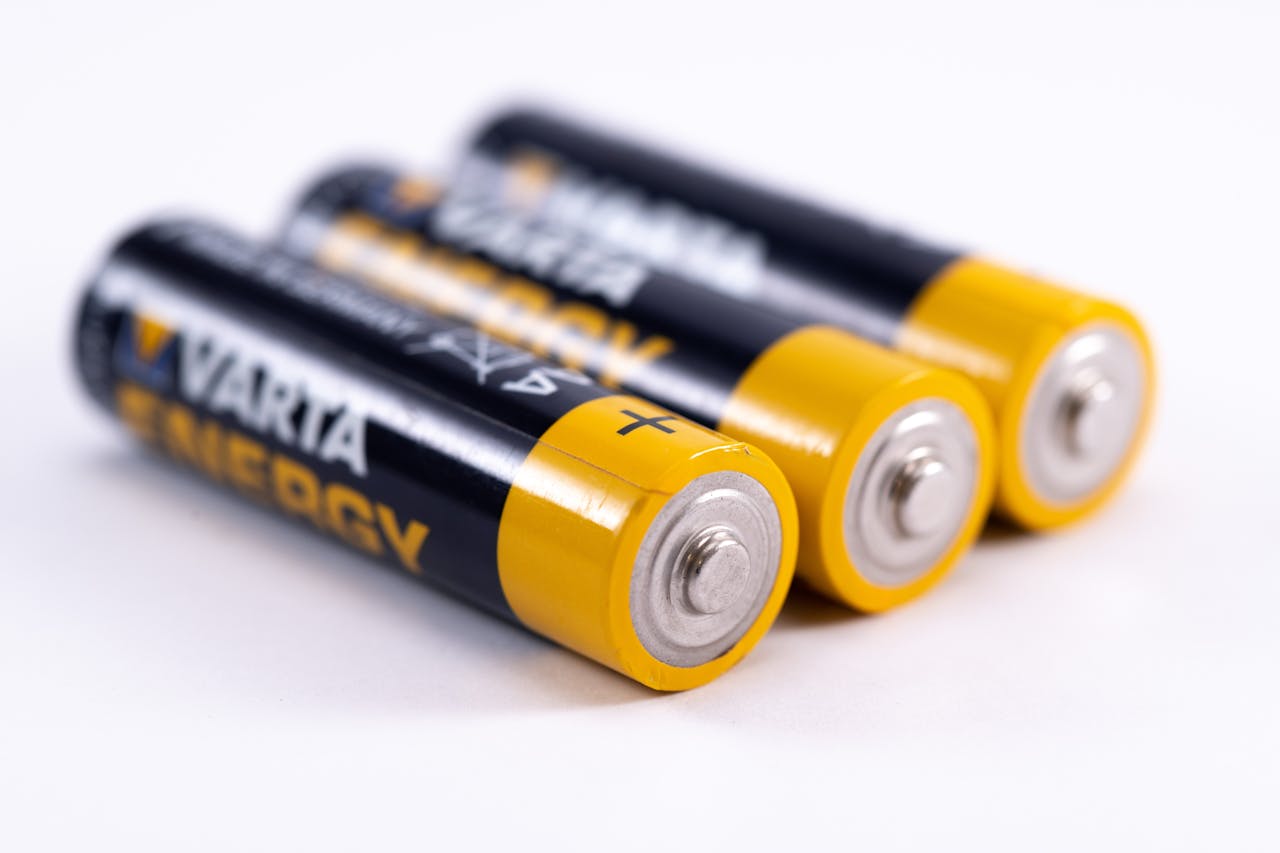
Batteries hide in drawers until a cleanout, then they get tossed as if they were harmless. Recycling specialists warn they are the No. 1 cause of landfill and recycling facility fires, often after a battery is crushed or its terminals touch metal. That risk shows up with AA cells, lithium packs, and small button batteries.
Use drop-off locations that specifically accept used batteries, such as municipal sites or participating retailers. At home, tape the terminals and store batteries in a small container so loose pieces do not rub together in a bag or bin. It is a simple habit that helps prevent a chain reaction during pickup.
Pressurized Containers
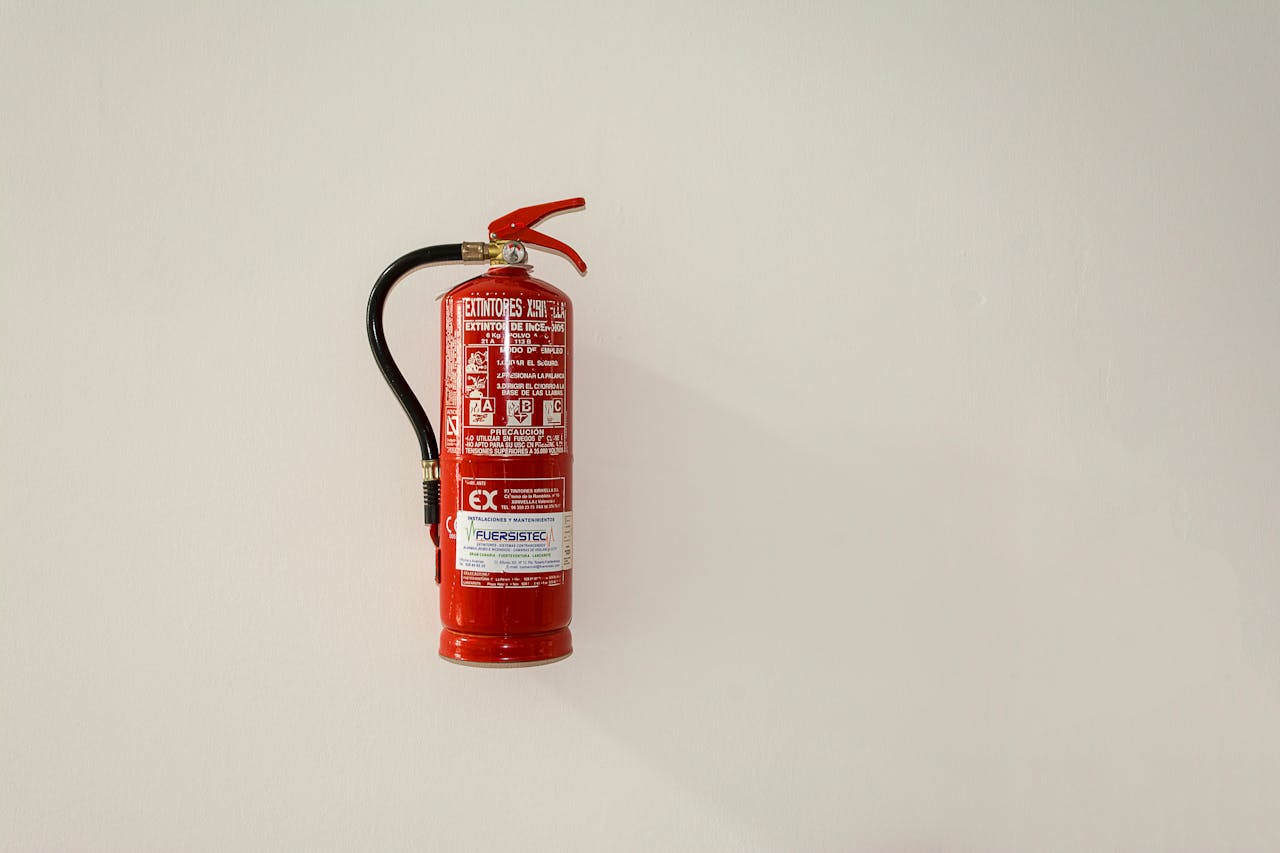
Pressurized containers are designed to hold force, which is why they do not belong in household trash. Fire extinguishers, gas cylinders, oxygen tanks, and propane tanks are flagged by agencies like the Texas Commission on Environmental Quality as items needing special handling. A compactor is the wrong place for a sealed tank.
Call the local waste facility and ask about a household hazardous waste program or an approved drop-off. Keep the container upright, away from heat, and never try to vent it at home. Handled correctly, it leaves the house quietly, without becoming a surprise for crews or neighbors on collection day.
Fuels, Motor Oil, and Harsh Cleaners
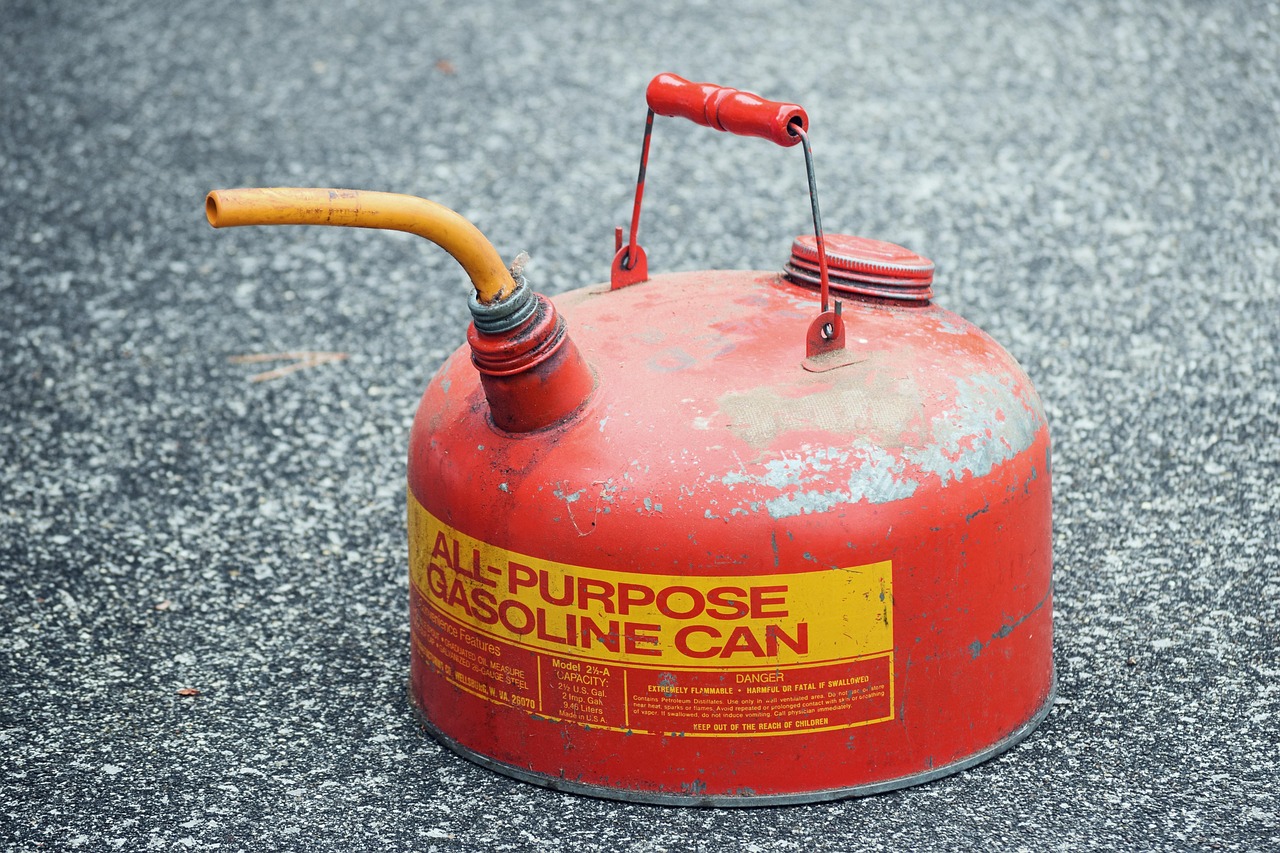
Leftover fluids from a garage shelf or a deep-cleaning spree can look disposable the moment the bottle is half used. Texas regulators group automotive fluids like antifreeze, motor oil, and gasoline with strong cleaners such as lye-based oven spray, drain openers, toilet bowl cleaners, and chlorine bleach. These products can leak or react when they get crushed.
Keep lids tight, store originals upright, and take them to a household hazardous materials collection facility or local program. Do not mix chemicals to save space. A small tote labeled for drop-off keeps the home tidy without pushing risk into the trash stream.
Lightbulbs
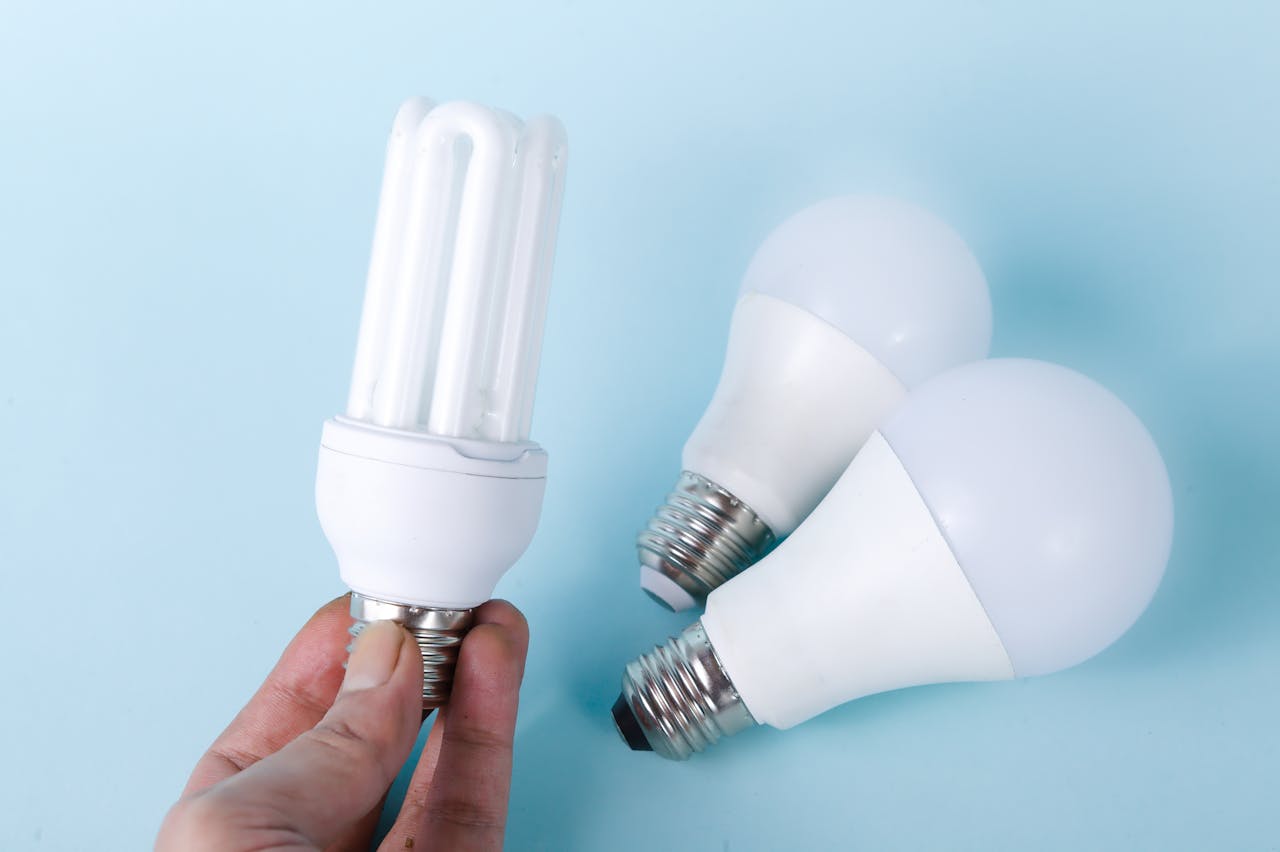
Lightbulbs are easy to overlook because they feel like plain glass and wire, not something that needs planning. Sanitation officials in Savannah, Ga., advise bringing bulbs to a landfill or convenience center for proper disposal, instead of dropping them into household trash. Keeping bulbs intact also prevents broken glass from turning a bag into a mess.
After a swap, wrap spent bulbs in paper or place them back in the carton, then set them aside for the next errand run. Local centers can sort what belongs in regular waste versus special recycling, which keeps cleanup smooth during a fast home reset in any season.
Paper and Cardboard
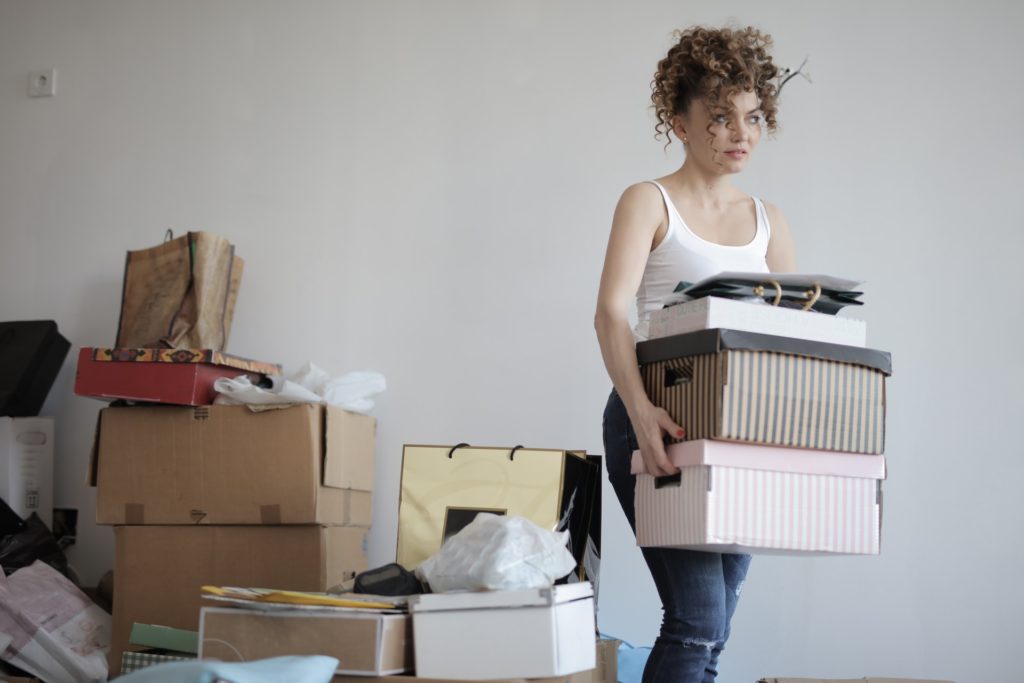
Paper and cardboard pile up during deliveries and school projects, then explode during a weekend purge. Earth911 notes paper products are widely accepted and can be recycled three to five times before fibers wear out and composting becomes the better end point. Recycling paper also saves about 31% of the energy and 53% of the water needed to make it from virgin fiber.
Flatten boxes, remove plastic windows or liners, and keep paper clean and dry so it is usable at the facility. Greasy pizza boxes usually belong in compost or trash, depending on local rules. Sorted well, paper stops being clutter and becomes material again.
Mattresses

A mattress looks like one big item, but at a landfill it behaves like a snag that refuses to flatten. Recycling specialists note mattresses are difficult to compress and can tangle machinery on active landfill faces, slowing work for operators. That is why many areas require special pickup, drop-off, or recycling programs.
Call the local waste collection organization for rules and scheduling, and ask whether a recycling partner is available. Keep the mattress dry while waiting, because soaked fabric adds weight and makes handling harder. With a plan, a bulky item exits the home without turning into a curbside eyesore.
Needles and Razor Blades
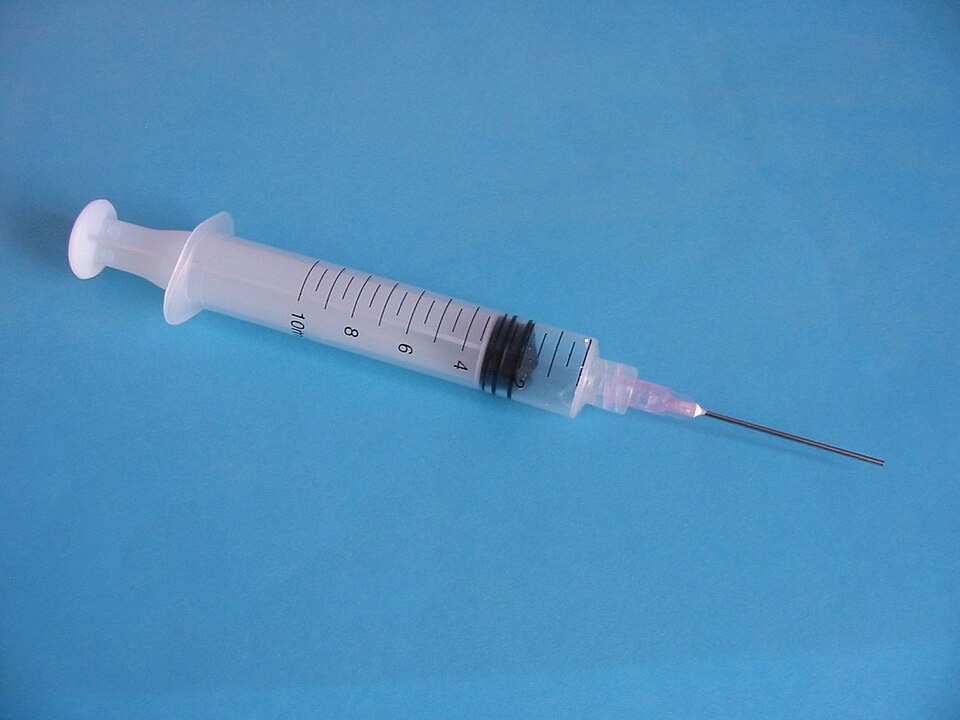
Needles and razor blades turn routine waste handling into a real safety problem, especially when bags tear or get compacted. Experts stress sharps should not be tossed loose into household trash, because they make collection and sorting more dangerous for crews. Many communities publish clear rules, but the first step is keeping the sharp contained.
Place used sharps in a puncture-resistant container, like a thick plastic bottle with a screw cap, and label it clearly. Then follow local hazardous waste, pharmacy, or drop-off guidance for final disposal. Done right, a sharp item leaves the house as a managed object, not a surprise.