The Visa Bulletin looks like a grid of dates, but for many families and workers it functions like a weather report for the next year of life. The February 2026 edition brings modest movement, yet small shifts can decide whether a case can be filed now or must wait. The real story is how Final Action Dates, Dates for Filing, and USCIS chart choices combine with backlogs and country caps to shape what waiting actually feels like. This month also carries a warning: the Certain Religious Workers track is listed as unavailable. USCIS says February filers should use the Dates for Filing charts for family and employment cases.
Two Dates, Two Different Clocks

Every preference category shows two timelines: Final Action Dates, when a green card number can be issued, and Dates for Filing, when the next steps can start. Final Action is the finish line, while Filing is the doorway into the processing pipeline. Both depend on the priority date, the applicant’s place in line, and the country limits that can turn a worldwide date into a much older cutoff for India, China, Mexico, or the Philippines. February’s small shifts make it easy to miss the bigger lever: getting into the system early when filing opens. Early entry can shape document prep and interview timing later, by months.
The USCIS Chart Choice Is the Hidden Headline

The bulletin alone does not decide who can file inside the U.S.; USCIS chooses which chart applies each month for adjustment of status. For February 2026, USCIS directs family-sponsored and employment-based applicants to use the Dates for Filing charts, not the Final Action charts. That choice can open a filing window even when the final action cutoff is years behind, letting cases move into biometrics, work and travel requests, and background checks while the priority date waits for a visa number. It also raises the stakes for staying document-ready, because a later month can switch back to Final Action without warning.
Mexico Is Where Family Categories Actually Move
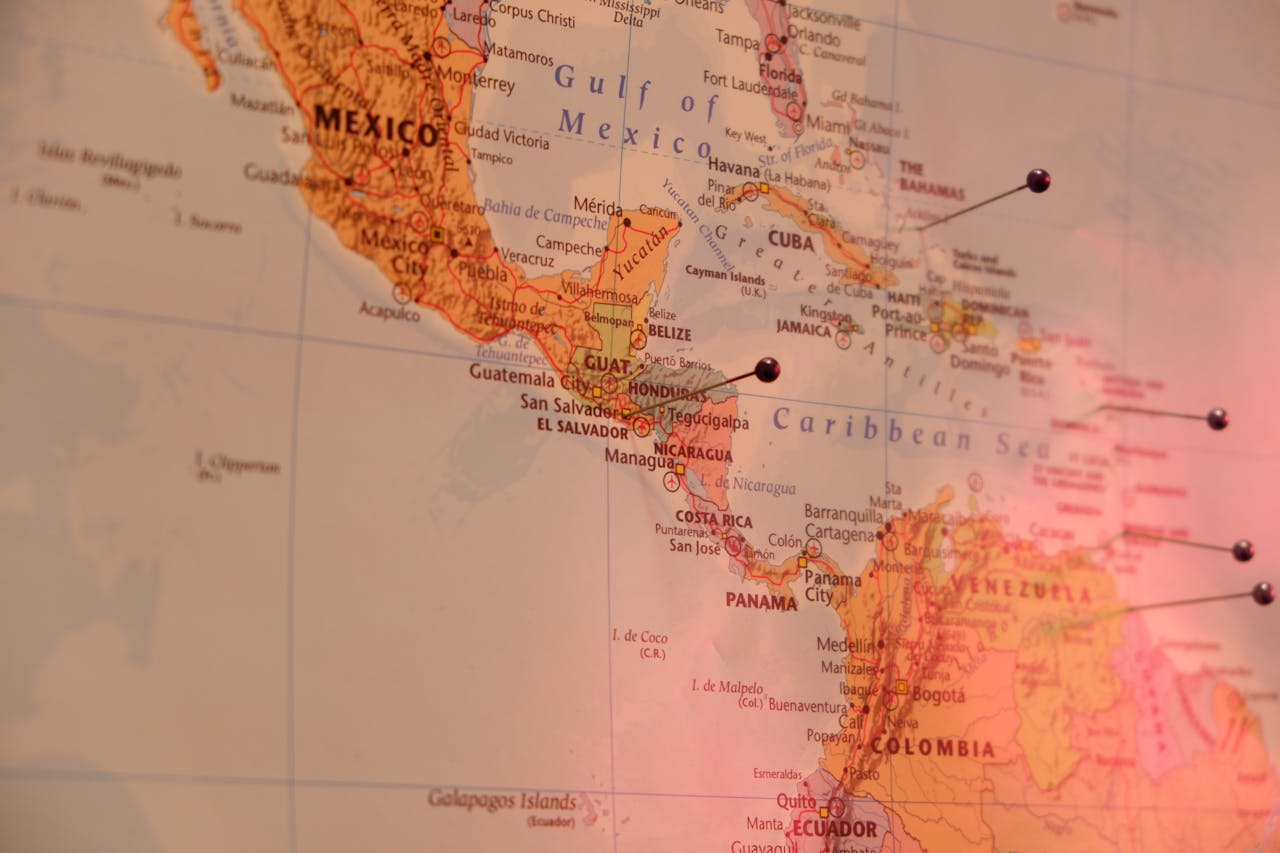
On the family side, Mexico is where February’s movement shows up most clearly. For F1, Mexico’s Final Action Date advances to Dec. 22, 2006, and its filing date moves to Dec. 1, 2007, while most other countries stay in 2016 for final action and 2017 for filing. For F2B, Mexico advances to Feb. 15, 2009 for final action and Feb. 10, 2010 for filing, a modest nudge that can still be the difference between starting the National Visa Center document process or filing an adjustment packet, versus watching the calendar roll while nothing is allowed to be submitted. Those months can affect moves, school plans, and caregiving.
F2A Filing Moves, Even If Final Action Does Not

F2A is the category many people watch because it covers spouses and minor children of permanent residents, and it often determines whether a family can stay in motion together. In February 2026, the Final Action Date stays at Feb. 1, 2024 for most countries and Feb. 1, 2023 for Mexico, but the Dates for Filing move to Jan. 22, 2026 worldwide. That filing shift is small on paper, yet with USCIS using the Filing chart this month, it can allow a case to be filed, fees paid, biometrics scheduled, and work authorization pursued while the final action line remains stuck in 2024. It is progress, just not the finish line.
When F3 And F4 Stay Frozen, Life Planning Gets Weird

For many applicants, February 2026 feels like waiting in place because the big family categories do not budge. F3 and F4 show no movement in either chart, leaving decades-long queues intact for India, Mexico, China, the Philippines, and the worldwide column. Stillness is not just a boring month; it signals demand still exceeds supply, and it pushes real-life planning toward flexible choices, like renewing civil documents early, tracking priority-date receipts, keeping address histories organized, and treating any timeline estimate as provisional until a visa number is actually available. That mindset reduces whiplash.
EB-3 Finally Gives Some Countries Air

Employment-based readers will notice February’s most meaningful change in EB-3 for professionals and skilled workers. For the worldwide column, Mexico, and the Philippines, Final Action moves to June 1, 2023, and Dates for Filing move to Oct. 1, 2023, while China and India remain unchanged on both charts. That split creates two realities inside one preference: some cases can file, trigger biometrics, and pursue interim work and travel documents while the line creeps forward, while others continue to wait outside the gate with no new cutoff movement and little clarity about when the next opening will come. For now.
EB-1 And EB-2 Staying Put Changes Expectations

February 2026 is a month of quiet for EB-1 and EB-2, which matters because those categories often shape expectations for how quickly the system can breathe. EB-1 stays current for most regions, with China and India holding at Feb. 1, 2023, and EB-2 shows no change across the board. When top categories stall, spillover to lower categories becomes harder to predict, and strategy shifts from dreaming about a fast approval to managing the long middle: staying employed and eligible, keeping priority-date records clean, and preparing for a sudden window if a future bulletin jumps. The still months are part of the process.
EB-5 Is Stable, But The Fine Print Still Matters

EB-5 investors see a steady picture in February 2026, with the most important distinction being whether a case falls under unreserved numbers or a set-aside pool. Unreserved remains current for most places, but China holds at Aug. 15, 2016, and India holds at May 1, 2022. The rural, high-unemployment, and infrastructure set-aside categories stay current, yet current does not mean instant; adjudication queues, source-of-funds evidence, and project due diligence can still stretch timelines, so a C in the chart should be read as eligibility to move, not a promise of quick approval. That nuance prevents false hope.
The SR Religious Worker Category Hits A Wall
The sharpest change in February is not a cutoff date but an “Unavailable” stamp: Employment Fourth Preference Certain Religious Workers (SR) is listed as U for all countries. The State Department notes the program authority ends after midnight Jan. 29, 2026, meaning no SR visas can be issued overseas, and no final action can be taken on adjustment cases after that point. For affected applicants, the month becomes a race against a statutory deadline, where planning hinges on legislative action rather than bulletin rhythm, and where even a prepared file can stall if the category is not reauthorized. quickly again soon.
Movement Is Permission, Not A Promise

A forward jump in the bulletin does not automatically equal a shorter total wait, because the visa number is only one step in a longer chain. After filing, cases still pass through biometrics, security checks, and adjudication backlogs, and consular interviews depend on appointment capacity at specific posts. February’s modest changes are best read as permission slips: they determine when action can start, but the lived timeline is shaped by how quickly agencies and consulates can actually touch the file, whether requests for evidence appear, and how fast applicants can respond without missing deadlines or creating gaps.