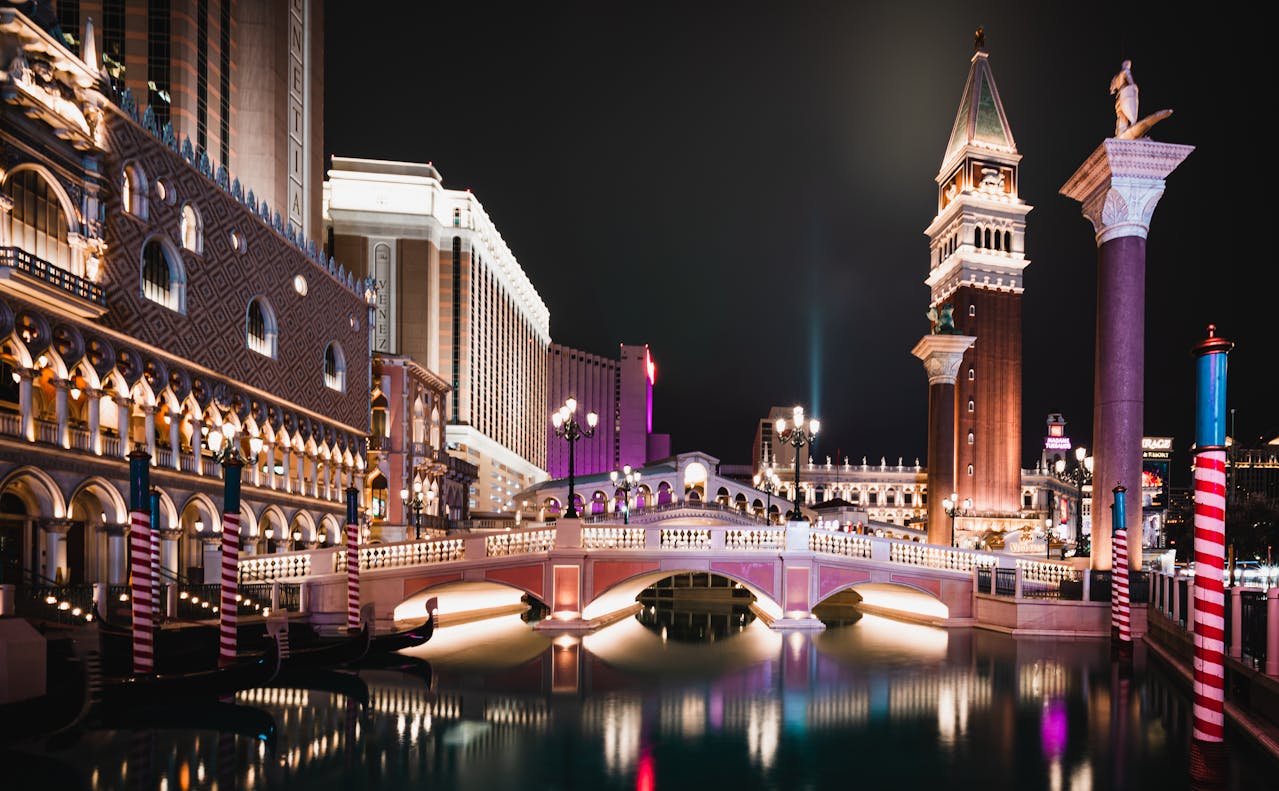
A night at a big-name Strip venue is supposed to feel effortless: music, lights, and a drink in hand before the chorus hits. Prices are expected to be high, but most guests still assume they can see them before they order. Instead, one concert tab from Dolby Live at Park MGM went viral because it felt like a surprise, not a splurge.
The receipt, shared by Las Vegas creator Jen G, better known as VegasStarFish, showed how fast a simple order can snowball when add-ons stack up. For critics, it was not just about pricey margaritas, or even about tipping. It was about the uncomfortable sense that the real cost only becomes clear after the choice is already made.
The Receipt That Lit Up Social Media
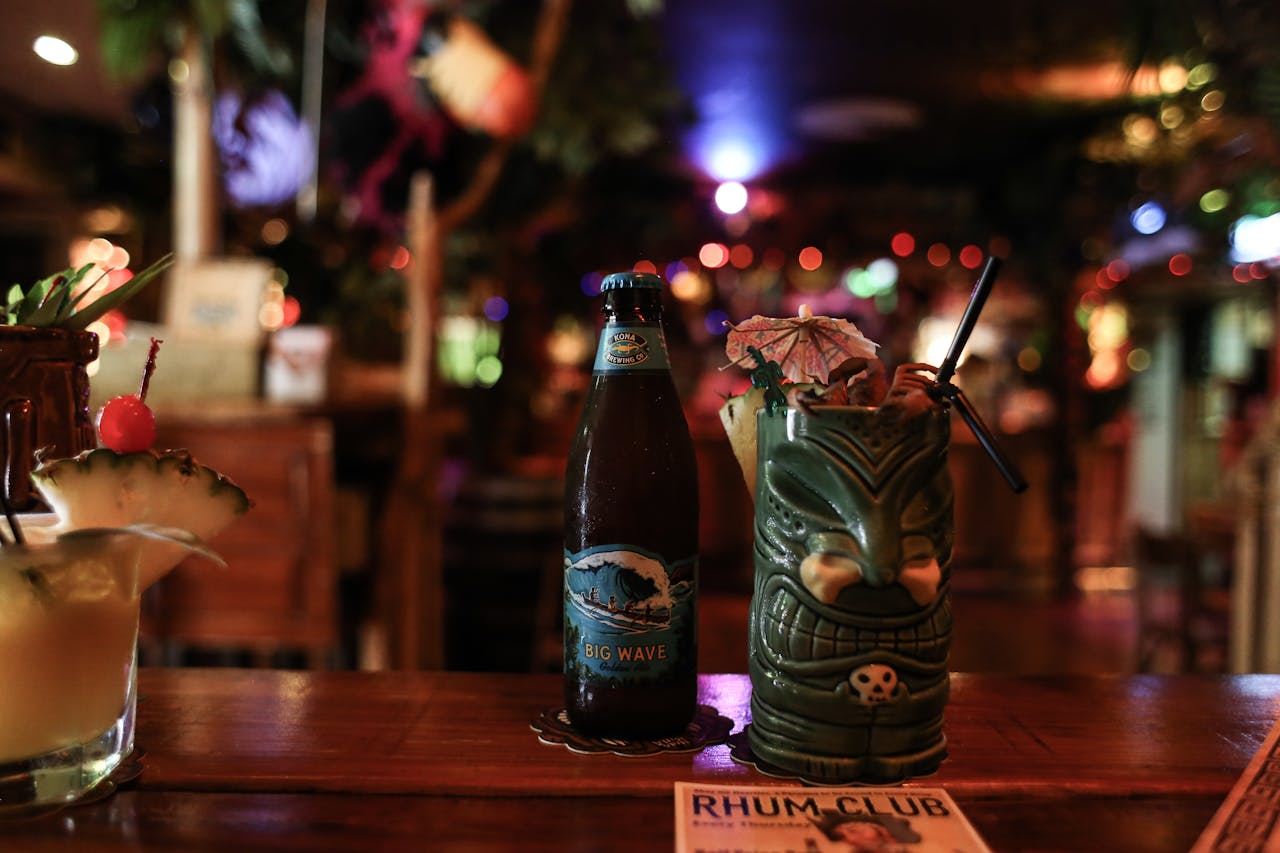
According to the post, two visitors attended a Zayn Malik performance at Dolby Live and ordered four items: two classic margaritas and two bottles of water. They were in a VIP area, where a server brought the drinks directly to their seats. Nothing about the order sounded extravagant, which is why the total read as extreme once they reviewed the itemized charges.
On the slip, each margarita rang up at $50, and each bottle of water at $8.75. An automatic gratuity of $27.58 brought the subtotal to $153.20, and then an administrative fee of $26, plus tax, pushed the final amount to roughly $181. The drinks were described as being served in plastic cups, a detail that made the number feel even harder to justify in the public reaction.
How Two Drinks Became a Nearly $181 Total
The math is straightforward, and that is part of what makes it so jarring. Start with $100 for cocktails, add $17.50 for water, and the base is already $117.50. Layer on an automatic gratuity, then a separate administrative fee, and the final figure climbs into territory most people associate with bottle service, not a quick round at a concert.
When fees show up as separate line items, the brain reads them differently than a single, all-in price. Even if the same total had been printed as one number on a menu, it would feel less like a surprise and more like a deliberate choice.
The concertgoer who spoke through the influencer did not present himself as someone counting pennies. He said he could afford what he wanted, but still felt shocked by how aggressive the pricing had become, especially coming from a major casino operator. He contrasted it with other upscale stays on the Strip, saying he was used to paying for luxury without feeling nickeled and dimed.
A small order magnifies the effect of every extra charge. When the bill is only four drinks, each fee looks less like a service cost and more like a penalty for ordering at all.
The Missing Price Signal Inside the Venue
One of the sharpest complaints was not about the dollar amounts themselves, but about the lack of warning. The visitors said they did not see pricing posted where they were seated, and that the menu in the venue did not clearly show costs in a way that could be checked quickly. In a dim theater, with music swelling and servers moving fast, people often order on autopilot.
That detail matters because venues like Dolby Live operate in a moment. People order between songs, in a crowd, with a server moving fast. If the only way to understand the price is to hunt for it, many guests will default to trust, and then feel burned when the receipt tells a different story.
Administrative Fees, Live Entertainment Tax, and the Transparency Problem
Las Vegas is a city where taxes, surcharges, and service fees are part of the business model, and some of them are real government charges. Nevada’s Live Entertainment Tax is a 9 percent tax applied to admission charges at qualifying venues, and for events inside licensed gaming establishments it is administered through the Nevada Gaming Control Board. It is easy for visitors to assume any extra line item is a tax, even when it is not.
That tax is tied to the ticket, not the cocktail. It does not explain a concession tab.
What showed up on this receipt was different: an administrative fee set by the venue or operator, not a state agency. In many industries, admin fees are used to cover staffing overhead, payment processing, and the logistics behind a smooth experience, especially when service is delivered directly to a seat. The problem is the label can be vague, and the timing can feel slippery if guests only learn the amount once they are already committed. When an automatic gratuity is also added, the fee can read like double-charging, even if the venue sees it as separate.
Fee transparency has also become a national pressure point. The Federal Trade Commission’s junk fees rule for live-event tickets and short-term lodging took effect in 2025 and pushed businesses to show mandatory charges upfront. That broader shift makes customers less tolerant of any surprise fee, no matter where it appears.
Why VIP Seating Can Price Like a Nightclub
The story included an important detail that changes the context: the concertgoers had VIP section tickets. In VIP areas, the economics often look less like a standard concession stand and more like a lounge. The value proposition is not just the drink, it is the convenience, the reserved space, and the promise that service will come to you.
In that setting, it is common to see higher base prices, mandatory gratuities, and extra service fees, sometimes alongside minimum-spend expectations. A waitress delivering cocktails to a seat bypasses the line, but it also turns a simple purchase into table service. That still does not make $50 margaritas feel reasonable to everyone, but it helps explain why the pricing can drift toward nightclub logic.
Is It Legal, and What Counts as Fair?
Legality and fairness are not the same thing, and Las Vegas regularly lives in that gap. In general, private fees can be charged as long as they are disclosed clearly before purchase, whether on a menu, a point-of-sale screen, or within the terms attached to a VIP experience. The receipt showing the fee before payment suggests it was not added after the fact, but that does not automatically mean the customer had a real chance to evaluate it earlier.
What guests usually want is simple: a clear price before they order, and plain language for anything mandatory. If an administrative fee is essentially a service charge for seat delivery, calling it that would reduce confusion. If it is tied to VIP access, the best place to disclose it is where VIP terms are sold, not where the cocktail arrives.
Backlash in the Comments and the Cost of Sticker Shock

Once the receipt circulated, the reaction followed a familiar pattern. People did not just complain about an expensive city. They complained about the feeling that Las Vegas is teaching visitors to distrust every line item, and that distrust sticks long after the concert ends.
Some commenters focused on the idea that a drink served in plastic should never sit in luxury-price territory, regardless of location. Others questioned why an administrative fee would be necessary for two cocktails and two waters, especially when an automatic gratuity was already included. The tone was less about splurging and more about limits, with many saying this kind of pricing is what convinces them to stay off the Strip.
The outrage also taps into a wider stack of grievances that visitors trade in forums and group chats: surprise parking charges, minibar prices that feel punitive, and premium venues where a basic drink order costs as much as a meal. Each story on its own is anecdotal, but the accumulation shapes how travelers decide whether the Strip still feels worth it.
What This Says About the Strip Right Now
Las Vegas tourism has shown signs of softening in reporting on 2025, and the city’s own visitor research has highlighted a shift toward higher-income travelers. The 2024 Las Vegas Visitor Profile found that a larger share of visitors reported household incomes at or above $100,000, a jump that stands out against prior years. That can be read as a strategy and a warning: the Strip may be leaning into premium guests while pricing out the casual ones who once filled the midweek rooms.
The risk is not that Las Vegas becomes expensive. It already is, and people accept that when they feel the value is transparent. The risk is that unclear fees turn excitement into suspicion, and suspicion turns into changed plans. If venues want to charge for VIP convenience, they can, but the cleanest fix is also the simplest: show the full, mandatory cost before the order happens, in a way nobody has to hunt for.