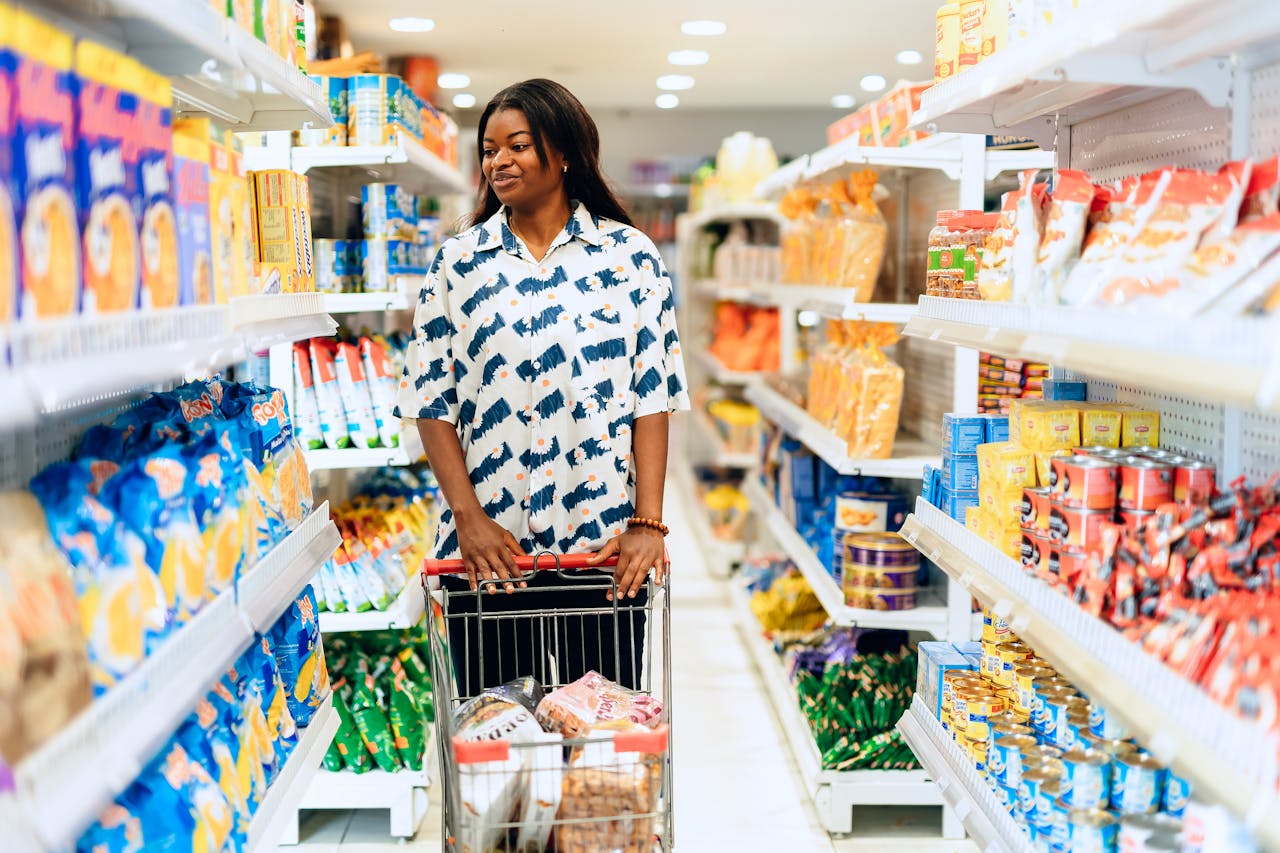
In the US, a snack can be legal in one state and frowned on in another, yet still sit in every checkout lane.
Outside the country, regulators often start from a different question: not can you sell it, but should you.
Bans rarely mean the food is instantly deadly; they usually mean the risk feels avoidable and the benefit feels small.
Sometimes the issue is a chemical additive, sometimes it is farming practice, and sometimes it is simple labeling honesty.
America tends to allow ingredients until harm is proven, while many countries demand proof of safety before wide use.
That difference explains why the same colorful candy can be routine here and restricted in Europe or Asia.
It also explains why travelers get surprised at customs when a familiar jar, cheese, or jerky is treated like contraband.
Let’s break down what gets banned, why it happens, and what it says about how nations define acceptable risk.
Different Rulebooks, Different Burdens of Proof
Many countries require pre-market safety clearance for additives, so fewer new chemicals ever reach shelves.
The US often allows use first, then revisits later, which makes the ingredient list feel more experimental over time.
Neither approach is perfect. Fast approval helps innovation, while slow approval can prevent messy reversals.
What matters is the burden of proof, because it decides who must produce evidence when uncertainty shows up.
Additives That Trigger Red Flags Abroad
Some dyes and preservatives are restricted because studies raised questions about behavior, allergies, or long-term exposure.
Even when the science is mixed, regulators may choose caution if kids are the main consumers.
Brominated vegetable oil is a classic example of a why is this in soda ingredient that drew scrutiny for years.
A country may not call it poison. It may simply decide that stable flavor is not worth the extra chemical.
Potassium bromate, used in bread-making, has been limited in places that treat it as an unnecessary risk.
Producers can often swap it out, which makes a ban feel like low-cost prevention rather than a sacrifice.
Azodicarbonamide, a flour conditioner, became a symbol because it sounds industrial, even when used in tiny amounts.
Symbol matters in policy: if people lose trust, regulators tighten rules to stop the argument, not just the exposure.
Farming Practices That Don’t Travel Well
Ractopamine, used to promote leanness in pork, is accepted in the US but restricted in many export markets.
Other countries cite residue concerns and different animal welfare norms, so they draw a firmer line.
Chlorine-washed chicken is another flashpoint, less about the rinse itself and more about what it might excuse upstream.
If processing can clean up sloppy conditions, critics argue it reduces pressure to fix hygiene at the farm level.
Hormone use in beef shows the same clash: the US treats it as managed and monitored, Europe treats it as avoidable.
Trade fights follow, because it is hard to prove comfort when the disagreement is partly cultural.
Pathogens, Raw Foods, and the Precaution Mindset
Some bans target how food is made, not what it is, especially when microbes can spread fast.
Unpasteurized milk and cheeses are restricted in many places because outbreaks are expensive and politically painful.
Japan’s limits on certain raw seafood handling and labeling show how rules can be strict without banning the cuisine.
The goal is to control the chain of custody, so one careless vendor does not become a national headline.
Even eggs get regulated differently: washing, refrigeration, and sell-by rules vary based on what each system trusts.
When systems differ, travelers assume the other side is wrong, but often it is just a different risk trade.
Packaging, Processing, and Hidden Contaminants
Sometimes the ban is not about taste; it is about what sneaks in during processing or storage.
High heat can create contaminants like acrylamide in some snacks, pushing countries to set tighter limits.
Certain plastics, inks, or can linings have drawn restrictions when they may leach into food over time.
The same applies to heavy metals in spices or baby foods, where tiny can still matter because exposure adds up.
If testing capacity is strong, regulators can enforce strict ceilings; if it is weak, they may choose outright bans.
Either way, the message is clear: invisible risks still count, even when the label looks clean.
Labeling Standards and What Counts as Honest
Some bans are really about marketing, like calling a product natural while using synthetic colors.
Allergen labeling rules can be tighter elsewhere, so a US-style label may be considered incomplete.
Portion claims, sugar disclosures, and front-of-pack warnings can also change what is allowed to be sold.
When labels shift, companies complain about cost, but shoppers gain the power to compare quickly.
This is why certain cereals or drinks get reformulated abroad; the label makes the old recipe harder to defend.
The food did not change, but the story you are allowed to tell about it did, and that reshapes what feels acceptable.
Why Americans Still See These Foods as Normal
Habit is powerful, and once a product is common, it starts to feel like background noise in the pantry and the mind.
Industry lobbying also shapes priorities, especially when small changes ripple across big supply chains.
Regulators face tradeoffs: act too aggressively and you get backlash, act too slowly and you lose public trust.
Consumers vote with wallets, but only within the choices offered, which keeps the loop stable.
The result is not a single villain; it is a system optimized for convenience and consistency.
Understanding the system helps you read bans as policy choices, not moral verdicts about what people should eat.
What You Can Do Without Becoming Paranoid
Start by reading ingredient lists like a map: look for dyes, conditioners, and long preservative chains.
If a product is banned abroad, treat that as a cue to research, not a reason to panic-buy alternatives.
Choose brands that sell in multiple regions, since they often reformulate to meet stricter rules.
When in doubt, lean toward simple foods you can recognize, and save novelty snacks for occasional treats.