Wildlife encounters rarely announce themselves. A bend in a trail, a quiet shoreline, or a safari track at dusk, and suddenly another creature is watching. In many species, a direct human stare reads less like curiosity and more like a threat, a challenge, or predatory focus. Field biologists and park officials often teach the same small habit: soften the gaze, keep awareness wide, and let distance do the heavy lifting. When people lock eyes, posture and intent can be misread in an instant, especially near food, calves, dens, nests, or roadside crowds. The safest moments are often the calmest ones, where attention stays steady, movement stays slow, and the eyes do not escalate the conversation.
Mountain Lions
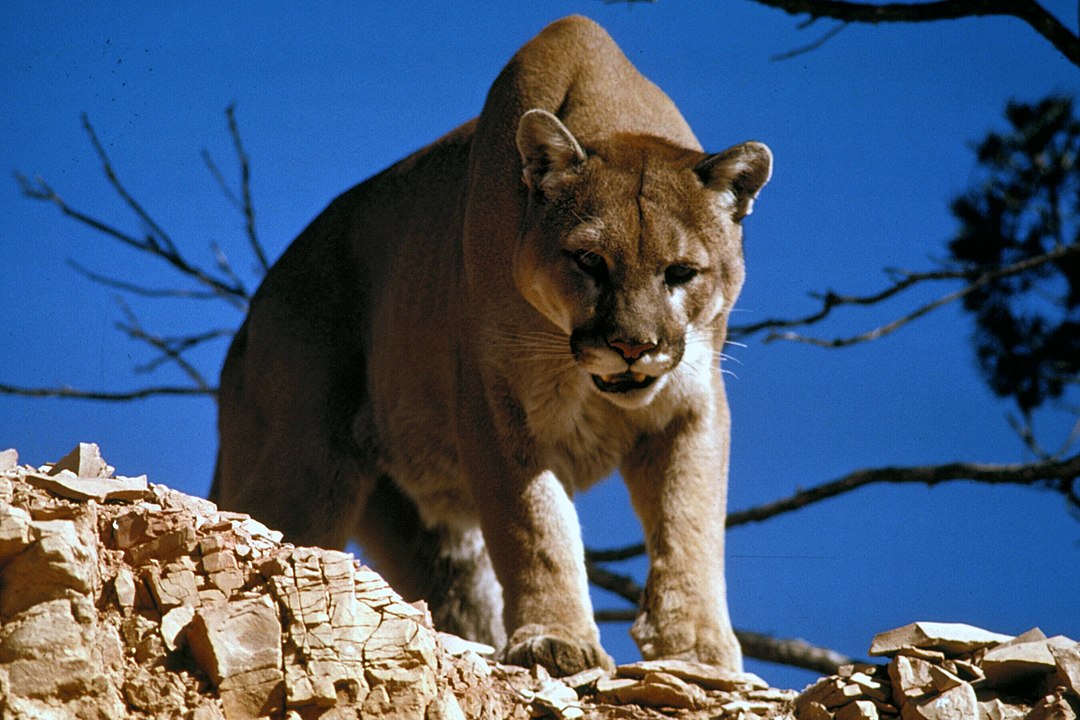
In western North America, mountain lions assess risk quietly and fast, often without giving a clear warning beyond a quick tail flick or a slow pivot behind brush. A fixed stare can resemble predatory focus or a direct challenge, which may heighten stalking behavior on wooded trails at dawn or dusk, or where joggers move quietly. Biologists and park guidance recommend breaking the gaze, backing away without sudden motion, keeping arms wide or a jacket raised to look larger, and watching with peripheral vision; many tense stand-offs fade once the stare ends and space opens.
Brown Bears
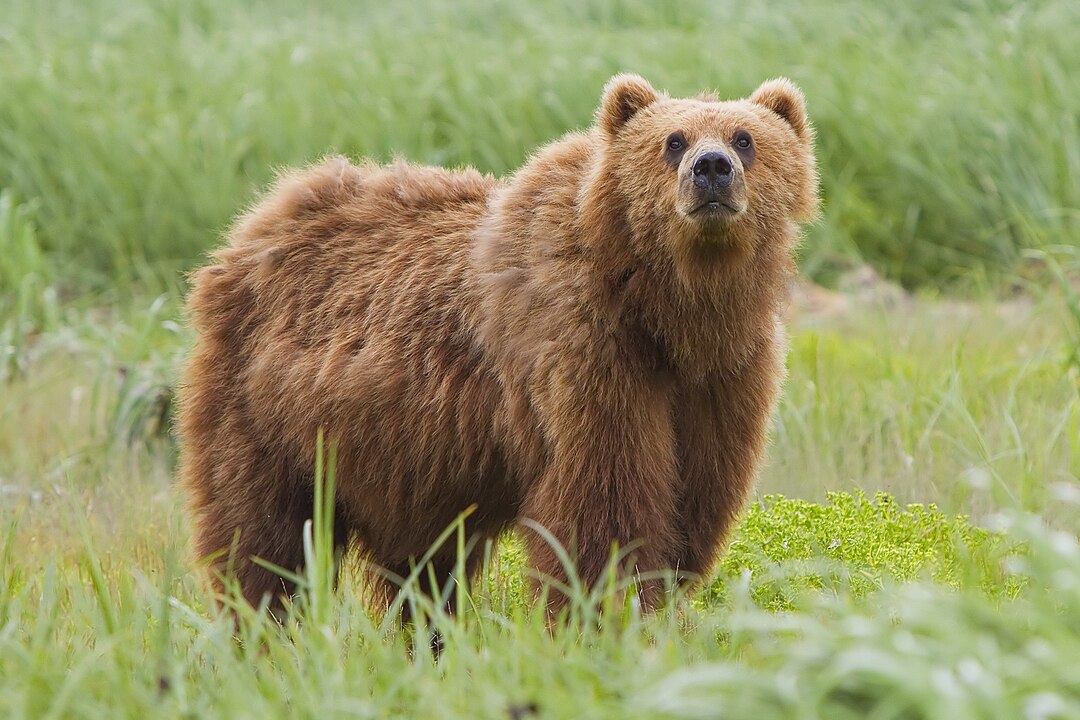
In Alaska and parts of Eurasia, brown bears read posture and gaze as signals about dominance and access to food or space. Sustained eye contact can spike tension during surprise meetings near salmon streams, carcasses, or berry patches, where a bluff charge, jaw popping, or huffing can function as a warning rather than an immediate attack. Wildlife agencies advise avoiding a locked stare, speaking in a steady tone, keeping hands visible, and increasing distance without running; injuries rise when people freeze, stare back, and fail to reduce threat cues, especially when cubs or narrow banks limit the bear’s options.
African Elephants
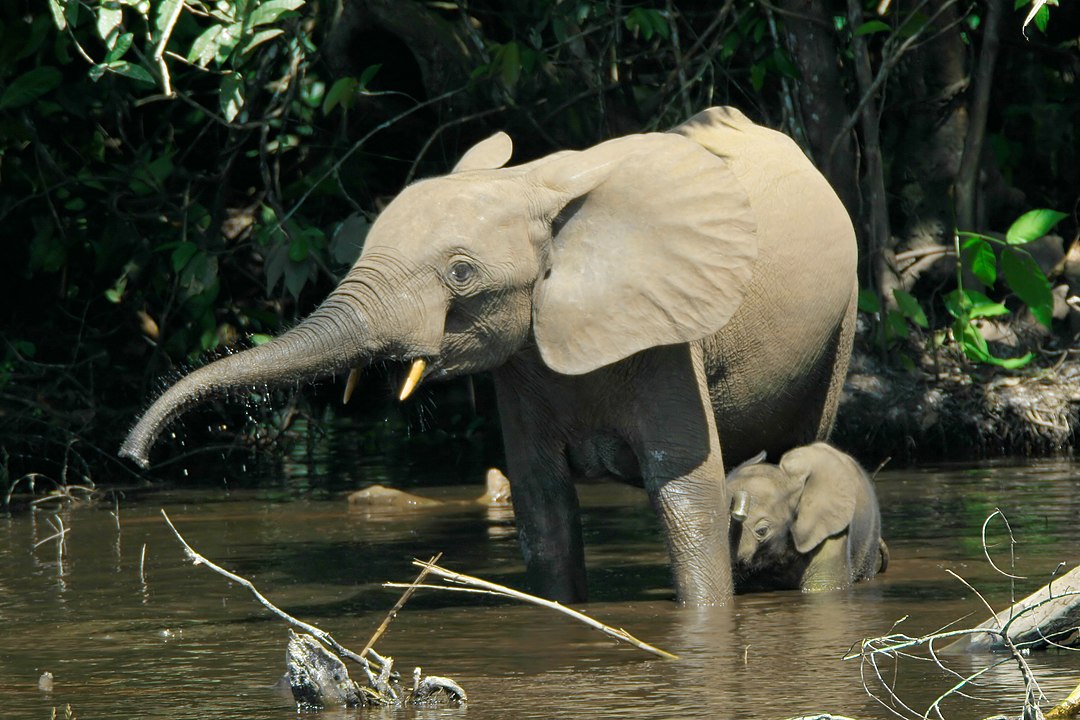
Across African savannas and floodplains, elephants use visual cues to judge intent and rank, and a hard stare can look like a dominance test. The risk climbs near calves, along narrow tracks with limited turnouts, or at waterholes in dry periods when resources compress herds and vehicles into the same corridors, especially when engines idle and cameras stay trained on faces. Field researchers note that lowering the gaze and widening distance often prompts a pause and reassessment; prolonged visual fixation during close-range photography has preceded mock charges and real ones, particularly when calves are present.
Gorillas
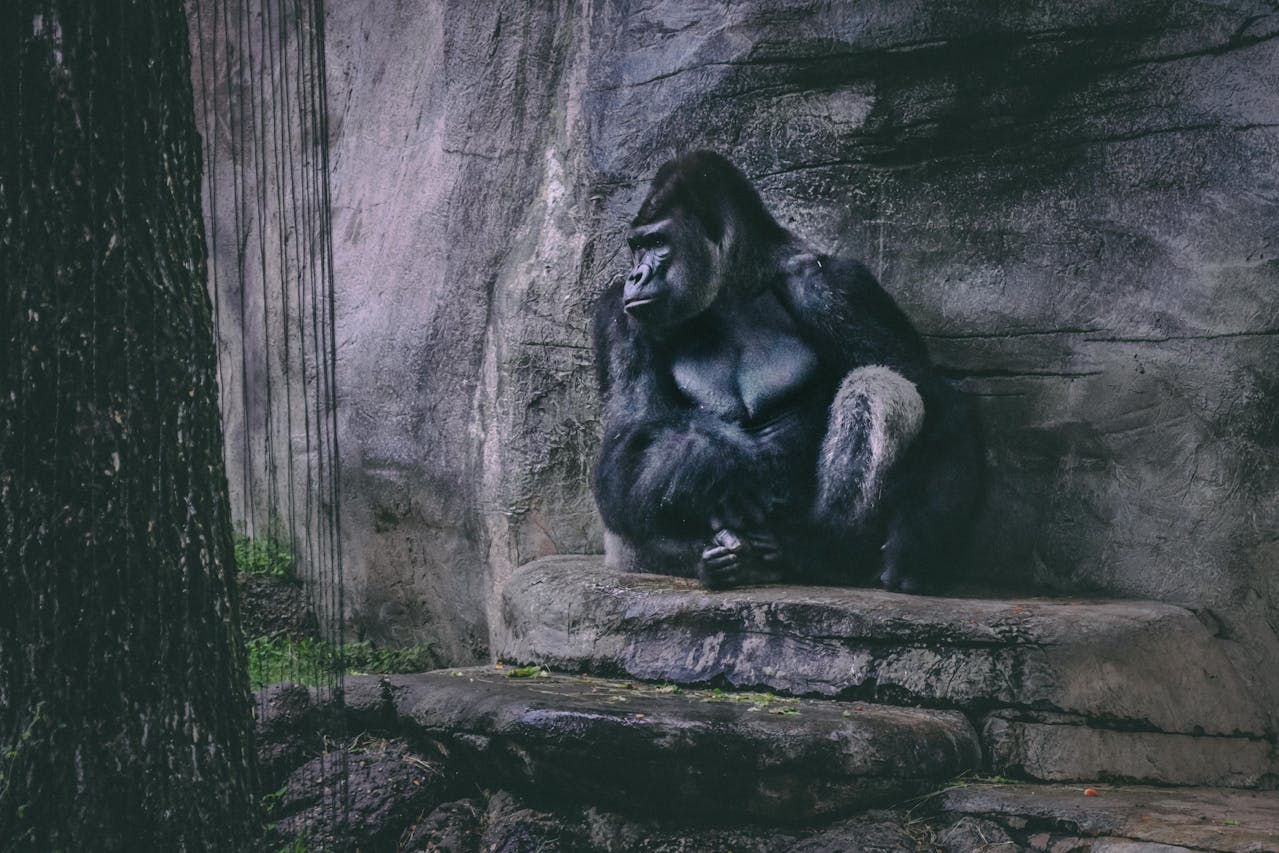
In Central African forests, gorillas treat gaze as a direct social message, and steady eye contact can be interpreted as an immediate challenge. Silverbacks protecting a group may answer with chest beating, short rushes, or bluff charges, especially during close trekking where dense vegetation limits escape routes and the group feels boxed in by quiet observers. Ranger protocols commonly stress neutral posture, minimal movement, and looking aside while breathing evenly and staying calm; when eye contact breaks, gorillas often disengage and the scene resets, and the group returns to resting with fewer warning displays.
Chimpanzees
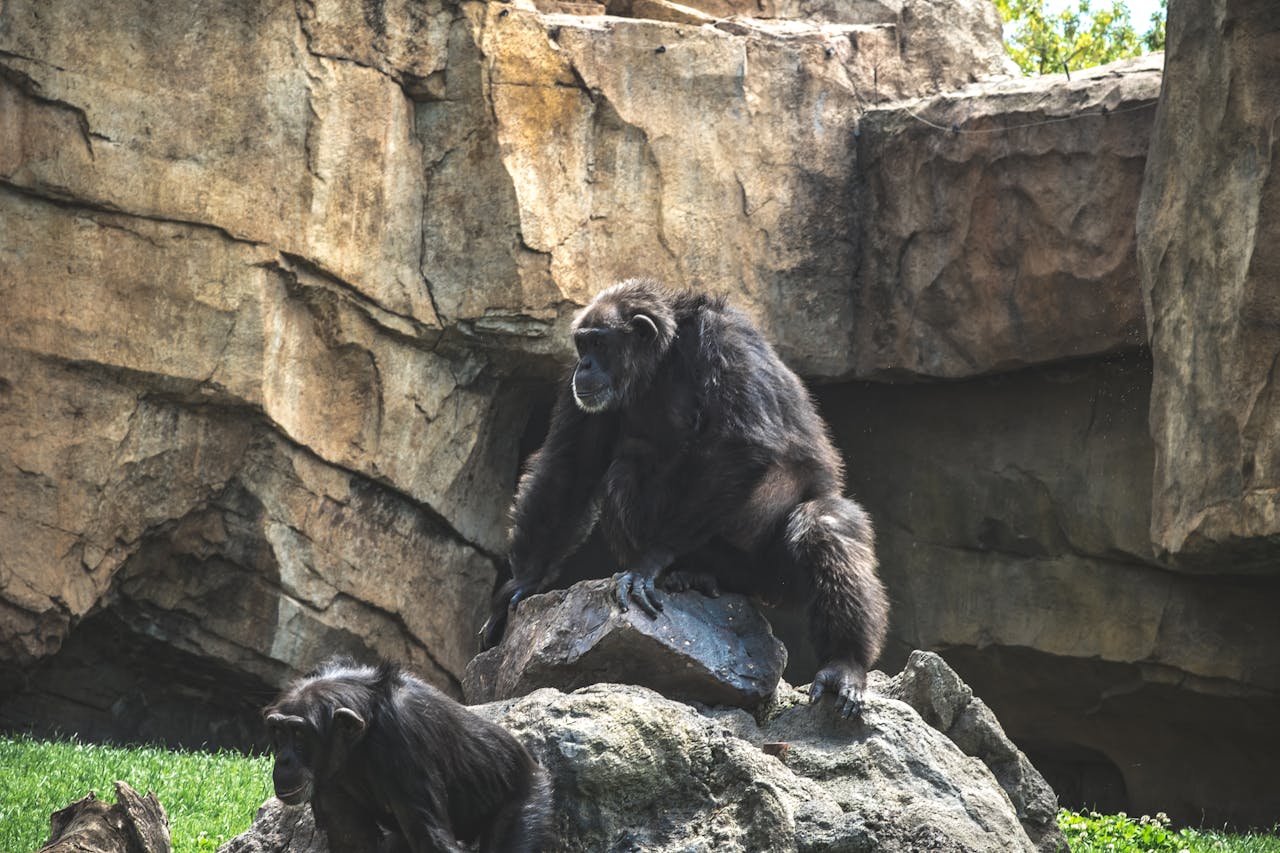
Chimpanzees rely on intense eye contact to negotiate hierarchy, and human staring can be read as provocation, especially around food, infants, or moments when one dominant animal is already policing the group. In habituated populations visited for research or tourism, a locked gaze has triggered screaming displays, ground slaps, or short charges meant to push a rival back. Primatologists often recommend indirect watching with a sideways body angle and lowered eyes, avoiding crowding and sudden gestures; reducing direct challenge cues helps keep distance intact, especially near habituated groups in parks.
Wolves
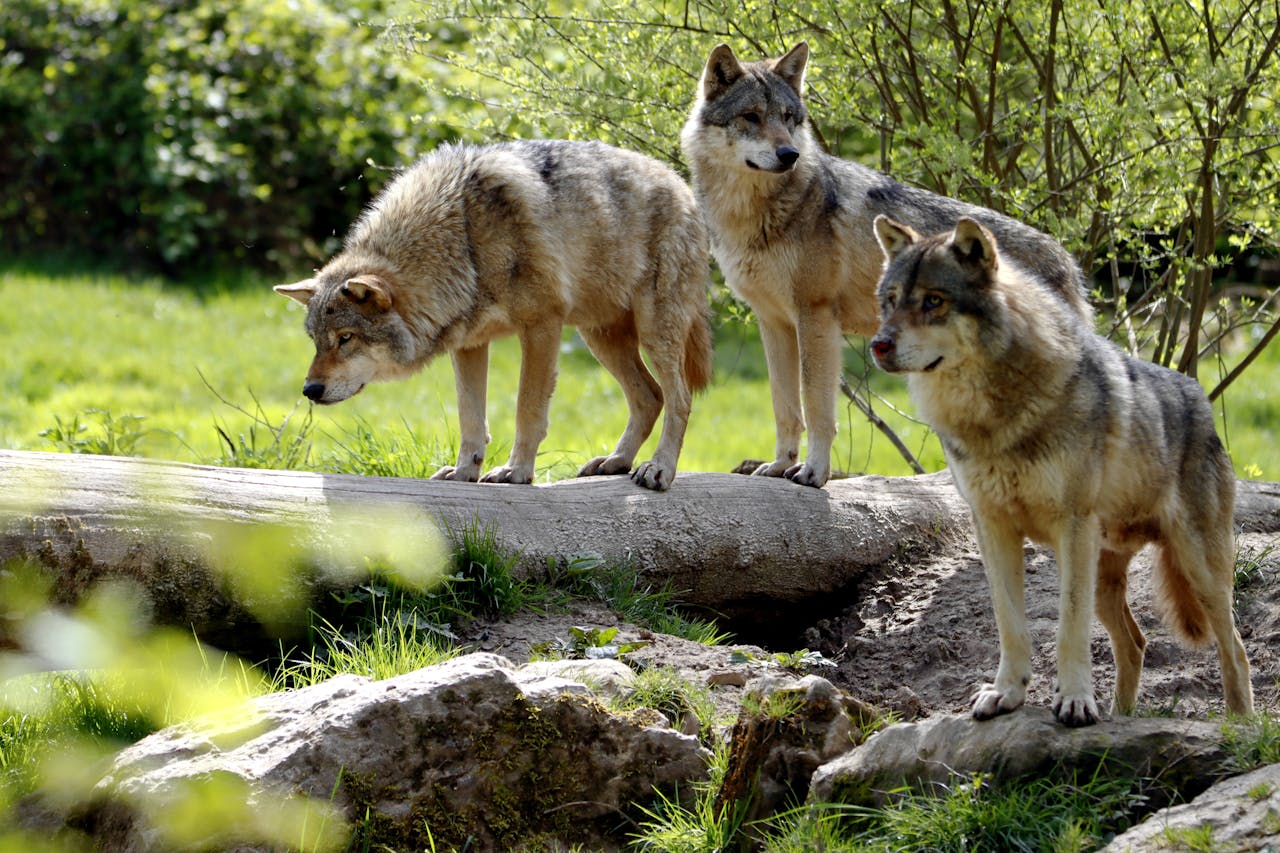
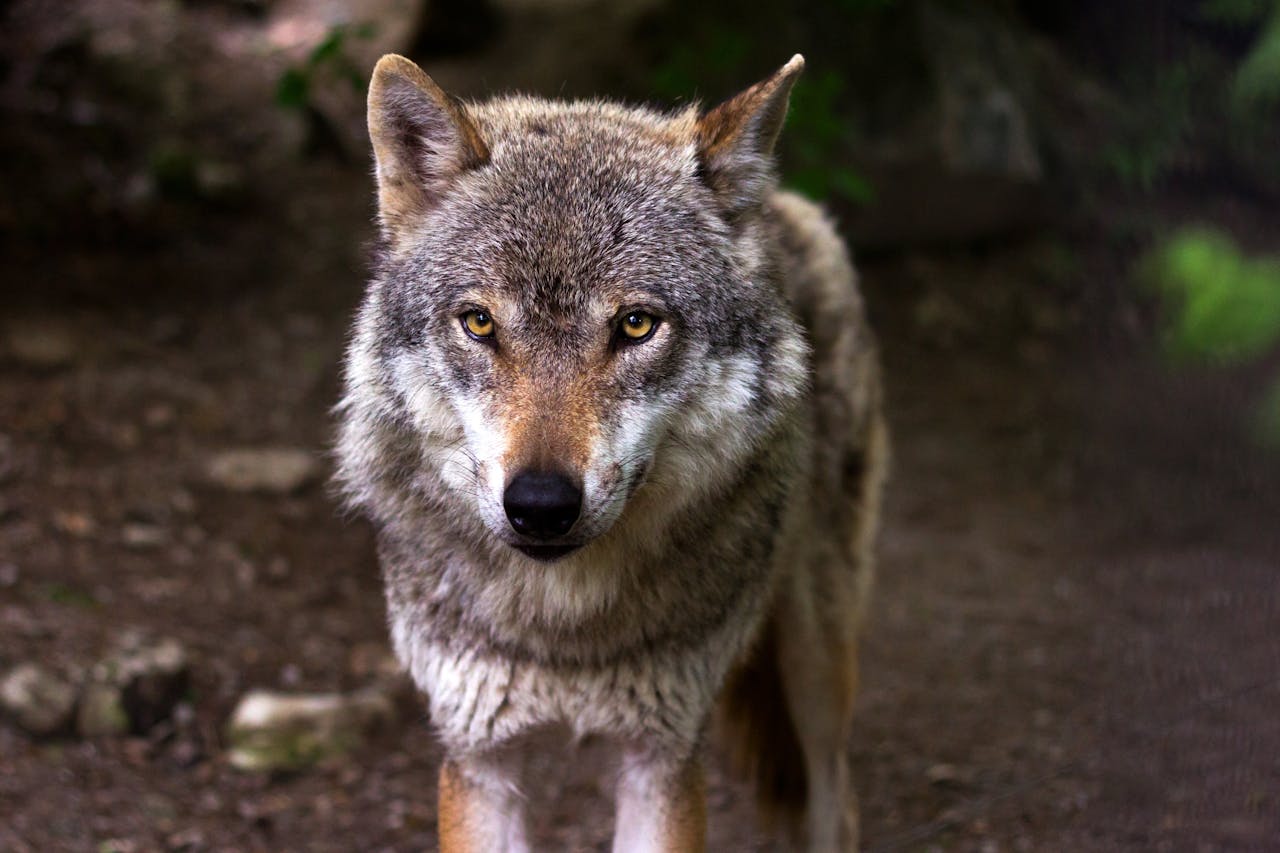
Across American and Eurasian ranges, wolves use eye contact to assess rivals and defend territory, particularly near dens, pups, or carcasses in winter. A prolonged stare can look like a confrontation when packs are stressed by scarcity, or when people linger close for tracking, filming, or baited viewing setups, where normal avoidance behavior is already distorted. Biologists describe most wolves as conflict-avoidant, yet advise breaking the gaze, keeping a calm posture, letting hands hang low, and widening distance; threat perception drops quickly when attention stops feeling targeted, and space does more than bravado.
Moose

Moose can look calm right up to the second they are not, and prolonged staring is a common trigger, especially during fall rut or spring calving when hormones and protectiveness run high. On boreal trails, in yards, and along snowy road corridors, steady eye contact can read as provocation and prompt sudden charges that cover ground fast, sometimes after pinned ears, raised hackles, or a subtle head drop. Wildlife officers urge people to look away, keep movements smooth, and add space behind a tree or vehicle; many injuries begin when roadside photography turns into a long, motionless stare and distance disappears.
Bison
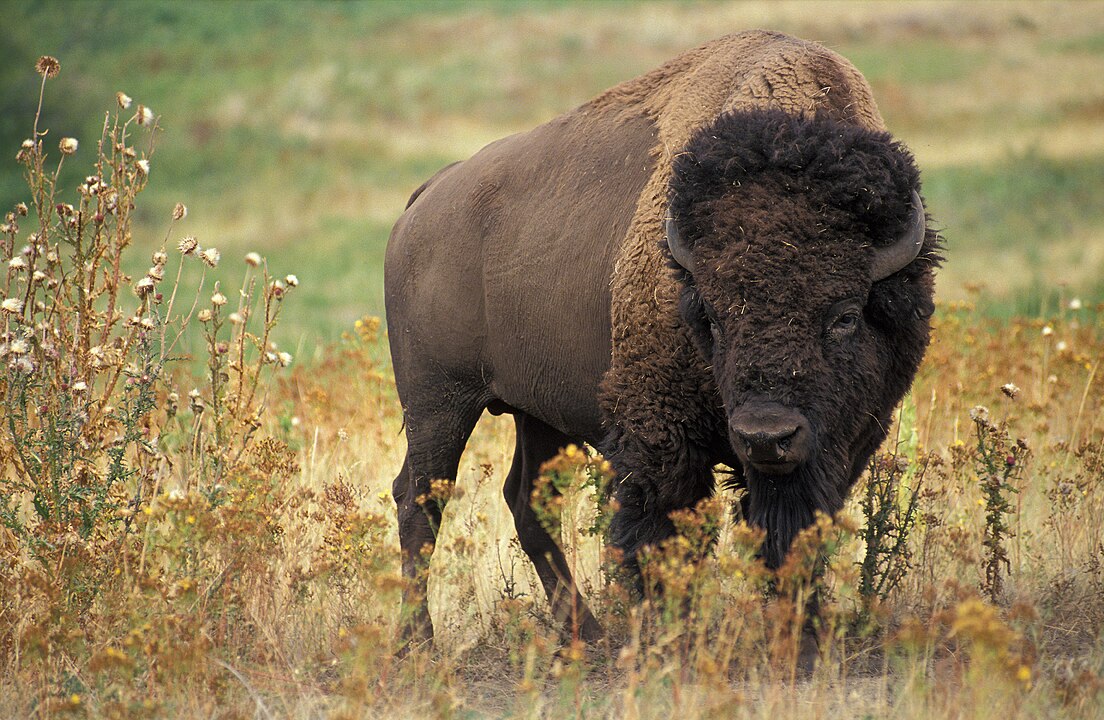
In Yellowstone and other prairie parks, bison gauge danger through distance, posture, and attention, and a fixed stare can register as a challenge. Trouble spikes when crowds drift too close on trails or boardwalks, in calving season, when protective herd behavior tightens and the herd bunches in a way that reduces escape lanes and a single animal can sprint faster than expected. Park staff note that backing away while avoiding direct eye contact helps lower arousal; injuries start with prolonged staring with near-range photos that shrink the animal’s comfort zone.
Komodo Dragons
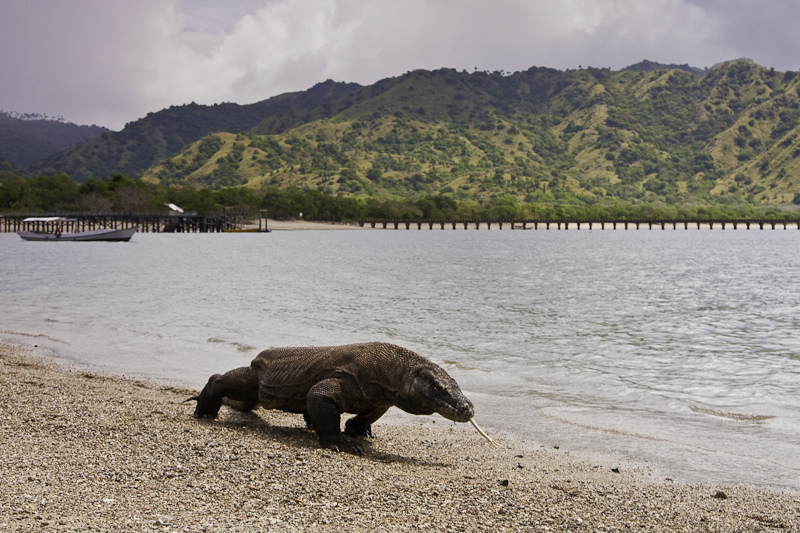
On Indonesia’s Komodo and Rinca islands, Komodo dragons track movement and attention to evaluate prey, and prolonged eye contact can resemble hunting focus rather than harmless interest. Encounters get riskier near camps, ranger stations, or food scraps, where altered feeding patterns can draw large lizards close to people, cooking smells, and narrow footpaths in the heat of midday. Ranger guidance favors minimizing direct gaze while retreating slowly and staying alert with a clear escape route; incidents have begun when tourists stared as a foraging dragon approached, stopping to scent the air, and tested distance.
Saltwater Crocodiles
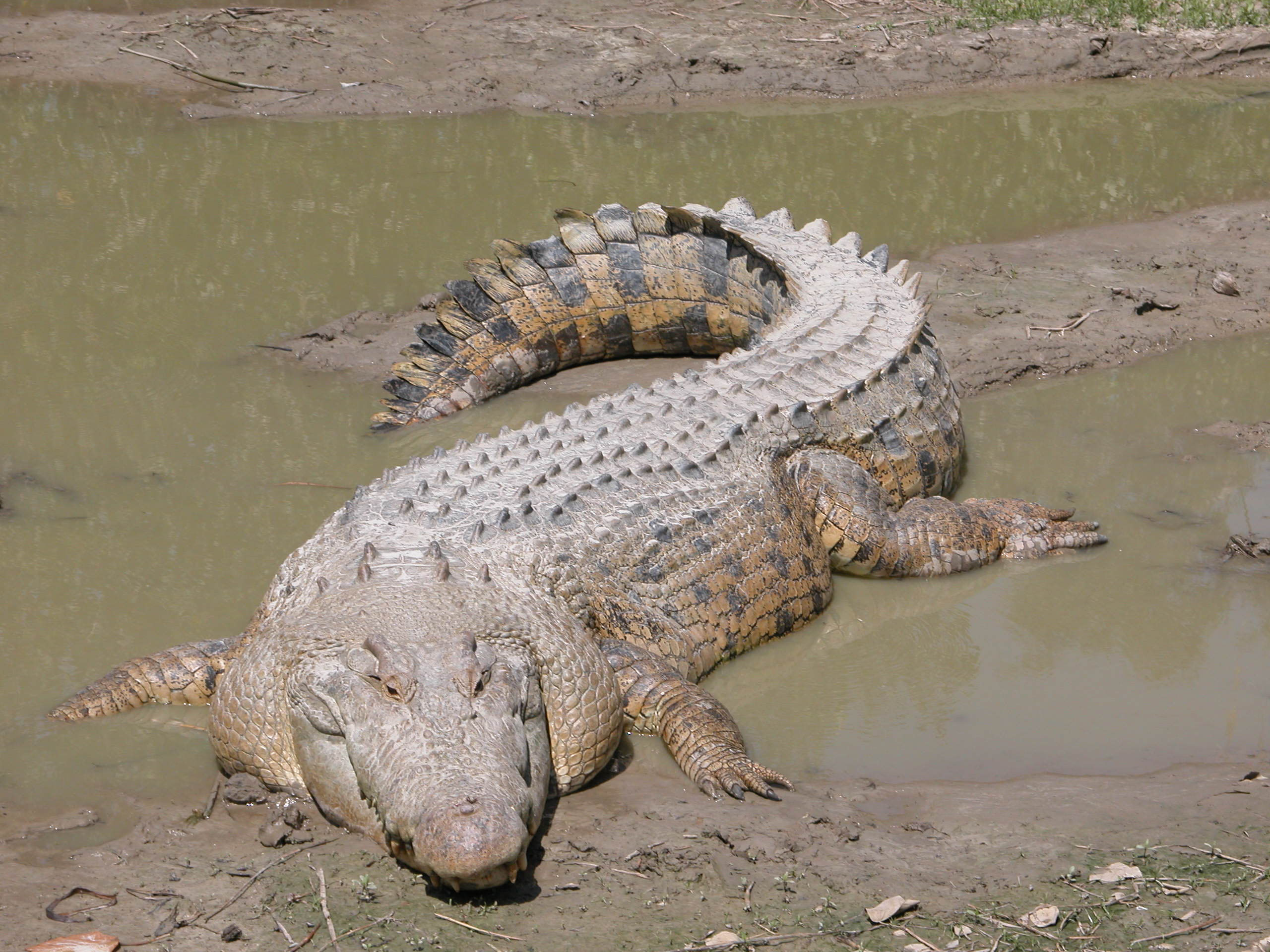
In northern Australia and parts of Southeast Asia, saltwater crocodiles monitor eye and body movement from the waterline, and a direct stare can be read as a threat. Bank-side encounters become especially volatile around nesting territories, low-tide exposures, or narrow channels where distance is hard to judge and fast lunges happen in a blink, even from animals that looked motionless seconds earlier. Wildlife experts emphasize avoiding prolonged watching from close range and creating space; many attacks follow lingering at the edge while attention stays fixed and exit options disappear.
Cassowaries
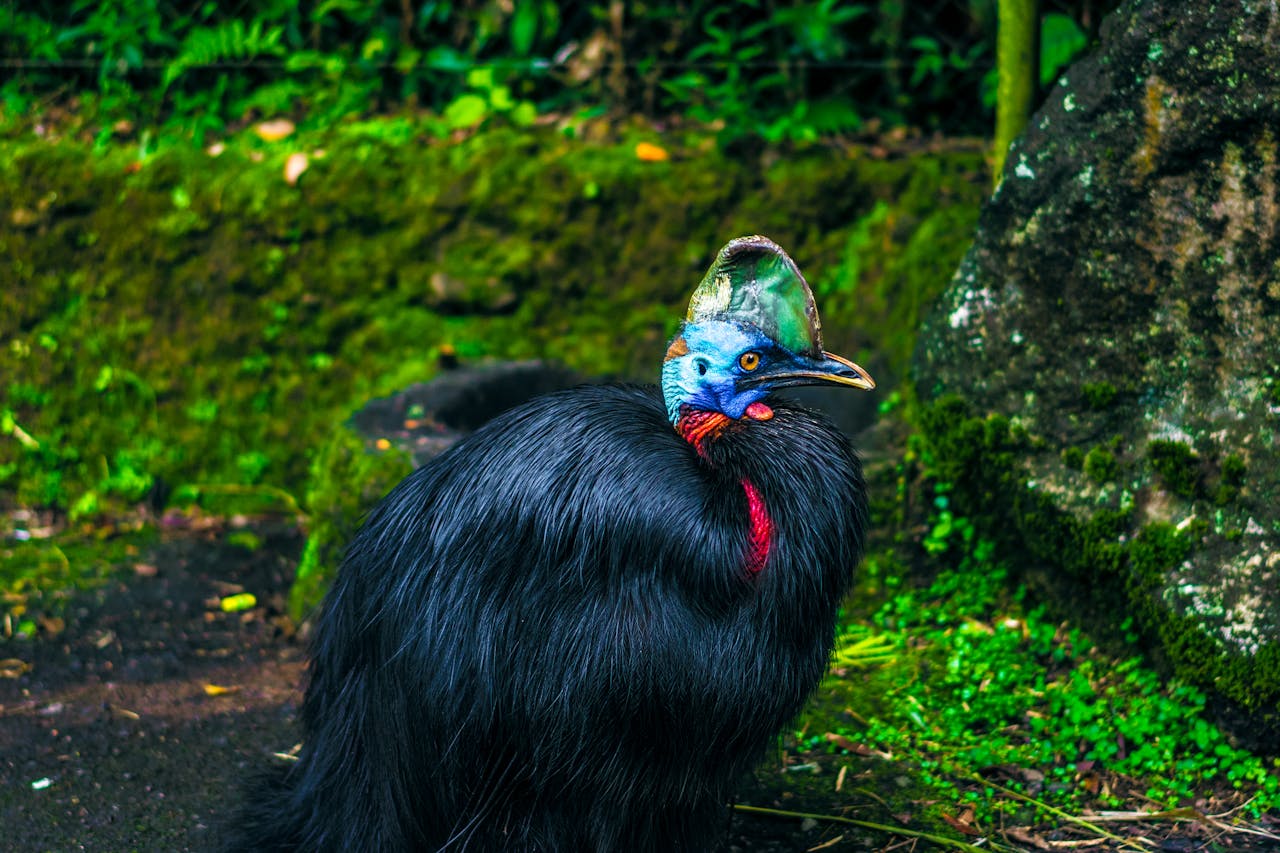
In northeastern Australia’s rainforest edges, cassowaries use vision to size up danger, and direct staring can read as territorial aggression. Encounters rise near feeding sites, fruiting trees, or during breeding season, where development overlaps wildlife corridors and people pause on tracks for photos, snacks, or dropped fruit. Conservation staff advise lowering the gaze and retreating calmly, because these birds, with dagger-like inner claws, may charge when they feel challenged; injuries often begin when someone stands still, stares back, and blocks the bird’s path, and the animal can sprint fast when startled.
Cobras
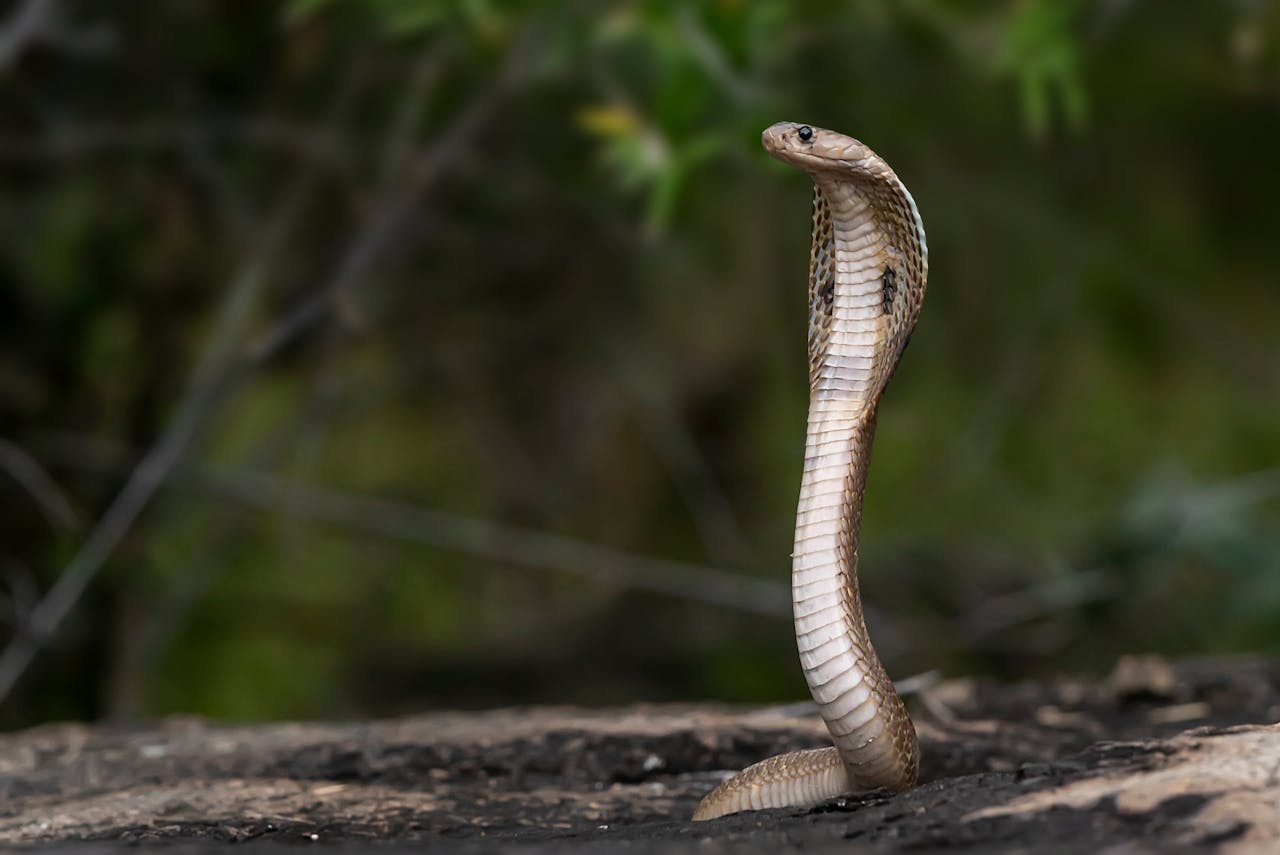
In South Asia and parts of Africa, cobras focus visually to assess threats, and a sustained stare can intensify defensive behavior. During accidental meetings near farms, fields, or village edges, a locked gaze may precede hood displays, feints, or strikes if the snake feels cornered by feet, walls, tools, or crowds that compress the snake’s exit options. Herpetologists stress creating distance, keeping movements smooth, avoiding attempts to “stare it down,” and avoiding freeze-and-stare reactions; bites are more common when people remain fixed in place and escape paths are limited.