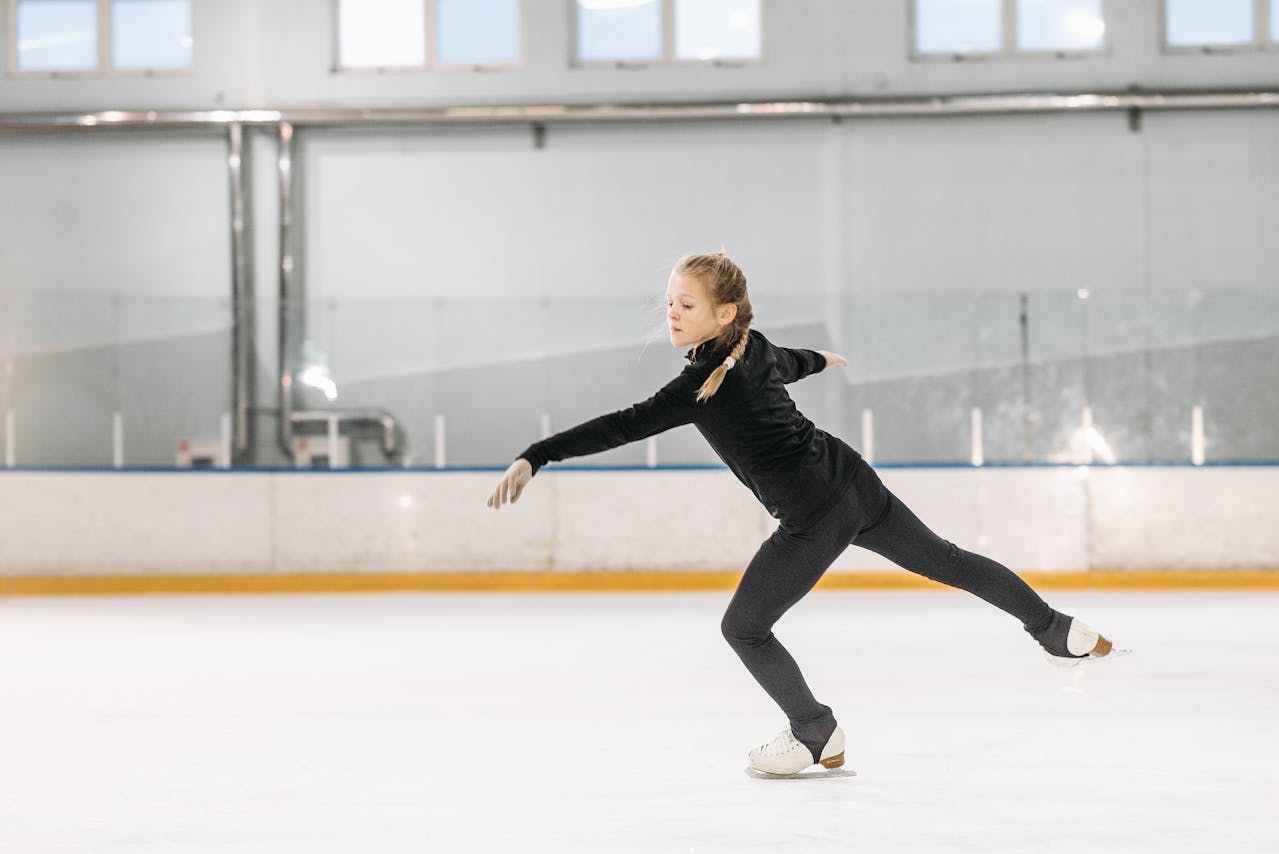
The sound in Milan felt unmistakable: a crowd rising as a skater snapped into a move that once symbolized rebellion. Backflips still carry that old charge in figure skating, because the sport spent decades teaching judges, coaches, and athletes to treat the skill as a clear line not to cross.
That line changed on paper in 2024, when the International Skating Union removed somersault jumps from its illegal list. Yet culture moves slower than rules, and Olympic programs in 2026 showed how quickly excitement can collide with caution, math, memory, and a rulebook built to reward repeatable control over pure shock value.
The Rule Changed, But the Reputation Did Not
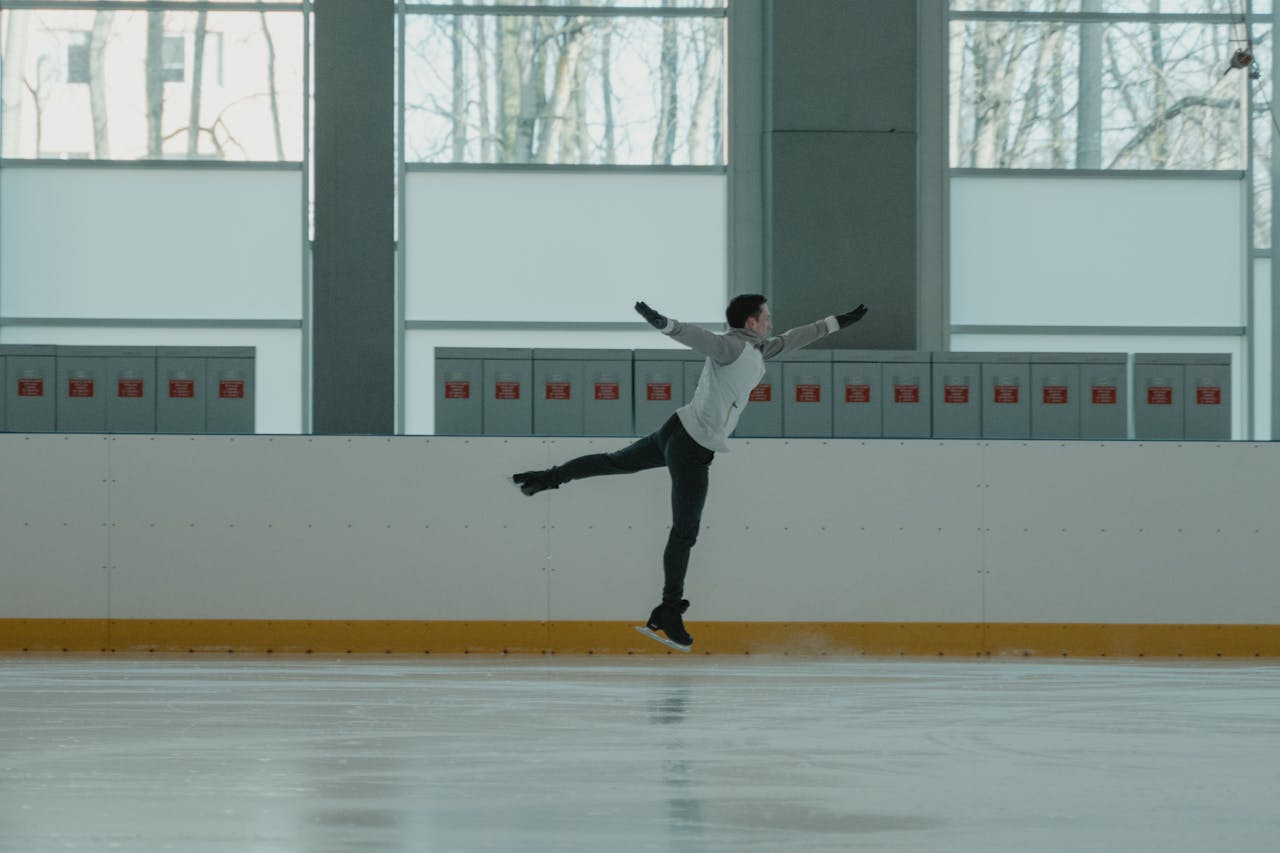
Figure skating no longer classifies backflips as illegal at the top ISU level. At the June 2024 Congress, delegates approved Proposal 236, removing somersault jumps from the illegal-elements list, and the change took effect from the 2024/25 season.
But public conversation often still uses the old language. That is not simple confusion. For almost half a century, athletes were trained to associate the move with deductions and controversy, so even after legalization, many reactions still frame a backflip as if a referee might whistle it dead. Broadcast commentary often reflects that older reflex at major events and on replays.
A Fifty-Year Ban Leaves Deep Muscle Memory
The stigma came from a very specific history. Terry Kubicka performed a backflip at the 1976 Olympics, and the move was later banned for decades. Surya Bonaly then made it iconic at Nagano 1998, landing on one blade while accepting a deduction because the element remained prohibited. The image never left the sport’s memory.
That memory stayed active long after 1998. In Jan. 2024, Adam Siao Him Fa still lost points for an illegal backflip at Europeans, just months before the rule change. So the sport entered its legal era carrying fresh evidence from the old one, not a distant story. The transition carried baggage for everyone.
Scoring Rewards Certainty More Than Surprise
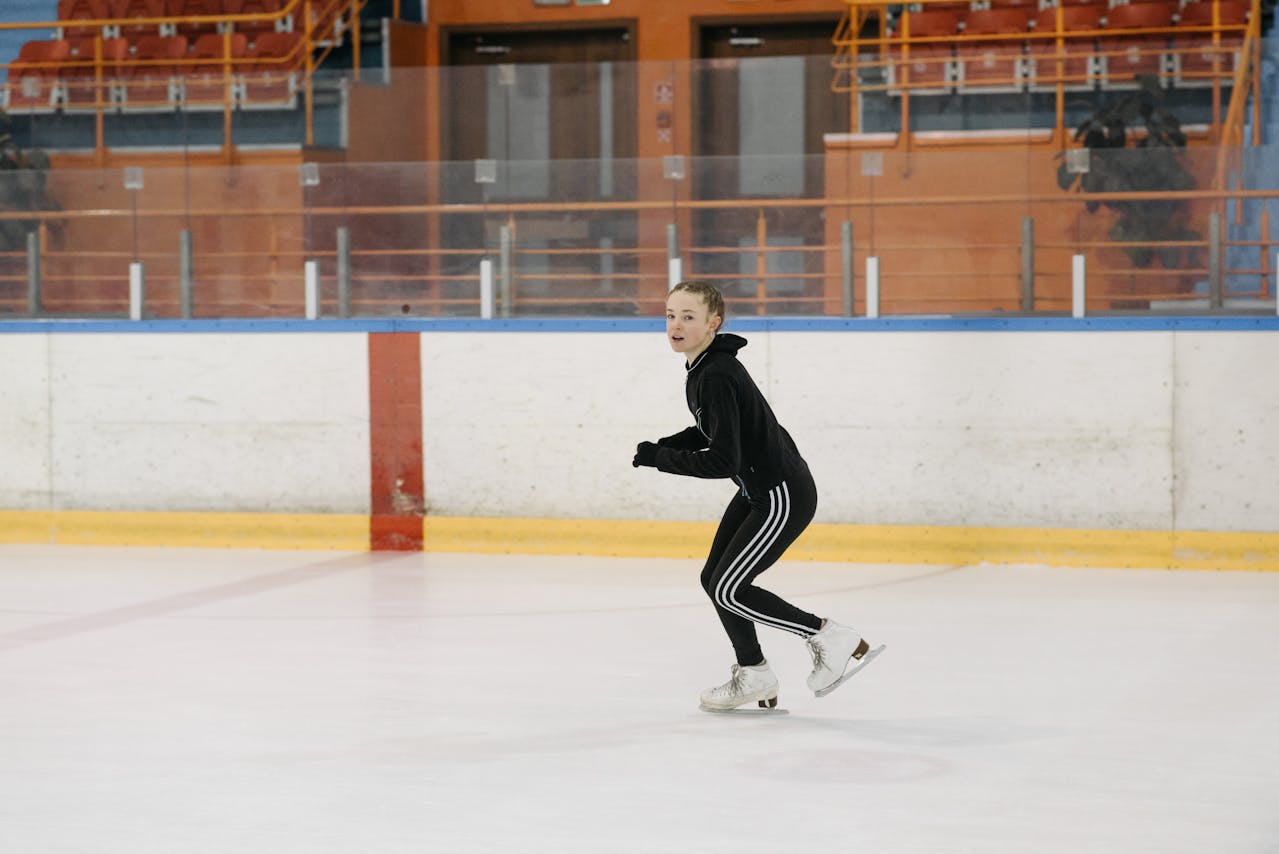
Even with legalization, programs are still built around score architecture. ISU-style scoring combines technical elements and program components, then subtracts deductions, including the standard one-point fall deduction. Program components now focus on Composition, Presentation, and Skating Skills, with marks spread across the full routine.
What this means in practice is simple: coaches chase repeatable points under pressure. A move that feels thrilling to a crowd can remain strategically risky if it threatens stability, timing, or clean execution elsewhere in the layout. One unstable landing can change jump planning late.
Backflips Are Legal, Not Automatically Valuable
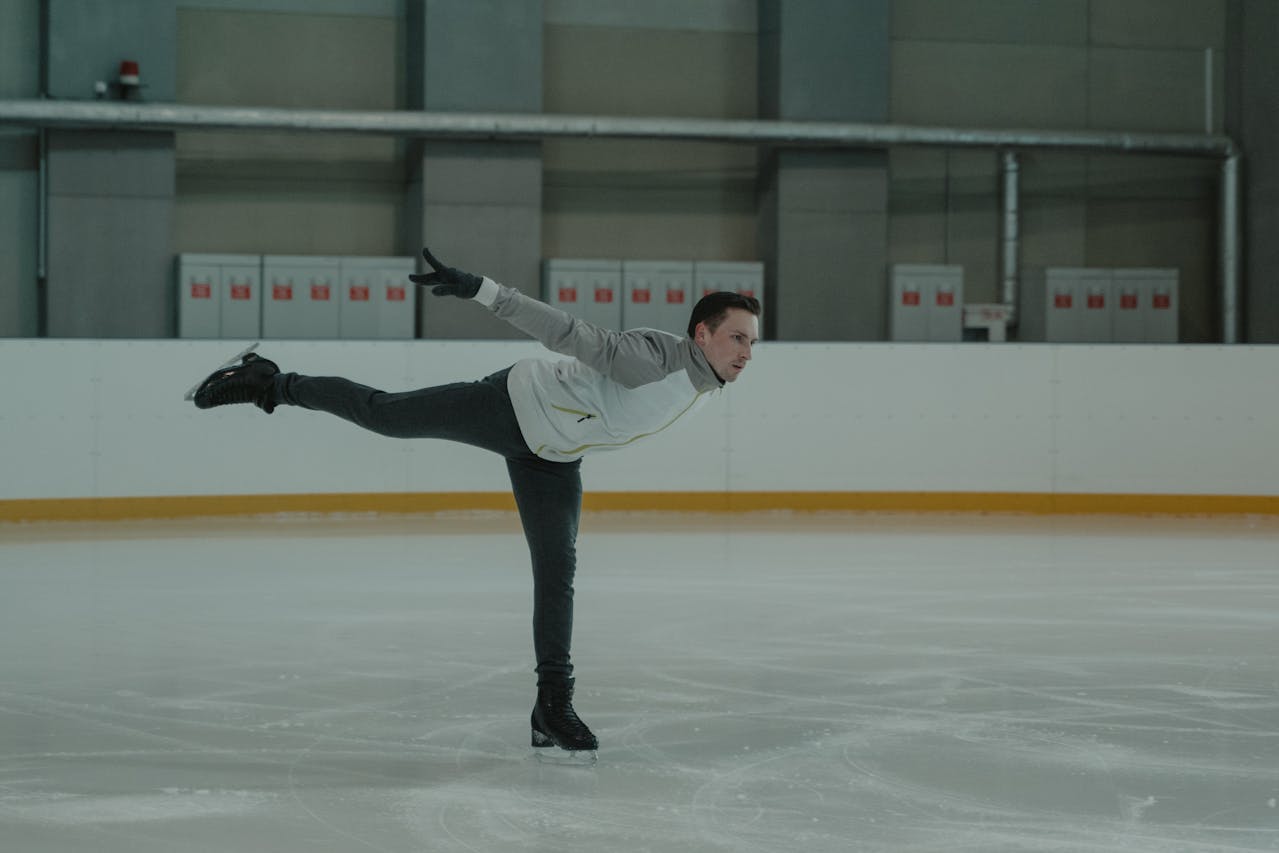
The legal status changed faster than the strategic value. Reuters reporting around the 2025 World Championships noted that the backflip itself does not carry its own point value, even though it can contribute to overall artistic impression when used well. Legalization removed a penalty, not the scoring hierarchy.
That creates a strange middle ground. The move is no longer punished on principle, yet it also is not a direct shortcut to big technical points. In a sport decided by margins, many teams still treat it as optional theater, not core scoring currency on podium week. The crowd sees climax; coaches see risk accounting.
Crowd Energy and Judge Logic Pull in Different Directions
Figure skating has always balanced athletic difficulty with performance quality. Backflips expose that tension in real time. Arenas erupt because the movement reads as fearless and immediate, while judging still asks whether the whole program stayed coherent, musical, and controlled from first edge to final pose.
So a skater can win the emotional moment and still lose competitive ground if surrounding elements are less efficient. The gap between applause and placements is not hypocrisy. It is the sport’s dual identity, measured both by sensation and by structure, when medals are assigned on championship ice each time.
Safety Concerns Never Fully Disappeared
The original ban was rooted in safety concerns, and those concerns did not vanish just because a vote passed. Coaches still evaluate risk-reward differently across training groups, especially when athletes carry heavy jump content that taxes ankles, hips, and lower backs through a season.
Modern preparation is better, and elite skaters are stronger, but the consequence profile remains real: under-rotation, awkward landings, or fatigue mistakes can erase gains quickly. Legality removed an automatic penalty. It did not remove physics or cumulative impact. That is why some camps keep the move as a rare accent, not a weekly habit.
Why Malinin’s 2026 Moment Felt Like a Breakpoint
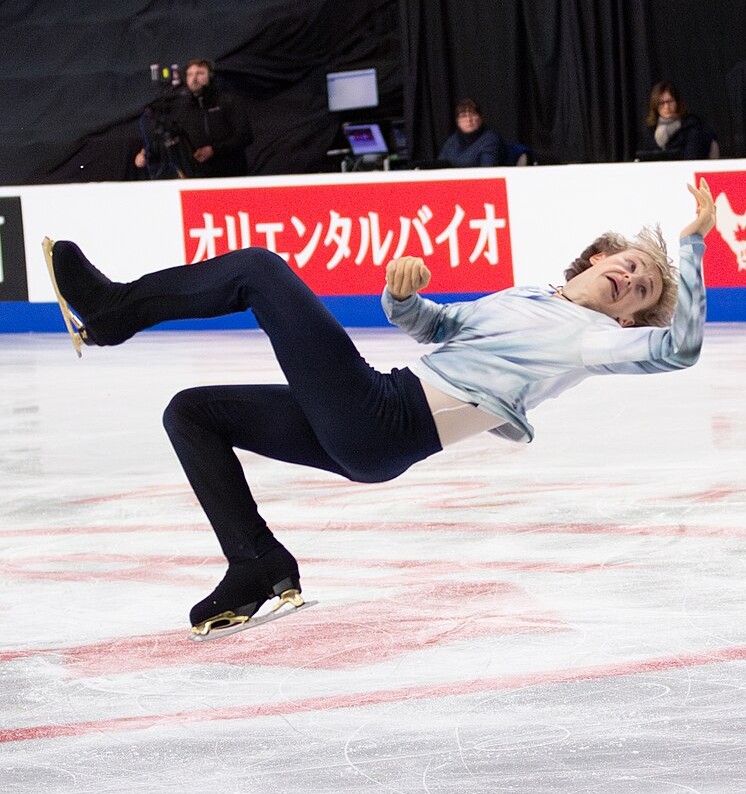
Ilia Malinin turned the rule change into a talking point at Milano Cortina. In the team event men’s short program on Feb. 7, 2026, he closed with a backflip, scored 98.00, and finished second behind Yuma Kagiyama’s 108.67. He later added another backflip in the team free, including a one-foot landing that spread across broadcasts.
Those skates mattered beyond placement. They made the first legal Olympic-era backflip in decades feel normal on the biggest stage, while proving that a spectacular move can coexist with medal-level consistency instead of living only in gala exhibitions. The symbolism was as powerful as the mechanics.
The Bonaly Legacy Still Shapes the Conversation
Every modern backflip conversation eventually returns to Surya Bonaly, and for good reason. AP coverage around 2026 highlighted how her 1998 one-foot backflip became a cultural marker: a high-risk act performed despite certain deduction, in a sport where acceptance was uneven and often unforgiving.
That history changes how current performances are read. When today’s stars are celebrated for legal backflips, many observers also revisit who carried the reputational cost when the move was still punished. The technical debate is now inseparable from memory, representation, and fairness across eras, not just technique alone.
What Will Make Backflips Truly Normal
Backflips will feel ordinary only when three things align: stable judging outcomes, broader coaching adoption, and athlete confidence that the move can be integrated without sacrificing program integrity. Rulebooks can start that process, but habit and incentives decide whether it lasts through Olympic cycles. The real test is repetition across federations.
For now, figure skating sits in a transitional chapter. The crowd response says the element belongs. The scoring logic says it must be earned inside a complete performance. Between those truths, the sport is quietly rewriting what boldness looks like, one protocol at a time.