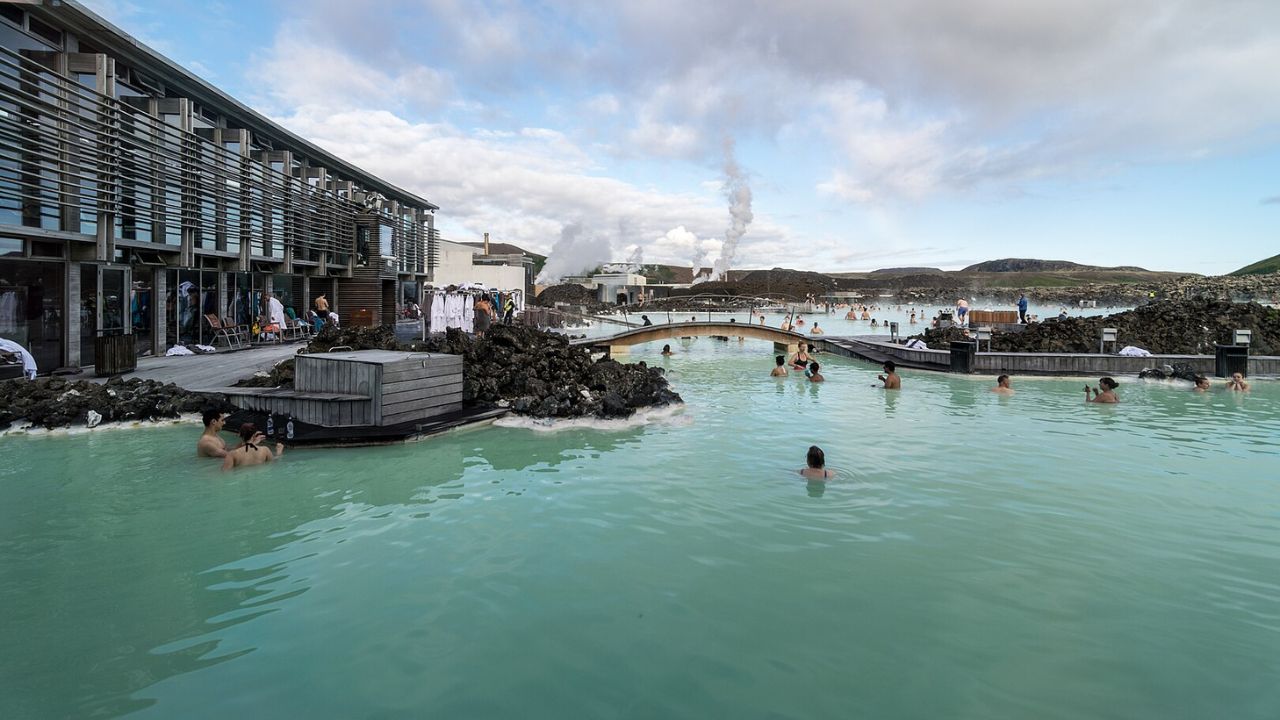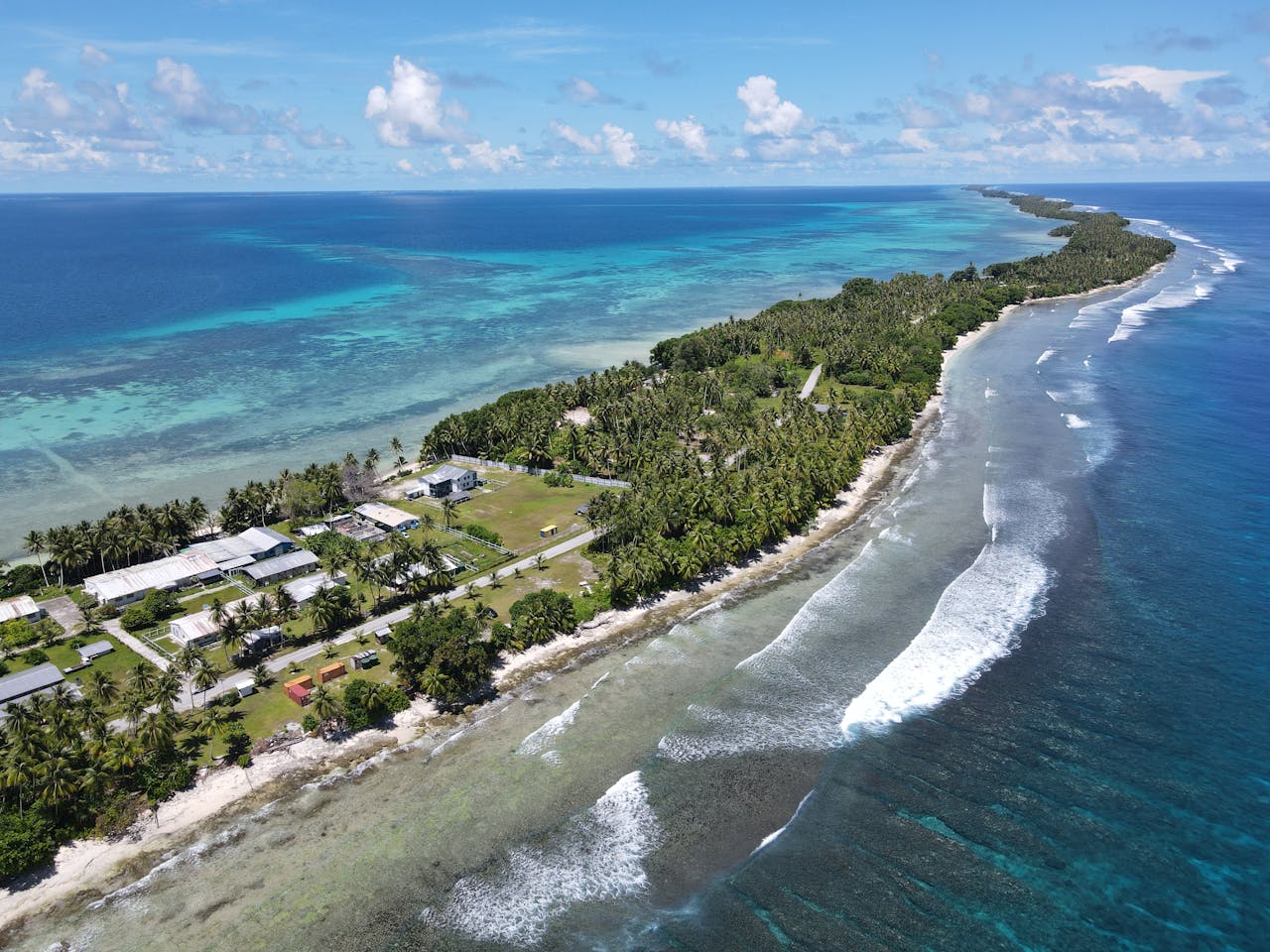
Some places stay quiet not because they lack beauty, but because the trip itself fights back. In the world’s least visited countries, distance stacks up fast: a short list of flights, limited rooms, thin cell service, and supplies that cost more than expected. Paperwork can move slowly, cash can matter more, and a missed connection can turn into days. Weather has more power when there is only one runway and one boat. The reward can still be real empty lagoons, unhurried markets, and nights where the sky does most of the talking. The friction, though, is part of the story, and it shapes every plan. Right down to groceries.
Kiribati’s Distance Problem
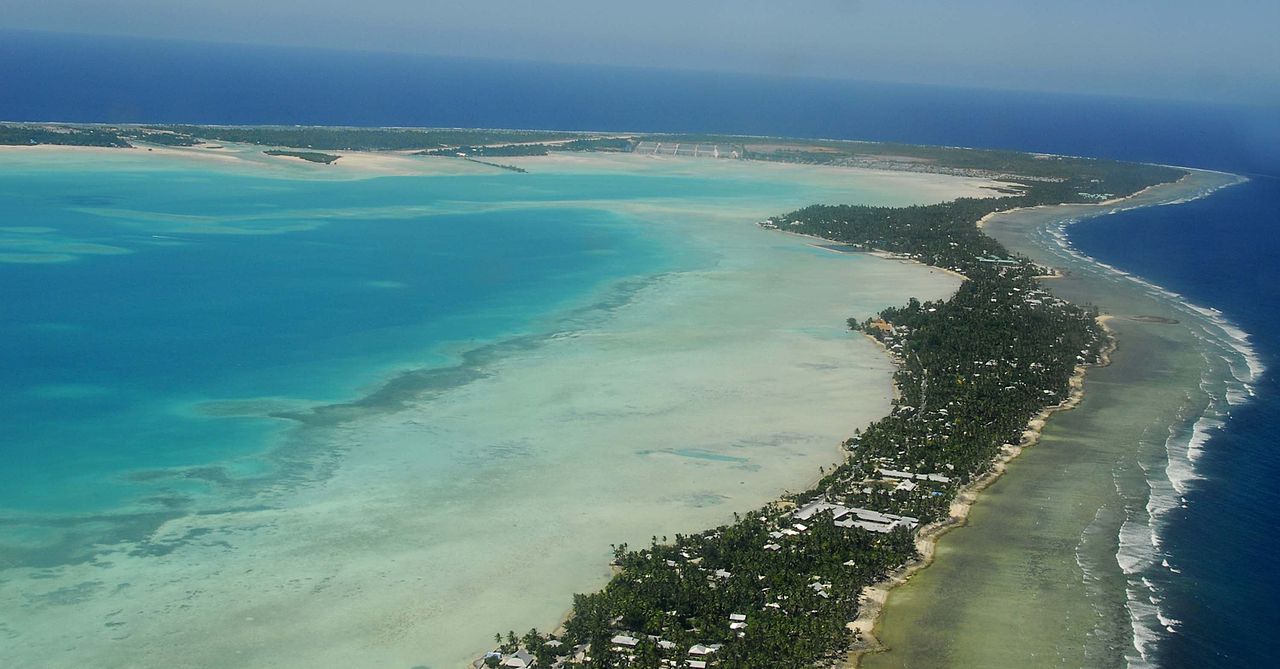
Kiribati sits far from the usual routes, scattered across ocean distances that make simple logistics feel oversized. UN Tourism data has placed its arrivals in the low thousands in recent years, underlining how few seats reach the islands.
Flights are limited, and schedules can pinch tightly around connections through a small set of regional hubs. On the ground, choices narrow: fewer restaurants, fewer spare parts, and fewer backup options if something breaks.
Imported basics can cost more, and plans often need extra time for banking and weather. The quiet is real, but it carries a practical price tag.
Tuvalu’s One-Runway Reality
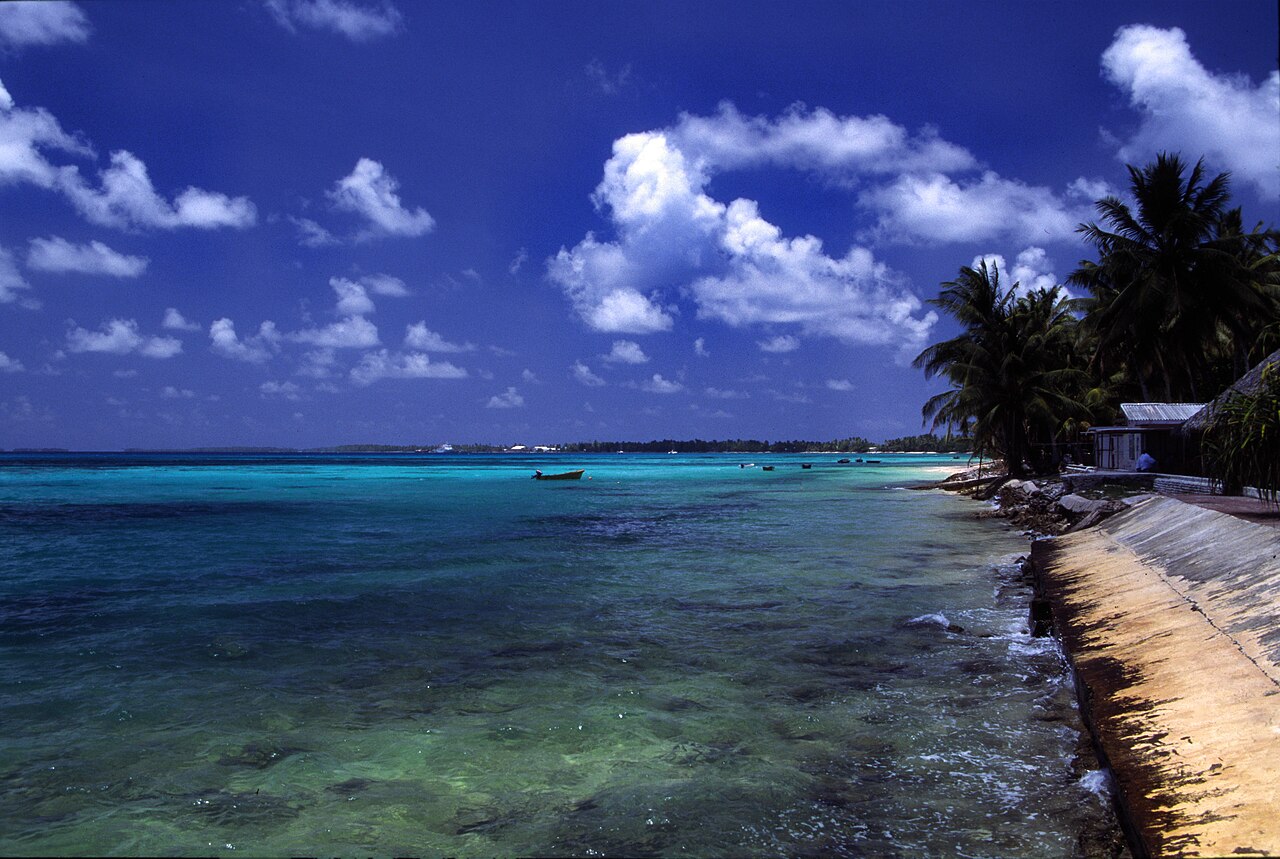
Tuvalu’s name shows up in tourism data precisely because the numbers stay so small. World Bank series put arrivals at 3,600 in 2019, which is the kind of figure larger airports process in minutes.
Access is the first hurdle. With only a narrow set of flights, a delay can ripple into hotel nights that were never planned. On Funafuti, services are limited by scale, so one closed shop or one out-of-service ATM changes the day’s rhythm.
The payoff is intimacy and calm, but the trip rewards travelers who treat logistics like part of the destination. And patience.
Nauru’s Paperwork-and-Plane Shuffle
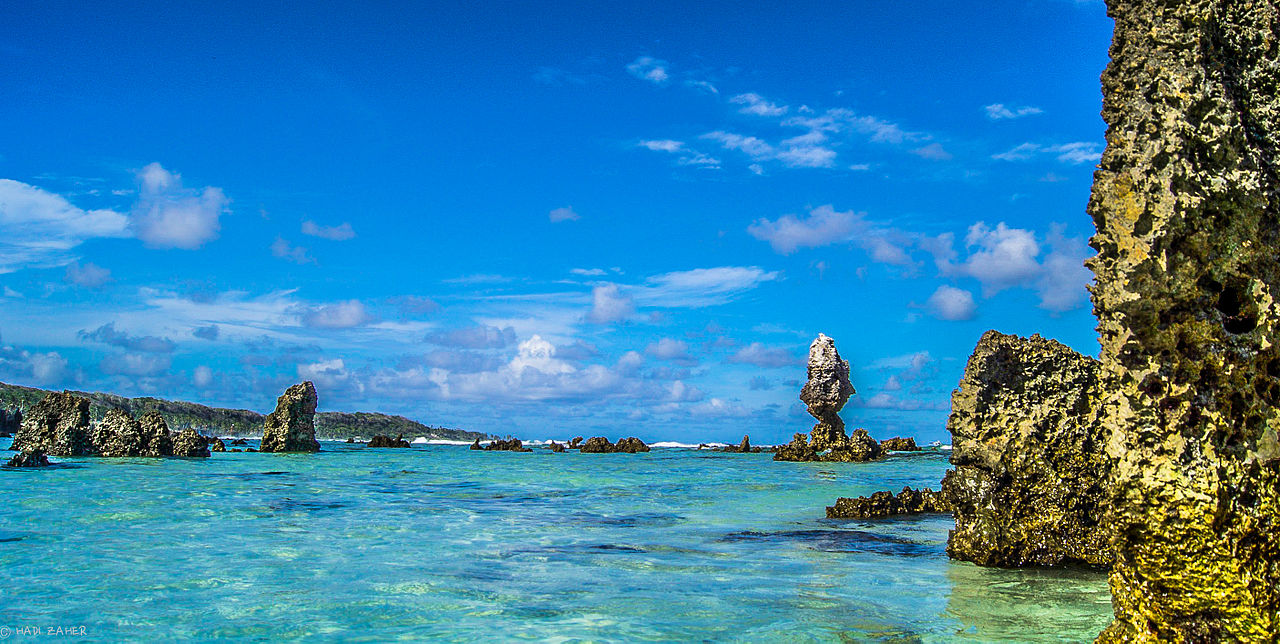
Nauru is small enough that travel planning feels less like shopping and more like coordinating. Air access runs through a thin network, and the national carrier warns that schedules can shift, including around runway works.
Paperwork is another gate. Nauru Airlines notes that visitors must apply for a visa before arrival, which adds lead time to even short trips.
On the island, options are few, and many basics are imported, which can push everyday costs up. The hidden problem is simple: flexibility costs more here, in time, in cash, and in patience. Backup plans tend to vanish.
Marshall Islands’ Island-Hopping Tax
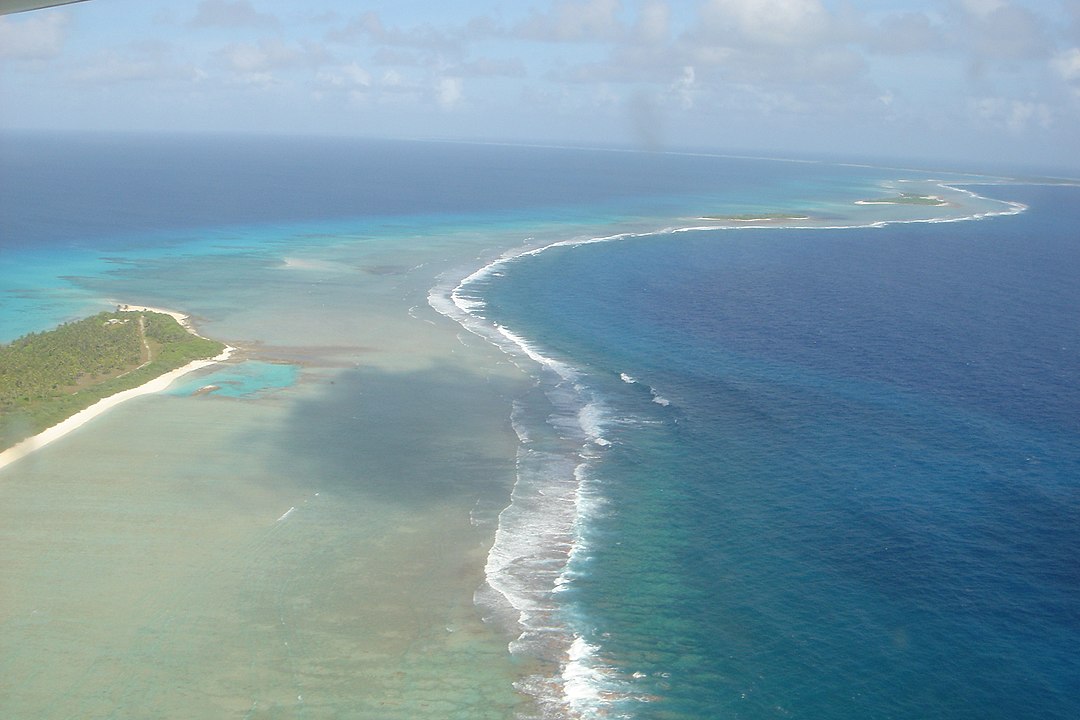
The Marshall Islands are a necklace of atolls, stunning on a map and tricky in motion. World Bank data put international arrivals at 6,100 in 2019, reflecting how few people pass through compared with the beauty on offer.
Most trips hinge on a small number of flight routes into Majuro, plus additional hops to reach outer islands. That extra leg can mean baggage limits, weather pauses, and schedules that do not align neatly with work calendars.
Once there, the hidden problem is supply: fewer restaurants, fewer rentals, and fewer replacement items if gear fails. It asks for light packing.
Micronesia’s Geography of Delays
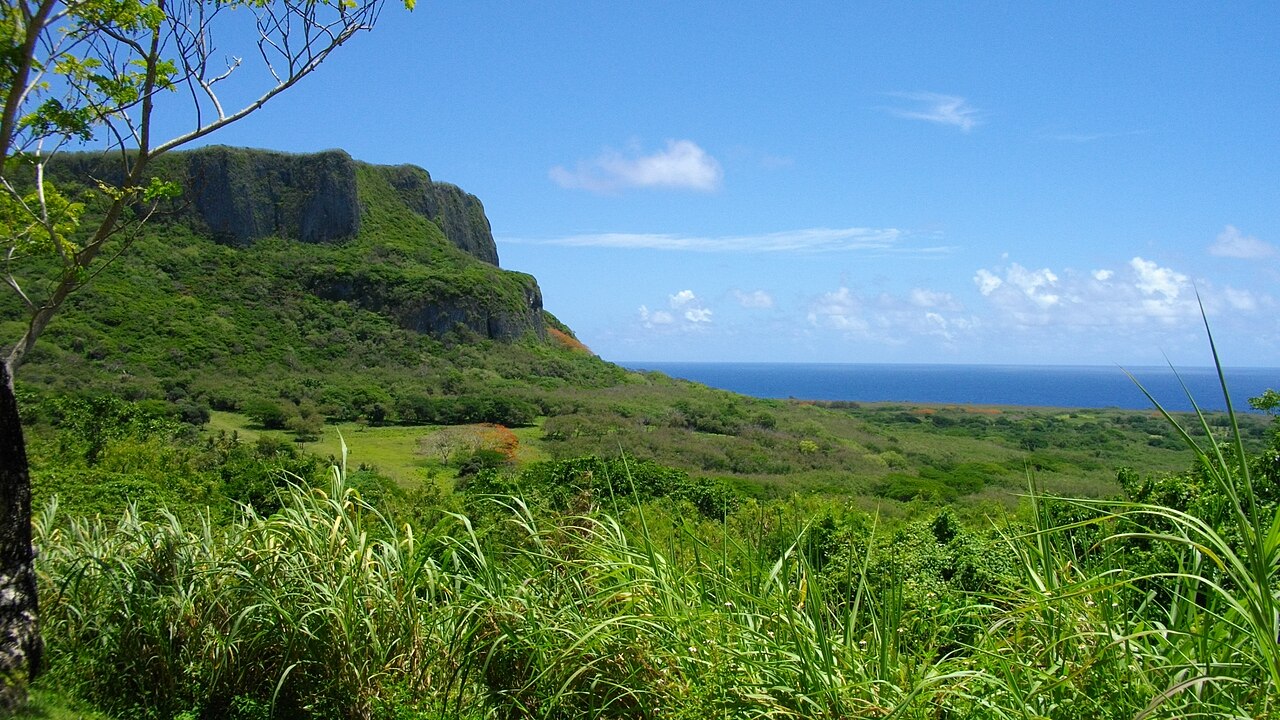
The Federated States of Micronesia spread across a huge patch of ocean, so travel there is less one trip than a chain of commitments. World Bank figures show 18,000 arrivals in 2019, low for a country with legendary reefs and history.
Domestic flights stitch together Yap, Chuuk, Pohnpei, and Kosrae, but frequency is limited, and missed connections can strand plans. Even simple needs SIM cards, dive parts, specific medicines may require waiting for the next shipment.
The hidden problem is time: seeing more than one island group often demands extra days that many itineraries cannot spare.
Comoros’ Connectivity Gap
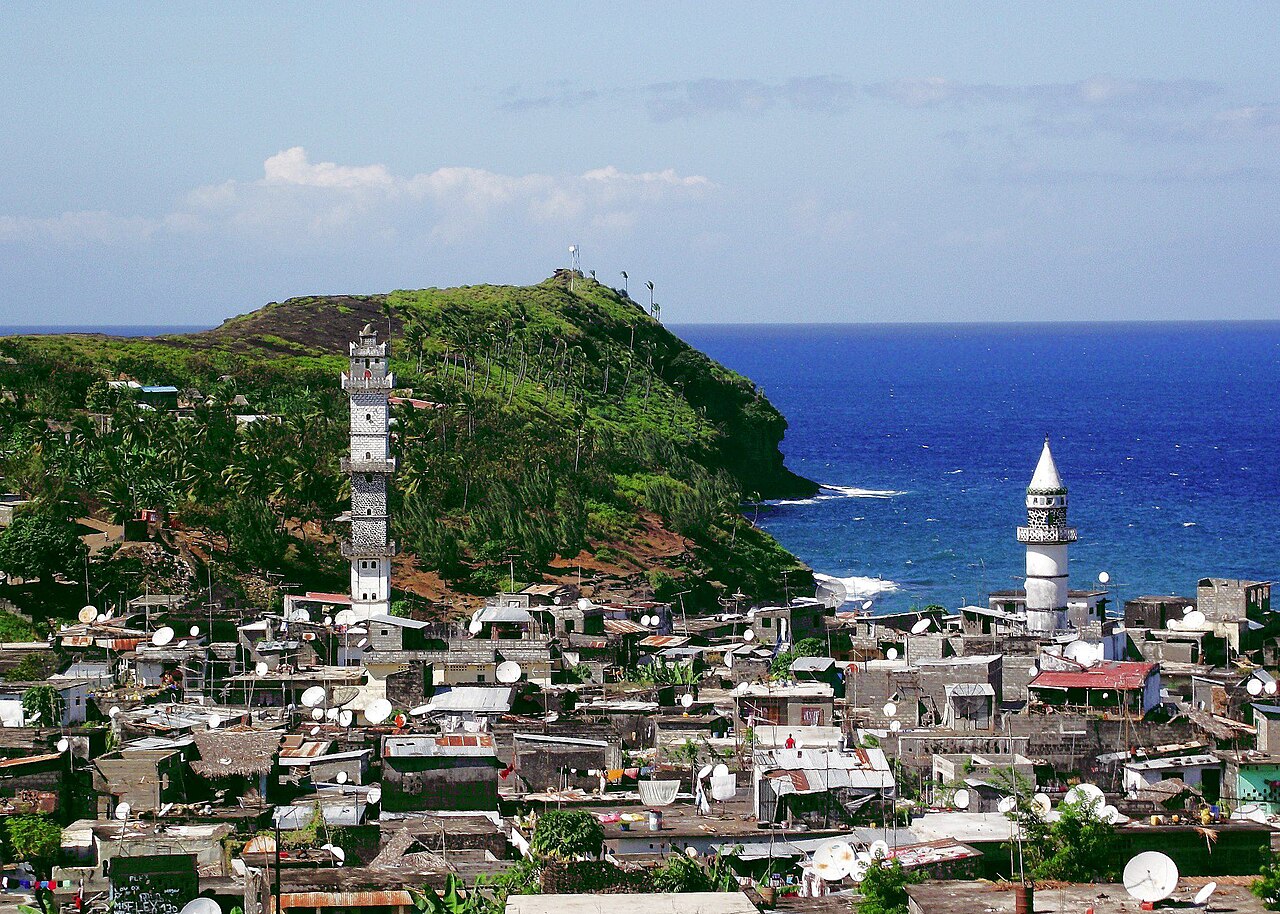
Comoros sits between larger neighbors, yet it remains easy to miss in real-world flight searches. World Bank-linked data show about 7,000 arrivals in 2020, a reminder of how small the tourism pipeline is.
The first hidden problem is connectivity: routes are limited, and schedules can be uneven across seasons. Moving between islands can also depend on ferries and short hops that do not always match hotel check-ins or tour timing.
Costs rise fast when options are few, and travelers often discover that the cheapest fare is not the cheapest journey. Simple errands can take a full morning.
São Tomé and Príncipe’s Small-Scale Limits
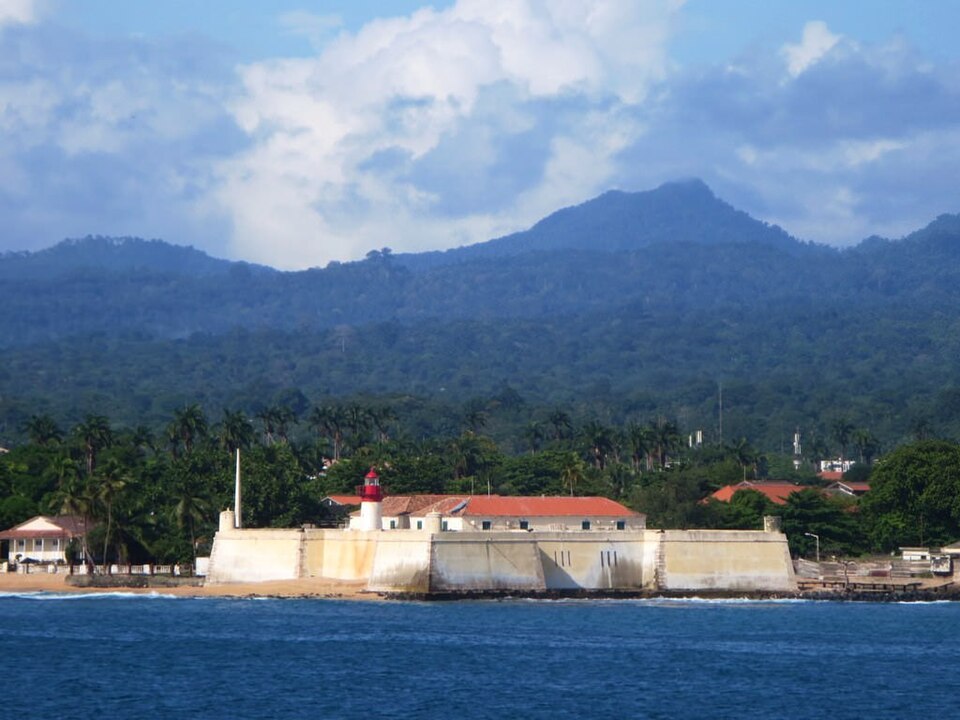
São Tomé and Príncipe feels like a secret in plain sight, but the numbers explain why it stays that way. World Bank data list 33,400 arrivals in 2018, tiny for a country with rainforest hikes and cocoa history.
Air access typically funnels through a handful of gateways, so a canceled flight can undo an entire week’s plan. On the islands, distances look short, yet roads, taxis, and boat timing can stretch travel days in unexpected ways.
The hidden problem is infrastructure: fewer backup services, fewer late-night options, and fewer quick fixes when plans drift. That is the trade for peace.