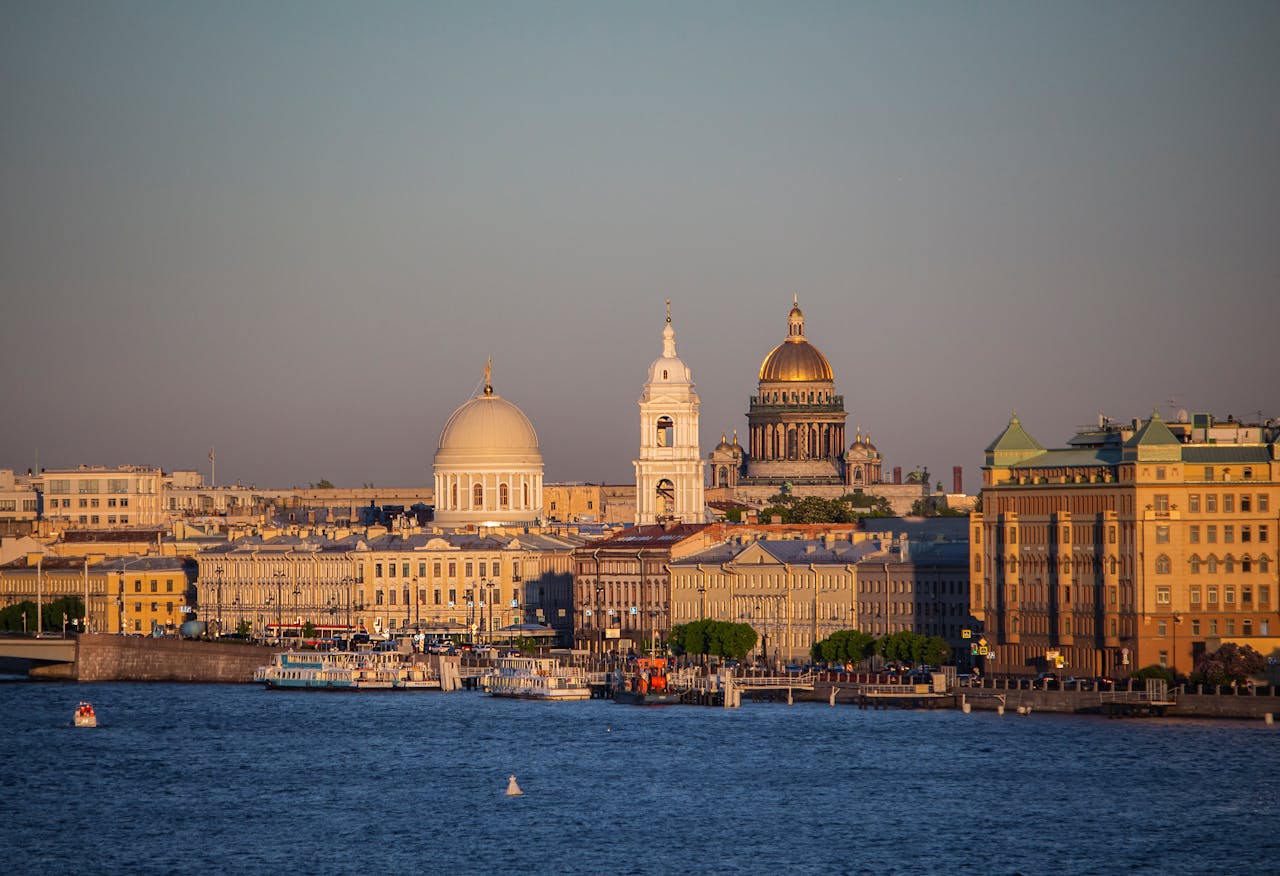
Florida has long been framed as a warm-up act for Caribbean travel, yet many coastal towns now deliver turquoise water, reef life, seafood culture, and sunset energy without passports, customs lines, or long-haul fares. From state parks with wild dunes to neighborhoods shaped by Cuban and Haitian heritage, the peninsula offers island rhythm.
Across both coasts, standout destinations pair clear water with character: harbors, local bakeries, historic streets, and access to fragile habitats. The result is a trip that feels lighter in logistics but full in texture, where the easiest plan is often the one remembered most.
Anna Maria Island
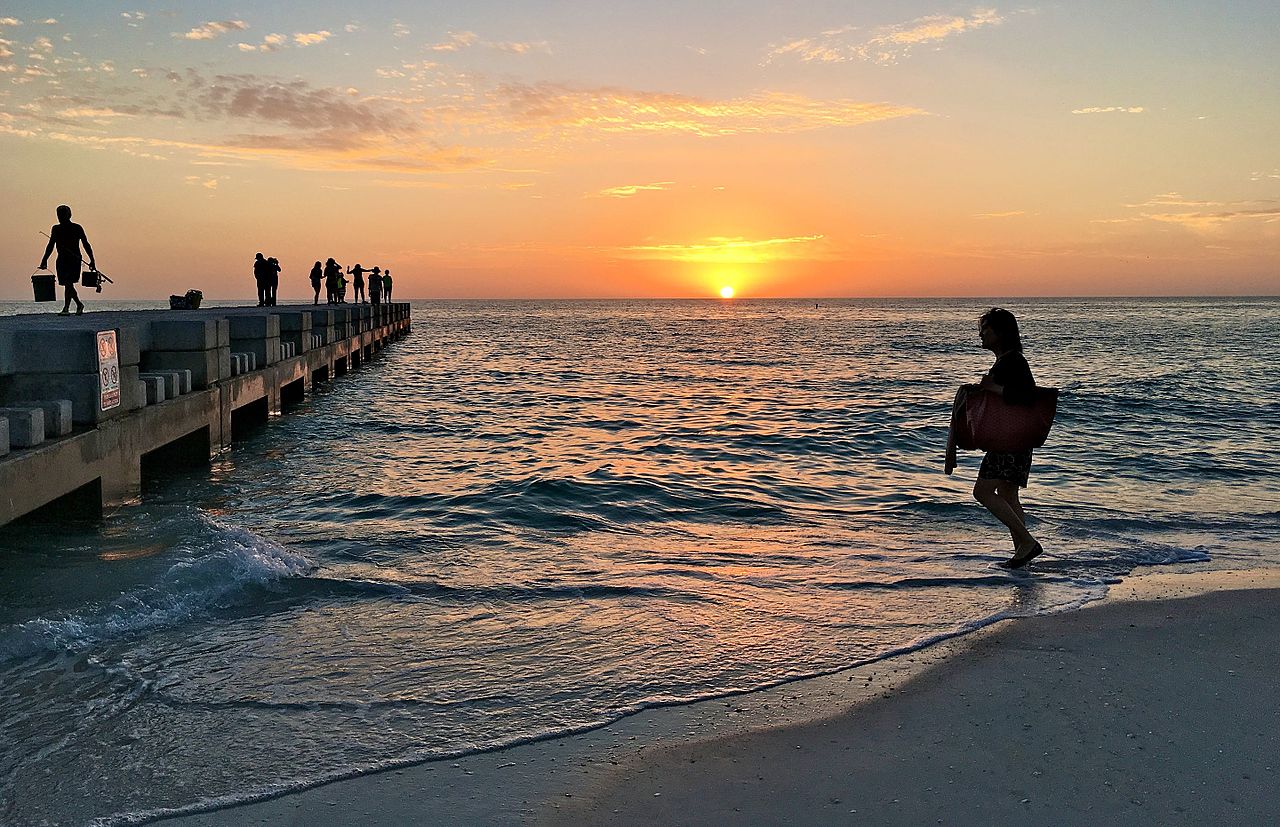
Anna Maria Island leans into a slower Gulf Coast cadence, with broad beaches, pastel cottages, and a walkable stretch of cafés that keeps the mood relaxed from sunrise through dinner. Bean Point and Coquina Beach are frequent favorites, while the free island trolley helps visitors move between neighborhoods without parking stress.
Unlike heavily built resort strips, the island still reads as low-rise and residential, giving sunsets and shoreline views room to breathe. Seafood is central here, from grouper sandwiches at casual counters to polished coastal menus, creating a food scene that feels celebratory without feeling staged.
Big Pine Key
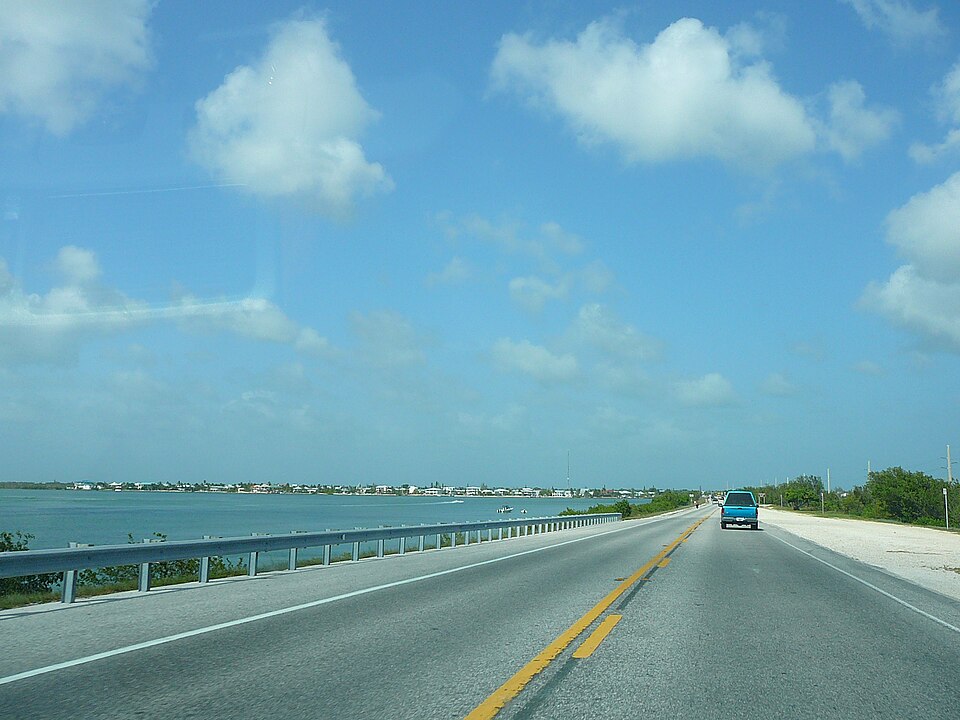
Big Pine Key brings a quieter Florida Keys experience anchored by nearby Bahia Honda State Park, a standout for clear water, snorkeling, and long, open views. Old bridge remnants and sandy shoreline trails add a reflective layer that feels far from the busier portions of U.S. 1.
The island also borders habitat protected for the tiny Key deer, so wildlife awareness is part of the local rhythm rather than an add-on activity. Days move between reef excursions, mangrove light, and unhurried meals, giving the destination a grounded version of Caribbean calm with less crowd pressure, gentler traffic, and more ecological texture.
Cocoa Beach
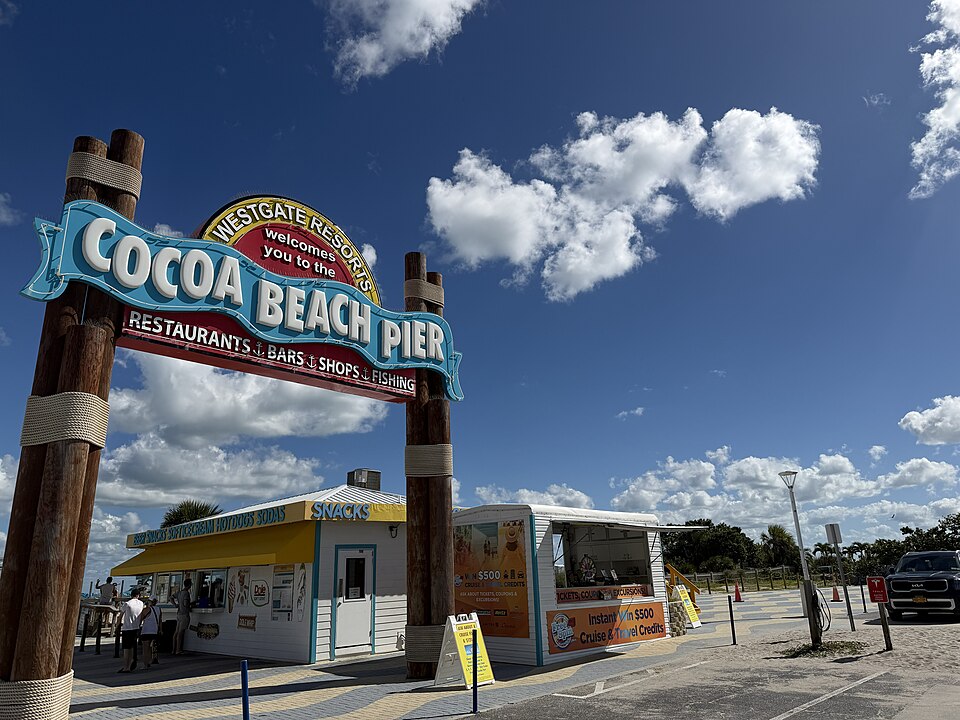
Cocoa Beach combines classic surf-town energy with one of Florida’s most unusual night experiences: seasonal bioluminescence in nearby lagoon waters. During warmer months, kayak routes through the Indian River Lagoon system can glow with dinoflagellates and comb jellies, turning ordinary paddling into something close to theater.
By daylight, the town shifts to beach walks, casual seafood, and Space Coast culture. Kennedy Space Center sits close enough for a same-day add-on, so a single trip can move from saltwater mornings to launch history by afternoon. That contrast gives Cocoa Beach a personality many island stops cannot match.
Crystal River
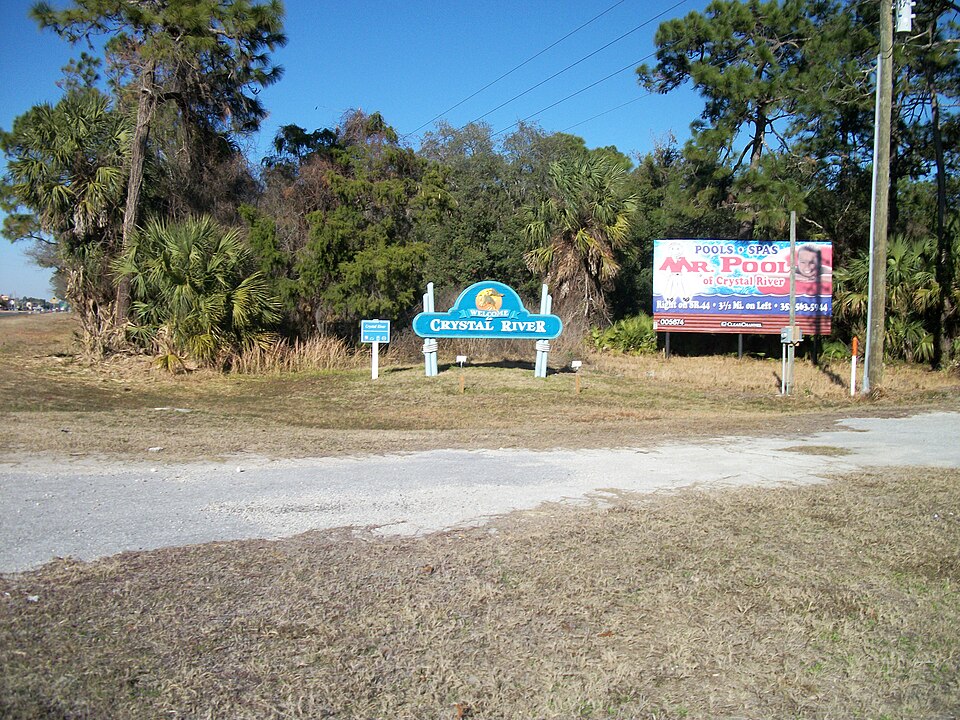
Crystal River earns its reputation through access to wild manatees in spring-fed water that stays strikingly clear through much of the year. In-water rules emphasize passive observation, and refuge protections can close certain zones when cold weather concentrates animals, so conservation is built into the experience.
That careful structure is part of the appeal: encounters feel intimate without feeling chaotic. Beyond the springs, local menus lean into Gulf seafood, and winter timing often brings higher manatee activity. The overall pace remains gentle, offering a nature-first alternative to pricier reef itineraries farther south.
Destin
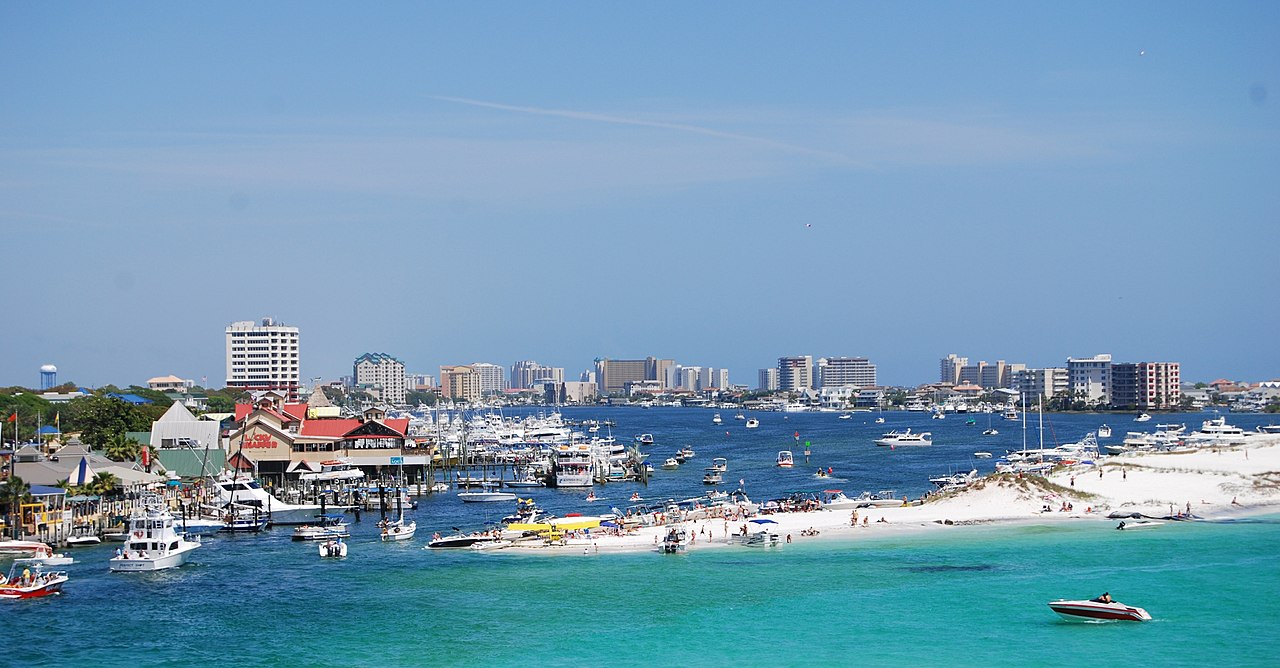
Destin and neighboring Fort Walton Beach are defined by bright white sand and emerald Gulf water, a combination that often surprises first-time visitors expecting darker surf. Water access is easy here: snorkeling, paddle outings, charter fishing, and family boat days are common, supported by a long local marine economy.
Crab Island, the area’s famous submerged sandbar, adds a social-water dimension that feels more like a floating beach day than a formal excursion. The city also keeps strong fishing roots, often branded as the World’s Luckiest Fishing Village, which helps explain the steady stream of docks and seafood kitchens.
Dry Tortugas
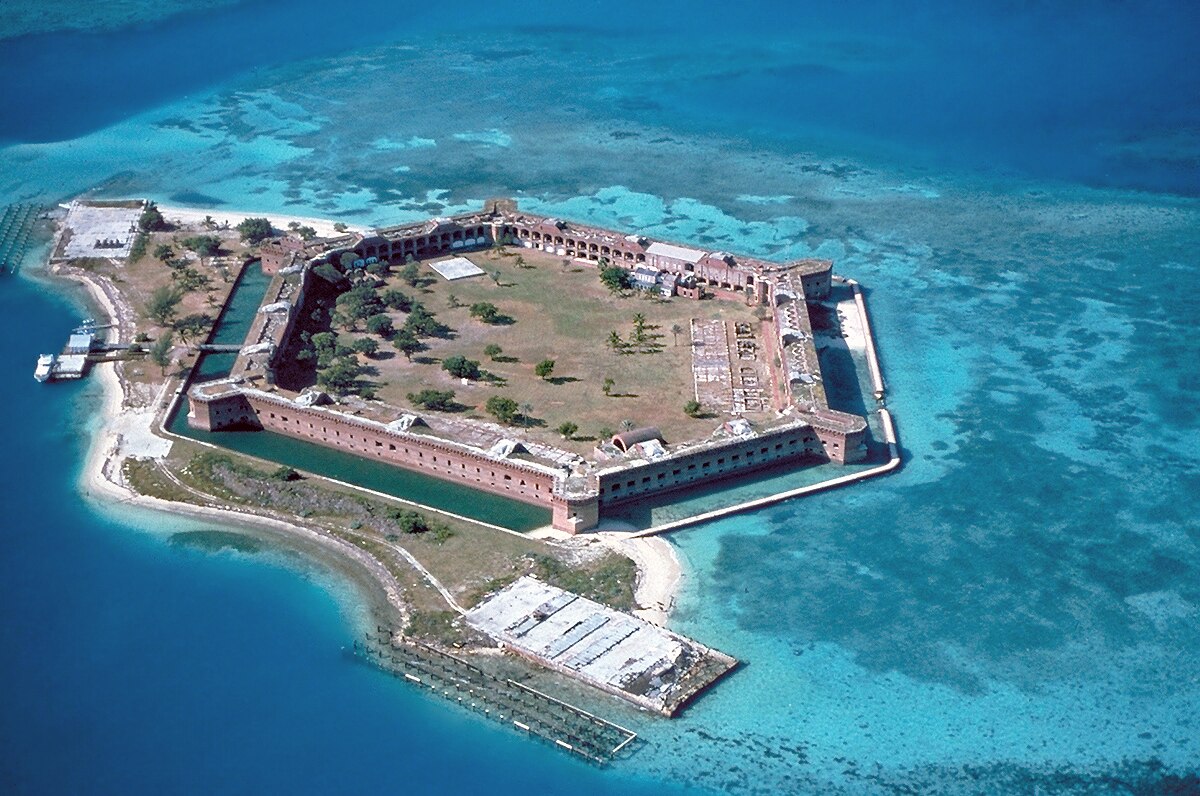
Dry Tortugas National Park sits about 70 miles west of Key West and feels deliberately remote, reachable mainly by ferry or seaplane. Snorkelers come for clear shallows and reef life, while Fort Jefferson anchors the horizon with a scale that is both historic and dramatic against open water.
Logistics are simple but strict: visitors must plan food, sun protection, and timing carefully because services are limited once ashore. That light ruggedness is why many travelers remember it so vividly. The park’s distance creates quiet, dark skies, and a sense of separation that mirrors far-flung island outposts and old expedition routes.
Dunedin And Honeymoon Island
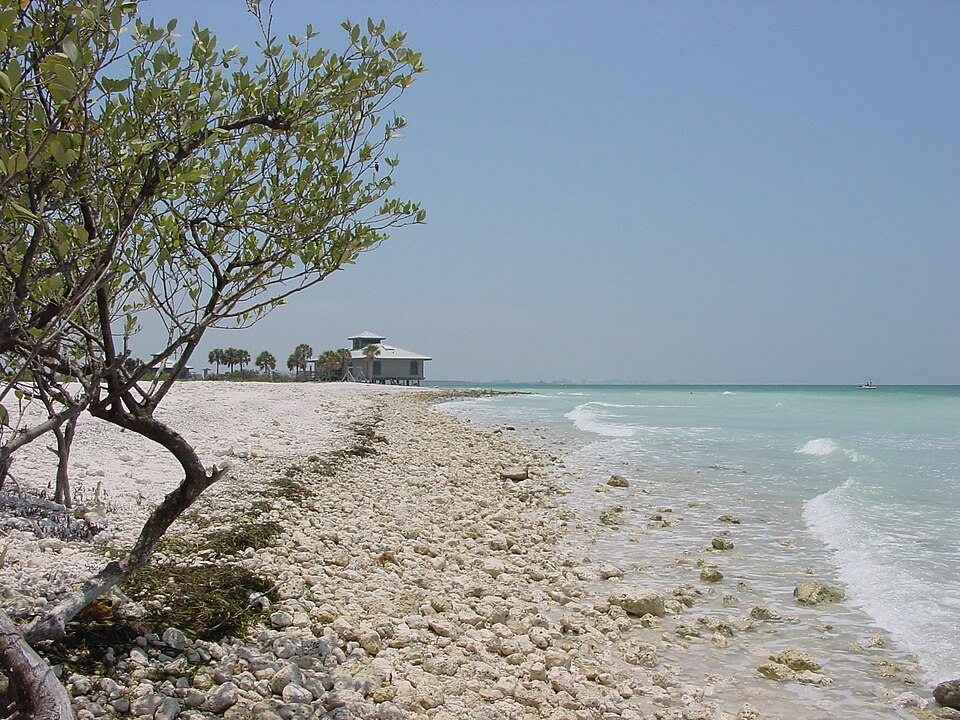
Dunedin pairs a compact, friendly downtown with quick access to Honeymoon Island State Park, creating a two-part day that moves easily from coffee shops to wind-shaped dunes. The Dunedin Causeway acts as the threshold, and once crossed, paddling, birding, and shoreline walks take over the schedule.
This area does not rely on spectacle. Instead, it wins through texture: local storefronts, cycling culture, and state-park habitats that still feel intact. For travelers who prefer calm water, moderate crowds, and authentic neighborhoods over mega-resort scenes, Dunedin offers a practical, low-friction version of tropical escape.
Islamorada
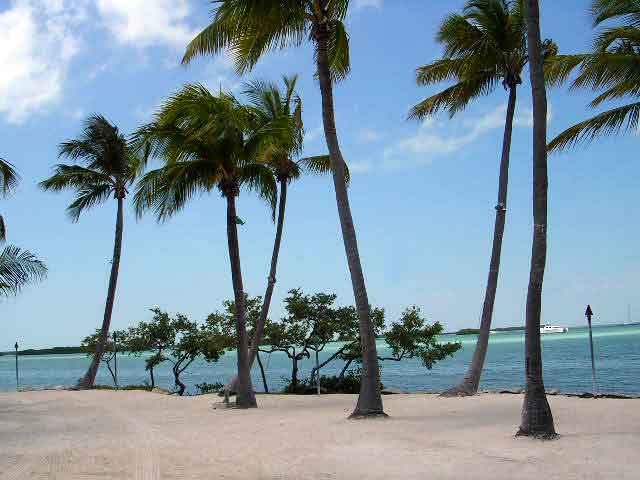
Islamorada has long marketed itself as the Sportfishing Capital of the World, and that identity still shapes daily life on the water. Charter docks, bait shops, and marina talk run parallel to reef snorkeling, sandbar boating, and sunset dining, so serious anglers and casual beach travelers share the same rhythm.
Theater of the Sea and nearby marine experiences add family-friendly options without diluting the area’s maritime core. Unlike destinations that lean on nightlife alone, Islamorada feels built around daylight saltwater hours and fresh-catch evenings, a balance that keeps it polished and deeply rooted in Keys culture.
Key Biscayne
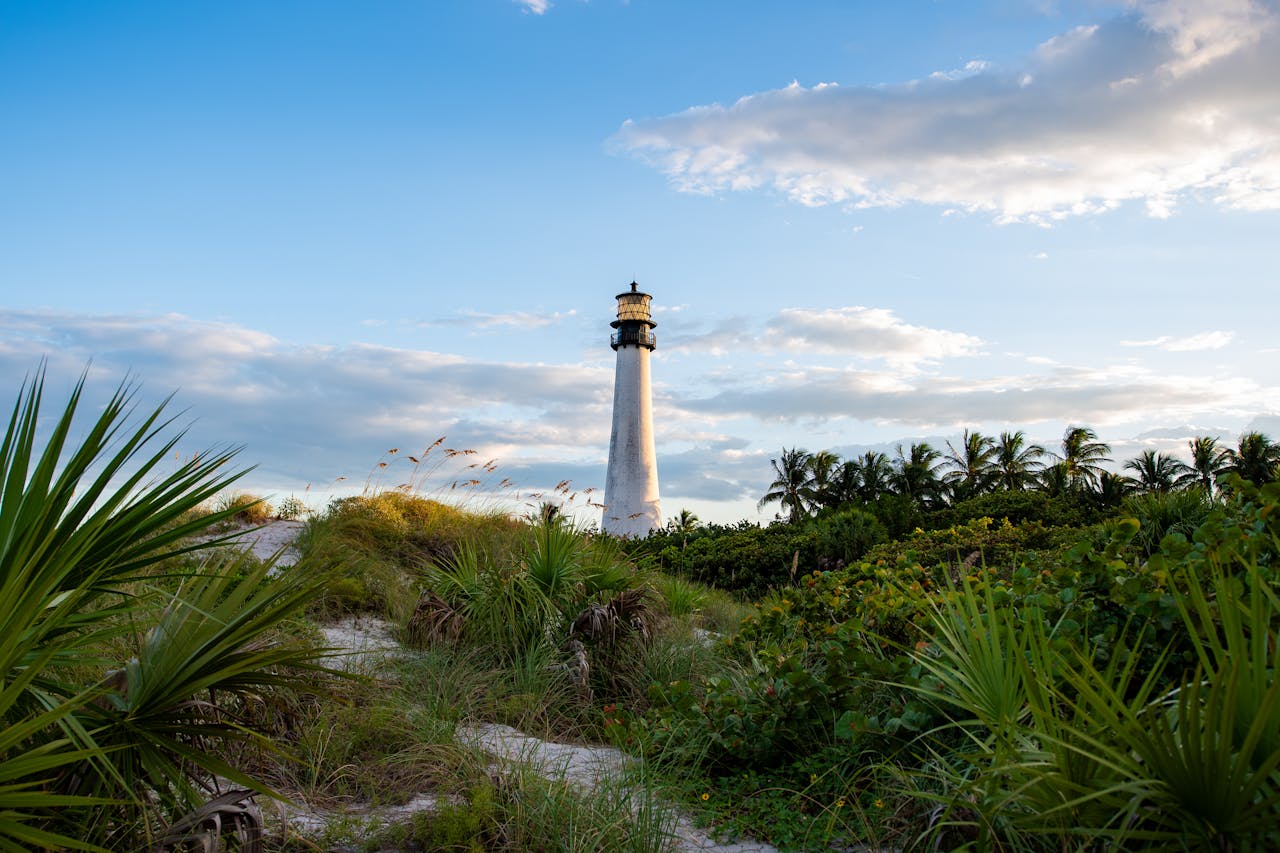
Key Biscayne offers a rare blend of city proximity and barrier-island breathing room. Bill Baggs Cape Florida State Park anchors the southern end with beach access, shaded paths, and the historic Cape Florida Lighthouse, one of Miami-Dade’s most recognizable landmarks.
Just offshore, Biscayne National Park’s Maritime Heritage Trail highlights shipwreck history in clear water, adding an archaeological layer to typical paddle-and-picnic days. The island’s pace stays softer than mainland Miami, which makes hammock afternoons and bike loops feel restorative while keeping urban convenience and dining variety within easy reach.
Key West
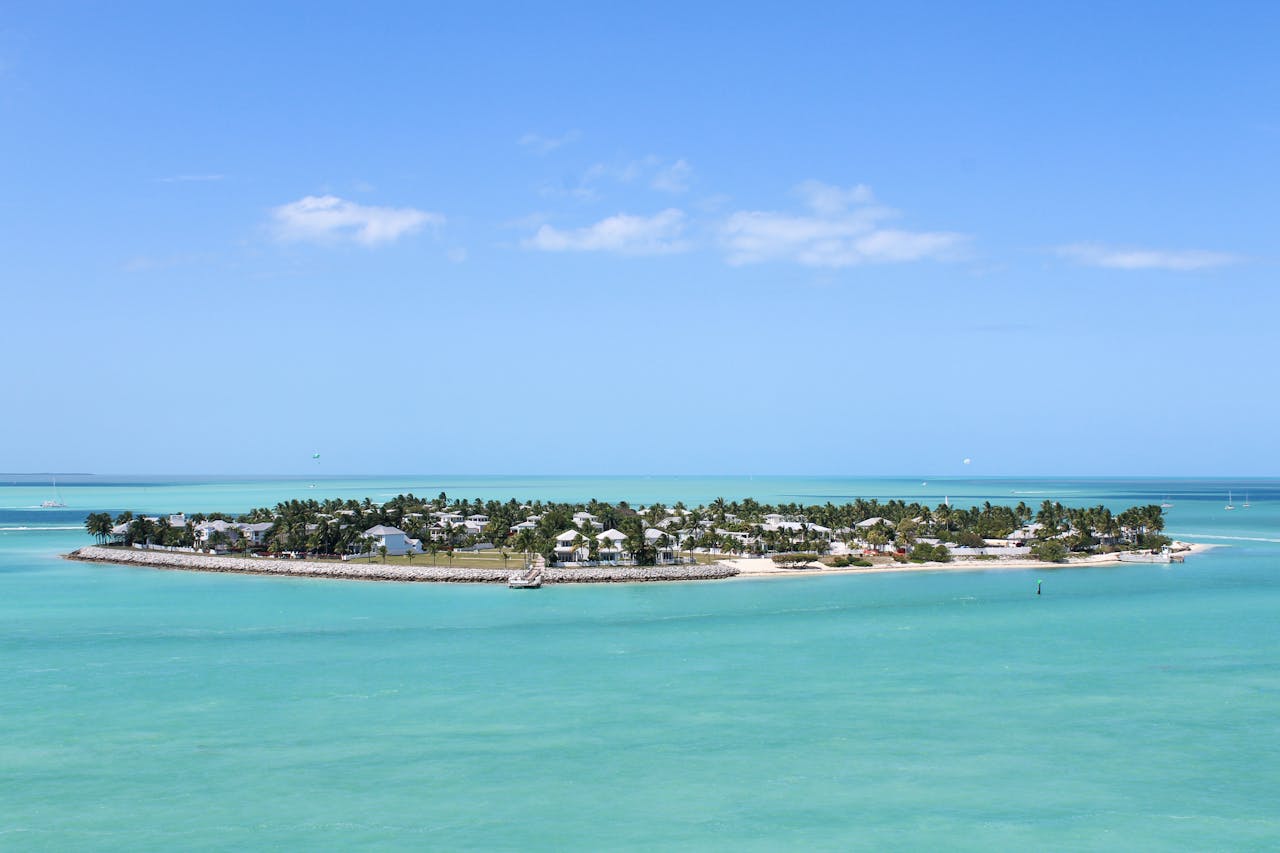
Key West sits at the southern edge of the continental U.S., and that geographic finality shapes its mood. Days often begin with reef tours or harbor walks, then tilt toward Duval Street energy as evening approaches. At Mallory Square, the sunset gathering remains one of the state’s most recognizable daily rituals.
Food is part of the draw, too, with Cuban and Caribbean influences woven through seafood menus, bakeries, and late-night counters. The city can be lively, but it also keeps quieter corners of porches, palms, and pastel facades, a balance that gives Key West both celebration and ease, plus enough calm for early starts.
Miami
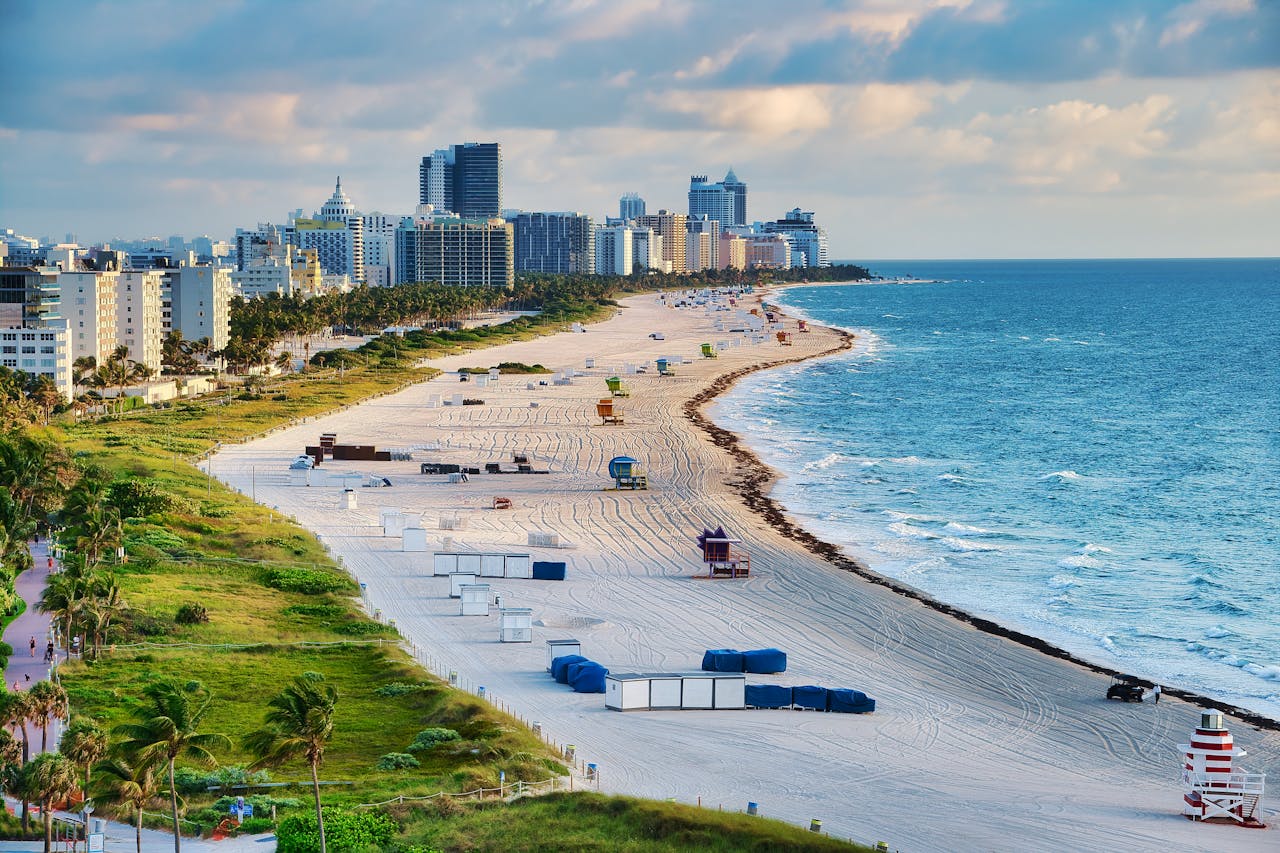
Miami does not borrow Caribbean influence; it lives inside it. Neighborhoods like Little Havana and Little Haiti carry distinct languages, flavors, music, and public art traditions that shape the city’s everyday identity. The result is cultural depth beyond beachfront postcards.
After daylight hours in markets, museums, and historic corridors, nightlife takes over with global polish and local personality. South Beach remains iconic, yet the broader metro offers parallel scenes tied to different communities and histories. Few U.S. destinations pair tropical atmosphere with urban infrastructure and year-round creative momentum.
Siesta Key
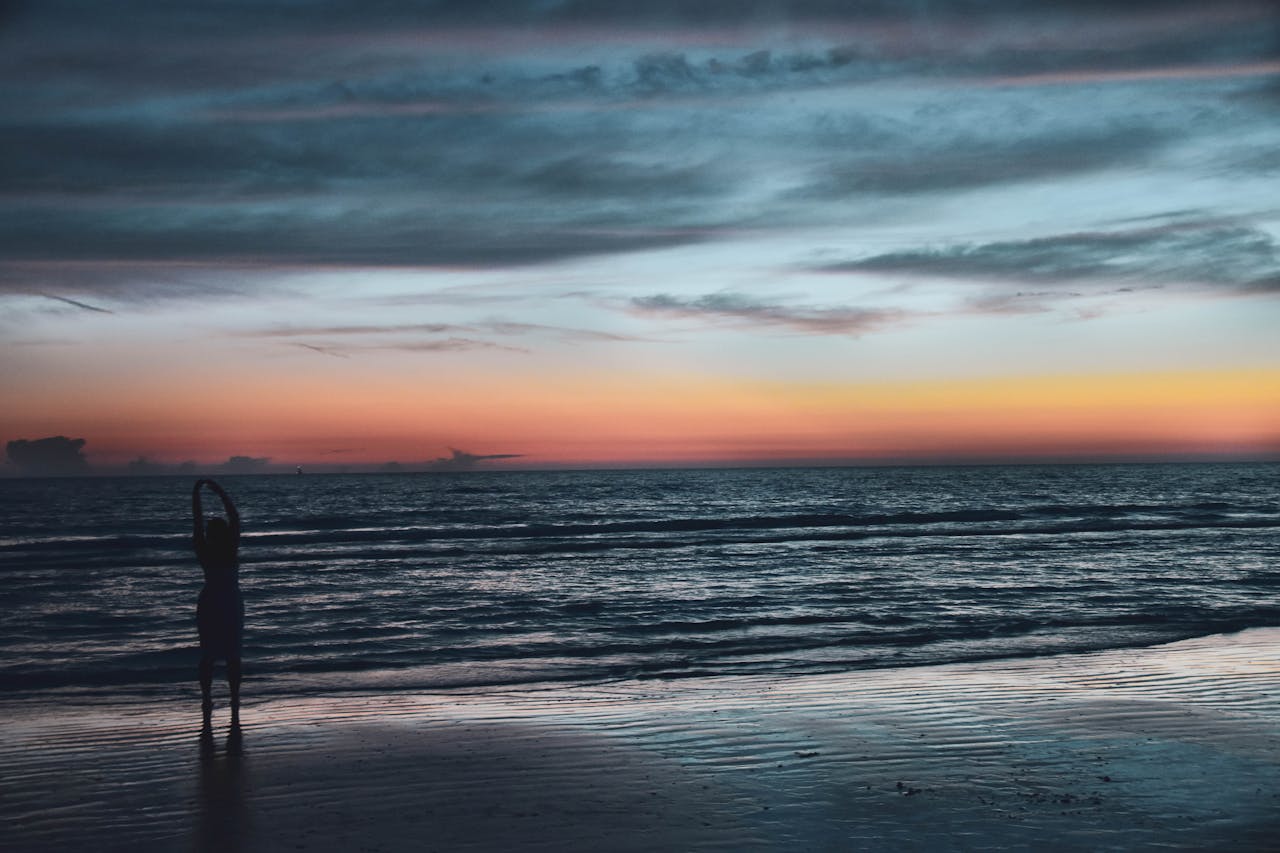
Siesta Key’s flagship beach is known for nearly 100% quartz-crystal sand, a composition often credited for staying cooler under intense sun. That fine, pale texture, paired with gentle Gulf color, gives the shoreline an almost edited look in photographs while still feeling comfortable for long walks.
The island atmosphere stays relatively low-rise and laid-back, with easy transitions between beach time, village dining, and evening strolls. Even during peak seasons, the visual calm of white sand and open water helps the destination feel restorative rather than hectic, delivering high quality without high complication.
St. Petersburg
St. Petersburg blends award-winning Gulf beaches with a strong arts-and-culture backbone, creating more range than many single-note beach towns. The city also hosts one of the largest Pride celebrations in the Southeast, reinforcing its longstanding identity as an inclusive coastal hub.
Between waterfront parks, museums, and nearby island beaches, daily planning feels flexible rather than rushed. That flexibility is a quiet advantage over more complex fly-and-transfer itineraries. St. Petersburg can hold a slow morning, an active afternoon, and a festive night without forcing long distances or constant schedule resets.