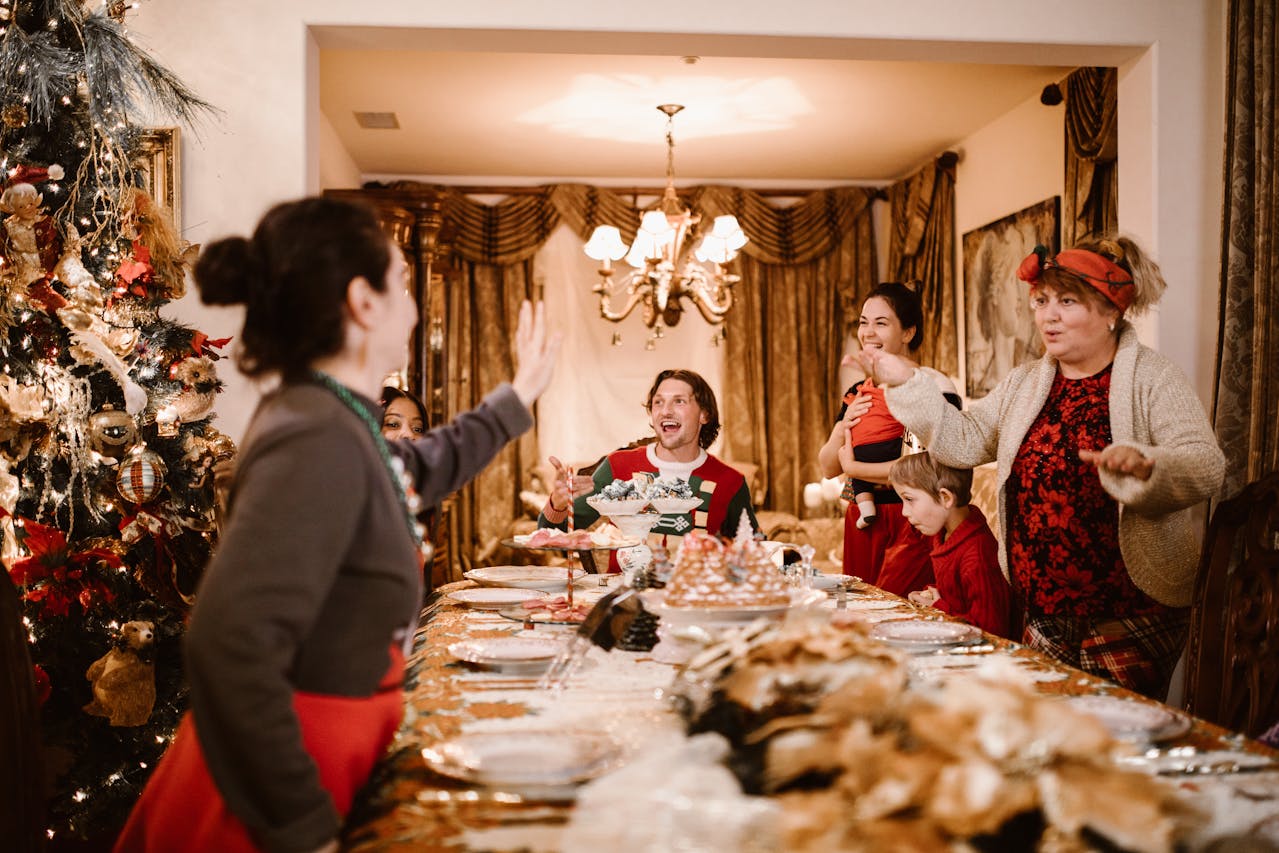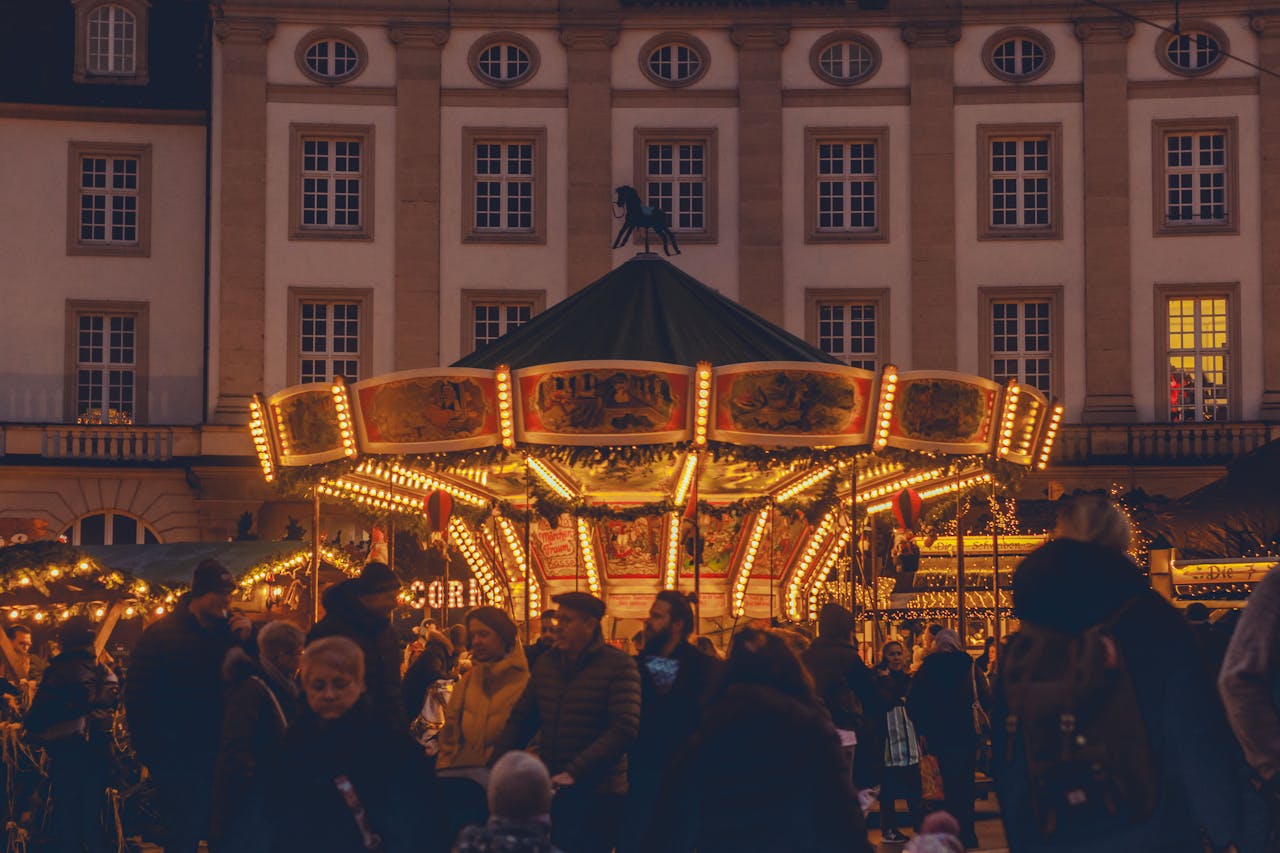
Snow-dusted squares, brass bands, and the scent of roasted almonds still pull crowds toward Europe’s Christmas markets, even as the season carries sharper edges. In recent years, markets have faced heavier security, political arguments over public traditions, and bouts of vandalism aimed at nativity displays. Still, the tradition endures because it offers something sturdier than spectacle: a shared ritual of light, craft, and warmth that families recognize across languages. The magic is not naïve. It is practiced and protected, kept alive by vendors who return at dawn, choirs that sing through cold air, and local councils who keep gates open because winter commerce matters, too. Each stall becomes a small vote for belonging even on anxious nights.
Light As A Social Contract

A market’s first miracle is practical: strings of bulbs, a brass refrain, and a warm mug make strangers act like neighbors. When public life feels frayed, organizers lean into quiet structure, adding timed entry lanes, family pockets, and stewards who give directions without attitude. That choreography turns cold air into a commons again, where the smallest courtesy, a held place in line, a shared bench, the quick apology after a bump, feels like a chosen tradition, not a forced performance, and vendors remember faces, orders, and children’s names from last year as if the calendar still has room for gentleness too.
Handwork That Refuses To Be Rushed
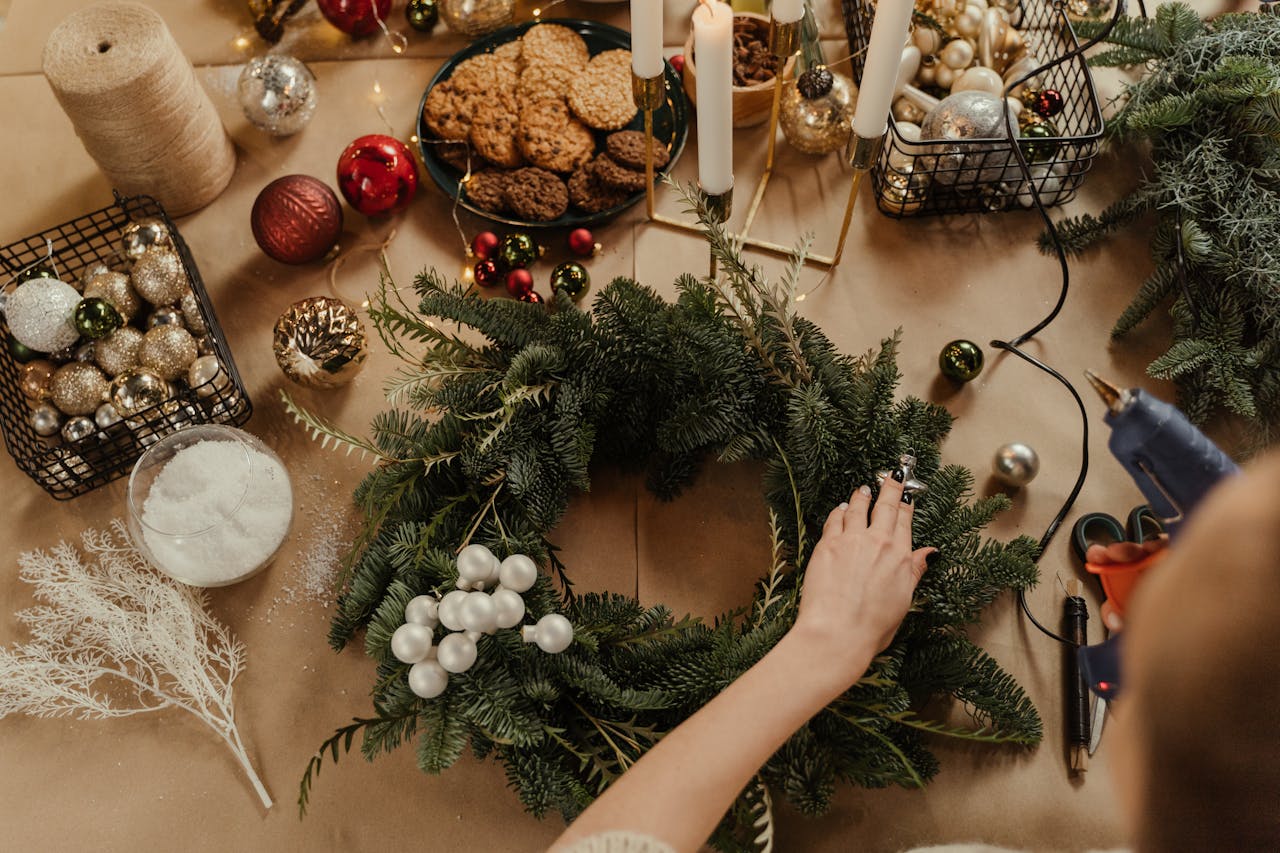
Mass-produced holiday décor exists everywhere, which is why handwork feels quietly rebellious at a classic market. Carvers, glassblowers, and knitters sell objects that carry fingerprints and small flaws, from straw stars and carved crèches to blown-glass baubles that catch candlelight like ice. In a year of headlines and arguments, a wooden pyramid, a tin cookie cutter, or a paper-cut ornament offers a calmer story: skill passed down, work done slowly, money kept local, and stalls run by the same families who have stood in the same square for decades. The purchase becomes a promise to return and find it still there.
Comfort Food With A Crowd Around It
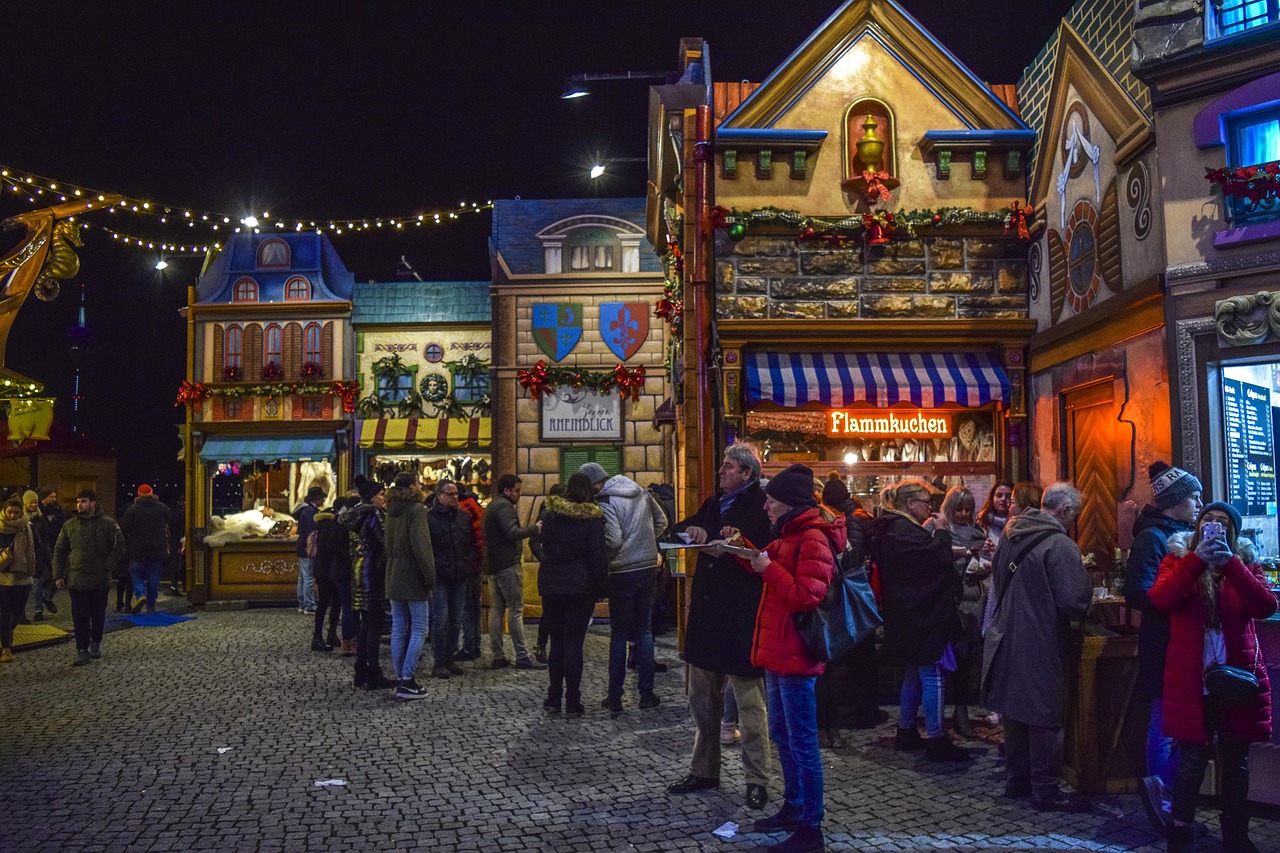
Seasonal food at these markets is less about novelty than about reassurance, a script repeated until it becomes muscle memory. Steam rises from kettles of mulled wine, cocoa, and fruit punch while chestnuts crackle, sausages sizzle, and sugar turns to caramel on hot plates; the souvenir mug deposit turns a quick drink into a small ritual of return. When anxiety hangs in the air, shared cravings do the quiet work of diplomacy, making it normal to smile at a stranger, trade napkins, compare spice notes, or laugh together after a gust sends powdered sugar across a coat sleeve. It is comfort with a crowd around it always.
Songs That Outrun The News Cycle
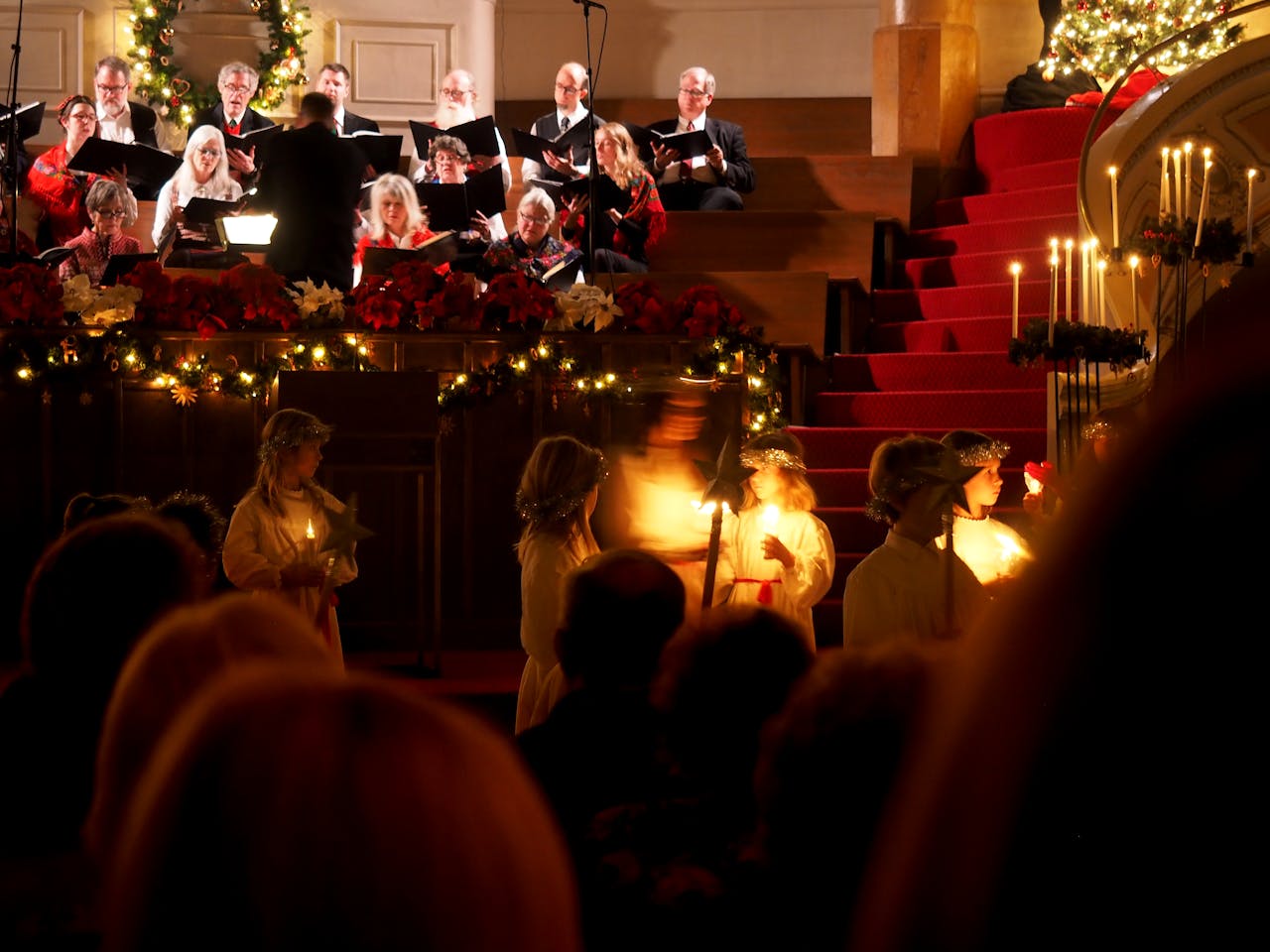
Music is the glue that makes a market feel older than the politics swirling around it. Choirs rotate through wooden stages, brass ensembles trade turns with church bells, and children’s groups sing with the earnestness that disarms cynicism, sometimes switching languages mid-verse to match the crowd. Even people who disagree about almost everything tend to go quiet for a chorus, because melody triggers memory faster than opinion, and the square briefly sounds like a hometown, not an argument, with strangers humming the same tune while their hands warm around paper cups. Snow softens the edges, and the noise turns gentle.
Security That Tries Not To Steal The Mood
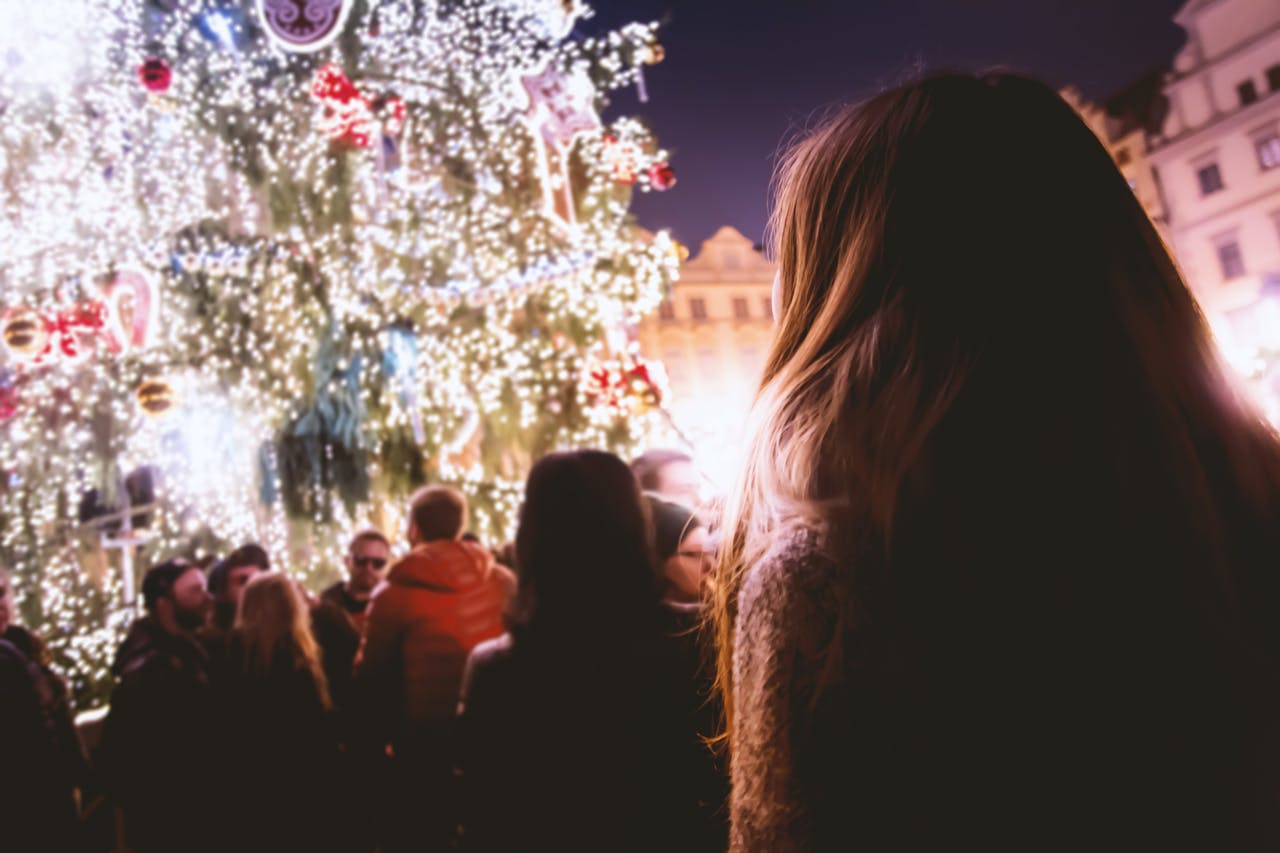
Security is now part of the market landscape, as ordinary as garlands, and the best-run cities make it feel protective rather than punitive. After years of heightened risk awareness and occasional incidents across Europe, entrances are more controlled: concrete blocks are disguised as planters, police patrols blend into the flow, and bag checks are handled with the same steady tone used to serve a queue. The tension does not vanish, but it is contained, allowing grandparents to linger by the crèche lights, kids to chase carousel music, and teenagers to drift between stalls without the square feeling like a fortress.
Repair As A Public Kindness
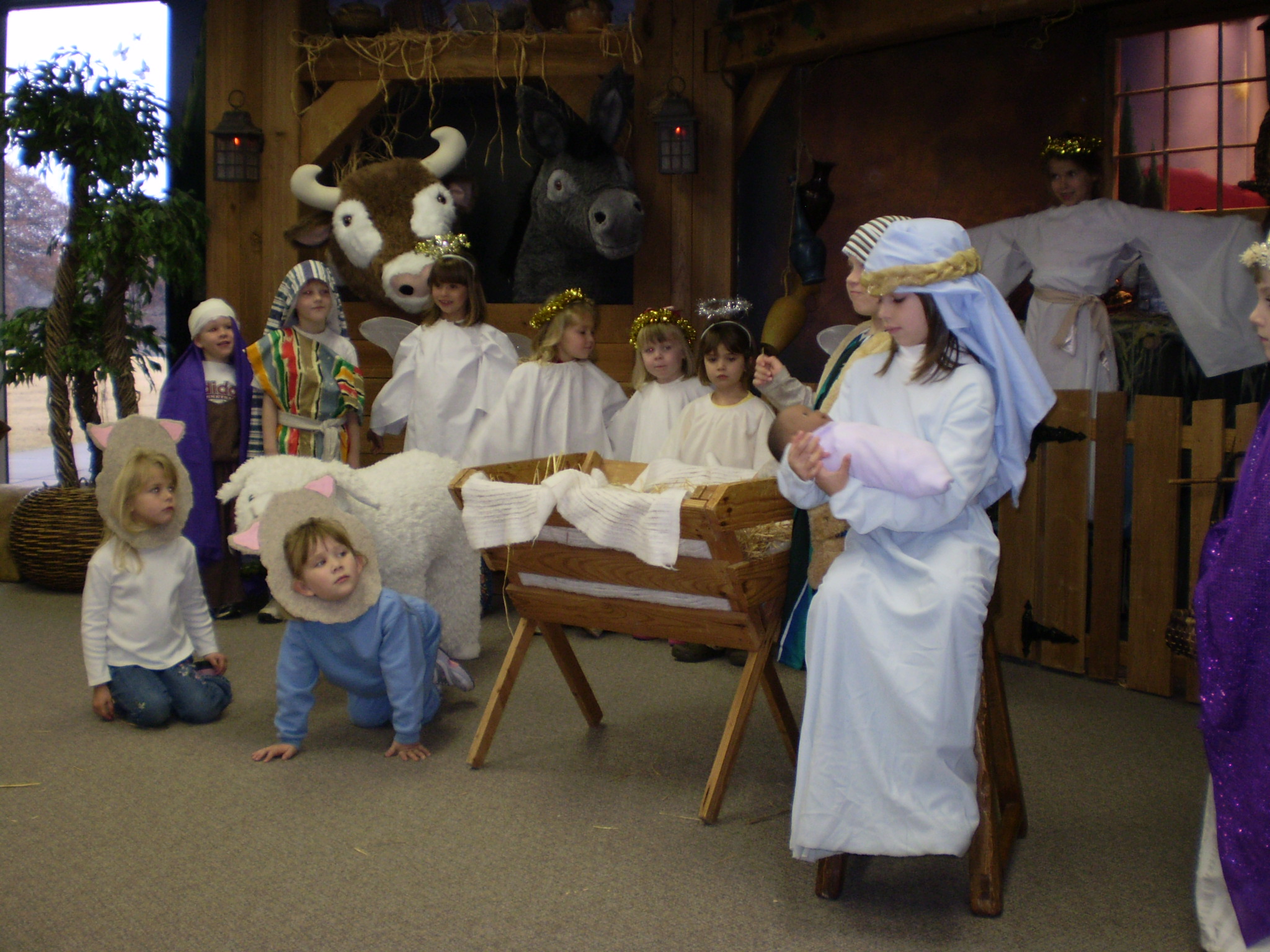
The season’s darkness shows up in moments that feel shockingly petty, like damaged nativity figures or wrecked decorations, but the response is often what preserves the magic. In Erbach, Germany, vandals hit a living nativity and the two donkeys were moved for safety afterward; in Brussels, an infant Jesus figure was stolen from a Grand-Place display and quickly replaced. Repair becomes a public act, with volunteers sweeping shards, carpenters rehanging lights, and shopkeepers donating spare garland, a calm rebuttal that says a square can absorb harm without surrendering its gentler rituals.
A Winter Economy With A Human Face
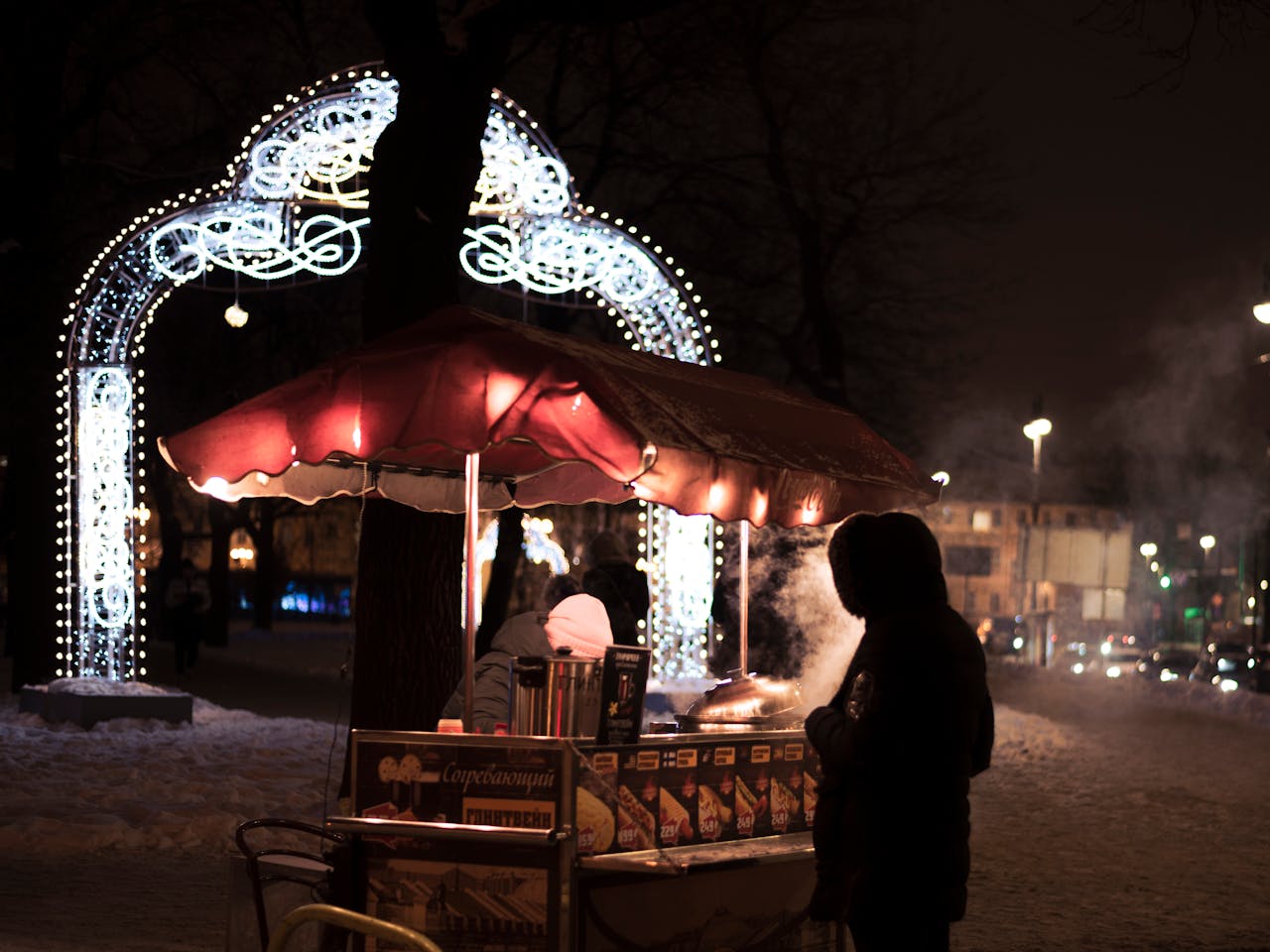
Behind the romance is a winter economy that keeps small businesses afloat when daylight is short and tourism can wobble. For many vendors, a strong December pays for rent, apprentices, and next year’s materials; nearby cafés add staff, hotels fill midweek gaps, and transit systems extend late runs, so city halls treat markets as civic infrastructure, not just entertainment. Brussels, for example, has drawn roughly 4 million visitors in a recent season, and that scale helps explain why officials defend the tradition even while debating design choices, crowd control, and what belongs in a public square.
Wonder That Gets Practiced Out Loud
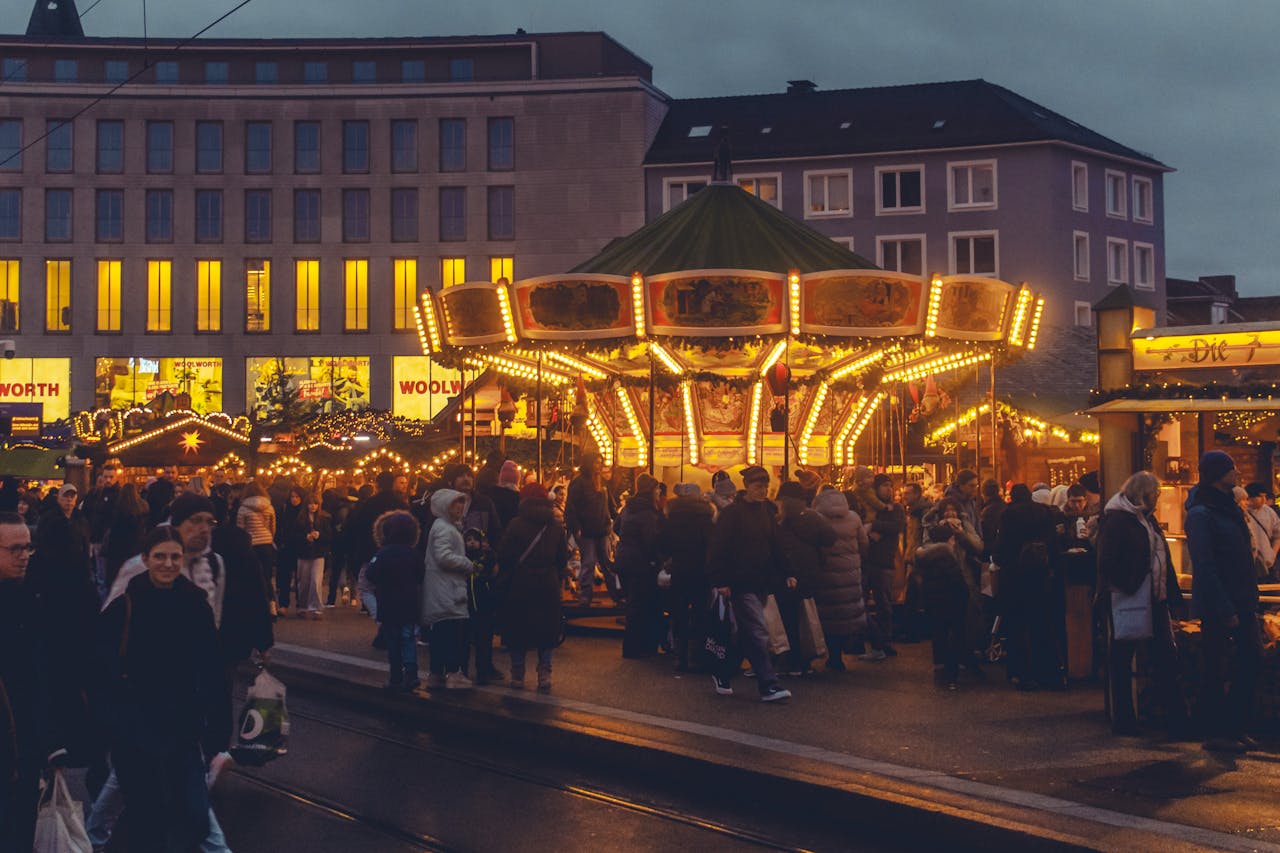
Children keep the markets honest, because they react to what is real: warmth, music, and color. A carousel, a puppet show, or a candle-dipping booth pulls attention away from headlines and back toward hands, faces, and small surprises that do not need translation, while parents measure time in mittens lost, cheeks flushed, and cups refilled. Adults follow that gravity, leaning into the parts of the season that can be fixed and shared, and the square becomes a place where wonder is not escapism, but a skill practiced in public, protected by routine, and passed from one winter to the next no matter what changed last year.