Smuggling is usually framed as shadowy crime, but the deeper story is economic. Across centuries, illicit networks have rerouted taxes, toppled monopolies, financed wars, and stitched distant markets together faster than law could keep up. Sometimes the cargo was a luxury leaf or a forbidden drug; sometimes it was a handful of eggs or seeds that rewrote agriculture. Ports, borderlands, and back rooms became informal stock exchanges where risk set the price. States responded with navies, tariffs, and crackdowns, yet the profits kept pulling people in. These operations did not just dodge rules; they reshaped demand, labor, and capital, leaving fingerprints on modern trade. Even lawful economies often adapted quickly to routes smugglers proved viable.
Opium Into Qing China
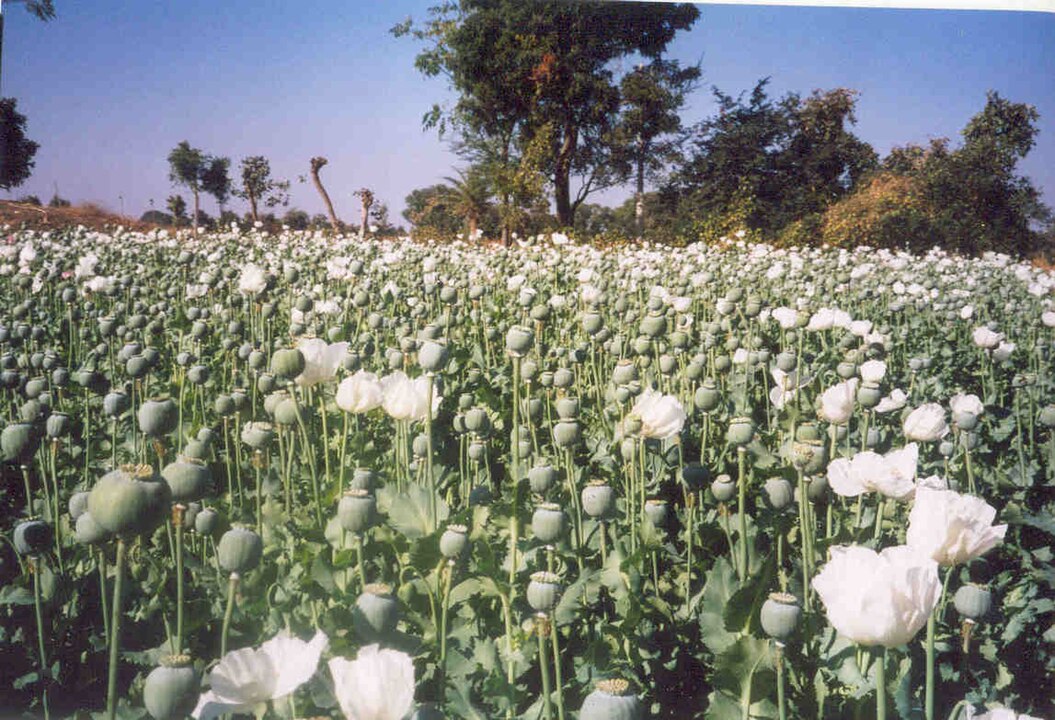
In the late 1700s and early 1800s, opium grown in British India seeped into China through coastal smuggling, clan networks, and bribed officials, even as bans hardened and seizures mounted. Profits let British traders buy tea, silk, and porcelain without shipping as much silver, and they fed the East India Company’s cash flow, credit, and military spending in India. When enforcement spiraled into the Opium Wars, the trade’s momentum had already rewired prices, addiction, shipping patterns and provincial revenues from Canton’s factories to inland market towns, forcing policy to chase a market it could not unbuild.
Dutch Tea Smuggling In Colonial America

Long before protest turned theatrical in Boston Harbor, cheaper Dutch tea moved quietly through New England docks, bypassing imperial duties and feeding a broad taste for contraband comfort. Merchants, including well-known elites treated illicit tea as both profit and politics, undercutting the East India Company and blurring the line between commerce and rebellion. By the time the Tea Act tried to reassert control, smuggling had trained consumers to expect lower prices, built local distribution rings, and made enforcement feel like an attack on everyday habit at the breakfast table and at taverns each year too.
Silkworm Eggs To Byzantium

According to widely repeated chronicles, silkworm eggs were carried out of China and into Byzantium in the sixth century, defeating a guarded monopoly with a pocket-sized biological payload. Once sericulture took root, silk shifted from an imported luxury priced by distant powers to a strategic industry that could be taxed, traded, and used in diplomacy and church patronage. The result was a new Eurasian supply chain, with state workshops, merchant guilds, and rival courts competing over a fabric that functioned like currency, hired thousands of hands, and signaled imperial power at every treaty tables for years.
Coffee Seeds Out Of Yemen

For centuries, Yemen’s ports tried to protect coffee’s plant genetics as fiercely as its roasted beans, but smugglers, pilgrims, and botanists found ways around the gatekeeping. Cuttings and seeds traveled to South Asia and then to European colonies, from Java to the Caribbean where plantations scaled fast and reshaped labor, land tenure, and global taste. As coffee moved from a Red Sea ritual to an everyday commodity, fortunes shifted from Mocha’s brokers to imperial growers, financiers, and shippers who could insure harvests, hedge prices, and flood distant markets on a timetable even in drought and war at sea.
Rubber Seeds From The Amazon

In 1876, thousands of rubber seeds left Brazil for British hands, a transfer that looked small at the dock and massive on the balance sheet. When cultivation succeeded in Southeast Asia, plantation rubber undercut the Amazon’s wild-tapped supply, draining wealth from Manaus and Belém while feeding tires, wiring, and factory belts worldwide. The shift concentrated power in colonial estates and trading houses turned latex into a predictable industrial input for the automobile age, and let manufacturers plan prices and output instead of praying for river seasons, storms, and labor flight from the interior each year.
Rum-Running During U.S. Prohibition
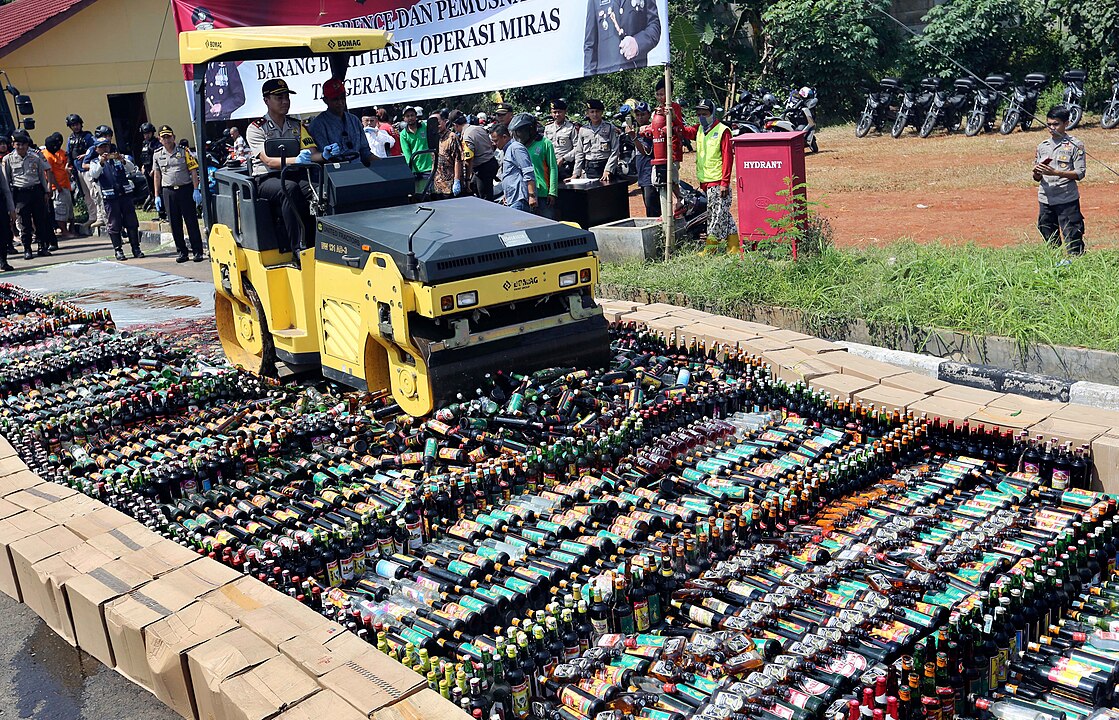
When Prohibition began in 1920, coastal smuggling routes became floating marketplaces, with Rum Row anchored offshore and fast boats running liquor from the Bahamas and Canada into U.S. cities. The trade built logistics expertise, bankrolled organized crime, and redirected consumer spending into an underground economy that still needed dockworkers, pilots, accountants, and bribed officials. By repeal in 1933, governments had learned new policing tools and tax arguments while smugglers had proven that distribution, not production, was the real engine of profit in a mass consumer market once demand was steady, too.
Confederate Blockade Running
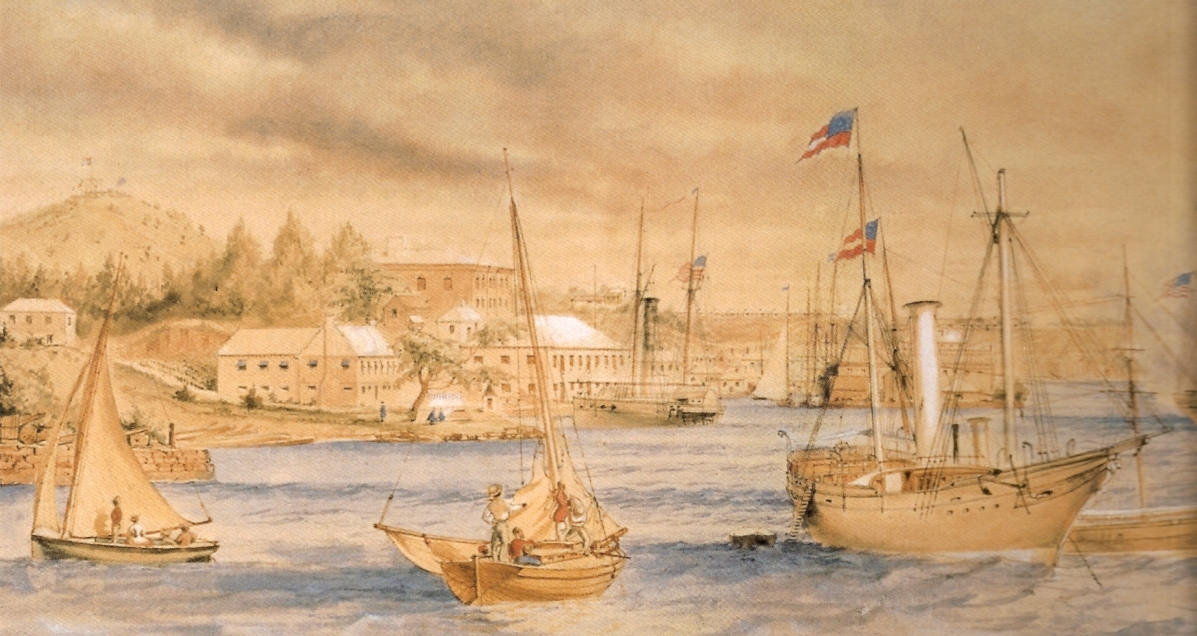
During the U.S. Civil War, blockade runners slipped through Union naval lines to export cotton and import rifles, medicine, and luxury goods, pricing risk into every crate. Fast steamers connected Southern inlets to Caribbean warehouses and British buyers, tying Confederate survival to foreign credit and hubs like Nassau and Bermuda while war inflation surged at home. The business pushed marine insurance, shipbuilding, and port economies into overdrive, proving how a wartime smuggling system can briefly mimic a national supply chain and then collapse the moment the sea lane truly closes and ports go silent again.
The 1990s Iraq Oil-For-Food Leakages

In the 1990s, sanctions and the Oil-for-Food program were shadowed by illicit oil movements and kickback schemes that siphoned value outside official channels. Routes through neighboring states, border truck convoys, forged paperwork, and ship-to-ship transfers created parallel pricing, and they blurred who was enforcing rules and who was renting them. The episode showed how embargoes can spawn their own markets, rewarding intermediaries, brokers, and politically connected middlemen who could move a barrel cheaper than institutions could move a form, while the wider region adjusted to the shadow supply overnight.
Cigarette Contraband In Canada

As Canadian tobacco taxes rose in the early 1990s, large-scale cigarette smuggling expanded across the U.S. border through corridors that blended legitimate manufacturing with illicit resale. In places like Quebec and Ontario, governments lost billions in excise revenue, violence and theft rose around shipments, and politics swung toward tax cuts paired with enforcement resets. The economics were blunt: when a small, legal product carries a large tax wedge, smugglers can fund logistics, corruption and street-level marketing with the difference, and still underprice the legal pack by a wide margin in cash markets.
Gold Smuggling Into India

In the 1970s and 1980s, strict import controls and high duties made gold a premium target in India, and smuggling networks responded with couriers, false bottoms, and Gulf sourcing routed through Dubai. The flow fed domestic demand, strengthened hawala-style informal finance, and widened the gap between official reserves and private hoards used as family security and business collateral. When liberalization and duty changes arrived, they did not erase the appetite, but they shifted the routes the methods and the role gold often played in pricing risk, gifting status, and measuring trust during volatile inflation.