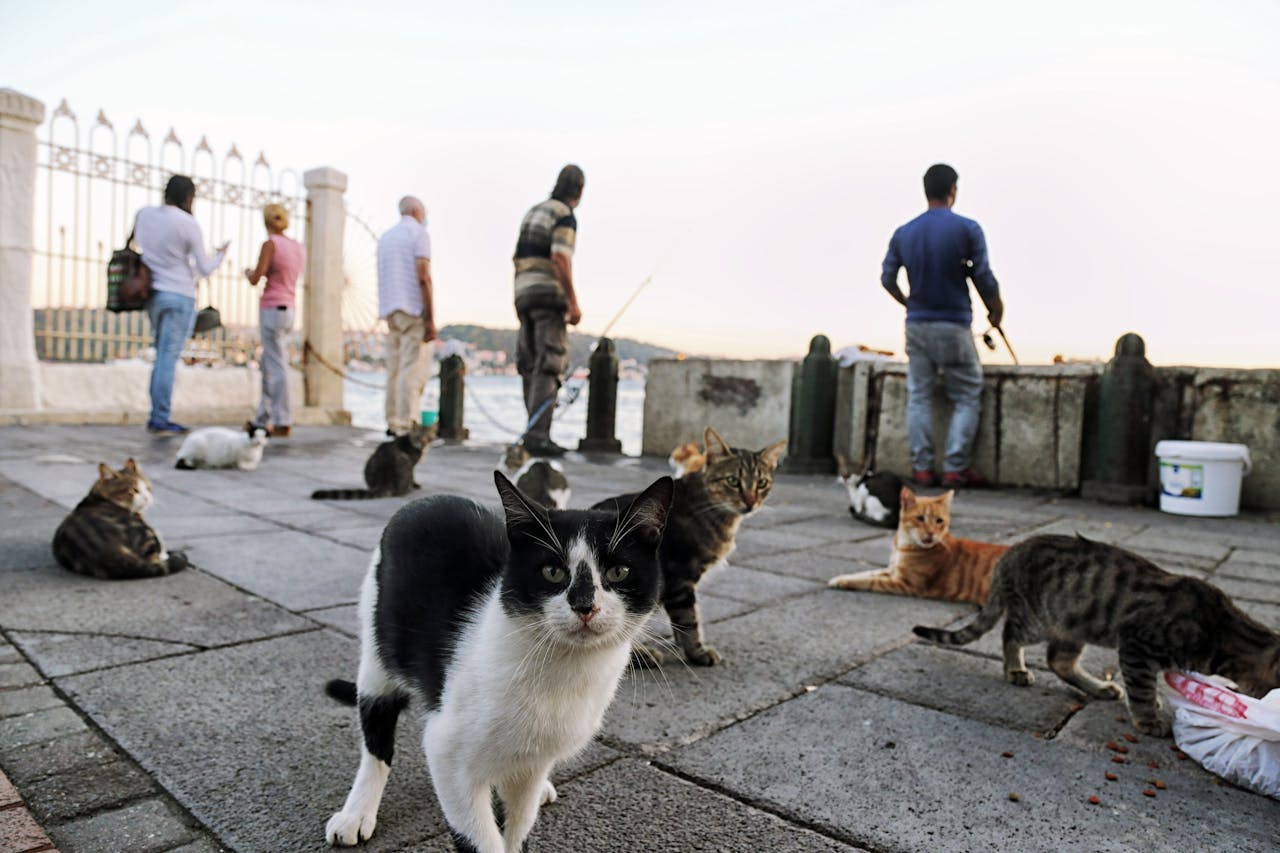
In some places, the line between kindness and trouble is thinner than a breadcrumb. A handful of rice for pigeons can stain stonework, attract rats, and turn a quiet square into a noisy hotspot. Tossing snacks to gulls can pull them into traffic and onto café tables, while feeding raccoons or coyotes trains them to treat people like vending machines. That is why local governments write feeding rules into bylaws, often with fines that surprise visitors and locals alike. The aim is usually prevention: protecting wildlife from dependency, protecting neighborhoods from mess and disease, and keeping shared spaces calm enough for everyone. Signs appear near parks, harbors, and heritage sites, translating small choices into rules with real consequences.
Venice, Italy: Pigeons And Seagulls
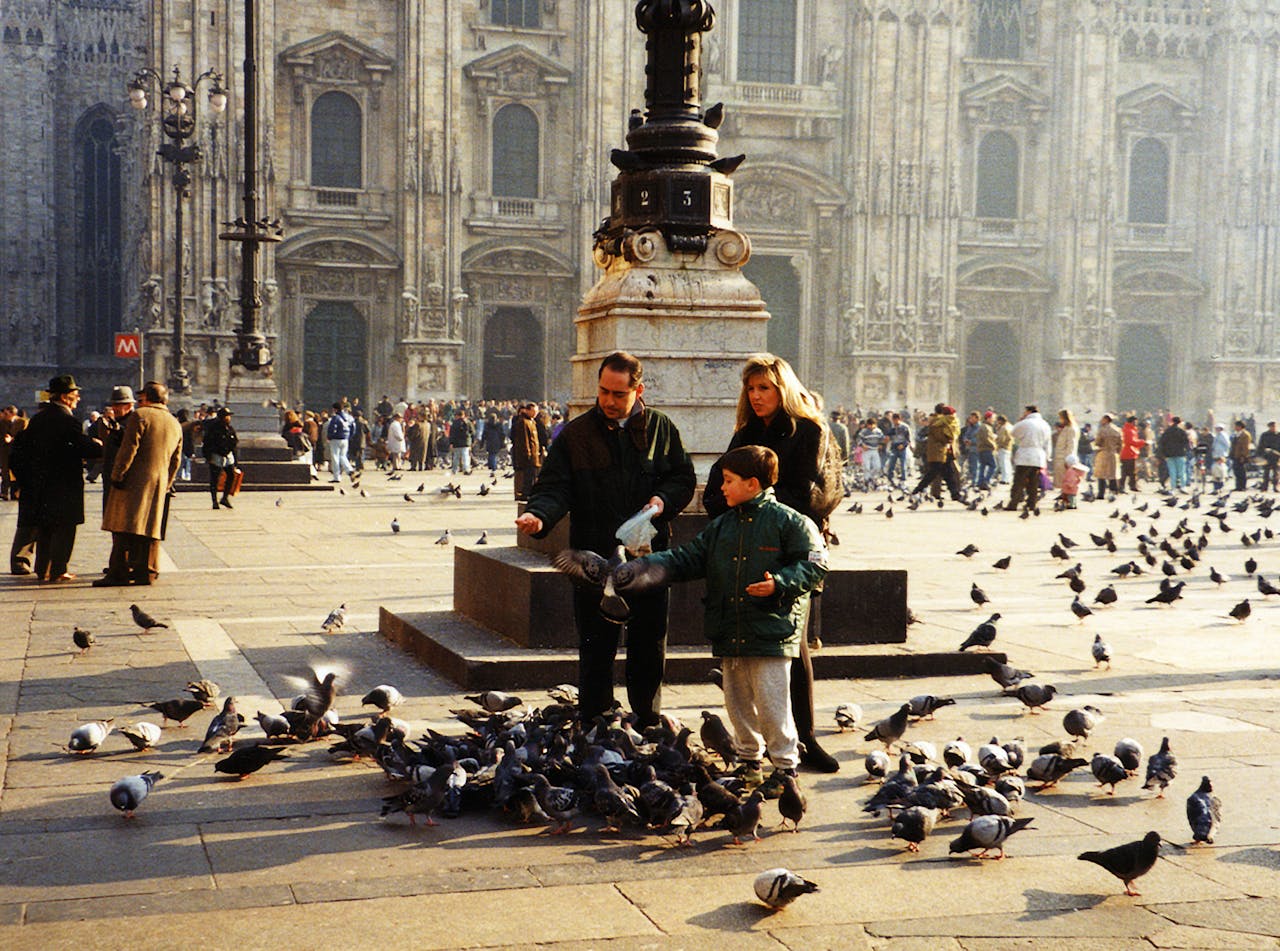
Venice treats bird-feeding as more than a quirky tourist habit. Municipal rules prohibit feeding pigeons and seagulls because crumbs invite rats, droppings corrode marble and bronze, and flocks push into cafés, bridges, and boat landings. In the city’s published list of forbidden behaviors, the penalty for feeding is tied to its urban veterinary hygiene and animal welfare rules, set at €25 to €500, and it is framed as protection for both people and monuments in a lagoon city where cleaning crews never truly catch up.
Barcelona, Spain: Pigeons And Ducks In Public Spaces
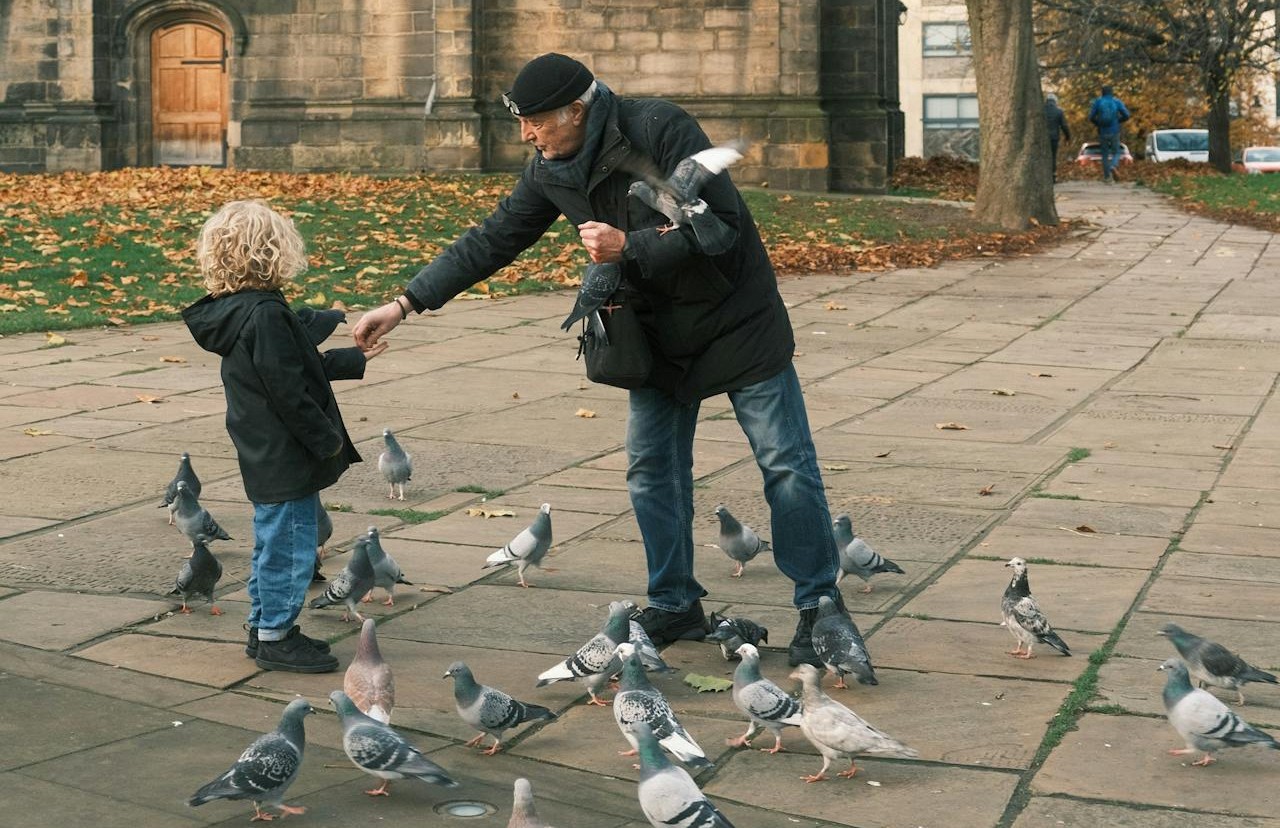
Barcelona’s city messaging is blunt: do not feed pigeons, and do not feed wild animals such as ducks. Officials link the rule to hygiene and coexistence, noting that these animals already find natural food in streets, bins, and ponds, so extra handouts mainly boost numbers and boldness. The guidance is framed as a civic habit, not cruelty, and in crowded zones it can become a sanctionable nuisance issue, especially where food left on sidewalks brings rats, insects, and aggressive flocks that follow people down promenades and into metro entrances It is one of those rules that quietly protects small daily routines.
Madrid Region, Spain: Feeding Strays As A Misdemeanor
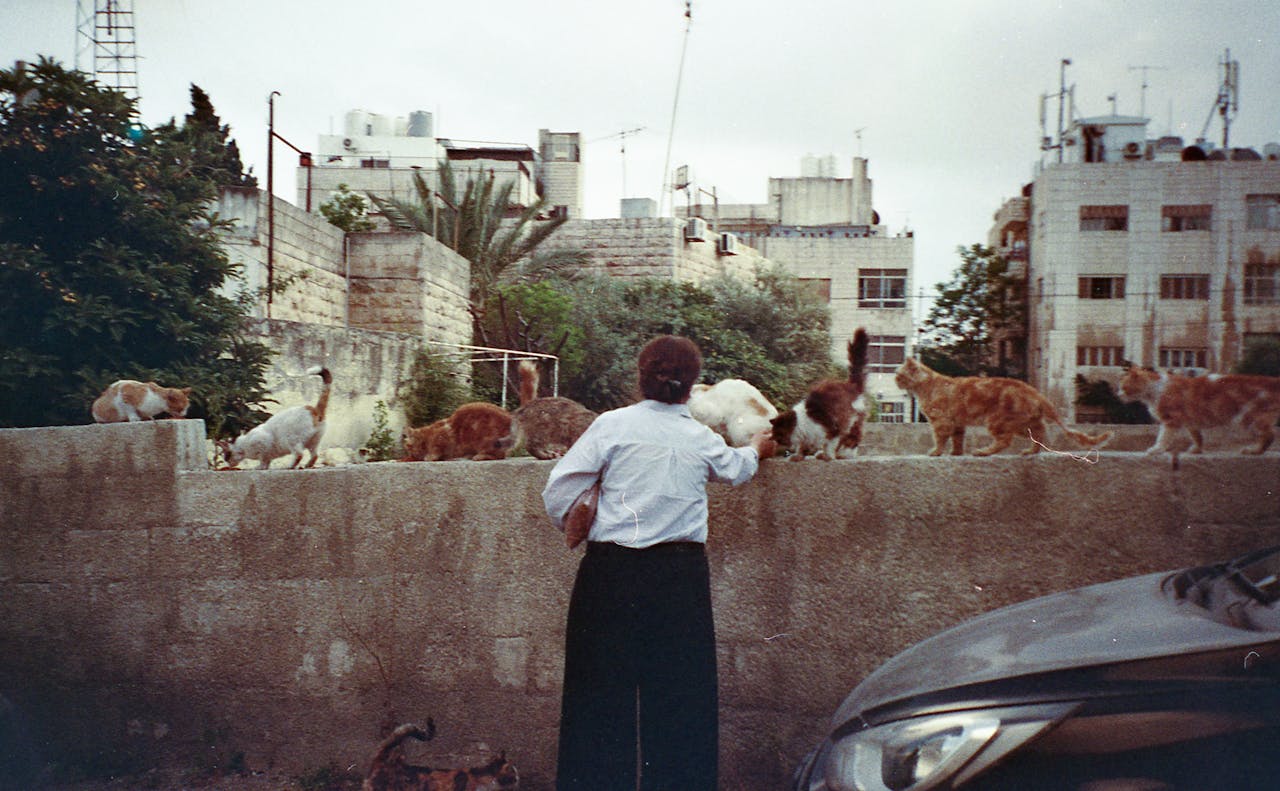
In the Madrid region, feeding wild or stray animals is treated as more than a harmless gesture. Animal-protection measures reported by Spanish media have described feeding animals such as pigeons as a misdemeanor, punishable with fines between €300 and €1,200, which signals that enforcement is designed for deterrence rather than symbolism. The logic is plain: steady handouts pull birds into plazas and apartment blocks, raise noise and droppings, and complicate sanitation in hot months when food spoils quickly and pests spread faster than city crews can respond. It pushes good intentions into a legal lane, fast.
Singapore: Feeding Wildlife Under The Wildlife Act
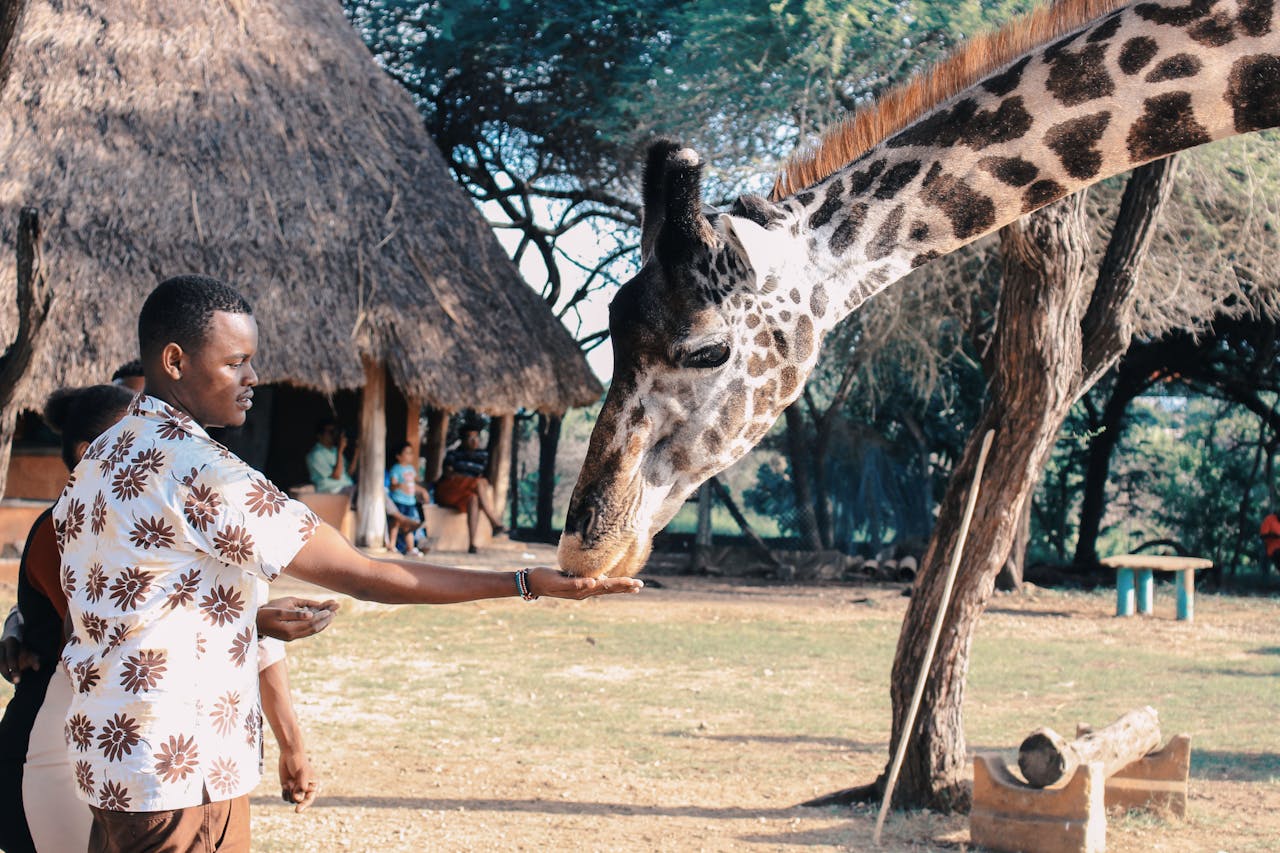
Singapore does not leave wildlife feeding to gentle reminders. Under the Wildlife Act, intentionally feeding wildlife, including pigeons, is an offense; official guidance has cited fines up to S$5,000 for a first offense and up to S$10,000 for repeat cases, and court reports show repeat feeders being punished after repeated warnings. The rule is less about scolding and more about urban math: concentrated food creates concentrated birds, which creates concentrated droppings, noise, and conflict near blocks, markets, and train stations where people live close together and where void decks amplify the mess quickly.
Vancouver, British Columbia: Citywide Wildlife Feeding Ban
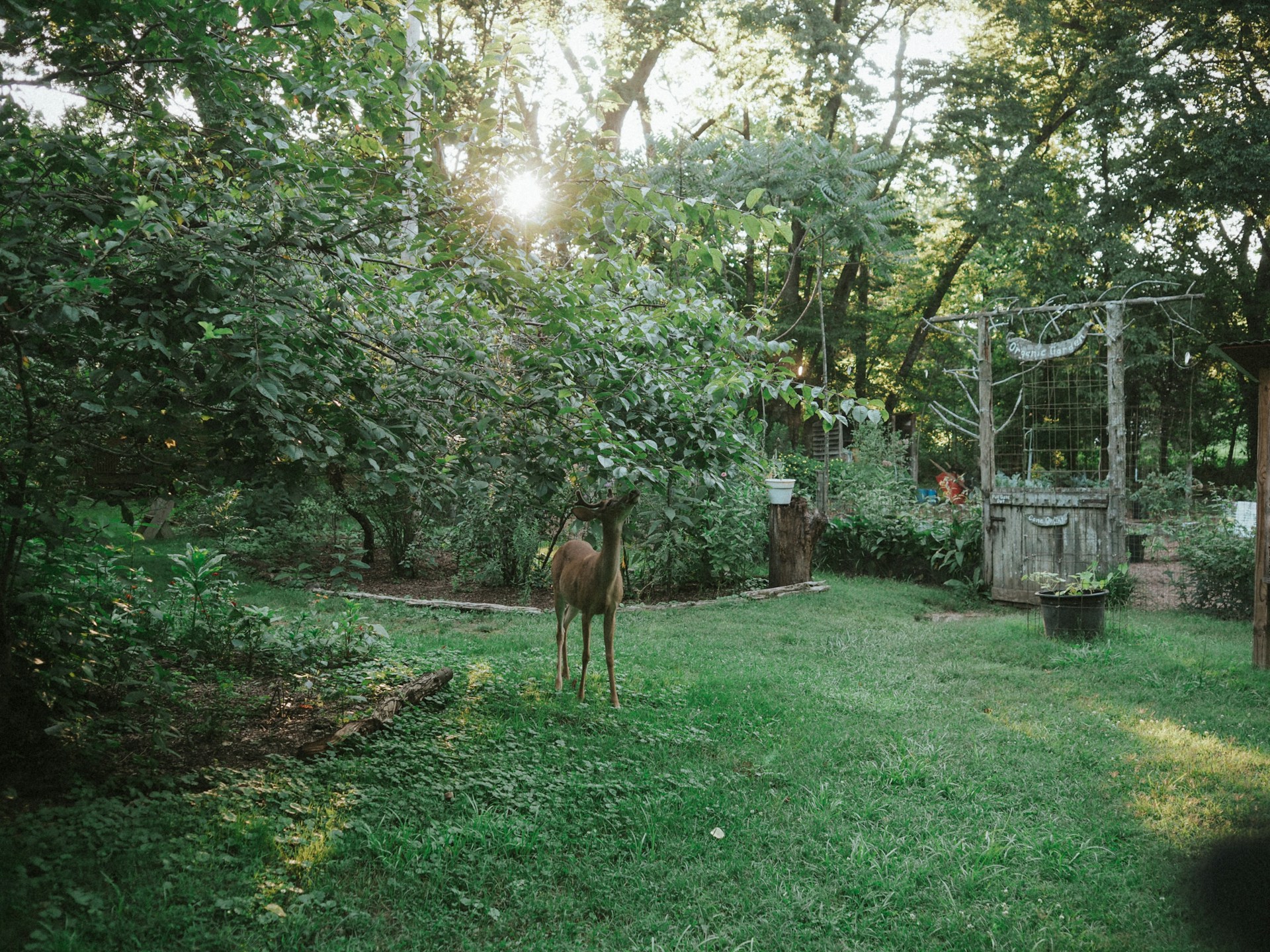
Vancouver’s Wildlife Feeding Regulation By-law is intentionally broad. Anyone who feeds wildlife, including coyotes, raccoons, squirrels, birds, and rodents, may face a $500 fine, and the rule applies citywide, including parks and beaches. The city still permits bird feeders on private property, but only when they are kept clean and inaccessible to other wildlife, because a single reliable food source can teach animals to approach people with expectation, follow dogs on trails, and turn an ordinary park walk into a tense encounter for everyone. It aims to stop the first snack before it becomes a pattern for year.
Toronto, Ontario: Animals Bylaw Limits Feeding Wildlife
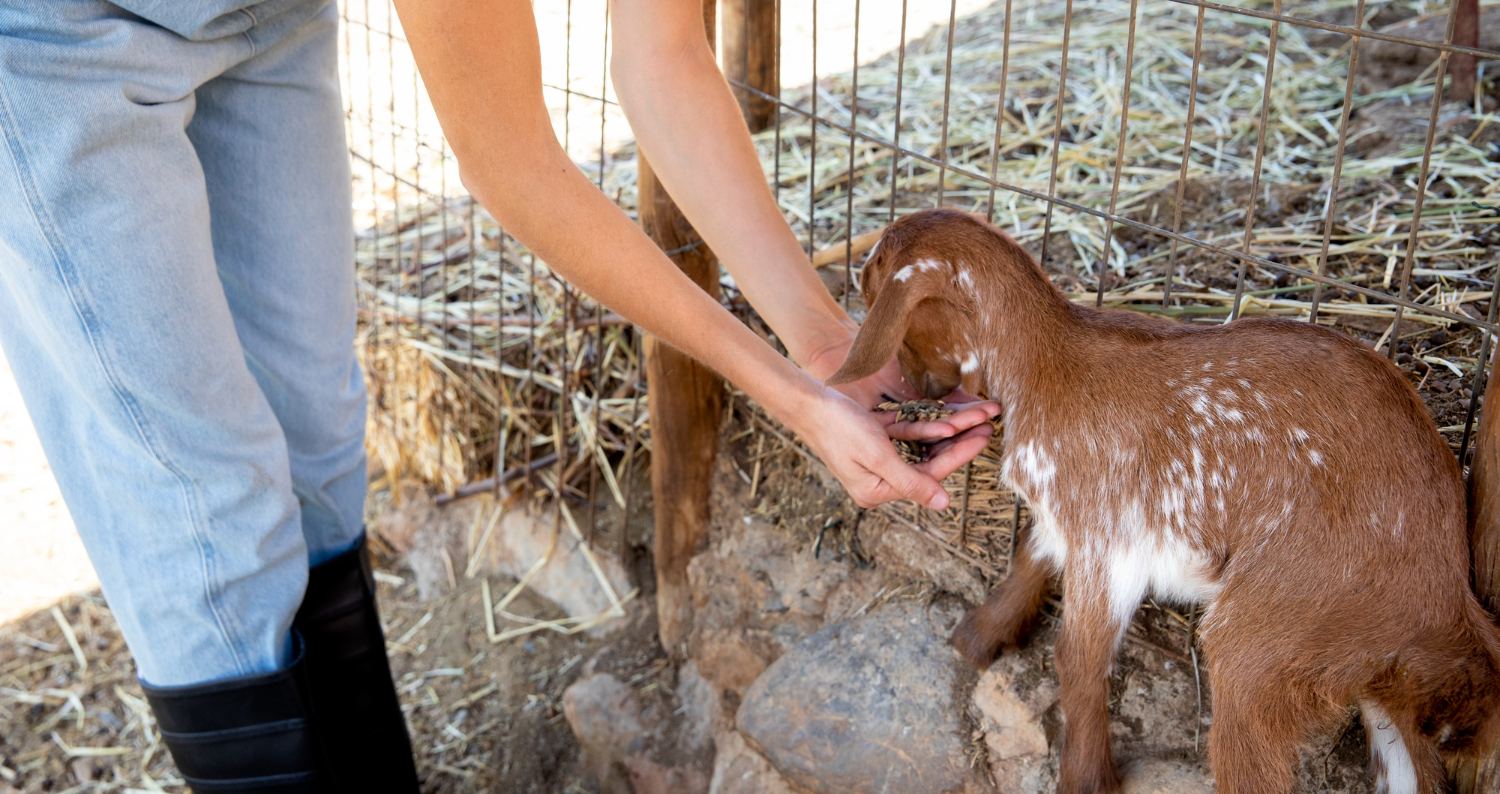
Toronto’s Animals Bylaw takes a firm position: wildlife cannot be fed or lured with food on public or private property, and leaving food out to attract animals is also prohibited. The city allows songbird feeding, but only if bird feeders are kept sanitary and do not act as a magnet for other wildlife. It is an attempt to keep good intentions from turning into crowded backyard standoffs, where raccoons, skunks, and squirrels learn the timing of handouts, illnesses spread at shared food piles, and neighbors inherit the noise, droppings, and repair bills when animals start testing decks and garages in winter, too.
Mumbai, India: Non-Designated Feeding Zones
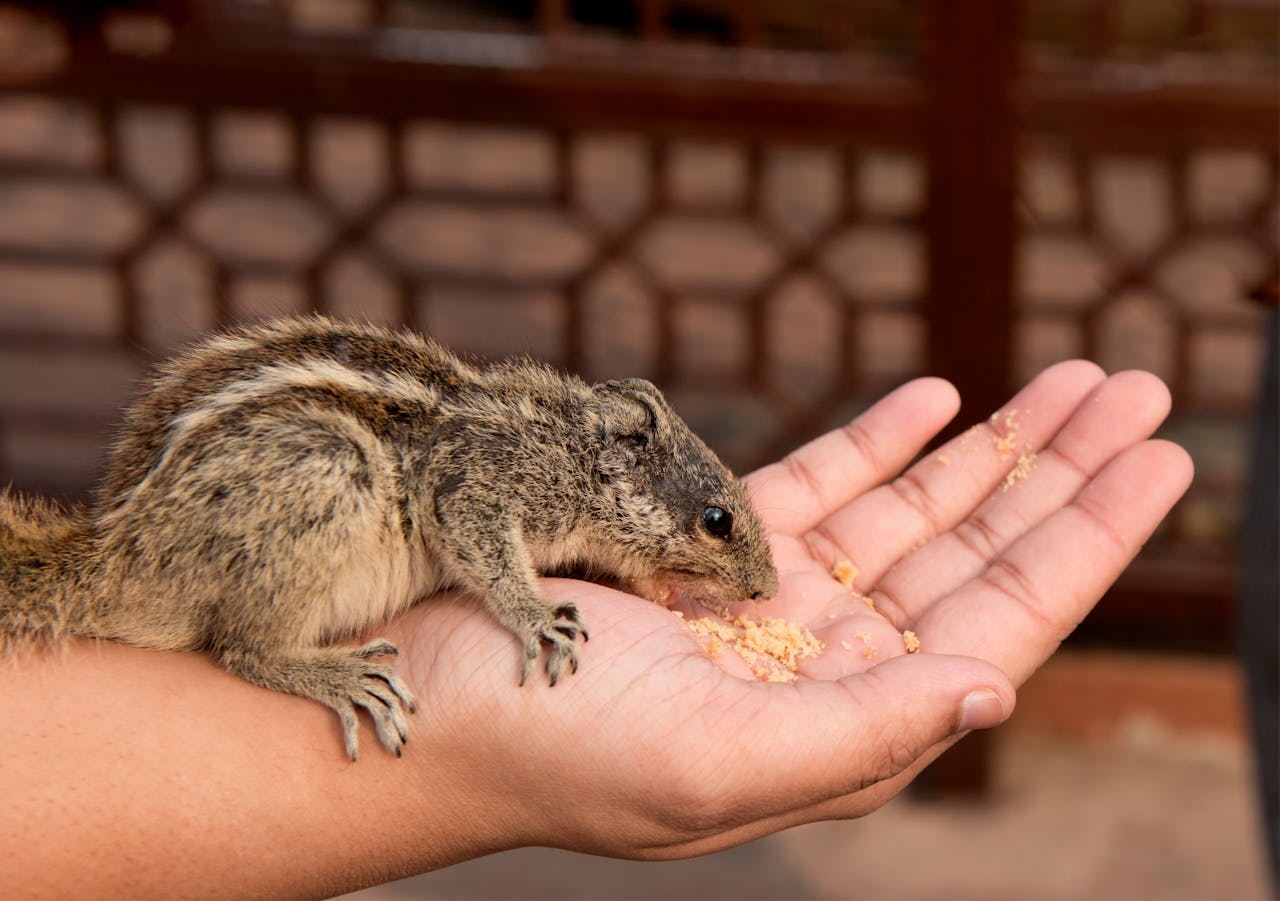
Mumbai’s civic bylaws have increasingly been used to curb feeding animals or birds in non-designated areas. News reports describe enforcement drives where individuals were fined ₹500 for feeding pigeons or other animals outside approved spots, as officials argue that grain piles draw rats, block walkways, and worsen sanitation around dense housing. The tension is real in a city with long feeding traditions, yet the rule’s framing is practical: kindness that reshapes public space, triggers complaints, and lands in a fine ledger instead of a blessing It asks people to move care into designated, managed places, now.
Thane, India: Crackdown On Feeding Seagulls
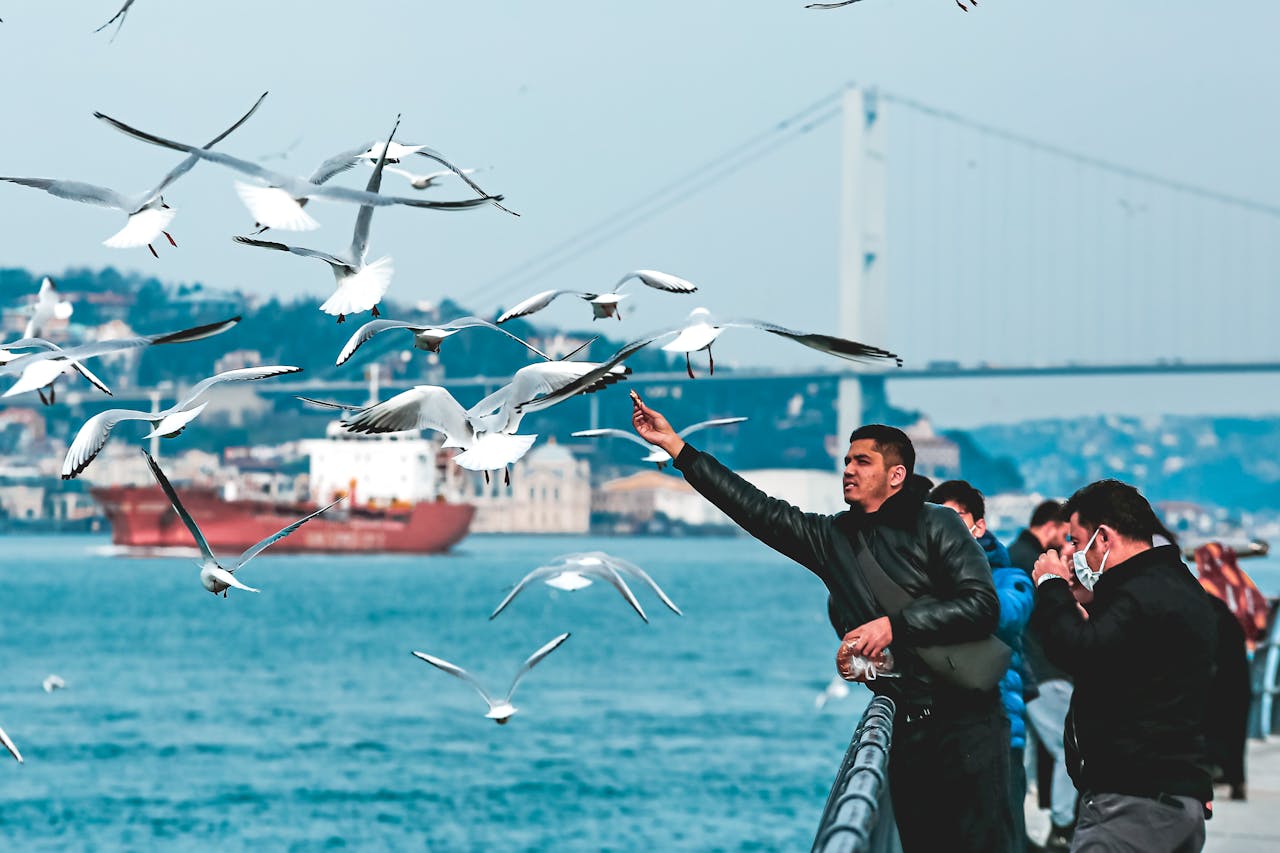
In Thane, feeding seagulls has drawn enforcement when it encourages crowds and processed snacks along the waterfront. Local reporting describes joint action by the municipal corporation and the forest department, including ₹500 fines issued to people caught feeding the birds. The concern is behavioral: repeated handouts pull gulls into human routines, scatter wrappers and crumbs, and push birds to beg aggressively near traffic, boats, and evening walkers; over time, the flock grows accustomed to people as a food source, and the cleanup bill lands on the same neighborhoods that once came for a quiet view nightly.
Key West, Florida: Feral Chicken Feeding Ordinance
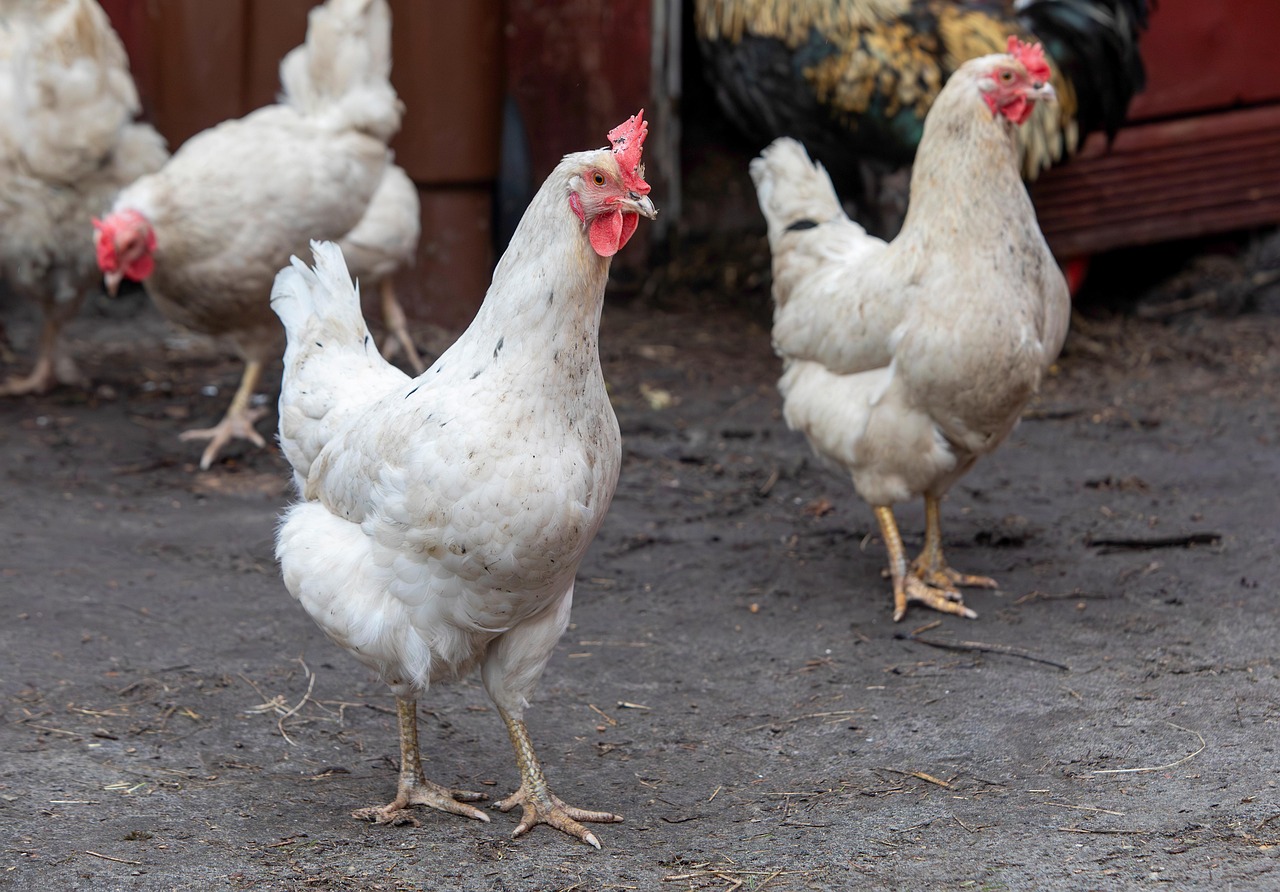
Key West’s roaming chickens are a postcard detail, but the city has treated feeding them as a public nuisance issue. Multiple reports on the ordinance describe fines of $250 per day for a first violation and $500 per day for repeat violations, a structure meant to stop habitual feeders rather than penalize a single mistake. The policy is tied to sanitation and property impacts: easy food concentrates flocks in tight pedestrian areas, increases droppings on stoops and patios, and keeps the birds from dispersing naturally through the neighborhood grid It is a reminder that iconic animals still live in shared space.
Hawaiʻi County, Hawaiʻi: Bill 51 And Feral Animals

On Hawaiʻi Island, Hawaiʻi County’s Bill 51 targets feeding stray or feral animals on county property, covering cats, chickens, pigs, goats, and more. Local reporting and the bill text describe a $50 fine for a first violation and up to $500 for subsequent violations, with the measure set to take effect in January 2026. The rule sits in a tense space between ecosystem protection and community caretaking, which is why it drew heavy testimony; it turns an everyday act into something regulated, debated, and watched in parks and public lots. The stakes feel personal because the animals are familiar faces to locals.!