
At old diner counters, school cafeterias, and county fair stalls, food once followed a familiar rhythm: richer fry oil, runnier eggs, raw-juice stands, and burgers cooked by instinct. As outbreak data, lab testing, and legal scrutiny grew, safety agencies rewrote the rules of everyday eating. The changes protected public health, yet they also erased tastes and rituals tied to family memory. In homes across America, arguments moved from kitchen tables to comment sections, then back again at dinner. Ever since, each new requirement reopened the same argument between comfort and caution, and the complaining has never faded.
Trans Fat Phaseout Ended the Old Fryer Taste

The FDA’s move against partially hydrogenated oils changed more than a label panel. After the agency said PHOs were no longer generally recognized as safe, deadlines pushed reformulation across chips, pie crusts, frozen dough, and frosting tubs. The health goal was lower cardiovascular risk, but kitchens noticed taste and texture first.
Bakers and snack loyalists said classics lost snap, flake, and that shelf-stable richness tied to childhood memory. Brands adjusted with new fat blends, yet nostalgia kept pulling backward. The policy reduced industrial trans fat exposure, but it also closed a long chapter of flavor consistency.
E. Coli Adulterant Rules Changed Burger Culture

After deadly outbreaks in the early 1990s, USDA treated E. coli O157:H7 in raw ground beef as an adulterant, shifting inspections and legal risk quickly. Later, six major non-O157 STEC groups were treated similarly for certain raw beef products. What once passed as ordinary risk in pink-centered burgers became a hard compliance line.
Processors tightened controls, testing expanded, and recalls became part of the national meat conversation. Restaurants adjusted cooking norms, and undercooking grew harder to defend. Many households accepted the tradeoff, while longtime burger fans mourned a lost balance of juiciness and trust.
Tenderized Beef Labels Made Steak Simpler and Stricter
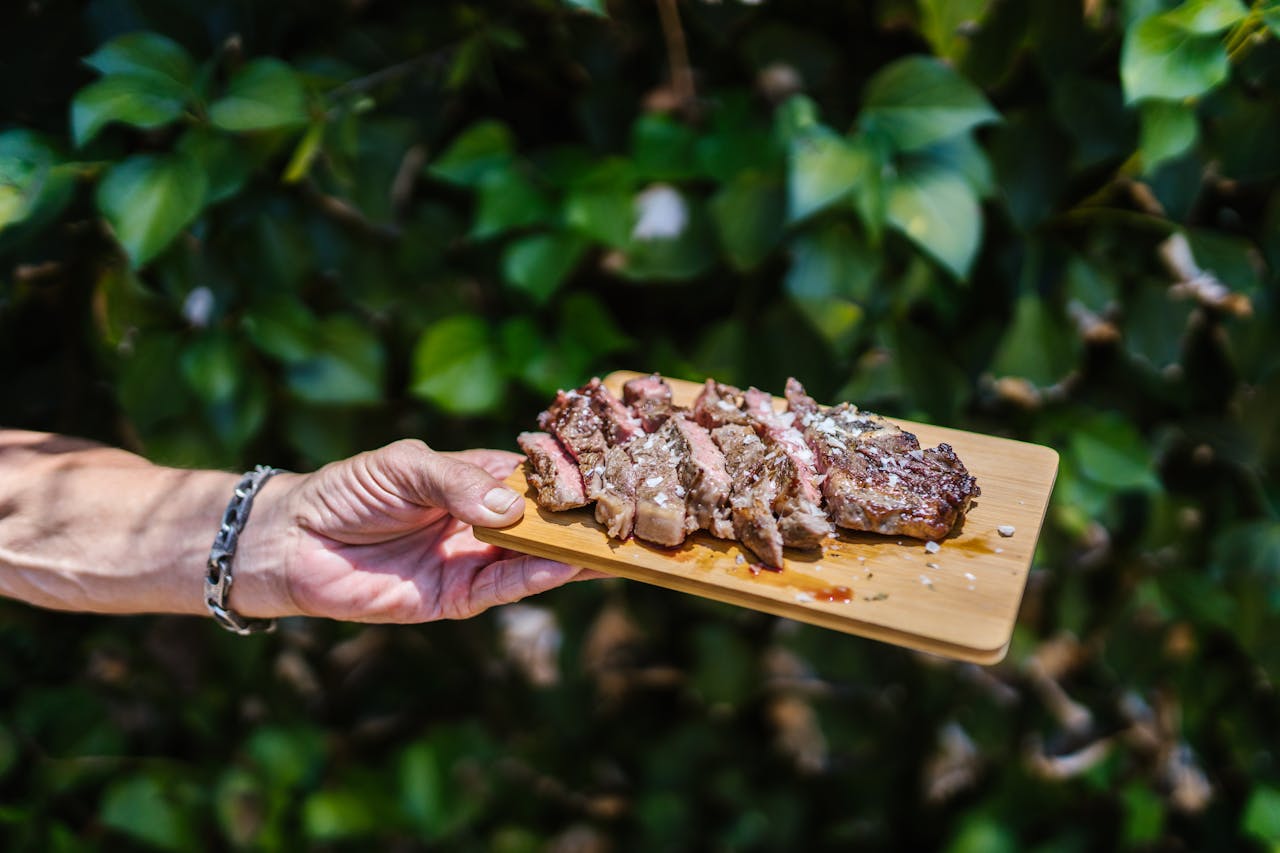
Needle- and blade-tenderized steaks looked intact for years, though surface bacteria could be pushed inward during processing. USDA then required clear tenderization language plus validated cooking instructions with internal temperature targets. A once-hidden processing detail became visible on the package.
For shoppers who loved lightly cooked marinated steaks, the new labels felt like a warning stamped on a comfort food. Retailers rewrote prep advice, and home cooks changed routines to avoid shortcuts. Safety teams praised transparency, while grill traditionalists said a simple dinner now came with technical fine print.
Juice Safety Rules Reshaped Farmstand Cider

The federal juice framework built around HACCP required producers to prove pathogen control rather than rely on tradition and cold storage alone. Rules also required warning language on unpasteurized juice that lacked an equivalent treatment step. Fresh-pressed identity survived, but informal raw-juice selling became tougher in many towns.
Autumn cider culture felt the shift quickly. Farm visitors who once grabbed cloudy, untreated jugs now saw caution text that changed buying habits at the stand. Small makers either invested in safer processing or reduced raw offerings, while communities watched a seasonal ritual fade.
Egg Refrigeration Rules Changed Everyday Handling

Federal egg safety controls required many producers to prevent Salmonella Enteritidis through testing, biosecurity, and refrigeration. The rule set a firm benchmark: eggs must be held at or below 45°F starting 36 hours after lay during required handling stages. Older room-temperature habits narrowed across major supply chains.
In daily operations, transport timing and cold storage became strict for broad distribution. Protection improved, but many shoppers felt local egg culture became less relaxed and more industrial. Complaints focused on cost, stricter refrigeration, and a carton that felt wrapped in compliance language.
Interstate Raw Milk Limits Sparked a Long Culture Fight

U.S. interstate rules made pasteurization the baseline for packaged milk sold across state lines, with narrow exceptions and clear legal limits. That framework did not end raw milk interest, but it constrained how freely older farm milk traditions could enter mainstream commerce. Heritage moved inside a stricter legal box.
Supporters argued milk safety needed consistency, not patchwork standards. Critics said the shift sidelined small dairies and flattened regional flavor culture. The argument still runs hot: one side cites preventable illness risk, while the other cites food choice, rural identity, and memory tied to fresh milk.
The 60-Day Raw Milk Cheese Rule Narrowed Some Styles

For certain cheeses made with unpasteurized milk, federal standards have long required aging at not less than 35°F for at least 60 days before sale. The goal was pathogen reduction, yet the rule narrowed how some soft, expressive traditions could legally reach market. Many artisans saw a broad rule applied to nuanced craft.
Producers seeking bright, young raw-milk profiles had to redesign recipes, extend cave time, or switch process paths. Fans said some intensity and texture softened along the way. Regulators prioritized caution, makers prioritized character, and shoppers kept choosing between consistency and old-world depth.
Sprout Rules Turned a Trendy Add-On Into a Risk Debate

Under FSMA, sprouts received scrutiny because warm humid growing conditions can rapidly amplify dangerous microbes. Federal produce safety rules include written sampling plans and pathogen testing of spent irrigation water or sprouts before a lot enters commerce. A trendy salad-bar topping became one of the most watched fresh foods.
Restaurants and retailers reduced raw sprout options, especially in settings serving higher-risk groups. Public health advice kept warning that some people should avoid raw sprouts entirely. Fans called it overreach, yet outbreak history kept pressure high, leaving a food loved but managed with caution.
Retail Food Code Changes Remade Delis and Institutions

Retail food code practices pushed two visible changes: strict date marking for ready-to-eat refrigerated TCS foods, and tighter rules in places serving highly susceptible groups. The date-marking standard ties many prepared foods to a 7-day refrigerated window to help control Listeria growth.
Hospitals, nursing homes, and similar facilities faced stronger limits on raw or lightly cooked animal foods, including pasteurized eggs and exclusion of raw seed sprouts. Menus became safer, but less nostalgic. Complaints about flavor, texture, and waste continue, yet core logic is direct: vulnerable people should not carry preventable risk.