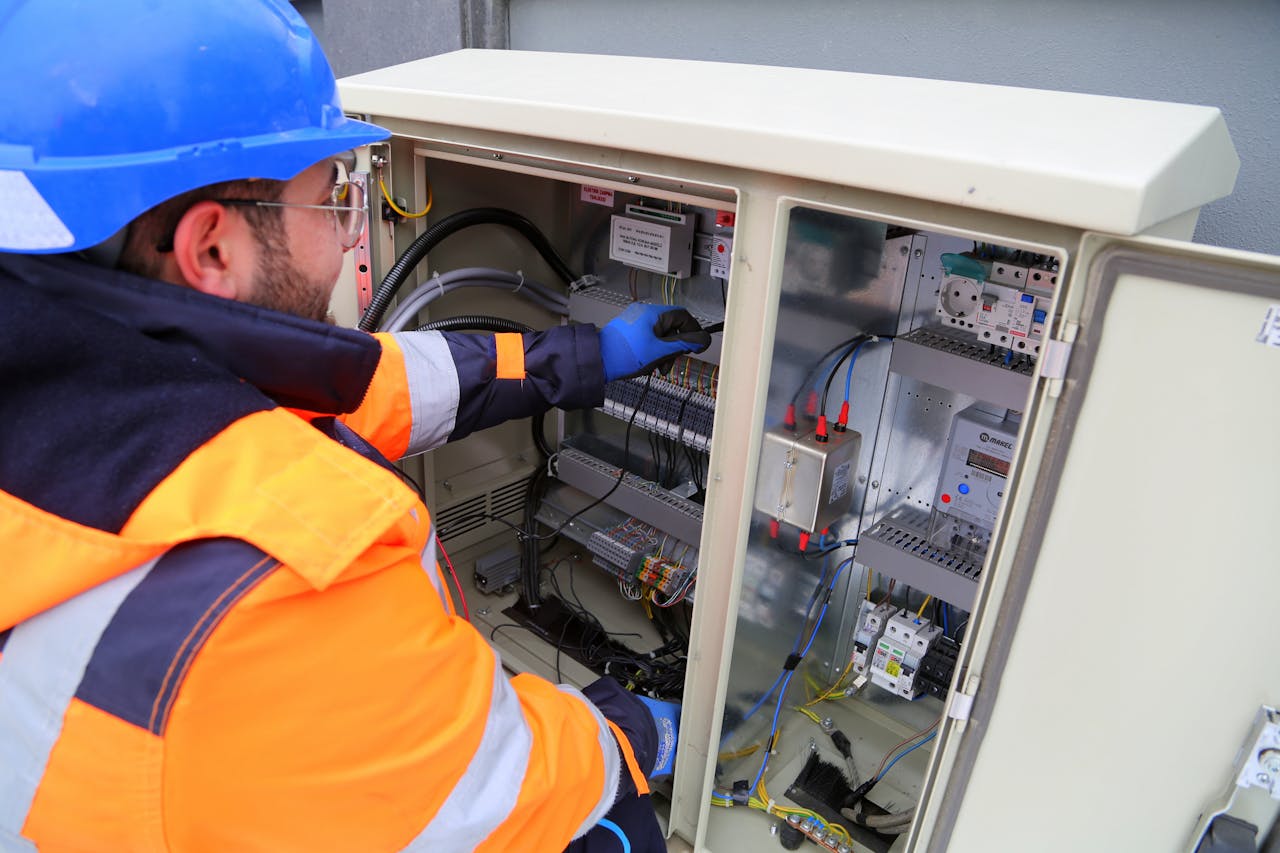
Electrical add-ons tend to start with good intentions: a new freezer in the garage, brighter work lights, a heated bidet, a DIY EV charger, or one more outlet behind the TV. Problems begin when quick fixes become permanent wiring, boxes get buried, and protective devices are skipped because nothing trips right away. The National Electrical Code is built around heat control, secure connections, and predictable shutdowns. When those basics get bent, small upgrades can quietly become ignition sources. Inspectors see these errors most in garages, kitchens, and basements where new loads pile onto old circuits quietly.
Daisy-Chained Power Strips Behind Furniture
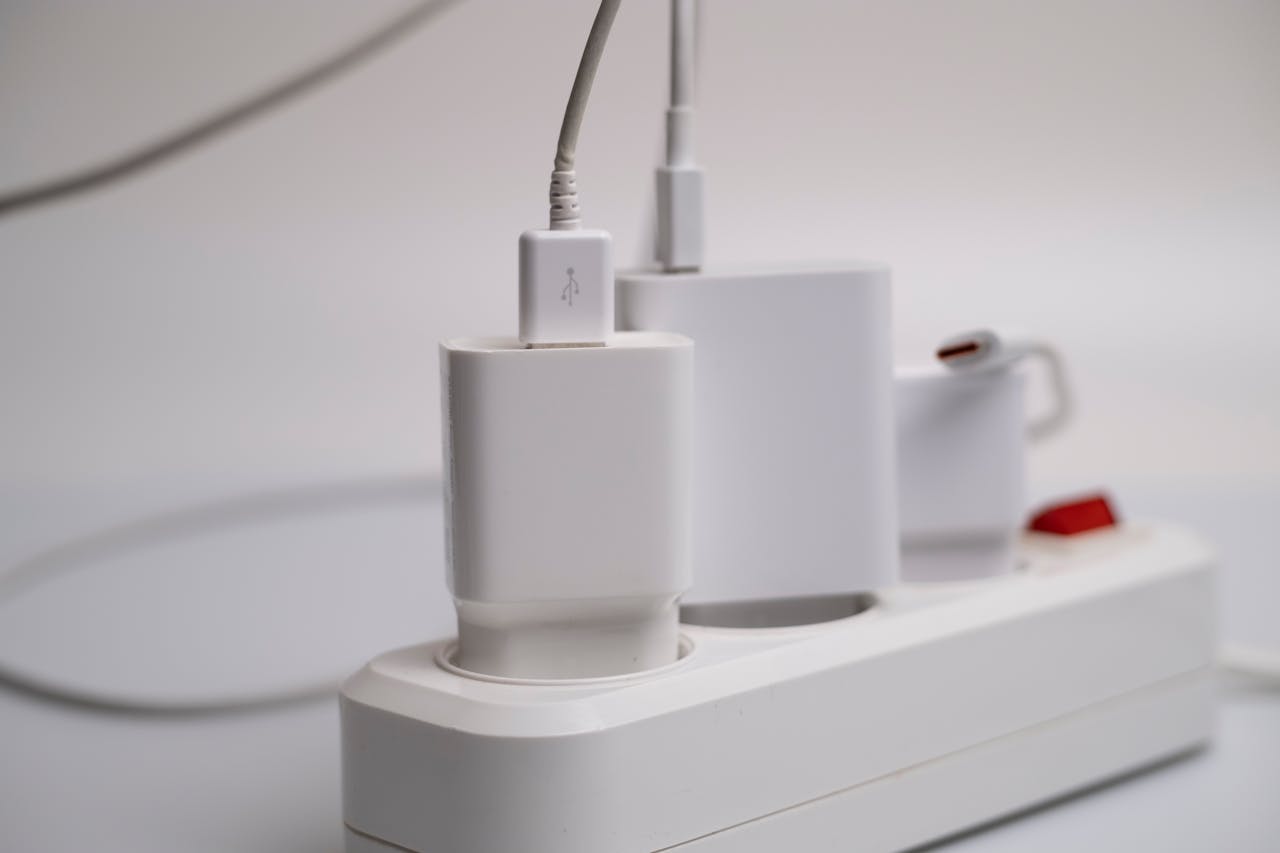
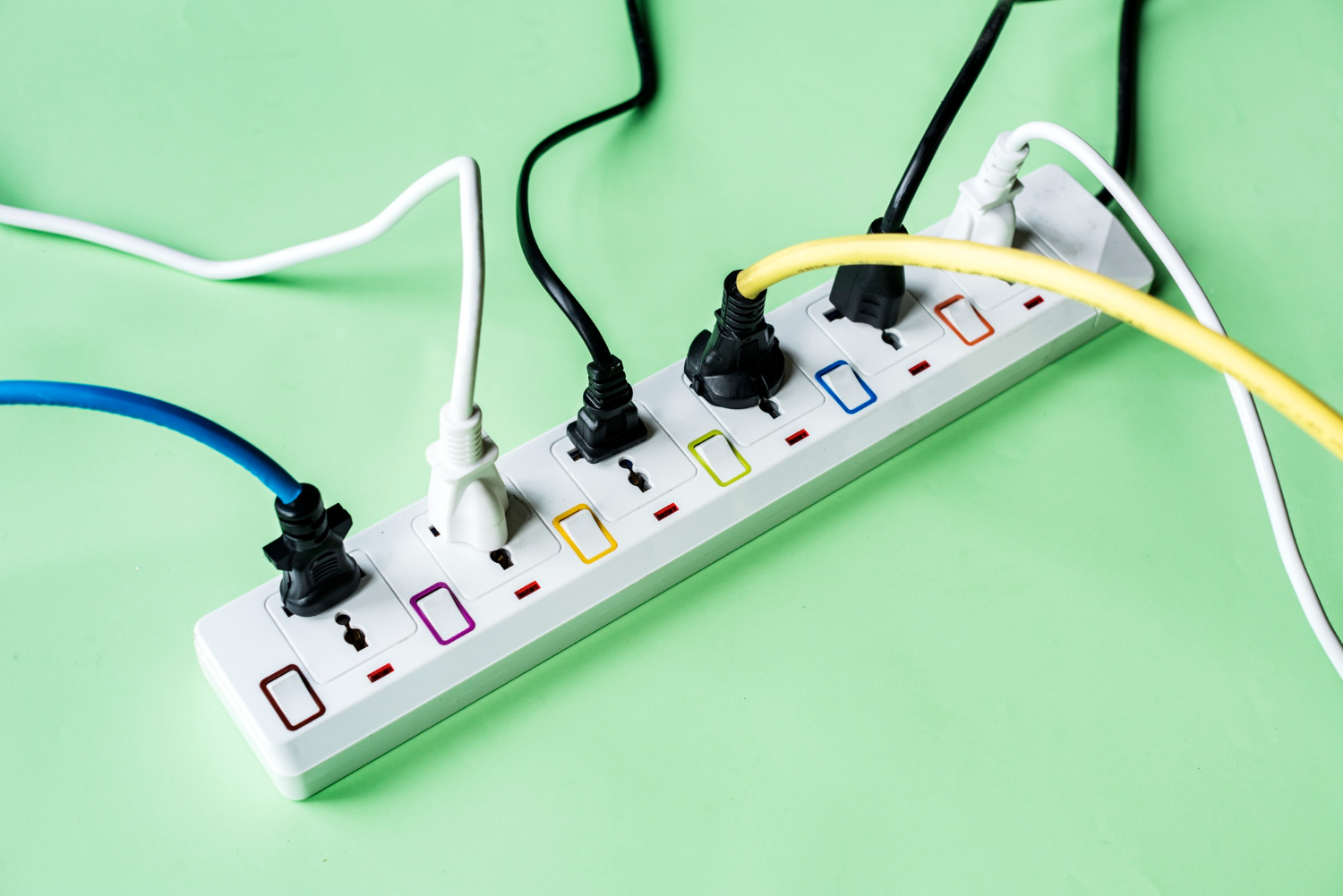
Power strips are meant for temporary, movable use, yet they often become permanent infrastructure behind TVs and desks. When strips are daisy-chained, tucked under rugs, or pinched behind furniture, heat builds at plug blades and weak connections, especially with space heaters, gaming PCs, or mini fridges.
The hazard is not only overload; it is loose contact that arcs under steady current. Most strips are rated for 15 amps in ideal airflow, not a dusty corner. A warm plug or faint buzzing is a warning, not a quirk.
A safer fix is adding a properly wired receptacle and keeping high-draw devices on dedicated circuits.
Extension Cords Hidden in Walls or Ceilings
A common shortcut is running an extension cord through a wall, ceiling tile, or doorway to feed a new outlet location. That cord was never designed to be hidden, protected from nails, or kept cool in a cavity.
Insulation and framing can trap heat, and the cord jacket can get nicked without anyone noticing. Plugs also loosen over time, turning a connection into a high-resistance hot spot. If the cord is used to supply a fixed receptacle, the setup effectively becomes unlisted wiring.
The code intent is simple: permanent power should be provided by approved cable in an accessible pathway, with boxes at every termination.
Breaker Upsizing Without Wire Capacity

Fire-risk add-ons often start at the panel, where a breaker gets upsized to stop nuisance trips after new loads appear. That move can defeat the protection the conductor was sized for and hide a capacity problem.
If 14-gauge wiring is protected by a 20-amp breaker, the wire can overheat in walls long before the breaker reacts. A receptacle rated for 15 amps can also become the weak link, with terminals that cook under high draw. Heat damage tends to show up at the first loose screw, not last outlet.
The safer path is matching breaker, wire size, and load, then adding a new circuit when demand outgrows what is installed.
Double-Tapped Breakers and Mixed Conductors
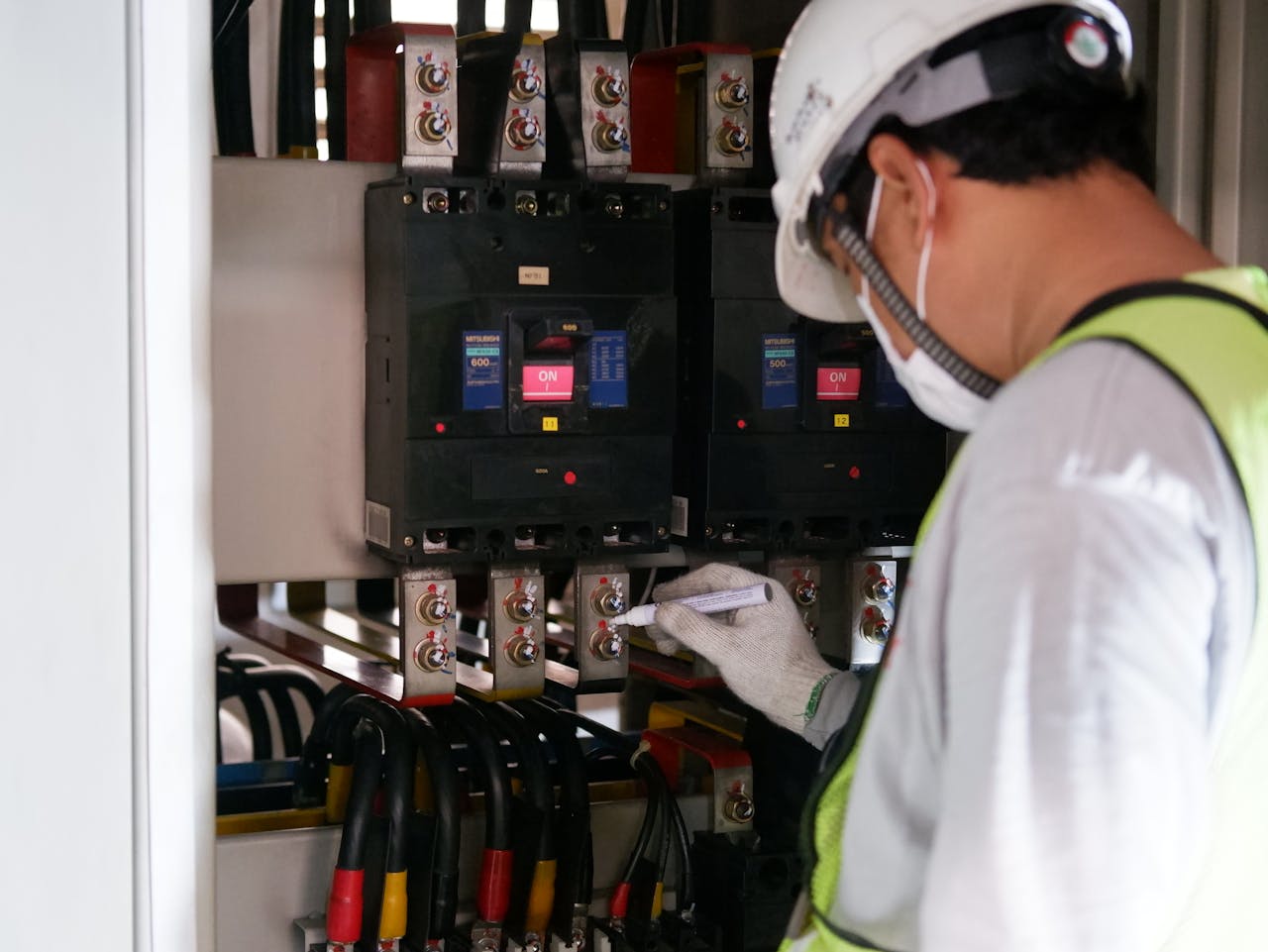
A fast way to power a new run is landing an extra conductor under a breaker terminal that was not listed for two wires. Double-taps often show up after adding a shed feed, cameras, or a receptacle upgrade.
Two conductors can sit unevenly, so one loosens with thermal cycling and starts arcing. A scorch mark or a sharp electrical smell near the panel is often the first clue. Arcing here is especially risky because it can damage the bus and spread heat into surrounding wood.
Correct fixes include moving the new circuit to its own breaker, using an approved tandem where allowed, and tightening terminations to listed torque.
Splices Outside Covered Junction Boxes

DIY add-ons often create hidden splices: a new light tied into an attic run, a fan added where no box existed, or a cut cable repaired mid-span. Sometimes a box is installed, then buried behind drywall or cabinet backs during a fast remodel.
Loose wirenuts and taped connections can separate, then arc against framing or insulation. Even a tidy splice becomes a problem when it cannot be inspected or serviced for years. Metal boxes also need bonding so a fault clears fast.
The code’s intent is containment: every splice belongs in a listed box with proper clamps, enough free conductor, and a cover that stays reachable.
Overfilled Device Boxes After Smart Upgrades
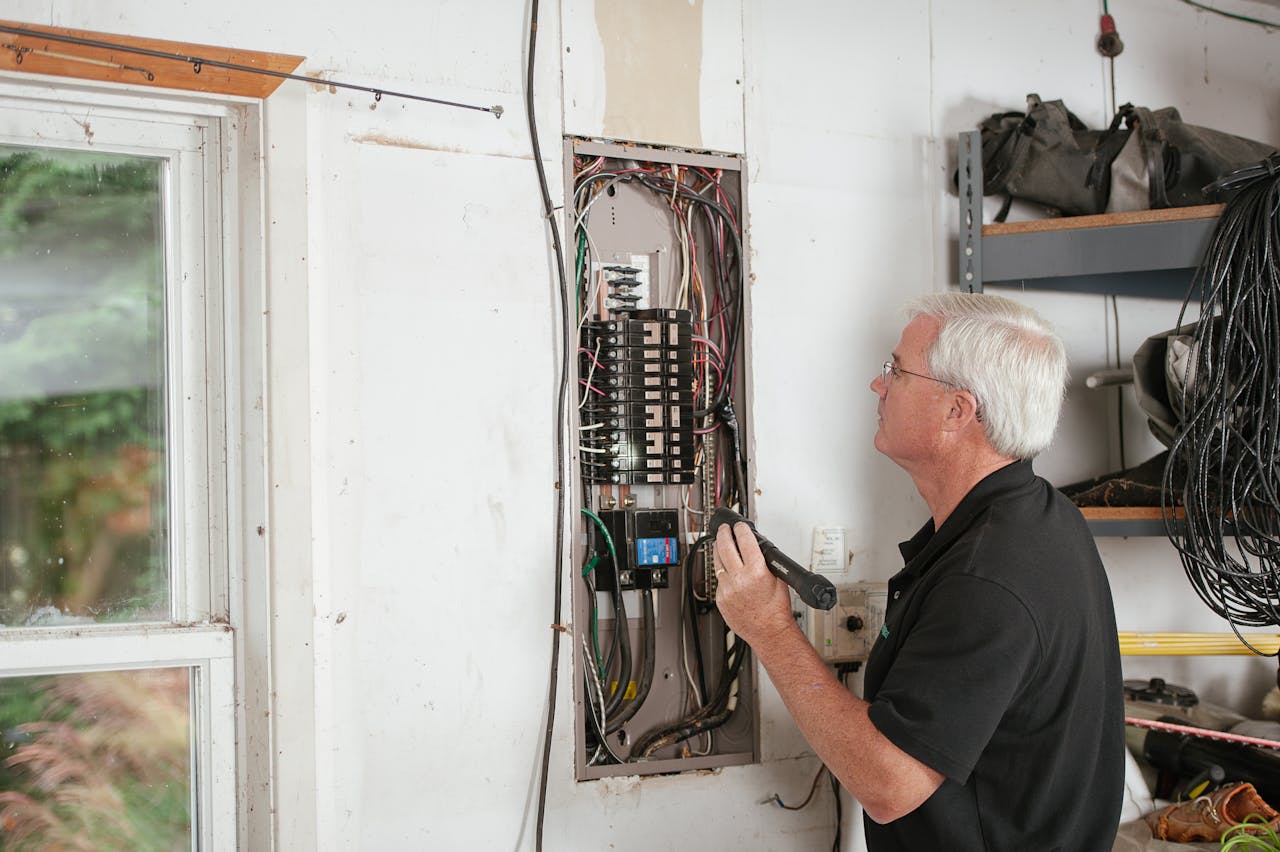
Small upgrades can turn a normal device box into a crowded heat trap. Adding a dimmer, smart switch, or extra cable without increasing box volume leaves conductors bent tight and insulation scraped. Many smart controls also have bulky bodies that reduce working space.
Crowding matters because wires cannot shed heat well when packed together, and device screws can nick insulation. Tight bends also pull on wirenuts, loosening splices until they arc under load over time.
Box-fill rules are about space and safety: use a deeper box, add an extension ring, or move splices to a separate junction box when circuits multiply.
Missing Strain Relief at Boxes and Fixtures
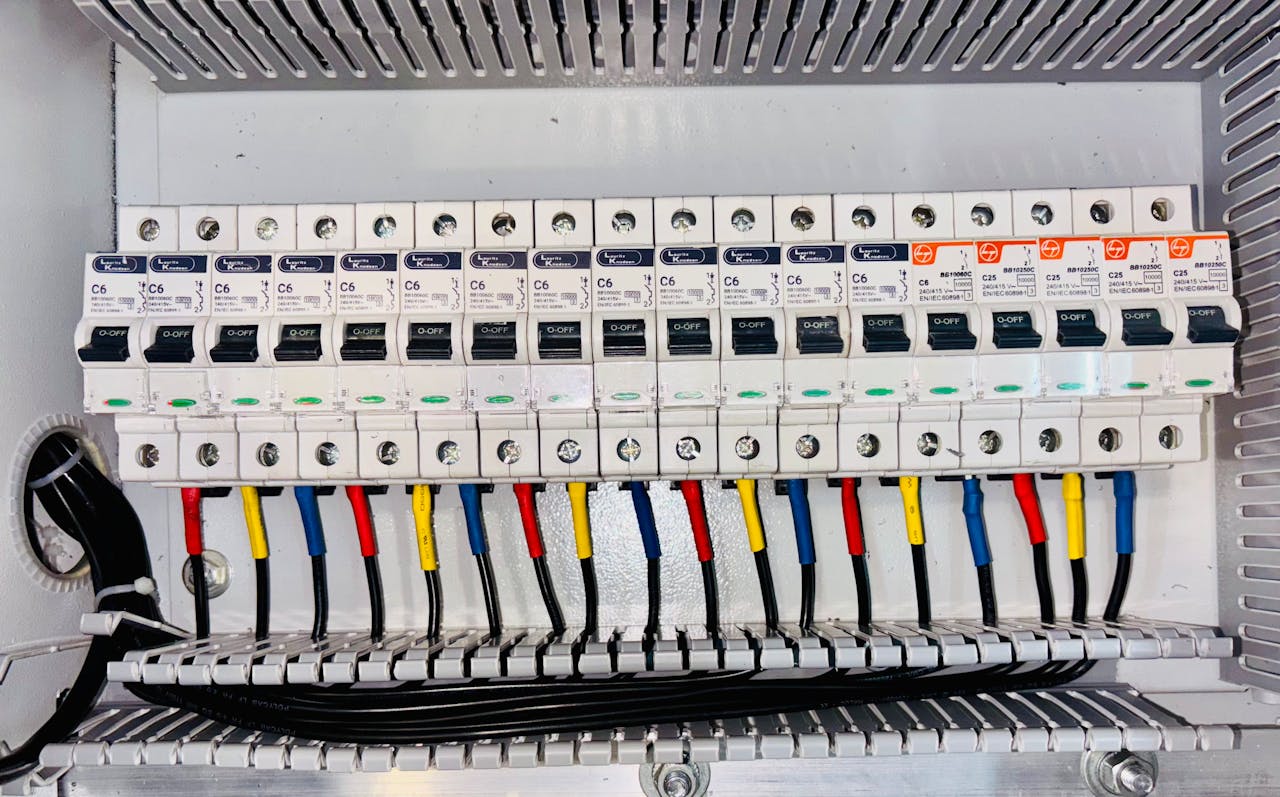
Add-on wiring fails early when cable is not secured and protected where it enters boxes, fixtures, or the panel. A missing clamp or connector lets movement tug directly on terminals, a common issue with ceiling fans and garage installs.
That tugging loosens screws, breaks strands, and turns a normal load into a heating point. Sharp knockout edges can also slice insulation, especially in older metal boxes. The failure can start as flicker long before smoke.
Good workmanship is the intent: use listed connectors or bushings, support cable at proper intervals, and leave slack so service work does not stress conductors.
No GFCI Protection in Wet or Outdoor Areas
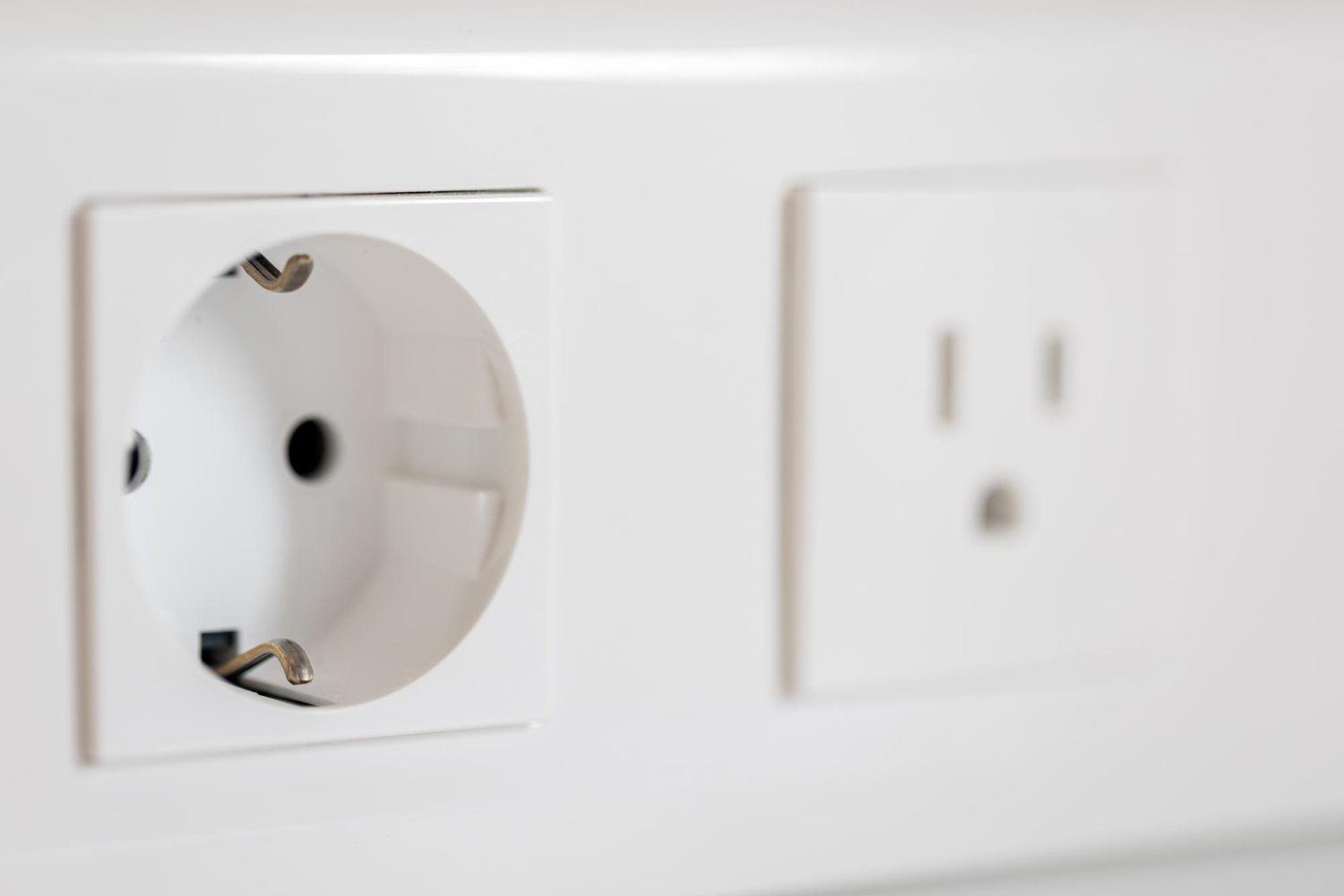
Convenience upgrades often add outlets in places where moisture, concrete, and outdoor air raise shock risk. Garage freezers, patio TVs, sump pumps, and string lights push these circuits hard.
When GFCI protection is missing or bypassed, a fault can energize housings or wet surfaces without tripping a standard breaker. Improper replacements, like installing a non-GFCI receptacle on a protected circuit without labeling, also confuse future troubleshooting.
The code’s goal is fast shutdown: use GFCI devices or breakers where required, keep covers weather-rated outdoors, and maintain clear labels so protection is obvious.
Skipping AFCI Protection After Remodel Work
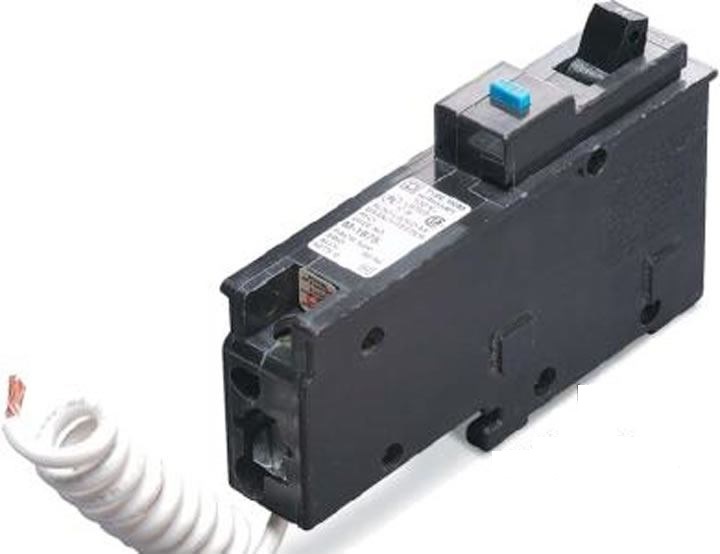
Remodel add-ons can extend older circuits into finished basements, bedrooms, or dens without adding arc-fault protection that modern codes typically require. The work may pass a quick function test, yet still lack a key layer of fire defense.
AFCI devices are designed to detect certain arcing patterns from damaged cords, loose terminals, or pinched cable in walls. Without that protection, a small arc can persist long enough to char wood or ignite dust.
When new outlets or lighting are added in living spaces, upgrading the circuit with AFCI protection and solid terminations helps the entire run behave more predictably.
Bootleg Grounds and Neutral-Ground Bonds
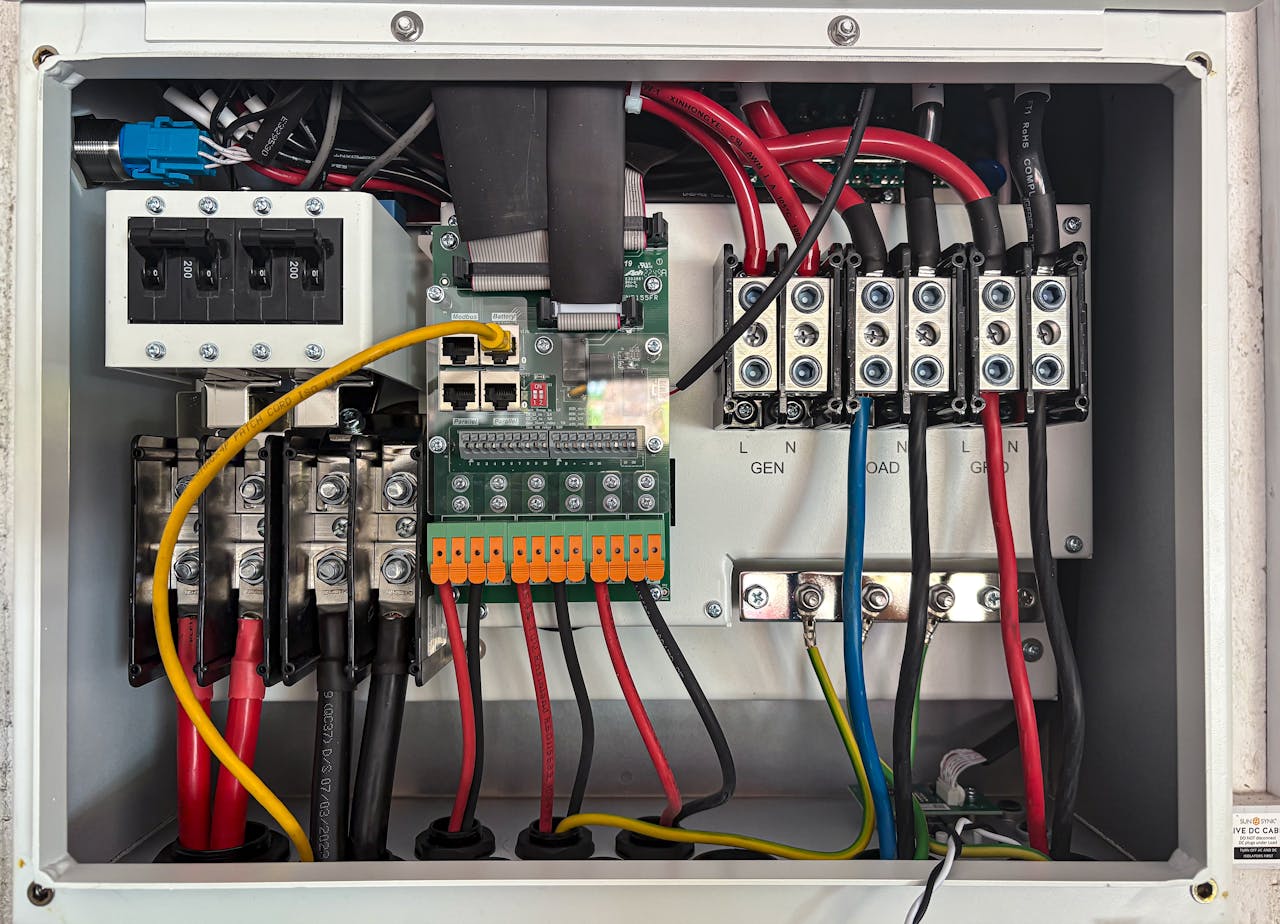
Some add-ons try to fake a grounding path, often when a two-prong receptacle is replaced for a three-prong version. A bootleg ground ties neutral to the ground screw, making a tester look happy while leaving real danger in place.
Neutral carries current, so bonding it to equipment grounding conductors downstream can energize metal boxes and appliance frames. In a fault, the return path may be unpredictable, and protective devices may not clear as intended.
Correct upgrades use an actual equipment grounding conductor, a GFCI with proper labeling where allowed, or a full rewire when the branch circuit is outdated.
High-Draw Loads Added by Adapters
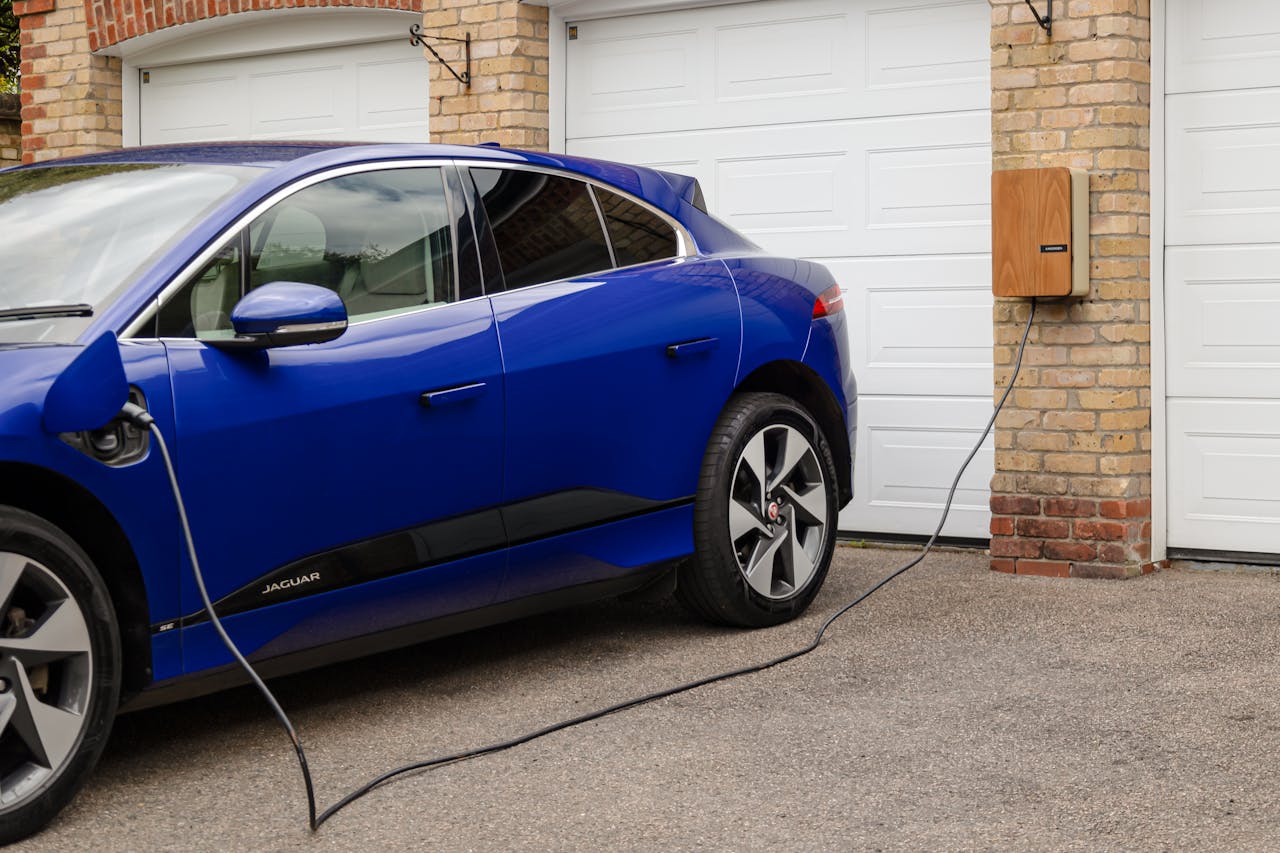
High-draw add-ons like EV charging, water heaters, or workshop welders expose shortcuts fast. A common mistake is feeding a new load from an existing dryer or range receptacle, or using adapters that mask what circuit is actually serving the equipment.
These loads can run for hours, turning marginal terminations into sustained heat. Receptacles may be worn, conductors may be undersized, and the panel may lack the right breaker type for the installation method.
Safe installs usually mean a dedicated, correctly sized circuit, listed equipment, and a permit path that forces proper grounding, bonding, and load calculation.
Electrical work rewards patience and punishes shortcuts. When connections are tight, boxes stay accessible, and protection is matched to the space, homes stay quiet in the best way. For many households, the safest upgrade is a quick audit from a licensed electrician before warmth, odor, or flicker turns into a late-night emergency.