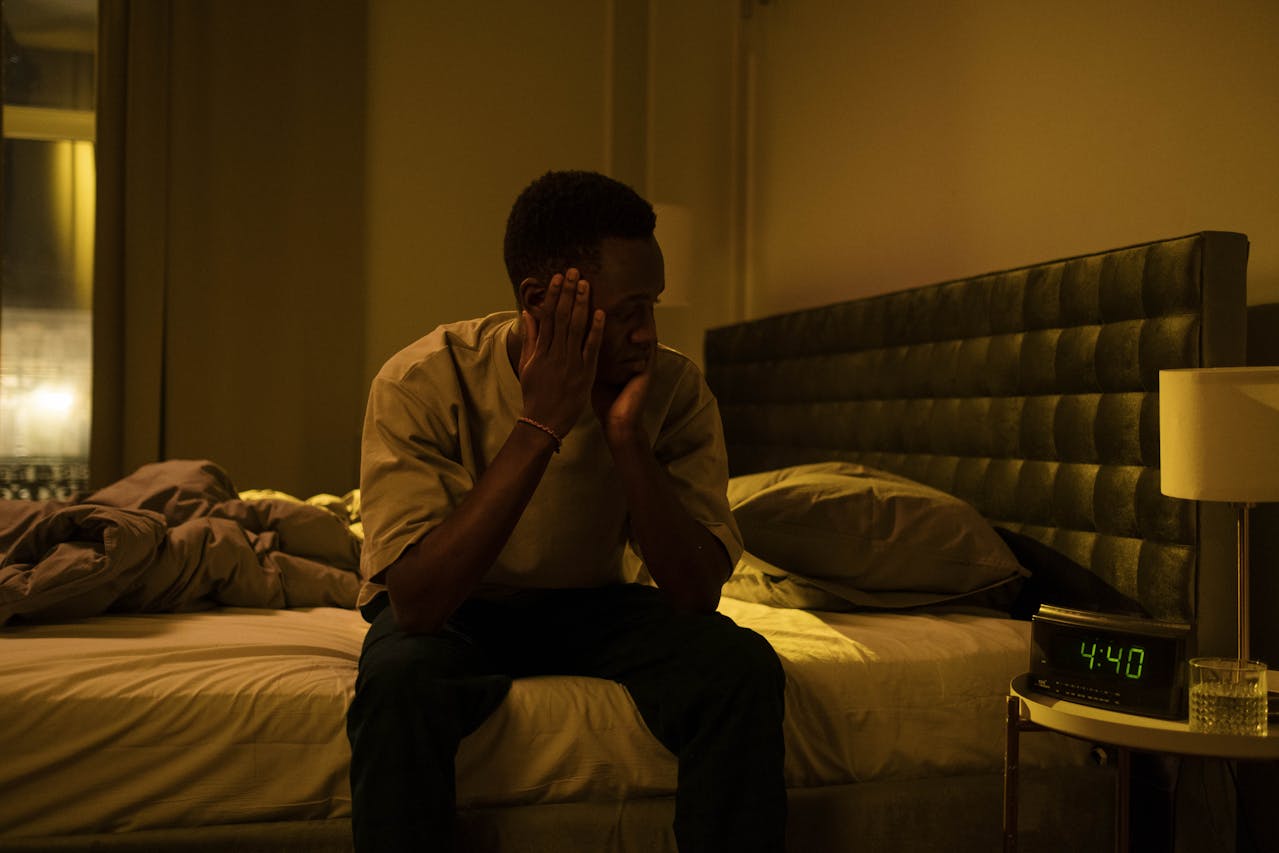
Before alarm clocks and late-night glare took over, many households treated night as a longer ritual with a built-in pause.
People often fell asleep soon after dark, woke for a calm middle stretch, then drifted back into a second round of rest.
They called it first sleep and second sleep, and that language shows it felt ordinary, not like a symptom to diagnose.
In deep winter, the awake interval might last an hour or two, because the dark window was wide and there was no rush.
The goal was total recovery across the whole night, not a perfect eight-hour block with zero waking and zero thoughts.
Today, the same 2am wake up can spark panic, because modern advice sells one unbroken pattern as the only healthy one.
Older routines suggest the wake gap can be natural when light is low and evenings are quiet, even for people who sleep well.
Understanding why the pattern faded reveals how lighting, work, and culture reshaped the night more than human biology did.
First Sleep And Second Sleep
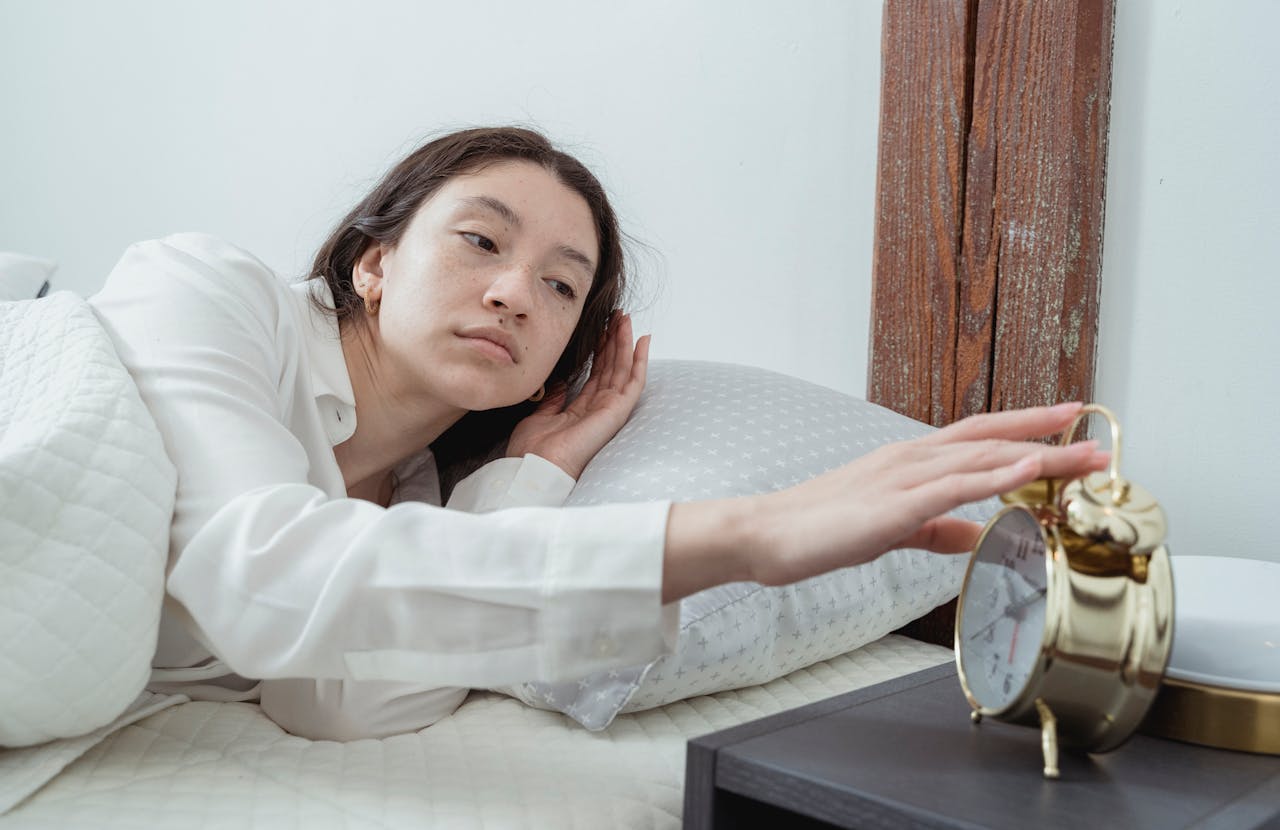
Diaries, sermons, and court notes mention people rising after their first sleep, then returning to bed later.
The phrases were casual, like after supper. That tells us the split night was familiar, not a niche trick.
Because waking was expected, it rarely triggered worry, and worry is often what keeps a brain switched on.
The language matters because it sets the frame. In that frame, a midnight wake is part of the night, not proof you failed.
Darkness Set The Schedule
Without bright indoor lighting, sunset acted like a slow dimmer switch that nudged bodies toward rest earlier.
Candles and oil were not cheap for many families, so light was used sparingly and evenings stayed shorter.
Long winter nights created extra hours that had to go somewhere, so sleep often arrived in two gentler waves.
In summer, nights tightened, and the split could shrink, vanish, or shift, depending on chores and local habits.
Temperature mattered too, because a cooling house can wake a sleeper, and re-warming can invite sleep again.
Noise and safety shaped timing, since rural animals, street sounds, or distant storms could pull people awake briefly.
The brain’s clock reads light cues, and dim evenings keep melatonin higher for longer, supporting earlier drowsiness.
Put together, the environment created a rhythm of sleep, wakefulness, and sleep that felt practical, not exotic.
The Middle Hours Were Used
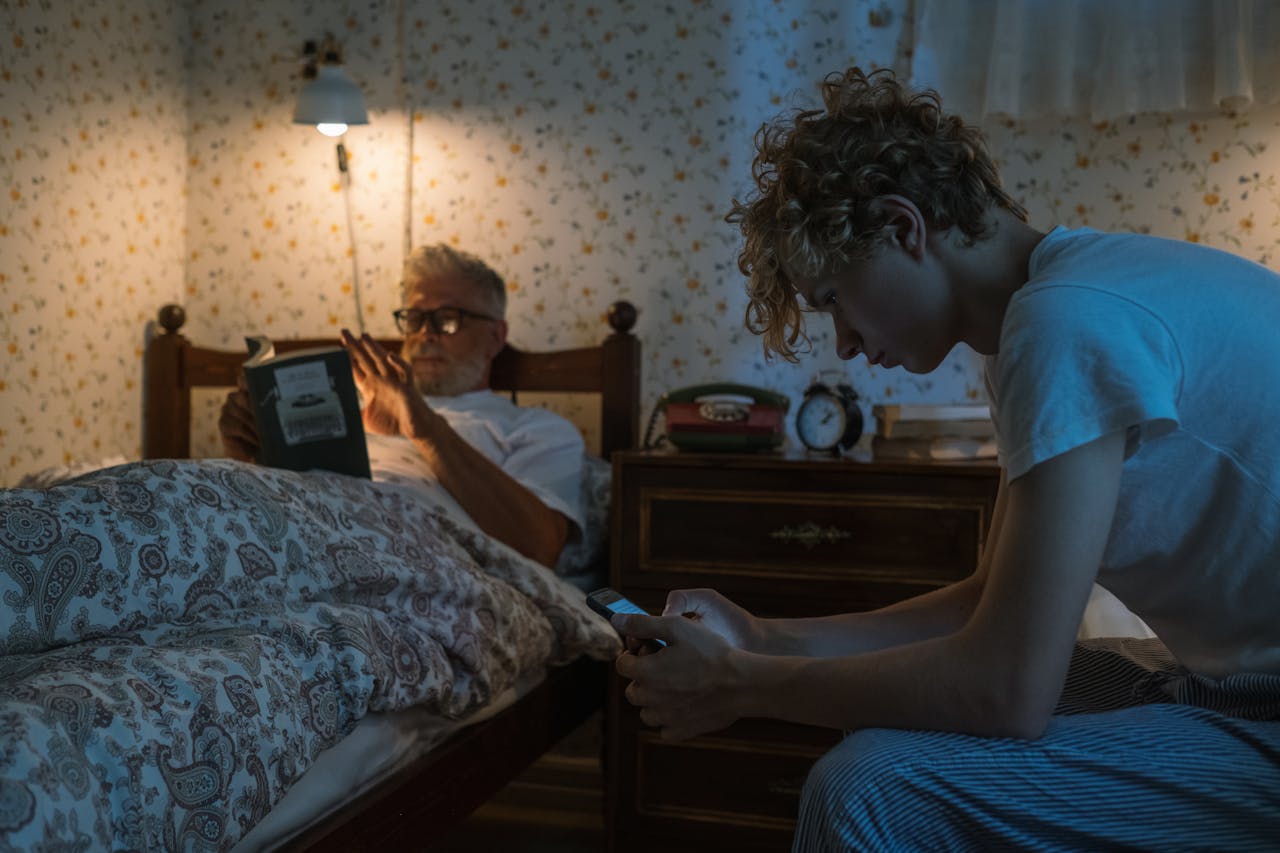
Between sleeps, some prayed, read by a weak flame, or sat with their thoughts while the rest of the home stayed still.
Others checked animals, banked the hearth, or stepped outside, because the gap was a convenient time for small needs.
Couples sometimes used the interval for intimacy, since it was private, unhurried, and not squeezed by morning work.
In close villages, neighbors might talk for a bit, trading news in low voices before everyone returned to bed.
Many did light tasks like mending, spinning, or preparing food, work that fit a short window and did not need daylight.
That pause also let dreams linger, making the night feel like a story with a chapter break rather than a hard stop.
When the wake time was treated as normal, it could feel restorative, but fear and clock watching can flip it fast.
Lighting Changed The Night
Public street lamps and brighter homes pushed social life later, stretching evenings into hours that used to be dark.
As bedtime moved forward, the natural middle gap got squeezed, because there was less night left to divide.
Cheaper fuel and better lamps made darkness less powerful, so people worked, visited, or read long after sunset.
Night gradually became a time for activity, so sleep had to compress into one cleaner block to fit the new schedule.
Once the evening expanded, the idea of pausing at midnight started to feel inconvenient, even if it still happened.
The Factory Clock Finished The Shift
Industrial jobs demanded fixed start times that ignored seasons, so sleep had to line up with the whistle and the gate.
Punctuality became a virtue, and flexible rest became a liability, especially for workers who could not arrive late.
At the same time, leisure moved into the evening, so mornings stayed early while nights got brighter and busier.
That mix rewarded staying up, then sleeping hard until the alarm, which discourages a long wake interval in the dark.
Over time, culture learned to see a 2am wake up as suspicious, even though older households would call it normal.
The new standard stuck, because schools, trains, and offices all reinforced the same rule: sleep must be one block.
Medicine And Anxiety Reframed It
Medical talk slowly recast night waking as a disorder, even when the sleeper’s total rest was still fine.
Guides promoted one solid stretch as the ideal. Once people believed that, a normal wake could feel like danger.
Anxiety raises arousal, and that arousal makes it harder to slide back into sleep after the mind starts scanning.
Two checks help: daytime energy and mood. If those stay steady, the gap may be harmless, even if it looks messy on a tracker.
The Pattern Still Appears
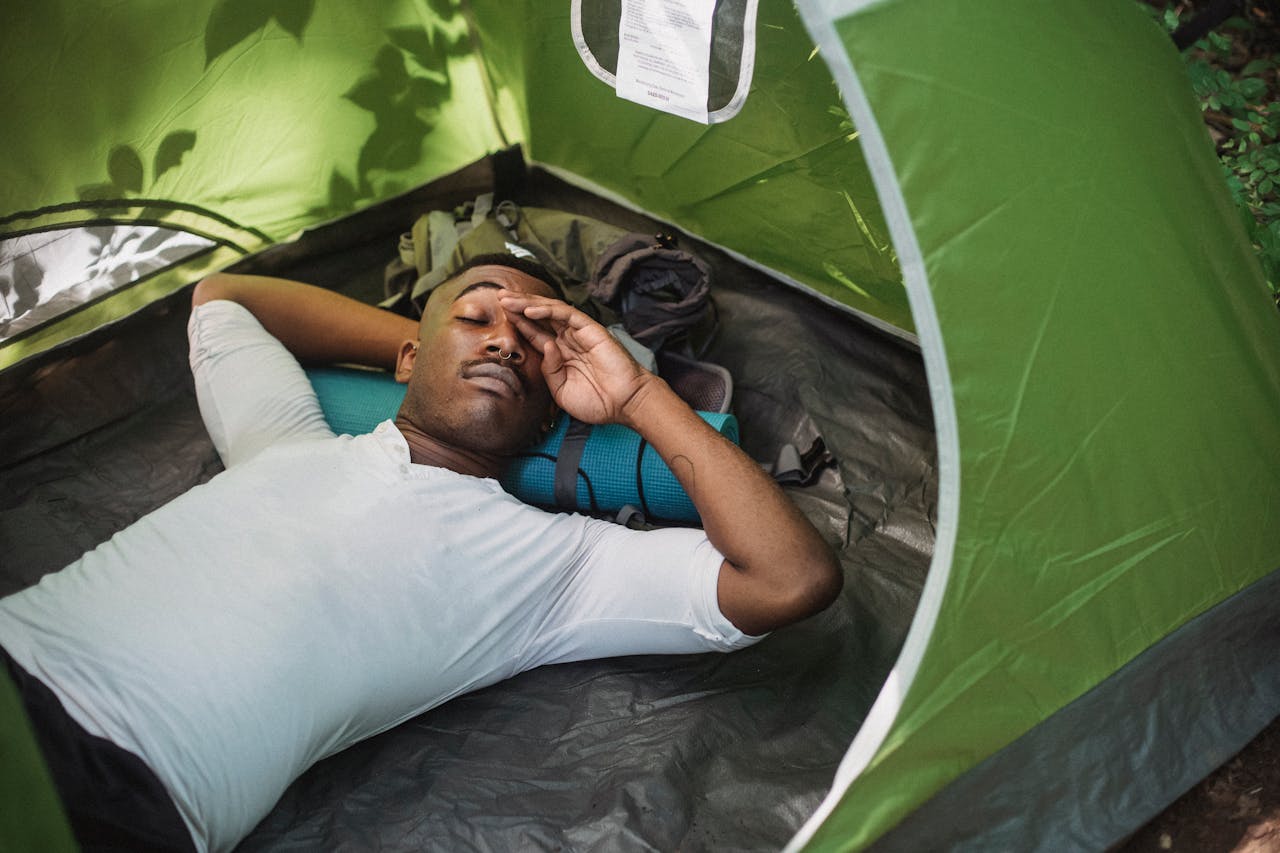
On camping trips or during power outages, many people get sleepy earlier and notice more wakefulness in the middle hours.
Lower light and fewer late tasks can reveal a split night that modern routines usually cover up with stimulation.
Researchers often call it segmented sleep, and it tends to show up when schedules loosen and evenings go dim again.
A Saner Way To Respond
Start with basics such as light exposure, caffeine timing, alcohol, stress, and bedroom temperature. Small shifts can reduce the wake gap.
Then treat the wake as an interval, not an emergency, and avoid clock checking that turns minutes into a threat.
If trouble lasts weeks with daytime impairment, get help. A clinician can separate habits from causes like apnea or restless legs.