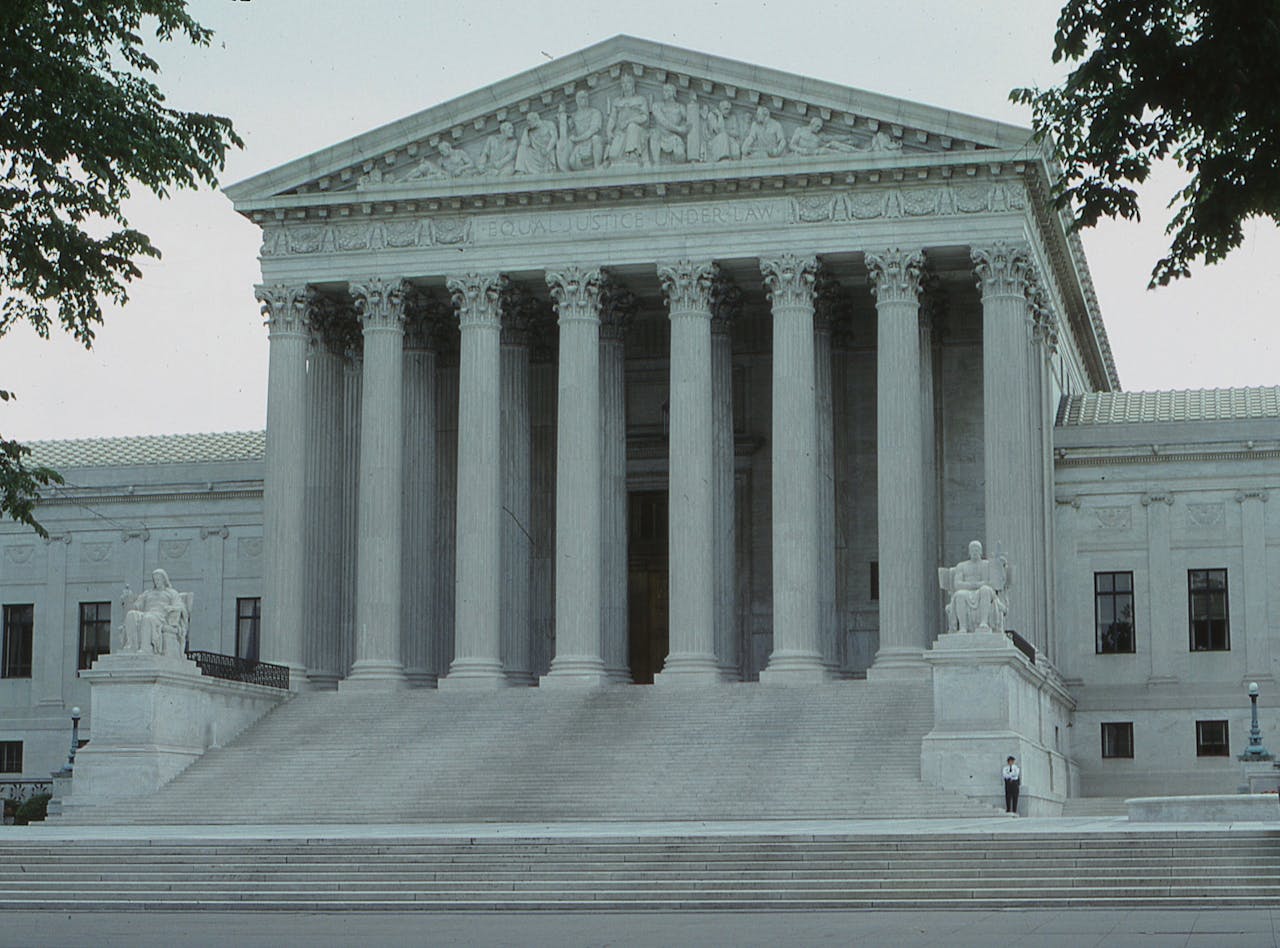
Three years after the Supreme Court expanded the meaning of public carry, the justices are back at a tight, everyday question: when a place is privately owned but open to the public, who sets the default for firearms. A Hawaii law says the answer is the owner, requiring express permission before a licensed person may carry there. Challengers call it a near-total lockout from routine errands. The decision, expected by late June, could reshape similar rules in New York, New Jersey, Maryland, and California. Under the Court’s Bruen test, the case asks whether history supports a default ban without an owner’s yes. Up front.
What Hawaii’s Default Rule Actually Does
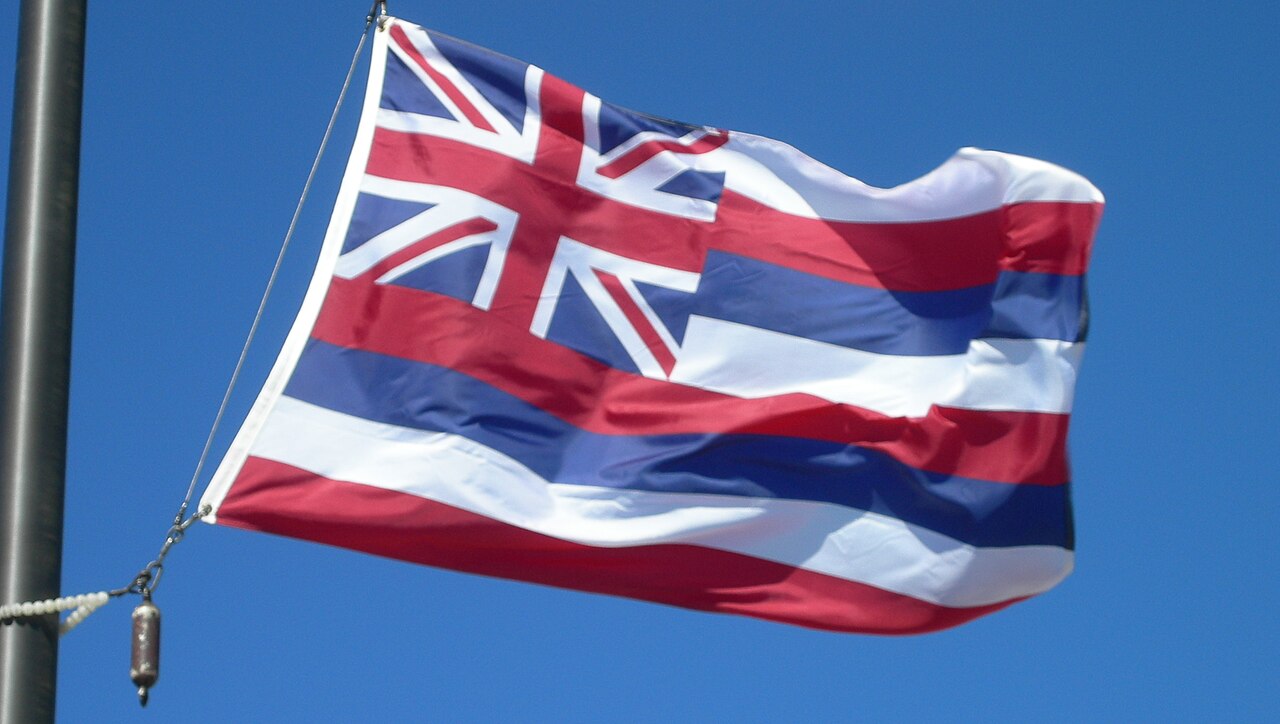
Hawaii’s 2023 statute flips the usual assumption. In stores, malls, restaurants, theaters, arenas, farms, and other privately owned places that invite the public, carrying a handgun is illegal unless the owner, lessee, operator, or manager gives express authorization, such as a posted sign or verbal or written consent. Violations can be a misdemeanor punishable by up to a year in jail. The dispute does not cover public property, where different rules apply. Hawaii adopted the default rule after the 2022 Bruen decision, and it differs from most states that presume carry is allowed unless an owner posts a ban. Clearly.
The Lawsuit’s Human-Scale Example
Three Maui residents and a local gun-rights group say the default rule makes lawful carry feel theoretical. Their lawyer argues that, because so much daily life happens on privately owned land open to the public, the restriction swallows the right. They point to mundane moments like stopping at an ATM late at night or going into a restaurant for lunch, where the absence of a permissive sign becomes an automatic no. They cite an estimate that the rule bars carry in 96.4% of the publicly available land in the County of Maui, and they are asking the Supreme Court to reverse the Ninth Circuit’s approval. Once and for all.
Property Rights Versus Carry Rights
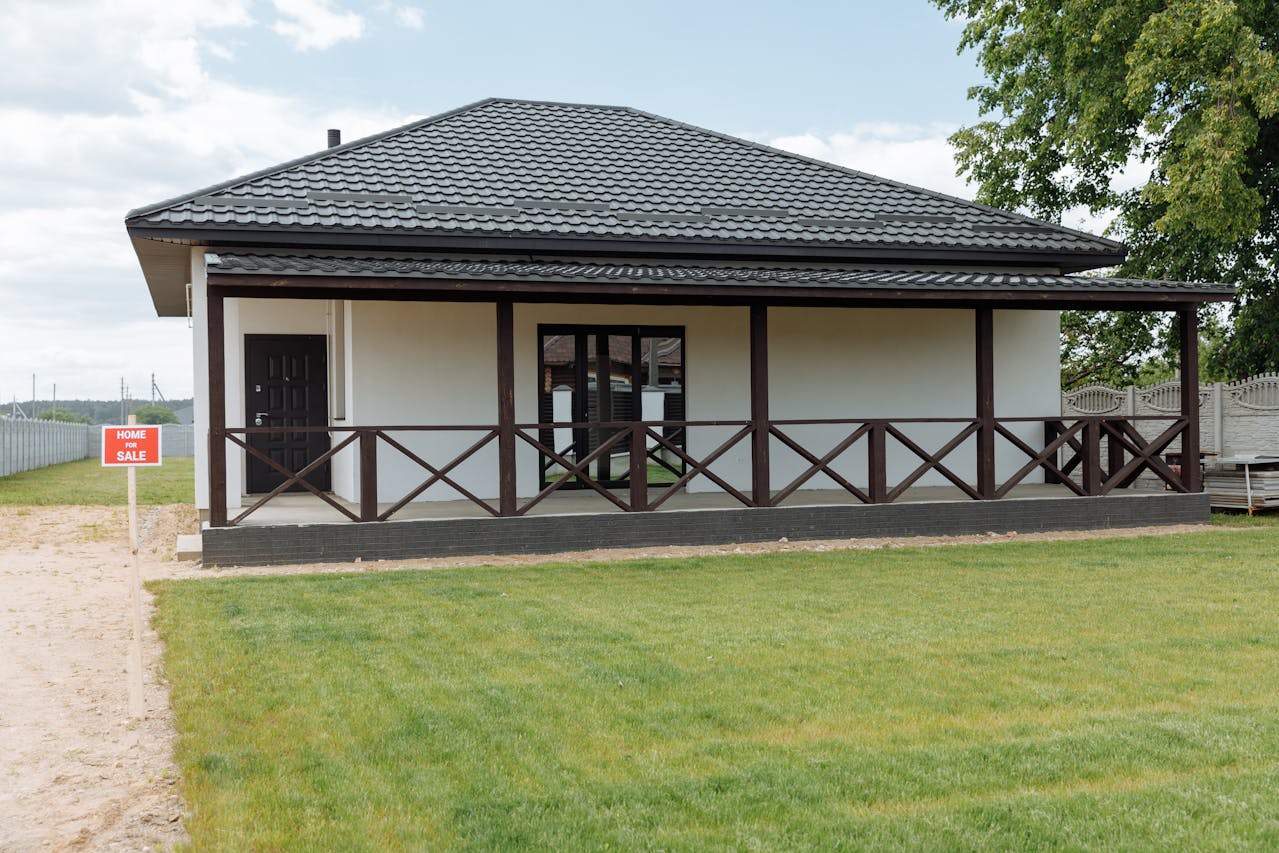
Supporters of the Hawaii rule frame it as property rights made practical. They argue there has never been a general right to enter private property with a firearm without consent, and that the state may set a default that makes exclusion easy. Brady’s chief legal officer has called the approach reasonable because owners should not have to post signs or confront visitors to keep guns out. Challengers flip that logic, saying the burden should fall on owners who want a ban, not on licensed carriers seeking to move through normal commerce. Most states presume carry is allowed unless an owner posts a ban, creating a split.
Why Bruen Keeps Coming Up
The case will be decided through the lens set in 2022’s “New York State Rifle & Pistol Association v. Bruen.” Bruen said courts should first ask whether the Second Amendment’s text covers the conduct, then whether a modern restriction fits the Nation’s historical tradition of firearm regulation. That turns today’s dispute into a search for analogues about arms on private land, and how consent was expressed. Thomas wrote Bruen; that same test now drives an argument that feels very modern. Hawaii says history supports a permission-first default that protects owners. The challengers call the analogues too thin still.
Which History Counts As Tradition
In the briefs, history is treated like evidence, not ornament. Hawaii points to an 1865 Louisiana law and a 1771 New Jersey law as near matches, arguing that early lawmakers sometimes required permission before carrying arms onto certain private premises. The challengers answer that two examples are not a tradition, especially if they were unusual even in their own time. The Ninth Circuit sided with Hawaii, holding that a national tradition likely exists of prohibiting carry on private property without the owner’s oral or written consent. The Supreme Court will decide whether that history is enough to set a default today.
Not a Sensitive-Places Ruling
A key nuance is what the Court is not deciding. The justices agreed to review the permission requirement for private property open to the public, but they declined to review separate Hawaii restrictions for some sensitive places, including certain beaches and bars. The dispute is less about carving out one venue and more about the default in ordinary commerce. Public property is not in play here, and different legal rules apply in those spaces. Even so, it reaches supermarkets, pharmacies, theaters, and shopping centers. Similar rules exist in New York, New Jersey, Maryland, and California. That is why it matters.
A Patchwork Built on Signs and Silence
The fight is really over what silence means. Challengers emphasize that 45 states generally let licensed carriers presume they can enter a business open to the public unless the owner bans guns by sign or direct instruction. Hawaii and the other default-ban states reverse that script, treating every doorway as off-limits unless the owner opts in. In practice, the rule turns signage into a kind of constitutional switch: the same coffee shop can be a lawful stop or a criminal risk, depending on one sentence at the entrance. The Court must decide whether the Constitution requires a permissive baseline or allows permission-first.
Why Other States Are Watching
The ripple effects are built into the map. California, New York, New Jersey, and Maryland have adopted similar permission-first defaults, often after Bruen pushed lawmakers to rewrite carry rules. If the Court strikes Hawaii’s approach, those states could face fast follow-on challenges and may have to lean more on narrower, place-by-place limits. If the Court upholds Hawaii, other legislatures may copy the model, treating silence as a no and making consent signage the next major battleground. Either way, a late-June ruling will change how police, permit holders, and owners read the same doorway across states. Quickly.