In every big destination, the busiest stretch is rarely the landmark. It is the corridor that connects arrivals, shopping, transit, and nightlife, where people pause to check phones, shift bags, and step into traffic while the crowd keeps moving.
These places are not inherently unsafe. They are simply dense and distracting, so small mistakes repeat: a bag set down for a photo, a rushed ticket check, a hasty change of plans at the curb, and a slow turnstile line that tightens everyone together.
With clear meeting points, fewer mid-stream stops, and a tighter carry setup, the same corridors can feel smooth, even during peak hours.
Barcelona: Las Ramblas and Gothic Quarter Lanes
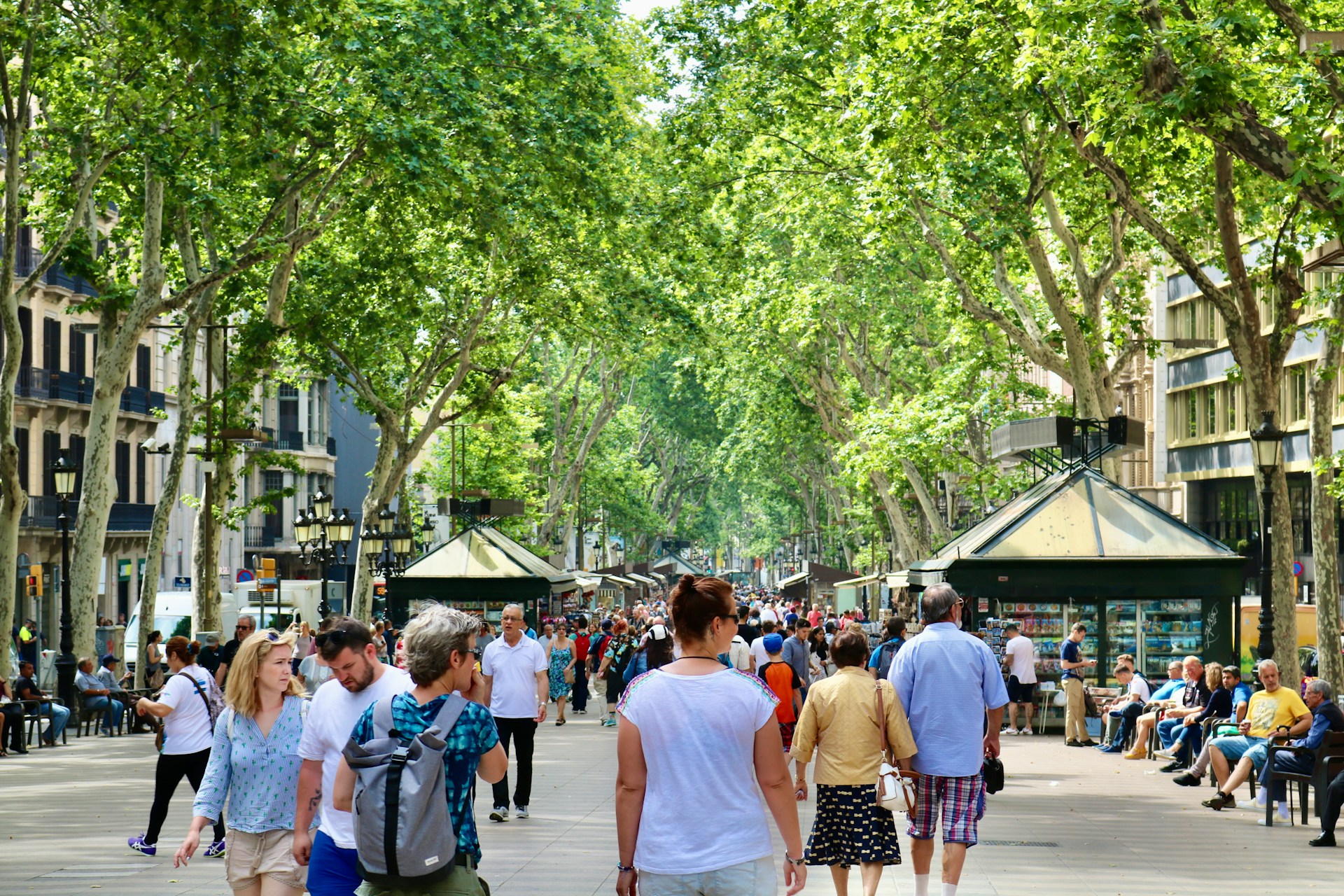
Las Ramblas and the Gothic Quarter lanes carry a constant mix of performers, café seating, tour groups, and sudden photo stops, so the walking stream breaks into choke points all day. Metro stairs, kiosks, flower stands, and crosswalks create moments where attention drifts and hands move to phones.
Crowds cluster near street shows and terrace tables, and that stop-and-go rhythm makes it easy to misplace a wallet, leave a tote half open, or let a bag swing behind the body during a squeeze.
The corridor stays easier when pauses happen inside a doorway or café, routes are checked before stepping back out, and essentials stay zipped and close.
Paris: Chatelet-Les Halles Transfer Spine
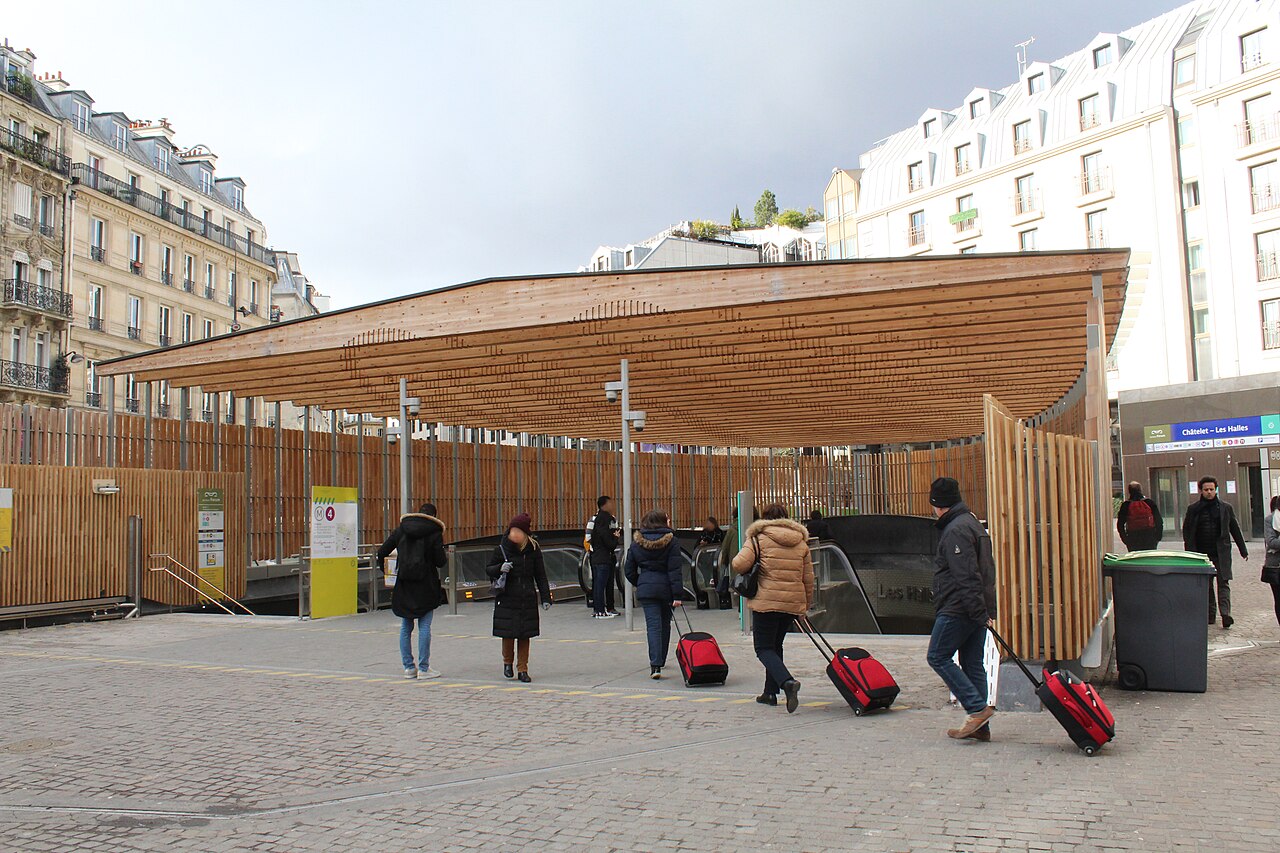
Chatelet-Les Halles is a transfer spine where Metro lines, RER platforms, escalators, and shopping passages stack on top of each other. Visitors with luggage and tickets often slow down exactly where the flow narrows, and the station’s scale can make directions feel slippery on airport routes.
Pressure gathers at turnstiles, stairwells, and platform edges, where shoulders brush, bags get shifted, and attention splits between signs and screens. Those brief squeeze points are where petty theft tends to thrive.
The corridor runs best when the route is decided before entering the busiest passages, and essentials stay secured in one place.
Rome: Roma Termini Arrival Loop
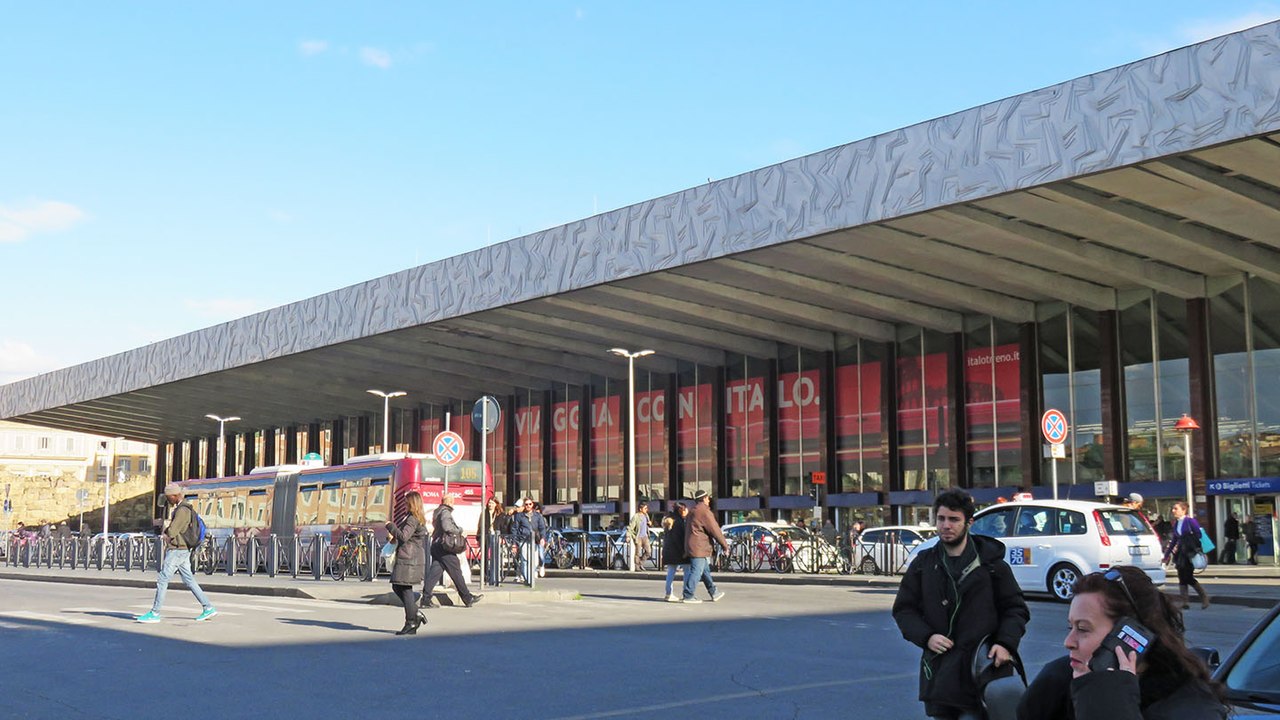
Roma Termini is an arrival loop mixing trains, Metro lines, airport links, tour buses, and rolling suitcases in one churn. The station is large, yet friction concentrates at ticket machines, escalators, and platform entrances where new arrivals pause to orient themselves.
Outside, the first blocks add traffic and uneven pacing, and the temptation to stop mid-sidewalk to plan the next move is strong. That pause often comes with open maps, half-open bags, and attention pulled in three directions.
Arrivals feel calmer when a fixed meeting point is chosen, routes are saved in advance, and valuables stay close until the first quiet check-in.
Istanbul: Taksim Square to Istiklal Avenue
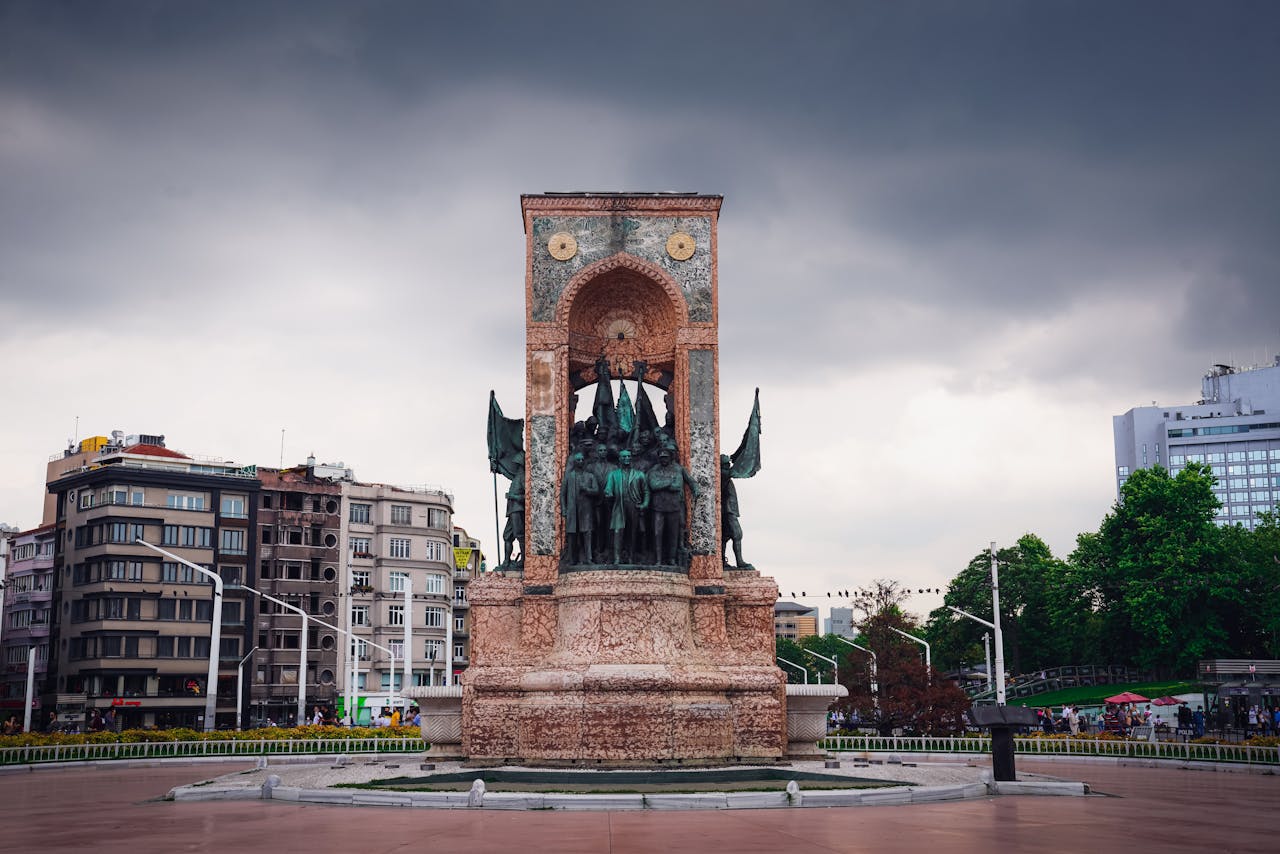
Taksim Square into Istiklal Avenue is built for motion: tram bells, storefront lights, music, and dense foot traffic that swells and thins by the minute. The corridor creates stop-and-start pockets around performers and side streets, where spacing collapses and shoulders press close. Distractions at shop entrances make it easy to lose track of straps.
On weekend evenings, fatigue sets in and decisions get sloppy, especially when groups split, regroup, and pause to message or film right at a pinch point.
The walk feels smoother when regrouping happens inside a café, phones stay secured in-hand, and bags are worn close with zips closed.
Bangkok: Sukhumvit Asok–Nana Strip
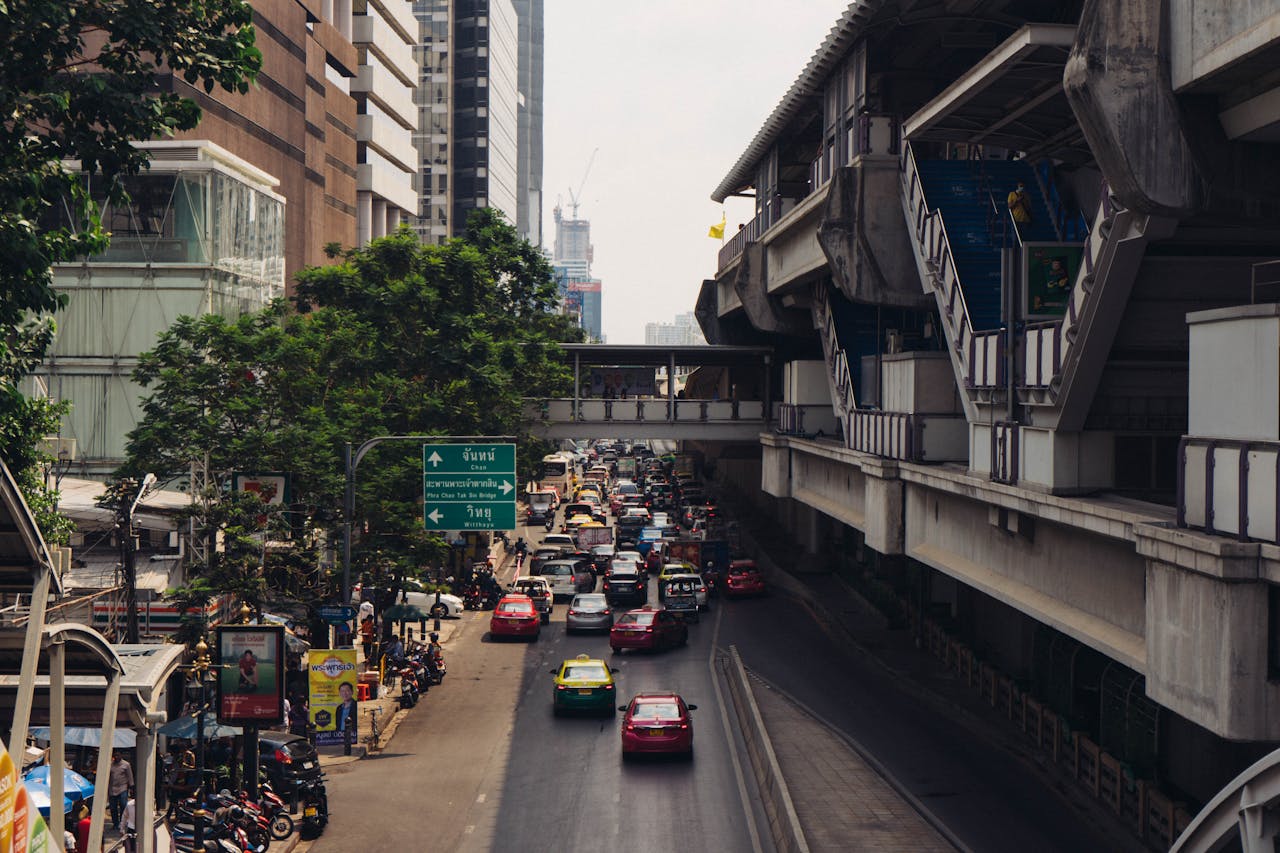
Sukhumvit between Asok and Nana compresses skytrain stairs, malls, street food, hotels, bars, and fast traffic into a few blocks. Sidewalks narrow and widen at driveways and vendor lines, so the flow breaks into clusters and quick curb-edge choices. Scooters and taxis skim close, and footing changes at steps and grates.
Heat and noise shorten patience, and late-night crowds add friction when ride pickups are negotiated curbside and groups drift apart. Small errors stack fast.
The corridor feels calmer with earlier evenings, licensed rides, and fixed meeting points that reduce last-minute bargaining and screen-checking, too.
Marrakech: Medina Lanes Near Jemaa el-Fnaa
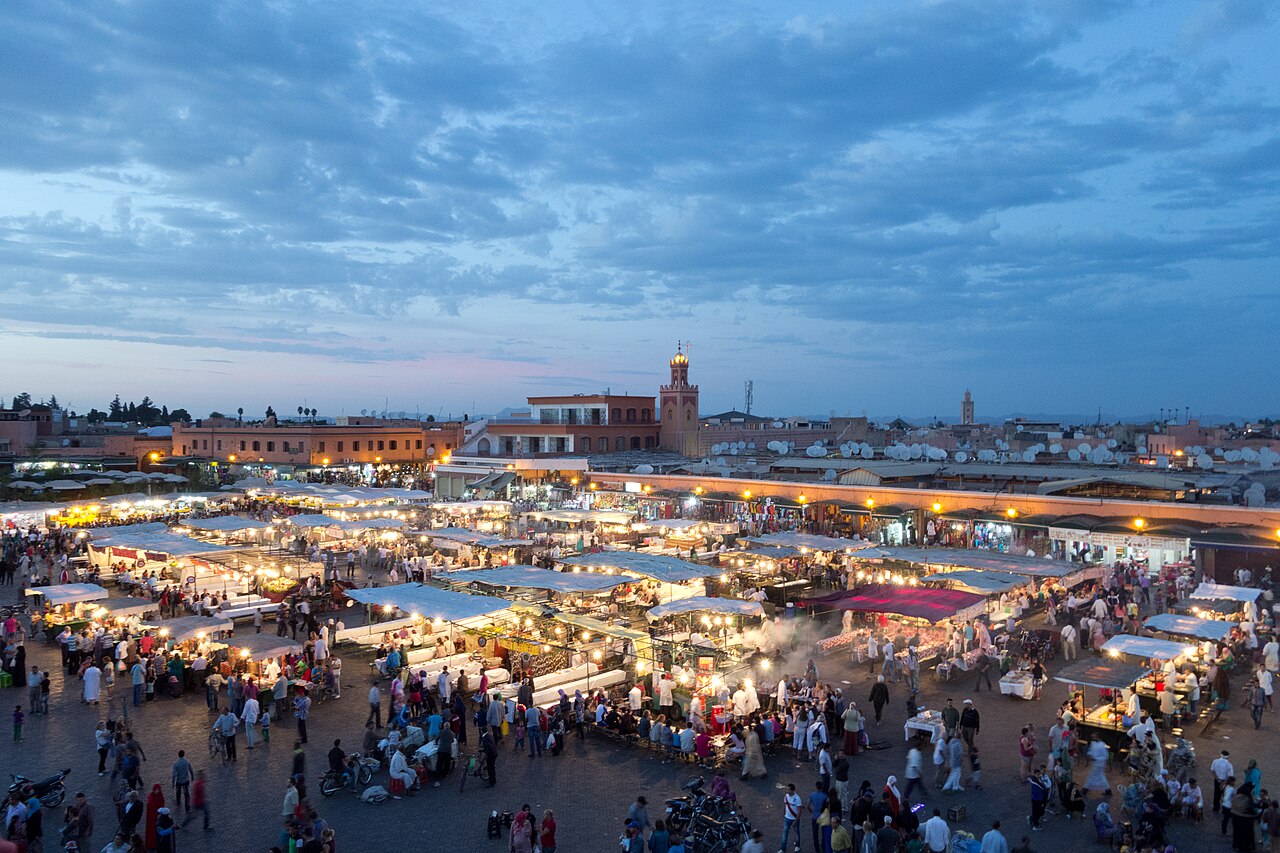
The medina lanes near Jemaa el-Fnaa are thrilling and disorienting at the same time. Narrow passages funnel crowds past stalls, scooters, and sudden turns, and the rhythm shifts every few steps as someone stops to browse or take a photo. GPS can lag in tight streets, so a small wrong turn can feel larger.
As daylight fades, lane names are harder to spot and offers of help multiply, which adds pressure when a group is tired and carrying shopping bags. A scooter horn behind the crowd can force hurried sidesteps.
The corridor stays manageable with clear landmarks, daytime route checks, and a close-worn bag kept in front during squeezes.
Rio de Janeiro: Major Transport Nodes and Bus Corridors
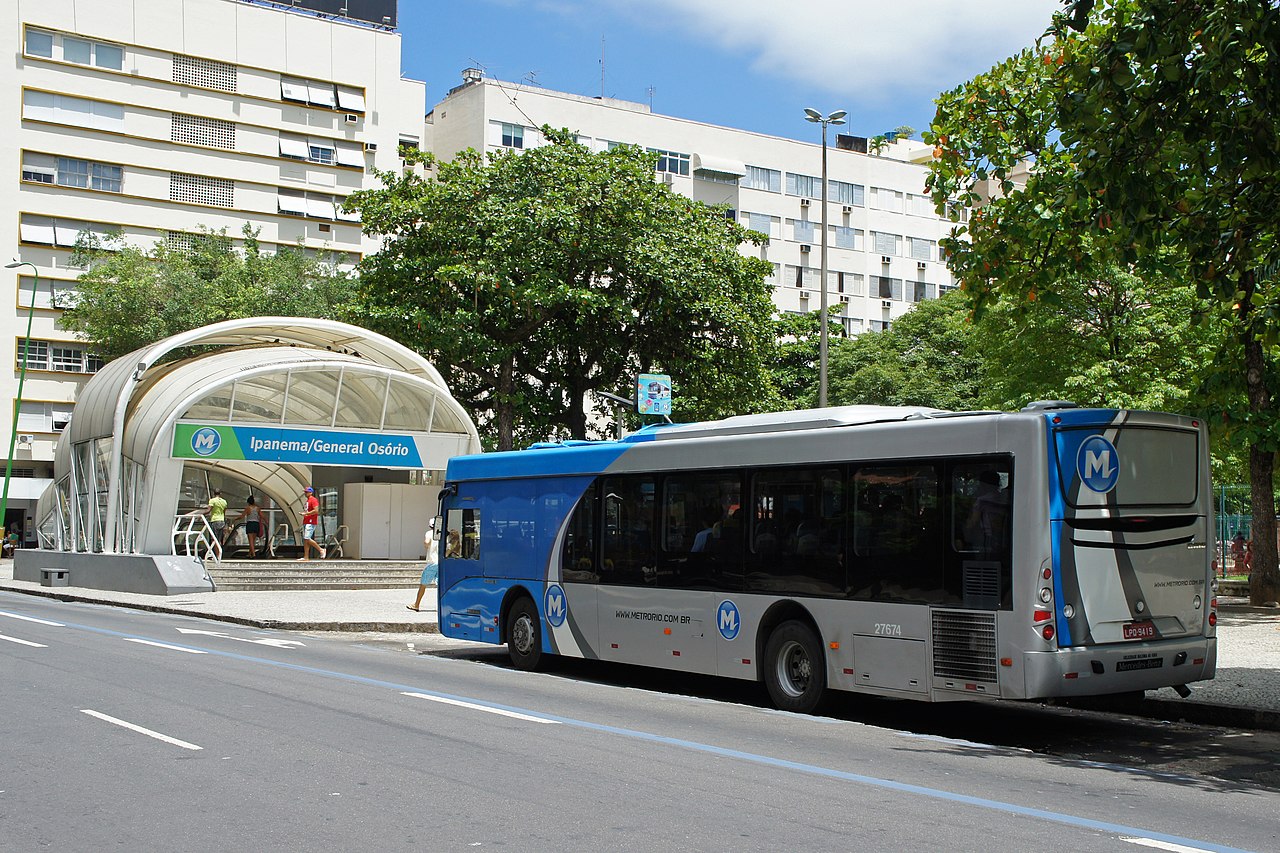
Rio’s major transport nodes and busy bus corridors can feel high-friction for visitors because movement happens fast and stops are brief. Routes are crowded, timing is tight, and the learning curve is steep when language, heat, and fatigue stack together. Transfers demand quick decisions while bags are handled often.
The pressure spikes at turnstiles, platforms, and curbside stops, where attention shifts to payment, signage, and finding the right exit in a moving crowd.
Many travelers lower stress by using reputable taxis or app-based rides for airport, station, and late-hour transfers, then saving buses for daytime runs.
Cancun: Hotel Zone Boulevard and Nightlife Pickups
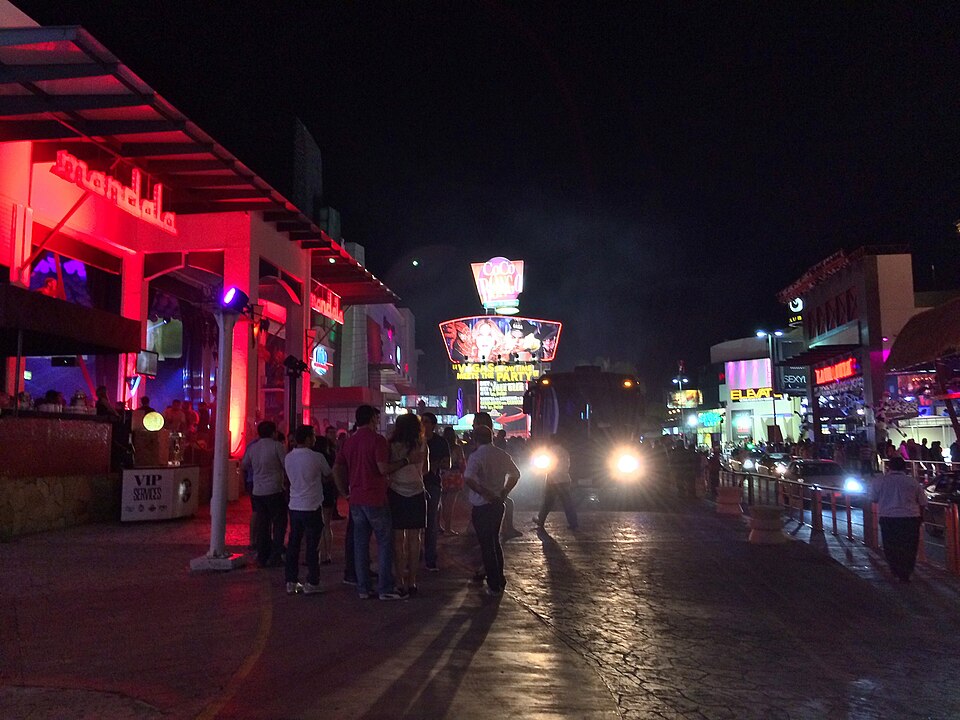
Cancún’s Hotel Zone runs on one bright boulevard of resorts, clubs, and curbside pickups, which sounds simple until the evening rush hits. Traffic slows, sidewalks fill, and rides get negotiated in noisy pockets near entrances and intersections. After midnight, the mix of music, headlights, and crowds makes it harder to track a group and a pickup point.
Confusion rises when different transport options overlap and drivers stop briefly, pushing decisions into the street instead of a calm lobby.
The corridor stays smoother with pre-booked rides, fixed landmarks for meetups, and longer transfers scheduled earlier, before the strip tightens.
New York City: Times Square to 42nd Street Transit Web
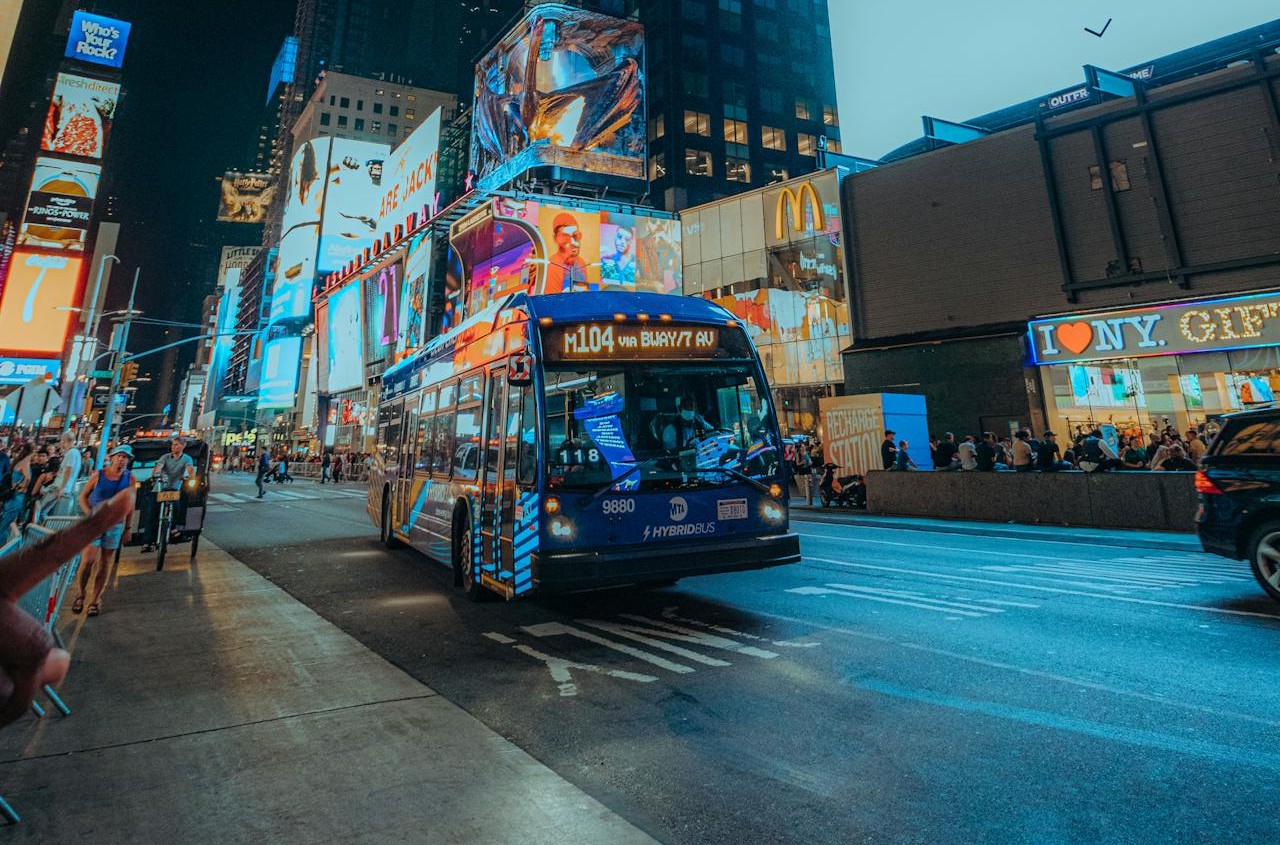
Times Square into the 42nd Street transit web is bright and efficient, but it rewards people who keep moving with intention. Sidewalk space is shared by commuters, performers, families, and tour groups that stop suddenly, creating compression near stairwells and crossings. Below ground, entrances and turnstiles form choke points where attention drifts to screens.
The busiest moments often come right after show exits and during rush hours, when the crowd moves like a single body and small delays ripple.
The corridor feels steadier when navigation decisions happen off to the side, and valuables stay secured before the station stairs begin.
London: Oxford Street and Oxford Circus
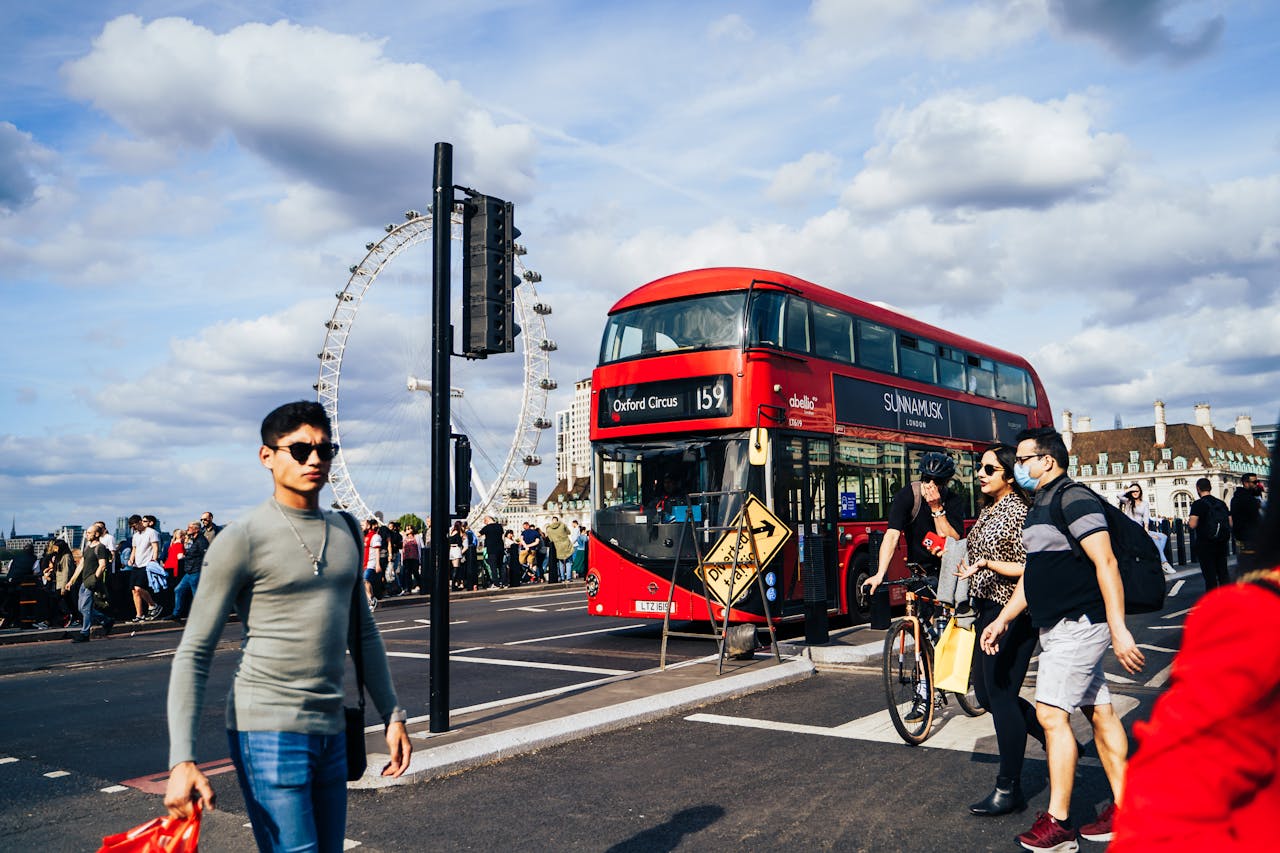
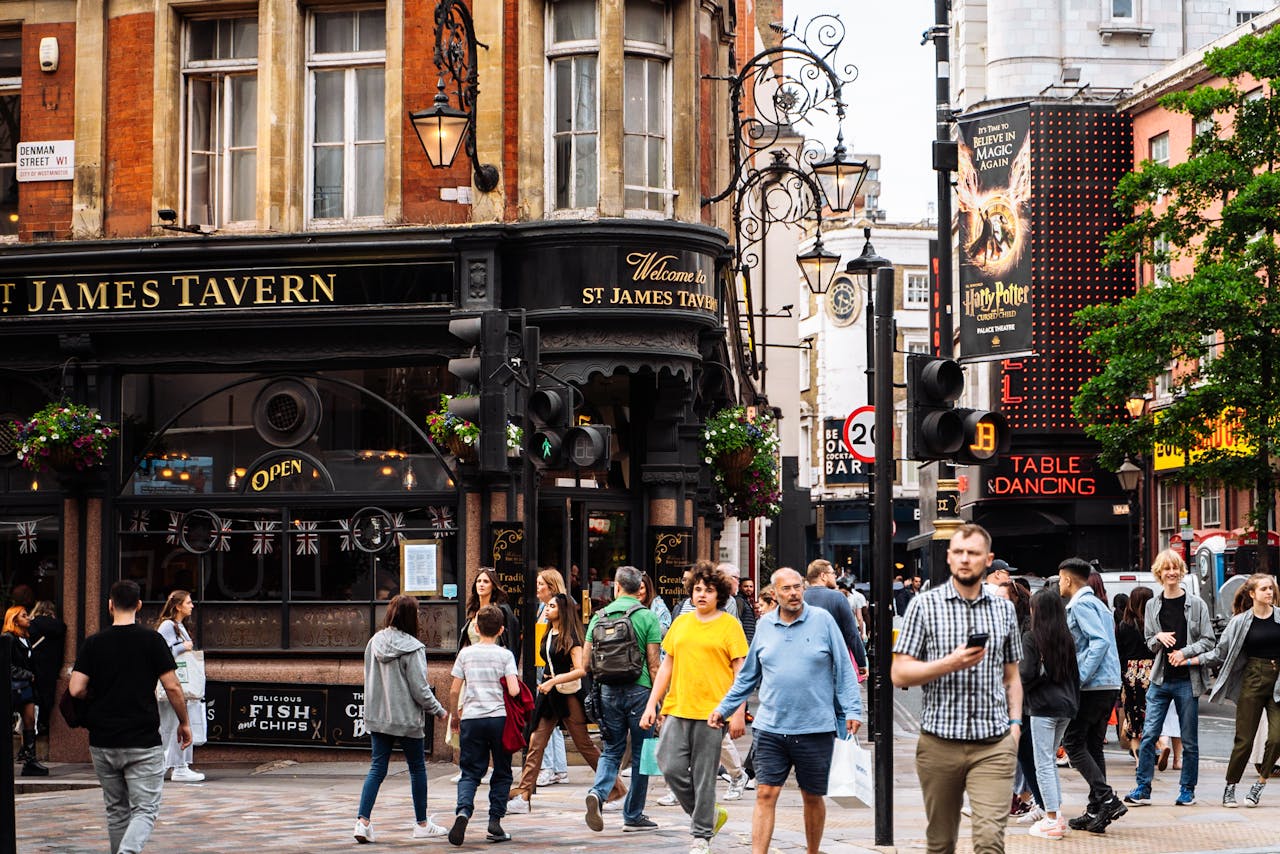
Oxford Street and Oxford Circus combine heavy shopping crowds with busy crossings and a Tube station that funnels people through tight gates. The sidewalk rhythm shifts every few seconds as doors open, buses stop, and groups cluster around storefronts, creating repeated squeeze points near escalators and curb edges. On weekends, the flow can feel like a moving wall.
In dense shopping streams, bump-and-go theft relies on distraction, especially when phones are out for payments, photos, or directions.
Breaks taken inside stores, zips kept closed, and a simple route plan before surfacing keep the corridor smoother, even at peak times.