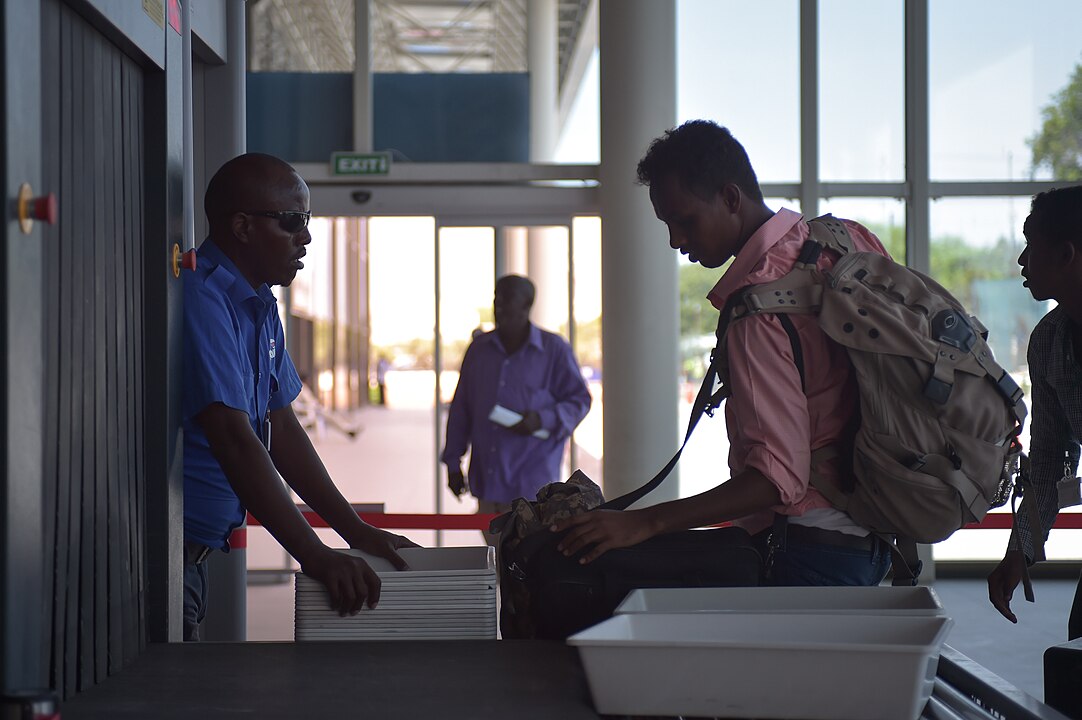
Early airport stress rarely starts at the gate. It starts at the checkpoint, where a routine bag check can turn into a rushed repack and a bin full of items meant for the trip. The pattern is familiar: everyday essentials packed on autopilot, then flagged under rules that seem simple until the line gets long and timing gets tight. TSA guidance is clear on liquids, batteries, and sharp or defensive items, yet small details still trip up frequent flyers. A calmer morning usually comes down to one thing: packing choices made the night before, most nights. Even seasoned travelers lose time when one missed item triggers delays.
Full-Size Toiletries That Break the 3-1-1 Rule
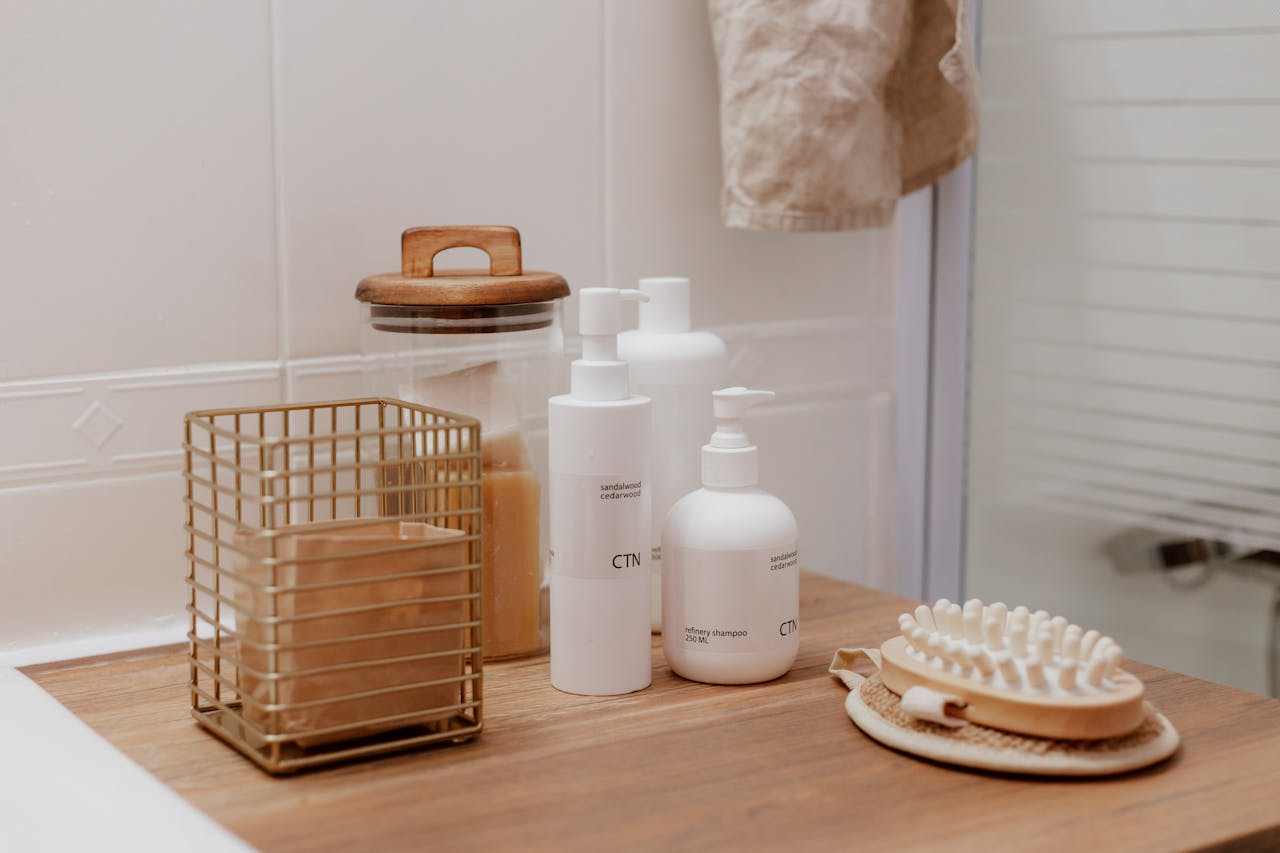
Security bins fill fast with oversized shampoo, lotion, sunscreen, and toothpaste. TSA still applies the same 3-1-1 standard: liquids, gels, aerosols, creams, and pastes in containers no larger than 3.4 oz, all inside one clear quart-size bag per traveler. Officers screen by container size, not by how much product is left inside a bottle, and that detail drives confusion on hectic mornings and holiday weekends.
That is why a half-used 8 oz tube still gets pulled. The pattern repeats every morning, especially on early departures, when rushed packing turns common toiletries into surrender items, then forces repacking at the lane.
Power Banks Packed in Checked Luggage
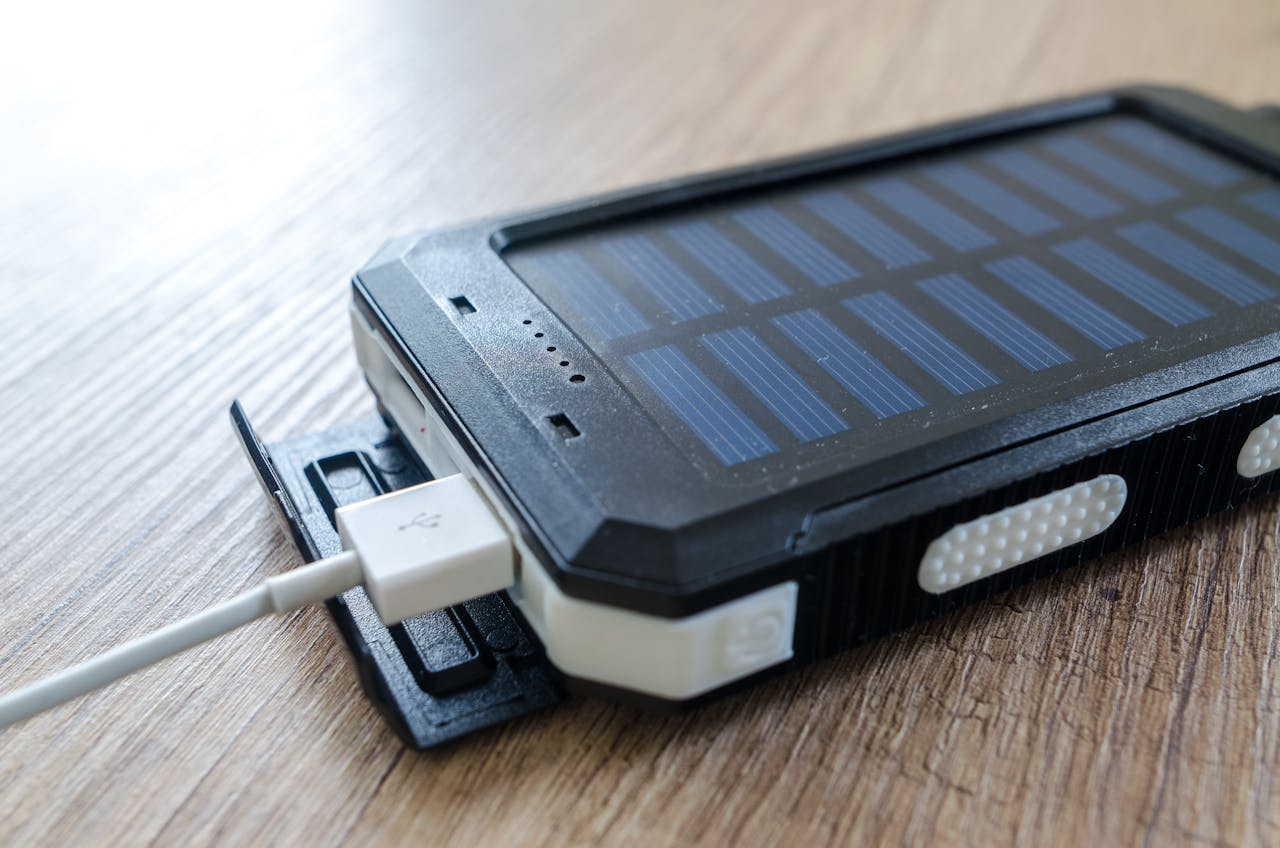
Portable chargers look harmless, but TSA treats them as spare lithium batteries, and that category has one firm rule: carry-on only. Power banks are not permitted in checked baggage because overheating events are easier for crews to detect and manage in the cabin than in cargo. The rule is simple, but travel days create easy mistakes when cables and chargers are split across bags and packed late.
It becomes costly when a roller is gate-checked and the battery pack stays inside. Many travelers then open bags on the jet bridge, or lose the item before boarding, turning departure into a rushed repacking scene in full view of the line.
Multi-Tools and Hand Tools Over 7 Inches
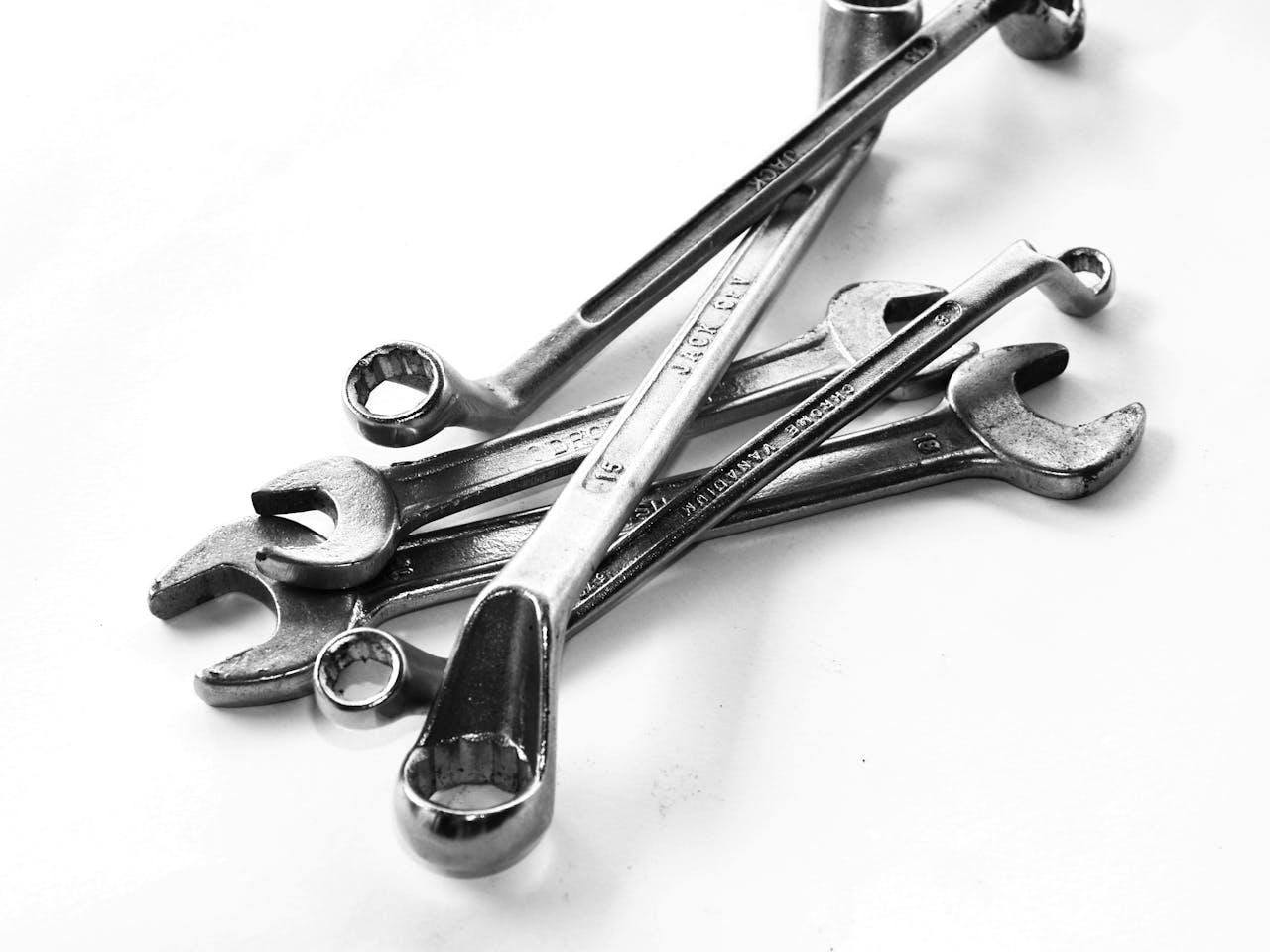
A compact tool kit can pass in a car trunk and still fail at airport security. TSA allows tools in carry-ons only when assembled length is 7 inches or less. Anything longer, including many full-size screwdrivers, pliers, and similar hand tools, belongs in checked baggage. Officers also retain final discretion at the lane when an item raises concern, so borderline cases rarely go a traveler’s way during peak screening.
Travelers often misjudge length by eye and discover the difference under pressure. A quick measurement at home prevents delays, secondary screening, and the familiar choice between disposal or missing the flight.
Pepper Spray and Similar Self-Defense Sprays
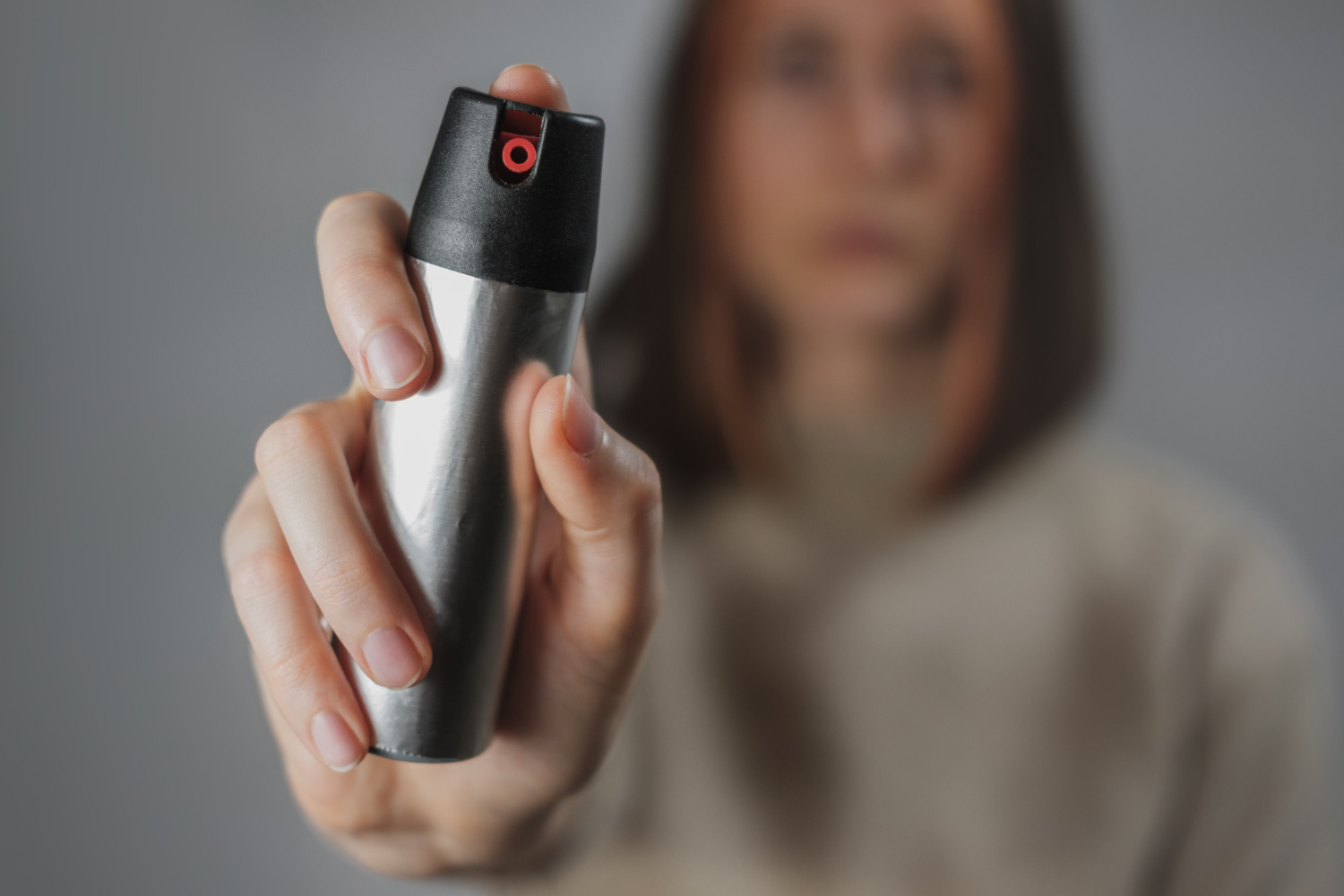
Self-defense spray is one of the most misunderstood travel items. TSA does not allow pepper spray in carry-on baggage. Limited quantities may be allowed in checked baggage only when the container follows TSA size limits, includes a safety mechanism, and meets agency conditions on tear-gas content. Airlines can apply stricter rules than TSA, and carrier policies are enforced at check-in and boarding.
That gap between TSA policy and airline policy causes last-minute losses. Travelers who pack spray without checking both rules often discover the conflict at the checkpoint, where the fastest option is usually surrendering the item.
Snow Globes and Liquid-Filled Souvenirs

Souvenir shops sell nostalgia in glass, and snow globes are a classic checkpoint problem. TSA treats them as liquid items. In carry-on baggage, they must fit the same 3.4 oz framework and quart-size bag standard used for other liquids. Larger globes should go in checked baggage, even when sealed and gift wrapped, because decorative packaging does not change liquid screening limits.
Travelers often buy one on the way out, then assume a keepsake gets special handling. Screening does not work that way, and sentimental purchases can become quick confiscations minutes before boarding begins, after a long day of smooth plans.
Gel Ice Packs That Are Not Fully Frozen

Gel packs seem straightforward until temperature changes by the time screening starts. TSA allows frozen liquid items through the checkpoint only when fully frozen at presentation. If a gel pack is slushy, partly melted, or has free liquid, officers treat it under standard liquid restrictions, which can trigger removal in carry-on screening. This matters during warm weather, drives, or delayed lines.
It catches travelers carrying food, skincare, or comfort items on long mornings. A pack that left home rock solid can fail later, because thawing began before reaching the X-ray belt and the item no longer meets the frozen condition.
Oversized Liquid or Gel Foods
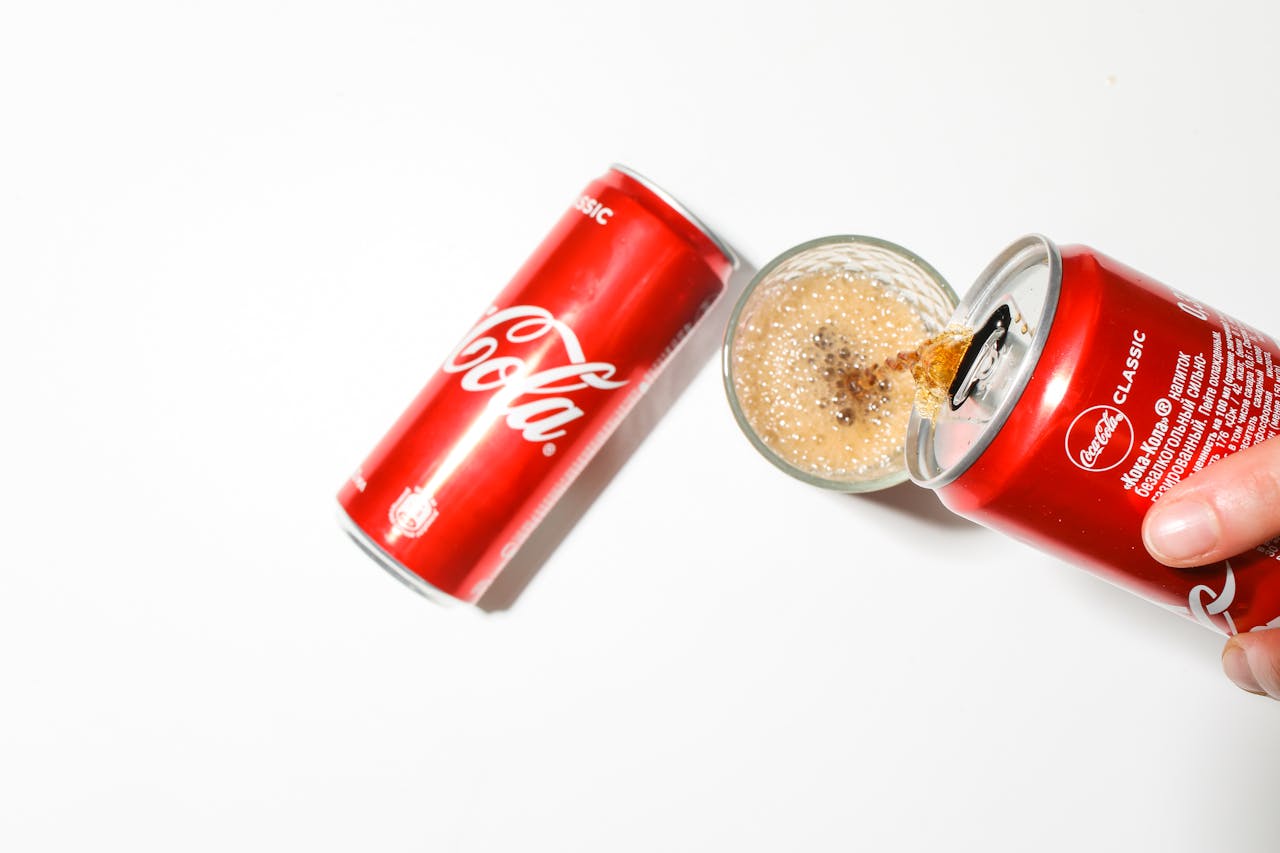
Food causes surprises when texture matters more than label. TSA states that liquid or gel foods larger than 3.4 oz are not allowed in carry-on baggage. Common trouble items include nut butters, hummus, creamy dips, sauces, soups, and similar spreadable foods that look harmless in lunch prep but screen as liquids at security. Travelers often learn this only when officers separate food for extra inspection.
Solid foods usually clear with fewer issues, but spreadable items repeatedly trigger extra checks. When timing is tight, those checks turn into confiscation and a stressful start to an otherwise routine trip through security.