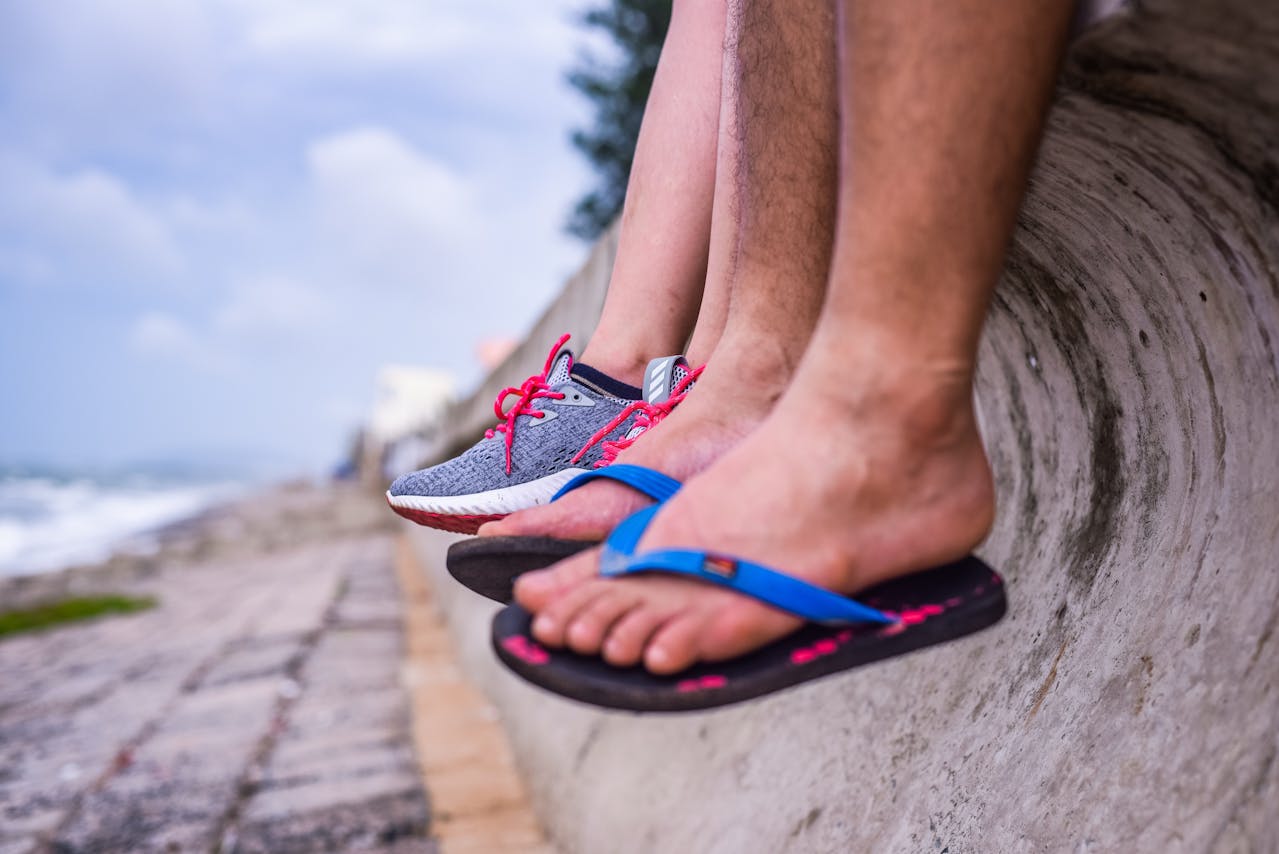
Flip-flops look like the simplest travel decision: light, cheap, and made for heat. Yet in a handful of places, that easy choice collides with safety rules, local ordinances, and the unspoken expectation that visitors dress for the setting. A loose sandal can skid on a cliff path, catch on a stair edge, or slide under a pedal at exactly the wrong time. Officials rarely pitch these rules as fashion policing. They talk about rescues, traffic control, and keeping historic streets from becoming noisy obstacle courses. Enforcement spikes when summer crowds arrive and small towns run out of patience. What looks like harmless vacation gear can turn into a ticket, a lecture, or an expensive detour to buy sturdier shoes.
Italy

In Cinque Terre National Park, open or smooth-soled footwear is treated as a real safety problem on steep, rocky trails linking the cliffside villages. Rangers regularly warn against flip-flops and thin sandals, and checks at trail entrances are common in peak months. Hikers who ignore posted guidance can face fines reported from €50 up to €2,500, a blunt way to reduce rescues when paths get slick after rain. The rule is less about looking polished and more about not turning a narrow ledge into an emergency call, especially when crowds bunch up on the same stair steps. Good tread counts as basic gear. Peak season stays strict.
Spain

Spain’s traffic rules focus on control: drivers must keep freedom of movement and steady command of the car. Flip-flops are not treated as automatically illegal, but an officer can fine a driver if loose sandals slip, snag, or make pedal work less precise. Reported penalties often sit around €80, and the scrutiny rises on crowded resort roads where sudden braking is constant. Many locals treat it like sunblock: keep a sturdier pair in the glove box or trunk, because arguing about footwear on the roadside never ends well. A quick swap before driving keeps the day simple and the ticket book closed. On rentals, officers notice.
France
France does not publish a list of approved driving shoes, but the standard is simple: maneuvers must be possible without delay or hindrance. Flip-flops can fail that test when they slide off, fold under the foot, or reduce pressure on the pedals. Drivers have been fined around €90 when police decide the footwear compromises control, especially after a close call or abrupt stop. On winding coastal routes, the expectation is practical and strict: if the shoe can fly off in one quick move, it does not belong at the wheel. Most drivers solve it by changing shoes at the car door, not by debating. The expectation is quiet competence.
Portugal

Portugal’s rules are written around safe operation, not style, which is exactly why flip-flops can become a problem. They are not expressly banned, but if a sandal interferes with braking or catches on a pedal, an officer can treat it as driving without proper control. Guidance and reporting often cite fines that can range from about €60 to €300 once unsafe behavior is established. In summer beach regions, the pattern is familiar: wet feet, slippery soles, and tight roads where one hesitant brake can ripple into a long, angry chain of honks. A short drive between beaches is still driving, and rules apply. Insurers care after a bump.
Germany

Germany is often described as having no direct ban on driving in flip-flops, yet the system still punishes carelessness. After an accident, courts and insurers may view loose sandals as evidence that a driver did not take reasonable precautions. That can mean partial fault, reduced payouts, or tougher scrutiny when stories conflict. The practical reality is that footwear becomes relevant the moment control is questioned, because a split second matters at Autobahn speeds. A cheap pair of slip-ons can end up costing far more than a proper shoe, simply because it looks like avoidable risk. At Autobahn speeds, grip is not optional.
Greece

In Greece, enforcement leans on the idea that drivers must remain fully in control, especially on summer roads packed with scooters and tour buses. Flip-flops are not always framed as a flat ban, but police can penalize a driver if sandals look unstable or are judged to affect safe handling. Travel advisories frequently mention fines around €200 during crackdowns. In island traffic, where sharp turns and steep grades arrive without warning, officers have little patience for footwear that might slip off mid-brake, even for a short hotel run. Most visitors avoid trouble by carrying proper shoes in a bag, ready. It saves nerves.
United Kingdom

The United Kingdom does not outlaw flip-flops for drivers, but it does punish failing to be in proper control. If loose footwear contributes to hesitation, slipping, or impaired pedal use, police can treat it as careless driving, which carries serious penalties. Guidance often notes that a flimsy sandal can undermine a driver’s defense after a sudden stop or near miss. In higher-stakes cases, fines can climb dramatically, so many people treat this as a simple habit: keep sneakers in the car and swap before starting the engine, even on a sunny day. That one swap can prevent a minor issue from becoming a costly label of negligence.