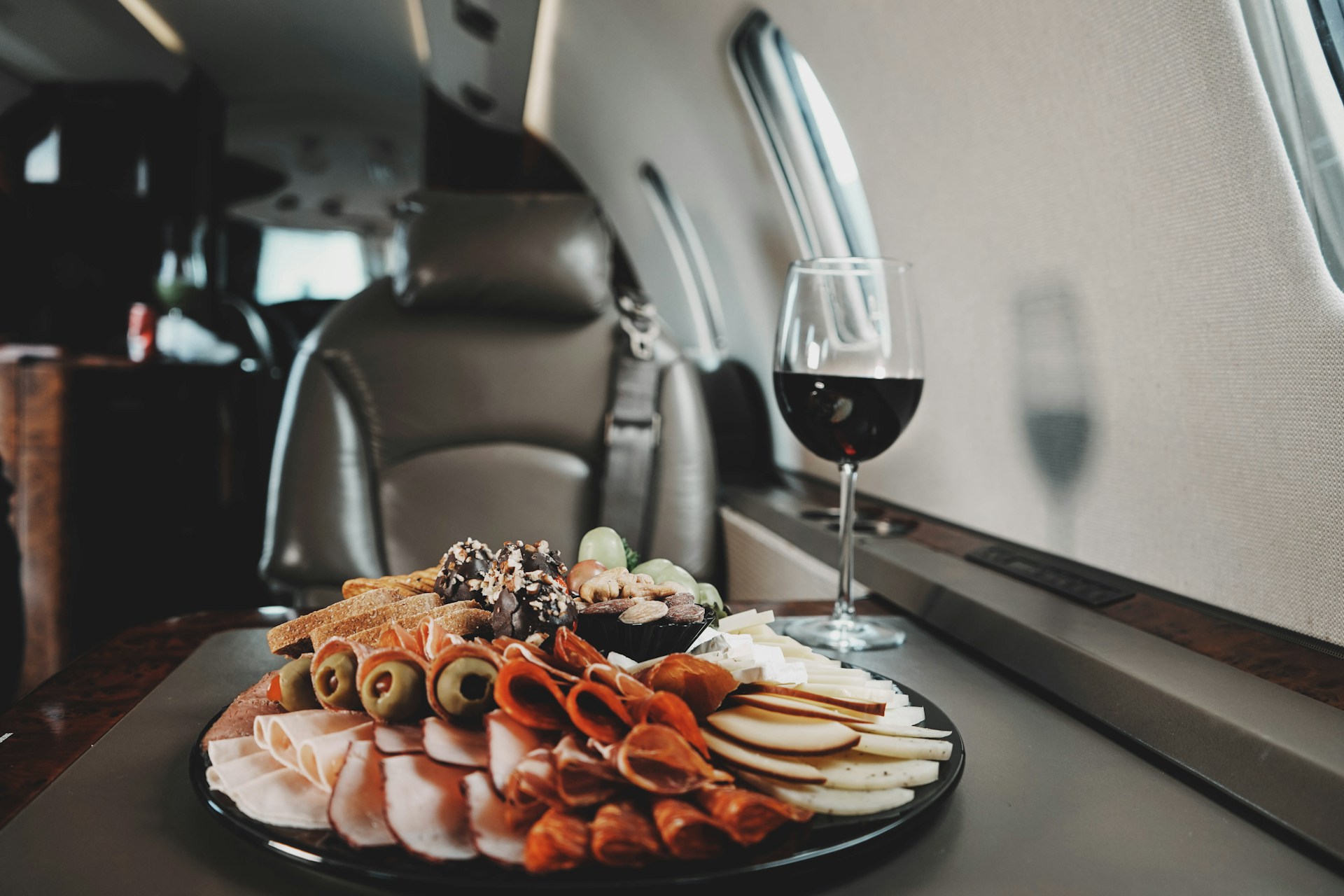
Some airline snacks look harmless, yet cabin crews notice the same pattern after service: unopened packs, half-eaten bites, and wrappers coming back full. The issue is rarely one dramatic flavor failure. It is usually a mismatch between what sounds good on the ground and what feels right in dry, pressurized air.
Cabin conditions shift appetite, texture tolerance, and taste perception. The CDC notes cabin humidity commonly drops to 10–20%, and pressure is usually equivalent to 6,000–8,000 feet. IATA’s recent audit also found average cabin waste at 0.94 kilograms per passenger, so small snack rejections quickly scale up each day.
1. Pretzel Bags on Red-Eye Routes
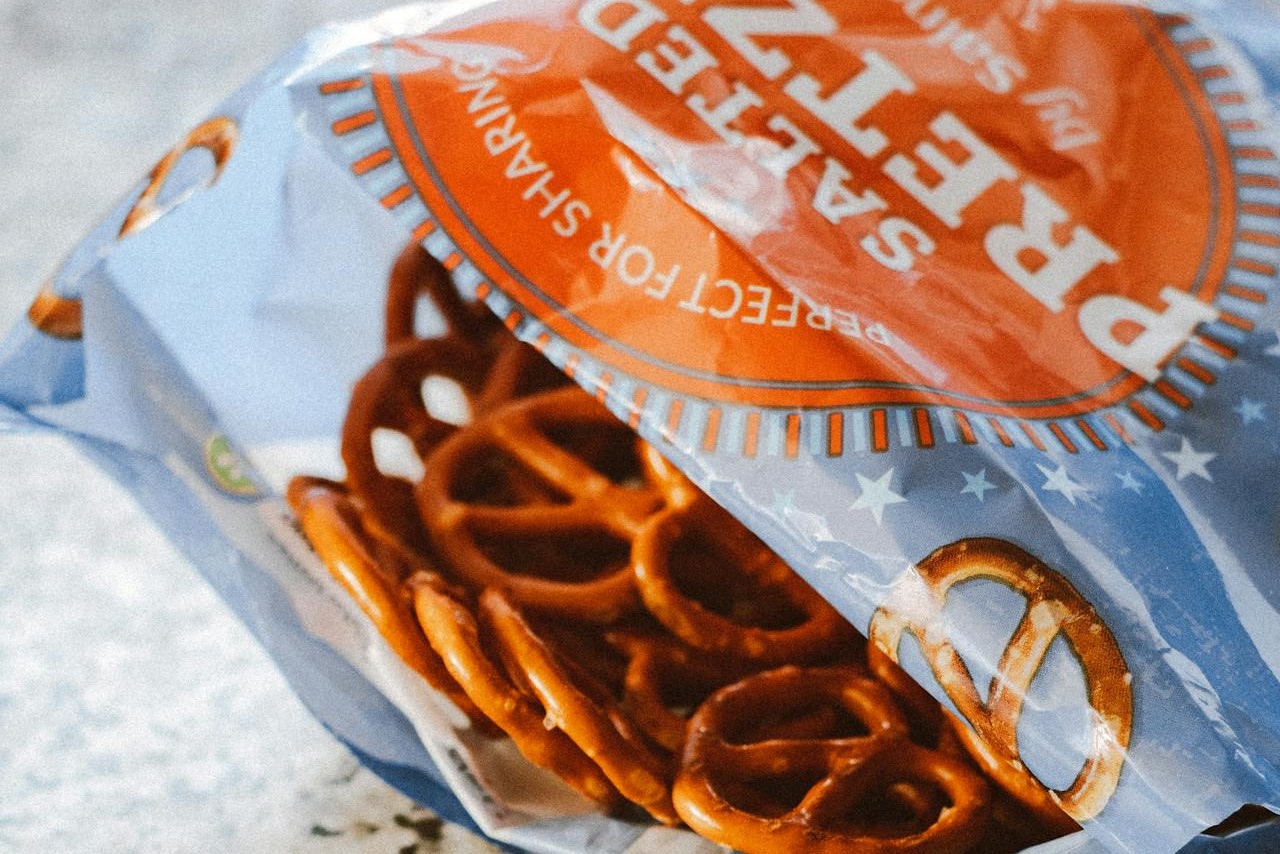
Pretzel bags are easy for airlines to stock, hand out, and store, so crews see them on countless short and medium-haul flights. Yet on late departures, many passengers take a pack out of habit, then leave it untouched. After boarding delays and gate-area meals, dry salted snacks often lose their appeal before the cart even returns.
Low humidity makes that texture feel tougher than expected, especially when travelers are already thirsty. Flight attendants often describe the same cleanup picture: sealed pretzel bags collected in bulk, not because pretzels are unpopular overall, but because timing and cabin dryness make them an easy pass.
2. Bran-Heavy Snack Bars
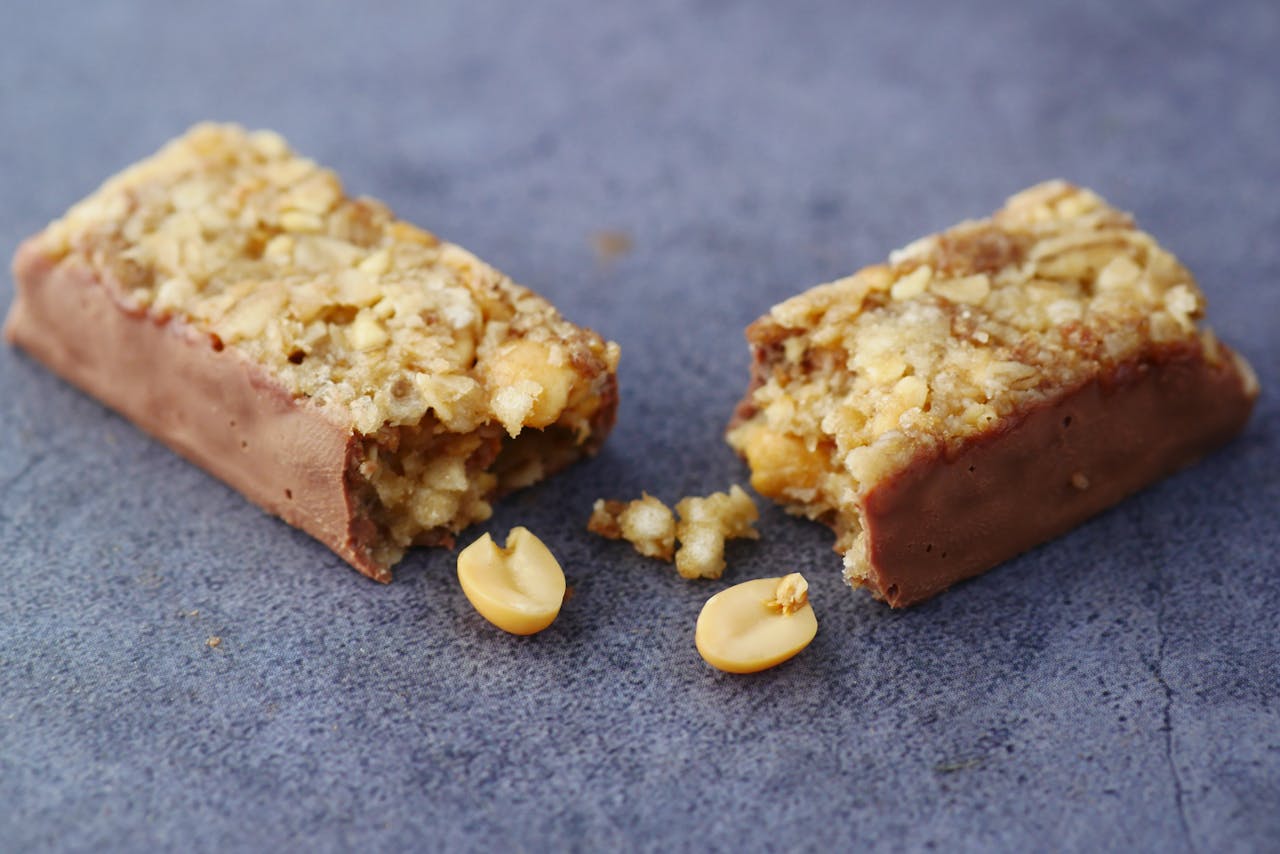
Bran-forward snack bars are chosen for shelf life and a healthy image, but crews say they are often left behind. In a cabin, dense fiber bars can feel dry, chewy, and slow to finish, especially when service is brief and passengers are juggling drinks, trays, and carry-ons in tight space.
Research on in-flight eating points to pressure, humidity, and noise as factors that reduce food enjoyment. When taste and aroma feel muted, snacks that depend on subtle sweetness or soft texture struggle most. That is why these bars are frequently returned half-eaten, even on routes where passengers accept them at the first pass quite often.
3. Extra-Salty Snack Mixes
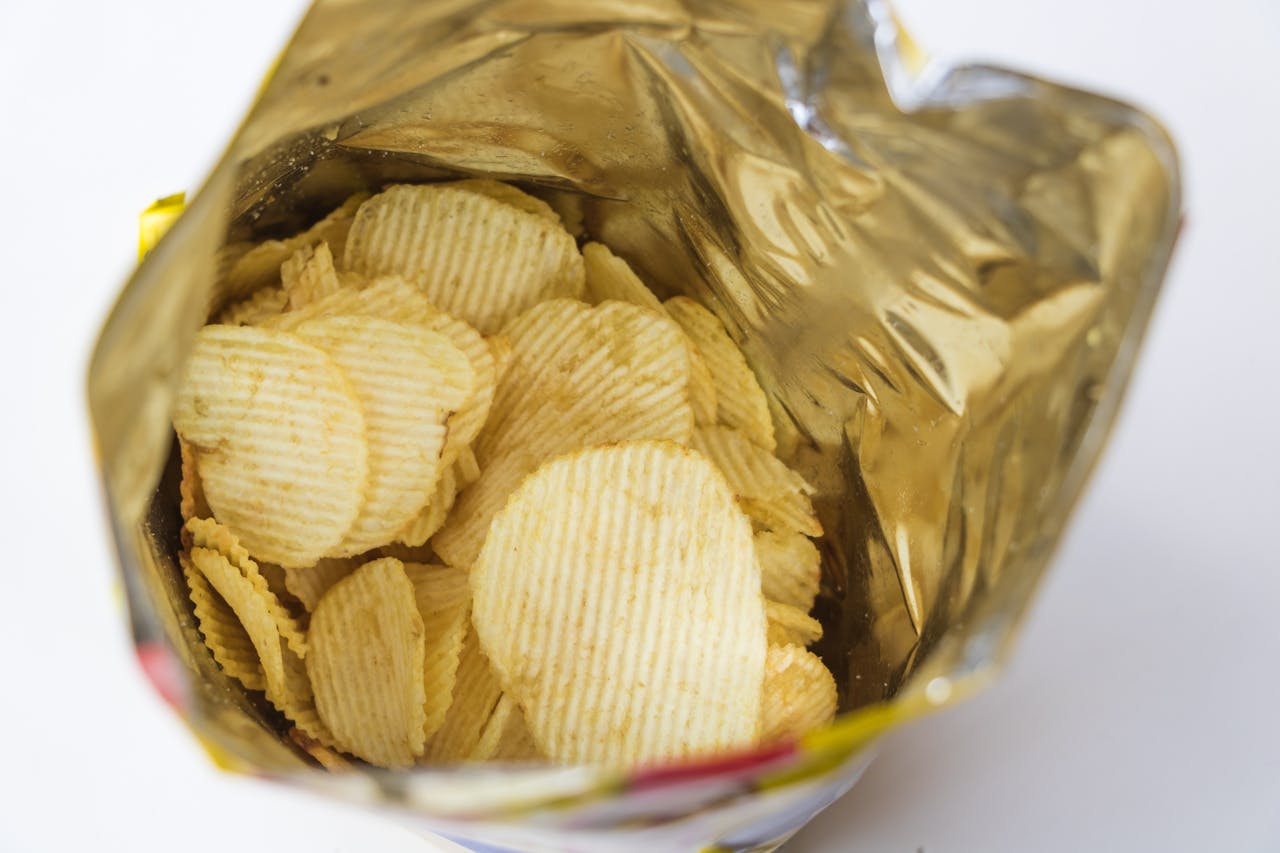
Extra-salty snack mixes are common because they are cheap, familiar, and easy to portion. Crews still report frequent leftovers, especially on longer flights, where comfort matters more than bold flavor. A bag that seems tasty at boarding can feel heavy once cabin air dries the mouth and hydration drops.
Passengers often nibble a little, then stop and reach for water instead. The result is predictable during trash collection: partly full packets and scattered remnants that add waste without much satisfaction. On delayed routes, that pattern is clearer because salty snacks are accepted first, then quietly abandoned as appetite shifts.
4. Crumbly Cookie Packs
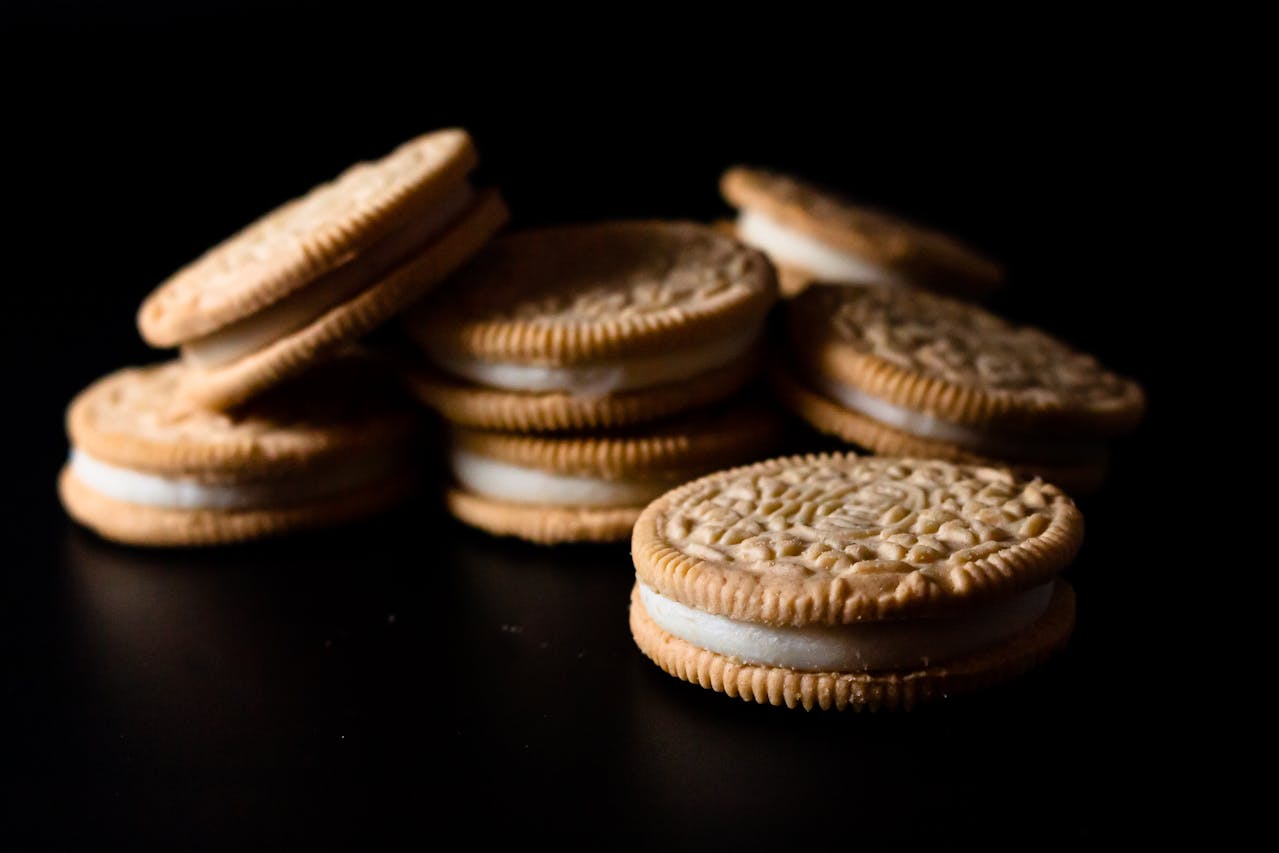
Crumbly cookie packs look like a safe win because they are sweet, compact, and familiar across age groups. In practice, crews say they are among the messiest options in economy cabins. Turbulence, narrow tray tables, and tight seating make crumbs hard to manage, so many passengers abandon the snack after one bite.
The problem is not flavor alone. It is cleanup anxiety in a shared space where sleeves, laptops, and seat cushions are all within range. By the time carts return, wrappers often hold broken pieces rather than finished portions. That pattern repeats on full flights, turning a pleasant idea into steady, avoidable cabin waste.
5. Nut-Only Pouches
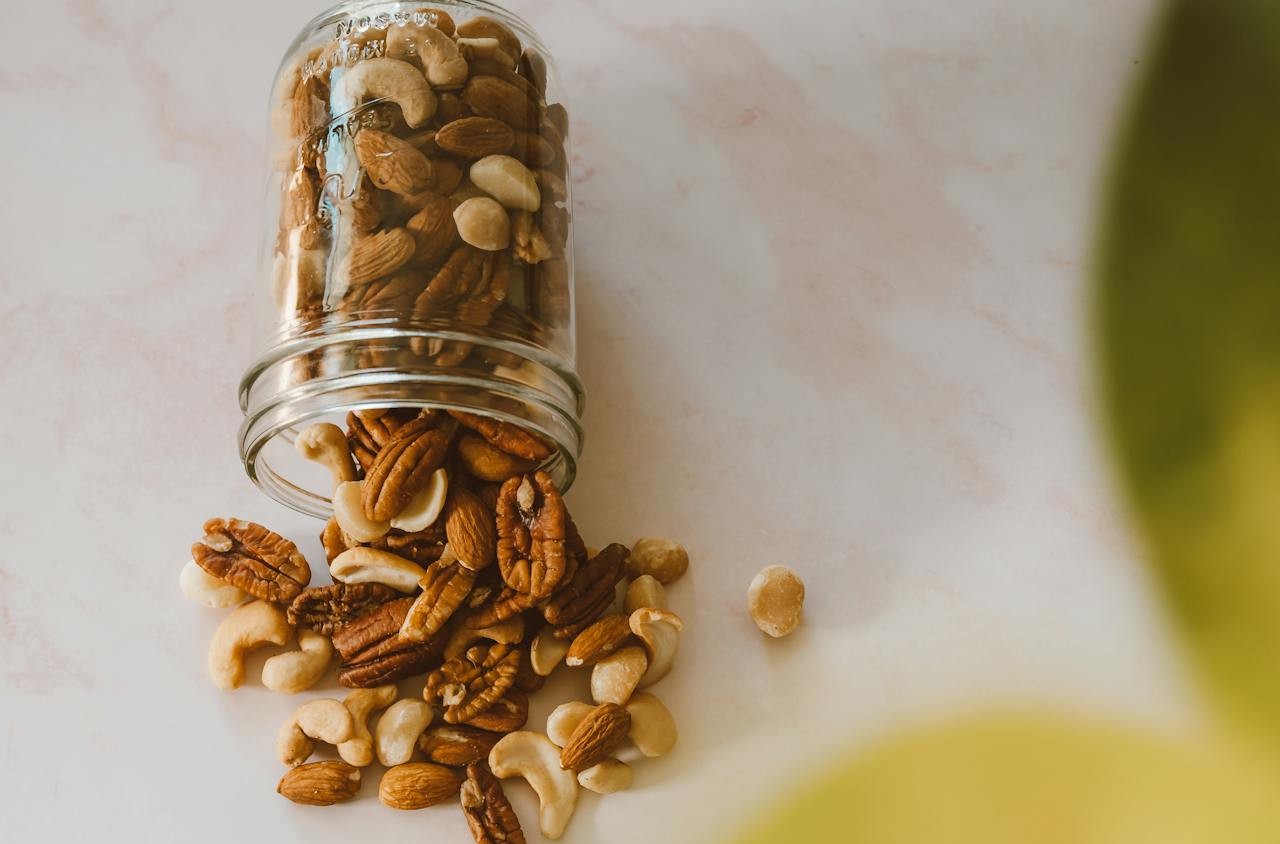
Nut-only pouches are simple to cater and easy to store, yet crews say they are often declined once allergy concerns surface in a cabin section. Even without a formal request, nearby travelers may hesitate to open nut packs out of courtesy, then hand them back untouched at collection time.
Airline and industry guidance is clear that carriers generally cannot promise an allergen-free cabin because food brought by passengers and cross-contact are hard to control. That uncertainty changes behavior fast. A snack that looked practical in the galley can become the least-used item on the cart when social comfort becomes the main priority.
6. Hard Granola Clusters
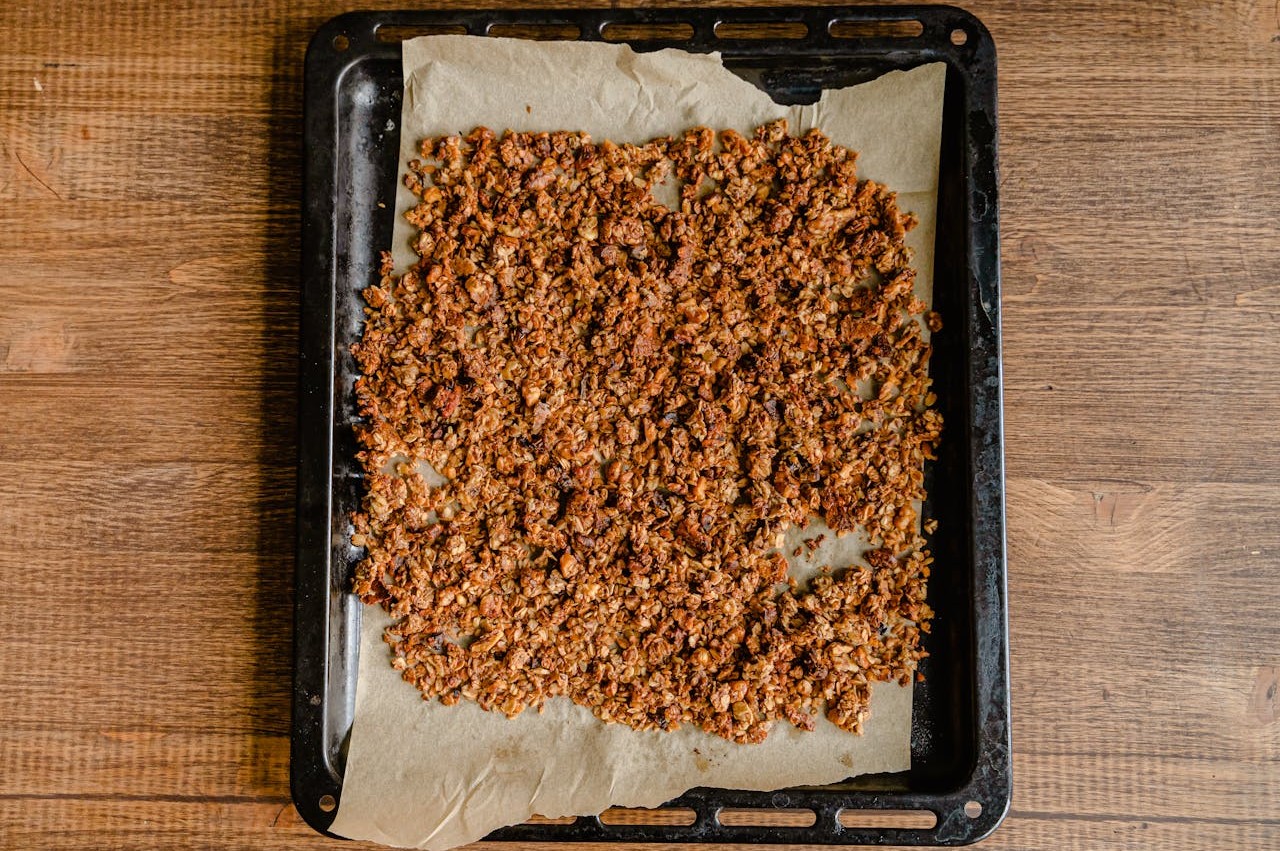
Hard granola clusters check every catering box: long shelf life, low breakage risk in storage, and a healthy label. But crews on red-eyes often see them come back unopened. They are loud to chew in quiet cabins, slow to finish during short service windows, and not forgiving for dry throats.
Noise research in simulated cabin settings has linked louder environments with lower appetite and weaker meal appeal, which helps explain why tough, crunchy snacks struggle in flight. Passengers may accept the packet politely, then stash it in the seat pocket and forget it. By descent, many of those packs move straight from cabin bins to waste bags.
7. Mini Sweet Muffins on Early Departures
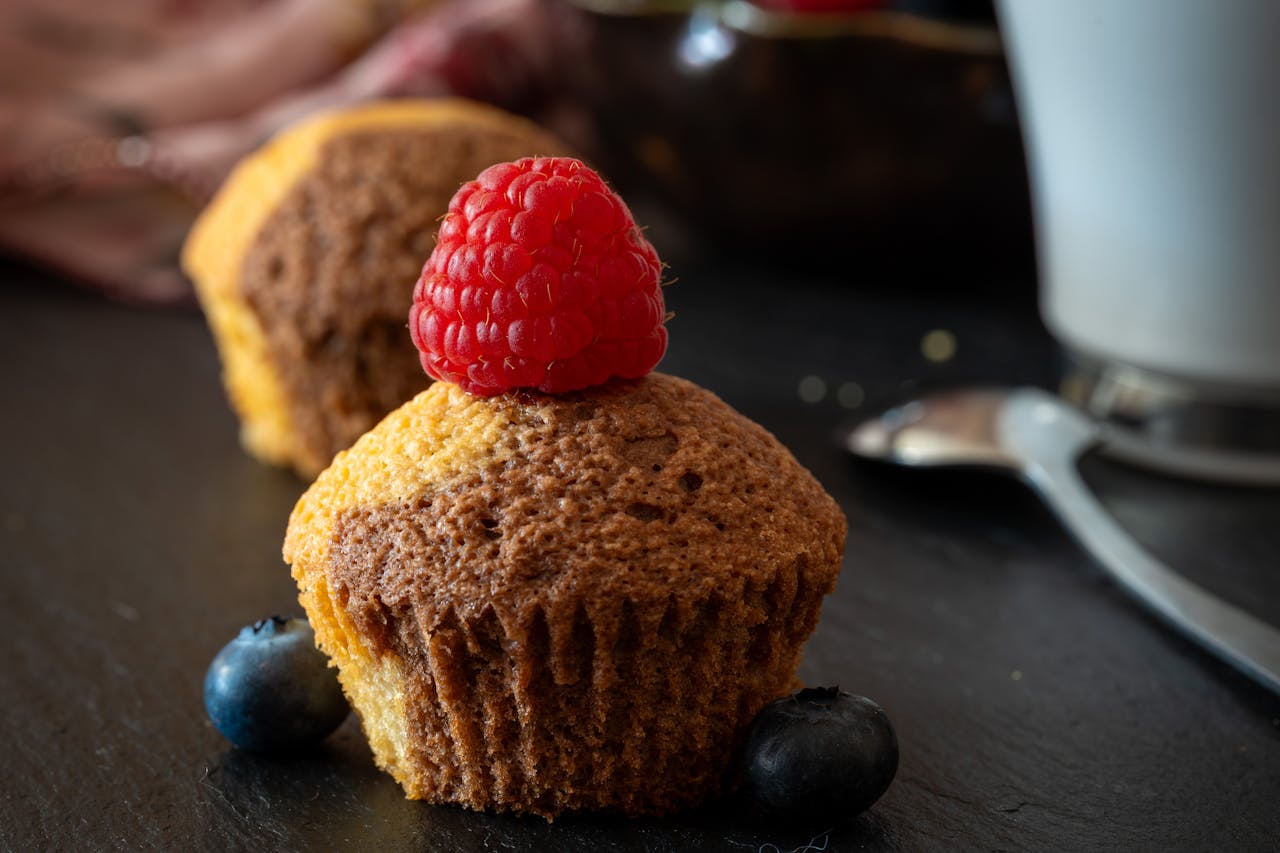
Mini sweet muffins are loaded for early departures because they seem like an easy breakfast bridge. Crews say the opposite often happens. Many passengers want coffee first, then postpone food until later, so sugary muffins sit unopened through service and are discarded once trays are cleared for landing.
Cabin physiology plays a role here too. Lower humidity and pressurized air can blunt aroma and shift appetite cues, so rich sweetness may feel less inviting at 7:00 a.m. than on the ground. Timing is the real miss: the snack may be fine, but it arrives before hunger does. That gap turns a bakery-style option into routine catering waste.
8. Cheese-and-Cracker Kits
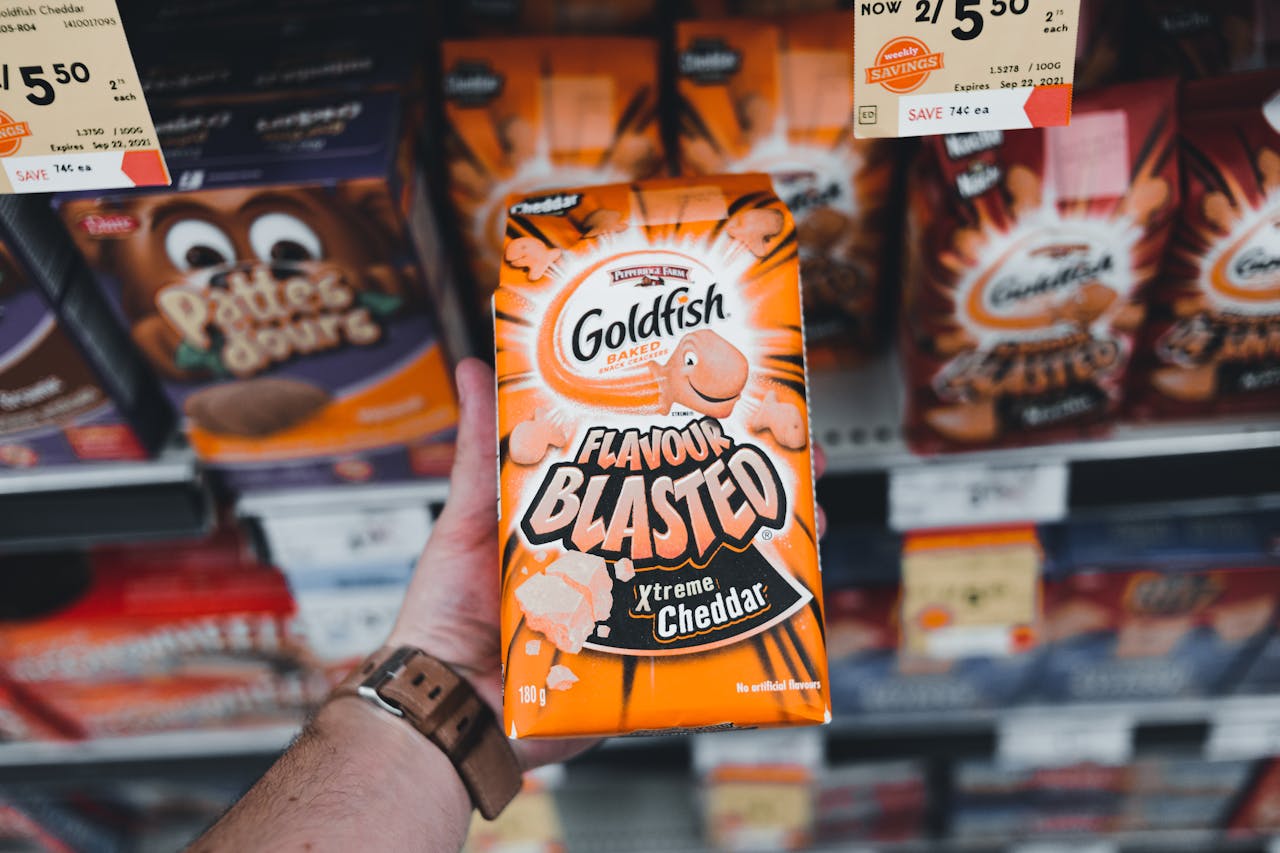
Cheese-and-cracker kits promise variety, but crews say they are fragile in flight. If crackers soften, spread texture shifts, or temperature feels off, passengers abandon the combo quickly. Multi-part snacks fail fast when one component disappoints, and there is little room to recover once service carts move on.
These kits also create more packaging than single-item snacks, so unfinished portions carry a double cost: food left uneaten and extra waste. Crews notice the same outcome on busy routes, where travelers eat quickly and prefer simple options. When texture and timing are uncertain, plain snacks usually beat complex kits at altitude.