Checkout morning runs on timing. The front desk closes bills, releases deposits, and handles key drops while housekeeping flips rooms in a set sequence and maintenance waits for clearance to handle quick fixes. When one room lingers, the ripple can reach the lobby line. Early arrivals feel that delay first.
Most slowdowns are not dramatic. They come from small habits that add minutes to inspection and paperwork, then multiply across a full floor. Staff point to the same pressure points: last-minute changes, scattered belongings, and requests that arrive right as carts are moving. A smoother exit keeps the whole building calmer.
Asking for Late Checkout at the Last Minute

A late-checkout request made at the checkout moment forces the desk to redraw the day’s room map in real time. Housekeeping boards may already route a cleaner to that door next, and a single extension can delay a chain of rooms when arrivals are stacked for early afternoon. It also disrupts break timing for the team.
When the request comes earlier, staff can swap the order, update keys, and keep carts moving. At the last minute it becomes calls, approvals, fresh notes, and a room that cannot be released for cleaning. The result is simple: longer lobby waits, delayed room readiness, and more pressure on staff by noon on busy days.
Keeping Do Not Disturb Up Until Departure
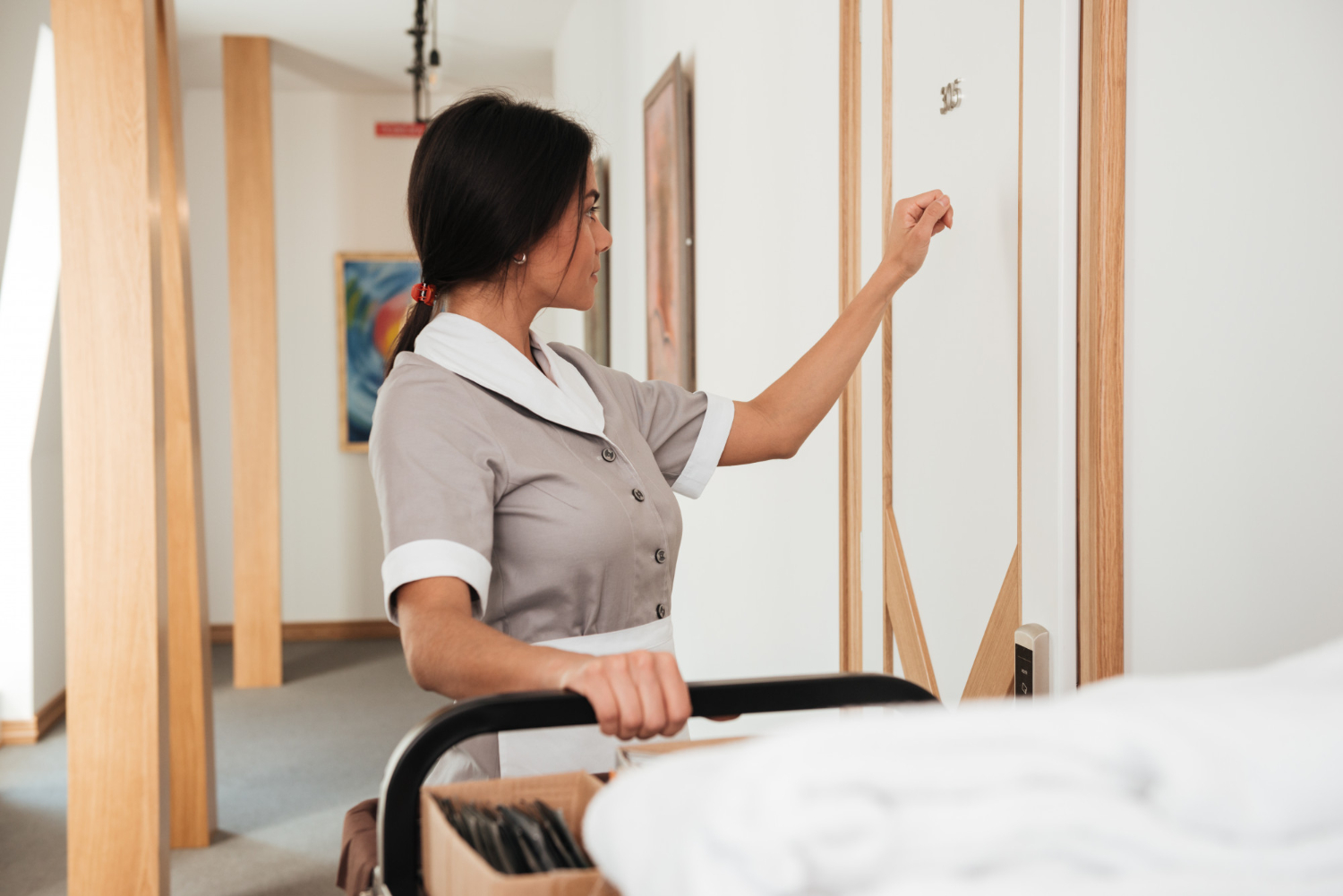
Keeping a Do Not Disturb sign up until departure blocks the quick check that helps staff plan the turn. Housekeepers cannot confirm whether a room is empty, stage linens nearby, or flag a dripping faucet before the schedule tightens. They often skip the door and circle back later. That detour costs minutes on every pass.
If access opens even briefly, teams can sequence rooms and avoid backtracking. When the sign stays up, surprises land late: extra trash, missing towels, or a repair that needs tools. Those repeat trips slow the release of the room and create longer waits for guests hoping to check in early during peak morning hours.
Ordering Small Amenity Runs Right Before Leaving
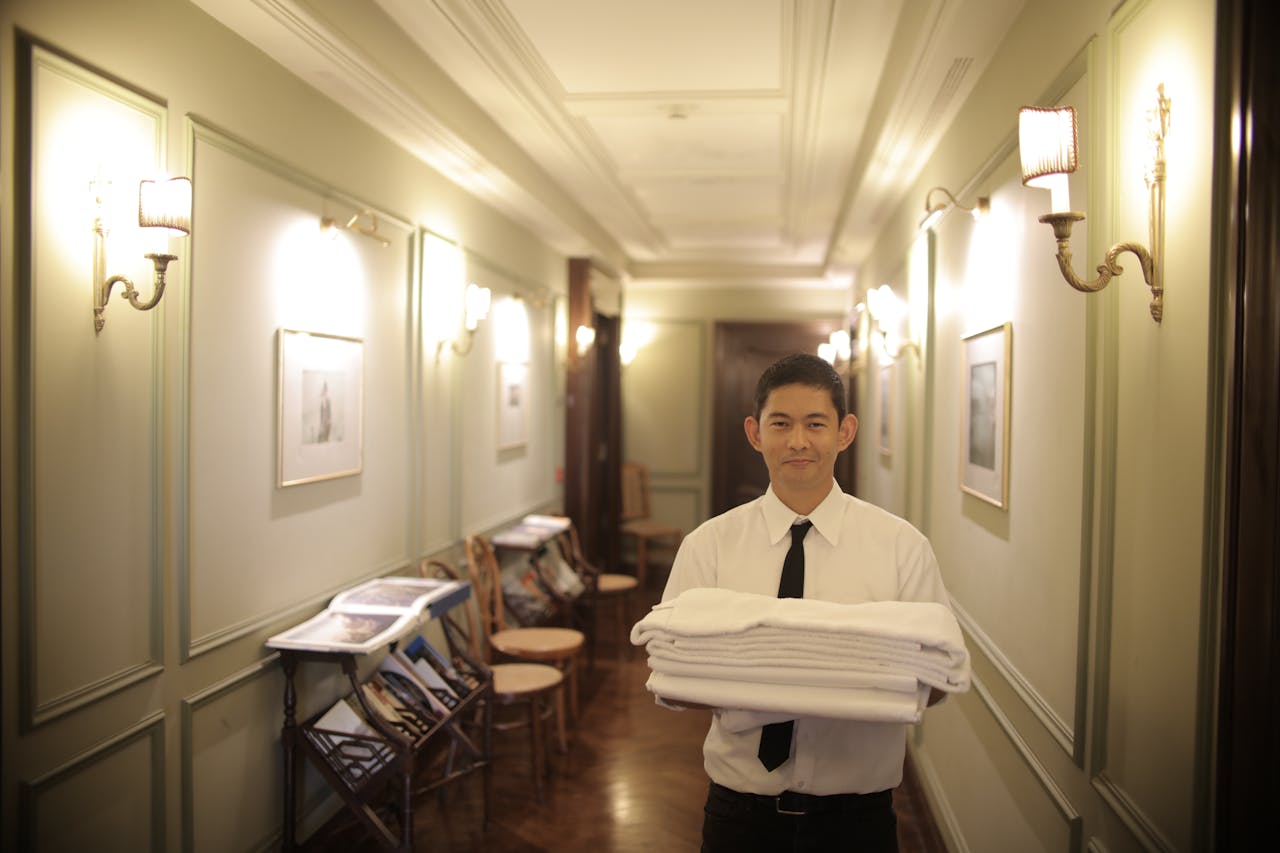
Calling for extra towels, hangers, or coffee pods right before departure sounds minor, but it triggers a full delivery loop. A runner has to pull items, ride elevators, knock, and log the request for a room that will be empty in minutes. Those minutes come out of other calls already queued.
It also complicates the room check. Staff must confirm whether the items were used, left behind, or should be counted as stock, which can mean another trip and extra notes. Earlier requests can be batched and handled efficiently. At checkout, the same ask breaks the hallway rhythm and slows the turn. Multiply it by 10 rooms, and the morning slips.
Leaving Belongings Scattered in Drawers and Corners
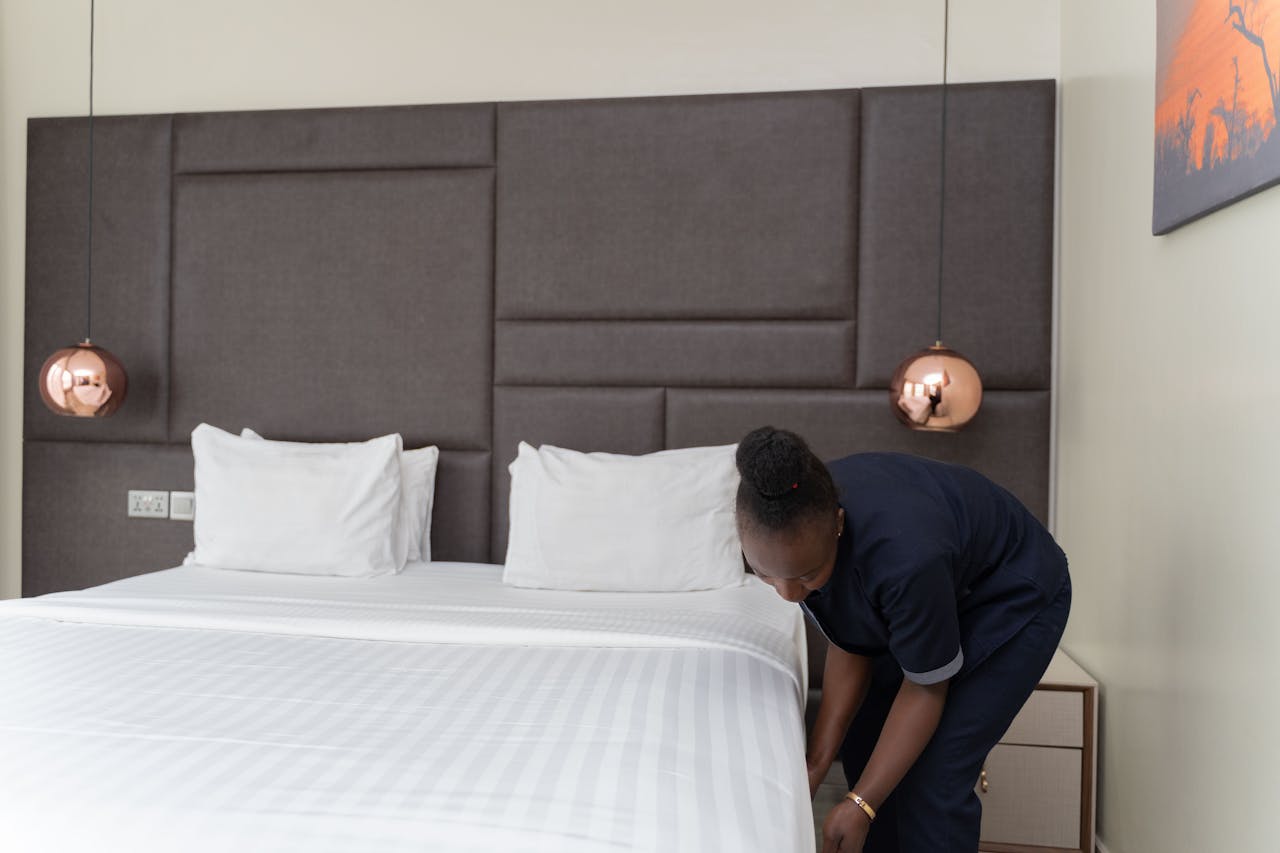
Packing in a hurry can leave a room looking fine but hard to clear. Chargers slip behind nightstands, socks hide under beds, and toiletries end up in drawers that staff must open and check carefully so nothing gets missed. Even a tidy room takes longer when items are scattered.
Every hiding spot becomes a checkpoint, and checkpoints create second passes. A forgotten item can trigger a hold, a call, and a return trip that breaks the route for the whole team. Rooms turn faster when surfaces are cleared, drawers are empty, and small trash is gathered in one place. Then reset work becomes one clean sweep. It is faster and safer for everyone.
Requesting Receipt Changes at the Desk
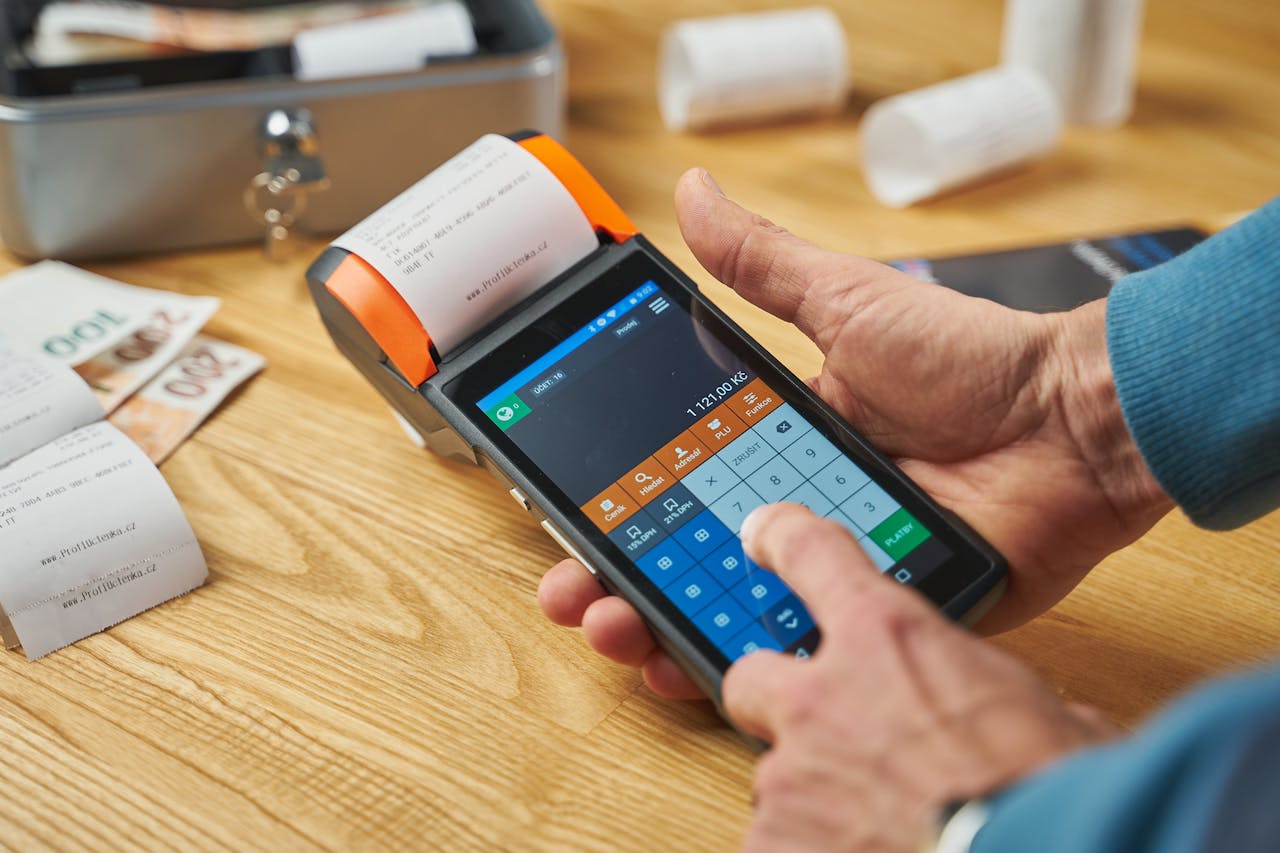
Last-minute receipt edits can freeze a busy desk. Split folios, name changes, and tax adjustments often require identity checks, rate rules, and sometimes a fresh authorization before the system will close the bill. Corporate expense rules can add another layer. What looks like a quick print can become a careful verification step.
When details are confirmed the night before, staff can prep the folio or email it with the right fields. At checkout, the same request becomes pauses, supervisor approvals, and extra signatures while the line grows. Accuracy matters, but timing matters too, especially at 10:30 a.m. when rooms are turning.
Forgetting Items in the In-Room Safe
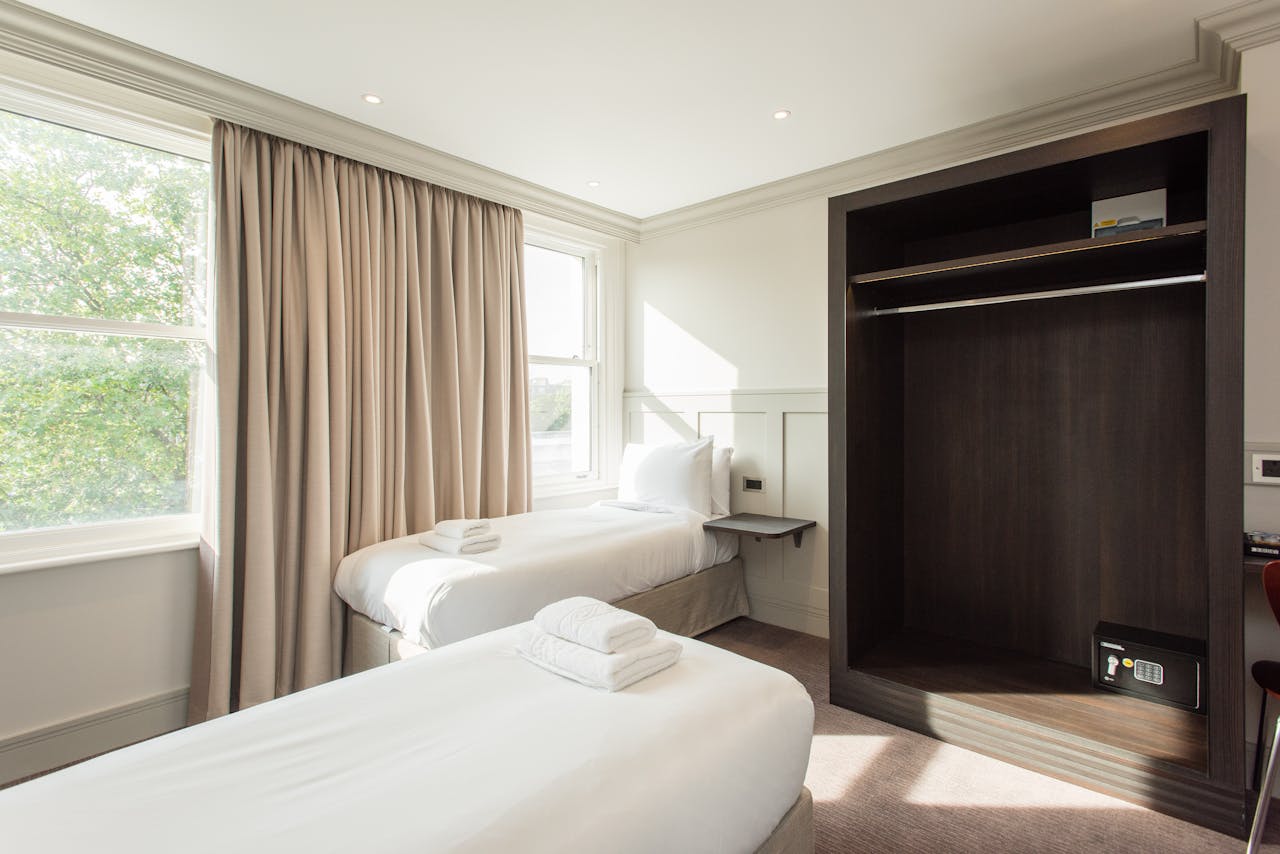
Forgetting items in the in-room safe slows turnover because the safe must be checked, documented, and reset. If it is left locked, staff may need a supervisor code or engineering support, and the process is treated as security, not convenience. That adds steps and slows the first inspection.
Even when the safe is empty, the checklist still takes time and requires the right staff member to be free. A final sweep during packing prevents calls, forms, and delays that keep a room off the board. Rooms move faster when the safe is left open, empty, and easy to confirm at a glance. It also reduces follow-up contact after departure.
Creating Minibar Uncertainty

Minibar uncertainty slows checkout because charges must be accurate before a folio can be finalized. When items are moved, half-used, or replaced with outside drinks, staff cannot rely on a quick count, and some hotels require a second check to prevent disputes. Even sensor systems can flag false positives. It is slow work, not hard work.
That verification keeps both the bill and the room in limbo. The desk may hold the receipt, housekeeping may wait on clearance, and runners may revisit the floor. A clear minibar pattern, or a quick note shared earlier, lets staff close charges cleanly. Guesswork is what drags the morning out.
Leaving Wet Towels Everywhere
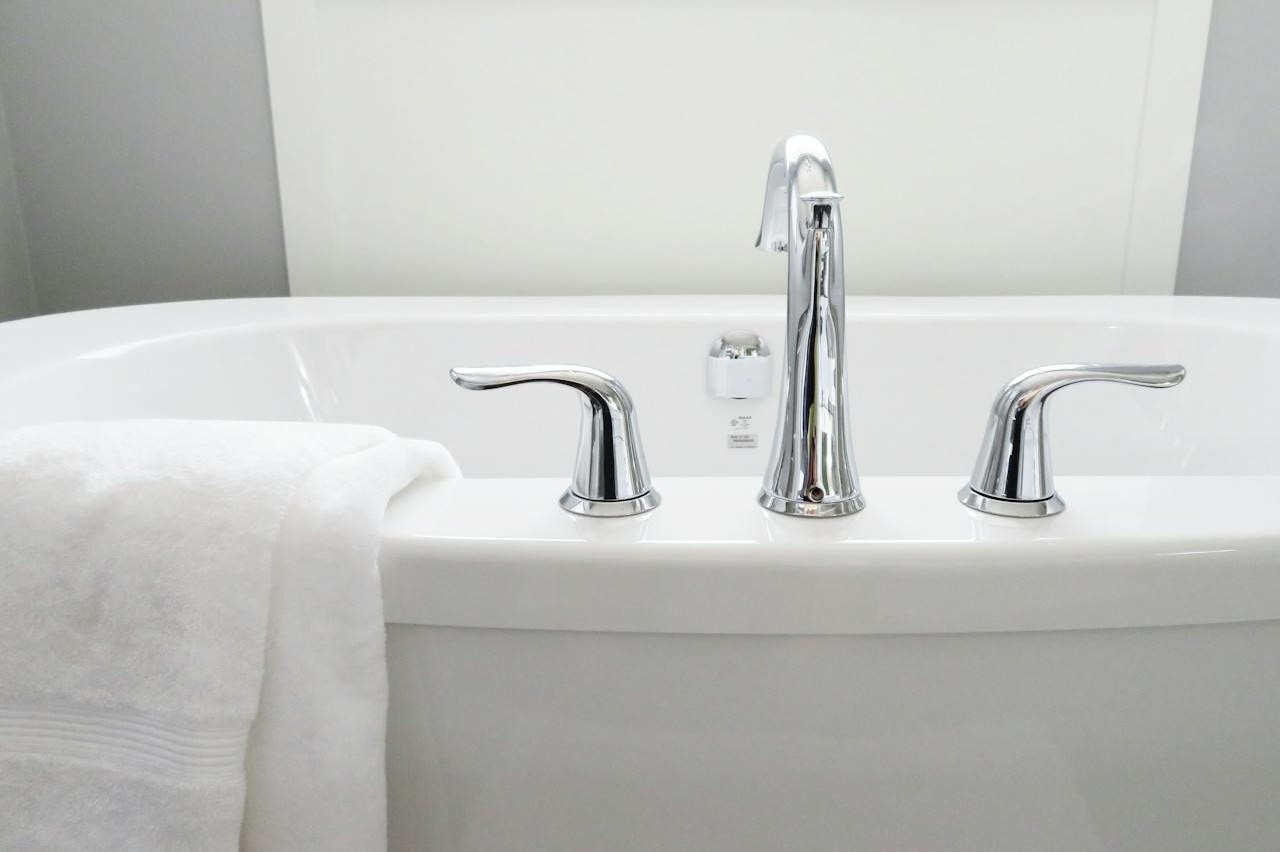
Wet towel piles spread across the bathroom slow turnover because staff must manage moisture before reset work starts. Soaked textiles drip into grout lines, fog mirrors, and force extra drying so new linens and amenities do not land on damp surfaces. They also require careful bagging to avoid leaking through carts.
Grouped towels in one spot make the clean faster and reduce odor checks. When floors are left mostly dry, staff can restock, polish, and move on without waiting for air to do the job. In a full hotel, those saved minutes decide whether the next room is ready on time or stuck in the queue. Small choices shape the whole schedule.
Causing Key Card Lockouts During Packing
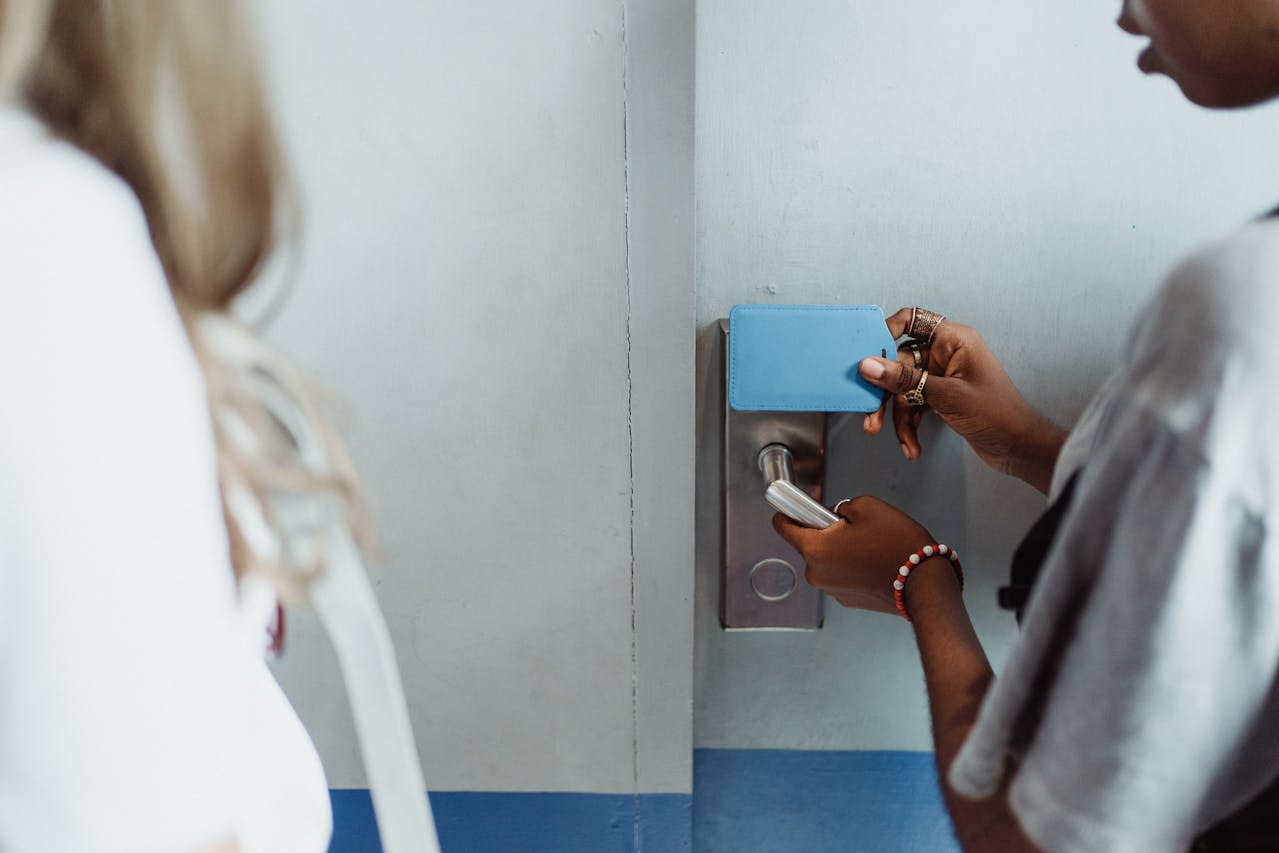
Packing with only one key card in circulation creates a quiet lockout that eats time. The desk must verify identity, cut a replacement, and sometimes coordinate with security, all while the hallway becomes a waiting area. If elevators are busy, the fix takes longer than it should. Meanwhile, other guests are waiting at the desk.
It also delays room release. Housekeeping may be ready to enter, but cannot start until access is confirmed and the room is clearly vacant. Every rekey adds system notes and another interruption. When keys are returned together, or dropped in an express box, the chain stays simple and the floor keeps moving.
Starting a Lost-Item Search at the Counter
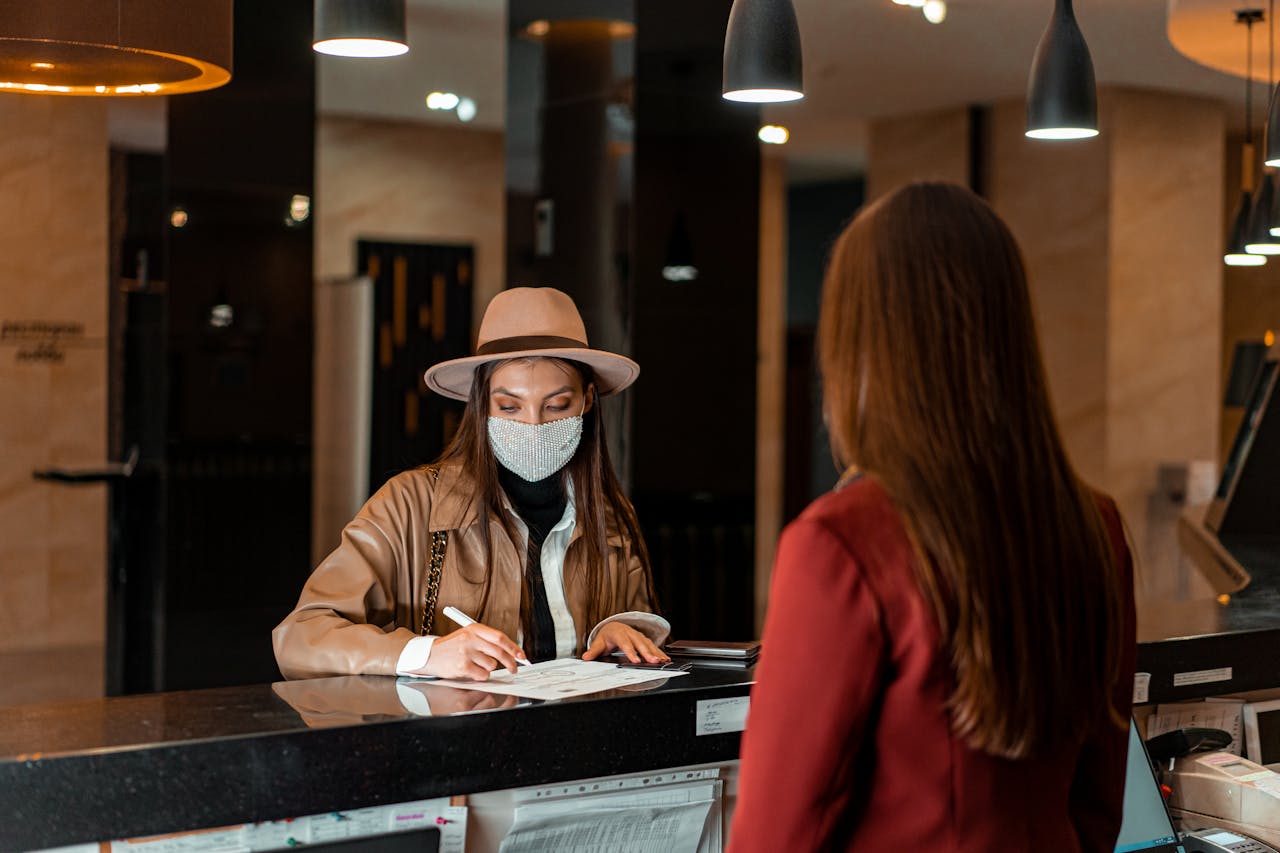
Starting a lost-item search while standing at the counter can stall an entire checkout line. Staff can radio housekeeping, request a room recheck, and log details, but replies take time because teams are spread across floors and already turning rooms. It becomes triage during the busiest hour. During that pause, the room may be held and the bill may stay open.
After departure, the same search can run on a calm checklist: outlets, nightstands, the shower ledge, and closet floors. A quick final scan before leaving prevents most panic, and it keeps the desk free to move the line. Better timing helps staff help more people without delay.