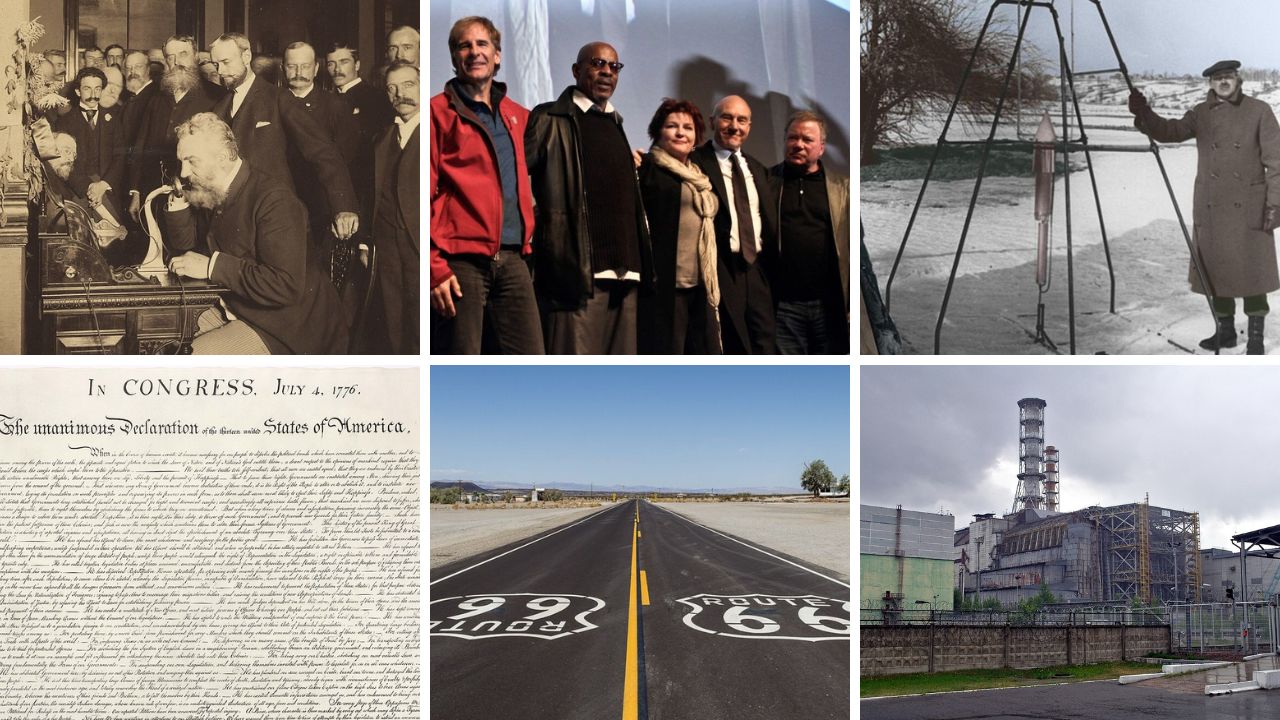
Anniversaries do not require nostalgia to matter. In 2026, a few milestones offer a clean reason to pause, revisit primary sources, and notice how today’s routines were shaped by older choices.
Some dates invite celebration, others call for sober attention, and a few do both at once. Marked well, they move past trivia into context: what changed, who carried the cost, and what still echoes.
A clear date, a short reading, a museum visit, or a quiet walk past a local marker can turn history from background noise into something usable. When the story is tied to place and evidence, memory becomes steadier, and less performative.
Declaration Of Independence Turns 250
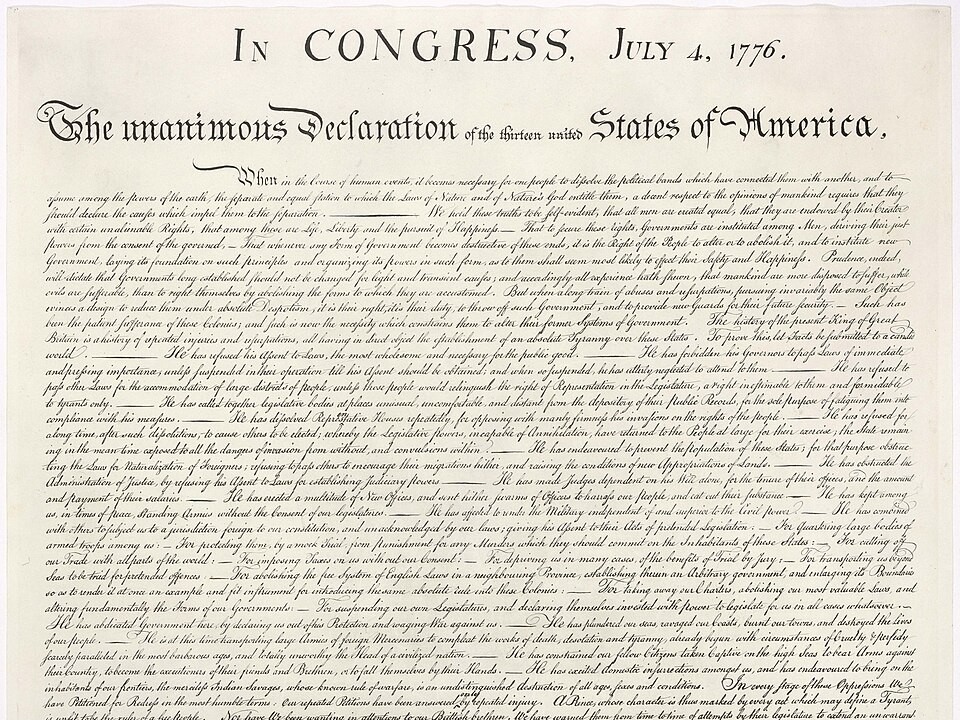
July 4, 1776 is when the Continental Congress adopted the Declaration of Independence, turning colonial revolt into a public claim of nationhood. In 2026, that text reaches 250 years, which makes the date feel less like fireworks and more like a civic check-in for a still-evolving republic.
A strong commemoration pairs a public reading with local evidence: drafts, petitions, tax lists, and town minutes that show who had rights on paper and who did not. Holding pride next to complexity keeps the anniversary honest, and it invites communities to ask what the words demanded then, and what they demand now in daily life. Again.
Adam Smith’s “Wealth Of Nations” Turns 250
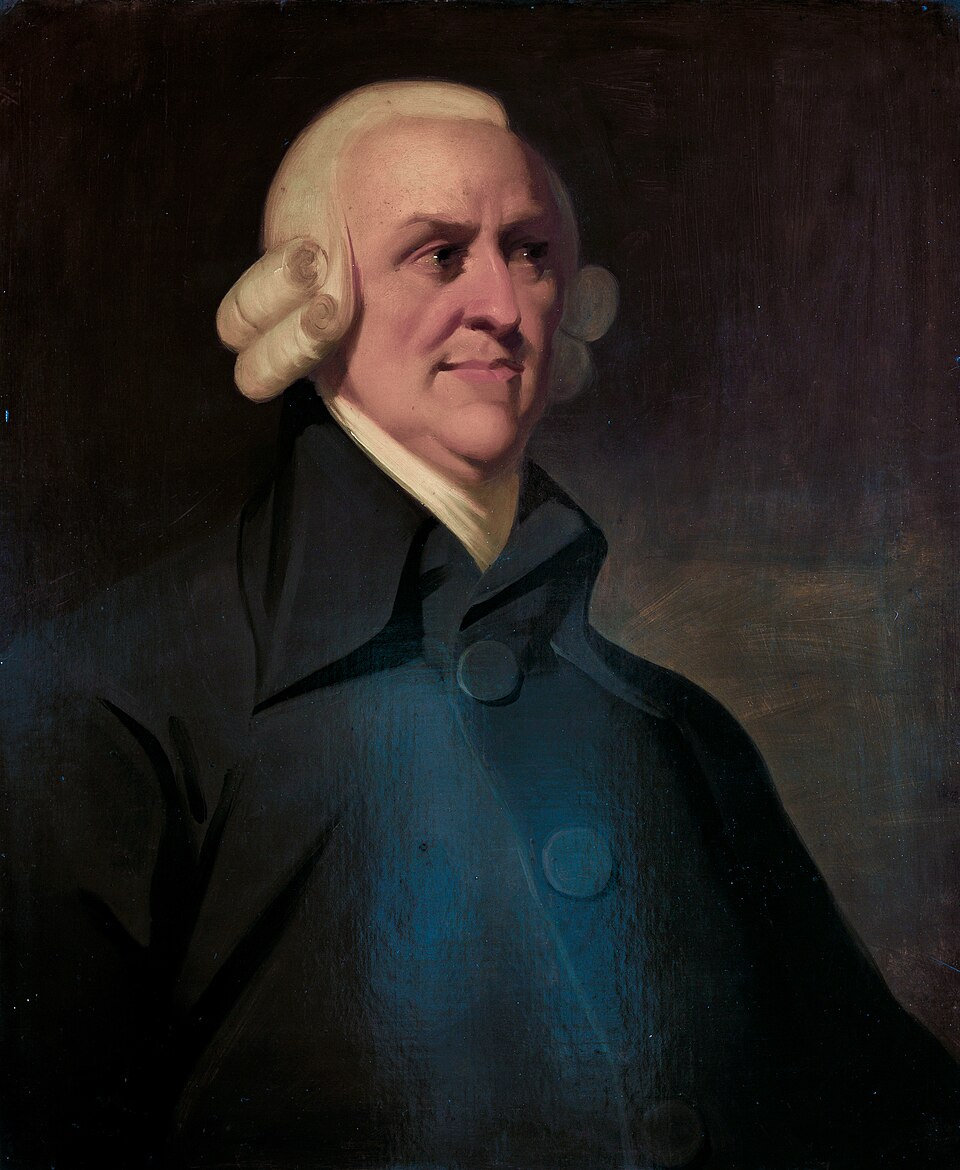
Adam Smith published “The Wealth of Nations” on Mar. 9, 1776, and its arguments still shape how people talk about markets, wages, and government. Its 250th year in 2026 lands during loud debates about inequality, trade, and automation, where slogans often outrun the text.
A useful way to mark it is to read a short passage on division of labor, then compare it with modern work, pricing, and bargaining power. Libraries and campuses can separate Smith’s ideas from later political branding, and ask what he expected markets to solve, what he feared they would distort, and who benefits. The anniversary becomes a conversation, not a shrine.
The Telephone Patent Turns 150
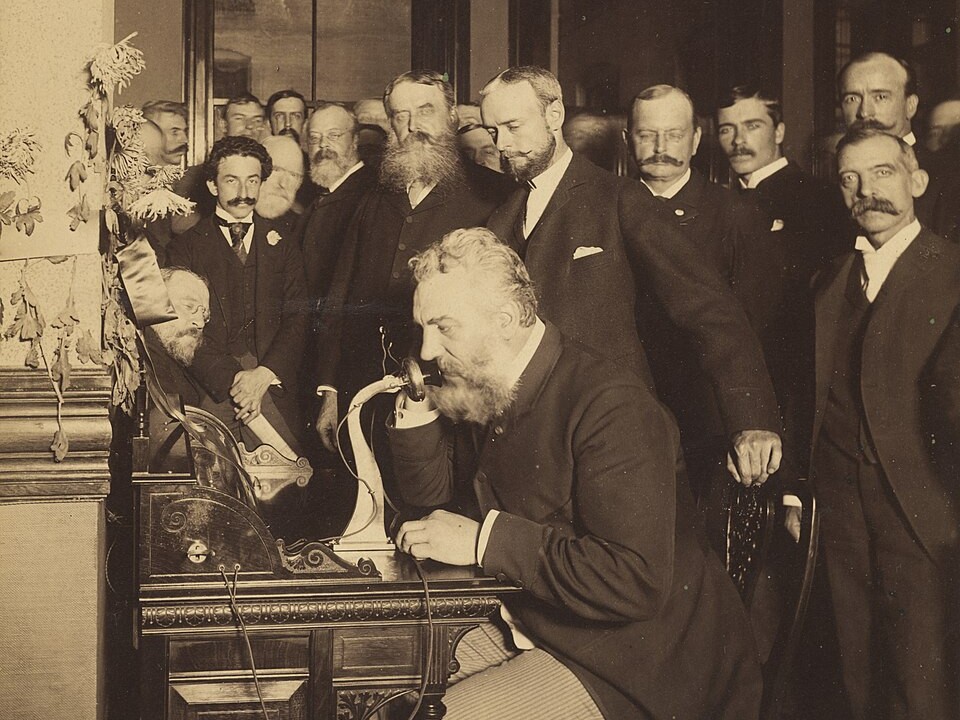
On Mar. 7, 1876, Alexander Graham Bell received a U.S. patent for the telephone, and on Mar. 10 he made a successful first call to Thomas Watson. By 2026, that is 150 years of voice traveling through infrastructure that most people now take for granted.
Marking the anniversary works best when it goes beyond the famous line and looks at networks: switchboards, standards, maintenance, and who gained access first. It also fits the contested invention era, when rivals pursued similar breakthroughs and patents shaped credit. The deeper lesson is simple: technology changes daily life slowly, one connection and one rulebook at a time.
Route 66 Reaches 100
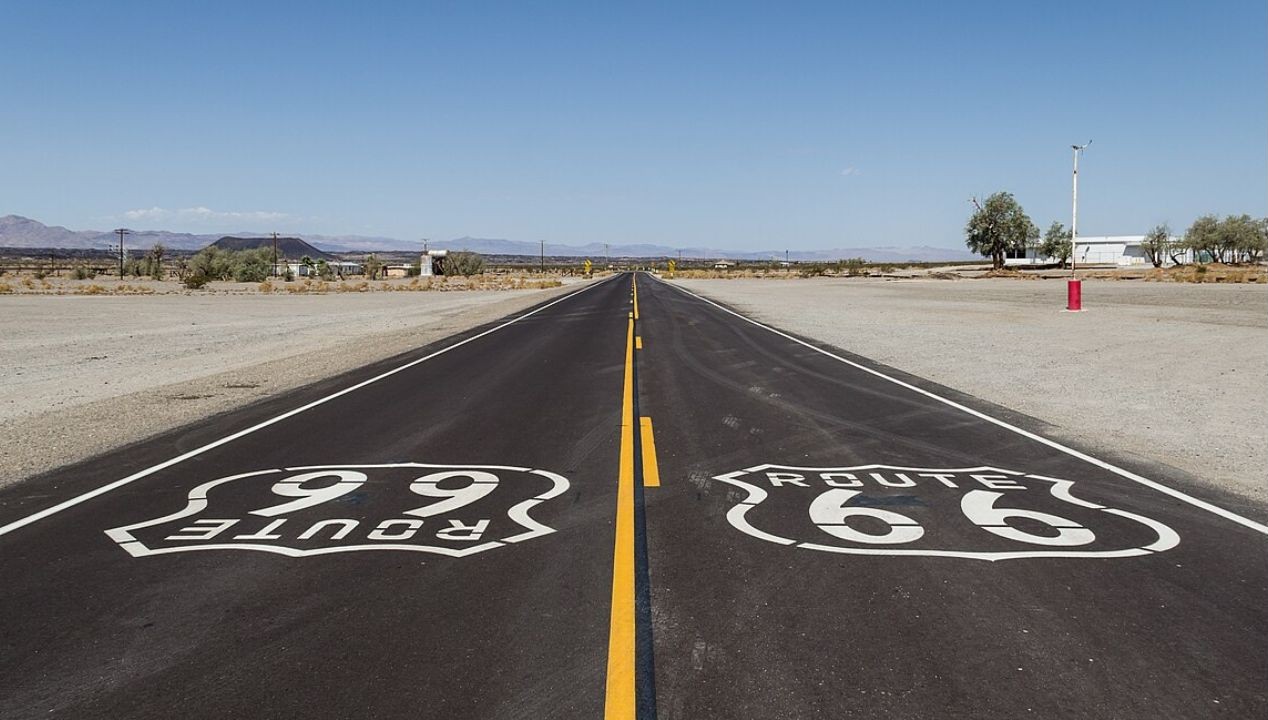
U.S. Route 66 was established on Nov. 11, 1926, linking Chicago to Santa Monica and becoming a symbol of mobility, migration, and roadside hustle. Its centennial in 2026 will spark rallies, exhibits, and care for neon signs, diners, and the small towns that kept the road alive.
A thoughtful centennial also remembers what nostalgia can hide: Dust Bowl displacement, segregation that shaped who felt welcome, and communities later bypassed by interstates. Local museums can map old alignments, interview longtime owners, and tell the story of a highway as lived infrastructure, not just a postcard. That balance makes celebration feel earned.
Goddard’s First Liquid-Fueled Rocket Turns 100
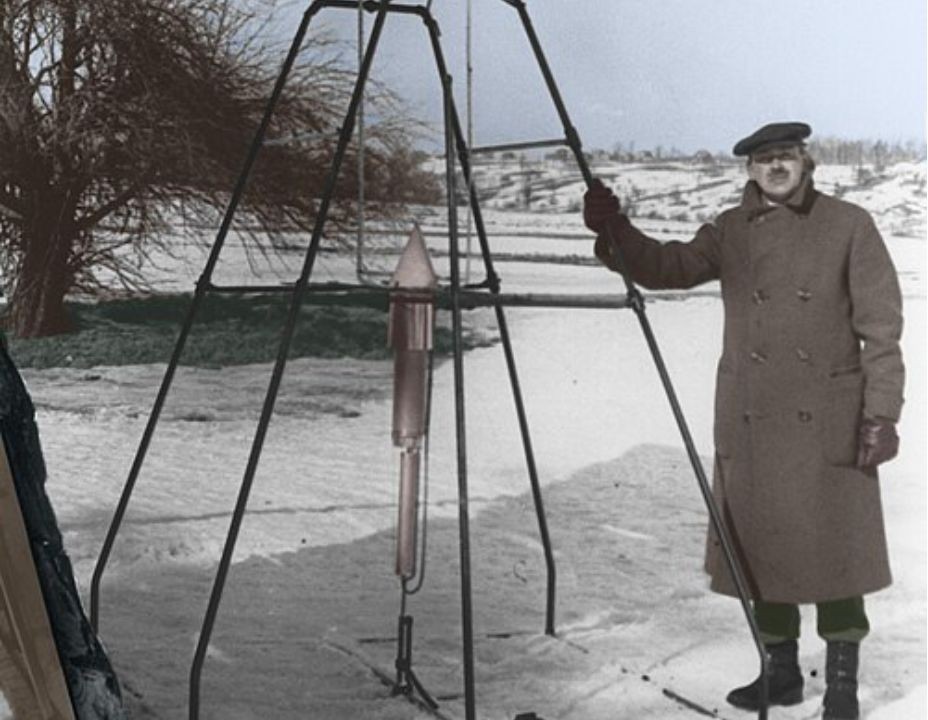
On Mar. 16, 1926, Robert H. Goddard launched the first successful liquid-fueled rocket in Auburn, Massachusetts. The flight was brief and low, but it proved controlled propulsion could scale, laying a foundation for modern rocketry and spaceflight.
The 100th anniversary in 2026 fits museums and classrooms because the story is about method, not glamour. Goddard’s notebooks show iteration: leaks, soot, redesigns, then another test. Marking the date with real artifacts or simple demos honors patience and precision, and it reminds audiences that breakthroughs often look small at first. Progress grows from evidence, not applause.
“Star Trek” Turns 60
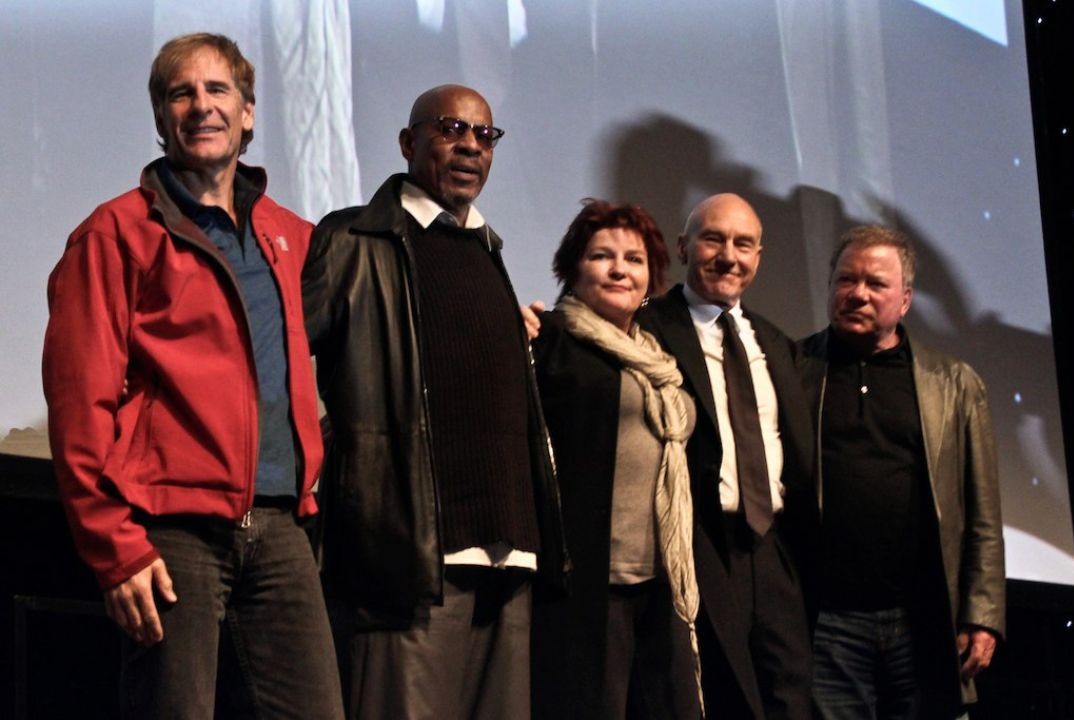
“Star Trek” premiered on NBC on Sept. 8, 1966, and its future was built as much on ethics and diplomacy as on adventure. In 2026, the 60th anniversary offers a cultural checkpoint for how science fiction can shape real engineering, design language, and imagination.
The richest way to mark it is to watch with context: pair a few early episodes with 1966 headlines, then notice what feels brave, what feels dated, and what still speaks. Library screenings and discussion groups can use the moment to talk about representation, authority, and optimism without pretending the series was perfect. The anniversary becomes a prompt for better hope.
Chernobyl Marks 40

On Apr. 26, 1986, reactor No. 4 at Chernobyl exploded during a late-night test, releasing contamination that reshaped lives across Ukraine and beyond. In 2026, the 40th anniversary will be marked in memorials that center workers, evacuees, and the long work of containment.
It is also an anniversary about systems, not only machines. Design limits, training, transparency, and emergency planning all mattered, and secrecy made recovery harder. A respectful commemoration can pair testimony with clear explanations of safety culture and accountability, so remembrance stays humane and specific, not sensational. The lesson still travels.