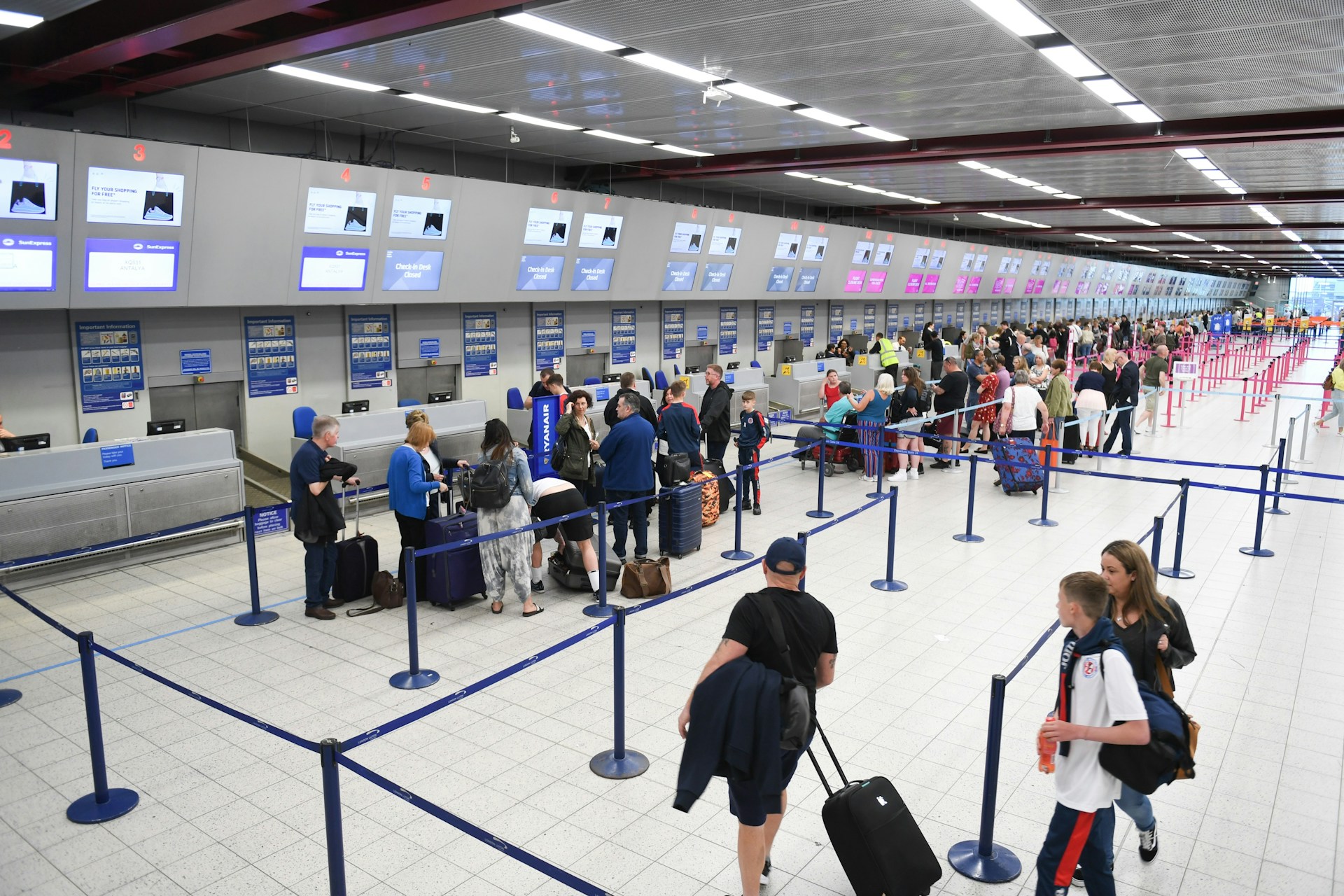
The 15-minute airport story is comforting because it paints travel as a quick errand instead of a moving system. It sometimes works at tiny terminals on quiet mornings, which is why people keep repeating it like advice. Then reality shows up: shifting gates, rigid cutoffs, surprise lines, and a long walk that eats the last margin. In 2026, crowded flight banks and uneven staffing make the gamble worse. The pattern is predictable, and so is the fix. A little buffer time turns chaos into choice and keeps a trip from starting in a rush.
Security Is Not a Constant
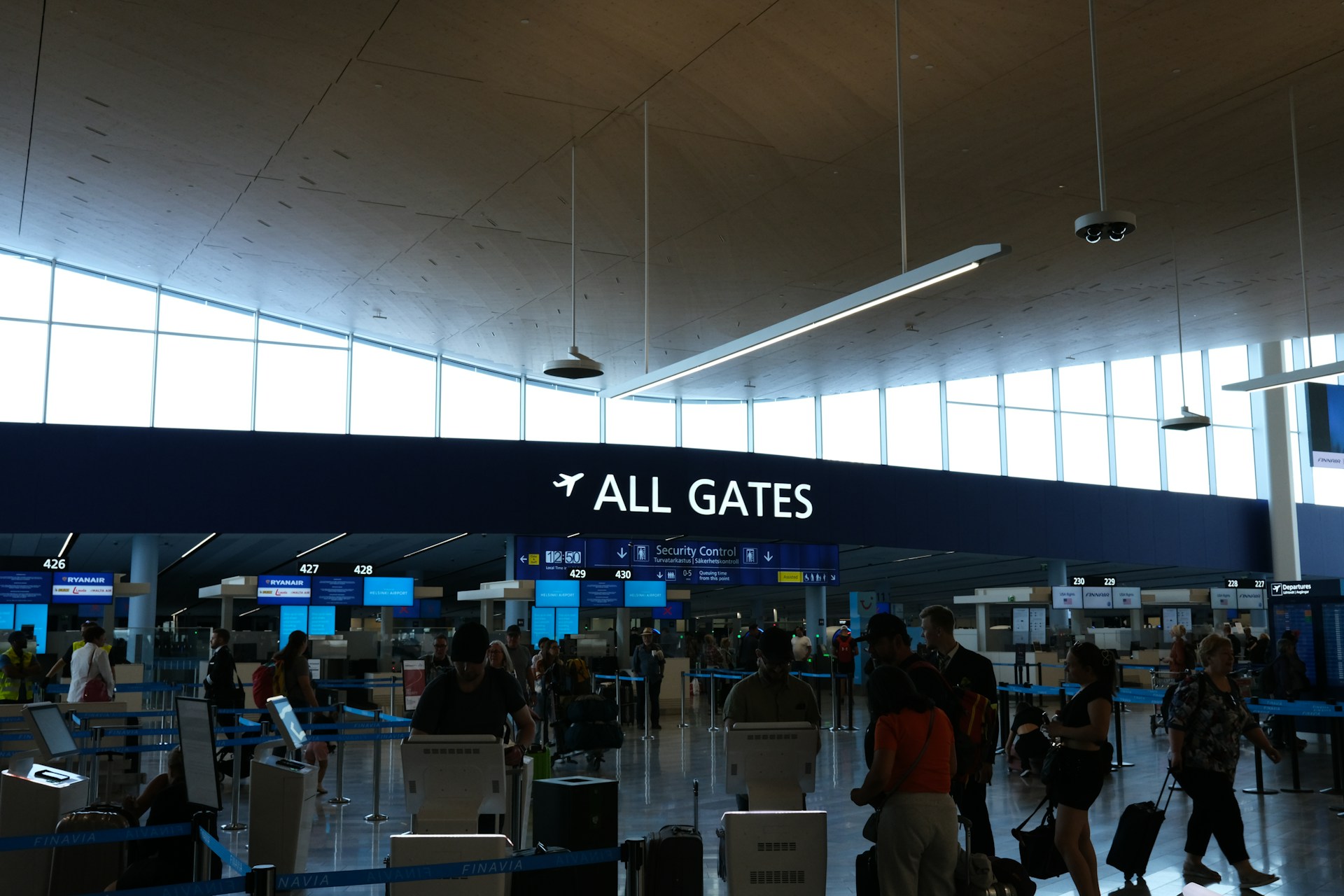
Security time changes minute to minute, and that unpredictability breaks the 15-minute plan before it even starts, even at airports that usually feel quick. One tour group, a shift change, a lane closure, a broken bin stack, or a rush from delayed trains can turn a short line into a stop-and-go crawl, and the queue often looks harmless until it stops moving. Even fast-track lanes jam when staffing is thin or extra screening stacks up, so arriving with slack is not cautious, it is practical insurance that preserves calm, keeps shoes on the right feet, and leaves time for water and a steady breath, too.
Check-In Cutoffs Are Hard Deadlines

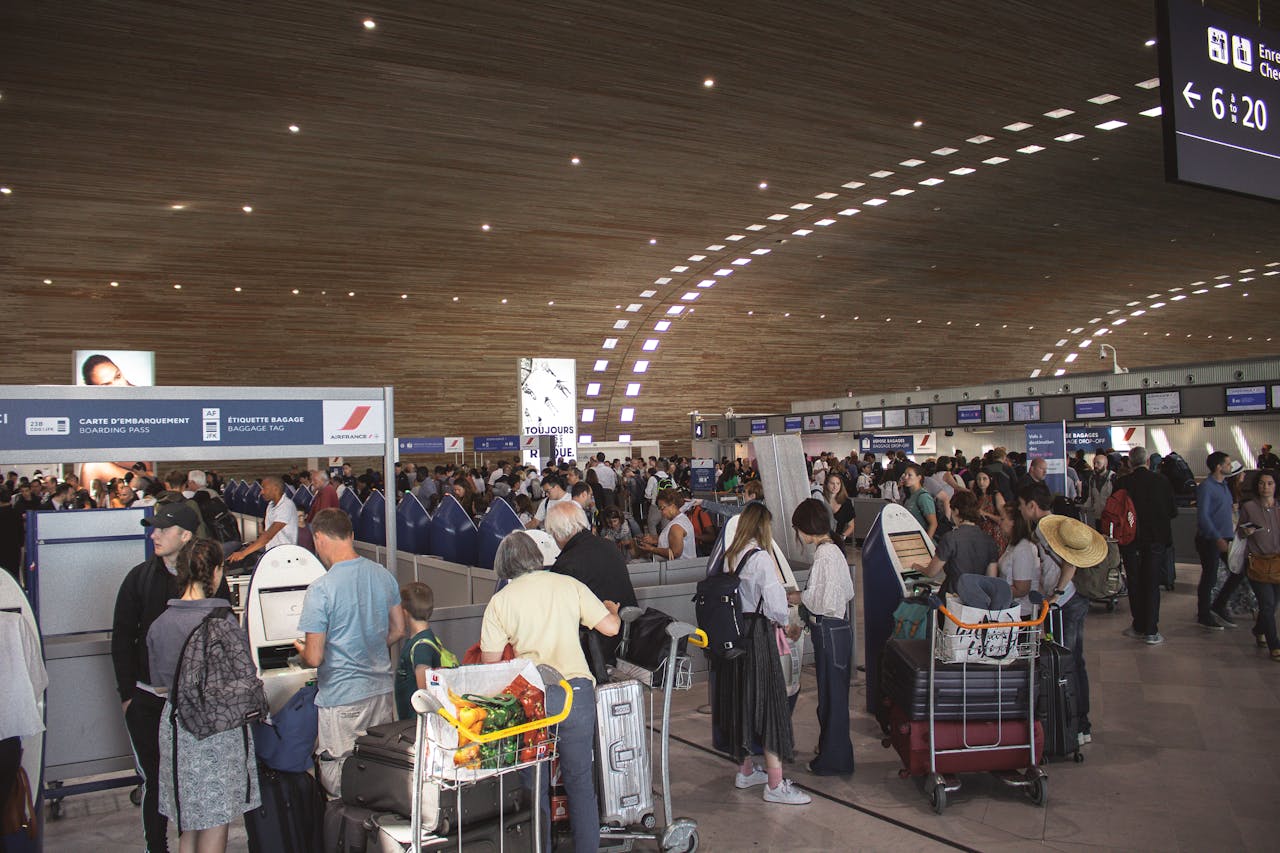
Airports run on hard cutoffs that do not care how close the gate is, how empty the hallway looks, or how confident a traveler feels leaving home late. Many airlines stop taking checked bags well before departure, kiosks lock out check-in at the deadline, and agents rarely override the system, especially during busy banks when they must close a flight and move on. The 15-minute myth turns a small delay into a missed flight and an expensive rebook, and on full routes the next open seat can be hours later, or the next morning, with a lost hotel night, a ruined connection, and no clean fix in the moment.
Bags Create Extra Failure Points
Bags add extra choke points that late arrivals underestimate, starting with tagging, scanning, and getting the bag into the belt system before the cutoff hits. If belts back up, a printer jams, a scale needs reset, or a staffed drop turns into a single-file line, the bag can miss the flight even when the passenger boards, and that creates a second problem at baggage claim or on a tight connection. Carry-ons can be just as messy when bins fill and gate agents force last-minute checks, so the 15-minute plan becomes a bet that every bag step stays perfect, from kiosk to belt to bin, on a day that rarely stays perfect.
Terminal Distance Is Not Predictable
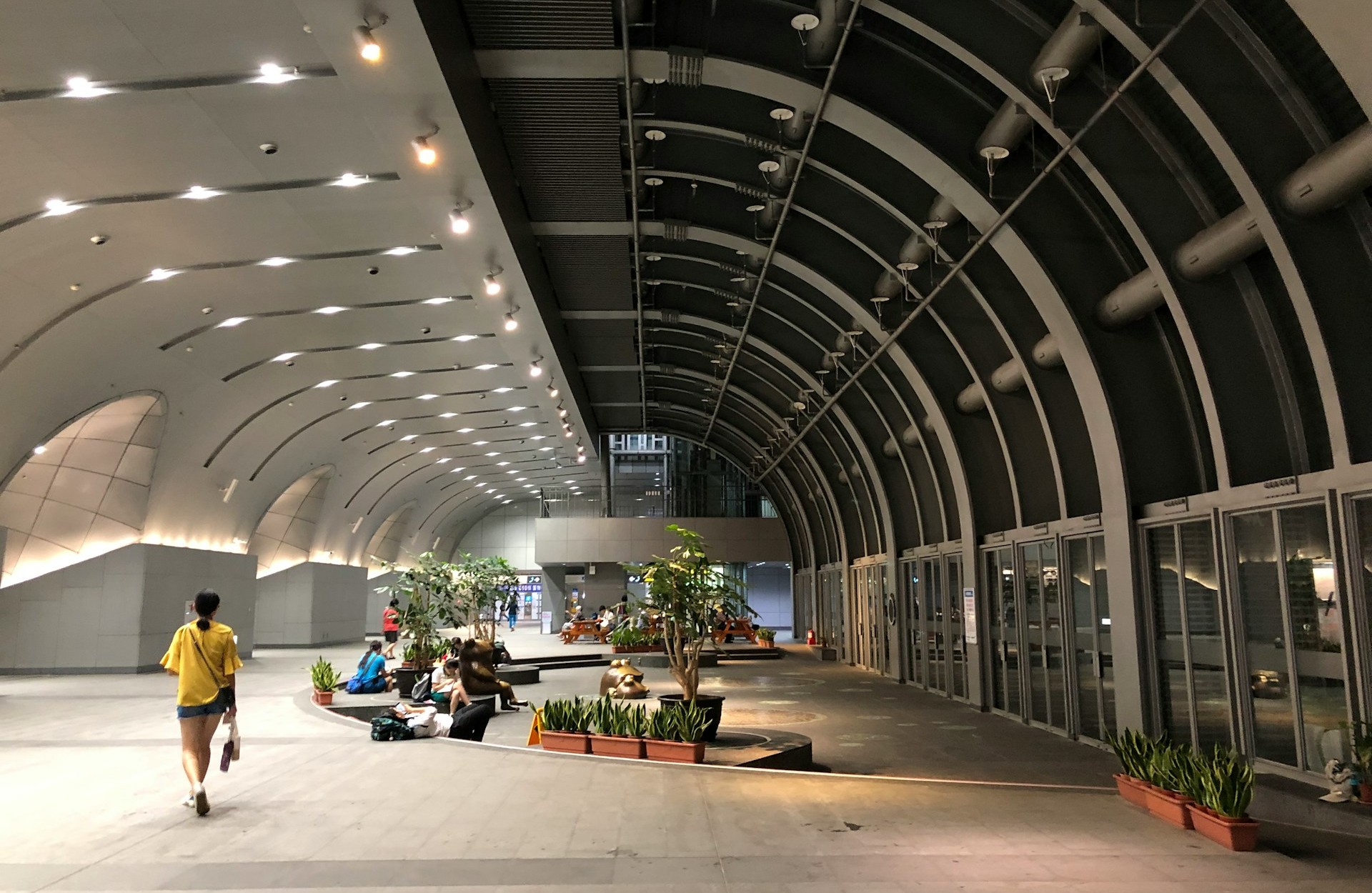
Many terminals look compact on a map, then reveal their true scale when the gate is a 12-minute walk past slow escalators, crowded concourses, and a train between wings that runs on its own interval. Add a last-minute gate change, a bathroom stop, a slow elevator, or a detour to international screening, and the time margin disappears without warning, even when the traveler did everything right. Racing makes it worse by inviting wrong turns and missed announcements, which is why seasoned travelers assume curb-to-seat time is variable and build in room to walk, refill a bottle, and still arrive at the door before final calls.
Gate Changes Rewrite the Last Stretch
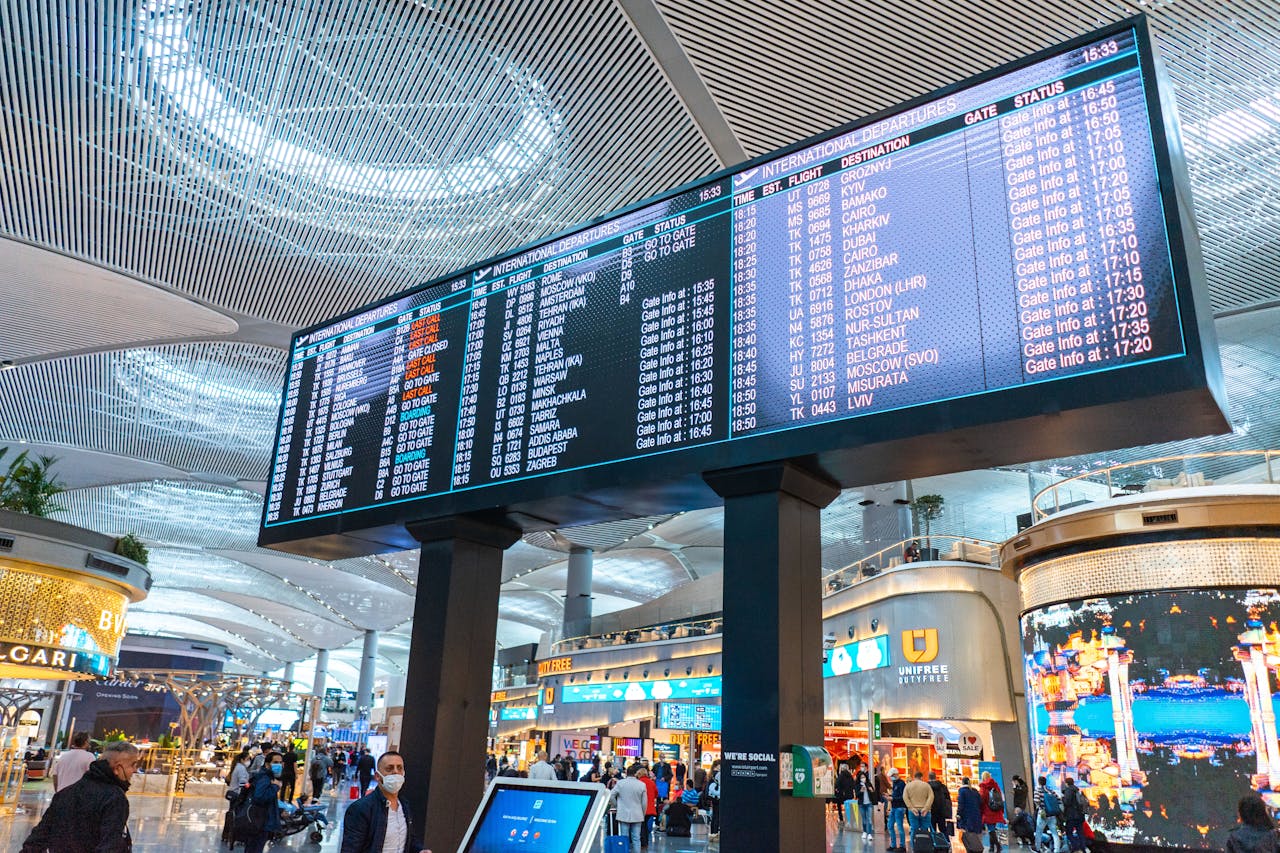
Gate changes are brutal for late arrivals because they rewrite the final minutes of the trip at the exact moment there is no slack left, and they often come with confusing app updates. A flight can show one gate at check-in, then shift across the airport after an aircraft swap, a crew issue, a late inbound, or a schedule shuffle, sending people onto trains and long corridors while boarding groups are already being called. Early arrivals adapt and keep breathing, while late arrivals get forced into a sprint, so the myth fails because it assumes the gate is stable when the airport is constantly rebalancing planes and gates.
Boarding Starts Earlier Than People Assume

Many travelers anchor on departure time and forget that boarding begins much earlier, with door-close happening well before the printed time on the screen at many airlines. That means a 15-minute arrival can already be too late even if security is empty, because final calls are underway, bags are being loaded, and the manifest is being finalized while the jet bridge is clearing. The fix is simple: treat departure time as the end of the process, not the start, and arrive early enough to handle a slow lane, a long walk, a restroom stop, and still board without stress or awkward pleading at the podium.
Tiny Issues Cascade Without Buffer
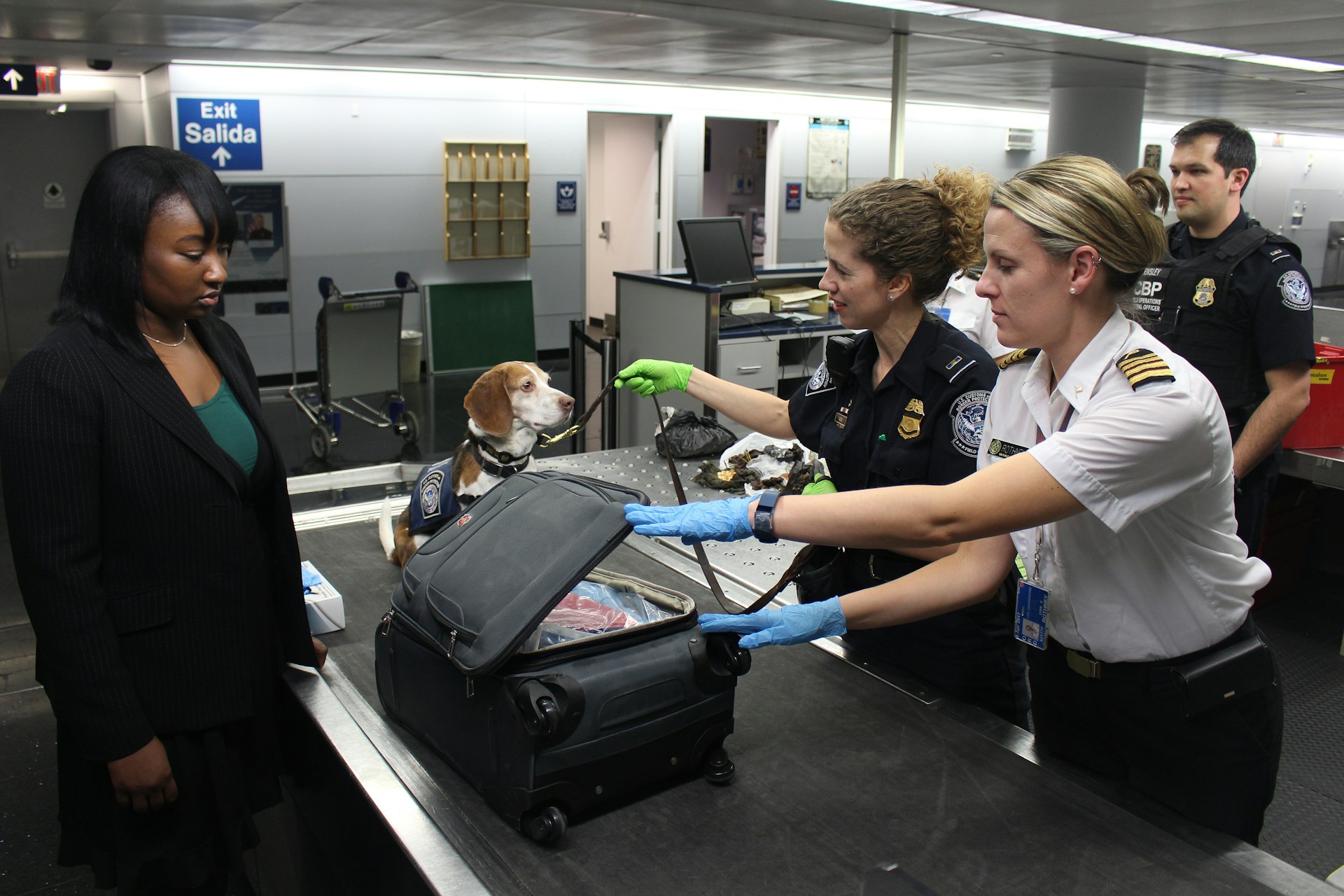
Airports punish small problems when there is no buffer, because tiny delays compound fast and the next step cannot begin until the last one finishes. A boarding pass that will not load, an ID check that runs long, a random bag search, a laptop swab, or a slow scanner can each cost five minutes, and five minutes is everything when the plan depends on perfection. The 15-minute myth assumes a zero-friction run, but real travel includes interruptions, so the safest habit is adding time for glitches, keeping documents easy to reach, and letting calm, not luck, carry the day to the gate every single time.
Getting to the Airport Is Its Own Gamble
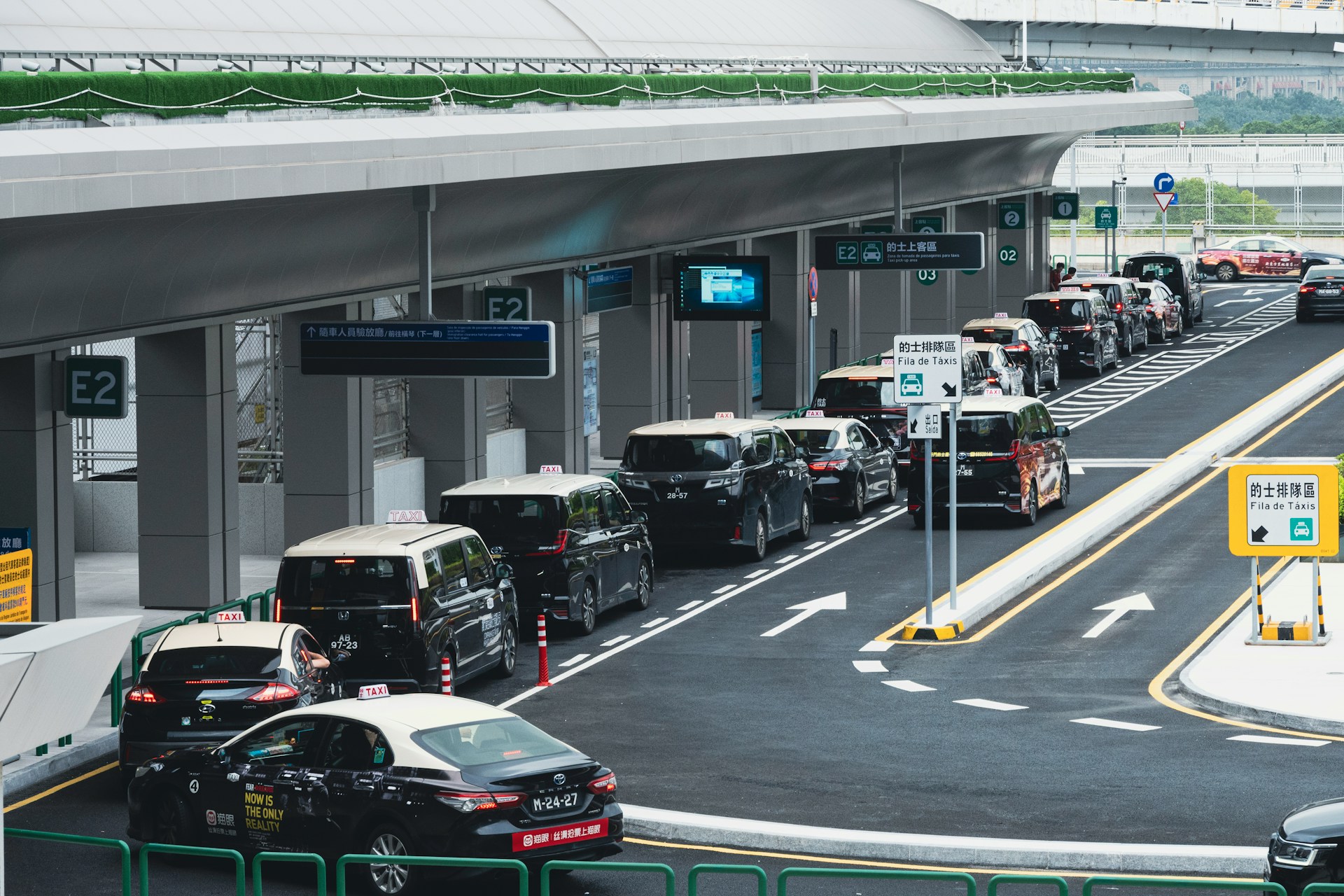
Even if the terminal runs smoothly, getting there often does not, and that is where the 15-minute plan usually collapses, long before anyone sees a security line. Traffic waves, ride-share delays, construction, train disruptions, and weather can steal the buffer before the traveler reaches the curb, and there is no shortcut once it is gone because check-in and security clocks keep ticking. Late arrivals also lose options when a driver cancels, a platform change reroutes the trip, or a parking shuttle is slow, so the practical approach is leaving early enough to absorb one hiccup and still arrive steady, not shaky.
Staffing and Capacity Swing Day to Day
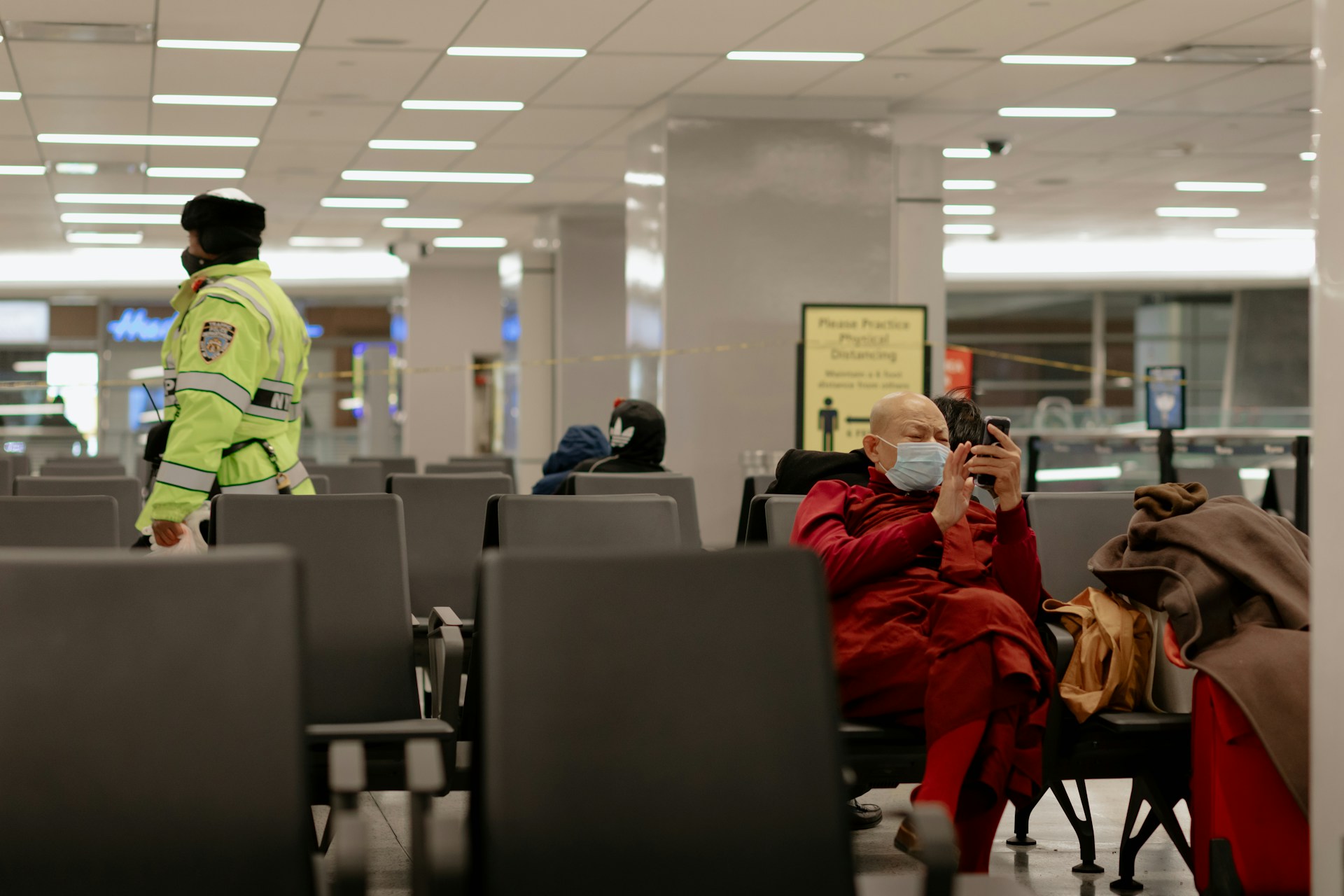
Airports are not equally staffed every day, and capacity can shrink without warning, even at familiar hubs that feel predictable on most trips and seasons. A few callouts can reduce open security lanes, bag-drop counters, or passport booths, and the result is a line that looks normal until it suddenly is not, with no sign explaining why, no clear detour, and no way to speed it up. The myth survives because people remember the day it worked, not the day one scanner failed and the queue doubled, so buffer time is the only insurance that keeps a trip stable when equipment, volume, and staffing shift at once.
The Penalty Is Bigger Than the Reward
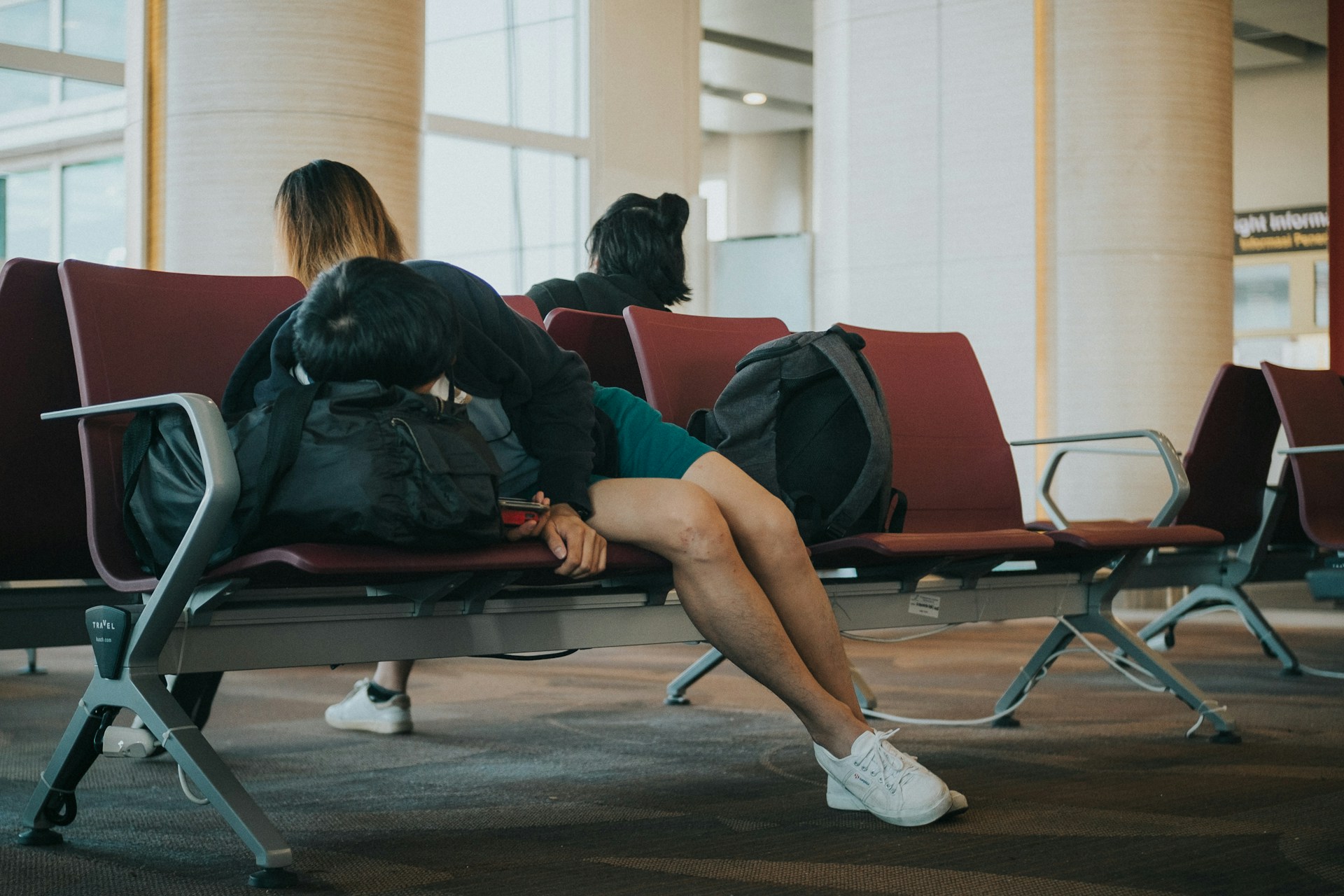
The last reason the myth ruins trips is simple math: the downside is huge and the upside is tiny, even when the late arrival technically works once in a while. Saving 30 minutes at home feels good, but missing a flight can mean rebooking fees, lost hotel nights, missed connections, standby purgatory, and hours in a terminal while plans unravel and moods crash. Even when an airline rebooks, the next seat may be tomorrow, so the 15-minute plan risks the entire itinerary to save a sliver of time, and that trade rarely makes sense for anyone who values a calm start and a clean arrival at the other end.