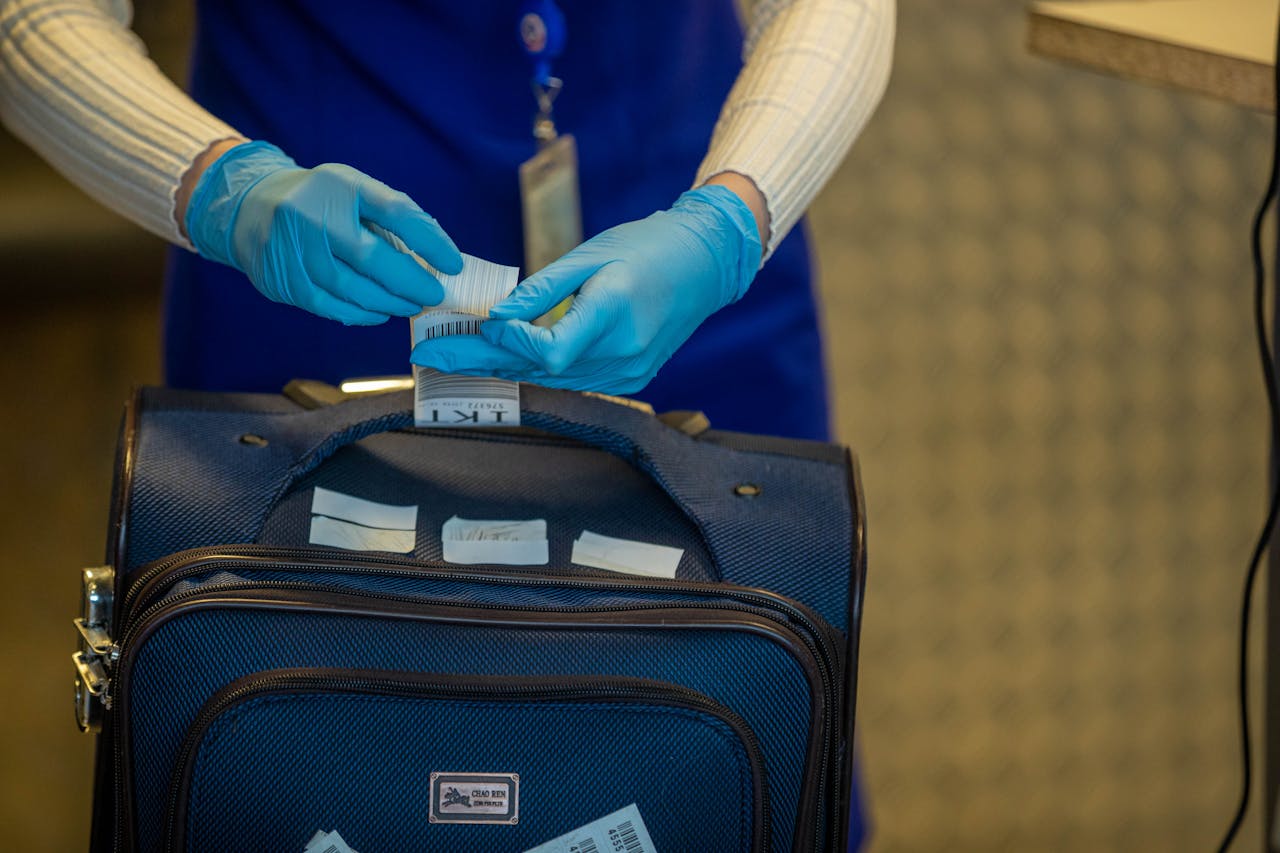
At the gate, a carry-on can shift from trusted companion to problem in seconds. Airlines measure hard edges, wheels, and bulging pockets with a simple sizer, and a bag that looked fine at home can fail fast. The most painful surprises usually come from measuring the wrong parts, rounding in the wrong direction, or relying on labels that were never airline promises. When connections cross borders or aircraft get smaller, the margin shrinks even more, and last-minute repacking turns quiet lines into tense theater. A few small measuring habits keep travel days calmer and overhead bins less dramatic, for everyone nearby.
Measuring the Shell and Forgetting Wheels
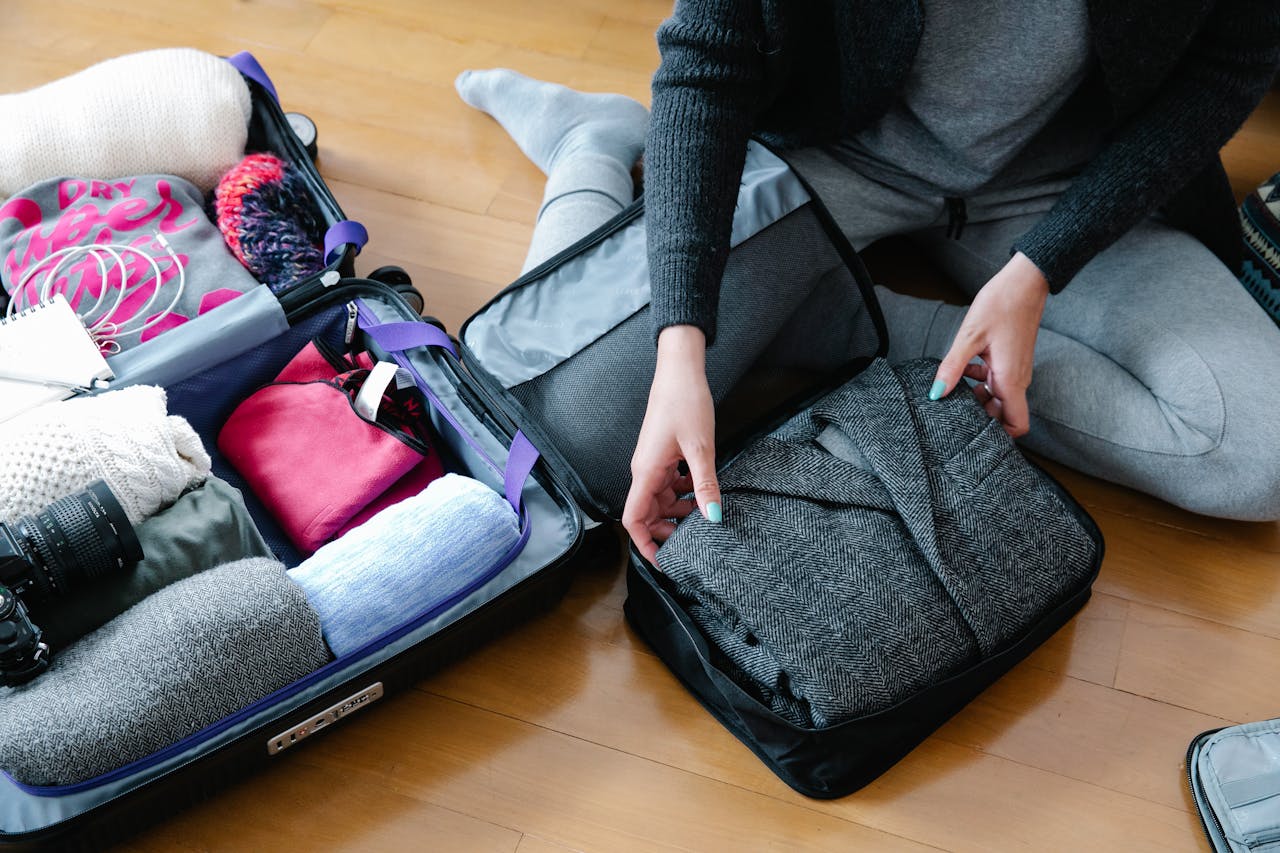
Many travelers measure only the main shell and forget the parts that actually set the bag’s height. Gate sizers count wheels, feet, and the plastic base, and spinner wheels can sit higher than expected after a repair, a replacement set, or even a new wheel cap, while worn wheels sometimes spread outward and steal width in the frame. Measuring from the floor to the highest point with the bag standing upright on a hard surface, then comparing that number to the airline limit without rounding down, prevents a last-second gate-check that feels avoidable. Doing it once per season keeps surprises rare even on familiar routes.
Ignoring Side Handles and Corner Hardware
A bag can meet the posted height and still fail because of side handles and corner hardware. Many travelers measure the flat panels, but sizers catch the widest point, including grab handles, logo plates, zipper garages, and hard corner guards that flare out when the bag is full; even a thin bottle pocket can become a rigid bulge once a metal clip or carabiner is attached. The reliable approach is to measure the maximum width and depth at the bulkiest spot, then test a gentle push against a doorway or box frame at home, since the gate test is not a negotiation. Small protrusions add up fast on regional jets in winter.
Measuring an Empty Soft Bag, Not a Packed One
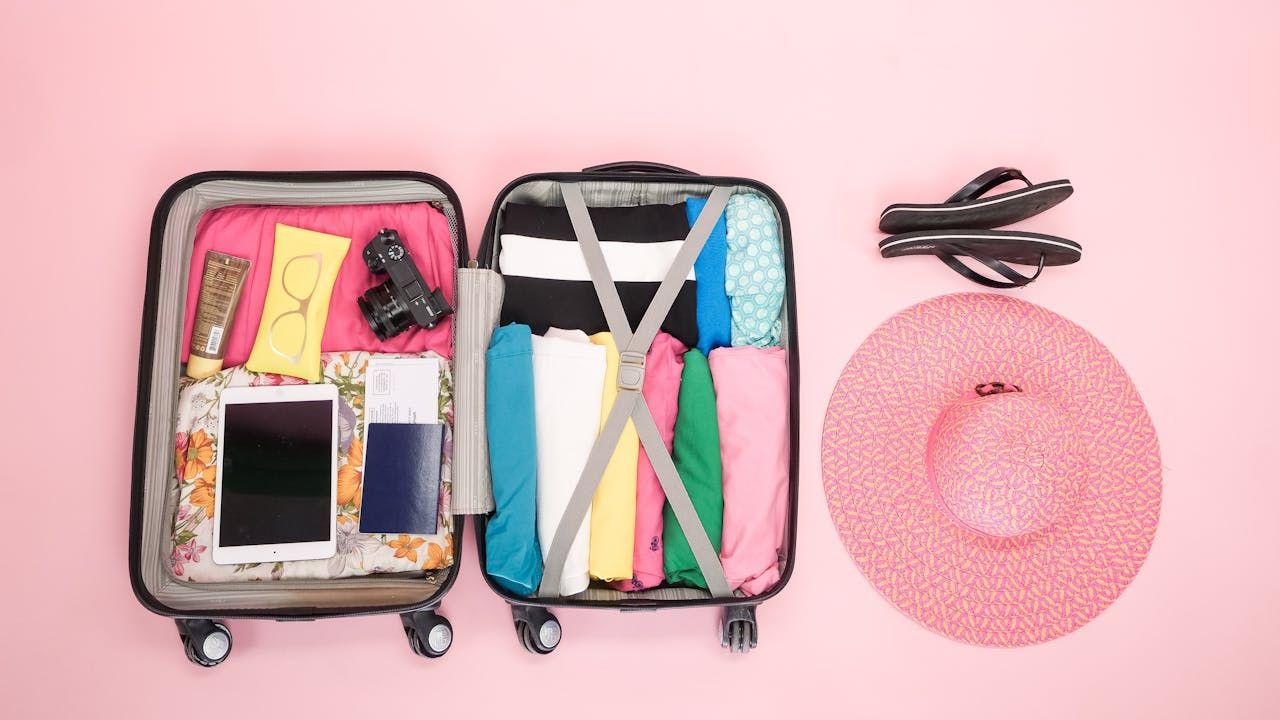
Soft-sided carry-ons tempt overconfidence because they look disciplined when empty. A tape measure on an unfilled bag captures the best-case outline, but once clothing is packed tight, the front panel rounds outward, pockets balloon, and the bag becomes a barrel that will not slide into a sizer; the problem worsens when a jacket is stuffed under bungees or souvenirs ride in exterior pockets. Measuring again after packing, with every pocket loaded and straps set as they will be carried, reveals the true footprint and avoids the awkward moment when a bag that seems squishable is treated as solid by policy at many gates.
Forgetting the Handle Can Sit One Notch Up
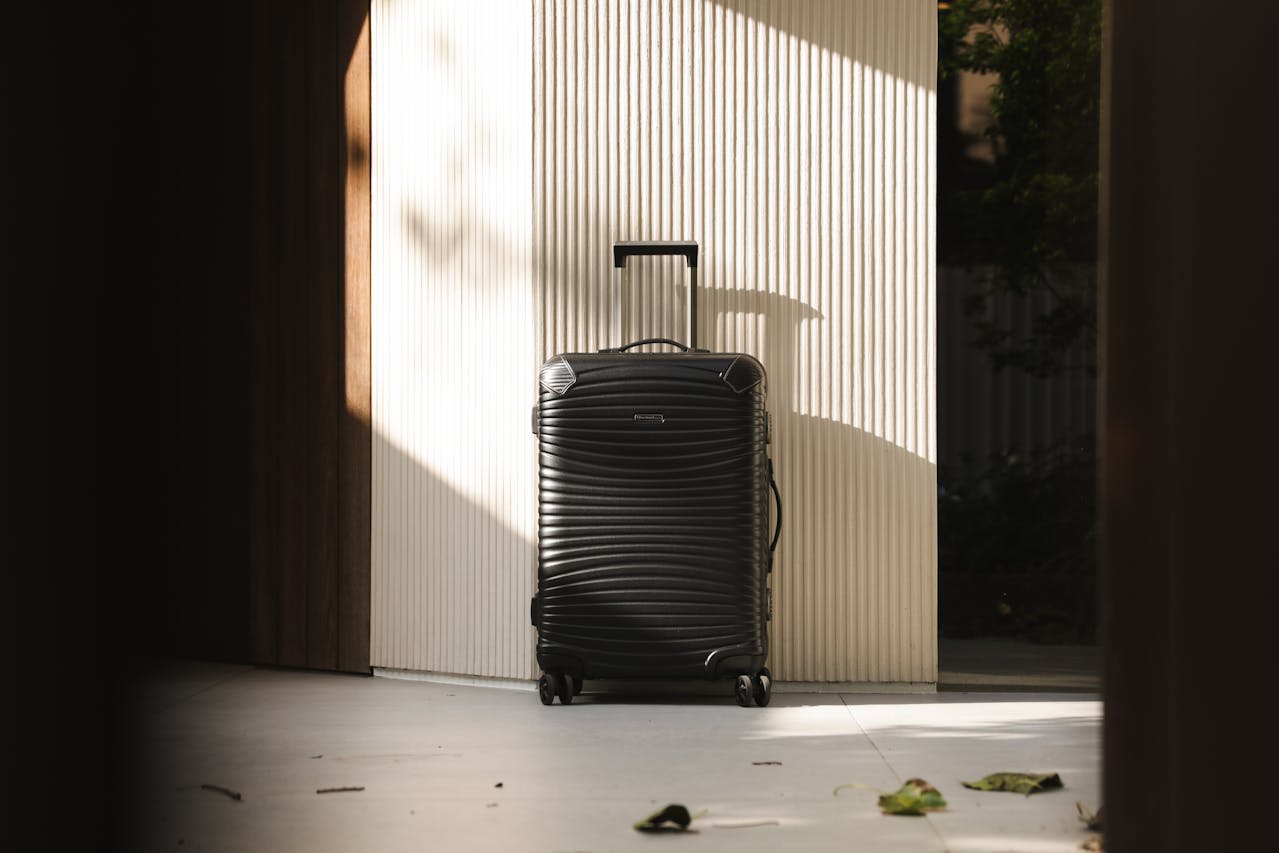
Telescoping handles create a quiet measuring trap because travel often happens with the handle half-raised. At home, a bag is measured with the handle fully down, yet in the terminal the button can stick, the rails can sit one notch up, or the top grip can tilt forward, adding one to two in. and pushing the bag past the limit for overhead bins on regional aircraft; the carry handle can also arch upward when the bag is packed tight. Measuring twice, once fully retracted and once at the first locking notch with the bag upright, matches crowded aisles after connections, when small changes suddenly matter the most in practice.
Trusting a Retail Carry-On Label
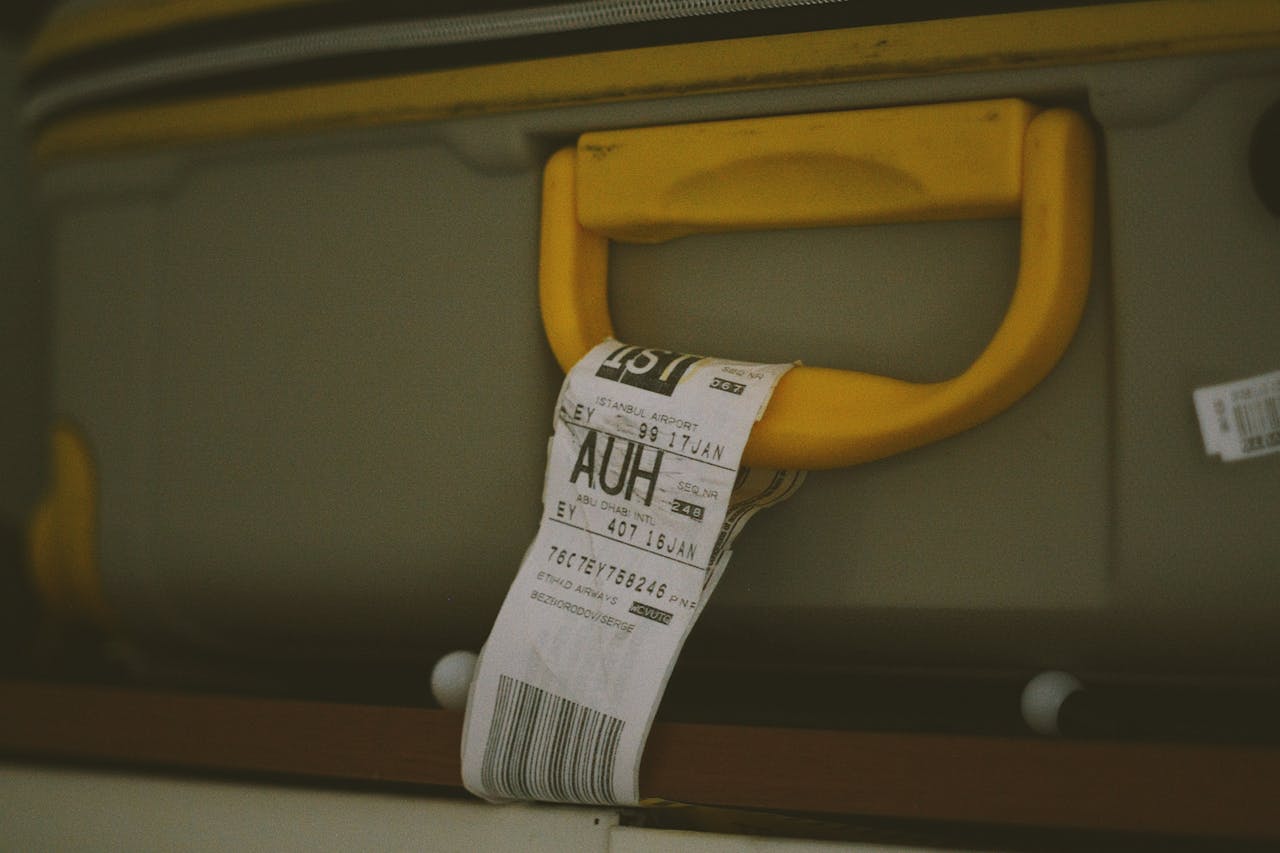
The word carry-on on a product tag sounds like a guarantee, but it is mostly marketing shorthand. Brands often size for a common domestic limit, not for stricter airlines, codeshare partners, seasonal rule tweaks, or the smaller bins used on some routes, and the printed dimensions may be taken without wheels, with the expansion zipper closed, or with rounding that flatters the sale. Measuring the actual bag at home and comparing it to the specific rules tied to the ticket, including aircraft type when available, avoids the jolt of watching a perfectly new suitcase get tagged at the gate before the trip begins at all.
Mixing Inches and Centimeters on the Same Chart

Unit mix-ups create problems that look harmless until the sizer says otherwise. Some airlines list limits in centimeters, some in inches, and some in both, and a rushed conversion can change the story by several centimeters; a common example is reading 55 cm as roughly 55 in., or treating 22 in. as 22 cm, especially when a tape measure shows two scales and the eye grabs the wrong row. Measuring in the exact units shown on the airline page, then double-checking with one saved conversion note and no rounding down, keeps math from becoming a gate-side argument especially late at night in packing mode before a 6 a.m. flight.
Confusing Linear Inches With Length x Width x Height
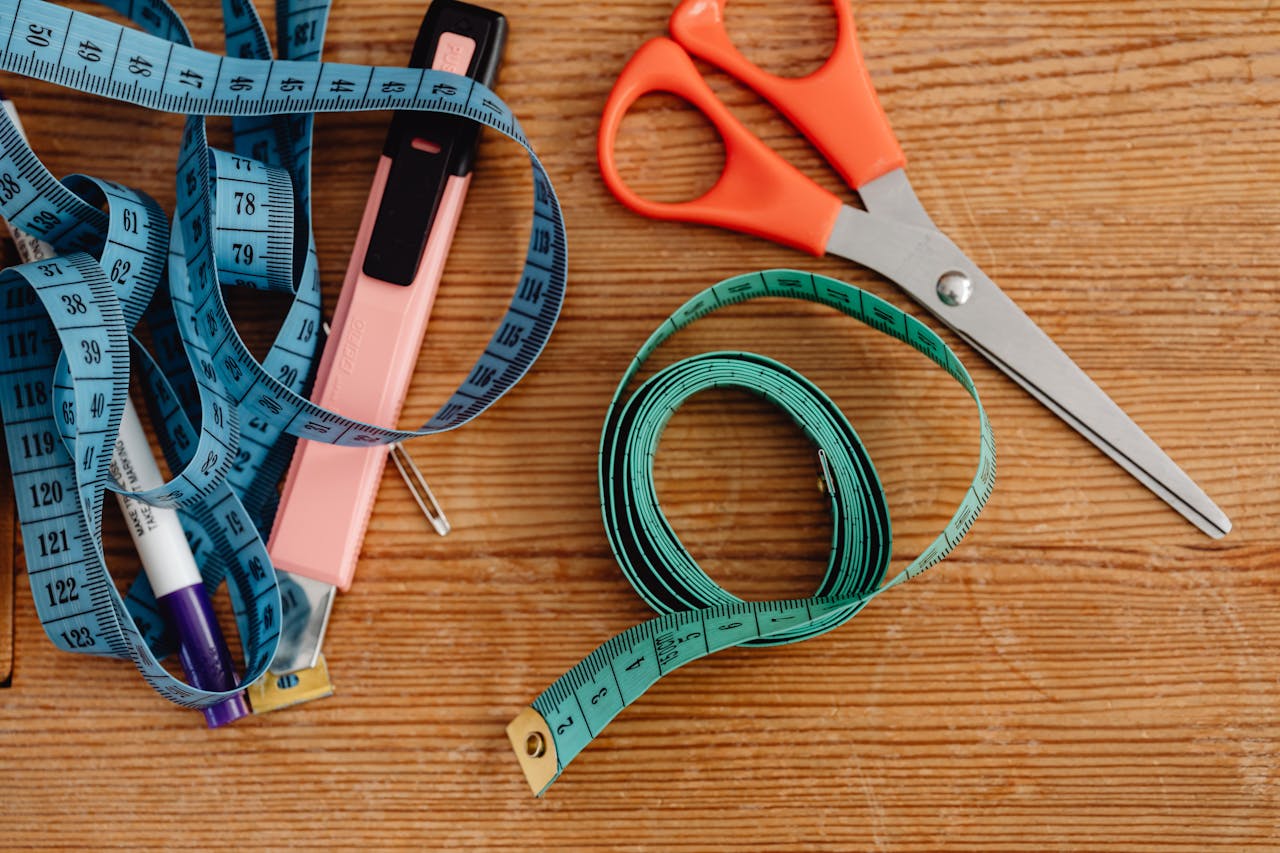
Some travelers focus on one number and miss how airlines define size in the first place. Certain carriers publish a strict length, width, and height, while others talk about total linear inches, and mixing those systems can make a bag seem compliant on one chart and oversized on another; a suitcase labeled 22 x 14 x 9 in. sounds tidy, but one extra inch on any side changes the linear total and may fail a rigid frame. Writing dimensions as length x width x height, then also adding them for a linear total when required, keeps the comparison honest across every booking and every codeshare on the itinerary that day.
Rounding Down Fractions That the Sizer Will Not
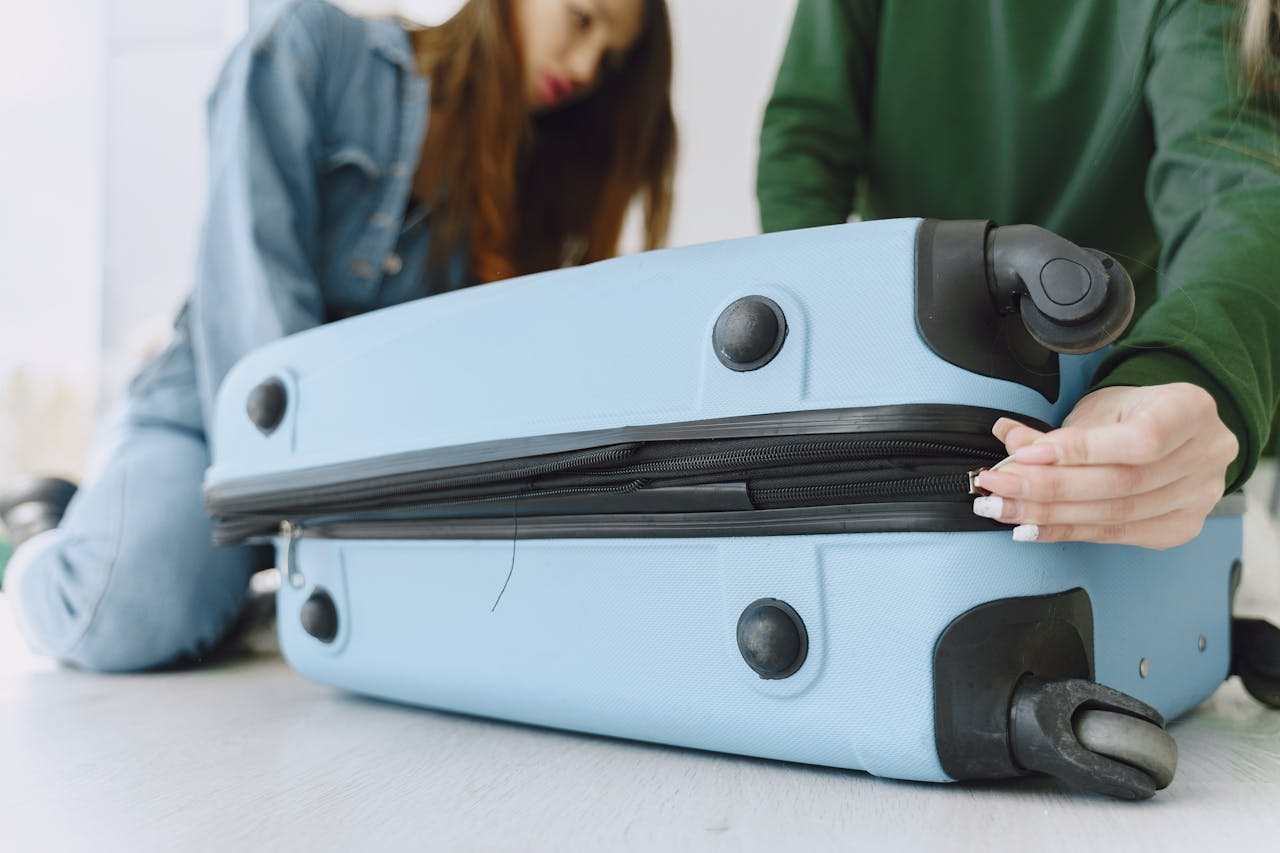
Rounding is where careful travelers accidentally sabotage themselves. A bag that measures 22.6 in. tall is not 22 in. tall, and sizers are built for the published limit, not for optimism, so small fractions become real friction on a metal frame; the tape hook can also slip, and a soft bag can be pressed flatter in a living room than it will be in a busy line. Measuring to the nearest eighth or quarter inch, then rounding up and writing the number down, feels picky at home but avoids fees, delay, and the awkward moment when a bag fails by a half-inch with everyone watching while boarding groups move on fast nearby.
Measuring on a Diagonal or Along a Curve
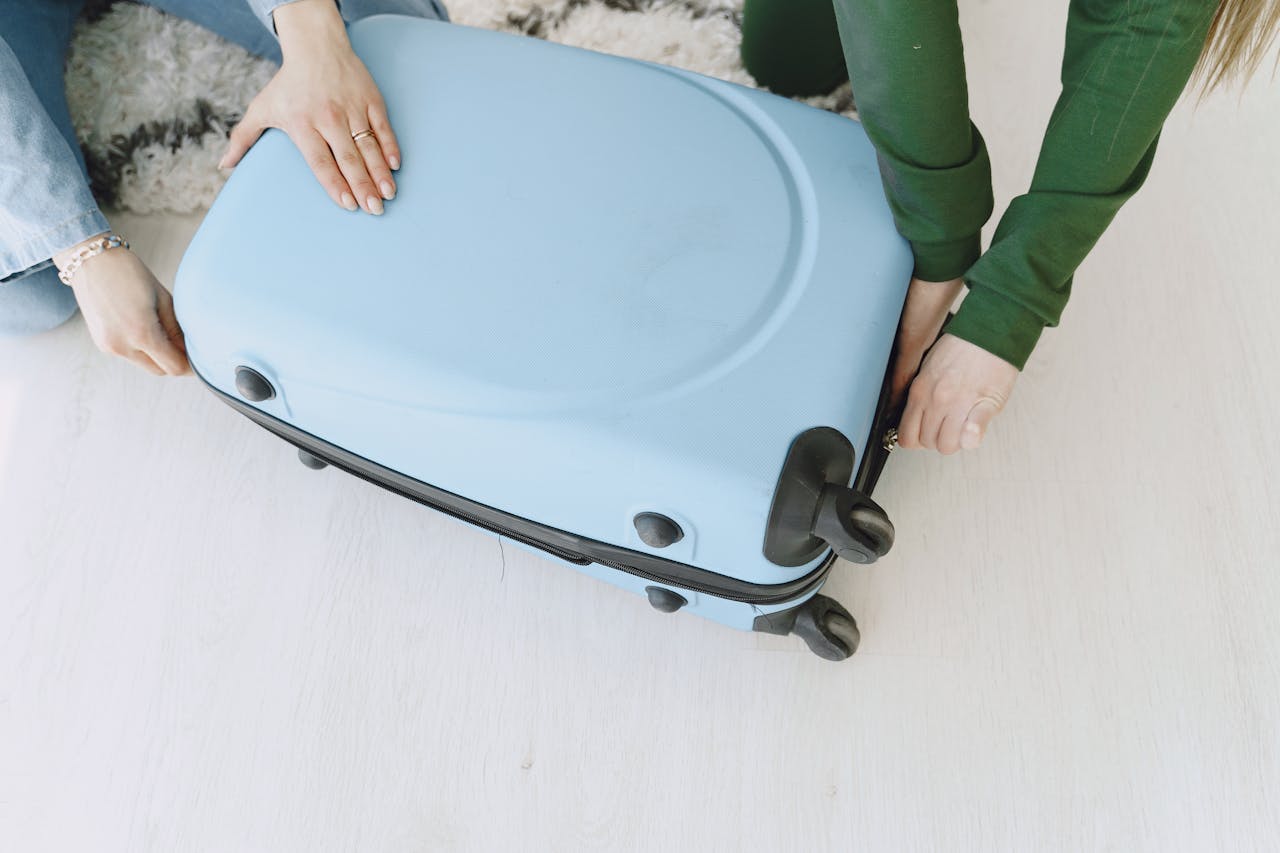
Tape measures lie when they are pulled on a diagonal or allowed to bow. On curved shells, it is easy to trace the surface like a belt, or to measure from corner to corner at a slant, which produces a flattering number that still feels precise, while the sizer cares only about the straight edge from the widest points. Using a hard-back book as a square, measuring against a wall, or bracing two books like bookends and reading the gap recreates how the bag meets a metal frame; repeating the check twice, calmly, is faster than arguing once at boarding when the line is tight and gate announcements are blaring overhead.
Measuring With the Expansion Zipper Closed
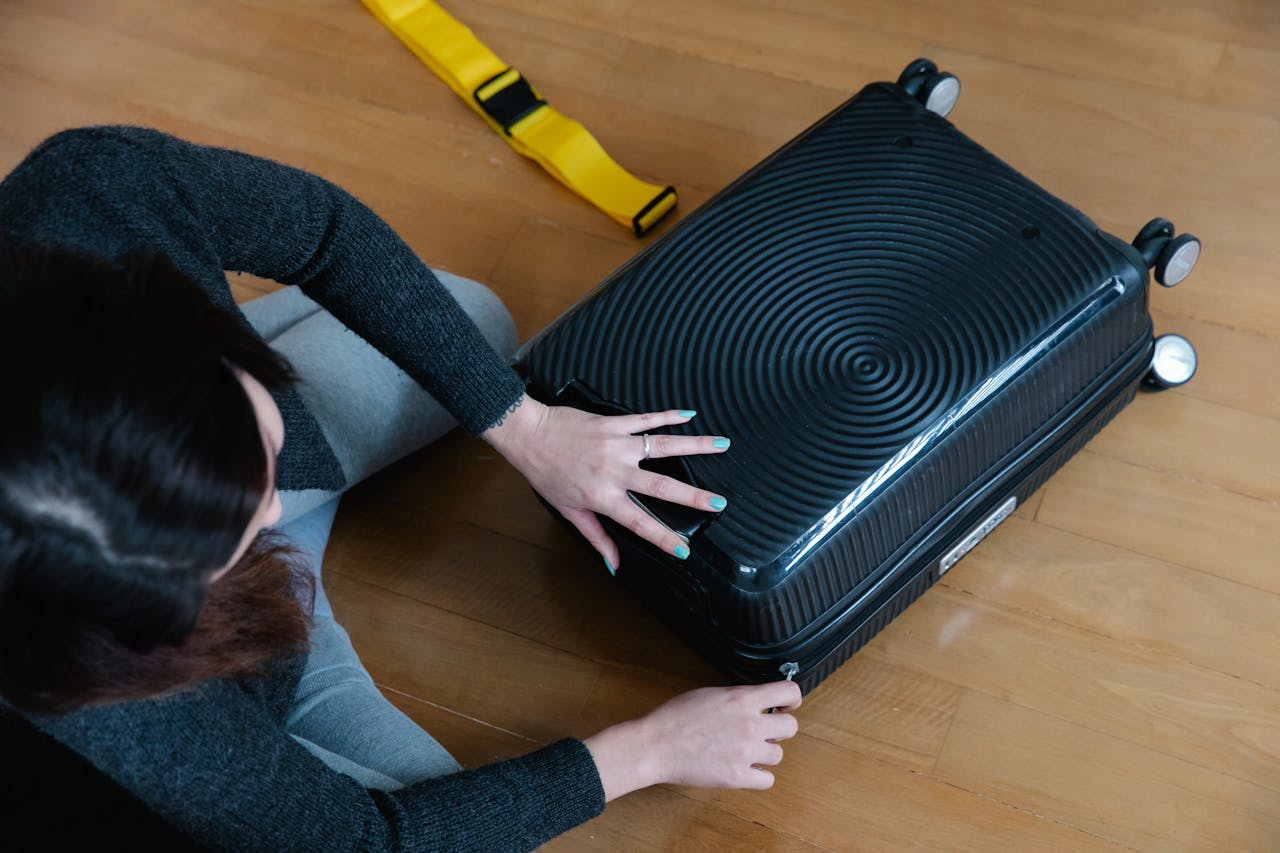
Expansion zippers are sold as flexibility, but they change measurements in the one direction sizers punish most: depth. A bag may measure within limits when zipped tight, then grow several inches once expanded, and that extra depth often bulges at the center, where sizers are least forgiving; on a packed flight, staff also sees an expanded zipper as a signal that the bag will fight the bin door. Measuring with the expansion fully open and pockets loaded as carried sets an honest ceiling, and it nudges packing decisions toward restraint instead of hoping for leniency during peak season and smaller aircraft swaps too.
Measuring for One Airline, Not the Smallest Segment
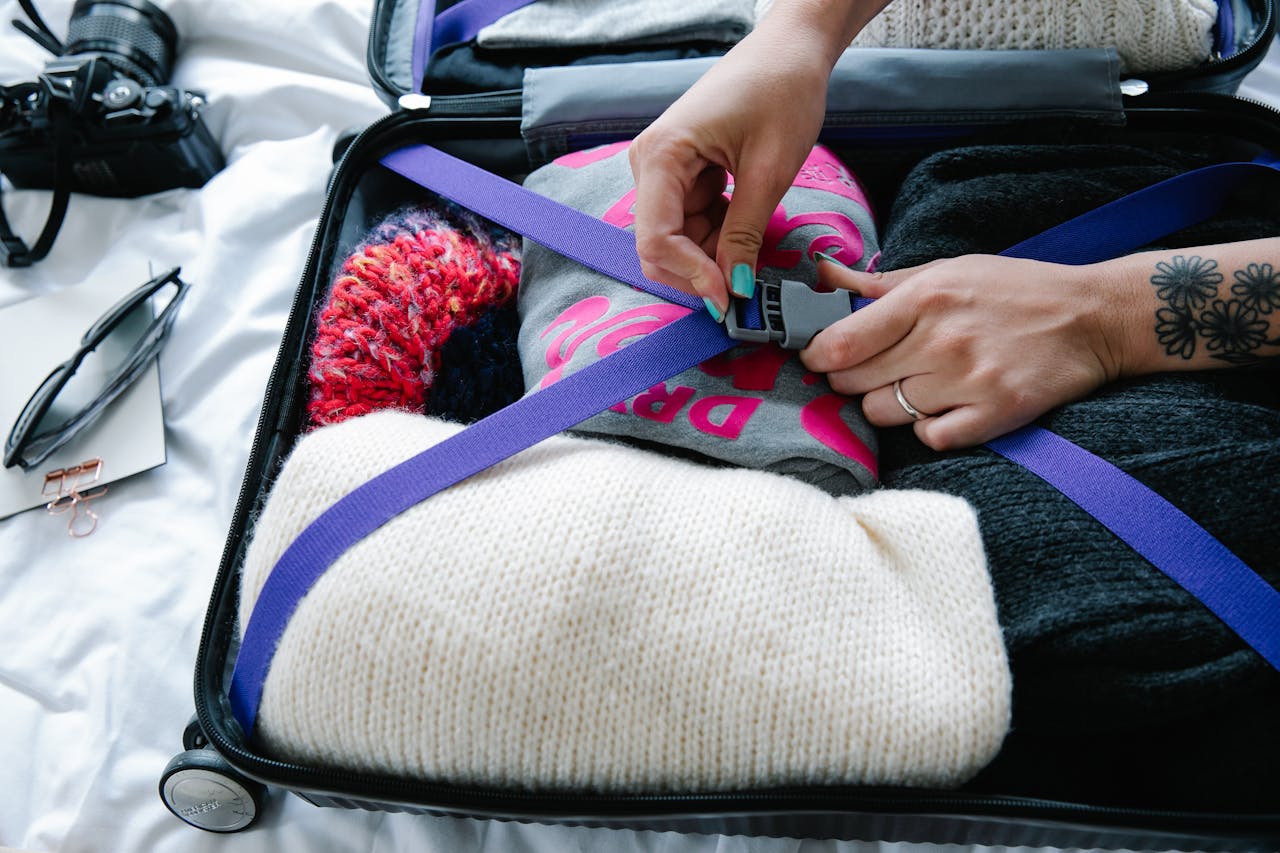
Carry-on limits change more than travelers expect, even within the same itinerary. A bag measured for one airline’s standard can be too large for a partner carrier, a regional feeder flight, or a low-cost brand with tighter bins, and an aircraft swap can shrink the allowance overnight; the first gate that enforces it will treat the whole journey as the moment of truth, regardless of earlier flights. Measuring against the smallest published limit across all segments, then packing to that standard, keeps connections smoother and makes boarding feel predictable instead of like a rolling gamble in busy hubs at holidays.
Measuring Without the Straps and Add-Ons Attached

Accessories can push a compliant carry-on into oversized territory without anyone noticing. A thick luggage strap, a rigid tag holder, a clip-on toiletry kit, a neck pillow clipped to the handle, or a stroller hook can add just enough depth or width to catch on the sizer rails, and the bag that measured fine in a clean setup suddenly has extra hard points that refuse to compress. Measuring with every add-on attached, then removing anything nonessential before leaving home, keeps the profile simple, helps boarding look orderly, and reduces reasons for an agent to take a second look when planes are full and patience is low.