Santa Clara is bracing for Super Bowl LX at Levi’s Stadium on Feb. 8, 2026, and the city’s focus tightens to kickoffs, media night, and reservation pages that look bare. Just beyond the lots sits California’s Great America, a full theme park with tall coasters, a small water park, and Peanuts souvenirs, yet it now reads like a landmark people forget to circle. For Bay Area families, it once meant school trips and late-season lights; for seniors, it was a rite for decades. The visitors arrive in waves for game week, while the park’s long goodbye keeps getting quieter, shaped by shorter seasons and vanishing rituals.
The Stadium Week Takes Over
Super Bowl LX turns the blocks around Levi’s Stadium into a temporary city. Tens of thousands arrive for Feb. 8, 2026, and the usual errands near Great America Parkway become slow, careful routes. Hotels spike, rideshares bunch up, and the parking lots fill with tailgates, camera crews, and pop-up stages.
In that rush, California’s Great America sits in plain sight but rarely in the plan. The coaster skyline is visible over the lots, yet most visitors move past it as if it were part of the scenery. By evening, the closed gates can resemble a museum display, lights on, rides still, while the stadium stays loud all night.
A Theme Park With the Strangest Address
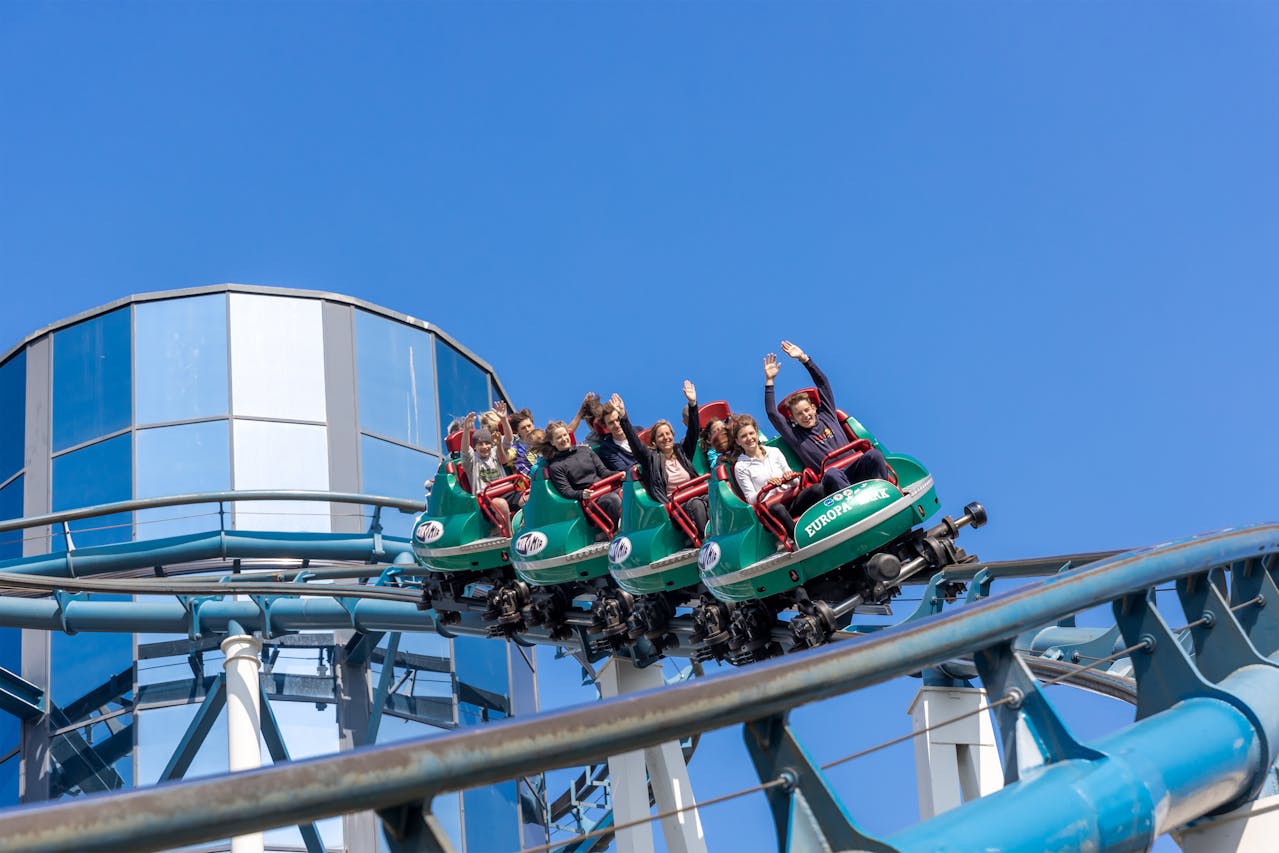
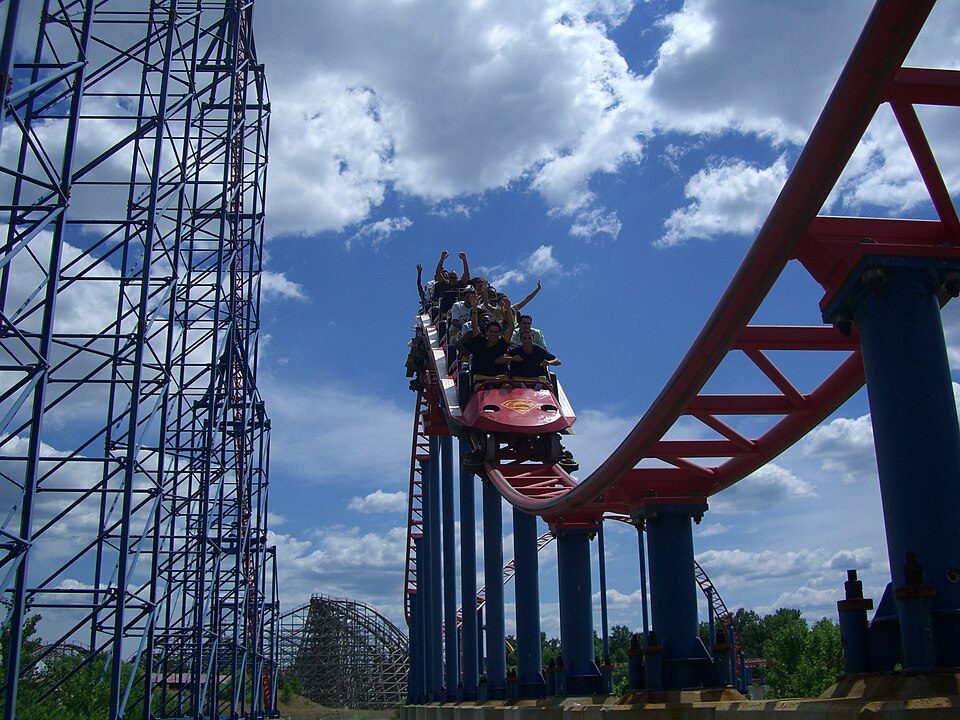
Great America is a rare neighbor for an NFL venue: coasters, a water park, and Peanuts merchandise pressed right up against the stadium lots. Across the parking lanes, the Patriot’s loop and RailBlazer’s track rise like a skyline, close enough to surprise first-time visitors.
During Super Bowl week, the park is not the draw. The gates stay shut, the midway stays still, and the rides become scenery for passing fans. Some spot the coaster supports and assume an easy detour is possible, then meet a locked entrance and a schedule notice. The place is built for loud joy, yet it sits beside the loudest week in town as a silent extra.
The Sale That Put a Clock on the Rides
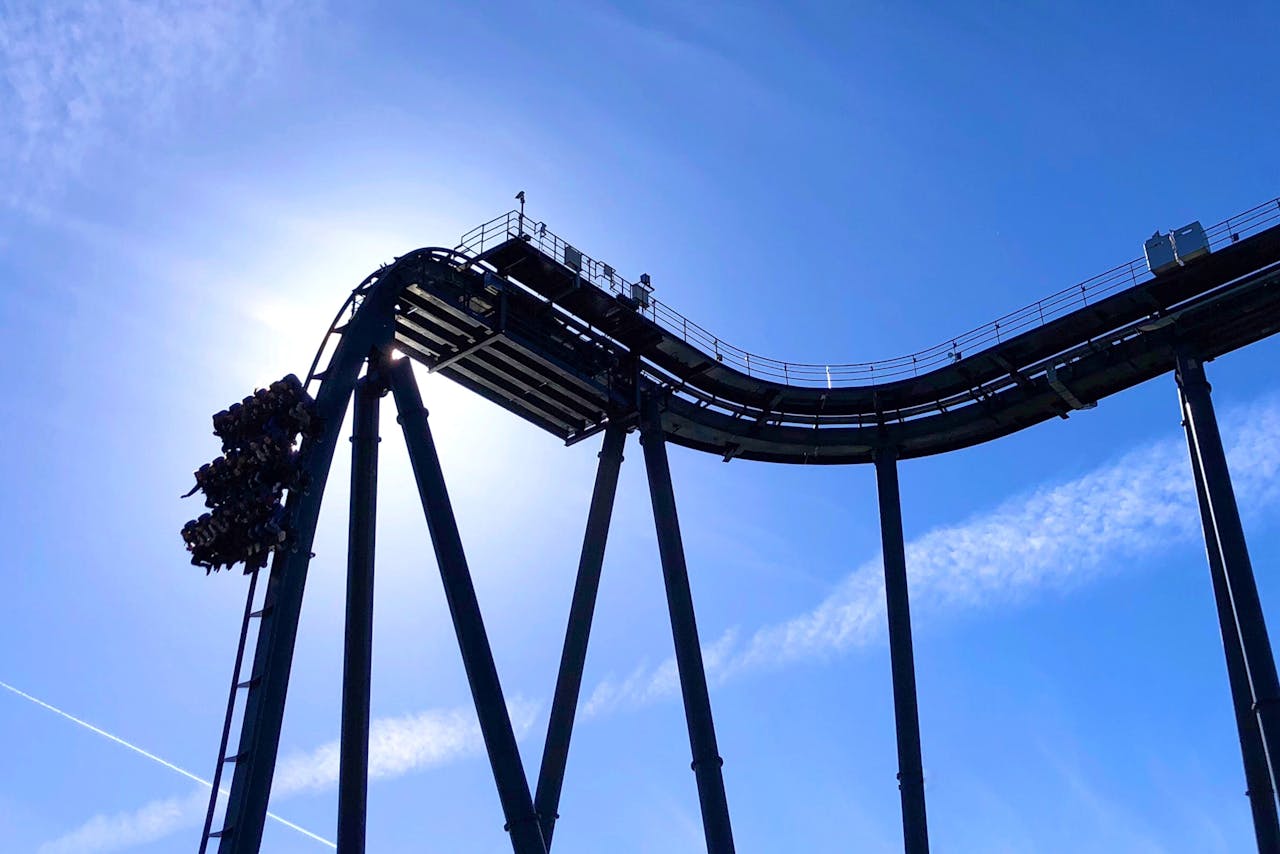
The park’s fading feel has a paper trail. In 2022, Cedar Fair sold the 112-acre land beneath California’s Great America to Prologis, a Bay Area logistics real estate developer, for $310 million. It was not a clean exit, though; the sale came with a lease that allowed operations to continue while the clock ran toward a 2033 wind-down.
Almost immediately, the long timeline felt optimistic. Each season since has brought fewer operating days and smaller celebrations, making the closure feel closer than the contract date. The location is simply too valuable, sitting beside the stadium, the highway, and Silicon Valley offices.
A Park That Never Quite Printed Money
Great America opened in 1976 under Marriott, a hotel brand that expected steady crowds and strong vacation spending. The numbers never matched the dream, and Marriott sold the park in the 1980s after disappointing returns, starting a chain of owners that kept reshaping the gates.
That history matters because it explains the mood today. This was rarely a roaring financial success, even when the rides were new and the marketing was loud. Once land values near the 49ers’ stadium, major highways, and Silicon Valley offices surged, the equation flipped. For Cedar Fair, the real prize became the acreage itself, not the admission lines.
Traditions That Used to Anchor Spring

A park does not fade only through finances; it fades when traditions stop repeating. Great America once carried Halloween trick-or-treating, a holiday ice rink, and the kind of seasonal programming that stitched it into Bay Area calendars. For many seniors, the milestone was Grad Nites, a late-night rite with music, lights, and wristbands. School groups once marked spring here.
Those anchor events are thinning. Great America will not host Grad Nites this year, while Southern California parks like Knott’s Berry Farm and Magic Mountain still do. When a rite of passage moves elsewhere, the memories start moving, too. Locals feel it.
When Soccer and Football Collide

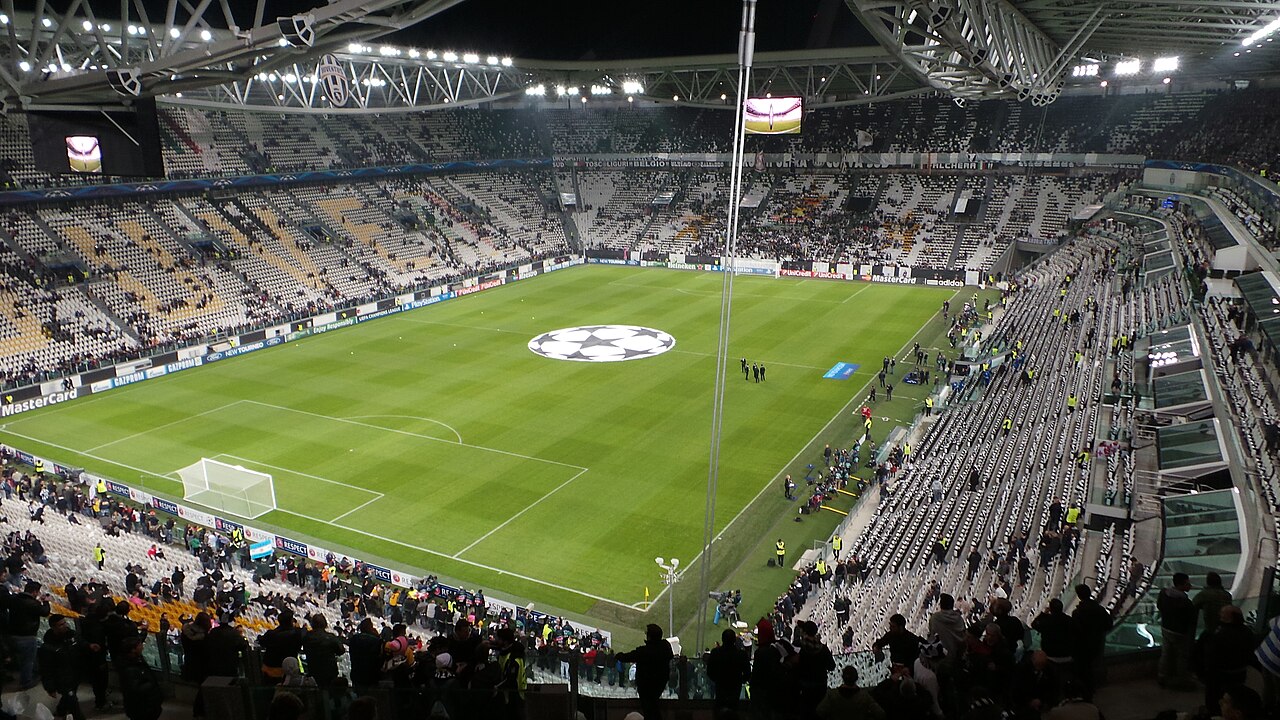
The stadium’s future calendar adds another pressure point. Levi’s Stadium is slated to host World Cup matches, and the shared footprint is simply too tight for both crowds at once. On those soccer days, Great America plans to close because the parking lot cannot accommodate a tournament crowd and a theme-park crowd together.
It is a logistical choice, but it also signals which neighbor has the priority. The park becomes the flexible piece in the district, asked to step aside whenever a bigger event arrives. For visitors, that means the nearby rides are never a sure add-on, even in the heart of summer. The itinerary has to bend.
Six Flags Promises a Season, Not a Future
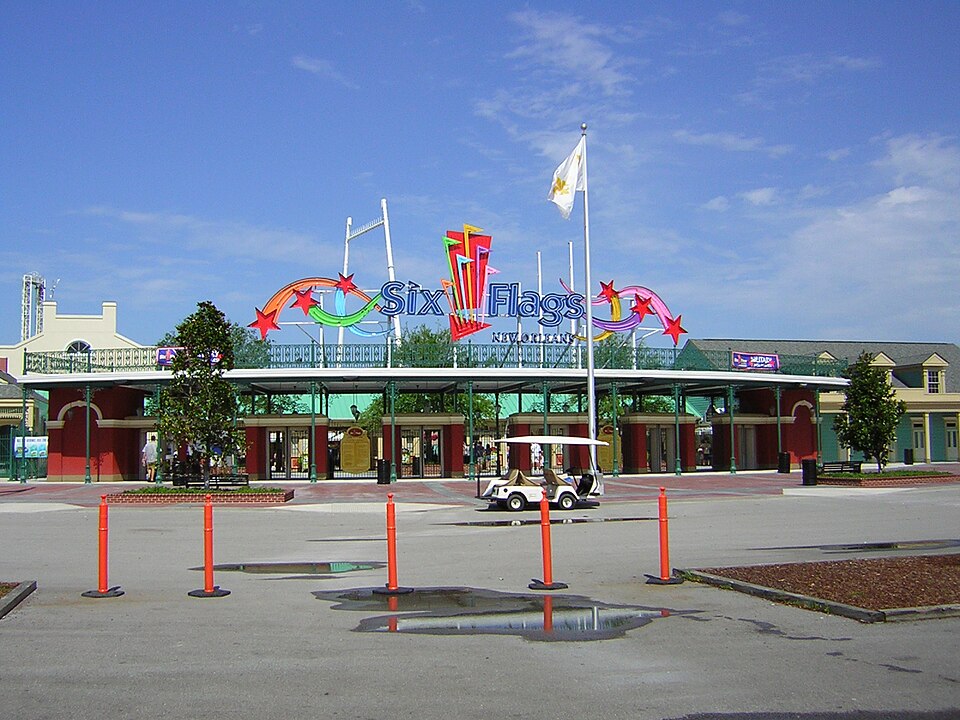
The operator name on the sign has changed again. After a merger with Cedar Fair, Six Flags now runs Great America and still has not offered a clearer closure timeline than the existing lease path. The company has declined to elaborate beyond that.
For 2026, it is leaning into a limited spring start, with March 28-29 set as opening weekend and mostly weekends, plus some Fridays, before May expands the schedule. Six Flags told SFGATE it remains committed to fun and immersive entertainment for the 2026 season, a promise that keeps the lights on without promising the decade. Guests hear reassurance, but also a boundary too.
The Gold Pass Pitch to Keep Locals Coming
With fewer open days, the park is leaning hard on locals who can return often. Six Flags says locals can buy a $85 Gold Pass, positioned as a value move in a season with a trimmed schedule. The pass bundles unlimited visits to Great America with Six Flags Discovery Kingdom in Vallejo and Hurricane Harbor in Concord.
The pitch is practical, but it carries a tone of transition. It keeps weekends busy, even if the home park fades. If Great America is harder to plan around, the pass invites families to spread their habits across the Bay. For longtime fans, that can feel like preparation for a familiar stop to slip out of the routine.