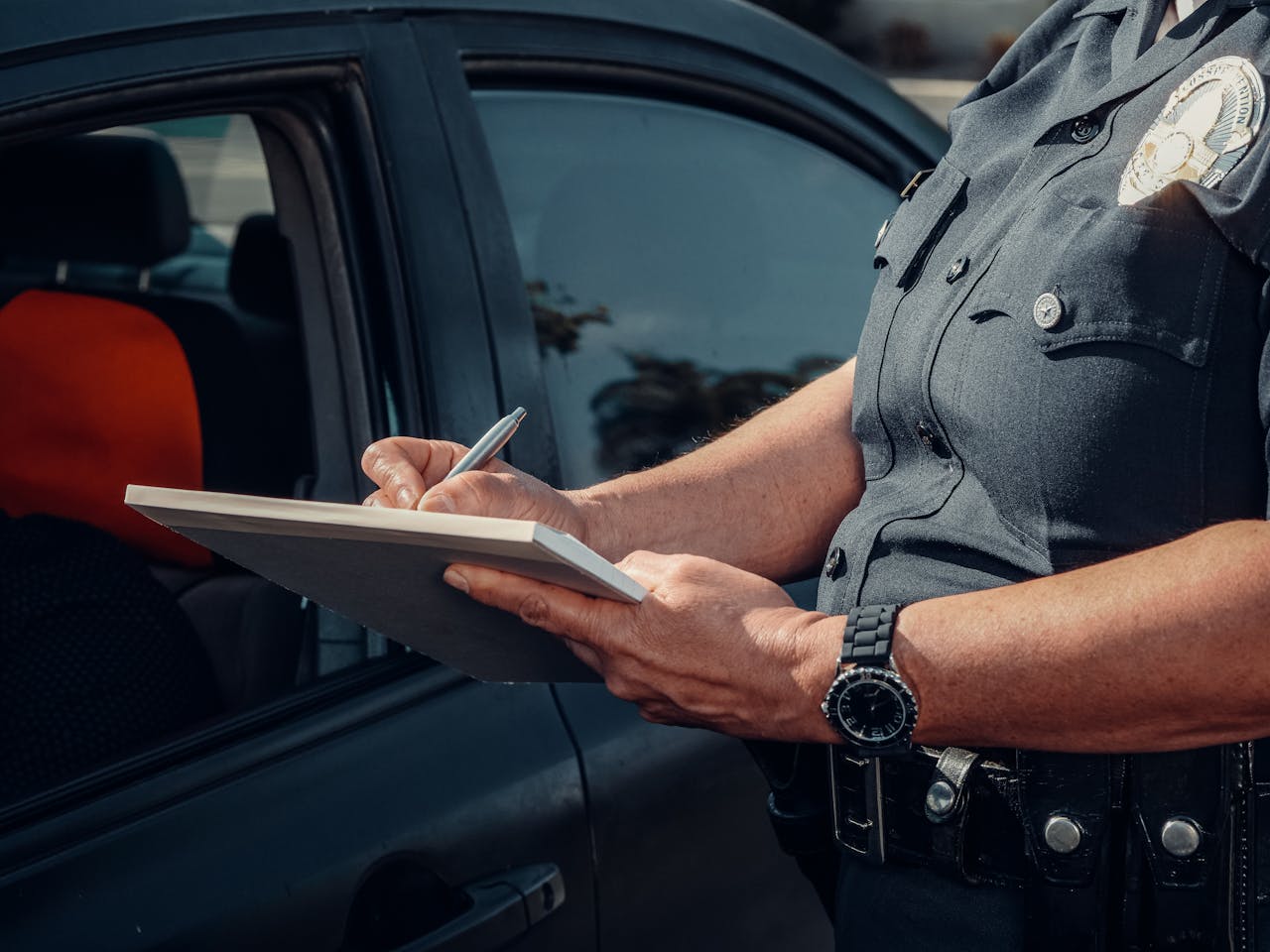
Most traffic stops do not begin with a dramatic mistake. They begin with a pattern that looks slightly off from behind: a car that rolls through a sign, drifts inside a lane, or surges after a long pause.
A driver may feel calm and in control, yet an officer sees small cues that often travel with distraction, fatigue, or impatience. The law works off what can be observed, not what was meant, so minor violations become the cleanest reason to check in. That gap in perception is where warnings disappear. A habit can feel routine in the cabin, then look like risk from the shoulder, and the stop comes without any lead-up.
Rolling Through Stop Signs
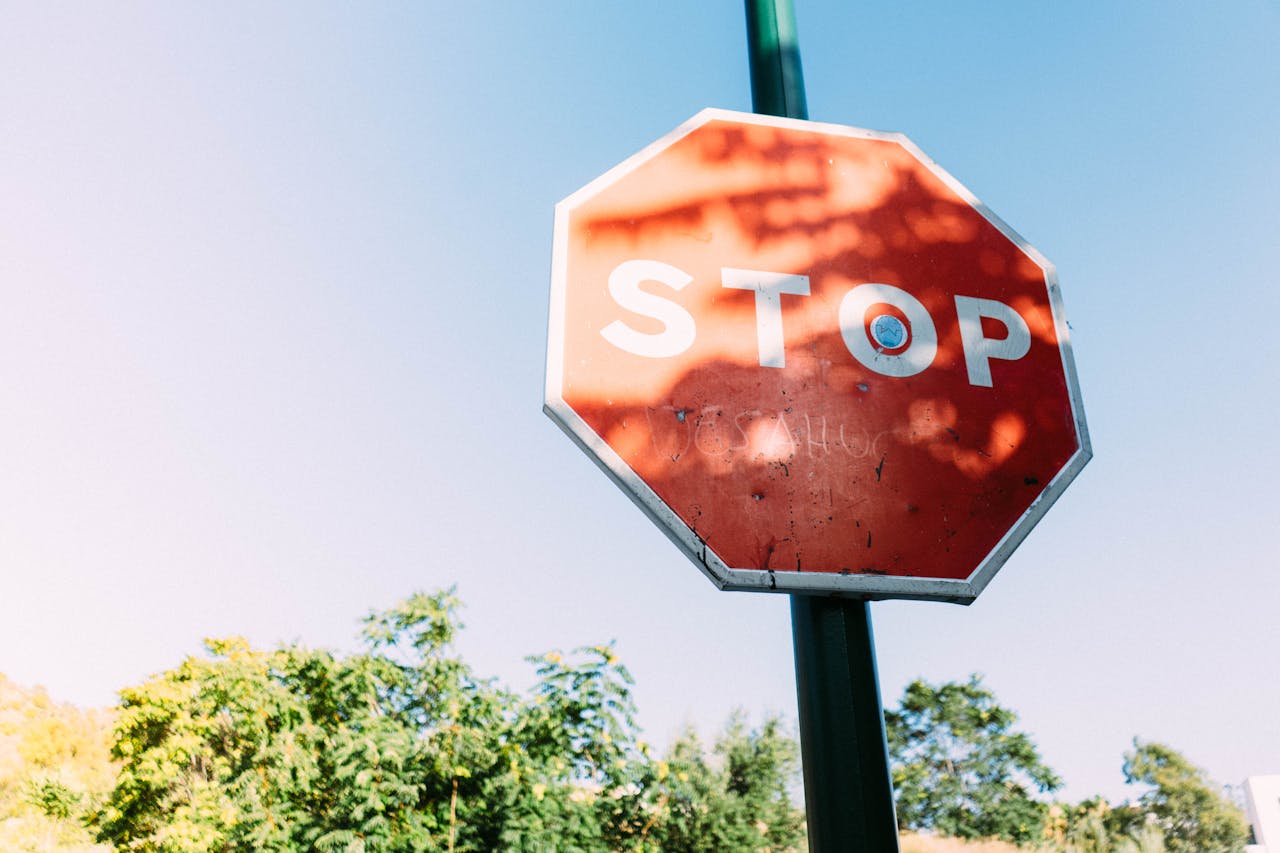
A rolling stop looks polite from the inside, but it reads as unfinished business from the outside. Wheels never fully settle, the hood noses past the line, and the car keeps moving as if the sign were a suggestion.
To an officer, that tiny glide can signal hurry, distraction, or weak scanning for pedestrians and bikes. Stop laws generally require a full stop before the limit line or crosswalk, then a deliberate move. A quiet intersection does not change the rule, and patrol cars watch these spots because the behavior repeats. Since the violation is easy to see and easy to describe, it becomes an easy reason to pull a car over.
Touching the Phone at a Red Light

A quick glance at a phone at a red light can feel quite harmless, but it leaves a trail. Officers can see the lowered gaze, the screen glow, and the slow launch when the light changes.
What triggers attention is often the follow-up: the car creeps, then surges, or drifts while a hand returns to the wheel. Many jurisdictions treat holding or tapping a phone as a citable distraction even when traffic is stopped. Navigation is not always a pass, and a driver who seems absorbed can resemble impairment from a distance. When enforcement is focused on distraction, this is a simple, visible cue, and it can invite a stop quickly.
Creeping Over the Speed Limit
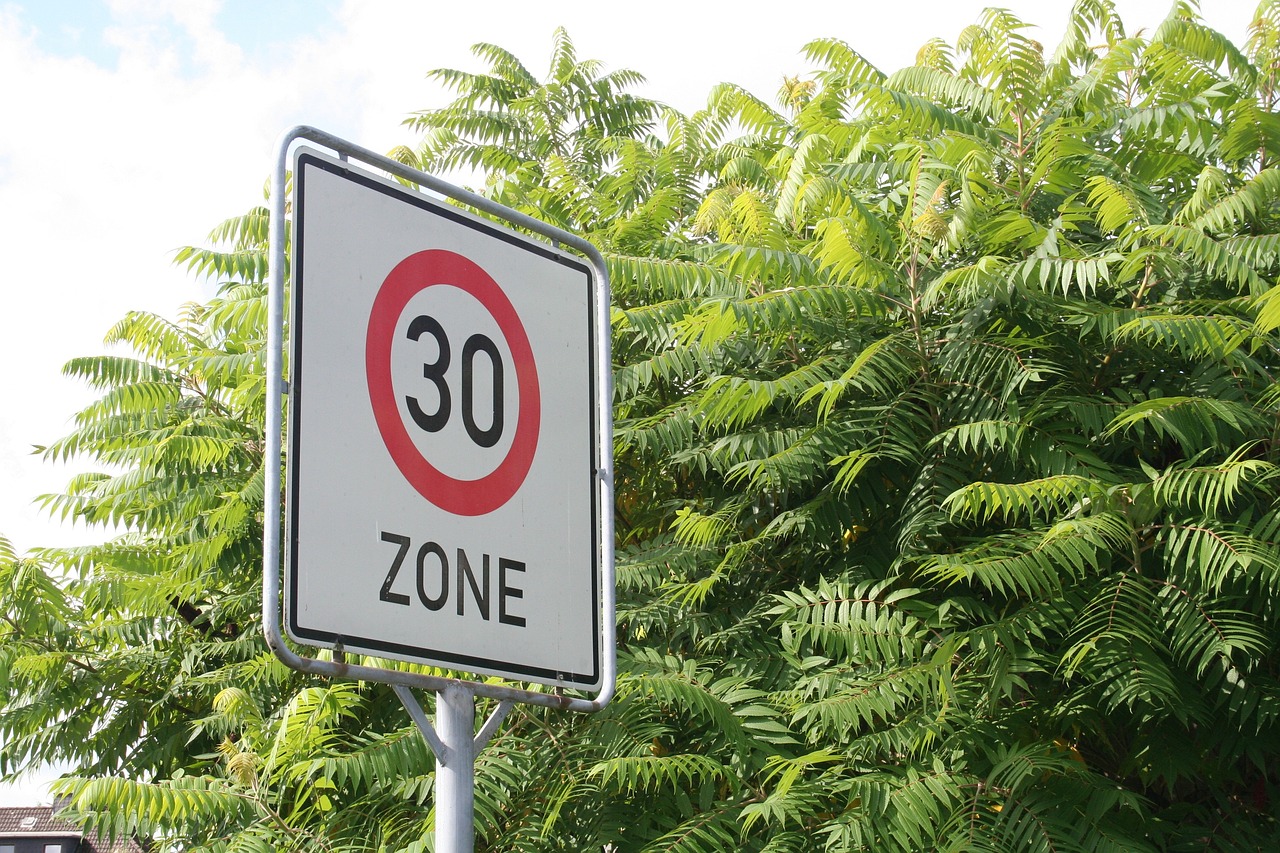
Speed creeps up quietly. One car edges five miles per hour over, another matches it, and soon the posted limit starts to feel like a suggestion instead of a rule. Downhill stretches and wide roads make it easy to miss the number.
From an officer’s perspective, even modest speeding is a clean, measurable violation, and it is closely tied to crash severity. The flow of traffic is not a legal defense, and pacing or radar can confirm the difference in seconds. When enforcement tightens or a corridor is flagged for complaints, the same habit that once earned a warning can turn into a stop, plus points, fines, and higher insurance costs.
Skipping the Turn Signal
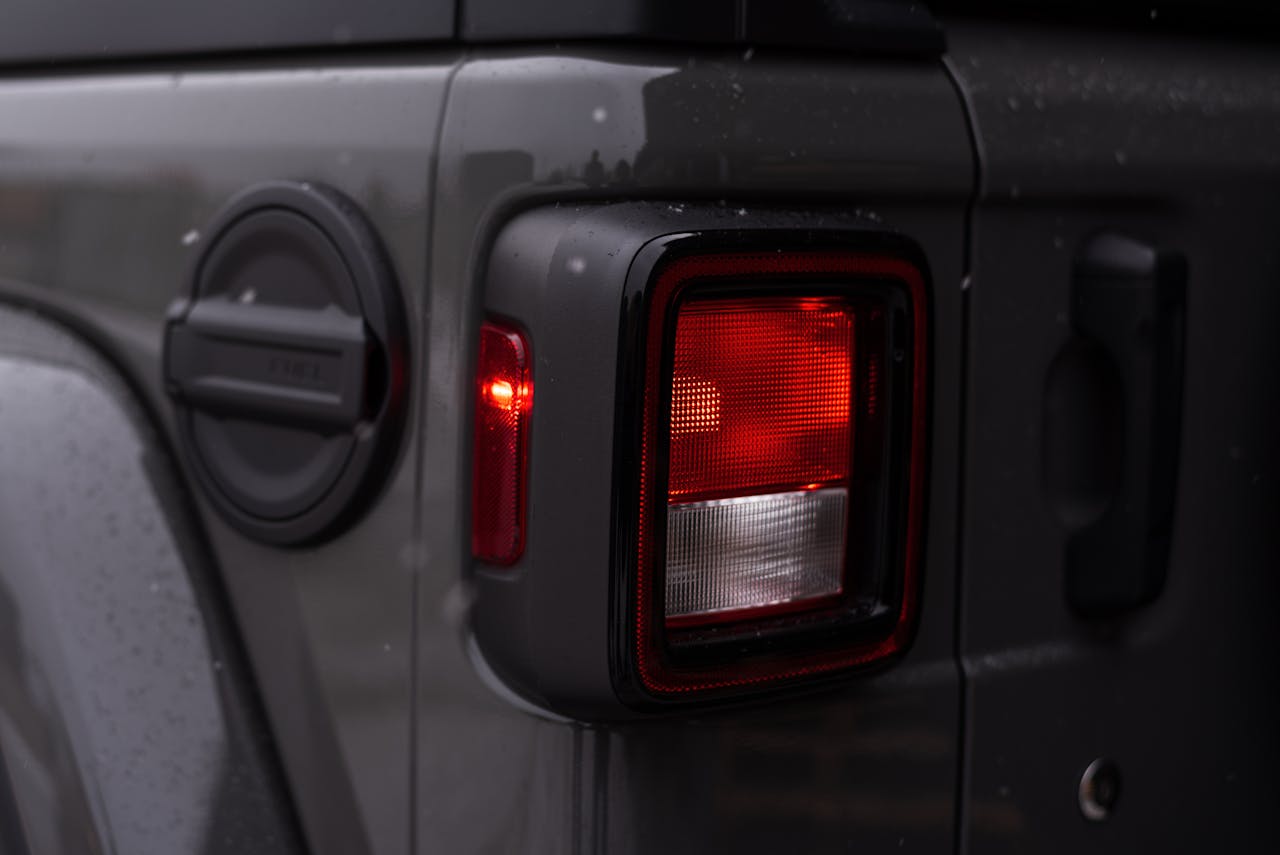
Skipping a turn signal is usually framed as saving time, yet it reads as uncertainty. A car slows, then darts into a lane or turns without warning, forcing everyone nearby to guess.
Officers watch for unpredictable movement because it often pairs with distraction or impairment. Many state rules require signaling before turns and lane changes, including on empty roads, and some specify a minimum distance such as 100 feet. When headlights swing but no blinker flashes, the omission stands out at night. It is an easy stop to justify, and it also gives an officer a reason to check whether the rest of the driving looks steady.
Drifting Inside the Lane
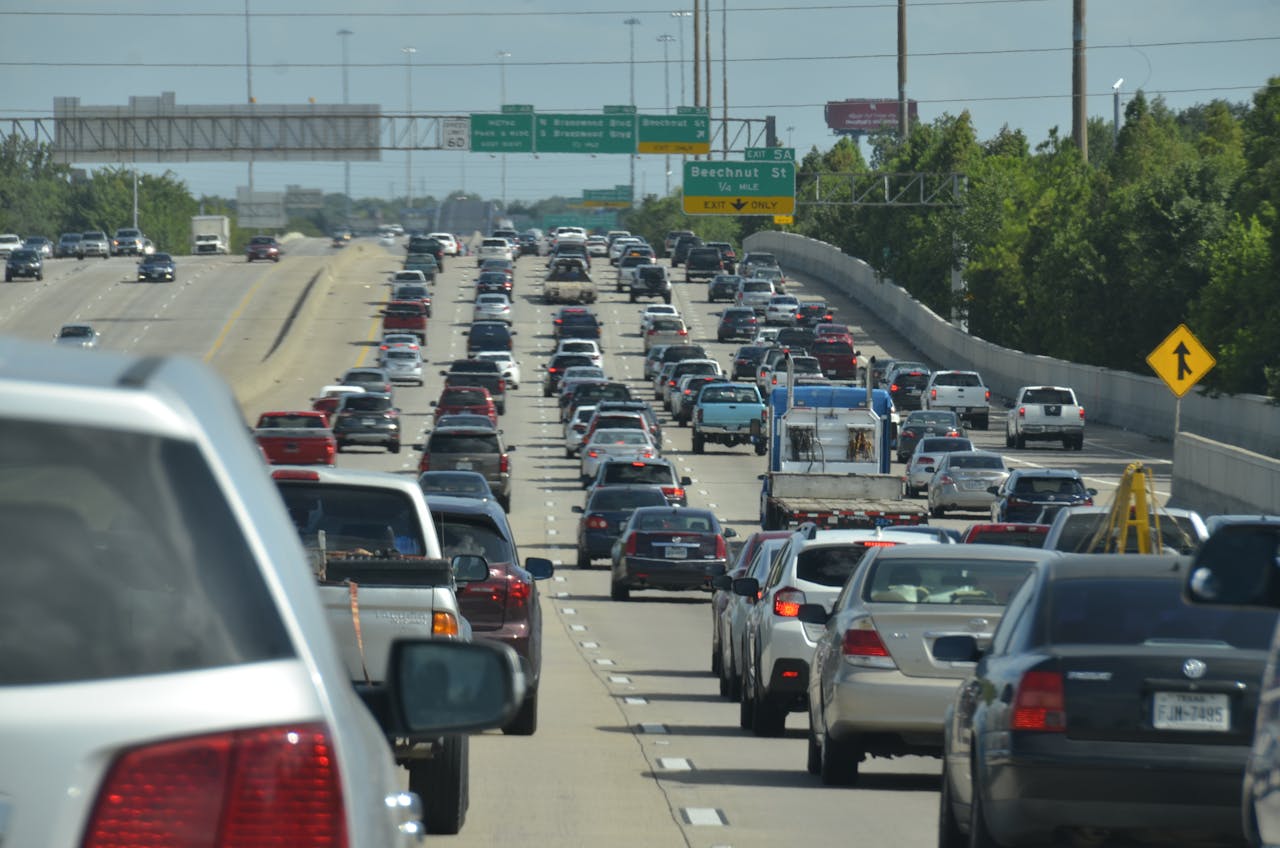
Lane drift rarely starts as a big swerve. It shows up as small corrections, a tire kissing the line, then a quick pull back, followed by the same pattern a minute later.
From a patrol car, that rhythm can resemble fatigue, distraction, or impairment, especially when speed also varies. The cause might be a playlist change, a drink, or a glance at navigation, but the officer only sees the result. If the drifting is repeated or crosses lane markers, it can be enough for a stop based on unsafe lane movement. Even when a citation is not the goal, the stop becomes a quick check that the driver is alert and okay to continue.
Tailgating and Brake Tapping

Following too closely is easy to slip into. The gap shrinks to a car length, the view ahead disappears, and brake lights start flickering in short, nervous taps.
Officers read that pattern as tension building, not smart driving. Safety guidance often recommends time-based spacing, like the three-second rule, because it softens chain reactions when someone ahead slows. Tailgating also makes every move look harsher, including lane changes and hard braking. Since the spacing is visible without radar, it can draw attention fast, and a stop may follow as a warning that a small gap becomes a big problem when anything unexpected happens.
Obscuring the License Plate
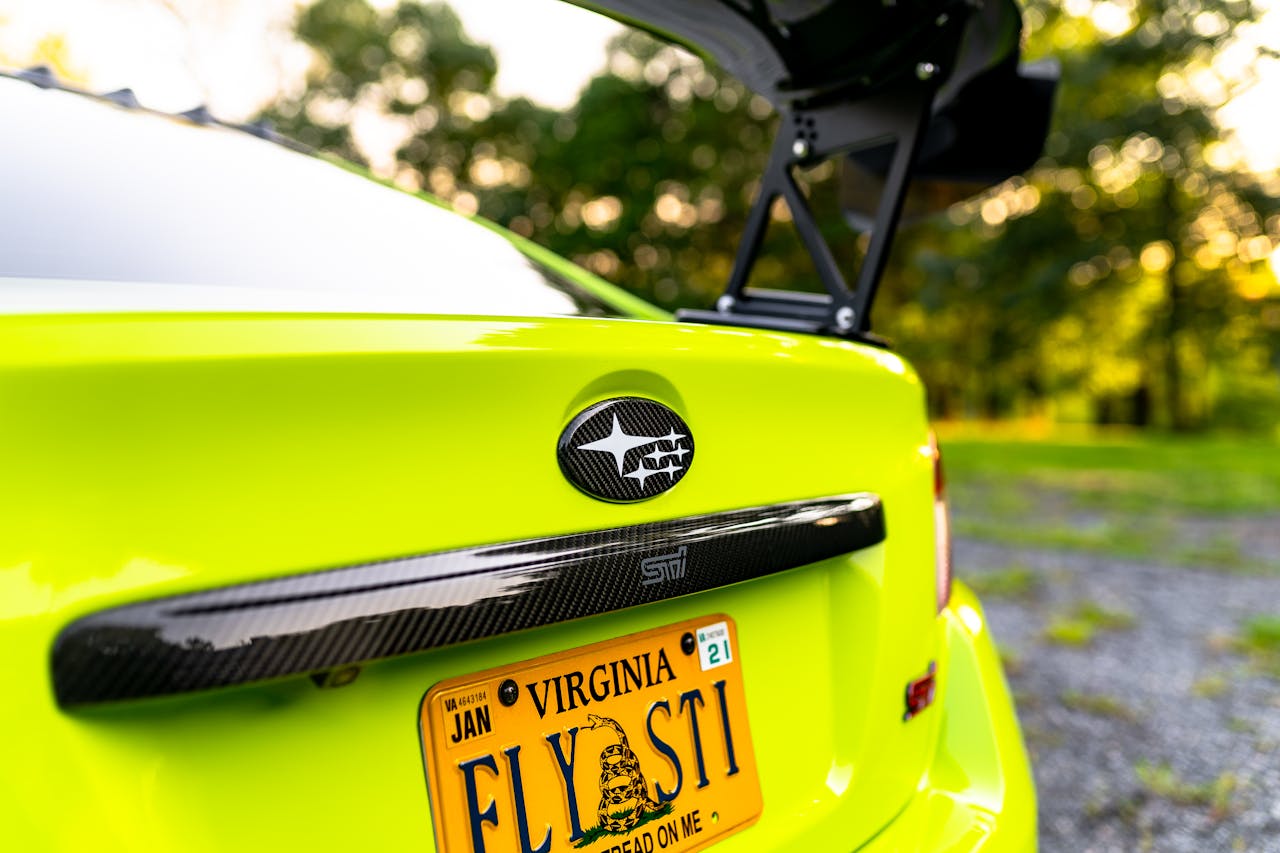
A plate frame bought for style can become a reason to stop. If the border covers a state name, a sticker, or even part of a number, the plate becomes harder to read at speed.
Many states require plates to be clearly visible and unobstructed, and some also restrict tinted covers that add glare at night. Officers often notice the problem while sitting behind a car at a light, because the view is steady and close. This is the kind of violation that feels personal to drivers because it seems cosmetic, yet it is treated as a basic identification rule. Fixing it is usually cheap, but ignoring it keeps a simple excuse on the table.
Running Dark Window Tint Up Front

Dark tint can feel like comfort and privacy, but it changes what officers can see. When front windows look almost black, it is harder to confirm seat belts, hand movement, or even a driver’s attention.
Tint limits vary by state, and the front side windows are often the focus. It stands out at night, when streetlights reflect and the cabin turns into a mirror. Exemptions exist in some places, but paperwork matters. A tint stop is not always about a ticket; it can also be a safety check before an officer approaches. When a vehicle looks closed off, officers may investigate the tint itself, even if the driving looked calm.
Skipping the Seat Belt Click
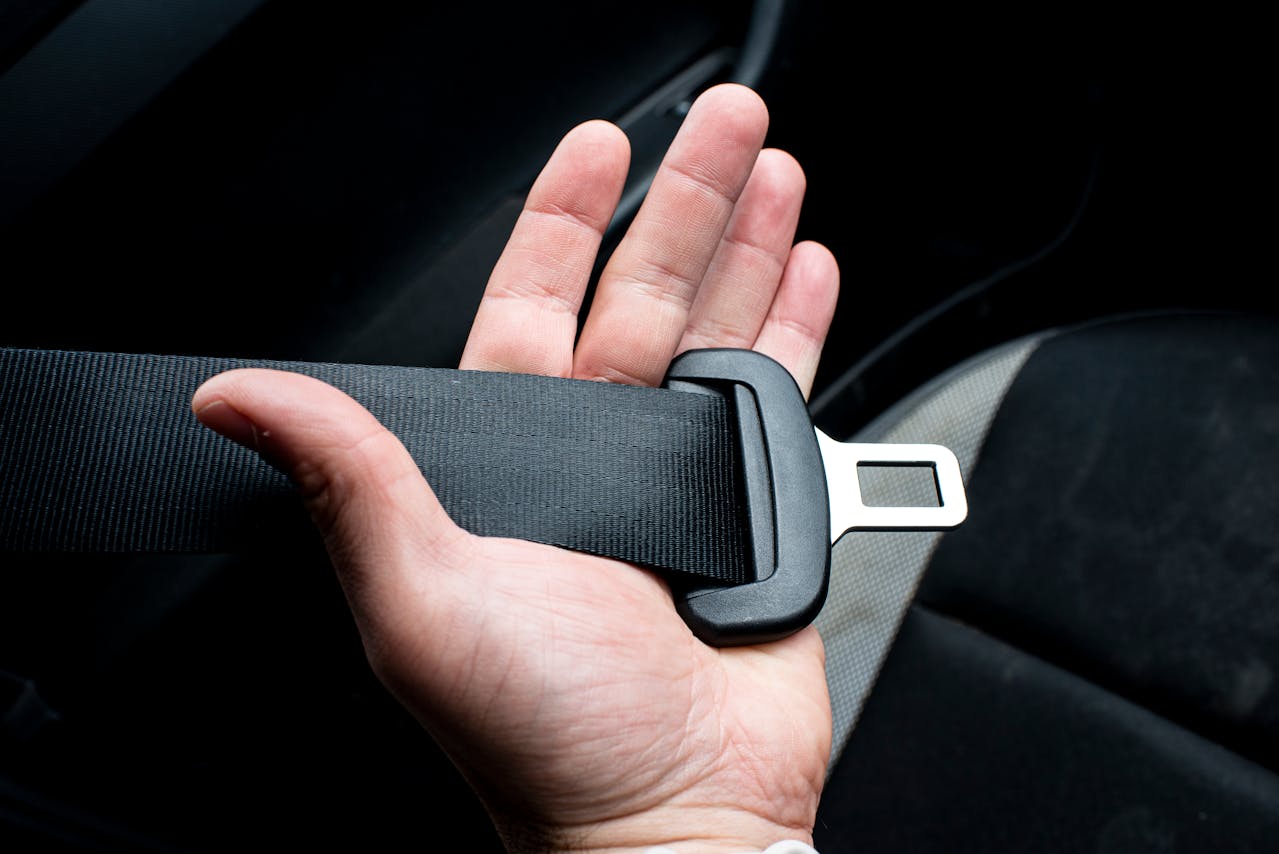
A missing seat belt is quiet, but it is visible. From a higher patrol vehicle, an officer can often see when a shoulder strap is not across a chest at a light or in slow traffic. The absence stands out.
In many states, seat belt enforcement is a primary offense, meaning a stop can be made for that alone, without any other mistake. Officers also treat it as a safety cue because an unbelted driver may be taking other risks, too. The result can feel sudden: nothing looked wrong with the driving, yet the lack of a strap provided the reason to initiate contact. Buckling up turns that reason off before it ever enters the conversation.