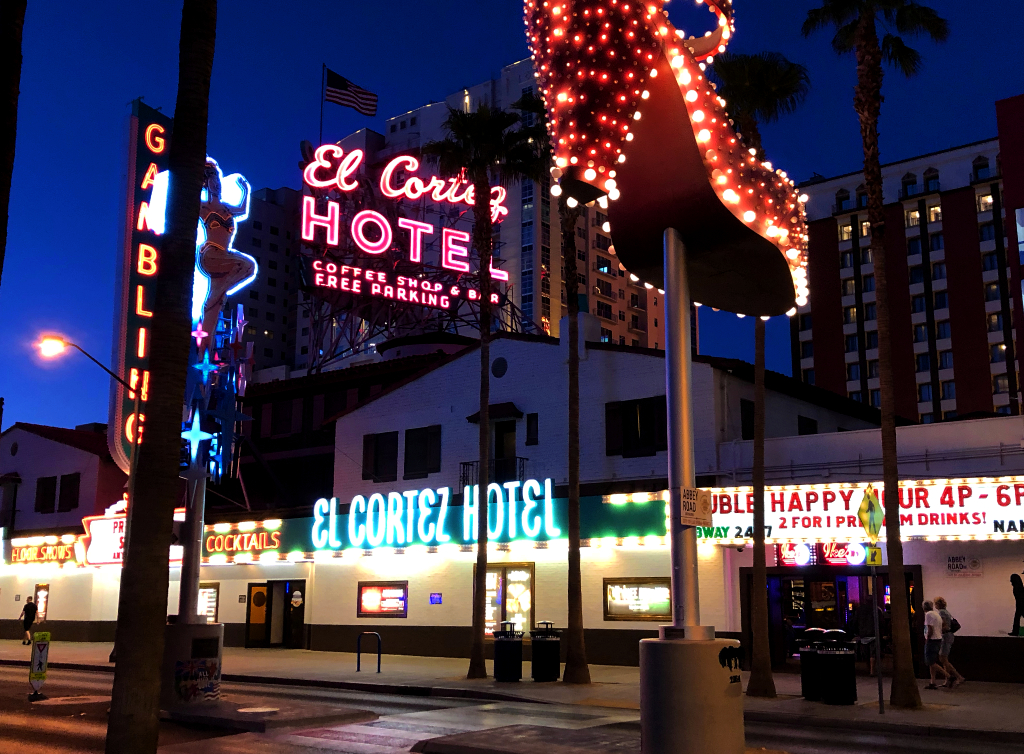
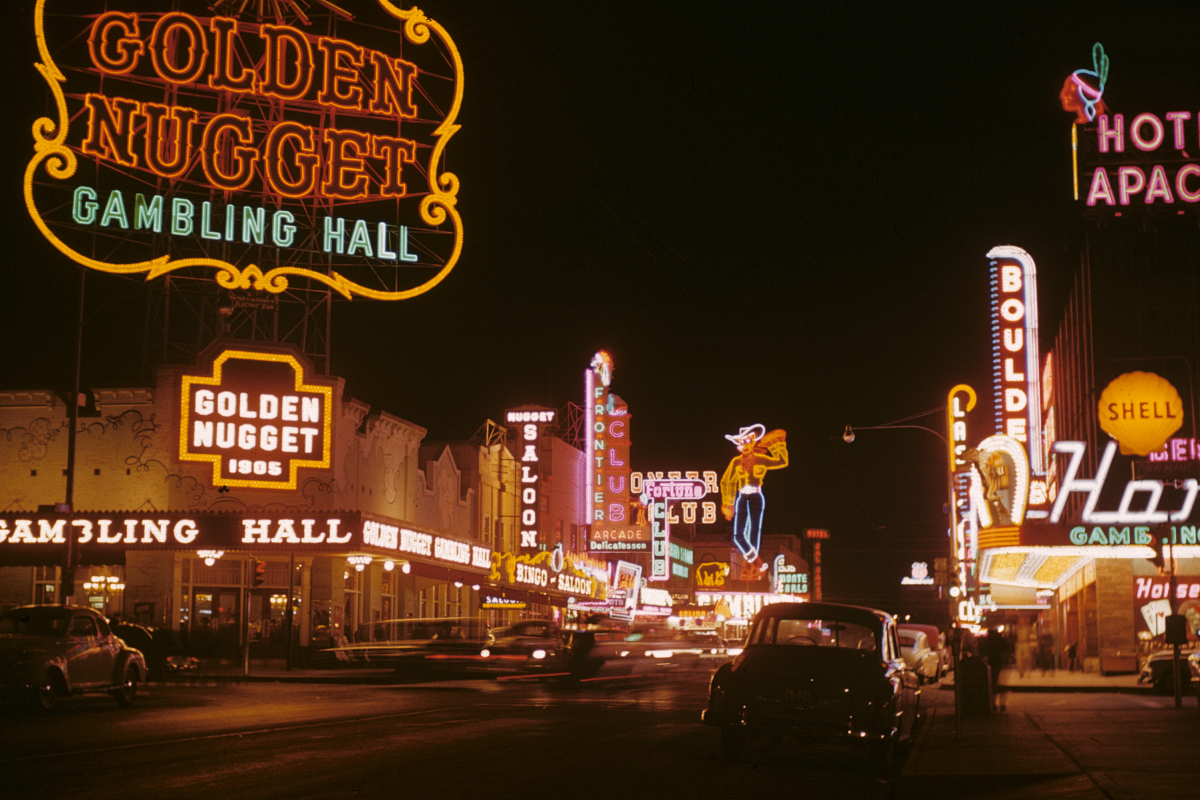
Las Vegas still glitters, but the Strip mood has shifted from effortless to uneasy. As room prices climb and resort fees stack up, trips get delayed, downsized, or canceled. Las Vegas Convention and Visitors Authority data shows 2025 visitation fell versus 2024, and the dip is surfacing in staffing, schedules, and business confidence. Analysts point to softer international travel, especially from Canada, plus a cautious consumer mood. When crowds thin in a city built on volume, the effect moves from casinos to neighborhood diners, turning a tourism wobble into a stress test locals feel in paychecks and plans at once.
Resort Fees Turn Sticker Shock Into Policy
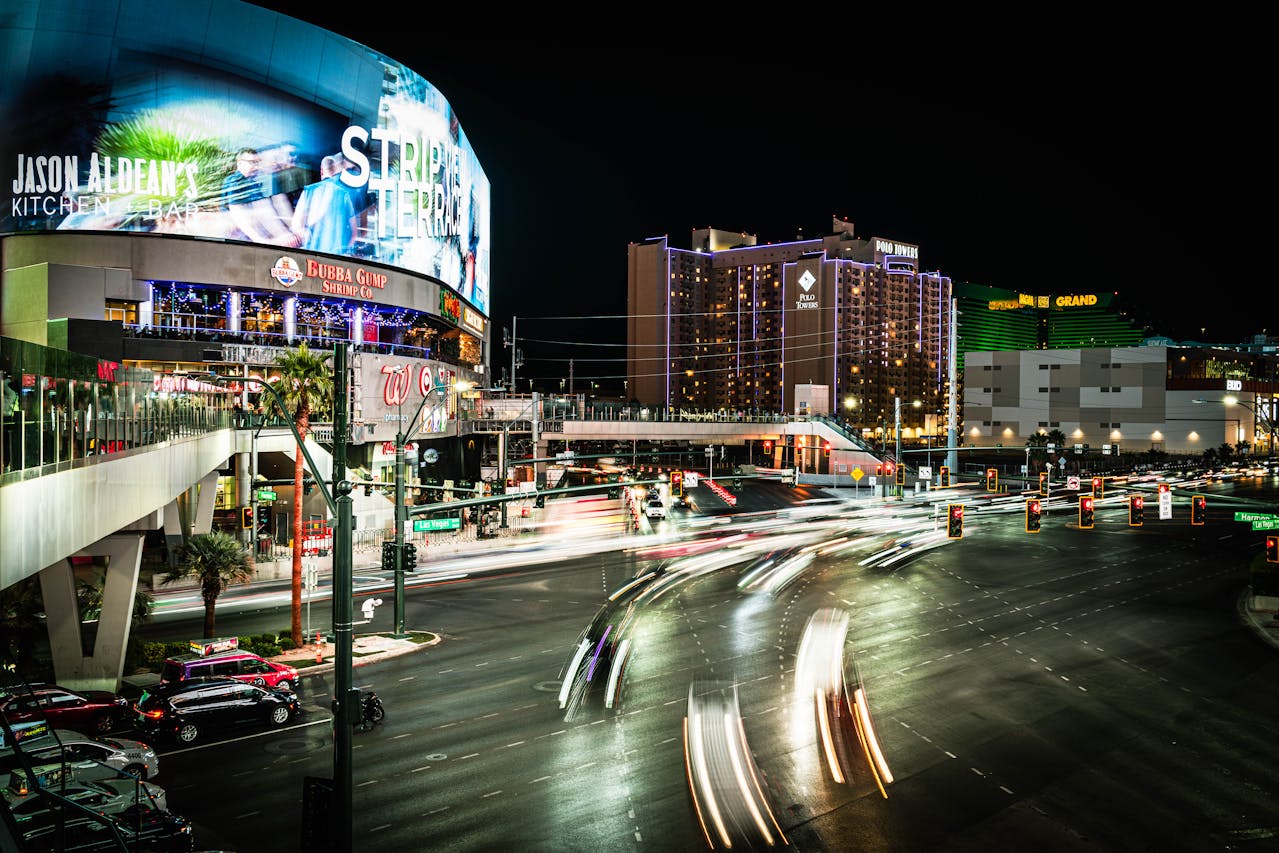
Resort fees are no longer a footnote in Las Vegas pricing; they are the moment many bookings start to feel shaky. Some Strip properties charge $55 per night plus tax as a mandatory add-on, marketed as Wi-Fi, pool access, and self-parking bundled into one line.
The problem is trust. When the final total jumps at checkout, visitors start trimming the fun first: one less restaurant, fewer cocktails, fewer impulse bets, and tighter tips. A city built on small splurges cannot shrug off that shift, because it changes not only what people buy, but how repeat customers decide whether to come back. Even small pullbacks land on workers fast.
Visitor Counts Slip, and Volume Matters More Than Ever
The headline number tells the story: Las Vegas logged 38.5 million visitors in 2025, down 7.5% from 41.6 million in 2024. That is also below the 42.5 million visitors recorded in 2019, before the pandemic reset travel habits and pricing power.
The slide is not just annual; it stacked up month after month. Las Vegas Review-Journal reporting described December 2025 as the 12th straight month of visitation declines, with December visitors down 9.2% year over year. In a city built on momentum, that kind of streak changes staffing, show schedules, and how aggressively hotels chase bookings, then it spills into the streets around them almost right away.
Staff Cuts Put the Slowdown on a Human Scale
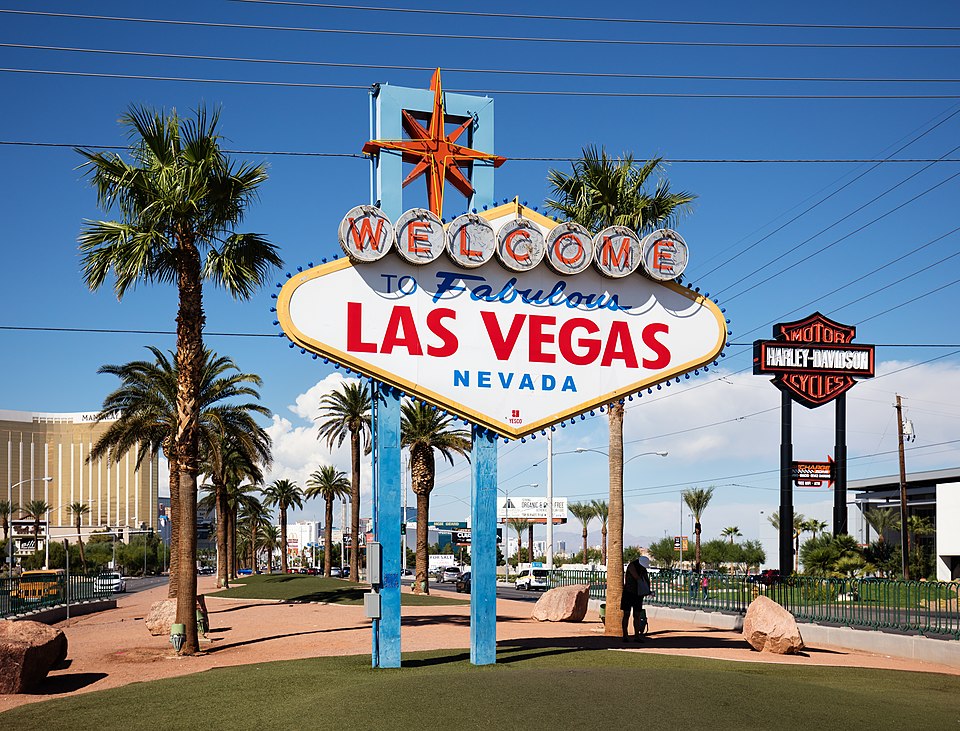
When visitation softens, Las Vegas feels it through paychecks, not headlines. Seasonally adjusted figures showed the metro area lost 4,700 jobs from Sept. to Nov. 2025, including 3,800 from Sept. to Oct. and another 900 from Oct. to Nov., with leisure and hospitality taking the most visible hit.
Cuts like that do not stay behind employee doors. Fewer workers on shift can mean slower room turns, fewer open bars, and more pressure on tips that were already stretched by higher prices. It also pulls spending out of local neighborhoods, because households scale back long before tourism rebounds, and experience walks out too.
High Unemployment Adds Weight to Every Decision
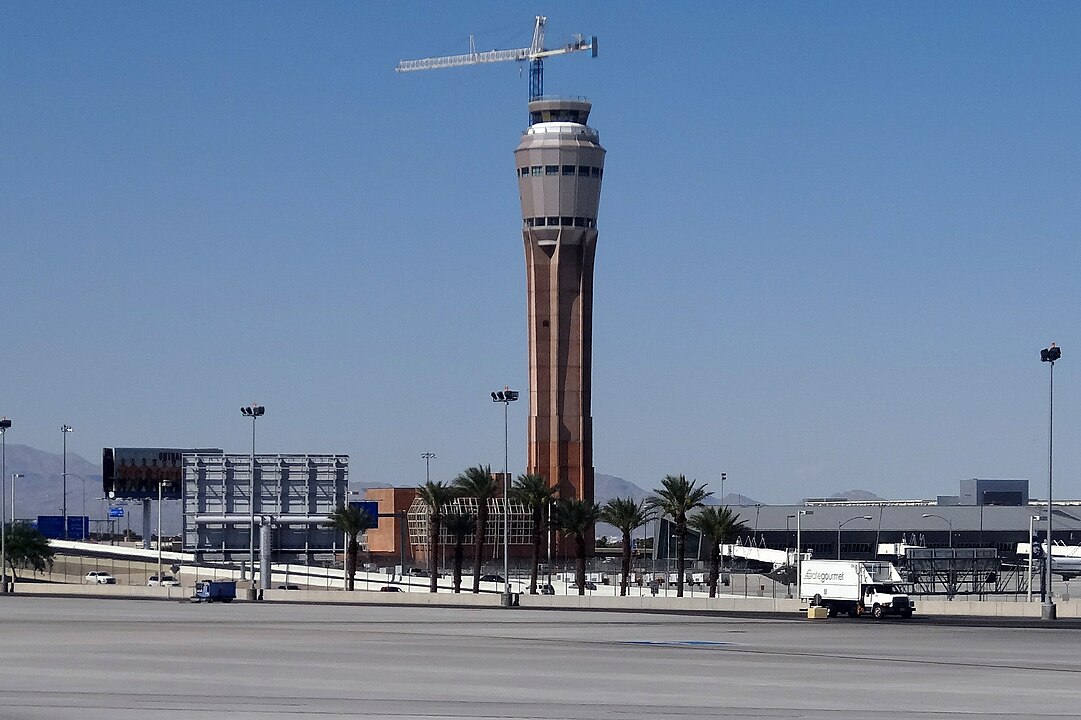
The job market adds weight to every tourism dip. U.S. Bureau of Labor Statistics data shows the Las Vegas-area unemployment rate was 5.7% in Sept. 2025, placing it among the higher rates for large U.S. metro areas. That matters in a town where many households depend on shift work and tips that track hotel occupancy.
When unemployment rises, businesses get cautious. Schedules tighten, hiring slows, and workers compete for fewer good shifts, which can dull the service polish Las Vegas is known for. Locals also spend less, so off-Strip restaurants and shops lose a second stream of demand, and the slump stops being only about visitors for long.
Business Confidence Slides, Freezing Expansion Plans
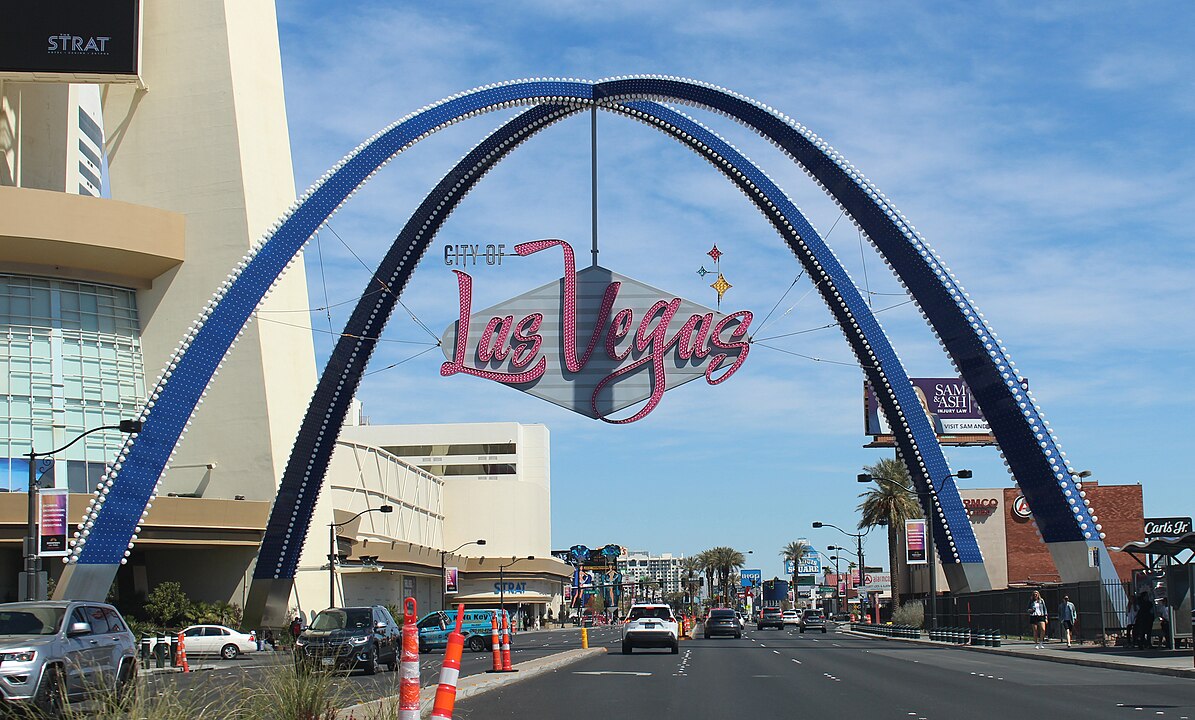
Behind the neon, executives watch bookings and margins. University of Nevada, Las Vegas researchers reported the Southern Nevada Business Confidence Index plunged in 2025 to its lowest level in 16 years. In 2025Q2 it dropped from 105.7 to 59.4, and by 2025Q4 it was 50.5, pushing leaders to brace for weaker sales and pause expansion.
Low confidence drains risk-taking. Delayed remodels mean fewer contractor hours, paused openings mean fewer new jobs, and suppliers sell less to restaurants and venues. The change can feel subtle, but it shows up as leaner staffing, fewer new concepts, and a city that seems to hold its breath.
Canadian Travel Pulls Back, Leaving a Winter-Sized Gap
International travel is often the cushion when U.S. demand gets jumpy, which is why Canada matters so much to Las Vegas. A CityNews report noted that Canadians made about 1.4 million trips to Las Vegas in 2024, and warned that a 20% drop in 2025 would mean roughly 280,000 fewer visitors.
That gap is not just a number; it is timing. Canadian travel has traditionally helped fill winter weeks, keeping hotel towers steadier between conventions and big sports weekends. When that stream weakens, operators scramble to replace reliable repeat business with more expensive marketing and deeper discounts, and the city’s finances get choppier.
Fewer Flights Mean a Choppier Crowd Pattern
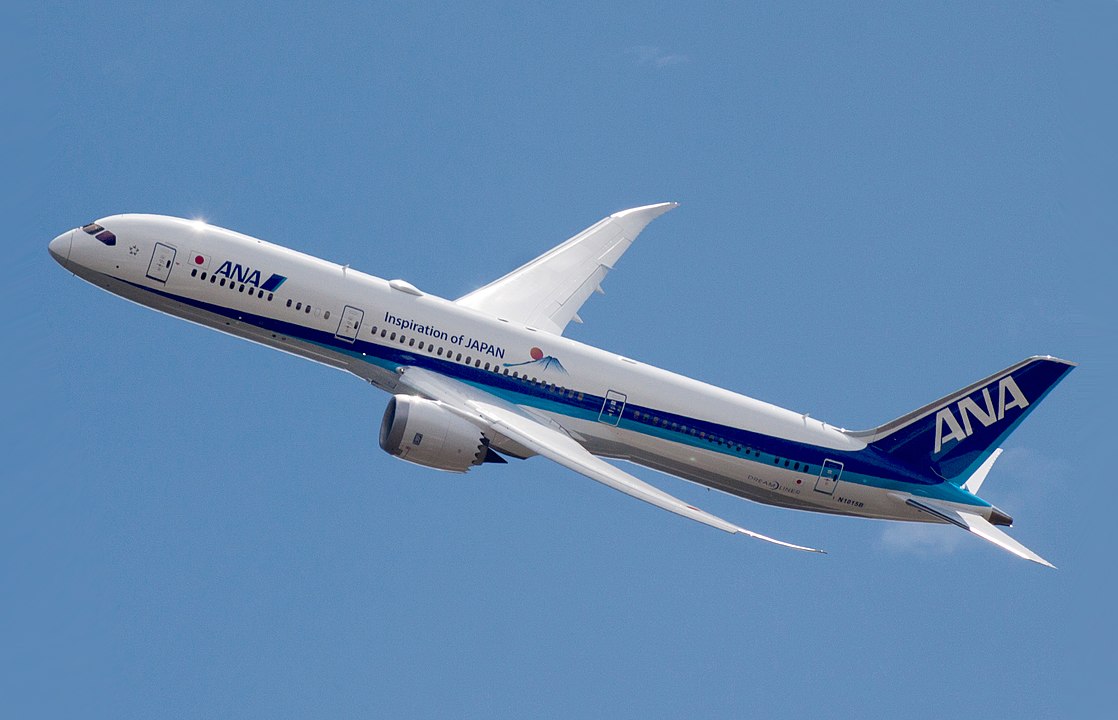
A visitor slump is not only about desire; it is also about airline seats and schedules. Reports in early 2026 described passenger counts declining at Harry Reid International Airport toward the end of 2025, with international traffic falling faster than domestic over the same stretch.
Fewer convenient flights change the whole pattern. Airfares jump on peak weekends, midweek deals arrive too late, and planners hesitate, which squeezes conventions and leisure travel at once. When the flight map tightens, Las Vegas loses spontaneity, and hotels fight harder for every full room. The drag shows up in taxis, bars, and shows.
Convention Surges Can’t Fully Cover Leisure Softness

Conventions still bring surges, but they no longer guarantee that the rest of the week stays full. Review-Journal reporting said 2025 convention attendance was about 6.0 million, flat year over year and roughly 10% below 2019’s record 6.6 million. That leaves less insulation when leisure travel gets price-sensitive.
The rhythm after a big show can feel abrupt. Elevators and coffee lines are packed at 8 a.m., then dining rooms thin out by 7 p.m., and smaller venues feel it first. When the city cannot count on business travel to fill the gaps, hotels lean harder on promos, and the whole corridor becomes more volatile week to week.
Hotel Occupancy Softens, Even as Rates Stay Elevated
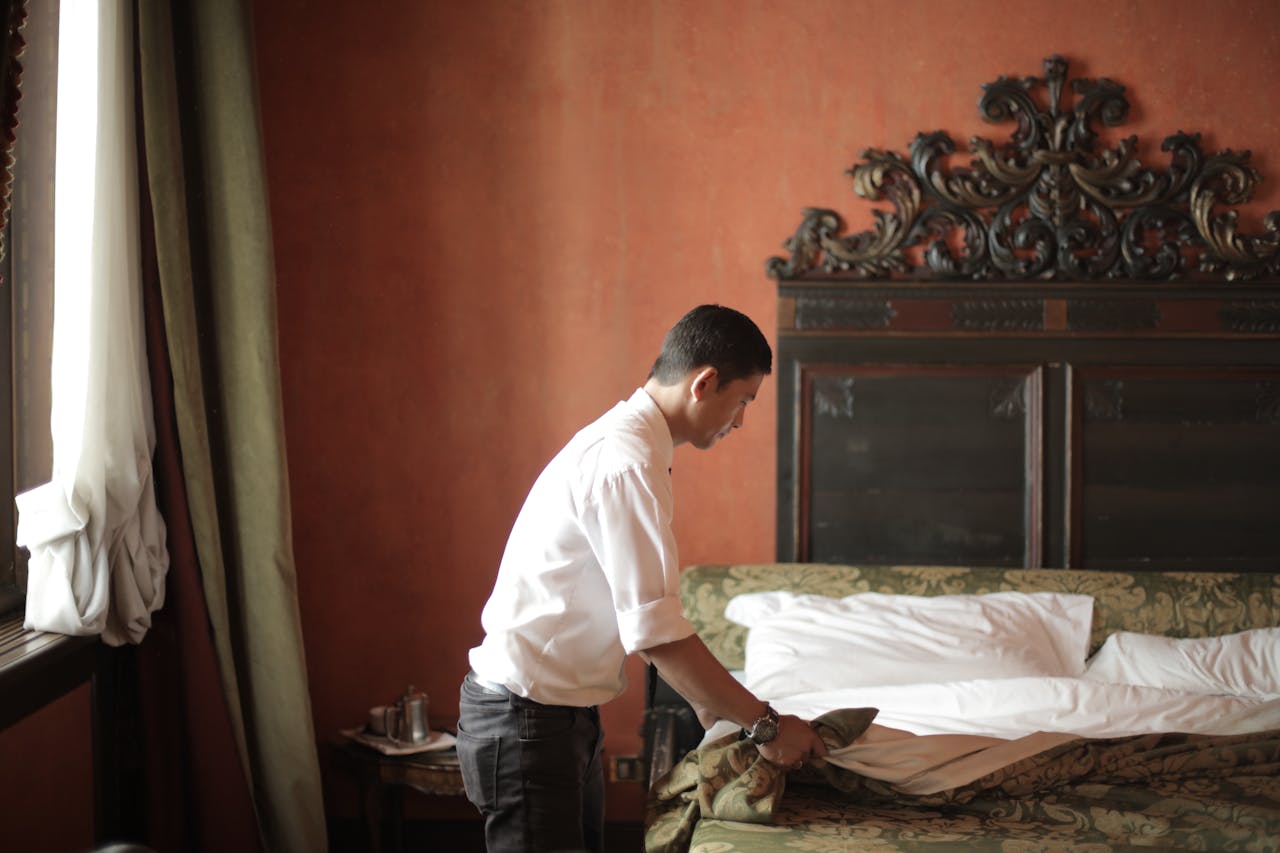
Hotel metrics show how the slump feels in real operations. Review-Journal reporting said December 2025 occupancy fell to 76.1%, down 5.8 percentage points, and the average daily room rate slipped 5.1% to $183.87. For the full year, the average daily rate was about $183.52, down 5%.
Lower rates can sound like relief, but they often arrive with trade-offs. Resorts cut hours, bundle fewer perks, and lean on fees to protect margins, which can frustrate guests and staff alike. When value feels inconsistent, visitors hesitate to book again, and the city loses the repeat trips that keep slow seasons from turning into slow years.
Discounts Return, but Trust Takes Longer to Rebuild

Las Vegas has survived slumps before, and the first response is usually value signaling: midweek packages, dining credits, and targeted offers aimed at drive markets. Tourism officials have framed 2026 as a rebuild year anchored by major conventions and special events.
Promotions help, but they do not solve the core question: is the total bill predictable, and is the service worth it. When trust drops, even loyal repeat visitors rethink the next trip. If fees stay high and the experience feels tighter, discounts become a patch. If pricing feels fair again, confidence returns, and the city’s momentum can snap back quickly.