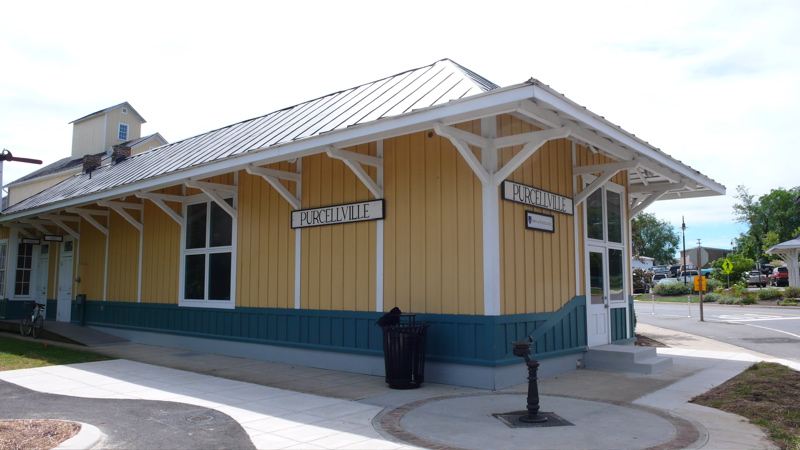
Purcellville, Virginia, still looks like a classic day-trip town west of Washington, with historic storefronts, nearby vineyards, and a pace that once felt predictably calm. Over the past year, that surface has cracked. Council meetings have stretched for hours, recall petitions have drawn more than 1,100 signatures, and overlapping lawsuits plus criminal allegations have pushed local politics into constant public conflict. As arguments over growth, transparency, and identity sharpen, the town increasingly mirrors a national mood of distrust, where even routine civic decisions can feel like public standoffs after dark.
Main Street Looks Calm, But Town Hall Feels Like a Pressure Cooker

Purcellville still looks like the kind of town built for easy Saturdays, with old storefronts, local cafés, and a Main Street pace that invites lingering. Yet council nights now carry different energy. Standard agenda items often slide into shouted objections, clipped replies, and visible tension.
A recent meeting ran more than five hours, filled Town Hall, and drew over 1,000 online viewers. Some attendees brought popcorn, a detail residents keep repeating because it says everything. Civic business that once felt routine now feels like spectacle, and that shift is changing how the town is discussed beyond Loudoun County.
A Recall Campaign Turned Frustration Into Action
The divide became formal when residents organized a recall effort targeting four officials, including the mayor and vice mayor. Petitioners gathered more than 1,100 signatures, turning frustration into a legal campaign with deadlines, filings and court scrutiny.
For critics, the drive signals a demand for transparency after months of surprise moves and bitter exchanges. For supporters of the council majority, it looks like an attempt to reverse election outcomes through pressure outside the ballot box. Either way, the recall effort changed the town’s political math: conflict is now structured, measurable, and impossible to dismiss.
Court Filings Became Part of Daily Life
Tensions intensified when local drama moved into criminal and civil courts. State police accused Vice Mayor Carl Ben Nett and former town manager Kwasi Fraser in a bid-rigging case tied to a $12,000 consulting contract. Both men deny wrongdoing and pleaded not guilty to core felony counts.
The litigation then widened. Nett filed a $42 million lawsuit alleging rights violations, while the interim police chief filed a $20 million defamation suit against him. With several cases unfolding at once, residents now track hearings as closely as council votes. Governance and legal strategy are now tightly linked, keeping civic tension high.
Mayberry Versus Metropolis Turned Policy Into Identity
Campaign slogans hardened into social boundaries. Team Mayberry cast itself as a defense of small-town character and lower utility pressure. Opponents argued that growth planning and infrastructure upgrades are unavoidable in a town tied to a changing Washington exurban corridor.
Soon, debates stopped being only about roads, rates, or annexation. They became identity tests about belonging and control of Purcellville’s future. In a community of multigenerational families and newer arrivals, labels started carrying cultural weight. Once that shift happens, compromise can look like surrender and mistrust expands faster than agreement.
Growth Pressures Outran Civic Trust
Purcellville’s growth changed the stakes. Reporting describes a rise from roughly 3,500 residents a generation ago to about 9,000, increasing pressure on roads, utilities, and planning. Growth alone was not the full problem; trust in how growth should be managed became the harder fight.
Residents describe a blend of farmers, commuters, retirees, business owners, preservationists, and developers. That mix can be a strength when civic trust is stable. In a polarized cycle, it can sharpen fear that one group’s priorities will erase another’s way of life. What looks like one conflict is several unresolved futures competing at once.
The Police Department Flashpoint Raised the Temperature

The police department fight became a major turning point. Nett was fired from the police force in April over alleged sick-time misuse, which he disputes. Days later, council allies signaled support for dissolving the police department, then reversed course after public backlash.
Prosecutors later alleged a conflict of interest tied to that episode, while Nett argued his position was lawful and cost-focused. Legal outcomes are still unfolding, but civic impact came fast. When public safety enters political battle, trust erodes quickly. In Purcellville, residents cite this period as the moment disagreement became durable fracture.
Narrow Votes Keep Reigniting the Same Conflict

Leadership votes keep reopening the wound. At a crowded council meeting, Nett was reappointed vice mayor by a 4-3 vote after heated public comment. Opponents challenged his fitness for the role, while allies defended continuity and mandate. Applause and frustration filled the room.
That 4-3 pattern now shapes municipal life. Supporters call it lawful majority rule. Critics call it procedural opacity and escalation. Because both sides read outcomes through opposite frames, decisions rarely settle debate. Each vote restarts the same legitimacy argument under a new agenda line, leaving routine governance trapped in conflict.
Reputation Strain Is Touching Weekend Travel Choices
Purcellville remains close to Washington, and visitor traffic matters because it connects to wineries, trails, and weekend dining in western Loudoun. Yet residents describe embarrassment over nonstop scandal headlines, and reputation can influence where travelers spend free time.
No clear tourism collapse is documented, and attractions remain active. Still, short trips are sensitive to atmosphere. When nearby towns compete for the same weekend crowd, many people pick the place that feels calm. In that setting, civic turmoil can lead some travelers to skip Purcellville quietly, even before official counts show a sharp decline.