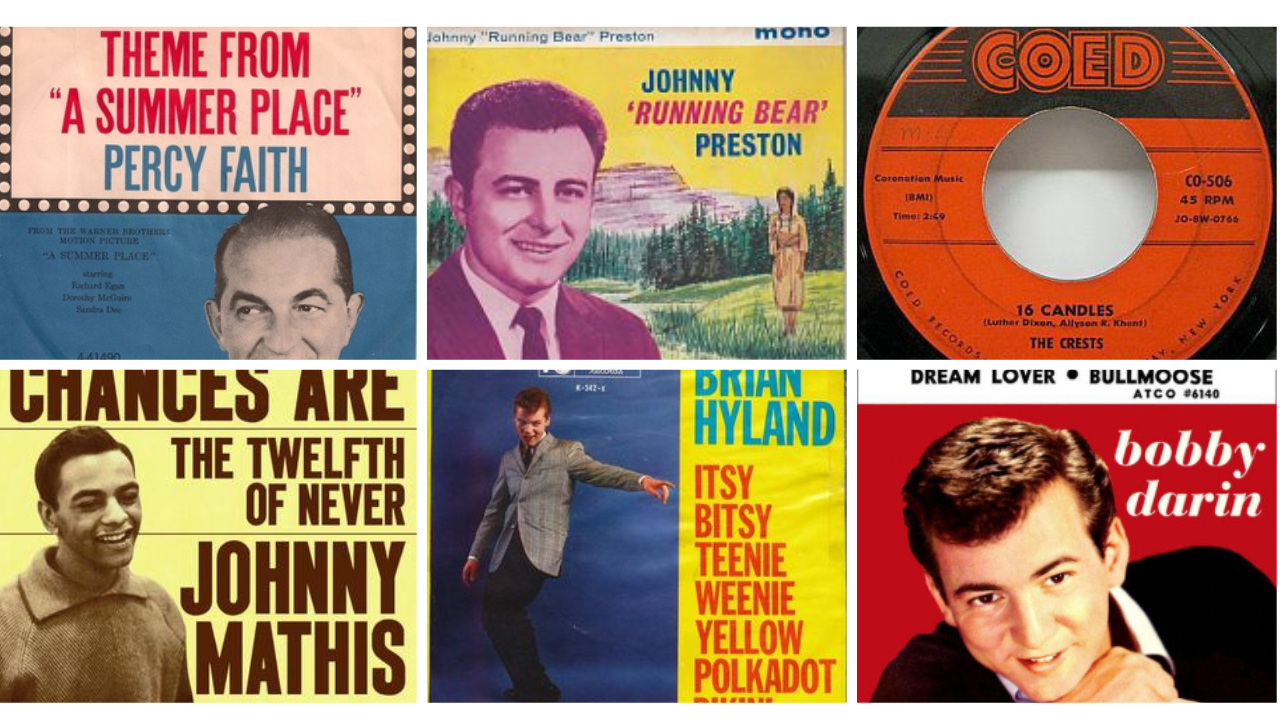
Across the Baby Boomer span, music memory split along an invisible line. People born in the late 1940s bonded with crooners, doo-wop harmonies, and novelty singles that ruled pre-Beatles radio. Those born later entered adolescence as guitars grew louder, lyrics got tougher, and album culture started outranking one-off hits. That timing gap changed what felt formative. One cohort heard these songs as present-tense life; the other met many as hand-me-down nostalgia. The generation kept one label, but not one soundtrack, and that split still shapes family stories, reunion playlists, and what survives in everyday memory.
“Chances Are” by Johnny Mathis
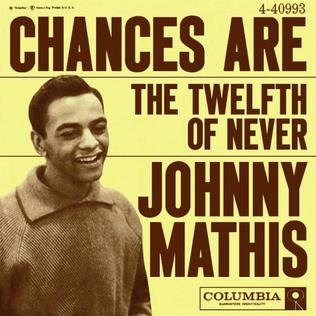
For many older Boomers, Johnny Mathis turned teenage rooms and family dens into a private slow-dance world. Released in 1957, “Chances Are” became one of his signature records and helped define polished romantic pop before the Hot 100 era standardized chart language across stations and markets. Its soft-focus mood became a shared social cue.
Younger Boomers were not immune to its elegance, but they entered peak listening years as pop rewarded punchier rhythm, louder bands, and youth rebellion. What once felt immediate started sounding like an earlier chapter: admired, referenced, and less often replayed all the way through.
“Itsy Bitsy Teenie Weenie Yellow Polkadot Bikini” by Brian Hyland
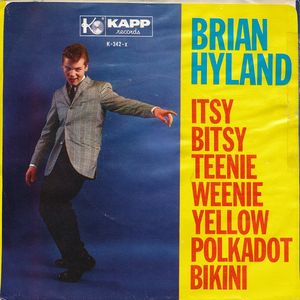
In 1960, Brian Hyland’s “Itsy Bitsy Teenie Weenie Yellow Polkadot Bikini” was not a tiny novelty blip. It reached No. 1 on the Hot 100 and captured a bright, cheeky mood that older Boomers still recall as summer radio’s shared soundtrack, when one hook could unite schools, diners, and car rides. It was playful pop at full national volume.
Younger Boomers came of age during a harder-edged era shaped by social conflict, festival culture, and album-minded credibility. Against that backdrop, this playful single often got filed under old AM innocence, remembered more as a cultural postcard than a living favorite in daily rotation.
“Theme from A Summer Place” by Percy Faith
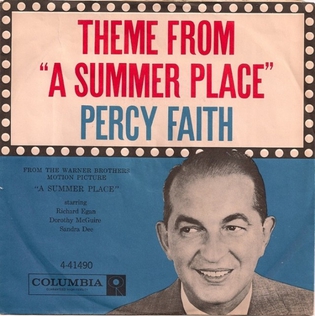
Percy Faith’s “Theme from A Summer Place” broke expectations for what could dominate pop radio. The instrumental spent nine consecutive weeks at No. 1 on the Hot 100 in 1960, proving that a lush orchestral melody could move mass audiences before rock’s center of gravity shifted decisively toward bands, vocals, and personality-driven stardom.
Older Boomers often carry the song as an emotional timestamp from family living rooms and early television years. Younger Boomers, hearing it later through reruns and nostalgia programming, tended to absorb it as atmosphere rather than identity, a famous melody with less personal ownership.
“Alley Oop” by The Hollywood Argyles
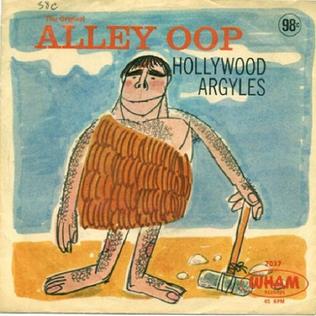
A caveman novelty record topping the national chart sounds improbable now, yet “Alley Oop” by the Hollywood Argyles hit No. 1 in 1960. Older Boomers remember it as proof that radio could still be silly without apology, when humor records, dance crazes, and teenage chants could coexist beside serious ballads in the same countdown.
For younger Boomers, the memory map shifted toward authenticity, virtuosity, and social commentary. Novelty songs survived, but they lost central status as FM and album listening deepened expectations. What once felt communal and fun gradually became trivia knowledge instead of daily rotation.
“Running Bear” by Johnny Preston
Johnny Preston’s “Running Bear” reached No. 1 for three weeks in early 1960, carrying a tragic teen narrative that felt dramatic and sincere to many older Boomers. Its storytelling style matched a late-1950s appetite for compact emotional plots, where one record could deliver characters, conflict, and heartbreak in minutes.
Younger Boomers encountered a different lyrical climate as protest songs, psychedelia, and concept-driven albums expanded what pop could say. Compared with that shift, “Running Bear” often came to sound like a preserved time capsule: historically vivid, but less central to later generational identity.
“16 Candles” by The Crests
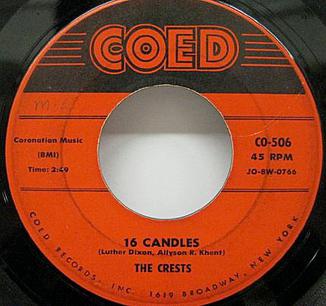
The Crests’ “16 Candles” peaked at No. 2 on the Hot 100 in 1959, helping define the era’s slow-dance emotional register. Older Boomers remember it less as background and more as event music: school gyms, first crushes, and radio dedications that turned ordinary evenings into something ceremonial and cinematic with dance-floor etiquette in every phrase.
Younger Boomers often met the title through later film reuse more than uninterrupted original airplay. That difference matters. A song can remain famous while becoming less lived-in, and “16 Candles” often sits in that gap between broad recognition and direct generational attachment.
“Mack the Knife” by Bobby Darin
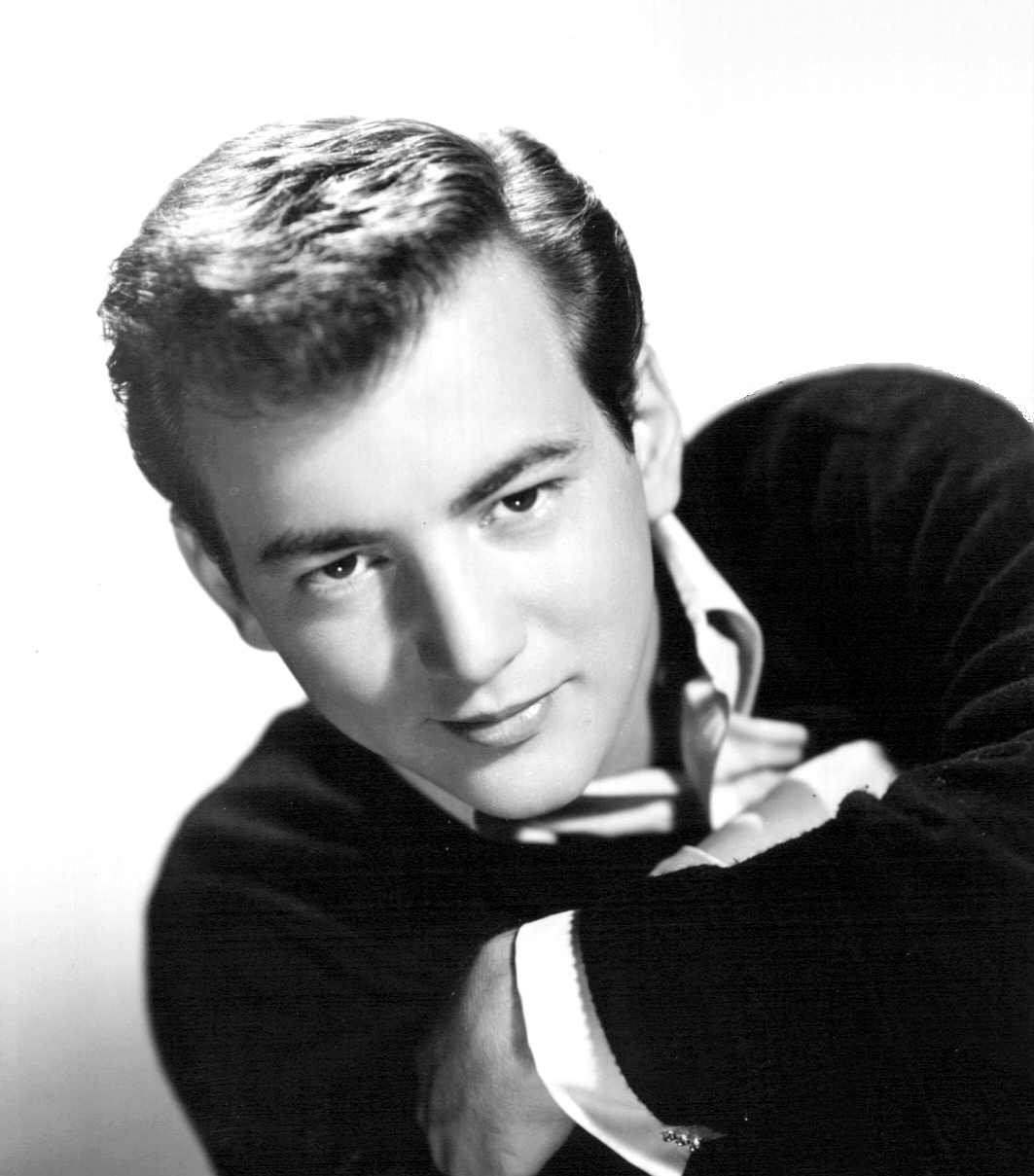
Bobby Darin’s “Mack the Knife” dominated late 1959 with a nine-week No. 1 run on the Hot 100, then carried that momentum into a Record of the Year Grammy win. Older Boomers heard it as current pop power, not museum repertoire, and its swagger showed how traditional songcraft could still command mass attention before rock redrew the map and shifted mainstream cool.
Younger Boomers did not erase it, but many absorbed it as a standard adjacent to variety television and parents’ record shelves. Its reputation stayed huge while day-to-day emotional ownership gradually narrowed over time and moved toward historical admiration.
“Blueberry Hill” by Fats Domino
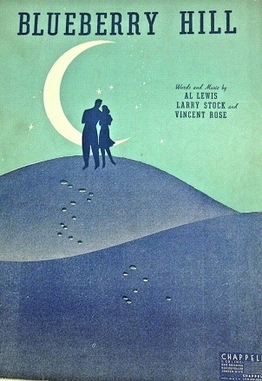
Fats Domino’s “Blueberry Hill” became a defining crossover moment of the 1950s, climbing high on both pop and R&B charts and bringing New Orleans rhythm to a broad mainstream audience. Older Boomers remember it as warm, rhythmic, and omnipresent, with Domino’s piano and phrasing making the record feel relaxed yet unmistakably alive on radio.
Younger Boomers inherited Domino’s influence through rock-history storytelling more than heavy contemporary airplay. Respect remained, but saturation changed, and once repetition fades, even major records can move from personal soundtrack to canonical background in everyday memory.
“The Purple People Eater” by Sheb Wooley
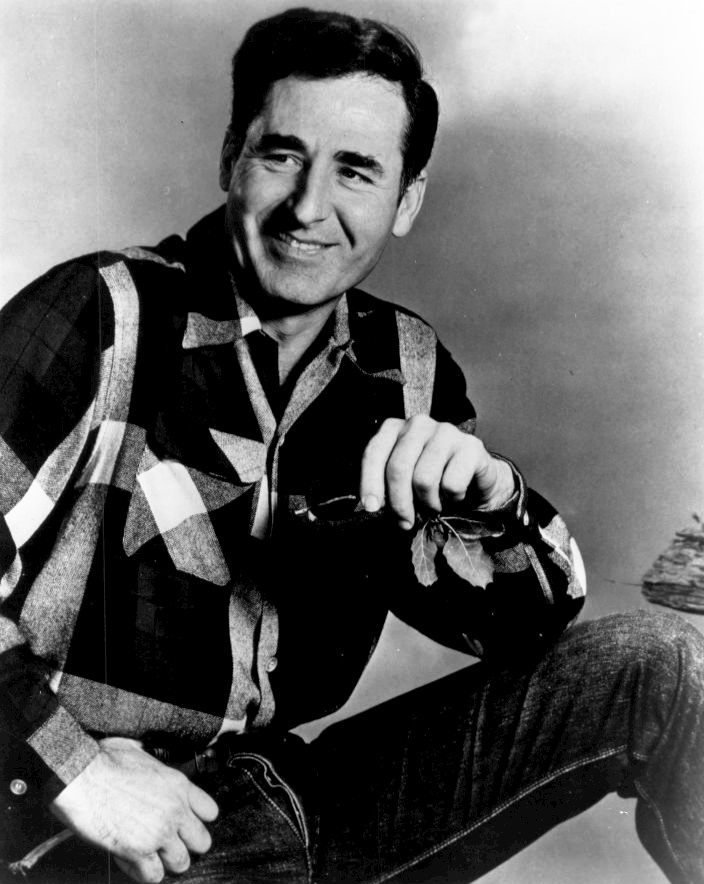
Sheb Wooley’s “The Purple People Eater” hit No. 1 in 1958 and turned absurdity into mass entertainment. Older Boomers remember a period when a goofy premise could dominate national conversation, proving that pop radio once treated novelty as a mainstream lane rather than a side attraction between serious releases. It was comic, catchy, and mainstream.
Younger Boomers were shaped by a climate that increasingly prized artistic seriousness and album coherence, so novelty lost central status. The song survives as cultural shorthand, but mainly as a symbol of a vanished broadcast mood where playful tracks still carried chart weight.
“Dream Lover” by Bobby Darin
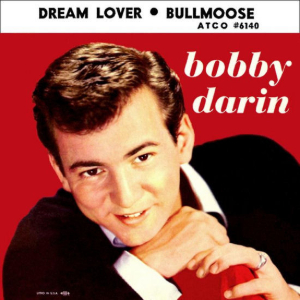
Bobby Darin’s “Dream Lover” reached No. 2 in 1959 and sold at a level that made it core pre-Beatles teen-pop memory. Older Boomers hold it close for clean structure and emotional directness, a reminder of when radio rewarded melody-first craftsmanship and romantic vulnerability in tight three-minute form built for repeated radio play and request lines.
Younger Boomers encountered Darin during a handoff in popular taste. As rock bands and album identities rose, songs like “Dream Lover” stayed respected but became less central to daily listening habits. The bridge held historically, even as traffic moved to another musical highway.
“The Lion Sleeps Tonight” by The Tokens
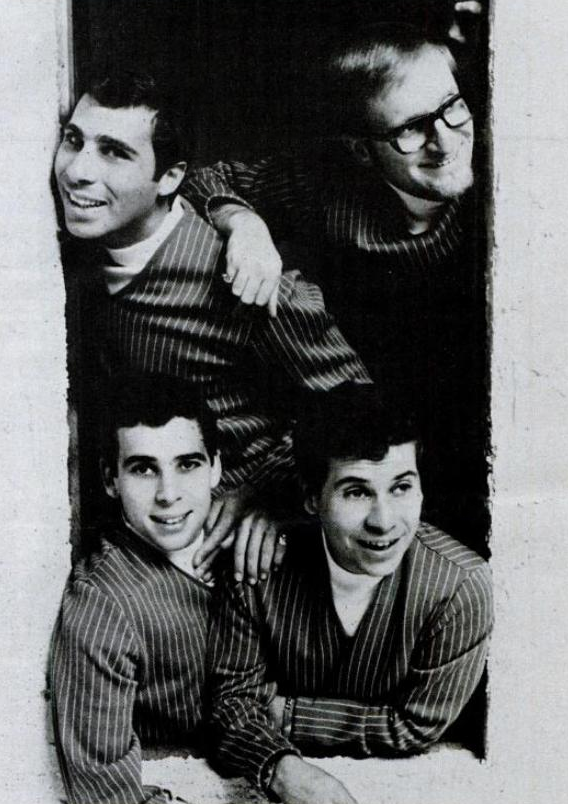
The Tokens’ “The Lion Sleeps Tonight” reached No. 1 in Dec. 1961, near the end of a pop cycle that older Boomers experienced in real time as omnipresent radio. Its layered vocals and instantly recognizable hook kept it durable, yet that durability changed as the song reentered culture through films, ads, and compilations that kept it familiar across generations.
Younger Boomers did not necessarily forget it. Many met it through reuse rather than original chart context, which alters emotional ownership. A song first heard as revival content carries different weight than one heard during its initial climb and chart run.